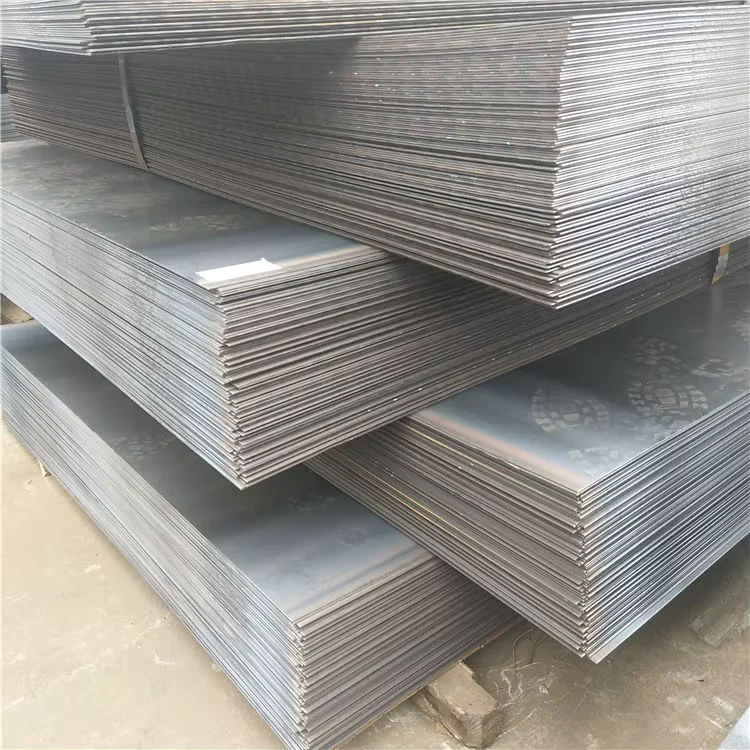
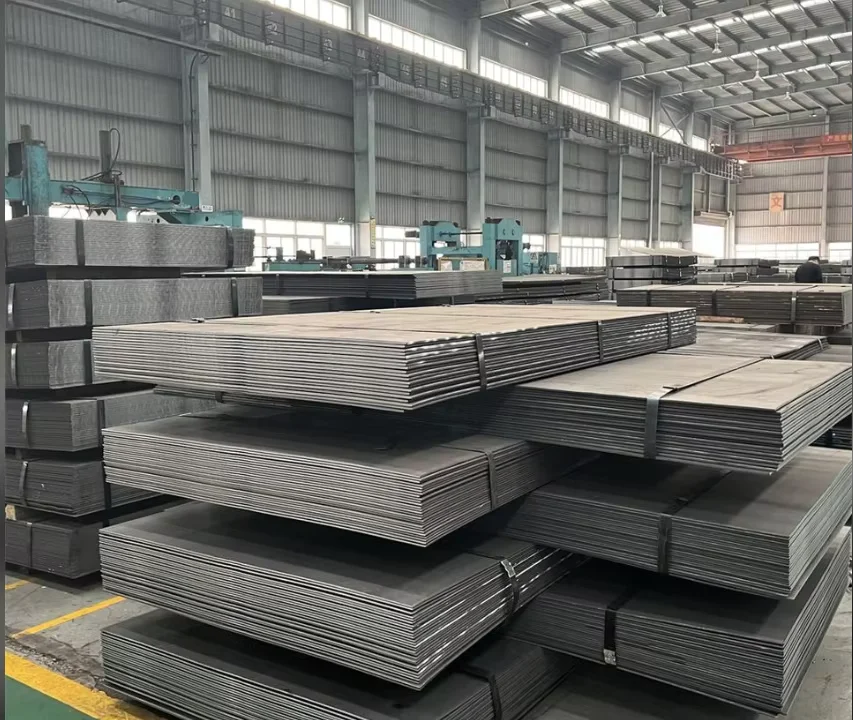
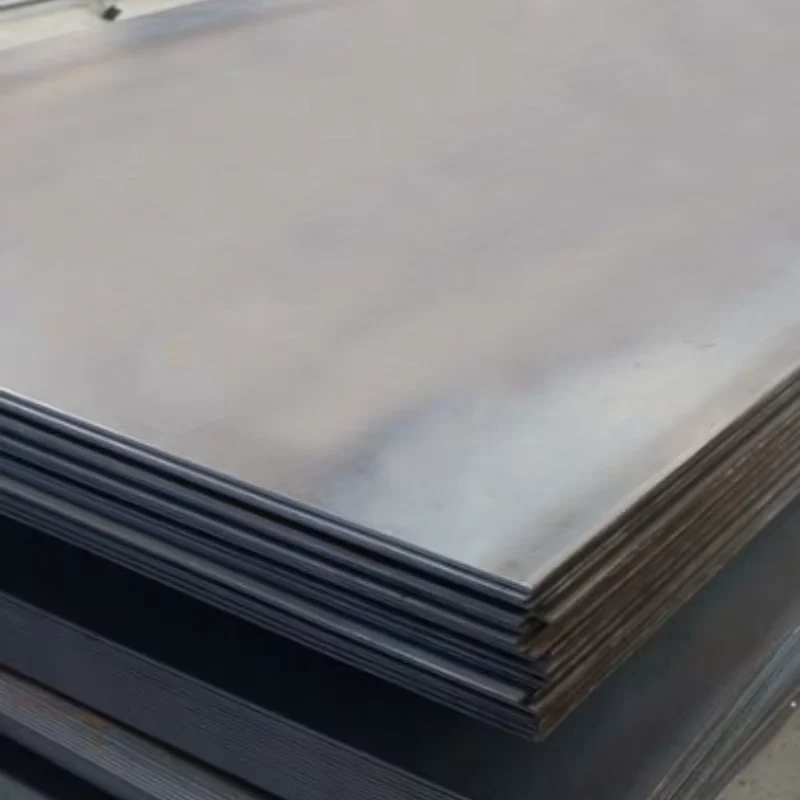
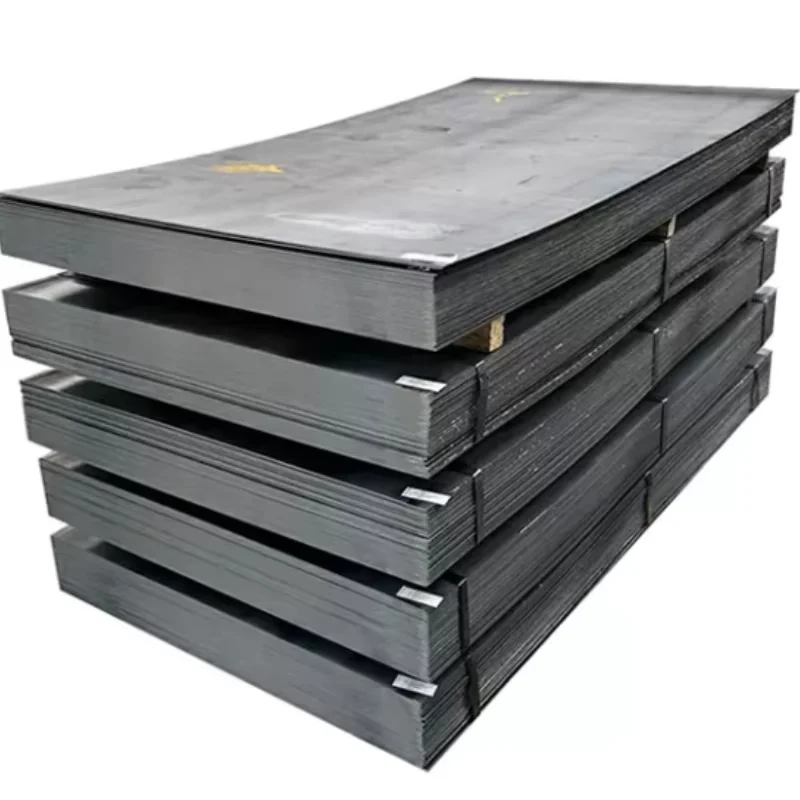
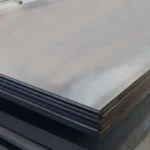
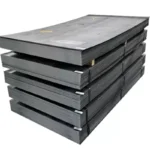
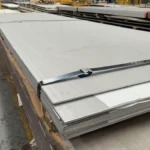
Description
Direct Mill Supply, No Broker Markup — NM400 and NM500 plates rolled, tested, and cut in-house with full heat-level traceability from slab to shipment.
Technical Specifications
| Parameter | Value |
|---|---|
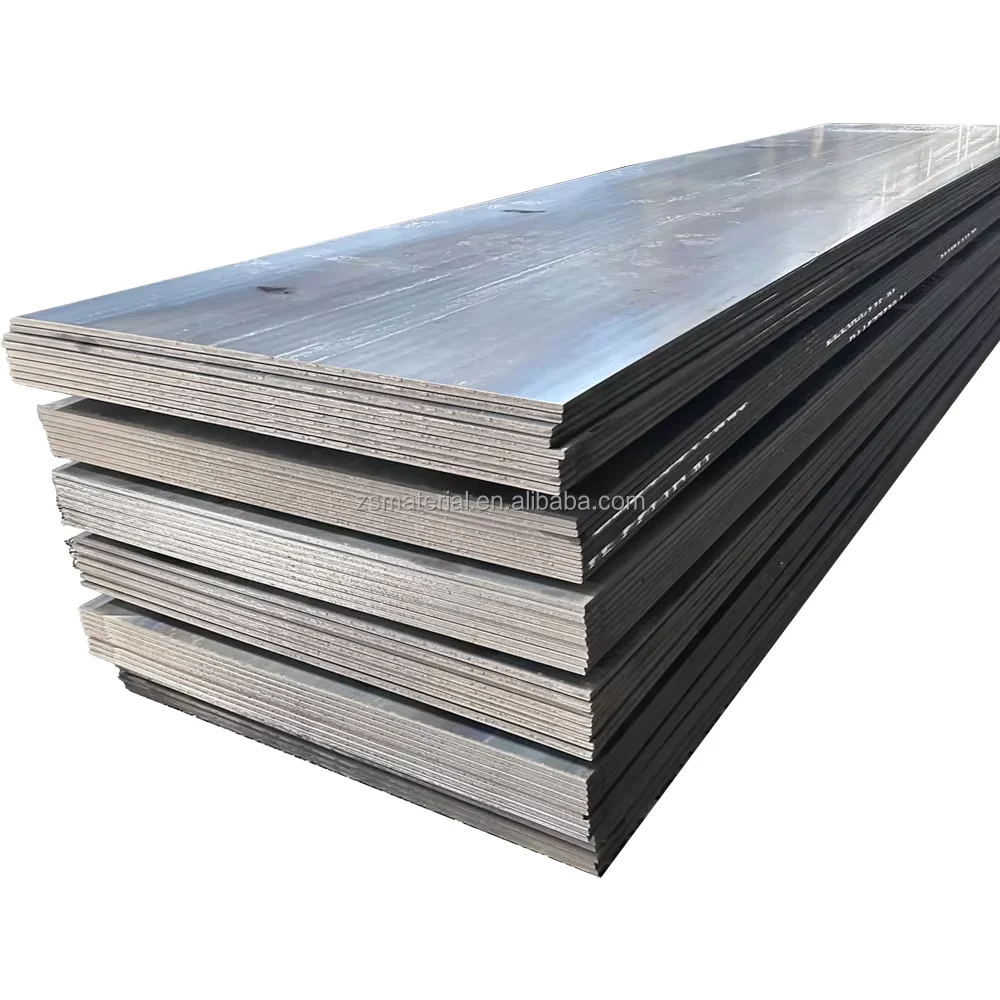
| Designation | NM400/NM500 Wear Resistant Steel Plate |
| Product Type | Steel Plate |
| Steel Grade | NM400, NM500 |
| Standard | JIS, ASTM, DIN |
| Thickness | 12mm |
| Technique | Hot Rolled |
| Surface Treatment | Hot Rolled / Coated |
| Cutting Service | Available |
| Application | Mining equipment, construction machinery, industrial wear-resistant components, material handling systems |
Application Suitability
| Industry | Typical Applications |
|---|---|
| Mining & Quarrying | Excavator bucket liners, crusher jaw plates, chute liners, screen panels |
| Construction Machinery | Bulldozer blades, loader bucket edges, grader moldboards |
| Industrial Manufacturing | Conveyor skirting, hopper linings, silo discharge chutes |
| Material Handling | Dump truck bed liners, feeder plates, transfer point wear strips |
Material Traceability Gaps Kill Wear Plate Orders at Customs
Buyers lose money when hardness claims cannot be verified against mill-origin chemistry records.
Sourcing NM400 NM500 wear resistant steel plate supplier from fragmented traders means the mill test certificate often traces back to a reseller, not the rolling heat. When port inspectors or third-party surveyors pull random plates for hardness re-check, mismatched Brinell readings trigger full-batch rejection. I have seen entire containers of wear plate turned away because the MTC listed a heat number that did not match the stamped markings on the steel. [NEED_CITE: wear resistant steel plate hardness verification procedures at destination port]
Matching NM400 and NM500 Hardness to Abrasion Severity
Mining chutes handling iron ore demand NM500-level surface hardness to resist gouging abrasion, while grain-handling conveyors with sliding contact wear perform adequately on NM400. Selecting the NM400 NM500 wear resistant steel plate supplier who stocks both grades from a single mill eliminates the risk of mixed-heat shipments where hardness varies plate to plate. Our in-house rolling and testing means every plate carries the same heat number from slab to cutting table.
Engineering Compliance for Wear Plate in Structural and Pressure-Adjacent Environments
Wear plates welded into excavator booms or bolted onto dump truck beds must conform to the welding procedure specifications of the host equipment OEM. NM400 NM500 wear resistant steel plate supplier documentation should include pre-qualified WPS for common welding processes such as MIG/MAG and SAW, along with hardness maps confirming the heat-affected zone remains within acceptable limits. [NEED_CITE: welding procedure qualification for wear resistant steel per AWS D1.1] Compliance with JIS, ASTM, and DIN standards ensures the plate meets international procurement specifications for projects spanning Southeast Asia, the Middle East, and Africa.
Hardness Grade Selection and Hot Rolling Metallurgy
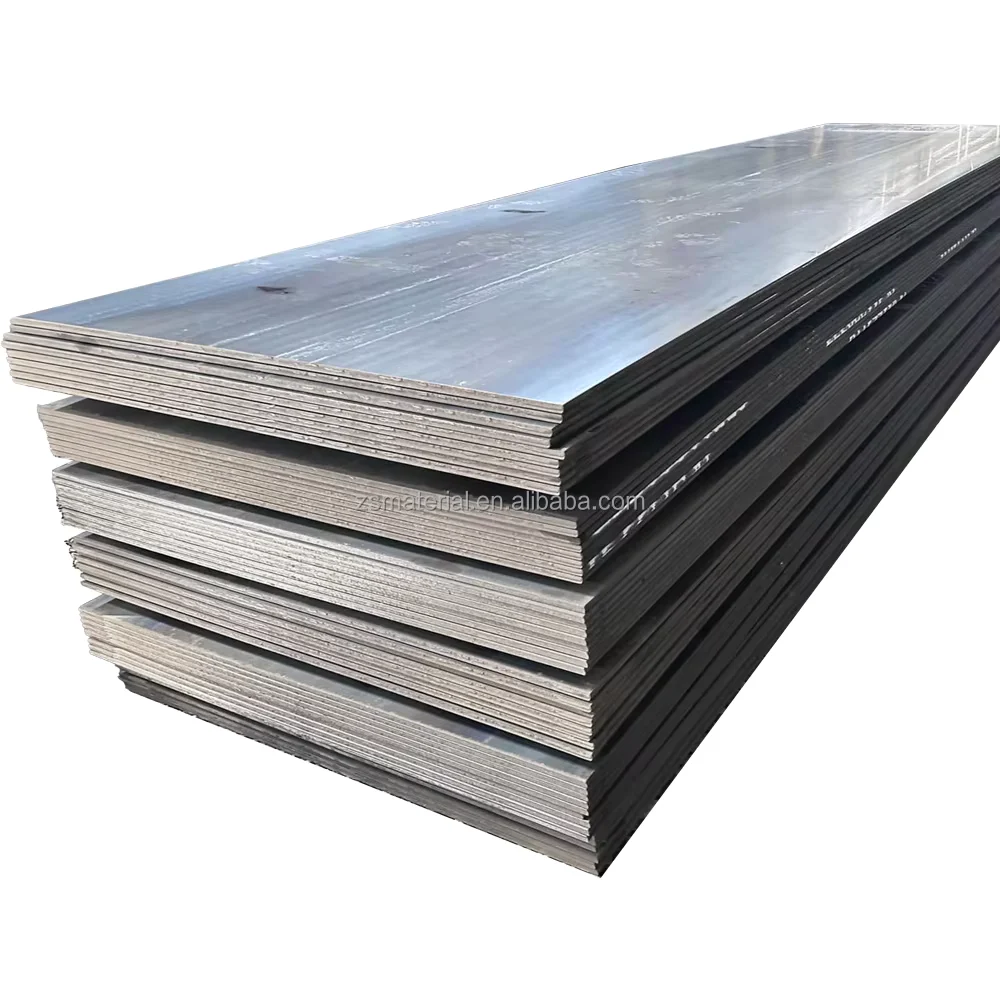
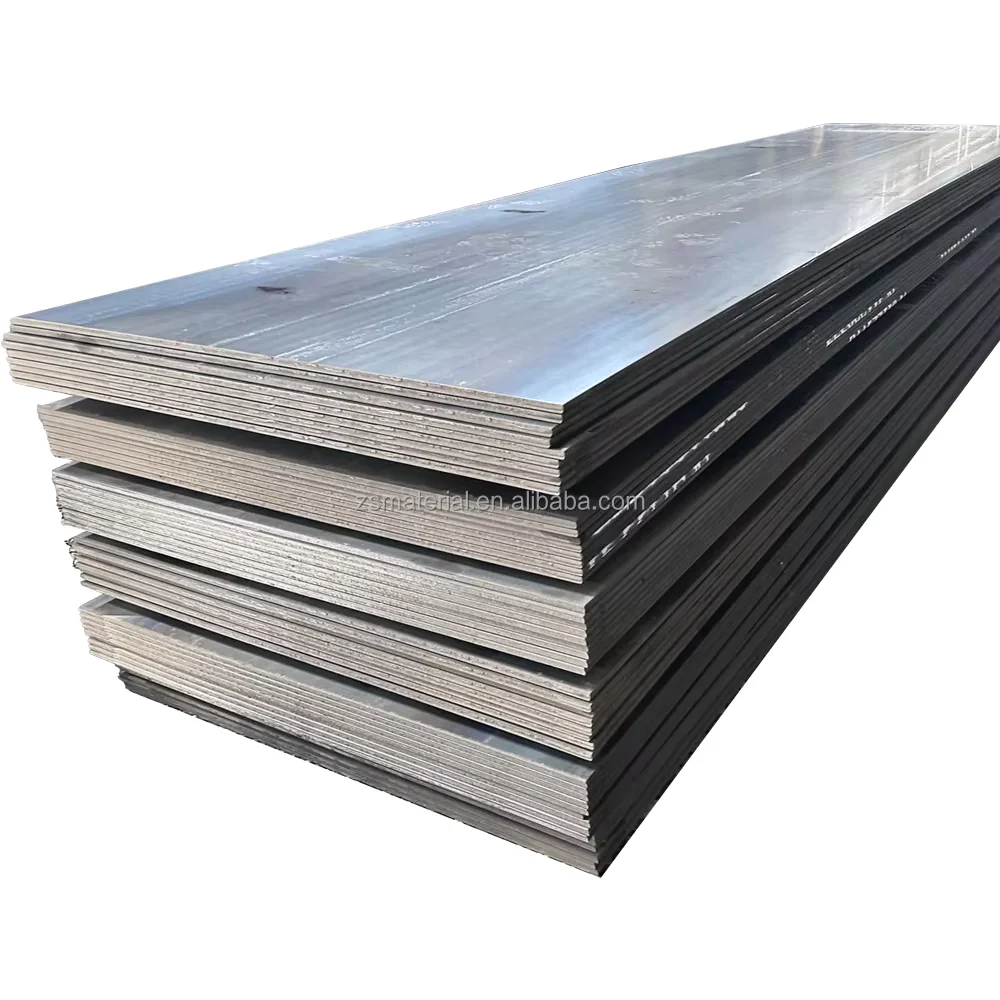
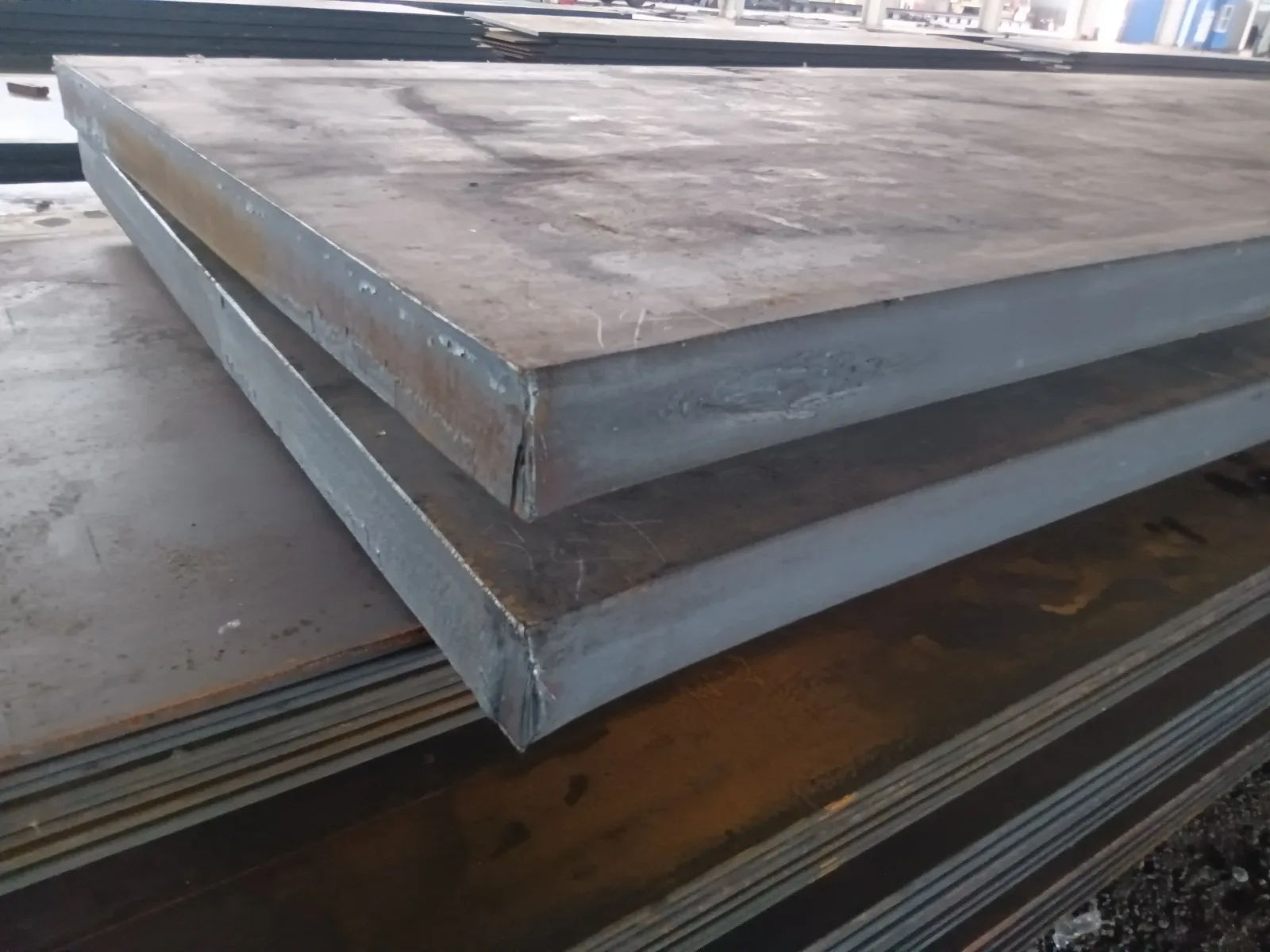
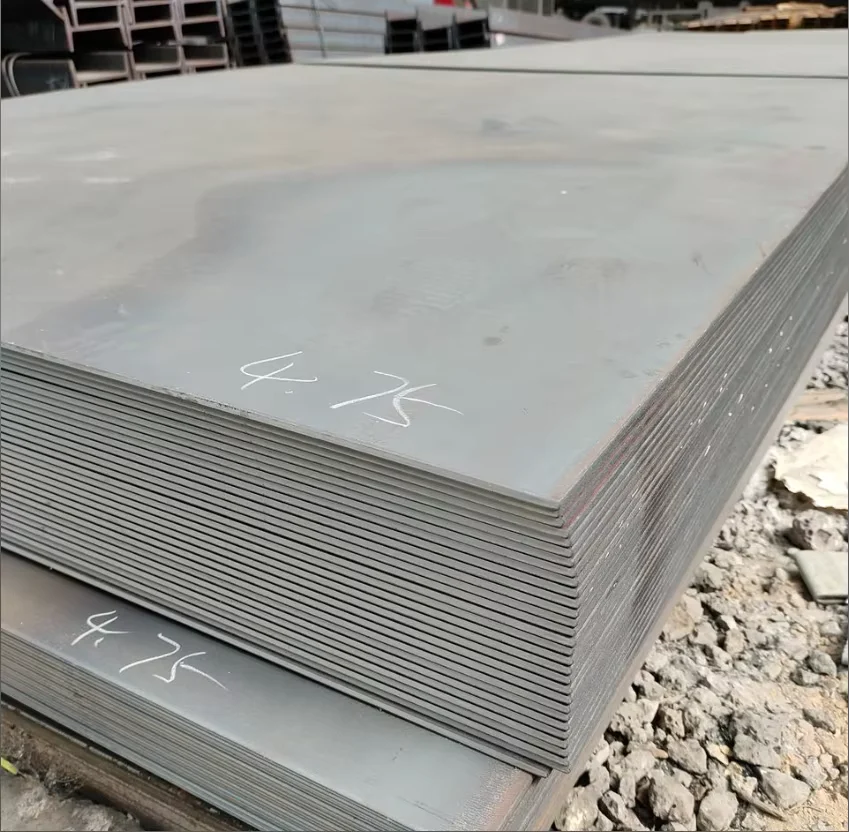
NM400 and NM500 designations refer to Brinell hardness ranges achieved through controlled rolling and quenching-tempering heat treatment. The NM500 grade delivers higher surface hardness suited to high-stress gouging applications, while NM400 offers a balance of hardness and formability for bending and welding into complex liner assemblies. Hot rolled surface finish provides a mill-scale base that accepts shop primers, while coated options add corrosion resistance for outdoor storage or marine environments. Precision cutting service delivers project-specific dimensions, reducing on-site welding and fitting labor.
Hidden Costs of Sourcing Wear Plate Without Verified Hardness
Ordering NM400 NM500 wear resistant steel plate supplier material from brokers who cannot provide heat-level chemistry means the hardness value on the certificate may reflect a different batch entirely. Field failures appear as premature liner wear, cracking along weld lines, or dimensional instability after cutting. Replacing worn liners mid-project costs far more than the price differential between verified and unverified plate. [NEED_CITE: cost of premature wear plate failure in mining equipment]
Why Procurement Teams Choose Our Mill for Wear Plate
We roll NM400 and NM500 grades on our own production lines, so the chemistry, rolling temperature, and quench parameters stay under one roof from slab to finished plate. Every batch goes through our in-house metallurgical lab before release — hardness testing, chemical spectrometry, and ultrasonic inspection happen before the plate ever reaches the cutting table. Our fabrication division handles CNC plasma cutting, drilling, and edge preparation, so you receive liners ready to bolt or weld. Complete quality documentation travels with every shipment: MTC with full chemistry and hardness, dimensional inspection reports, and coating certificates where applicable. Third-party inspection through SGS or BV is available on request, with reports issued before container sealing.
Documentation & Compliance
- Mill Test Certificate documenting NM400/NM500 chemical composition and Brinell hardness per heat number
- Third-party inspection report from SGS or BV confirming hardness and dimensional compliance
- Material traceability sheet linking each plate to its rolling heat and slab origin
- Coating certificate for surface-treated plates specifying coating type and thickness
- Cutting dimension report verifying tolerance on custom-sized plates
- Export documentation including packing list, bill of lading, and certificate of origin
Packaging, Loading & Delivery
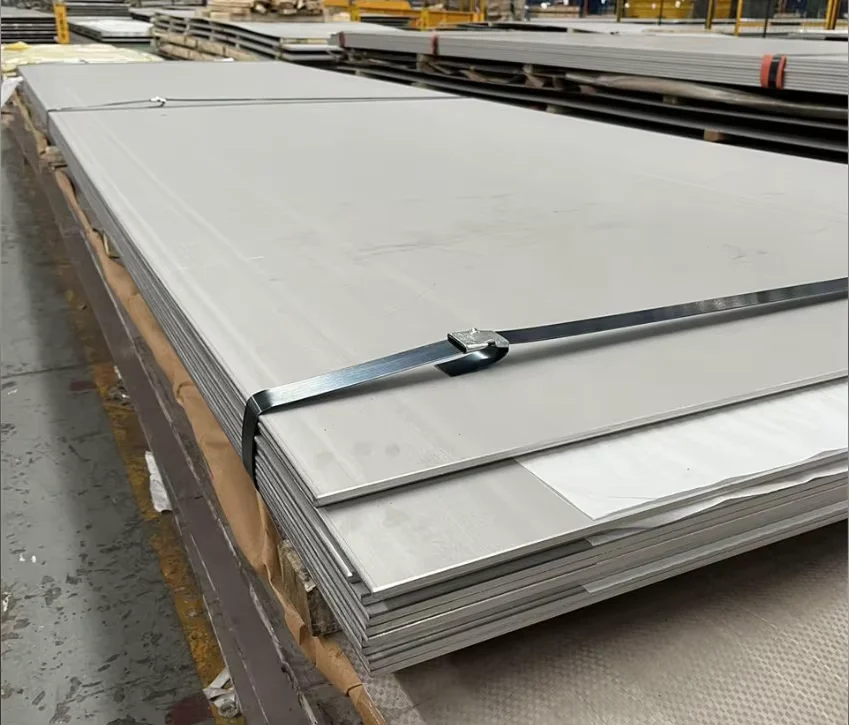
- NM400 and NM500 plates bundled with steel straps and edge protectors to prevent surface damage during ocean transit
- Hot rolled surfaces protected with anti-rust oil; coated plates wrapped in waterproof paper and plastic film
- Cutting service delivers plates to project-specific dimensions, optimizing container load for 12mm thickness
- Heat number and steel grade stenciled on each plate for on-site identification and traceability
- Professional loading plans for oversized plates ensure weight distribution and secure lashing in container
- FOB, CIF, and DDP terms available with door-to-door tracking until site delivery
Start Your Wear Plate Procurement With Verified Hardness Data
Submit your project drawings, required NM400 or NM500 grade, thickness, quantity, and destination port. We return a detailed quotation including material, cutting, coating, packing, and shipping costs within 24 hours, along with sample mill test certificates from recent production.
Get Your NM400 NM500 Wear Plate Quote With Full Mill Certification
Share your specifications and standards requirement to receive pricing and material documentation.
Mobile/WhatsApp/WeChat: +86 188 5315 7756 | Email: admin@xjystructure.com
Frequently Asked Questions
Q: What is the difference between NM400 and NM500 in terms of application?
A: NM400 suits moderate abrasion environments such as grain conveyors and light-duty chutes, while NM500 handles high-stress gouging abrasion in iron ore mining, rock crushing, and heavy earthmoving equipment.
Q: Can you provide third-party hardness verification before shipment?
A: Yes, SGS or BV inspection is available on request. Hardness testing and chemistry verification are completed before container sealing, with the full report included in the shipping documentation package.
Q: Do you offer custom cutting to project-specific dimensions?
A: Yes, our CNC plasma and flame cutting service delivers plates to your exact drawing dimensions, with dimensional inspection reports verifying tolerance on every cut piece.
Q: What surface treatment options are available for outdoor or corrosive environments?
A: Hot rolled plates come with mill-scale finish suitable for shop priming. Coated options add corrosion protection for outdoor storage, marine environments, or chemical exposure applications.
Q: What is the typical lead time from order confirmation to shipment?
A: Production begins upon drawing approval and deposit receipt. Typical lead times depend on order quantity and cutting complexity, with full export documentation prepared in parallel with fabrication.