
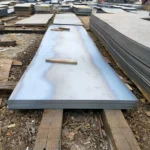
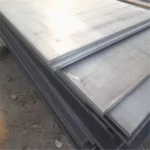
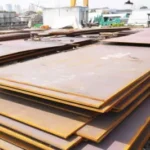

Description
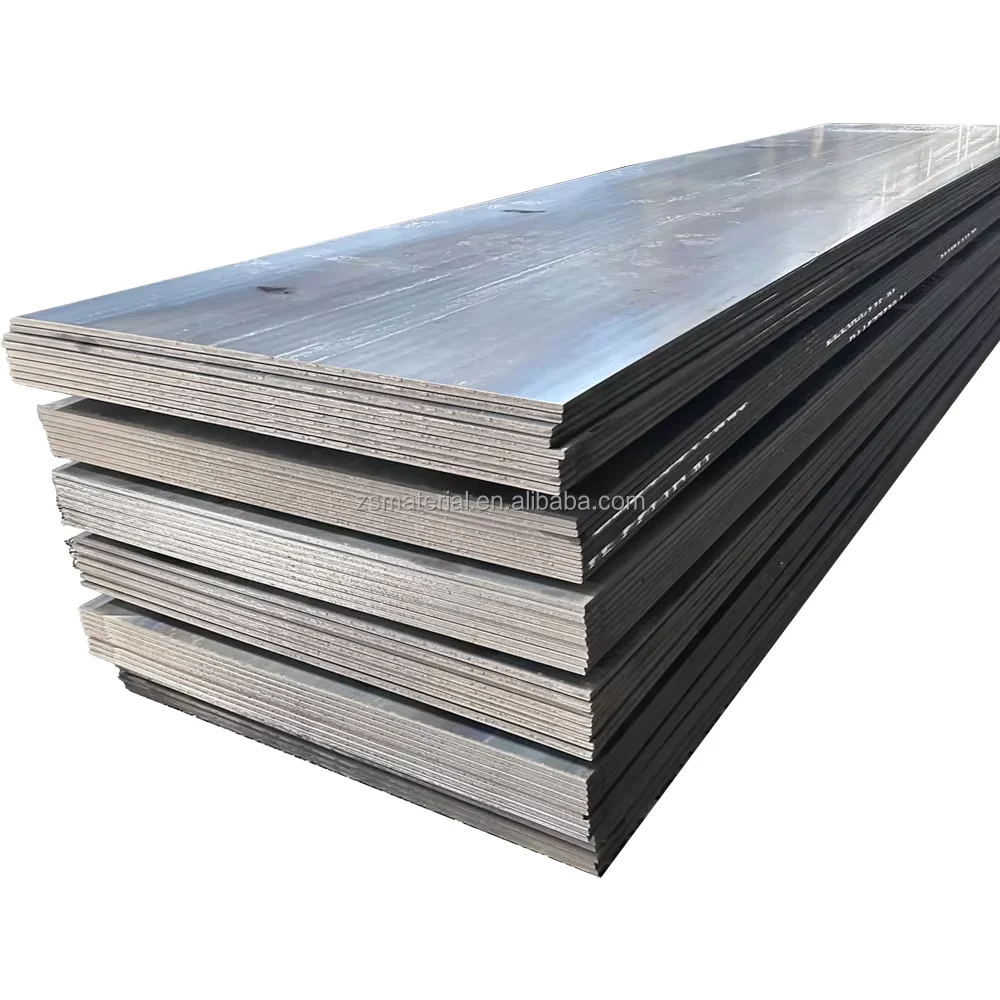
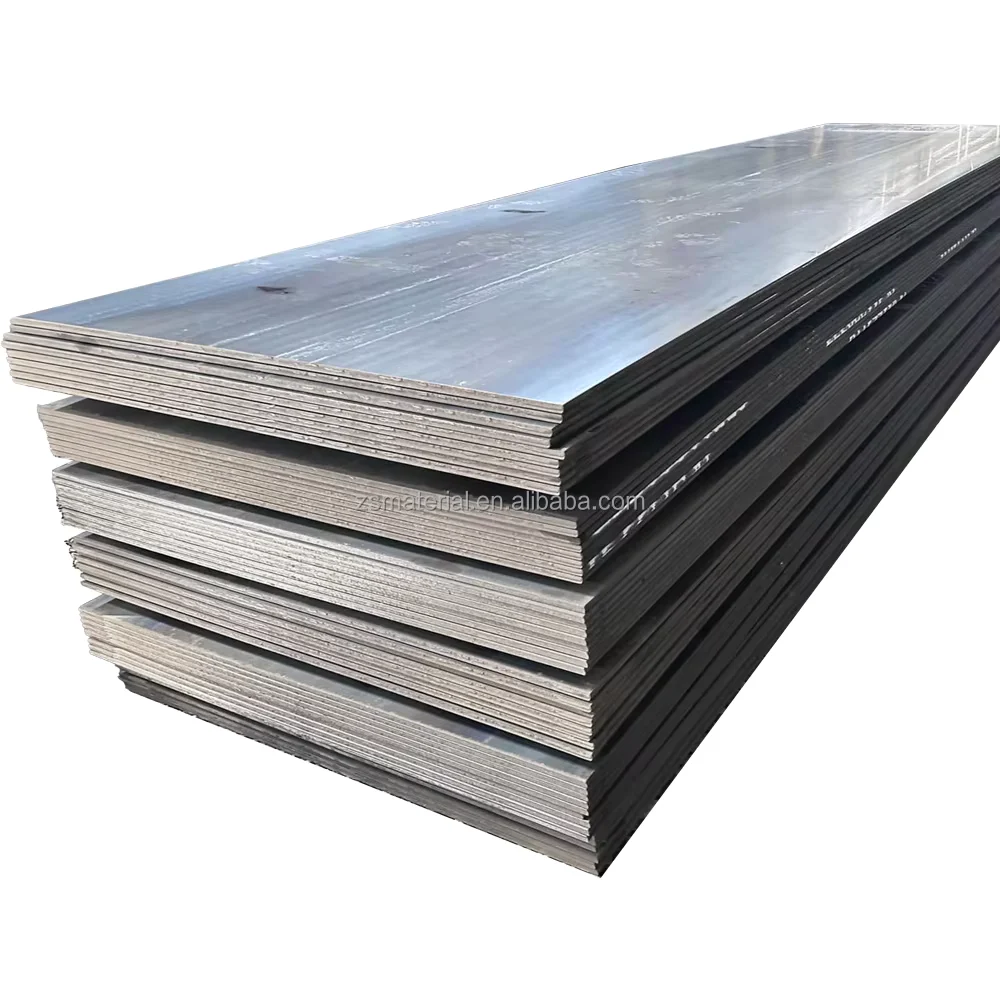
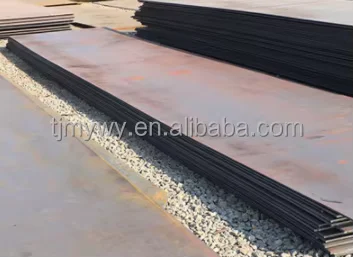
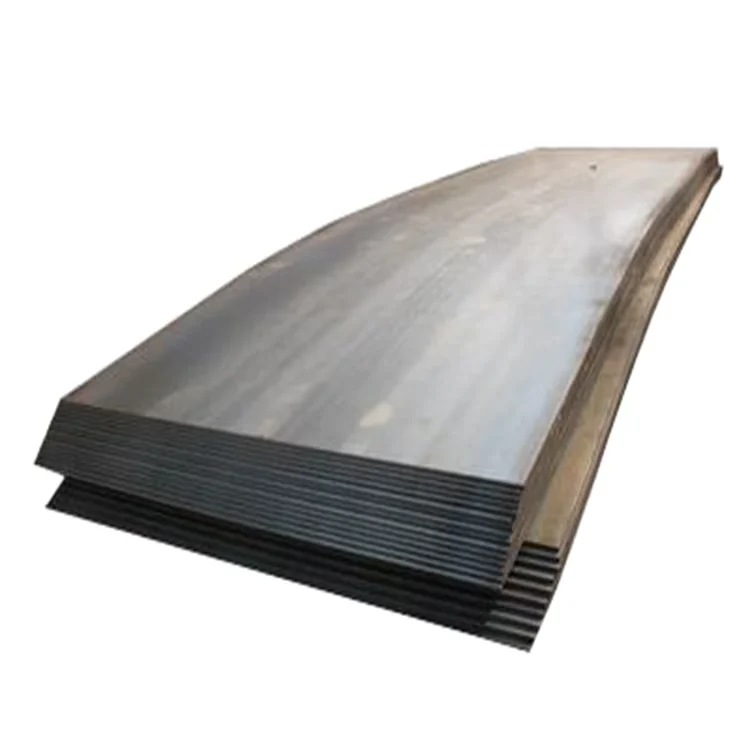
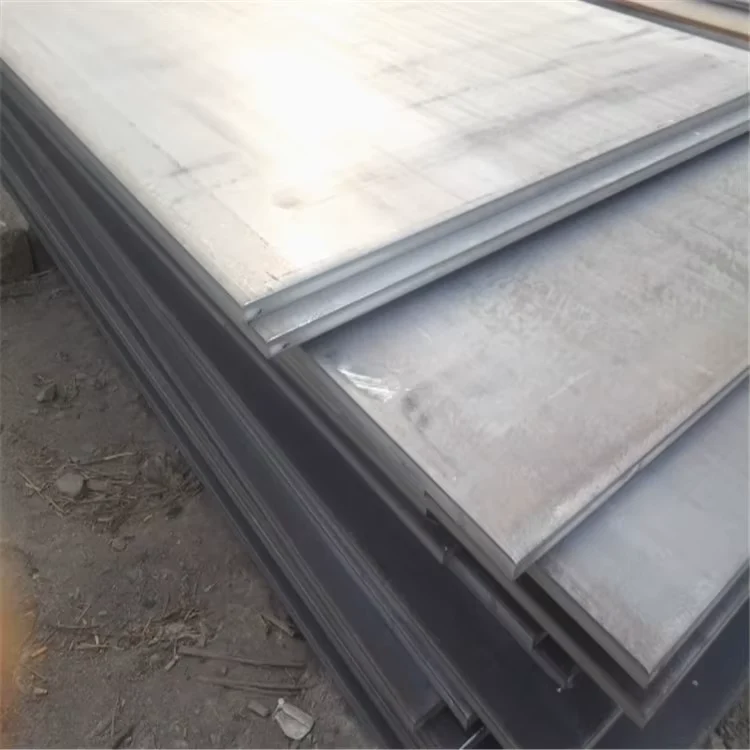
Factory-direct wear plates — NM400 and NM500 hot rolled plates produced from our own steel mill, backed by full heat-level MTC and Brinell hardness verification.
Technical Specifications
| Parameter | Value |
|---|---|
| Designation | NM400/NM500 Wear Resistant Steel Plate |
| Product Type | Steel Plate |
| Steel Grade | NM400, NM500 |
| Standard | JIS / DIN / AISI |
| Thickness | 12mm |
| Technique | Hot Rolled |
| Surface Treatment | Hot Rolled |
| Application | Mining equipment / Construction machinery / Bulk material handling / Crushers and excavators / Industrial wear parts |
Application Suitability
| Industry | Typical Applications |
|---|---|
| Mining & Quarrying | Excavator bucket liners, crusher jaws, chute liners, screen plates |
| Construction Machinery | Bulldozer blades, loader buckets, grader moldboards |
| Bulk Material Handling | Conveyor skirt boards, hopper linings, transfer point wear plates |
| Industrial Wear Parts | Hammer mills, impact crushers, feed screws |
Material Traceability Gaps Cost More Than the Plate Itself
A mill test certificate without a matching heat number is just paper — the real risk sits in the hardness gap between NM400 claim and NM500 reality.
Buyers sourcing NM400 NM500 wear resistant steel plate from overseas fabricators often discover the problem only after third-party re-inspection at the discharge port. Hardness readings fall short of the specified grade, chemical composition does not match the supplied MTC, and the entire batch gets rejected — triggering rework, schedule delays, and freight disputes. [NEED_CITE: wear resistant steel plate hardness verification procedures for international shipments] When the fabricator sources raw plates from a third-party mill rather than producing them in-house, the traceability chain breaks at the slab stage, making it nearly impossible to verify which heat produced which sheet.
How 12mm Hot Rolled NM400/NM500 Plates Match Mining and Machinery Wear Demands
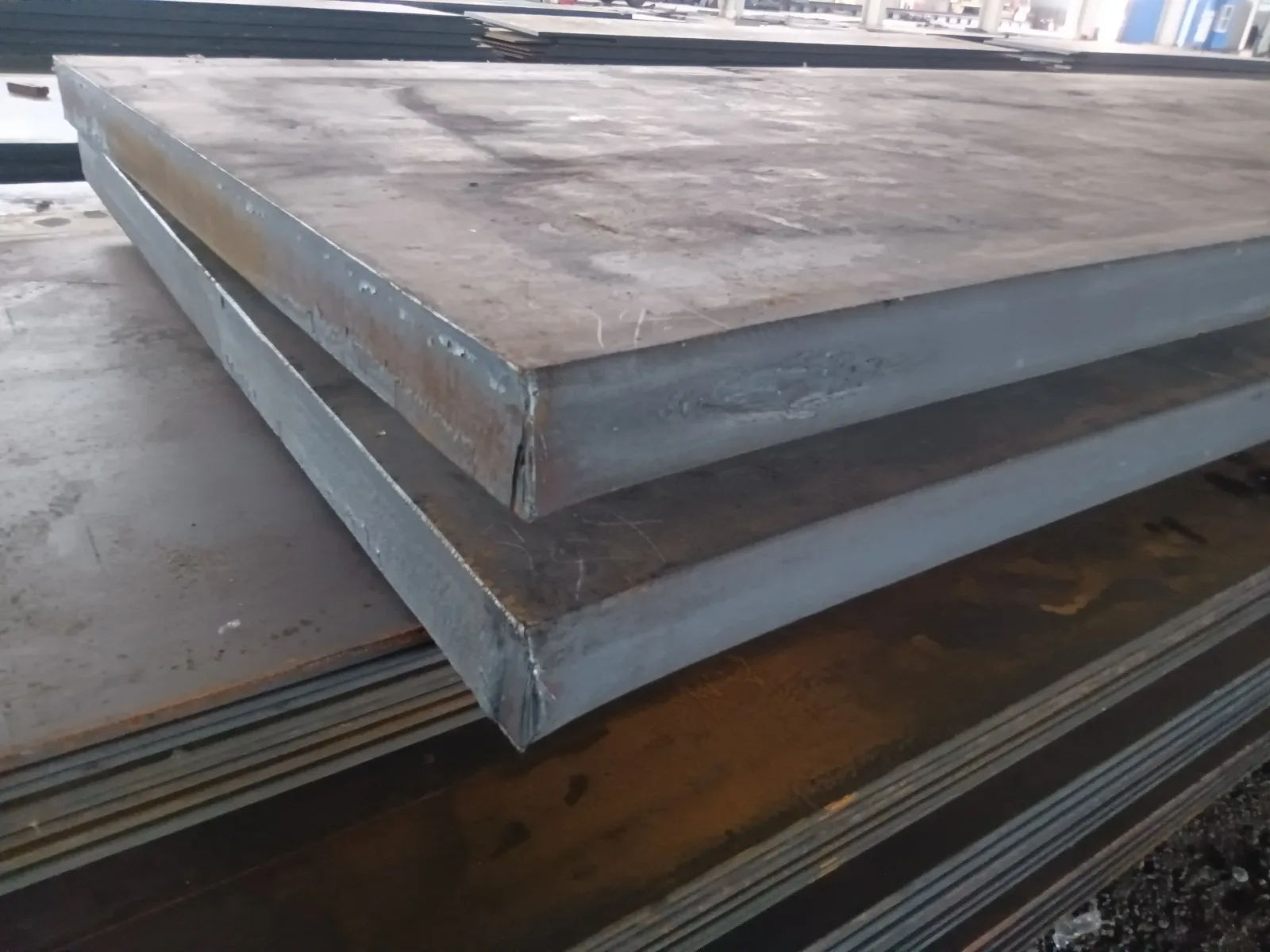
The 12mm thickness sits at the practical crossover point for medium-duty wear applications — thick enough to resist penetration abrasion in crusher liners and chute systems, yet light enough to weld onto existing equipment structures without excessive buildup weight. Hot rolled surface condition provides a mill scale finish that accepts shop welding directly, reducing prep time at the fabrication stage. As an NM400 NM500 wear resistant steel plate supplier operating our own production line, we control the chemistry and rolling parameters from slab to finished plate, so every sheet carries a verifiable heat number tied to its Brinell hardness test result.
Engineering Compliance for Wear-Resistant Plate in Heavy-Duty Applications
Wear plate selection for mining and construction machinery must account for both abrasion resistance and weldability — a harder grade like NM500 delivers longer service life in high-impact crushing zones, while NM400 offers better formability for curved bucket liners and hopper transitions. [NEED_CITE: weldability considerations for high-hardness wear resistant steel plates] Hot rolled processing ensures uniform microstructure across the plate cross-section, which matters when fabrication shops need to drill, bend, or bevel edges on-site. Multi-standard compliance with JIS, DIN, and AISI frameworks allows these plates to meet specification requirements across Middle East, European, and North American project documentation packages. Dimensional tolerance control at the rolling stage ensures consistent thickness, which directly affects fit-up accuracy when lining complex conveyor geometries.
Understanding NM400 vs NM500 Hardness Grades and Hot Rolled Processing
The NM designation system classifies wear resistant steel by Brinell hardness — NM400 targets a minimum surface hardness in the 400 HBW range, while NM500 pushes into the 500 HBW territory. This hardness difference translates directly into service life: NM500 plates typically outlast NM400 in high-abrasion environments like iron ore chutes and rock crusher liners, though the trade-off is reduced weldability and formability. Hot rolled processing produces the plate through controlled rolling at elevated temperatures, which refines the grain structure and distributes carbide precipitates uniformly — this uniformity is what gives hot rolled wear plates their consistent hardness from surface to core. [NEED_CITE: metallurgical principles of hot rolled wear resistant steel plate production] The 12mm thickness range covers the majority of replacement liner applications in aggregate processing and earthmoving equipment, where operators balance wear life against weight constraints on moving machinery components.
Hidden Costs of Sourcing Wear Plate Without Verified Hardness
Ordering NM400 NM500 wear resistant steel plate without independent hardness verification creates a cascade of downstream costs. Plates that test below specified hardness wear out prematurely — a chute liner that should last eighteen months fails in six, forcing unplanned shutdowns and emergency replacement orders. [NEED_CITE: consequences of substandard wear resistant steel in mining operations] Material certification gaps trigger customs holds at destination ports, where import inspectors flag missing or inconsistent MTC documentation. Dimensional deviations beyond tolerance force fabrication shops to re-machine edges or reject entire sheets, adding machining costs that erase any initial price savings from unverified sourcing.
Why Source NM400 NM500 Wear Resistant Steel Plate From Our Mill
Our vertically integrated operation means the raw slab, hot rolling, and finished plate inspection all happen under one quality management system — there is no gap between material supplier and fabricator where traceability gets lost. Every NM400 NM500 wear resistant steel plate we ship carries a Mill Test Certificate documenting chemical composition and Brinell hardness by heat number, generated from our own laboratory rather than a third-party trader’s paperwork. We maintain 2,800+ specifications in stock across multiple grades and thicknesses, so standard 12mm NM400 and NM500 plates ship from inventory without waiting for mill campaign scheduling. Third-party inspection through SGS, BV, or TUV is available for buyers who require independent verification before container loading. Custom cutting to project-specific dimensions reduces scrap at the fabrication shop and lowers total installed cost per wear component.
Documentation & Compliance
- Mill Test Certificate documenting NM400/NM500 chemical composition and Brinell hardness per heat number, issued from our in-house laboratory
- Third-party inspection report from SGS, BV, or TUV verifying hardness and dimensional compliance before shipment
- Material traceability linking each plate to its production heat, rolling schedule, and test results
- Customs documentation package including packing list, bill of lading, and certificate of origin for destination port clearance
- Hardness testing report confirming NM400 or NM500 grade compliance with Brinell values measured per standard procedures
- Compliance statement referencing JIS, DIN, and AISI standard frameworks for international project specification alignment
Packaging, Loading & Delivery
- Heavy-gauge steel strip bundling with edge protectors to preserve hot rolled surface condition during ocean transit
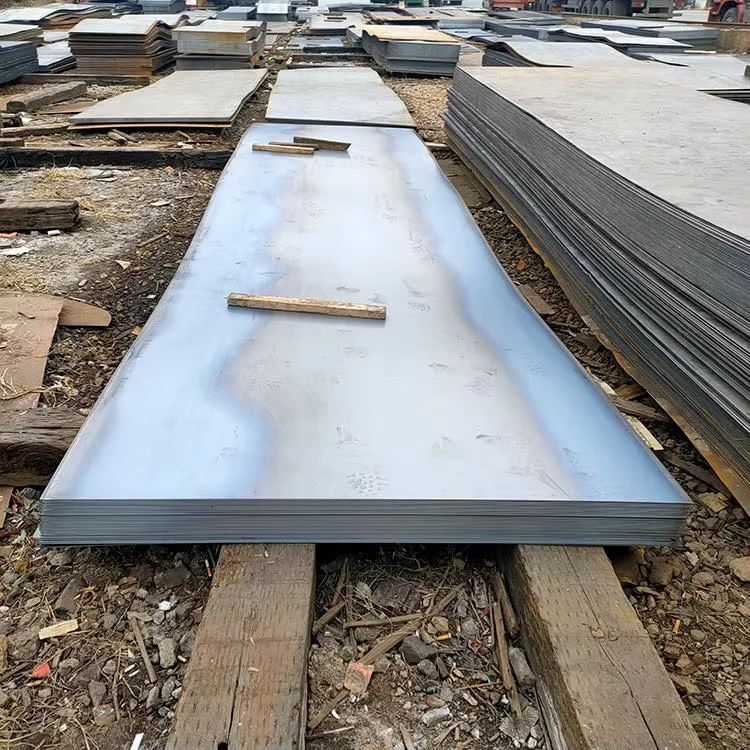
- 12mm NM400 and NM500 plates stacked with interleaving separators to prevent surface scoring and facilitate unloading inspection
- Container loading optimized for 12mm plate dimensions to maximize payload per 20ft and 40ft units, reducing per-ton freight cost
- Heat number and grade identification stenciled on each plate edge for on-site traceability verification upon arrival
- FOB, CIF, and DDP shipping terms available with full export documentation and container tracking through delivery
- Custom cutting and edge preparation available before packing to reduce fabrication shop processing time at destination
Start Your NM400 NM500 Wear Resistant Steel Plate Inquiry
Submit your project drawings, required grade (NM400 or NM500), thickness, quantity, and destination port to receive a detailed quotation including material cost, fabrication options, and shipping terms. Our engineering team reviews specifications within 24 hours and provides preliminary assessment with Mill Test Certificate samples from current production heats.
Request NM400 NM500 Wear Resistant Steel Plate Quotation
Send your specifications and required standards to receive pricing with full MTC documentation and third-party inspection options.
Company: Shandong Xin Jiyuan Special Steel Tube Co., Ltd
Website: www.xjystructure.com
Tel: +86 531 8573 6315
Mobile/WhatsApp/WeChat: +86 188 5315 7756
Email: admin@xjystructure.com
Address: No.11889, Jingshi West Road, Lulian Group, Jinan City, Shandong Province, China
Frequently Asked Questions
Q: What is the hardness difference between NM400 and NM500, and how do I choose?
A: NM400 targets approximately 400 HBW surface hardness while NM500 reaches around 500 HBW. For high-impact crushing and heavy abrasion zones like iron ore chutes, NM500 delivers longer wear life. For applications requiring bending or welding onto curved surfaces, NM400 offers better formability while still providing strong abrasion resistance.
Q: Can I request third-party hardness verification before shipment?
A: Yes. We arrange SGS, BV, or TUV inspection at our facility before container loading. The inspector verifies Brinell hardness readings, checks dimensional tolerances, and confirms heat number traceability against the Mill Test Certificate. Inspection reports are issued before the container is sealed.
Q: Do you offer custom thickness or dimensions beyond 12mm standard stock?
A: Yes. Beyond our standard 12mm hot rolled plates, we can supply NM400 and NM500 in other thickness ranges and cut-to-size dimensions based on your project drawings. Custom cutting reduces scrap at your fabrication shop and speeds up installation.
Q: What documentation accompanies the shipment for customs clearance?
A: Each shipment includes Mill Test Certificate with chemical composition and hardness by heat number, packing list, bill of lading, certificate of origin, and commercial invoice. For projects requiring EN, JIS, DIN, or AISI compliance statements, we include standard reference documentation in the package.
Q: How do you handle loading and shipping for heavy steel plates?
A: We use heavy-gauge steel strip bundling with edge protectors and interleaving separators. Container loading is optimized for plate dimensions to maximize payload. FOB, CIF, and DDP terms are available with full tracking from our facility to your destination port or project site.