


Description
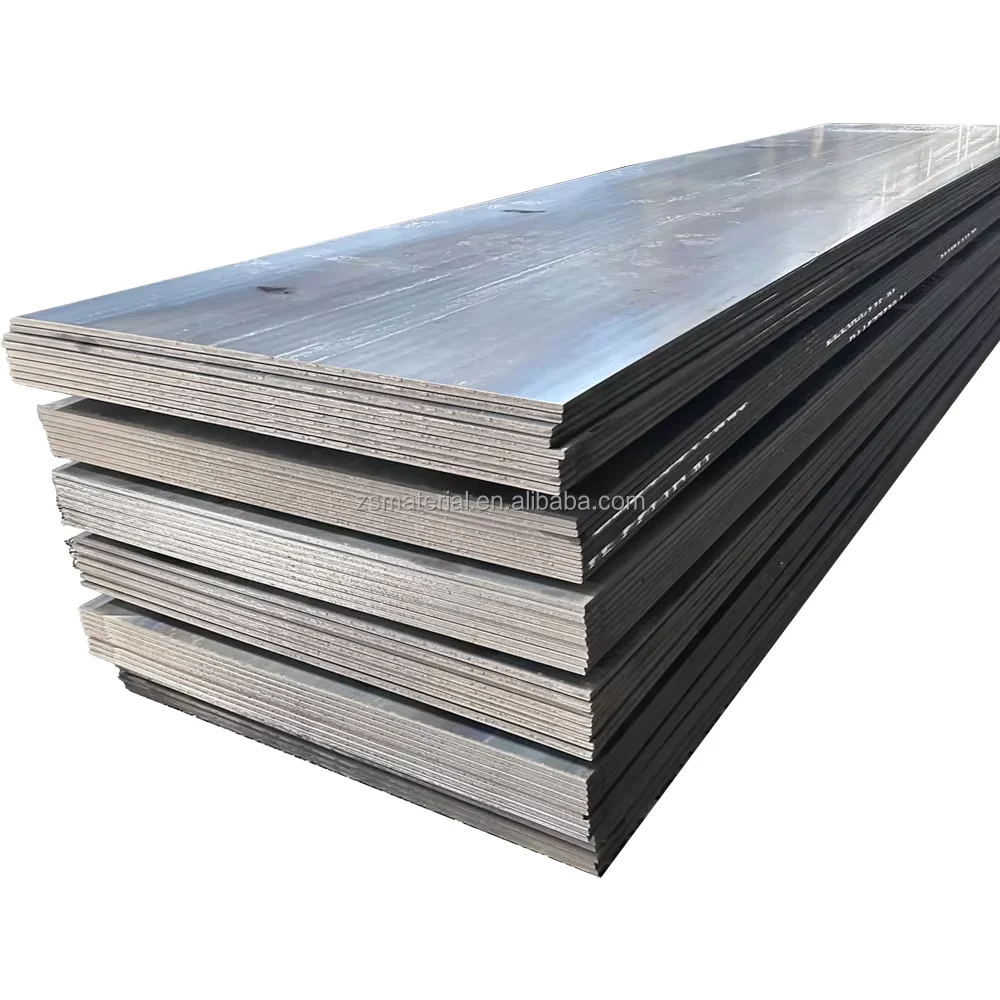
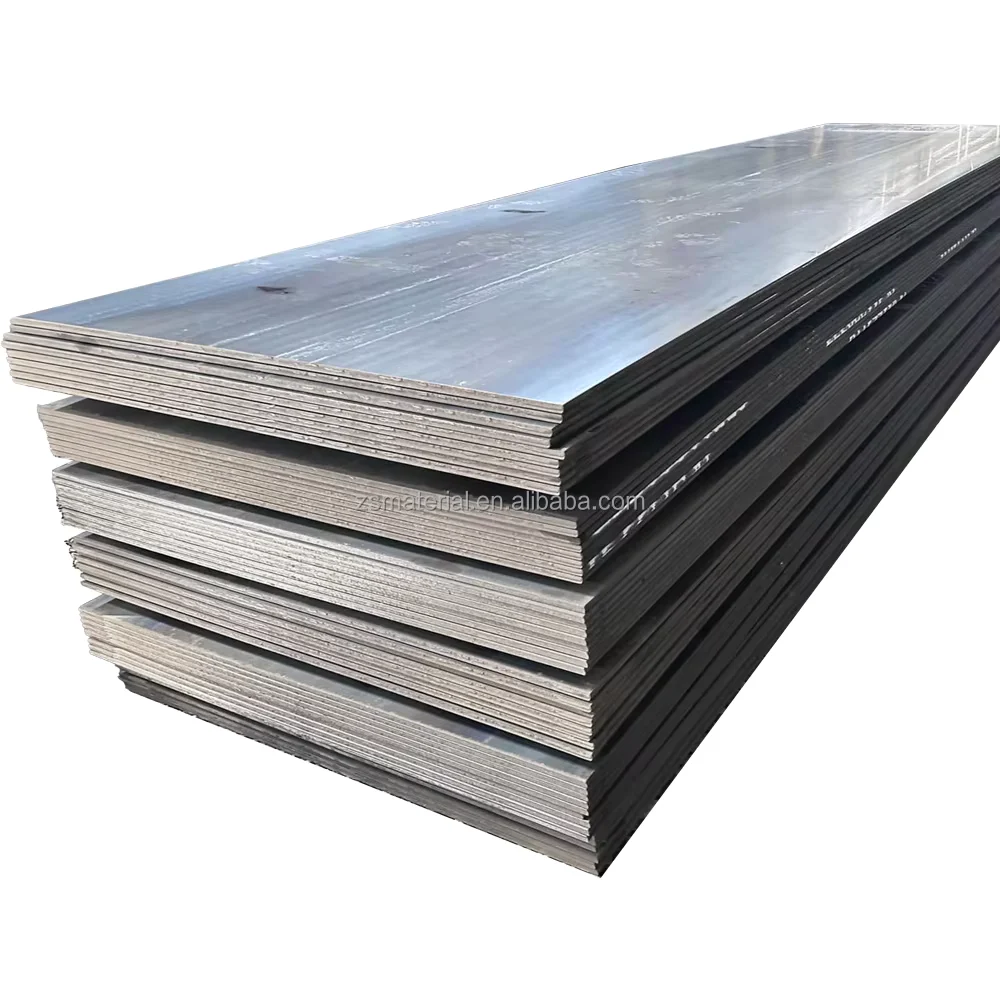
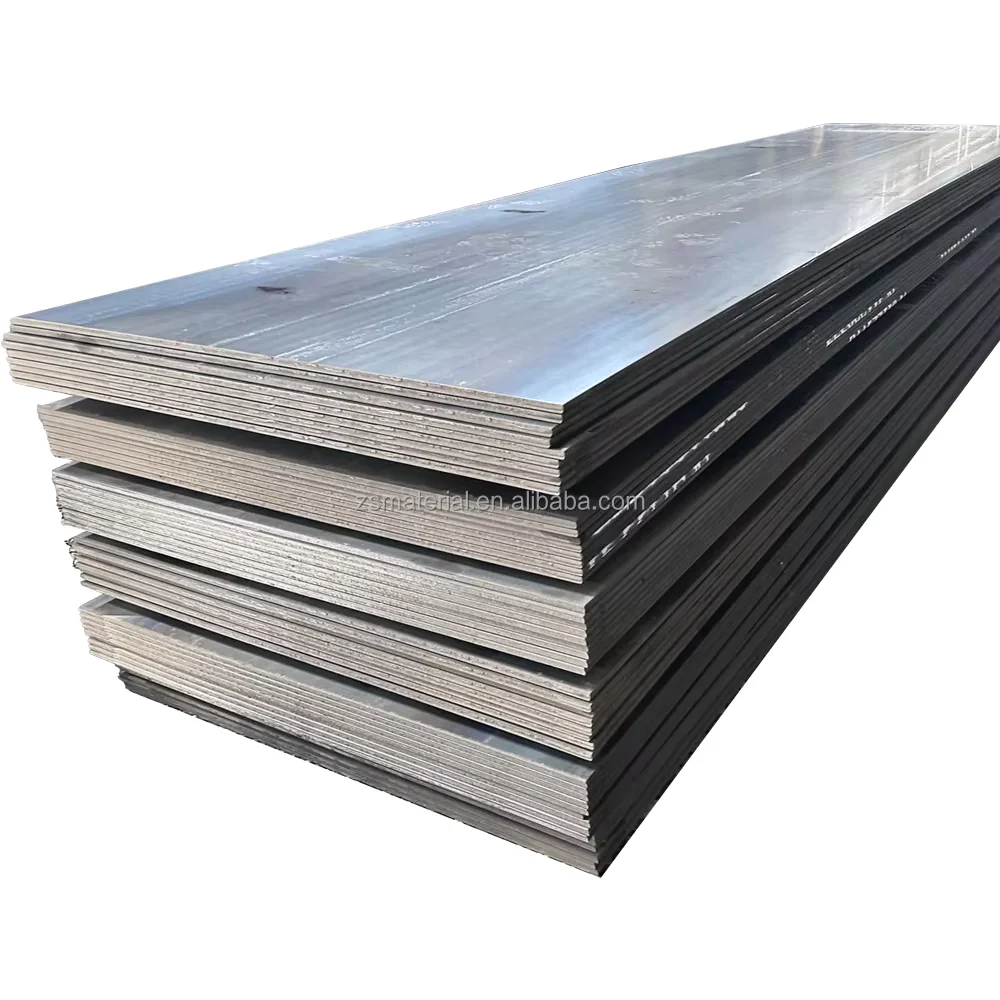
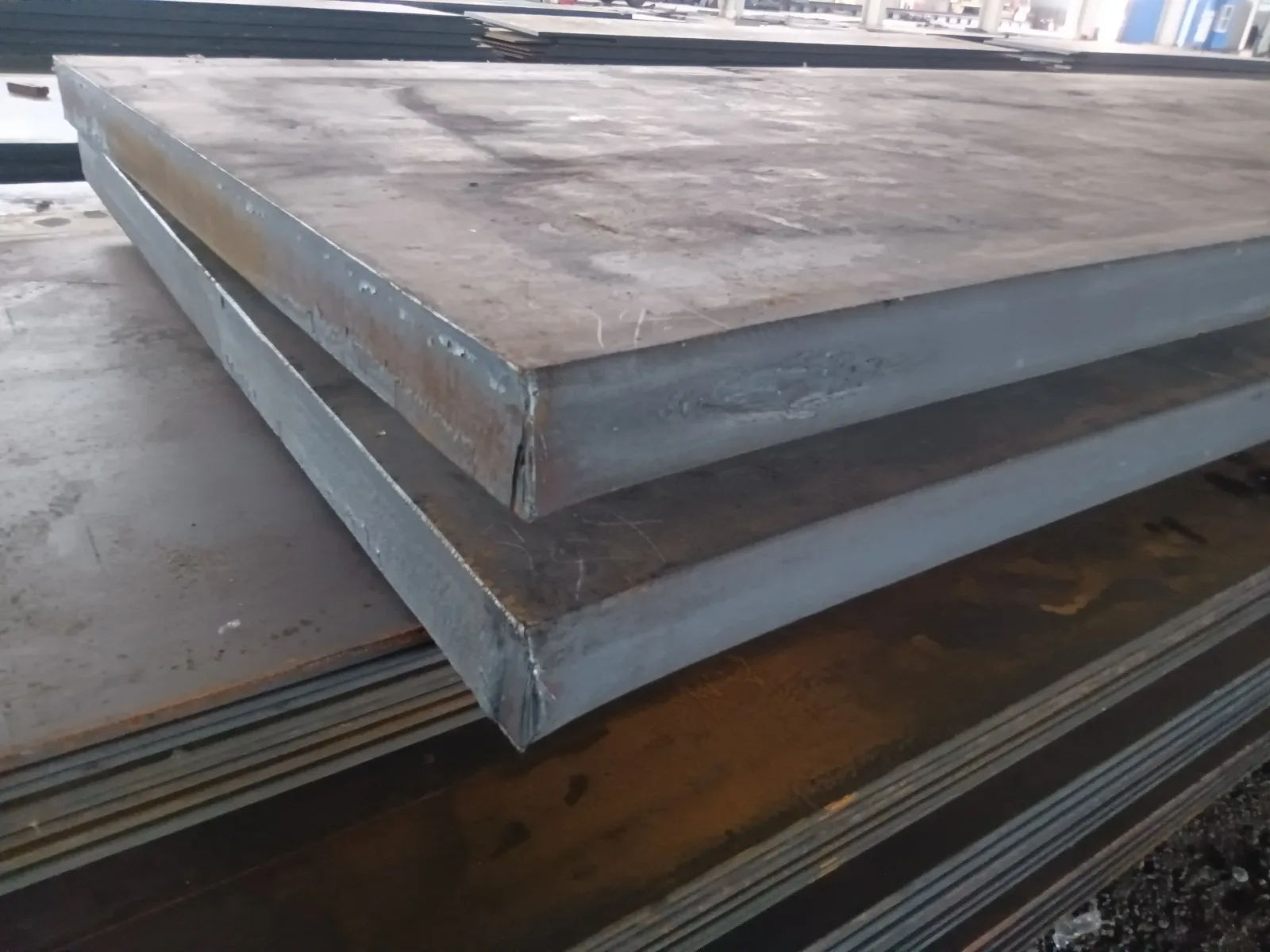
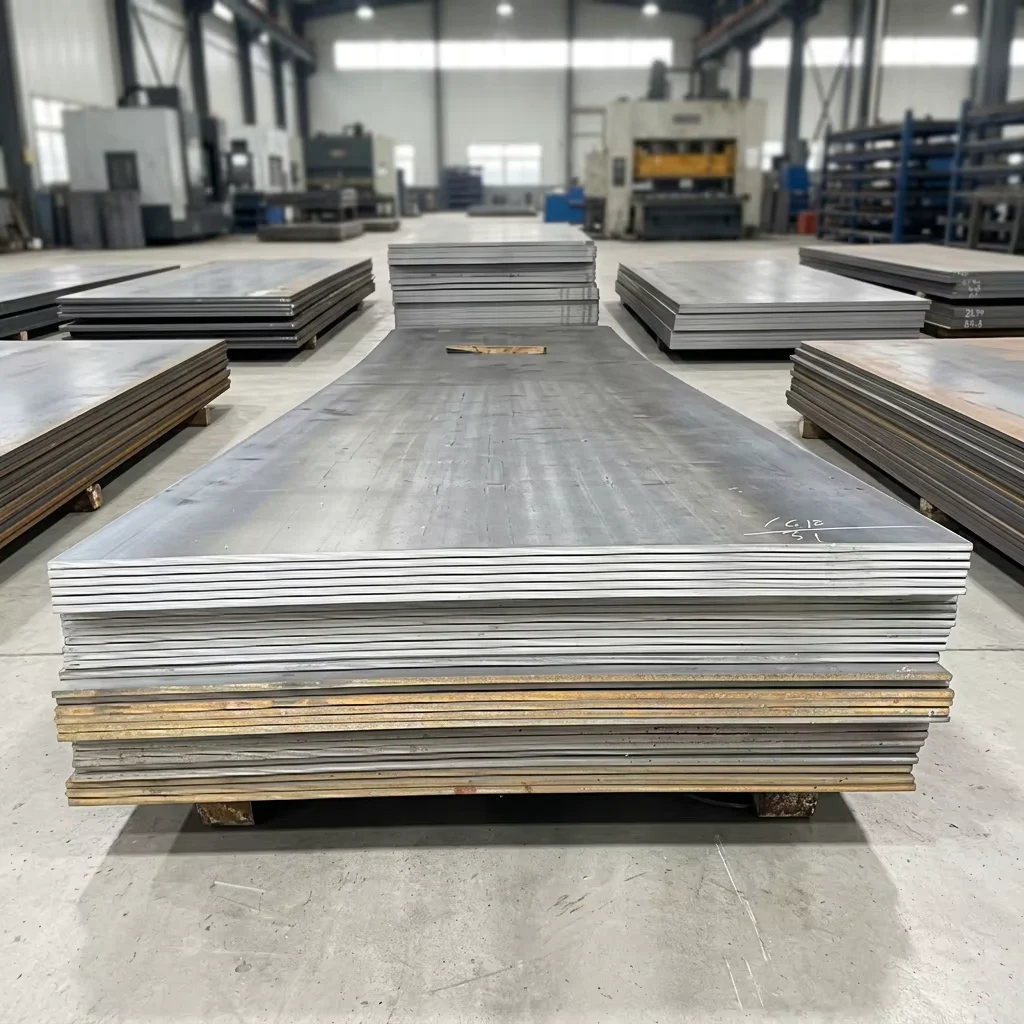
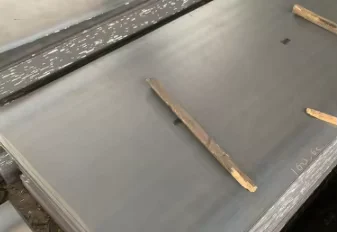
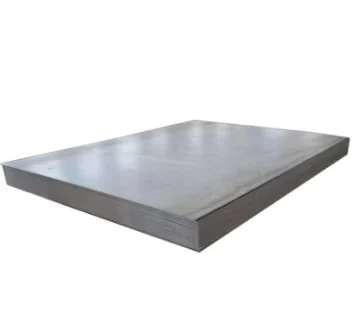
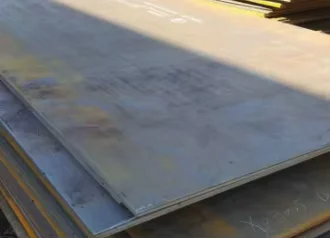
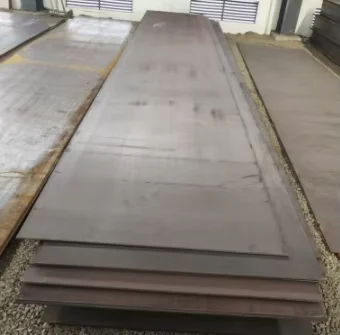
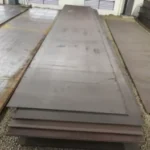
Factory-direct Q235 plates, no trading markup — Hot rolled Q235 steel plate produced in our own mill and shipped as ASTM-standard material with full mill test certificates.
Technical Specifications
| Parameter | Value |
|---|---|
| Designation | Q235 Hot Rolled Steel Plate ASTM |
| Product Type | Steel Plate |
| Steel Grade | Q235 |
| Standard | ASTM |
| Section Shape | Plate |
| Thickness | 3–200 mm |
| Width | 1500 mm |
| Length | 6000 mm |
| Technique | Hot Rolled |
| Surface Treatment | Hot Rolled / As-rolled |
| Application | Fabrication / Pressure vessels / Shipbuilding / Structural steel components / Industrial projects |
| Origin | Shandong, China |
Application Suitability
| Industry | Typical Applications |
|---|---|
| Structural Steel Fabrication | Building frames, column base plates, beam splice plates for EPC and general contractor projects |
| Pressure Vessel Manufacturing | Shell plates and head blanks for industrial tanks and process vessels |
| Shipbuilding | Deck plates, bulkhead stiffeners, and hull structural members |
| Industrial Construction | Platform grating supports, mezzanine floors, equipment skid bases |
Material Certification Gaps Cost More Than the Plate Itself
A missing heat number on a Q235 hot rolled steel plate ASTM shipment can halt an entire project at customs or on-site inspection.
When buyers source hot rolled plate from a trader rather than a mill, the chain of material traceability breaks somewhere between the rolling schedule and the container door. I have seen 200-ton orders arrive at port with generic mill certificates that list no heat number, no rolling temperature, and no impact test results. The inspector flags it. The container sits. The project delays. And the “savings” from buying through a middleman vanish in demurrage charges alone. With a Q235 hot rolled steel plate ASTM order, the documentation must trace each plate back to its ladle chemistry and rolling pass — anything less is a liability. [NEED_CITE: ASTM material certification requirements for structural steel plate imports]
Matching Plate Thickness to Structural Load Paths
A 3 mm Q235 hot rolled steel plate ASTM works for non-structural bracing and enclosure panels, while 50–200 mm plate goes into column base plates and heavy moment connections. The key is matching thickness to the load path calculated by the structural engineer. Our hot rolling process produces plates across the full 3–200 mm range in a single quality system, so a project team ordering 12 mm deck plate and 80 mm base plate from the same heat gets consistent chemistry and mechanical behavior across every connection detail. That consistency matters when weld procedures are qualified against a specific material batch.
Engineering Compliance for ASTM-Grade Plate in Global Projects
Structural engineers specifying ASTM-equivalent plate for projects in the Middle East, Southeast Asia, or Africa need documentation that satisfies both the design code and the importing country’s customs authority. Q235 hot rolled steel plate ASTM conforms to the chemical and mechanical requirements expected in ASTM A36 applications, but the paperwork must explicitly state the equivalence. [NEED_CITE: Q235 to ASTM A36 steel grade equivalence documentation] Our engineering team reviews shop drawings before fabrication begins, confirming that plate dimensions, edge preparation, and welding prep match the project specification. For projects requiring third-party verification, SGS or BV inspection is arranged at the mill before shipment.
Understanding Q235 Grade and Hot Rolling Process
Q235 is a Chinese standard carbon structural steel whose yield behavior aligns closely with ASTM A36 in the low-strength category. The “Q” denotes yield point, and “235” refers to the minimum yield value in MPa — a grade suitable for general structural fabrication, pressure vessel shells, and shipbuilding members where extreme strength is not the primary design driver. Hot rolling produces a mill scale surface that is removed during downstream fabrication by shot blasting or flame cutting. The advantage of hot rolled Q235 plate over cold-rolled alternatives is its availability in heavy thicknesses up to 200 mm and its proven weldability with standard MIG/MAG and SAW processes. For applications requiring improved through-thickness ductility, normalized treatment can be specified at the rolling stage. [NEED_CITE: hot rolled vs normalized plate treatment for welding applications]
The Hidden Cost of Unverified Plate Sourcing
Ordering Q235 hot rolled steel plate ASTM from a supplier who cannot provide heat-level traceability creates risks that surface only after the material reaches the job site. Plates with unknown chemistry may fail weld procedure qualification tests, forcing re-order and schedule recovery. Material that does not meet the specified thickness tolerance triggers rejection during dimensional inspection — and replacing 80 mm base plates is not a matter of visiting a local stockist. Customs authorities in EU and Middle East markets increasingly require mill test certificates with full chemical composition and mechanical test data; shipments without compliant documentation face hold or return. [NEED_CITE: structural steel plate import documentation requirements by region]
Procuring Directly From a Vertically Integrated Mill
Our facility operates three hot rolling production lines and maintains over 2,800 raw material specifications in stock, meaning Q235 hot rolled steel plate ASTM orders are fulfilled from our own production schedule rather than sourced from third-party mills. Every plate ships with a mill test certificate generated from our in-house laboratory, documenting chemical composition and mechanical properties per the applicable standard. We handle CNC cutting, plasma cutting, drilling, and welding in the same facility where the plate is rolled, so fabrication drawings are executed against material we can trace from ladle to finished component. Professional loading teams plan container stowage for heavy plate, accounting for weight distribution and edge protection during ocean transit.
Documentation & Compliance
- Mill test certificate documenting Q235 chemical composition and mechanical properties per ASTM, with heat number traceability for every plate
- SGS or BV third-party inspection report available upon request, covering dimensional checks, surface quality, and ultrasonic testing
- ISO 9001 certified quality management system governing the entire production and documentation process
- Material traceability report linking each plate to its heat number, rolling schedule, and test results
- Complete customs documentation package including packing list, bill of lading, and certificate of origin
Packaging, Loading & Delivery
- Q235 hot rolled steel plate ASTM bundled with steel straps and edge protectors to prevent surface damage and edge deformation during ocean transit
- As-rolled surface maintained with anti-rust oil coating for plates destined for humid climates or extended storage before fabrication
- Container loading optimized for 1500 × 6000 mm plate dimensions, with weight distribution calculated to meet port handling requirements
- Heat number and steel grade stenciled on each plate for on-site identification and traceability verification
- FOB, CIF, and DDP shipping options available, with professional stowage planning for heavy plate shipments to Middle East, Southeast Asia, and African ports
Getting Your Q235 Plate Order Quoted and Documented
Send your project drawings or plate schedule — including thickness, width, length, quantity, and destination port — and our team responds within 24 hours with a detailed quotation covering material, fabrication, coating, packing, and shipping costs. If your project requires shop drawing review or custom cutting to non-standard dimensions, we confirm fabrication feasibility and lead time before contract. All mill test certificates and third-party inspection arrangements are confirmed at the quotation stage so there are no documentation surprises at customs.
Frequently Asked Questions
Q: Is Q235 steel plate equivalent to ASTM A36?
A: Q235 and ASTM A36 share similar chemical composition ranges and yield strength categories, making them functionally interchangeable for most structural and fabrication applications. We provide documentation stating the grade equivalence to support customs clearance and engineer approval.
Q: Can you provide third-party inspection for Q235 hot rolled steel plate ASTM orders?
A: Yes. SGS and BV inspection services are arranged at our mill before shipment, covering dimensional verification, surface quality assessment, ultrasonic testing, and review of mill test certificates.
Q: What thickness range is available for Q235 hot rolled plate?
A: Our hot rolling lines produce Q235 plate from 3 mm to 200 mm thickness, in 1500 mm width and 6000 mm length as standard dimensions. Custom cutting to project-specific sizes is available through our in-house CNC and plasma cutting facilities.
Q: How do you ensure material traceability for each plate?
A: Every Q235 plate is traceable to its heat number, documented in the mill test certificate with full chemical composition and mechanical test results. Heat numbers are stenciled on each plate for on-site verification.
Q: What shipping options are available for heavy plate orders?
A: We offer FOB, CIF, and DDP terms. Container loading is planned by our professional team to ensure weight distribution and edge protection for 1500 × 6000 mm plates, with experience shipping to ports across the Middle East, Southeast Asia, Africa, and South America.
Request Your Q235 Plate Quotation With Full Mill Documentation
Submit your plate schedule — thickness, dimensions, quantity, and destination — to receive a detailed quotation and mill test certificate sample within 24 hours.
Contact: Shandong Xin Jiyuan Special Steel Tube Co., Ltd | Tel: +86 531 8573 6315 | Mobile/WhatsApp/WeChat: +86 188 5315 7756 | Email: admin@xjystructure.com | Website: www.xjystructure.com