Description
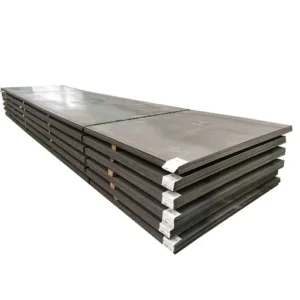
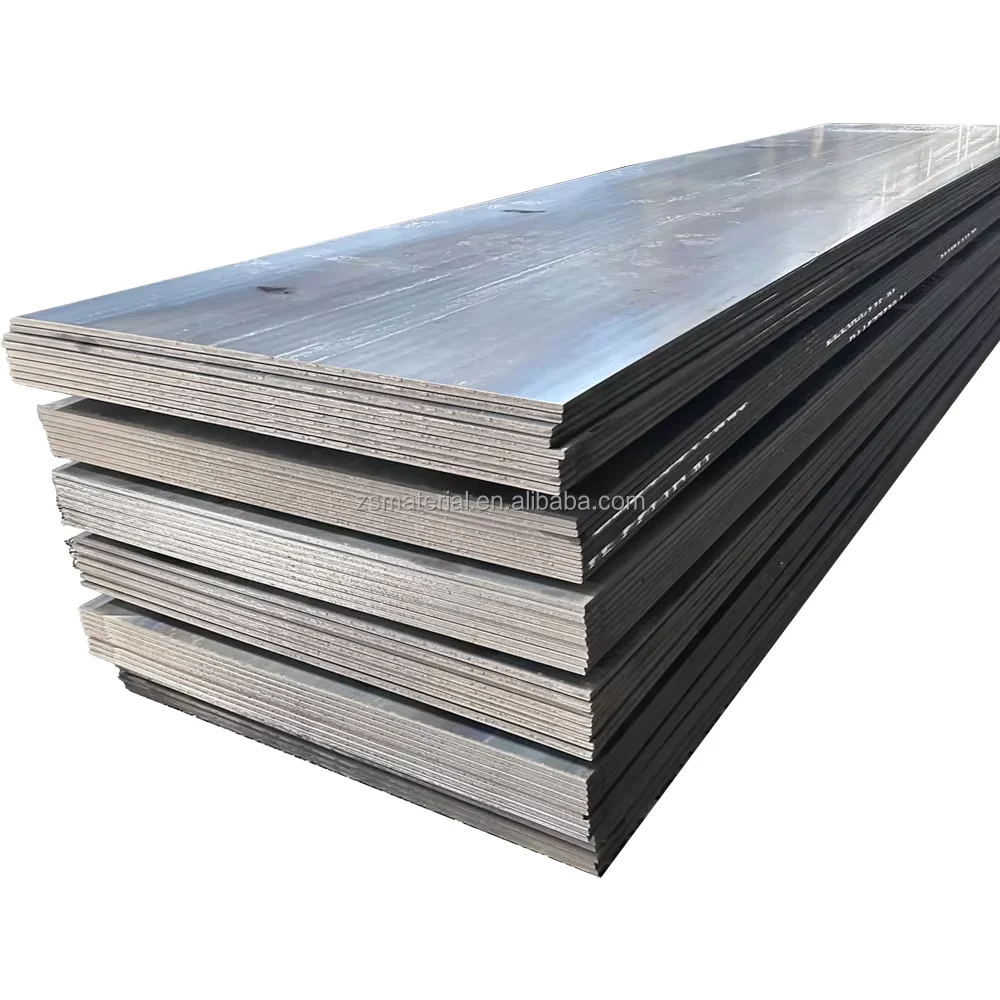
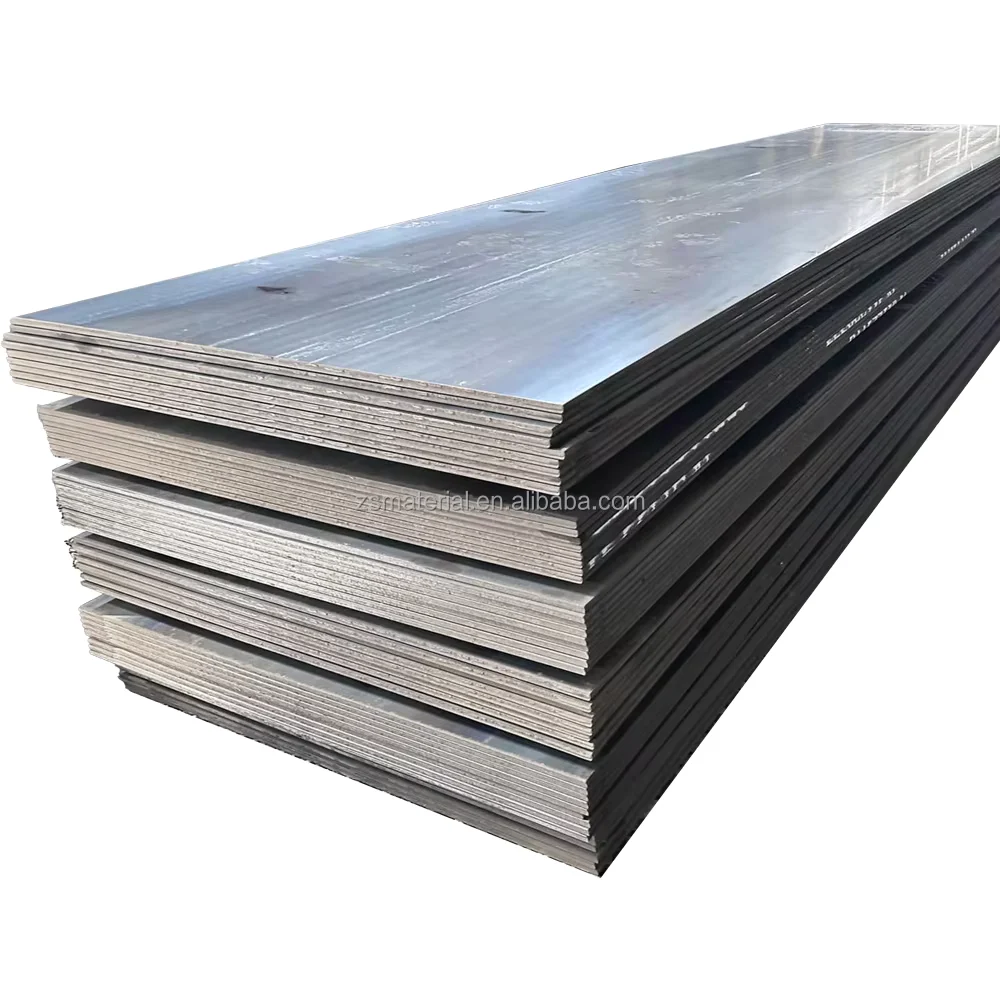
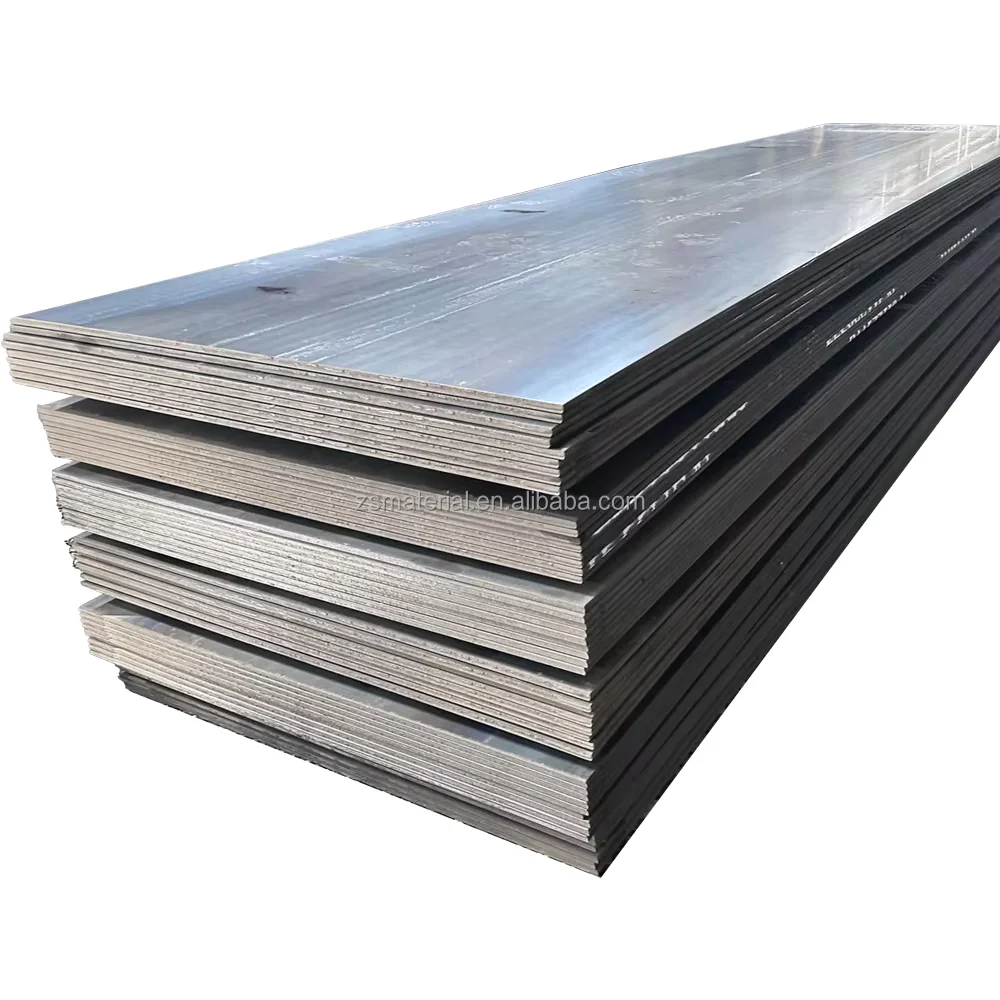
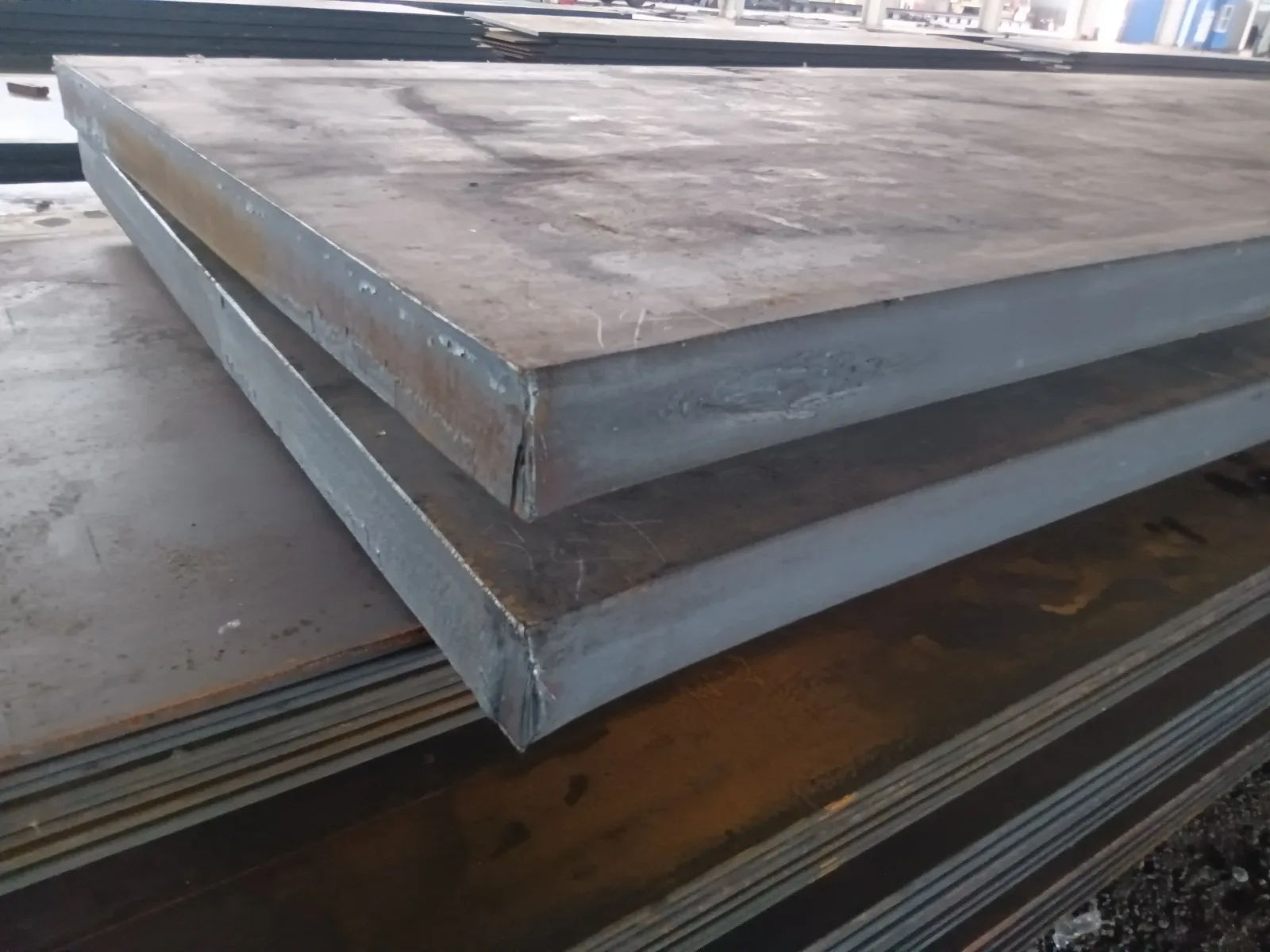
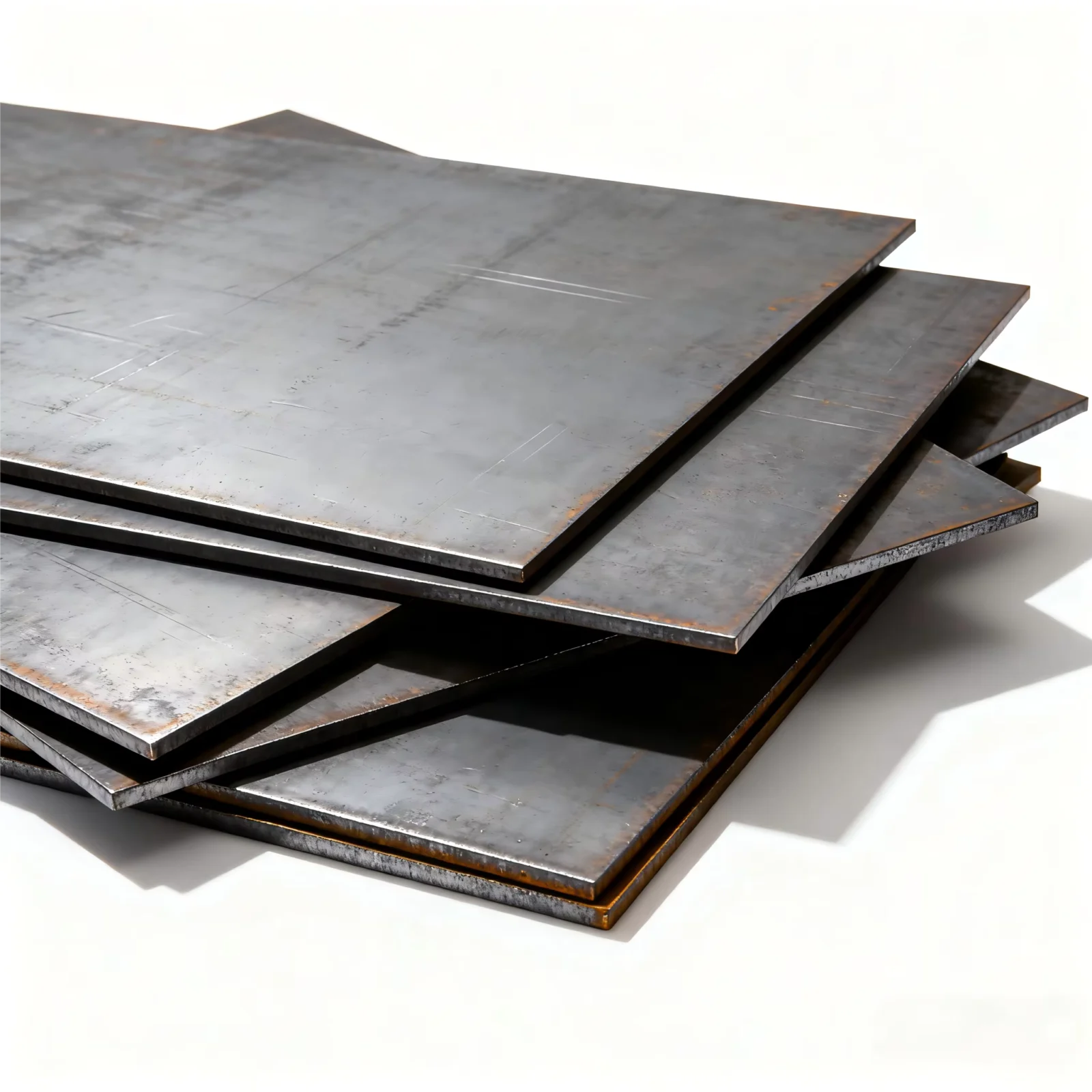
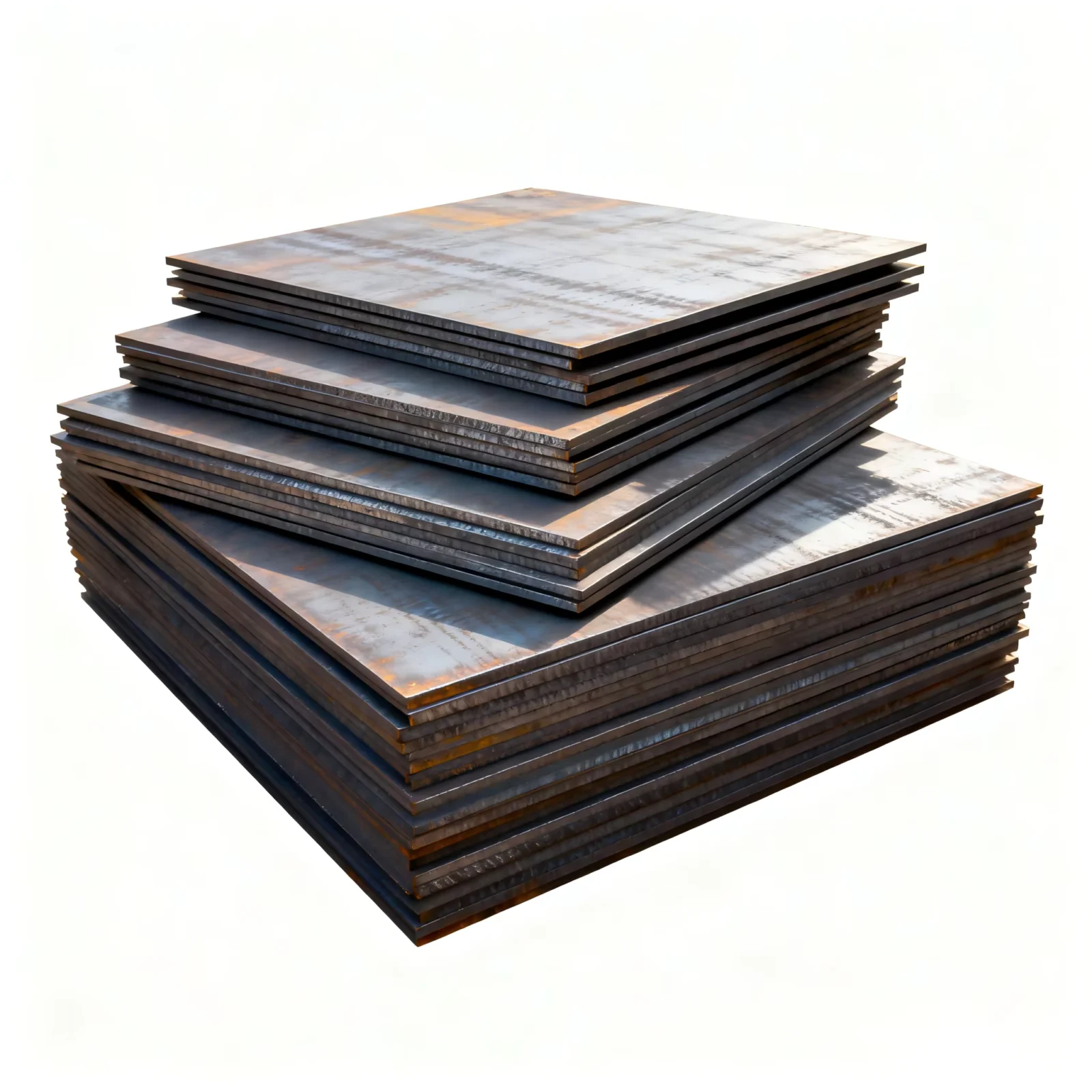
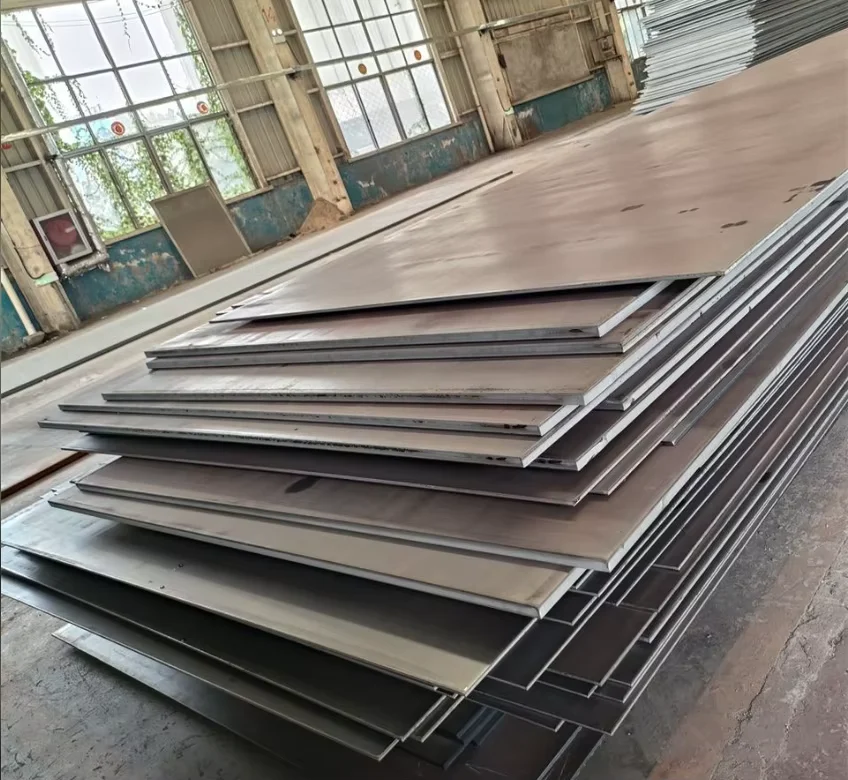
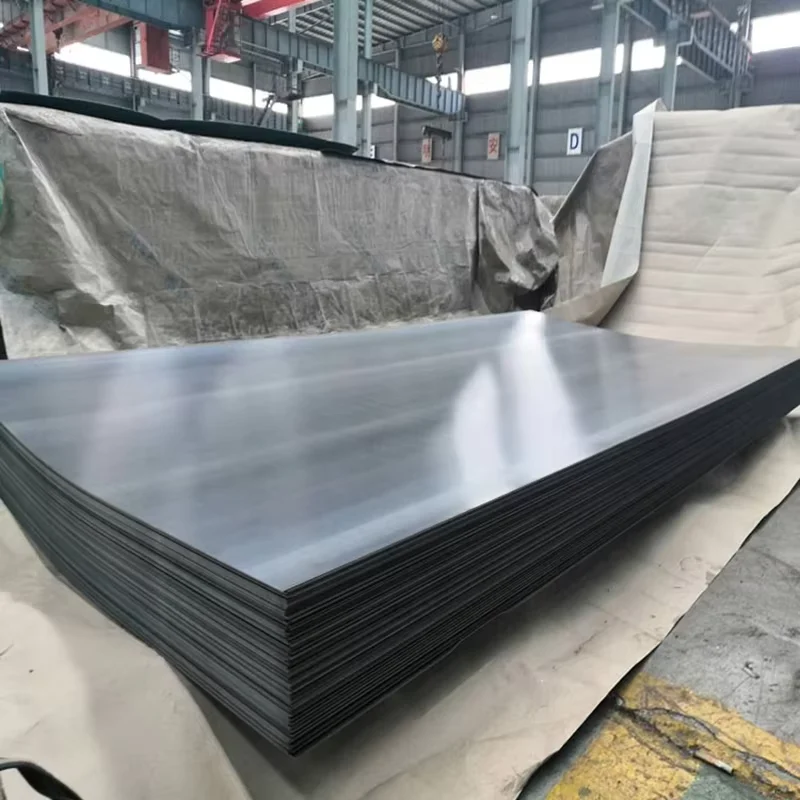
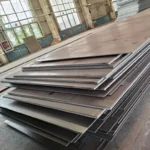
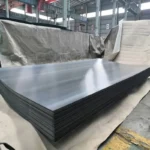
Factory Direct Carbon Steel Plates — Hot rolled Q235, Q345, A36, SS400 plates produced on our own 3-line steel mill with full chemical and mechanical traceability from raw slab to finished sheet.
Technical Specifications
| Parameter | Value |
|---|---|
| Designation | Q235/Q345/SS400/A36 Carbon Steel Plate |
| Product Type | Steel Plate |
| Steel Grade | Q235, Q345, SS400, A36, S235JR, S355JR, St37-2, Q195-Q460 |
| Standard | AISI, ASTM, BS, DIN, GB, JIS |
| Thickness | 0.35-200mm |
| Width | 1000-2500mm |
| Length | 2000-12000mm |
| Technique | Hot Rolled |
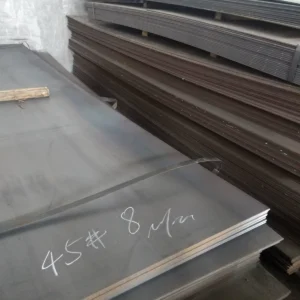
| Surface Treatment | Black |
| Tolerance | ±1% |
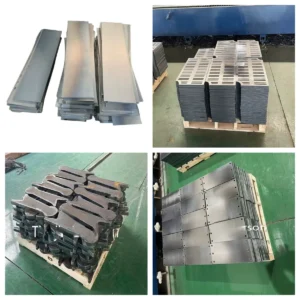
| Processing Service | Bending, Welding, Decoiling, Cutting, Punching |
| Application | Shipbuilding / Construction / Petrochemical / Machinery Manufacturing / Transportation / Structural Fabrication |
| MOQ | 28 Ton |
Application Suitability
| Industry | Typical Applications |
|---|---|
| Construction & Infrastructure | Building frame columns and beams, platform decking, bridge girder splice plates |
| Shipbuilding | Hull shell plating, deck structures, bulkhead panels |
| Petrochemical | Pressure vessel shells, storage tank base plates, pipe rack support brackets |
| Machinery Manufacturing | Crane boom base plates, excavator turntable frames, conveyor support structures |
| Industrial Facilities | Warehouse portal frame gussets, factory mezzanine floor plates, equipment foundation base plates |
What Thickness Tolerance Costs When Plates Arrive on Site
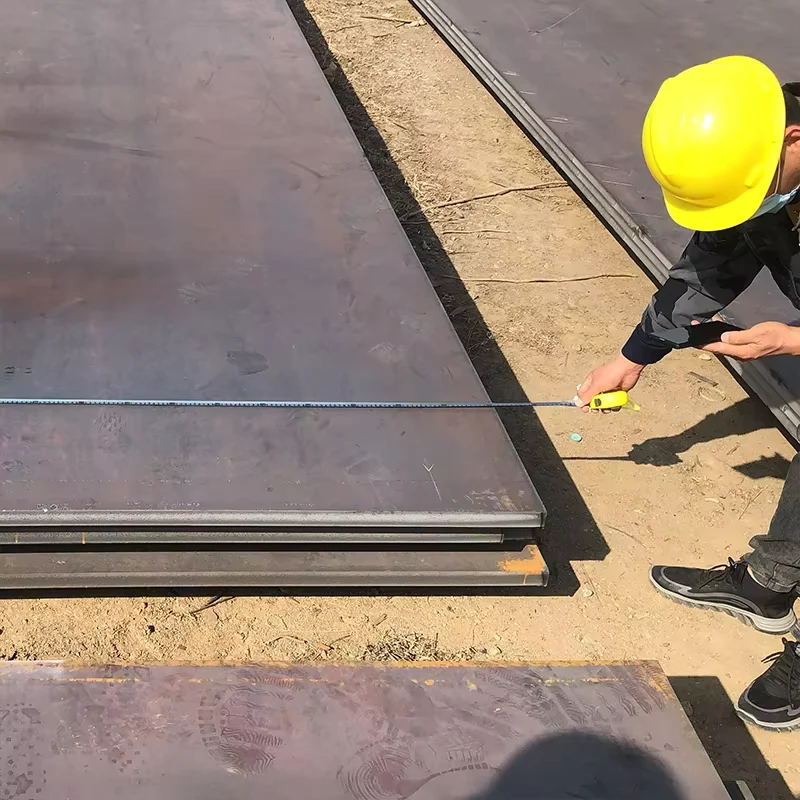
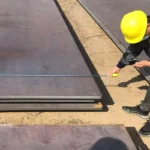
A ±1% tolerance on a 20mm plate means every sheet ships within 19.8mm to 20.2mm — tight enough to avoid fit-up rejection at the weld bay.
When buyers source carbon steel plates from traders who consolidate material from multiple rolling mills, thickness readings across one batch can drift well beyond acceptable limits. I have seen 16mm plates arrive at 14.7mm on the thin edge — the fabricator’s CNC program was set for nominal thickness, and every bevel cut came out wrong. The entire lot sat on the laydown area for three weeks while the buyer argued over who absorbed the re-cutting cost. With an A36 Q235 Q345 carbon steel plate supplier that controls its own rolling line, every heat is tested at the mill before it leaves the coil bay, and the tolerance band stays consistent across the full 0.35-200mm range. [NEED_CITE: hot rolled steel plate thickness tolerance standards per ASTM A6 and EN 10029]
Matching Plate Grades to Structural Load Paths
Every structural frame carries a specific load path from roof to foundation, and the plate grade at each connection node must match the design engineer’s calculation. Q235 and A36 serve general construction where yield requirements stay moderate — warehouse purlin brackets, non-critical gusset plates, and equipment skids. When the load path shifts to heavy industrial crane runways or pressure vessel nozzles, Q345 and S355JR provide the higher yield strength the connection demands. As an A36 Q235 Q345 carbon steel plate supplier with in-house CNC cutting and welding, we deliver plates pre-cut to the shop drawing dimensions so the fabricator welds certified material without secondary handling that introduces dimensional drift.
Engineering Compliance Across International Standards
Structural steel plates crossing borders must satisfy the design code of the destination country — EN 1090 for European projects, AWS D1.1 for North American fabrication, and GB standards for domestic Chinese construction. The plate’s chemical composition and mechanical properties must align with the specified grade under that code, and the mill test certificate must document compliance traceable to the heat number. [NEED_CITE: steel grade equivalence mapping between GB Q series and ASTM A36 / EN S235JR] Selecting Q345 for an S355JR-specified project requires formal equivalence documentation; shipping without it risks customs rejection or site inspection failure. Our plates roll under AISI, ASTM, BS, DIN, GB, and JIS standards, and we prepare the full certification package before the container seals.
How Hot Rolling Shapes Plate Performance
Hot rolling heats the steel slab above its recrystallization temperature and passes it through successive roller stands, producing a plate with uniform grain structure and consistent mechanical properties through the full cross-section. This process suits the Q235, Q345, A36, and SS400 grades because it delivers the ductility and weldability that structural fabricators require — the plate bends cleanly at the press brake without edge cracking, and the weld pool fuses predictably under MIG, MAG, and submerged arc processes. The black mill scale surface that forms during hot rolling provides a baseline corrosion resistance during storage and transit; fabricators typically remove it by shot blasting before applying the final coating system. Thickness tolerance of ±1% across the 0.35-200mm range means the fabricator can program CNC cutting tables to nominal dimensions without adding compensation variables for each sheet.
The Hidden Cost of Unverified Plate Material
Ordering carbon steel plates through a broker who cannot trace the material back to the original heat number creates a chain of liability gaps. If the plate fails ultrasonic testing at the fabrication shop, the broker blames the mill, the mill has no record of the heat, and the buyer absorbs the cost of replacement material plus the project delay. [NEED_CITE: structural steel material traceability requirements under EN 10204 inspection certificate types] Plates without proper mill test certificates cannot pass third-party inspection by SGS or BV, which means the finished structure cannot receive its occupancy certificate in most international jurisdictions. The price difference between a verified A36 Q235 Q345 carbon steel plate supplier and an unverified source is typically a small fraction of the total project cost — but the cost of a failed inspection or a structural rework runs into tens of thousands.
Why Fabricators and EPCs Source Directly From Our Mill
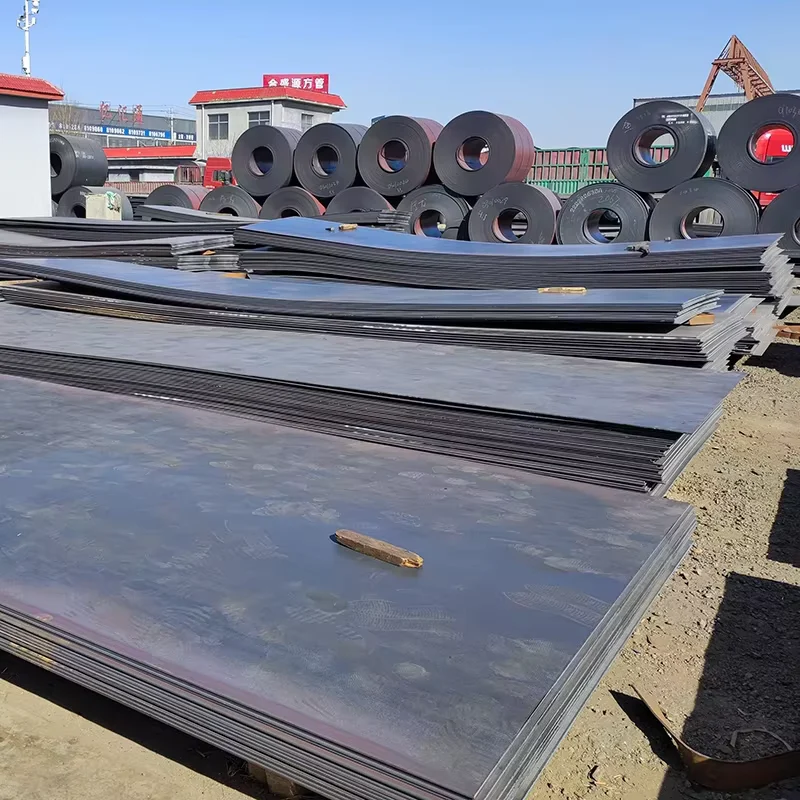
We operate three hot rolling production lines producing over 2,800 specifications of raw steel, which means the Q235, Q345, A36, and SS400 plates we ship come from our own slabs — not from a trader’s yard where material from six different mills gets mixed into one lot. Every plate carries a heat number that traces back to our ladle analysis, and our in-house laboratory issues the mill test certificate before the plate leaves the facility. Our fabrication workshop sits adjacent to the rolling mill, so when a project requires plates cut to specific dimensions with edge preparation for welding, we process them in the same quality system that produced the raw material. We hold ISO 9001 certification, our welders carry AWS and EN qualifications, and we arrange third-party inspection by SGS or BV before shipment for buyers who require independent verification. For projects in the EU, Middle East, Southeast Asia, and Africa, we prepare the full export documentation package including certificates of origin and compliance statements aligned with the destination country’s import requirements.
Documentation & Compliance
- Mill test certificate documenting Q235/Q345/A36/SS400 chemical composition and mechanical properties per GB, ASTM, JIS, or EN standards, traceable to heat number
- EN 10204 Type 3.1 or 3.2 inspection certificates available for projects requiring third-party witness testing
- ISO 9001 quality management system certificate covering the full production process from slab reheating to finished plate inspection
- SGS or BV third-party inspection report verifying dimensional tolerance, surface quality, and coating thickness before container loading
- Material traceability sheet linking each plate’s heat number to ladle analysis, rolling schedule, and test results
- Full customs documentation including packing list, bill of lading, certificate of origin, and compliance declaration for destination country standards
Packaging, Loading & Delivery
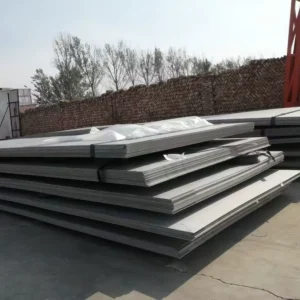
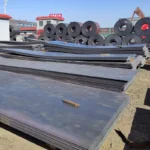
- Hot rolled black surface plates bundled with high-tensile steel strips at intervals matching the 1000-2500mm width range, with edge protectors preventing strap damage to plate corners during ocean transit
- Anti-rust oil applied to Q235 and Q345 plate surfaces before bundling to prevent white rust formation during container shipping to humid tropical ports
- Container loading optimized for 2000-12000mm length plates using timber dunnage and steel wire lashing to prevent shifting; heavy plates above 20mm thickness loaded in single-layer racks to distribute weight across the container floor
- Custom cut-to-size plates up to 12000mm length packed separately with dimensional labels and heat number markings for easy site identification
- Each bundle tagged with steel grade, thickness, width, length, heat number, and purchase order reference for traceability at the receiving port
- Shipping available FOB, CIF, and DDP terms with professional oversized cargo loading plans for plates exceeding standard container dimensions
Start Your Procurement With Drawing and Specification Review
Share your project drawings in PDF or DWG format along with the required steel grade, thickness, dimensions, quantity, and destination port. We respond within 24 hours with a preliminary assessment including material availability, fabrication timeline, and a detailed quotation covering plate cost, processing, coating, packing, and shipping. Our engineering team reviews your shop drawings before production begins to confirm dimensional accuracy and welding procedure compatibility.
Request a Quotation with Mill Test Certificate
Send your project specifications and steel grade requirements to receive a detailed quotation and sample mill test certificate.
Tel: +86 531 8573 6315 | Mobile/WhatsApp/WeChat: +86 188 5315 7756 | Email: admin@xjystructure.com
Frequently Asked Questions
Q: Can you supply equivalent grades when my project specifies A36 but your stock is Q235?
A: Q235 and A36 share similar chemical composition and mechanical property ranges under GB and ASTM standards respectively. We provide formal grade equivalence documentation mapping the specific heat analysis to both standards, which satisfies most engineering consultants and third-party inspectors for general structural applications.
Q: What test certificates do you provide with each shipment?
A: Every plate shipment includes a mill test certificate documenting chemical composition and mechanical properties traceable to the heat number. We also provide EN 10204 Type 3.1 certificates as standard, and Type 3.2 certificates with third-party witness testing are available upon request through SGS or BV.
Q: Can you deliver plates cut to specific dimensions with edge preparation for welding?
A: Yes. Our in-house CNC cutting facility processes plates from the 0.35-200mm thickness range to your shop drawing dimensions, including bevel edge preparation for butt welds, punch holes for bolted connections, and bending to required radii. Cut plates ship with dimensional inspection reports verifying tolerance compliance.
Q: What is the minimum order quantity and typical production cycle?
A: The minimum order is 28 tons. Standard stock grades in common thicknesses ship within typical production lead times, while custom sizes or less common grades follow the rolling schedule. We confirm the exact timeline after reviewing your specification sheet.
Q: How do you handle packing and loading for heavy plates destined for overseas projects?
A: Plates are bundled with high-tensile steel strips and edge protectors, with anti-rust oil applied to black surface plates. Container loading plans account for plate weight distribution using timber dunnage, and oversized plates exceeding container dimensions receive specialized flat rack or breakbulk loading with full lashing and securing.