





Description
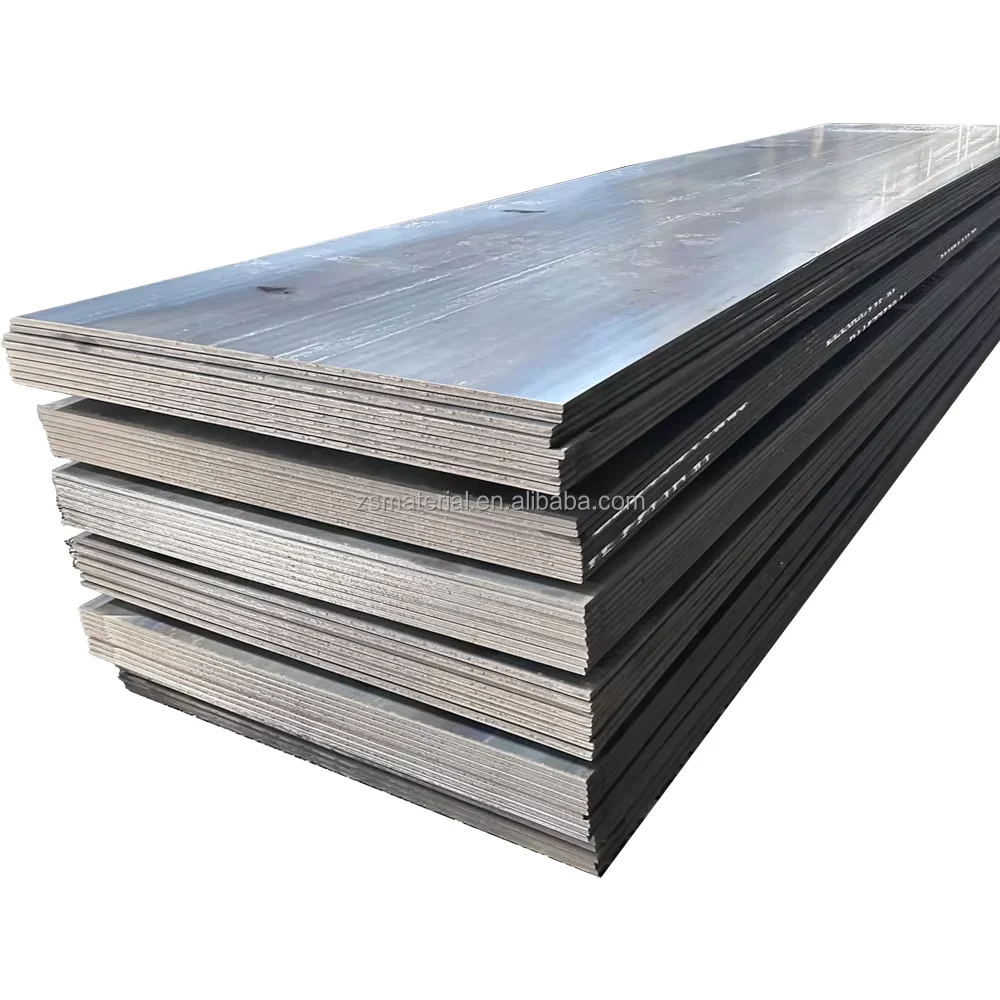
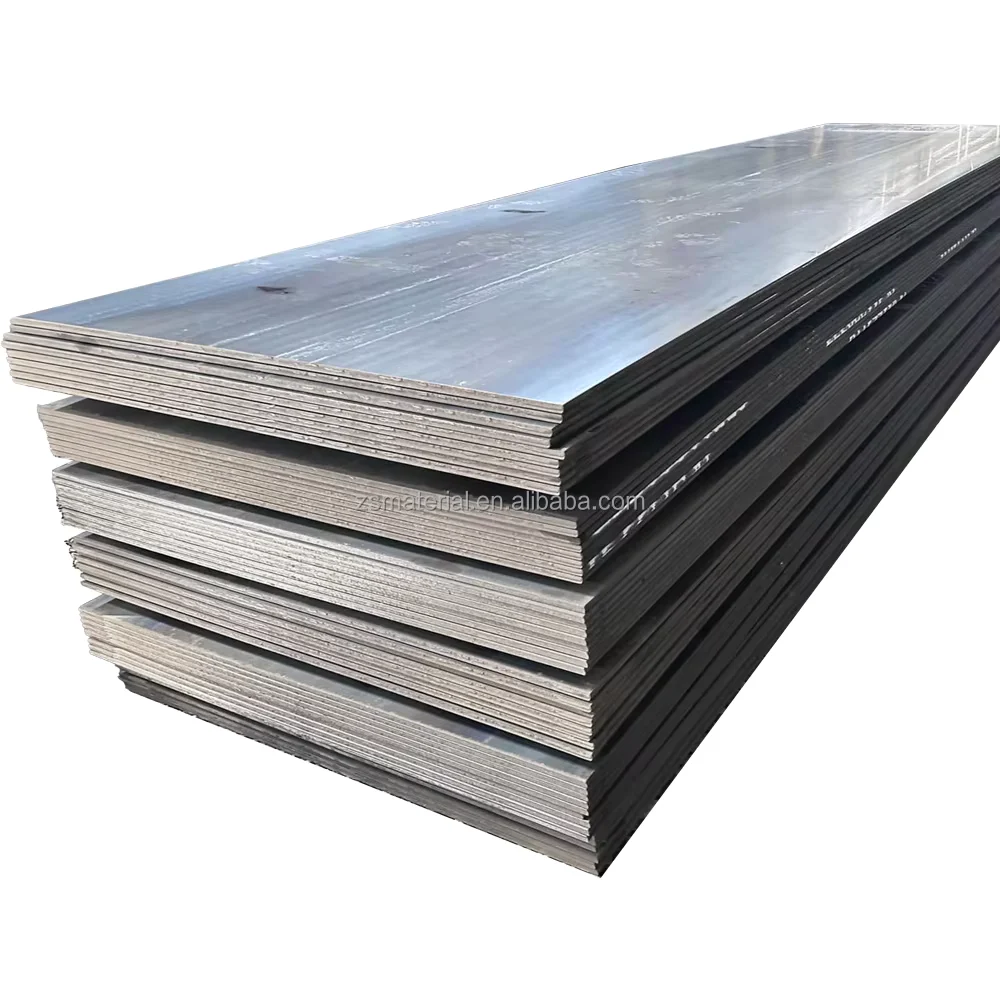
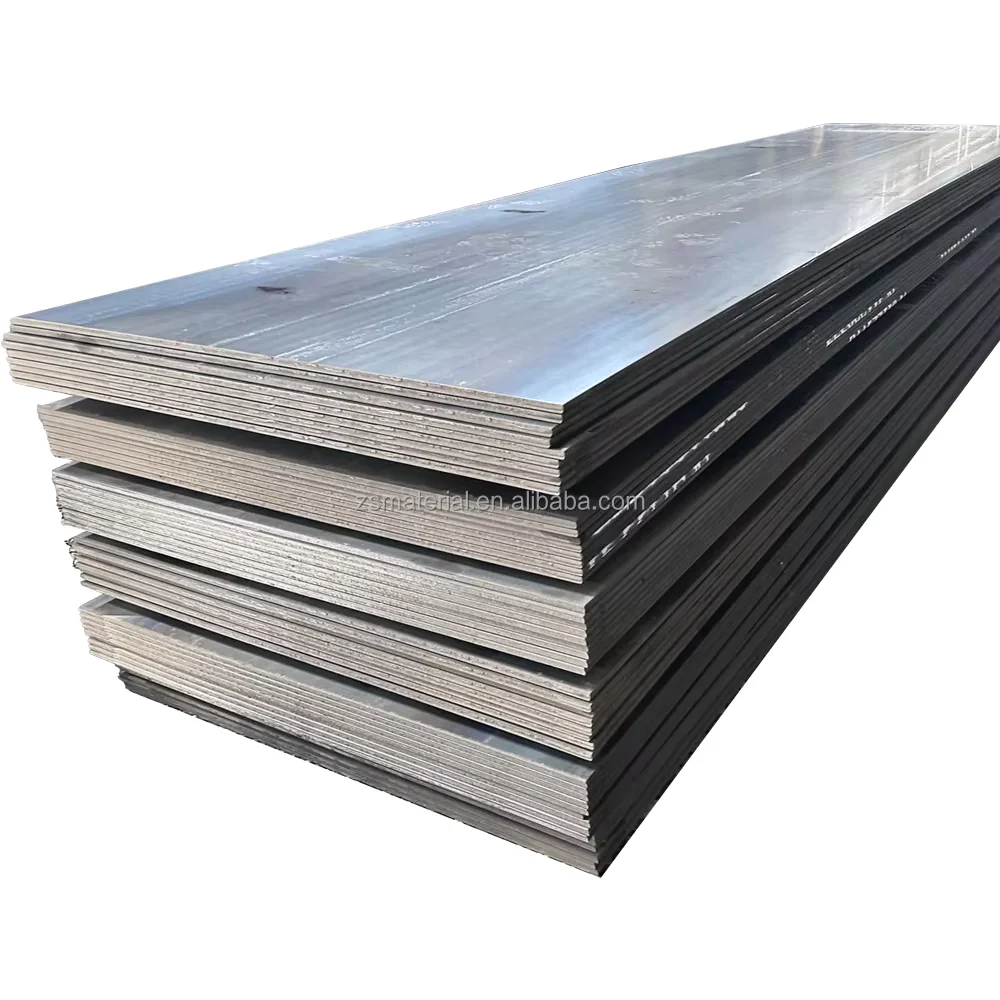
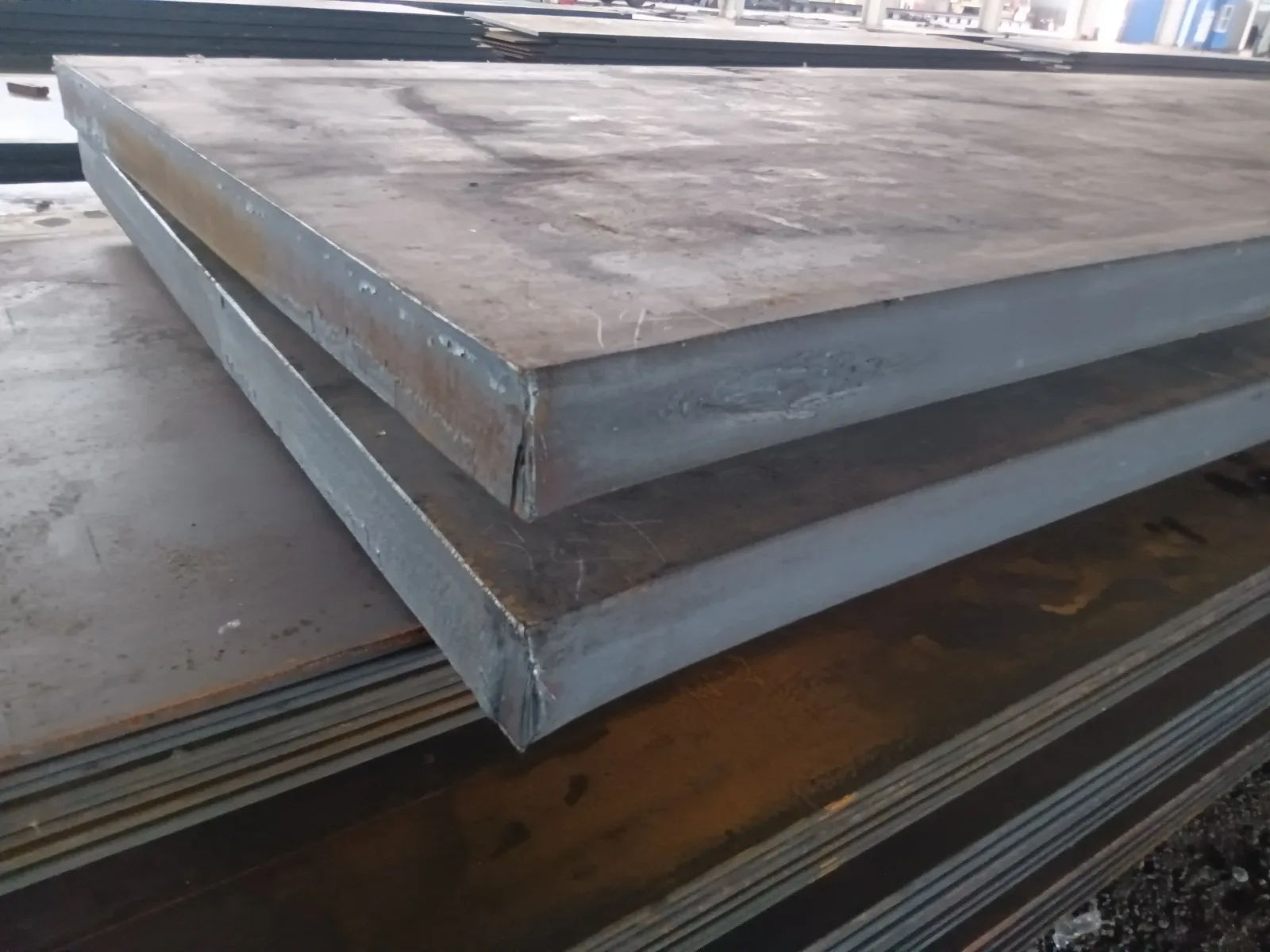
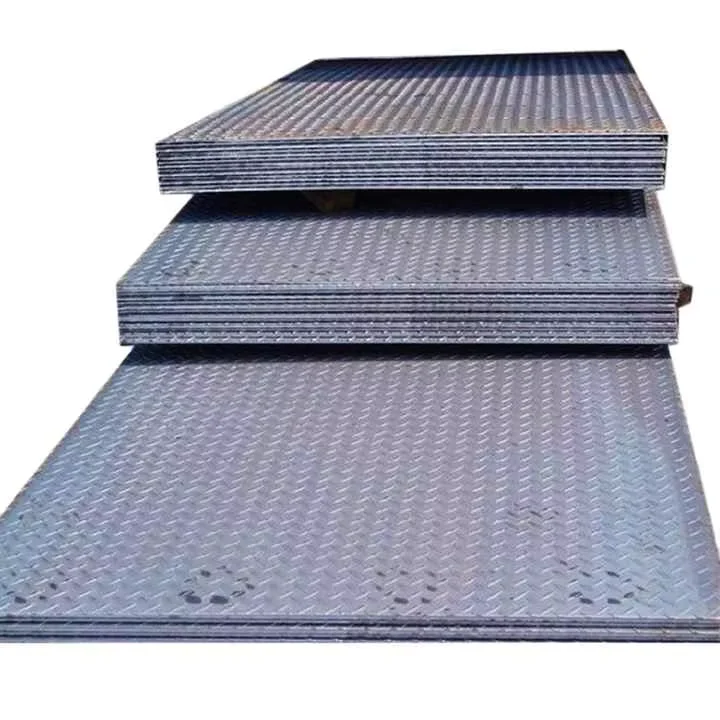
Factory-Direct Mill Supply — Hot rolled Q235B checkered steel plates produced in-house from raw slab to finished surface pattern, eliminating third-party material sourcing gaps.
Technical Specifications
| Parameter | Value |
|---|---|
| Designation | Q235B Checkered Steel Plate |
| Product Type | Steel Plate |
| Steel Grade | Q235B |
| Standard | GB/T |
| Technique | Hot Rolled |
| Thickness | 1–100mm |
| Tolerance | ±1% |
| Surface Treatment | Customer’s Requirement |
| Processing Service | Bending, Welding, Decoiling, Punching, Cutting |
| Alloy Or Not | Non-Alloy |
| Special Use | Mold Steel |
| Application | Building construction, Industrial flooring, Anti-slip platforms, Stair treads, Machinery base plates, Mold steel |
| MOQ | 5 Tons |
| Origin | Shandong, China |
Application Suitability
| Industry | Typical Applications |
|---|---|
| Construction & Infrastructure | Anti-slip stair treads, walkway grating replacements, platform decking for steel frame buildings |
| Industrial & Logistics | Factory flooring, warehouse mezzanine decks, loading dock ramp surfaces |
| Machinery & Manufacturing | Machinery base plates, mold base plates, equipment mounting platforms |
| EPC & Energy Projects | Anti-slip access platforms for power plants, maintenance walkways in petrochemical facilities |
Pattern Height Tolerance Is Where Checkered Plate Orders Fail Customs
A diamond pattern that looks right but measures below minimum height will fail anti-slip testing at the destination port — and no amount of mill test certificates will override that.
Overseas buyers ordering Q235B hot rolled checkered steel plate from China frequently encounter surface pattern inconsistency between batches. The embossed diamond height — critical for slip resistance certification — varies when rolling pressure or pass schedule is not tightly controlled. I have seen entire container loads rejected at Middle Eastern ports because the pattern height fell below the threshold required by local building safety codes, even though the base plate thickness and chemistry were fully compliant.
The root cause is often fragmented sourcing: the fabricator buys black plate from one mill and sends it to a separate rolling shop for pattern embossing, introducing a second set of process variables. When material traceability breaks at that handoff, there is no single party accountable for the final surface specification. [NEED_CITE: slip resistance testing standards for checkered steel flooring]
How Hot Rolled Diamond Pattern Meets Industrial Flooring Demands
The Q235B hot rolled checkered steel plate delivers its anti-slip performance through a pattern formed during the final rolling pass — not applied as a post-process coating. This means the diamond ridges are integral to the steel surface, eliminating delamination risk under heavy foot traffic or wheeled equipment. For industrial flooring and stair tread applications where EN ISO 14122 or local equivalents apply, the raised pattern provides consistent slip resistance across the full plate life. Our in-house rolling and processing line handles the complete sequence from slab reheating to finished cutting, so pattern height and base thickness are controlled under one quality system.
Engineering Compliance and Grade Selection for Structural Use
Q235B as a non-alloy carbon structural steel under GB/T 700 offers reliable formability and weldability for non-critical structural applications including platform decking, base plates, and machinery mounts. For projects requiring compliance with European or American frameworks, grade equivalence mapping is essential — Q235B generally corresponds to S235JR under EN 10025 or A36 under ASTM A36 in terms of minimum yield strength, though chemical composition limits differ slightly. [NEED_CITE: steel grade equivalence between GB/T Q235B and EN S235JR] Buyers specifying checkered plates for load-bearing platforms should confirm whether the project engineer requires certified impact testing at sub-zero temperatures, which Q235B does not cover by default. Surface treatment options — from bare hot rolled finish to shop primer or full paint systems — should be selected based on the installation environment: indoor dry conditions need minimal protection, while coastal or chemical plant installations require specified coating systems applied before shipment.
Understanding Q235B Chemistry and Hot Rolled Pattern Formation
Q235B is a mild carbon steel with controlled carbon content that balances weldability against strength — it does not rely on alloying elements like chromium or molybdenum, which keeps material cost predictable and welding procedures straightforward. The “B” designation indicates room-temperature impact testing capability, distinguishing it from Q235A which carries no impact requirement. During hot rolling, the checkered pattern is pressed into the plate surface while the steel is above recrystallization temperature, meaning the diamond ridges form as a continuous grain flow rather than a mechanical deformation layer. This is why properly rolled Q235B hot rolled checkered steel plate maintains pattern integrity even after subsequent cutting, bending, or welding operations — the pattern does not chip or flatten under normal fabrication. The ±1% thickness tolerance applies to the base plate measurement excluding pattern height, which is why buyers should specify both base thickness and minimum pattern height separately in purchase orders.
Hidden Costs of Sourcing Checkered Plate Without Pattern Verification
Ordering Q235B hot rolled checkered steel plate based solely on base thickness and weight calculations ignores the surface pattern specification — and that is where project costs escalate unexpectedly. Plates with insufficient pattern height pass visual inspection at the loading port but fail anti-slip testing at destination, triggering rejection, return shipping, or costly on-site surface treatment. Material certificates confirming Q235B chemistry mean nothing if the surface does not meet the slip resistance standard required by the building inspector. [NEED_CITE: consequences of non-compliant anti-slip flooring in construction projects] Beyond pattern height, inconsistent ridge geometry across a batch creates uneven wear patterns in high-traffic industrial flooring, reducing service life and creating trip hazards that trigger occupational safety violations.
Integrated Mill-to-Plate Supply Chain Eliminates Sourcing Gaps
Our production model starts with raw steel slab from our own mill — the same facility that operates three production lines across 2,800+ specifications — and continues through pattern rolling, cutting, and finishing in our fabrication workshop. This vertical integration means the Q235B chemistry documented in the mill test certificate is the same chemistry in the finished checkered plate you receive, with no intermediate resupply from unknown sources. When you order cut-to-size blanks with pre-drilled holes or welded assemblies, the processing happens under the same quality management system that produced the raw plate. Our engineering team reviews shop drawings before fabrication begins, catching dimensional conflicts that would otherwise cause rework at the installation site. For overseas projects requiring third-party inspection, we coordinate SGS or BV surveyors at our facility before container loading, so certification issues are resolved before the cargo leaves China.
Documentation & Compliance
- Mill Test Certificate documenting Q235B chemical composition (C, Si, Mn, P, S limits per GB/T 700) and mechanical properties including yield strength and tensile strength
- Third-party inspection report from SGS or BV covering dimensional verification, pattern height measurement, and surface quality assessment before shipment
- Material traceability documentation linking each plate to its original heat number and rolling batch for full chain-of-custody verification
- Complete export documentation package including commercial invoice, packing list, bill of lading, and certificate of origin for customs clearance
- ISO 9001 quality management system certificate covering the integrated production process from raw slab to finished checkered plate
Packaging, Loading & Delivery
- Q235B checkered plates bundled with steel strips and edge protectors to prevent pattern damage during handling and ocean transit
- Surface protection options including anti-rust oil coating for bare hot rolled finish plates destined for humid climates or extended storage
- Container loading optimization for 1–100mm thickness range, with heavier gauge plates loaded first to maximize weight utilization within 20ft or 40ft containers
- Cut-to-size blanks individually wrapped and separated to prevent surface scratching during transport, with custom dimensions clearly marked on each piece
- Heat number and steel grade identification stenciled on each plate bundle for site verification against mill test certificates
- FOB, CIF, and DDP shipping terms available with professional oversized cargo loading plans for project-specific delivery requirements
Starting Your Checkered Plate Procurement
Submit your project specifications including base thickness, pattern type, dimensions, quantity, and destination port to receive a detailed quotation with production timeline and mill test certificate samples. Our engineering team will review your requirements and confirm grade equivalence, surface treatment options, and container loading plans before production begins.
Request Quotation with Material Certification
Share your Q235B hot rolled checkered steel plate specifications, required quantities, and project standards to receive a comprehensive quotation including mill test certificates and third-party inspection options.
Company: Shandong Xin Jiyuan Special Steel Tube Co., Ltd
Website: www.xjystructure.com
Tel: +86 531 8573 6315
Mobile/WhatsApp/WeChat: +86 188 5315 7756
Email: admin@xjystructure.com
Address: No.11889, Jingshi West Road, Lulian Group, Jinan City, Shandong Province, China
Frequently Asked Questions
Q: How does Q235B compare to S235JR or A36 for international projects?
A: Q235B generally offers equivalent minimum yield strength to S235JR (EN 10025) and A36 (ASTM A36), making it suitable for substitution in most structural and flooring applications. However, chemical composition limits differ slightly between standards, so project engineers should confirm acceptance before specifying grade equivalence on critical structural elements.
Q: Can you supply checkered plates cut to custom dimensions with pre-drilled holes?
A: Yes, our in-house processing capabilities include CNC cutting, plasma and flame cutting, punching, and bending. We can deliver Q235B hot rolled checkered steel plate as finished blanks cut to your exact dimensions with pre-drilled holes, eliminating secondary fabrication at the installation site.
Q: What surface treatments are available beyond the standard hot rolled finish?
A: Beyond bare hot rolled finish, we can apply anti-rust oil for short-term corrosion protection, shop primer for projects requiring immediate painting, or coordinate full paint system application per your specification. Surface treatment selection should consider the installation environment and project timeline.
Q: How do you ensure pattern height consistency across production batches?
A: Pattern height is controlled during the hot rolling process through calibrated roll pressure and pass schedules. Our integrated mill-to-plate production means the same facility controls both base plate thickness and pattern formation, with dimensional inspection including pattern height verification before shipment. Third-party inspection by SGS or BV is available for projects requiring independent certification.
Q: What is the typical production lead time and how do you optimize container loading?
A: Production lead times depend on order quantity and processing requirements, with standard mill-run plates available faster than custom-cut blanks. We optimize container loading by sequencing plate thickness and dimensions to maximize weight utilization while ensuring safe transport, with detailed loading plans provided before shipment.