Description
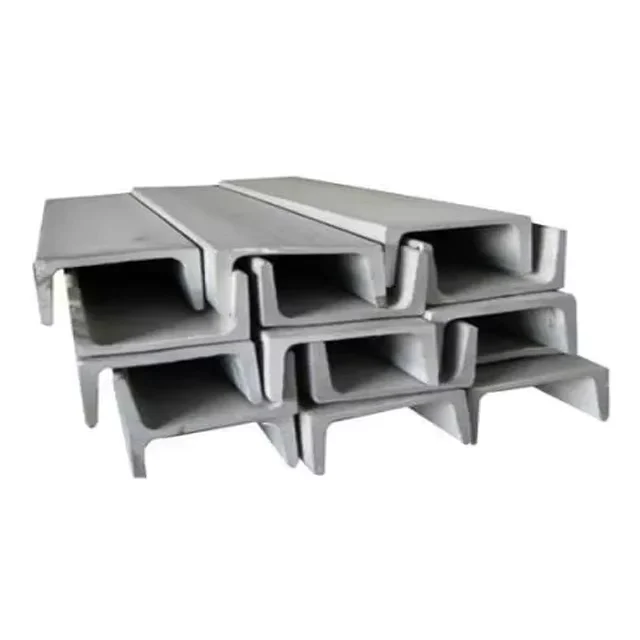
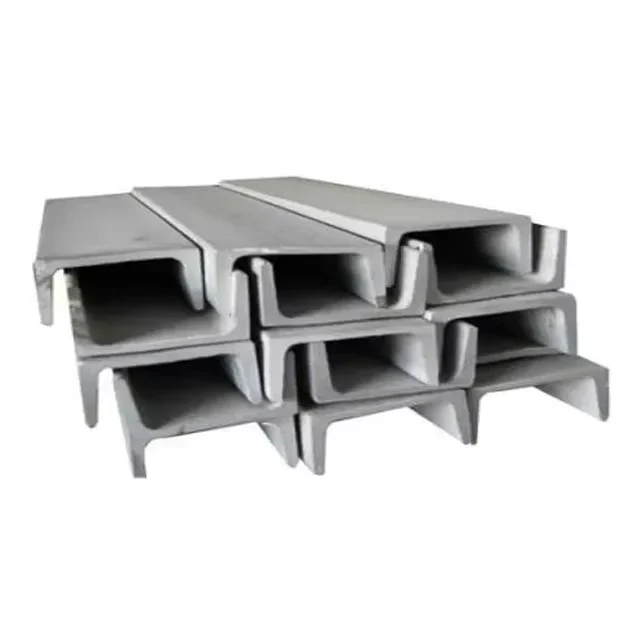
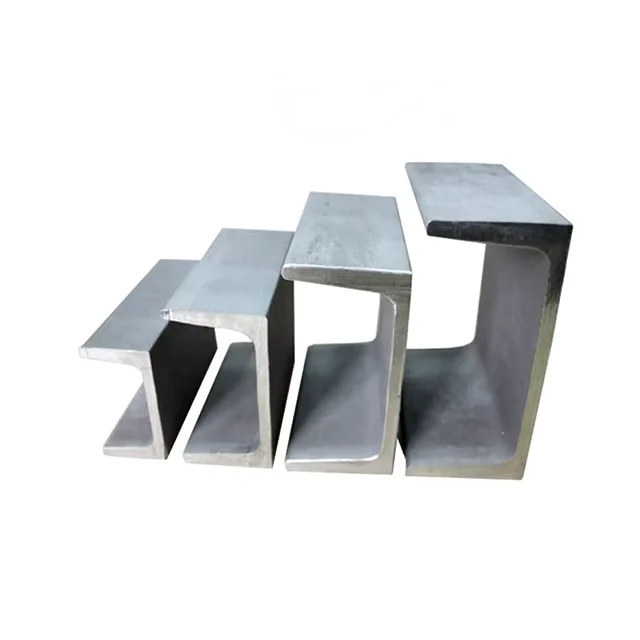
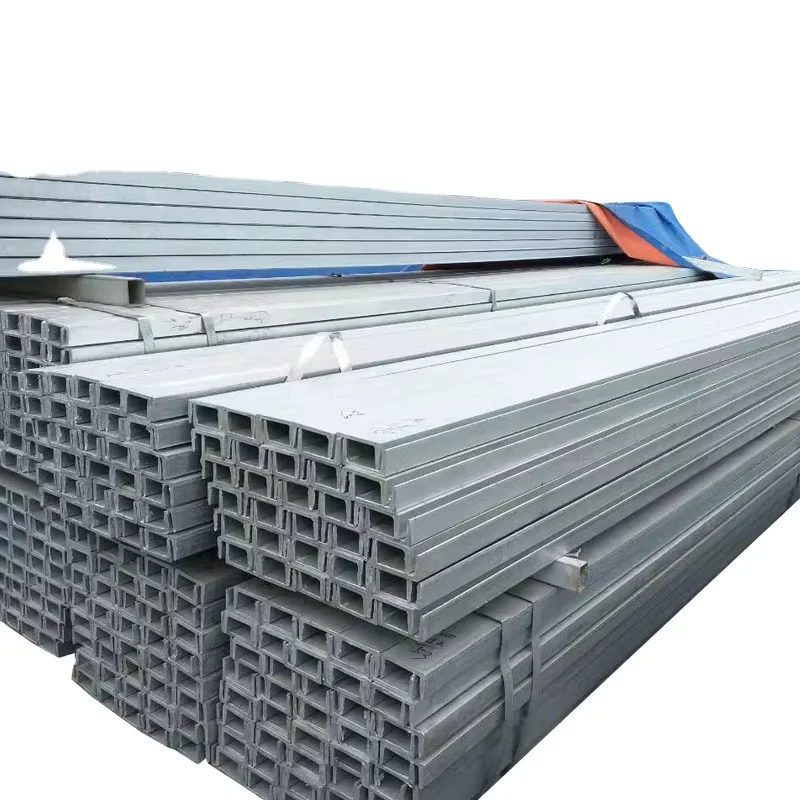
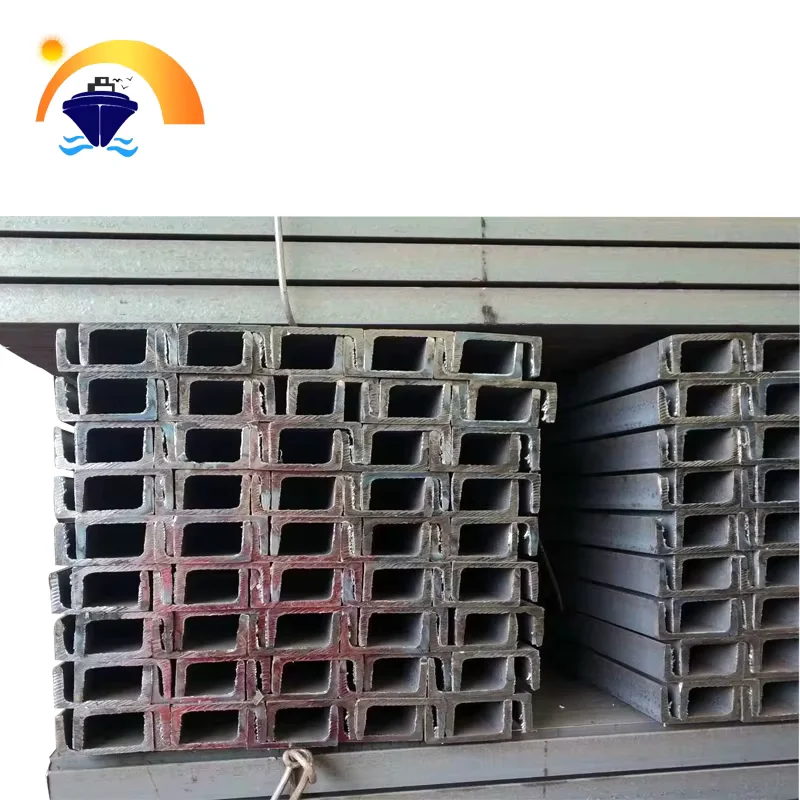
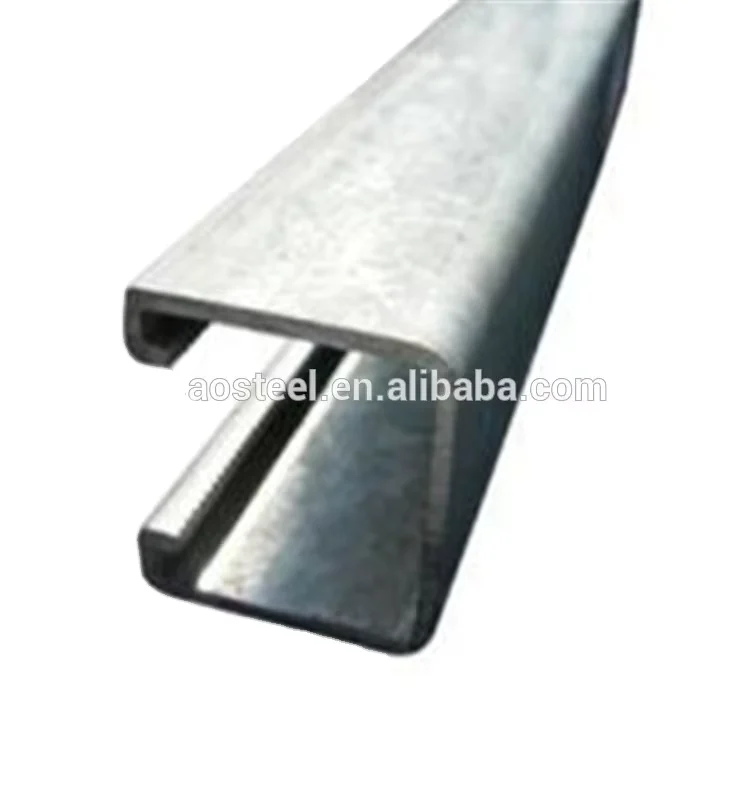
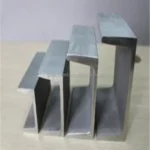
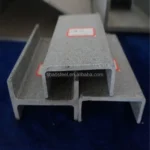
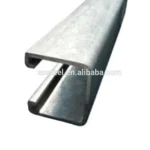
Mill-Direct Galvanized Channels — Hot rolled C, U, and Z sections produced and galvanized in-house at XJY Structure, with full material traceability from raw slab to finished purlin.
Technical Specifications
| Parameter | Value |
|---|---|
| Designation | Q235B/Q345B Galvanized C/U/Z Channel Steel |
| Product Type | U/C/Z Channel Steel |
| Steel Grade | Q235, Q235B, Q345, Q345B, SS400, ST37-2, A36, S235JRG1 |
| Standard | AISI |
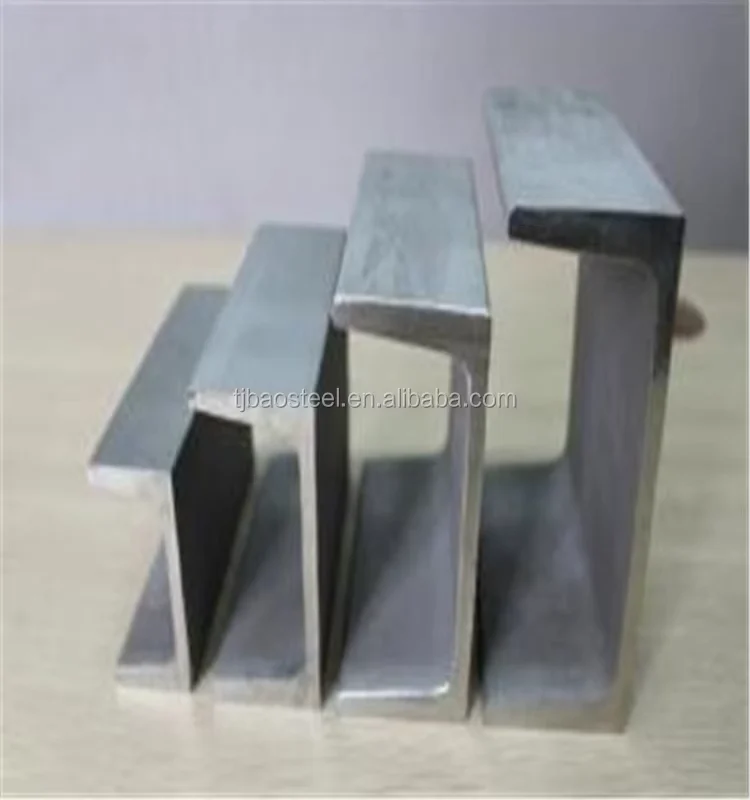
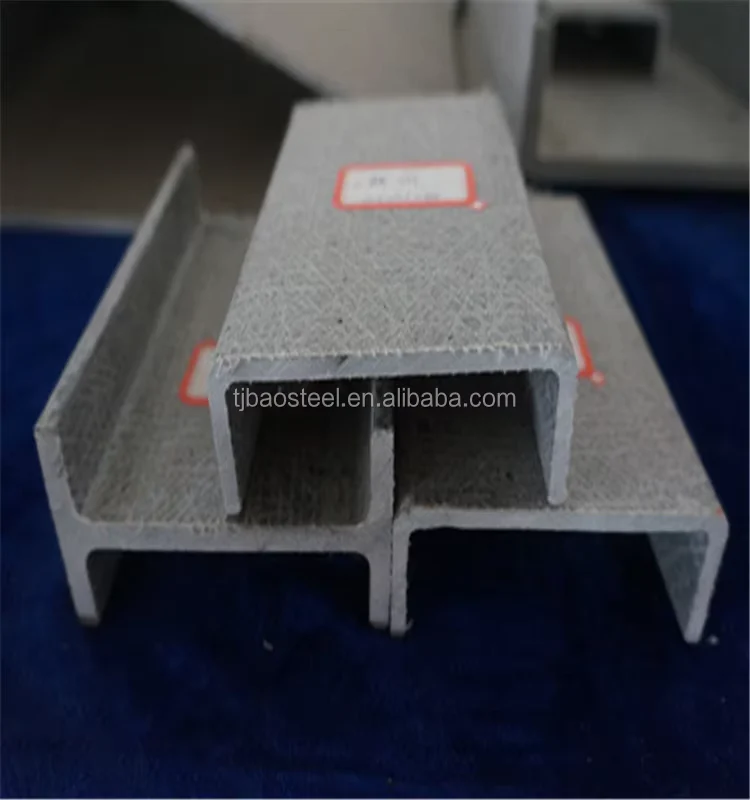
| Section Shape | C / U / Z Channel |
| Technique | Hot Rolled |
| Surface Treatment | Galvanized |
| Tolerance | ±1% |
| Length | Customer’s Requirements |
| Perforated | Not Perforated |
| Invoicing | By Theoretical Weight |
| Application | Construction / Building frameworks / Industrial structures / Metal construction |
| MOQ | 10 Tons |
Application Suitability
| Industry | Typical Applications |
|---|---|
| Industrial Construction | Roof and wall purlin systems for warehouses, factories, and logistics centers |
| Commercial Building | Steel frame secondary structures, canopy supports, and mezzanine frameworks |
| Infrastructure | Platform grating supports, walkway stringers, and equipment mounting frames |
| Renewable Energy | Solar panel mounting rails and support channel structures |
Why Galvanizing Consistency Breaks Down When Purlins Are Sourced Separately from Fabrication
When the galvanizing line and the rolling mill sit under one roof, coating thickness stays uniform across every C, U, and Z section in the same heat.
Buyers who source hot rolled channels from one supplier and send them out for galvanizing face a recurring problem: zinc coating varies between batches, and some sections arrive with thin edges or bare spots near the web-to-flange radius. On a warehouse project in Chile, we saw an entire container of third-party galvanized C channels rejected because the coating at the inner corners measured below the 45 μm minimum the spec required. The fabricator had no leverage — the galvanizer blamed the rolling profile, the roller blamed the galvanizer, and the buyer paid for re-galvanizing plus two weeks of delay. [NEED_CITE: hot dip galvanizing coating thickness requirements for structural steel]
Matching Channel Profile to Structural Load Path in Purlin Systems
The choice between C, U, and Z profiles is not cosmetic — it determines how the purlin transfers roof load into the primary frame. Z sections interlock when nested, creating continuous load distribution across multiple spans, which is why they dominate large-span warehouse roofs. C sections work better for wall girts and single-span applications where lateral restraint is provided by sheeting rails. U channels serve as edge trim, base supports, and equipment mounting tracks. As a Galvanized C U Z Channel Steel Supplier, XJY Structure rolls all three profiles from the same heat of Q235B or Q345B slab, so the engineer gets matched mechanical properties across the entire purlin package — no mixing S235JRG1 roof sections with A36 wall girts from different mills.
Engineering Compliance and Corrosion Protection for Export Projects
Structural purlins on international projects must satisfy both the load-bearing code and the corrosion environment classification. Hot rolled Q345B channels meet the yield requirements for most medium-span industrial roofs under EN 1993 and AISC 360 frameworks, while the galvanized coating handles C3 to C4 atmospheric corrosion categories typical of coastal industrial zones. [NEED_CITE: ISO 12944 corrosion category classification for industrial environments] For EU-bound shipments, EN 1090 execution class 2 or 3 documentation is required, meaning the fabricator must trace each channel back to its mill certificate — something only possible when the steel mill, the rolling line, and the galvanizing bath operate within the same quality management system. Custom cut lengths eliminate on-site welding, which preserves the zinc layer and avoids the costly touch-up painting that project inspectors flag during handover.
Steel Grade Selection and Hot Rolling Process Fundamentals
The Q-series grades (Q235B, Q345B) follow the Chinese GB/T 700 and GB/T 1591 system, where the number after “Q” indicates the minimum yield strength in MPa. Q235B suits standard warehouse purlins and light industrial frames, while Q345B provides roughly 35% higher yield for longer spans or heavier roof loads — without increasing the section dimensions. SS400 and ST37-2 are the Japanese and German equivalents of Q235B respectively, and A36 / S235JRG1 serve the same role in ASTM and EN frameworks. Hot rolling ensures the channel web and flanges form from a single austenitic pass, producing uniform grain structure and consistent mechanical properties across the entire length — a critical advantage over cold-formed alternatives where the corner radii work-harden unevenly. The galvanized coating, applied after rolling and profiling, bonds metallurgically to the steel surface, delivering corrosion resistance that outperforms paint systems in outdoor and high-humidity environments.
The Hidden Cost of Mixing Purlin Sources on a Single Project
Ordering channels from multiple suppliers to chase marginal price differences creates three invisible costs that surface only at site installation. First, dimensional tolerance stacks differently — a ±1% tolerance on one batch and a ±1.5% tolerance on another means connection holes drilled at the shop will not align when sections from different heats arrive on the same truck. Second, galvanizing shade variation becomes obvious once sections are bolted side by side, triggering aesthetic rejections from the client’s QA team even when coating thickness passes. Third, material traceability breaks: if the inspector requests the MTC for a specific channel on the erected roof, the contractor cannot prove which heat it came from. [NEED_CITE: EN 10204 inspection document types for structural steel] These issues do not show up on the purchase order — they show up on the punch list.
Why Project Teams Source Purlins from a Vertically Integrated Mill-Fabricator
XJY Structure operates its own steel production facility with three rolling lines and over 2,800 raw material specifications in stock, meaning the Q235B and Q345B slab that becomes your C and Z purlins never leaves the XJY quality system. The in-house galvanizing line applies coating under the same WPS-controlled conditions as the structural welding shop, so zinc thickness reports carry the same traceability as weld maps. Engineering support covers shop drawing review, material optimization, and nesting layouts that maximize container utilization — a 20ft GP can hold roughly 25 tons of nested Z purlins when cut to match the container’s internal length, saving the buyer ocean freight on every shipment. Certified welders (AWS and EN qualified), complete QC documentation packages, and project delivery experience across the Middle East, Southeast Asia, Africa, and South America round out the supply chain. For buyers managing multiple procurement packages, consolidating purlins, main frames, and connection assemblies under one roof eliminates the coordination overhead that fragments sourcing creates.
Documentation & Compliance
- Mill Test Certificate documenting Q235B and Q345B chemical composition (C, Mn, Si, P, S) and mechanical properties per GB/T 700 and GB/T 1591
- Galvanizing coating thickness report confirming zinc layer uniformity across web, flanges, and inner radii per project specification
- Dimensional inspection report covering section profile, tolerance (±1%), and cut length accuracy for each bundle
- Material traceability sheet linking every shipped channel to its original heat number and rolling schedule
- Customs documentation package including packing list, bill of lading, and certificate of origin for destination-country clearance
- Third-party inspection report (SGS or BV) available upon request for projects requiring independent verification
Packaging, Loading & Delivery
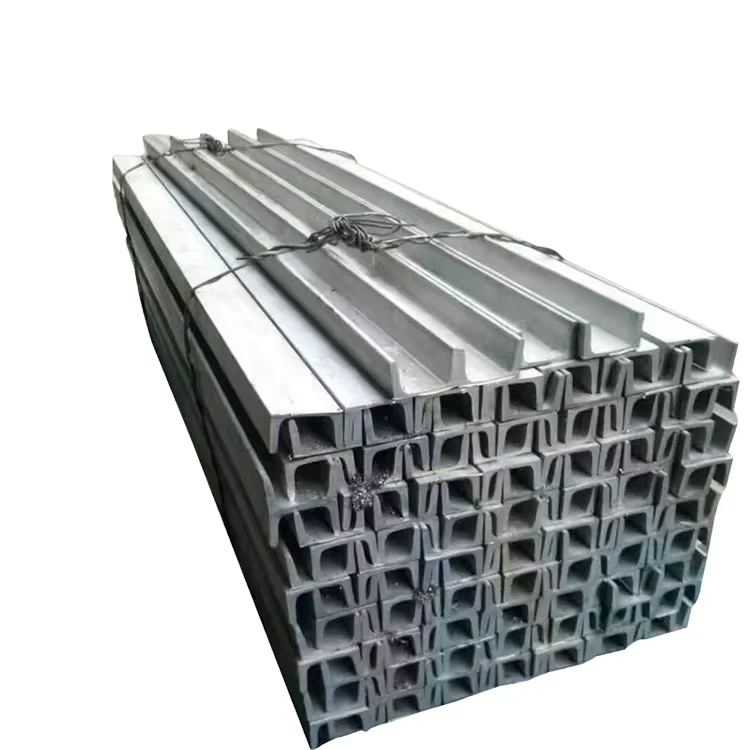
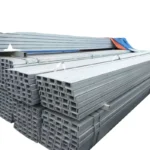
- Hot rolled galvanized C, U, and Z channels bundled with high-tensile steel strips and separated by rubber edge protectors to prevent zinc coating abrasion during ocean transit
- Nested Z-section loading pattern optimized for 20ft and 40ft containers, maximizing weight utilization while keeping individual bundle weight within crane-handling limits at destination sites
- Custom cut lengths shipped with end caps or wrapped edges to protect the galvanized coating at exposed section ends, critical for Q345B channels destined for coastal or high-humidity environments
- Each bundle tagged with heat number, steel grade (Q235B / Q345B / SS400 / A36), section profile, and piece count for rapid site identification and MTC cross-referencing
- FOB, CIF, and DDP shipping terms available from Qingdao or Tianjin ports, with door-to-door logistics coordination for project sites in the Middle East, Southeast Asia, Africa, and South America
How to Request a Purlin Package Quote with Full Mill Documentation
Send your project drawings (PDF or DWG), required steel grades, section profiles (C, U, or Z), coating thickness specification, and destination port — XJY Structure returns a detailed quotation covering material, hot rolling, galvanizing, cutting, packing, and shipping within 24 hours. The quote includes shop drawing timelines, production scheduling, and a complete documentation scope so your QA team can verify compliance before the deposit is paid.
Start Your Purlin Procurement with Verified Mill Documentation
Submit your specifications and steel grade requirements to receive a quotation with full material traceability and coating compliance reports.
Contact: Shandong Xin Jiyuan Special Steel Tube Co., Ltd
Website: www.xjystructure.com
Tel: +86 531 8573 6315
Mobile/WhatsApp/WeChat: +86 188 5315 7756
Email: admin@xjystructure.com
Address: No.11889, Jingshi West Road, Lulian Group, Jinan City, Shandong Province, China
Frequently Asked Questions
Q: What is the difference between C, U, and Z channel purlins for roof systems?
A: Z channels interlock when nested, providing continuous load distribution across multiple spans — ideal for large-span warehouse roofs. C channels work best for wall girts and single-span applications with lateral sheeting restraint. U channels serve as edge trim, base supports, and equipment mounting tracks. XJY Structure rolls all three profiles in-house from the same heat of Q235B or Q345B steel.
Q: Can you provide galvanized coating thickness reports for EU project compliance?
A: Yes. Every shipment includes a galvanizing coating thickness report confirming zinc layer measurements across the web, flanges, and inner radii. For EU projects requiring EN 1090 compliance, we provide full traceability from heat number through rolling, galvanizing, and final inspection.
Q: What is the MOQ and can you cut to custom lengths?
A: The minimum order quantity is 10 tons. We cut hot rolled galvanized channels to your exact project lengths, which reduces on-site welding, preserves the zinc coating, and optimizes container loading for ocean freight.
Q: Do you supply shop drawings and connection details for purlin systems?
A: Yes. Our engineering team reviews your project drawings and prepares shop drawings with nesting layouts, connection details, and material optimization recommendations before fabrication begins. This service is included as part of the quotation process.
Q: How do you ensure material traceability from mill to delivery?
A: XJY Structure operates its own steel production facility and galvanizing line. Every channel is traceable from the original heat of Q235B or Q345B slab through rolling, galvanizing, cutting, and packing. The Mill Test Certificate and material traceability sheet ship with every order.
Get Your Galvanized Purlin Package Quoted with Full Traceability
Share your project drawings, steel grade, and coating requirements — XJY Structure delivers a detailed quote with mill documentation within 24 hours.