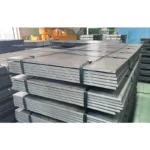
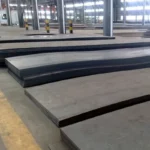
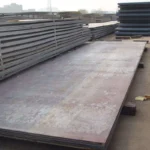
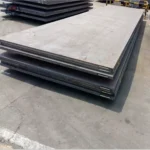
Description
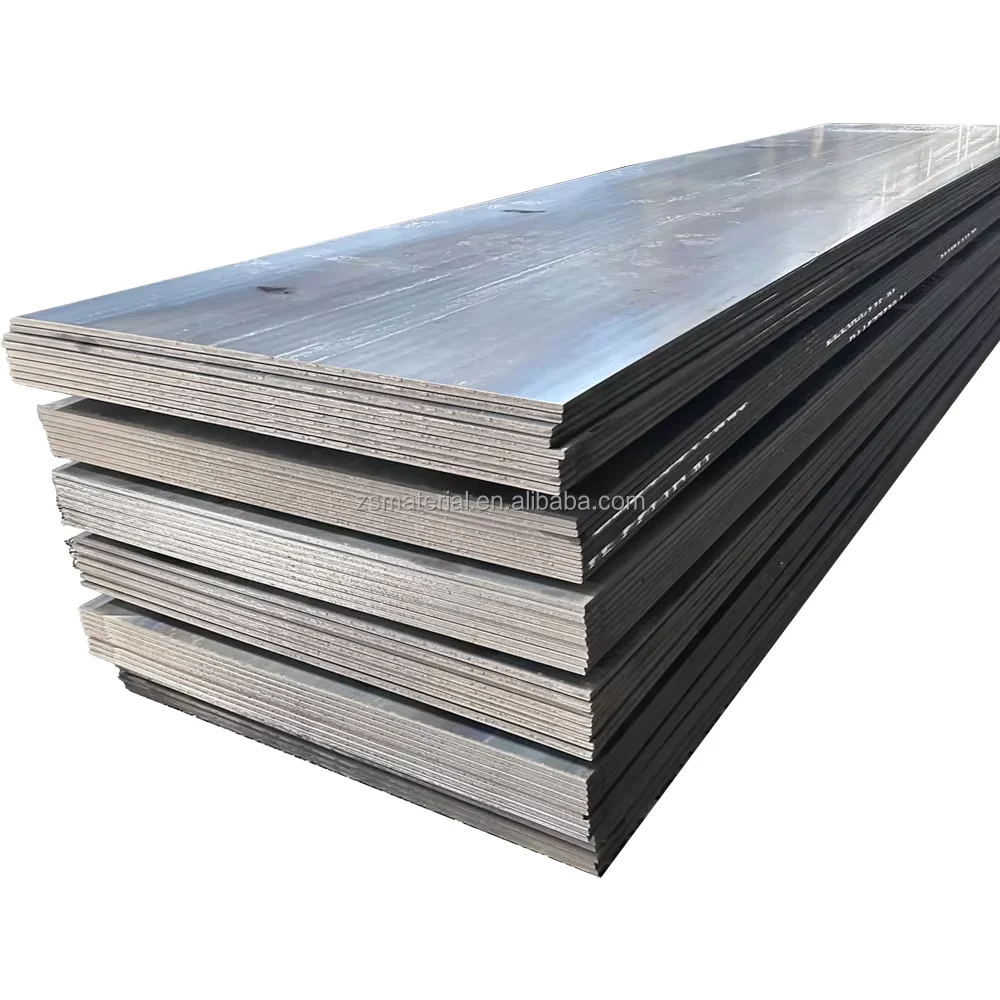
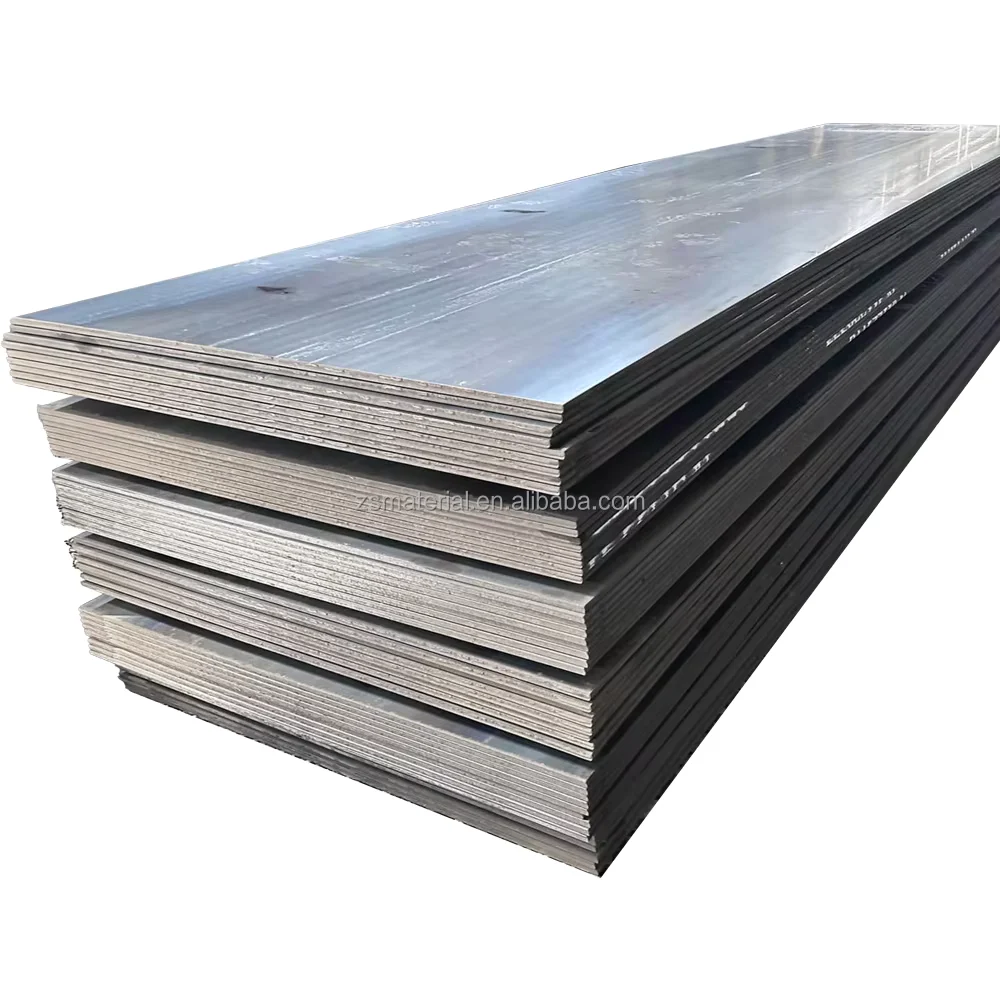
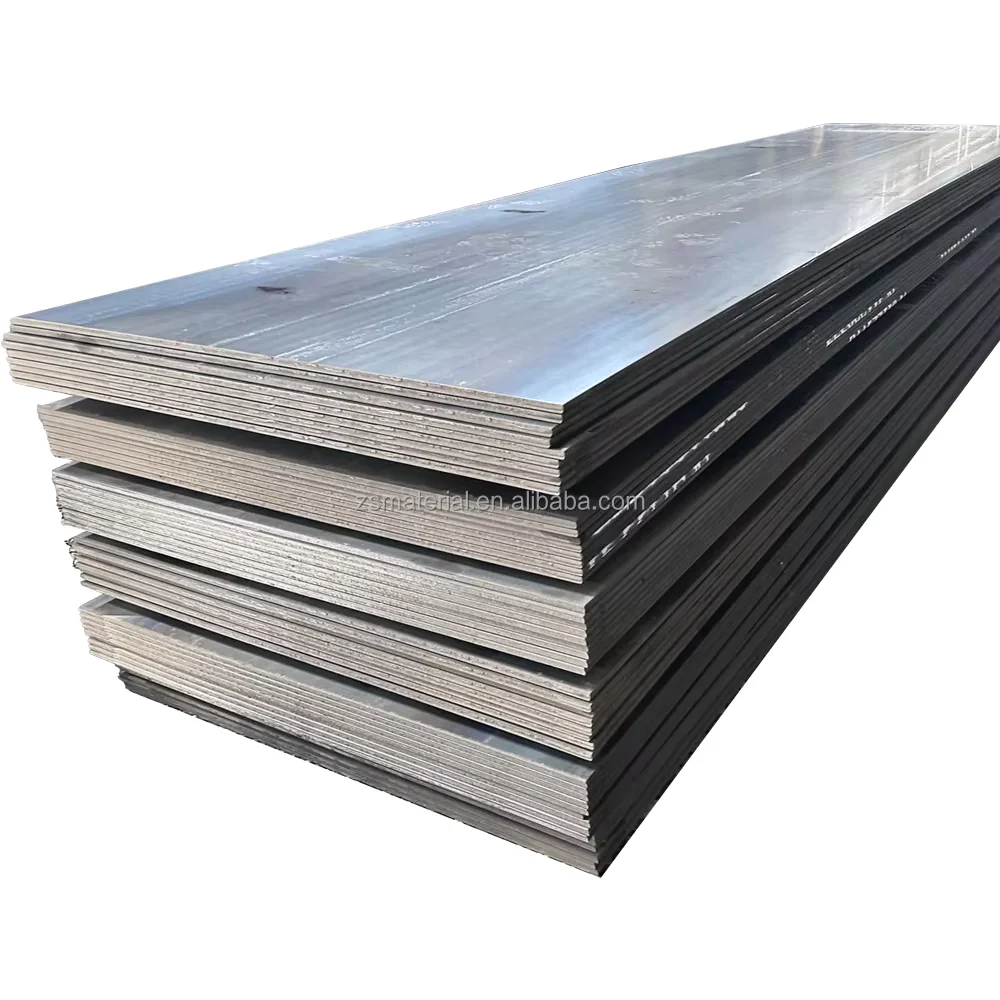
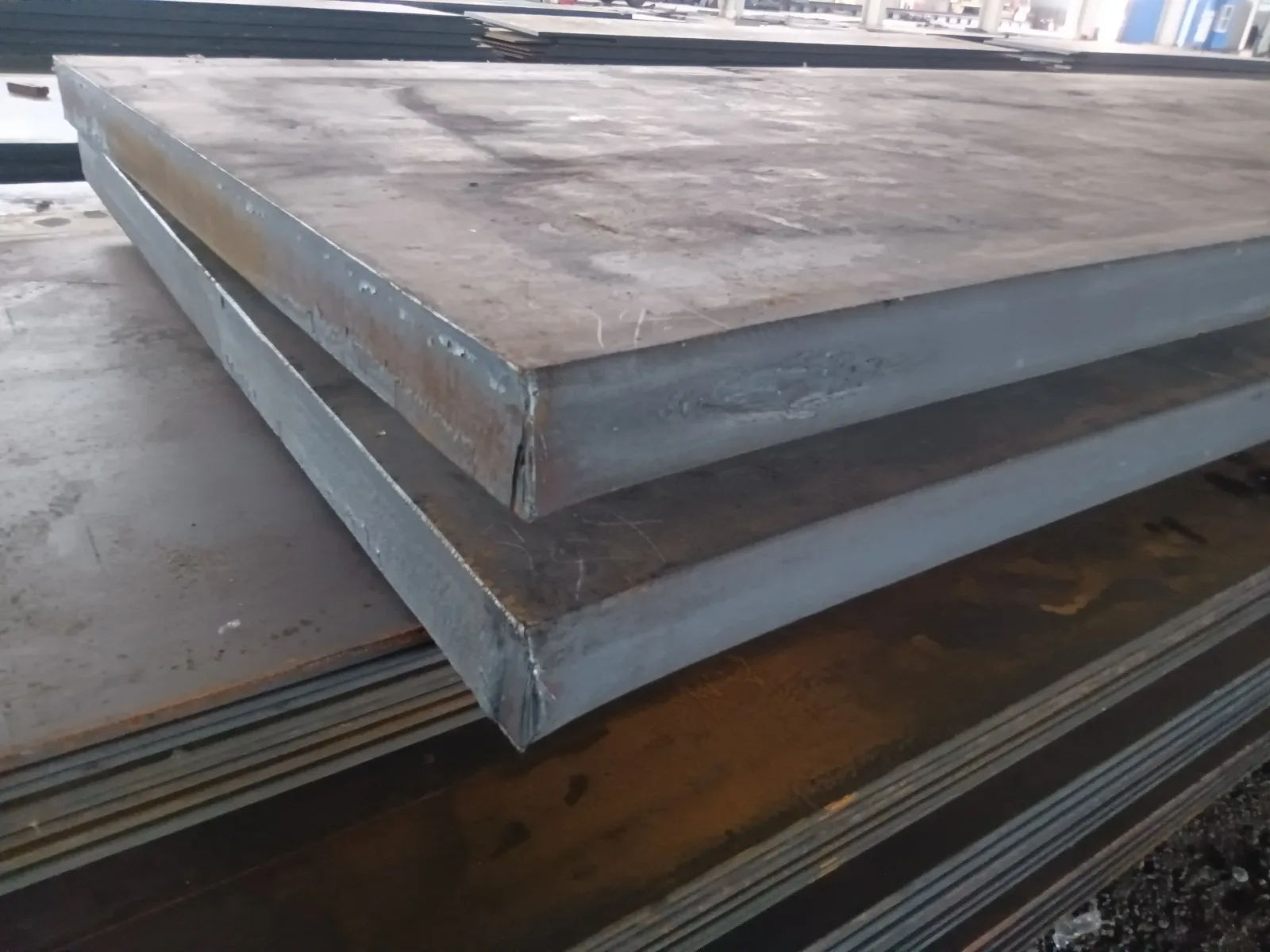
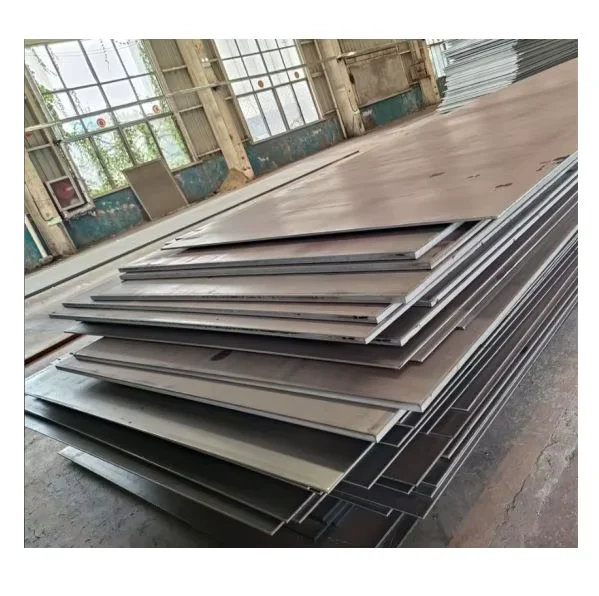
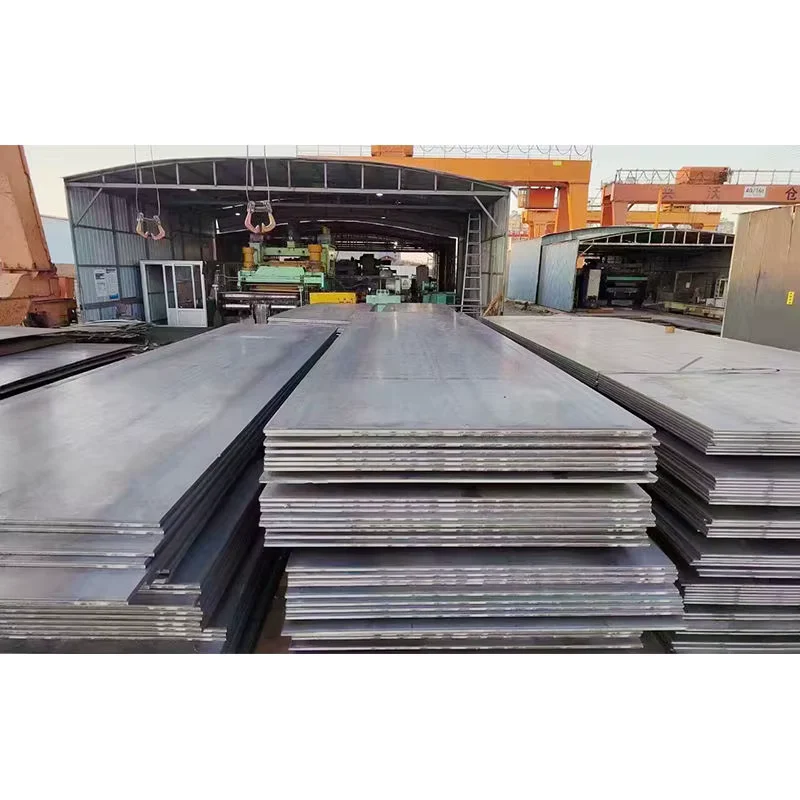
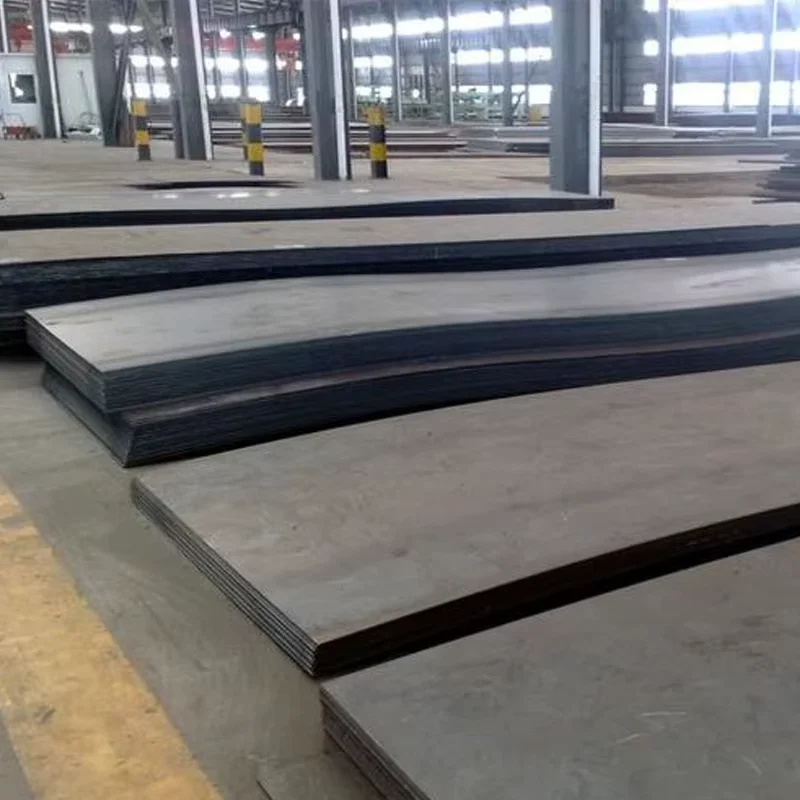
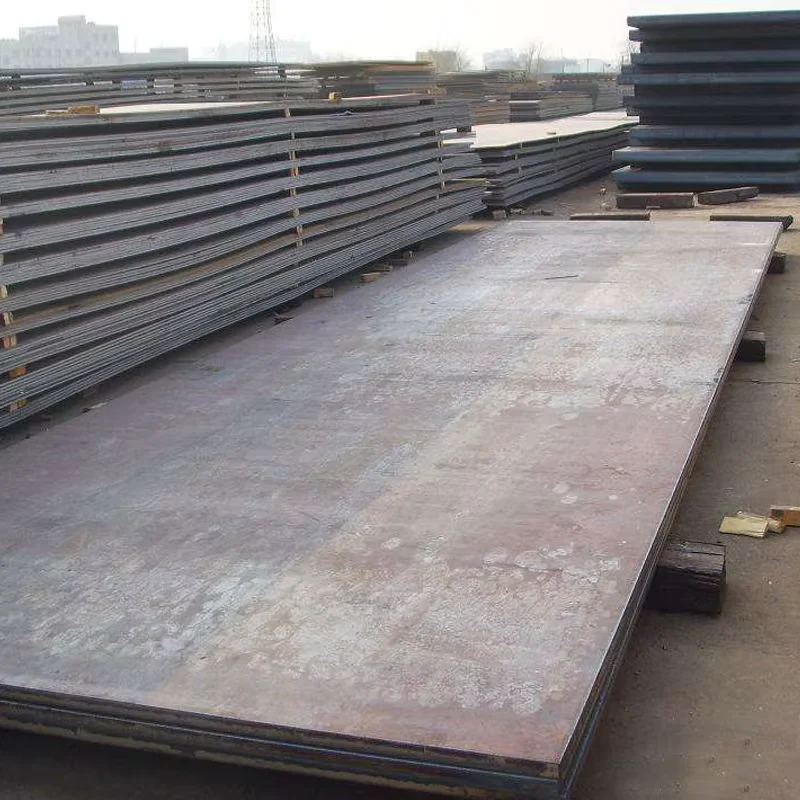
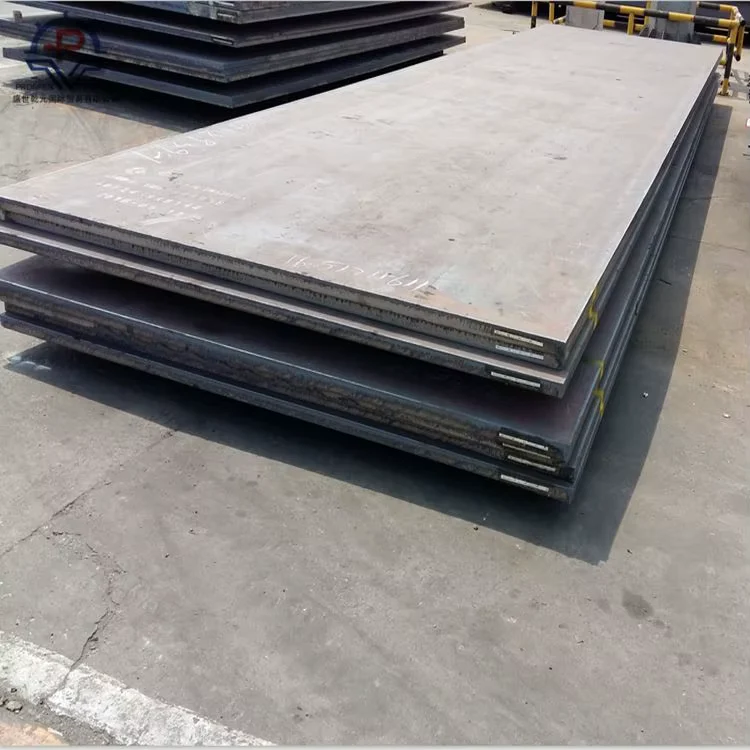
Factory Direct Mill Supply — Hot rolled carbon steel plates Q235B and Q345B produced on our own 3-line mill with full chemical and dimensional traceability from slab to finished sheet.
Technical Specifications
| Parameter | Value |
|---|---|
| Designation | Q235B / Q345B Hot Rolled Carbon Steel Plate |
| Product Type | Steel Plate / Steel Coil |
| Steel Grade | A36, Q235, Q235B, Q345, Q345B, SS400 |
| Standard | ASTM / GB |
| Section Shape | Flat Sheet |
| Thickness | 0.21-0.50mm |
| Width | 600-1250mm |
| Length | Customized |
| Technique | Hot Rolled |
| Surface Treatment | Coated |
| Tolerance | ±1% |
| Hardness | Soft (HRB60), Medium Hard (HRB60-85), Full Hard (HRB85-95) |
| Processing Service | Bending, Cutting, Decoiling, Punching, Welding |
| Package | Standard Seaworthy Packing |
| MOQ | Available upon request |
| Origin | Shandong, China |
Application Suitability
| Industry | Typical Applications |
|---|---|
| Construction & Infrastructure | Building frame connections, column base plates, bridge gusset plates |
| Industrial Facilities | Platform decking, mezzanine flooring, equipment support bases |
| Container Manufacturing | Container corner castings, side wall panels, floor cross members |
| Logistics & Warehousing | Racking uprights, pallet support beams, warehouse mezzanine structures |
| Fencing & Enclosure | Security perimeter posts, anti-climb panel frames, gate fabrication |
| Pipe & Tube Fabrication | Longitudinal welded pipe blanks, spiral pipe forming strips |
What Thickness Tolerance Deviation Costs on a Structural Plate Order
A plate that passes mill certificate review but fails caliper measurement on site triggers full-batch rejection and project delays.
I once watched a third-party inspector reject an entire shipment of Q345B plates at a Nigerian warehouse project because the actual thickness sat at the lower edge of negative tolerance — even though the mill cert looked clean on paper. The procurement team had sourced from a trader who consolidated plates from multiple rolling mills, and the traceability chain broke the moment a caliper touched the surface. When you buy a Q235B Q345B Hot Rolled Carbon Steel Plate from a fragmented supply chain, you inherit the risk of inconsistent rolling practices, undocumented heat mixing, and tolerance stacking that no amount of paperwork can fix. [NEED_CITE: EN 10025 hot rolled structural steel product tolerance requirements]
Matching Plate Grades to Structural Load Paths
Q235B serves general construction frames, warehouse purlins, and non-critical bracing where yield strength requirements remain moderate. Q345B steps into heavier load paths — crane runway beams, column base plates, and industrial platform girders — where the higher yield grade reduces section weight without sacrificing structural integrity. SS400 and A36 fill the gap for export projects specifying JIS or ASTM standards, letting engineers avoid dual-certification paperwork. Our integrated mill-to-fabrication workflow means the same Q235B Q345B Hot Rolled Carbon Steel Plate that arrives on your dock can move directly into CNC cutting, drilling, and welding without a secondary supplier handoff.
Engineering Compliance and Certification Requirements
Structural plate procurement for international projects must satisfy both material standards and fabrication codes. Plates destined for European markets require EN 10204 3.1 or 3.2 inspection certificates with full heat-level traceability, while North American EPC firms typically demand ASTM A36 or A572 compliance with supplementary testing clauses. Corrosion environment dictates surface treatment: coated plates for industrial atmospheres, bare plates with shop primer for controlled fabrication environments, and galvanized options for exposed infrastructure. Dimensional tolerance of ±1% across width and thickness ensures fit-up accuracy during site assembly, reducing rework from misaligned bolt holes or uneven weld gaps. [NEED_CITE: ASTM A6 structural plate dimensional tolerance standards]
Decoding Grade Selection and Rolling Process
The Q-series (Q235B, Q345B) follows the Chinese GB standard system where the number indicates minimum yield strength in MPa — Q235B yields at approximately 235 MPa while Q345B delivers roughly 345 MPa, making the latter suitable for heavier structural members. A36 and SS400 represent the ASTM and JIS equivalents respectively, with similar yield ranges but different chemical composition limits that affect weldability and low-temperature toughness. Hot rolling produces plates with uniform grain structure and consistent mechanical properties through the thickness, unlike cold-rolled alternatives that trade formability for surface finish. The hardness range — from Soft (HRB60) for deep drawing applications to Full Hard (HRB85-95) for structural rigidity — lets engineers select the right balance between formability and load-bearing capacity. Coated surface treatment adds corrosion resistance without requiring post-fabrication painting, cutting project timeline and site coating costs.
Hidden Costs of Sourcing from Unverified Suppliers
Plates sourced through trading intermediaries carry three invisible cost traps: tolerance stacking across mixed-heat batches forces on-site machining that was never budgeted; missing or forged mill certificates trigger customs holds and third-party re-inspection fees; and grade substitution — where Q235B ships under a Q345B label — creates structural safety liability that surfaces only during load testing or forensic investigation. Engineering codes like EN 1090 and AISC 360 require documented material traceability from heat number to final installation, and a single gap in that chain can invalidate an entire structural package. [NEED_CITE: EN 1090 structural steel fabrication execution class requirements]
Why Procurement Teams Choose Our Integrated Mill
Our own steel production facility operates three hot rolling lines with over 2,800 specification combinations in raw material inventory, eliminating the trader markup and quality inconsistency that plague fragmented sourcing. Every Q235B Q345B Hot Rolled Carbon Steel Plate ships with a mill test certificate generated from our in-house laboratory — not a broker’s template — and our ISO 9001 quality system tracks each plate from slab reheating through final dimensional inspection. We hold CE certification for EN 10204 compliance, and our welding procedures are qualified to AWS and EN standards, meaning the plates we supply can move directly into our fabrication workshop for cutting, drilling, and assembly without secondary qualification testing. Professional export packing and container loading plans account for plate dimensions and weight distribution, preventing transit damage and port rejection.
Documentation & Compliance
- Mill test certificate documenting Q235B and Q345B chemical composition, yield strength, and tensile properties per GB/T 709 and ASTM A6 standards
- CE certificate confirming compliance with EN 10204 inspection document requirements for structural steel plates exported to European markets
- ISO 9001 quality management certificate covering the full production process from slab procurement through hot rolling and final inspection
- SGS or BV third-party inspection report available for pre-shipment verification of dimensional tolerance, surface quality, and mechanical properties
- Full material traceability by heat number linking each plate to its original slab casting, rolling schedule, and test results
- Complete customs documentation package including packing list, bill of lading, certificate of origin, and commercial invoice for smooth port clearance
Packaging, Loading & Delivery
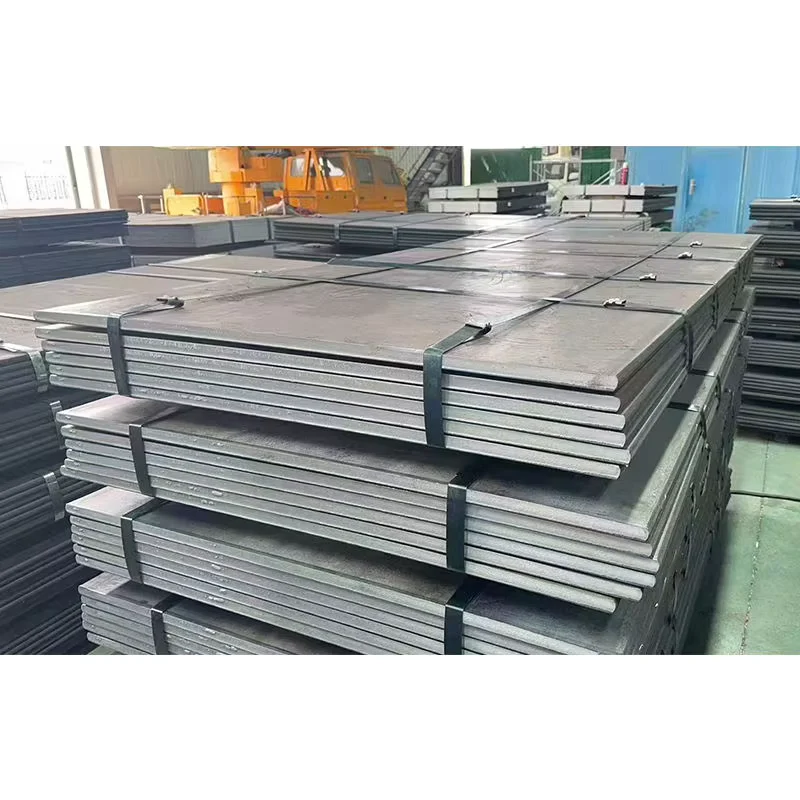
- Hot rolled Q235B and Q345B plates bundled with steel straps and edge protectors to prevent coating damage and edge deformation during ocean transit
- Coated surface plates wrapped in waterproof paper and plastic film to preserve surface treatment integrity in humid shipping environments
- Container loading optimized for 600-1250mm width plates with weight distribution calculated to maximize 20ft and 40ft container payload without exceeding axle limits
- Custom cut-to-length service available for projects requiring specific plate dimensions, reducing on-site waste and cutting labor costs
- Heat number and grade identification stenciled on each plate bundle for immediate site verification and traceability during installation
- FOB, CIF, and DDP shipping terms available with door-to-door logistics coordination for project sites across Africa, Southeast Asia, and the Middle East
Starting Your Plate Procurement with Drawings and Specifications
Submit your project drawings in PDF or DWG format along with required steel grades, plate dimensions, surface treatment preferences, and destination port — our engineering team responds within 24 hours with a detailed quotation including material costs, fabrication services, packing, and shipping. We provide shop drawing review and material optimization before production begins, and every order includes complete mill test certificates and export documentation for customs clearance.
Request a Quotation with Mill Test Certificate
Send your specifications and drawings to admin@xjystructure.com or contact us via WhatsApp at +86 188 5315 7756 for a detailed quote within 24 hours.
Frequently Asked Questions
Q: Can you provide custom cutting and processing services for steel plates?
A: Yes, our fabrication workshop offers CNC cutting, plasma and flame cutting, drilling, bending, and welding services directly on the Q235B and Q345B plates we supply, eliminating the need for secondary processing through another vendor.
Q: What is the difference between Q235B and Q345B grades for structural use?
A: Q235B provides moderate yield strength suitable for general construction frames and non-critical bracing, while Q345B offers higher yield strength for heavier load paths like crane beams and column base plates, allowing reduced section weight without sacrificing structural capacity.
Q: Do you provide third-party inspection reports like SGS or BV?
A: Yes, we arrange SGS, BV, or other internationally recognized third-party inspection agencies for pre-shipment verification of dimensional accuracy, surface quality, and mechanical properties before your plates leave our facility.
Q: How do you ensure material traceability and quality consistency?
A: As a vertically integrated producer with our own steel mill and fabrication workshop, we maintain full traceability from slab casting through hot rolling to finished plate, with every shipment accompanied by mill test certificates linked to specific heat numbers.
Q: What are your standard packaging and shipping methods for export?
A: Plates are bundled with steel straps and edge protectors, wrapped in waterproof materials for coated surfaces, and loaded into containers with optimized weight distribution; we offer FOB, CIF, and DDP terms with door-to-door logistics to project sites worldwide.
Get Your Q235B Q345B Hot Rolled Carbon Steel Plate Quote Today
Share your project drawings, required grades, and destination port to receive a comprehensive quotation with mill test certificates and delivery schedule within one business day.