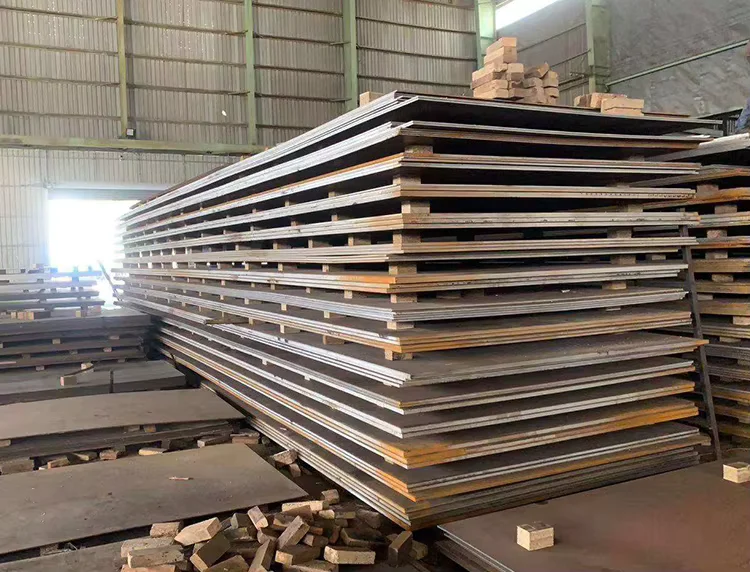
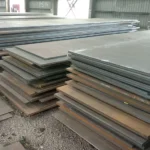
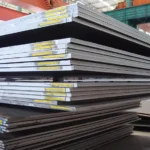
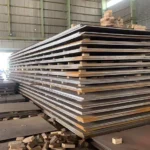
Description
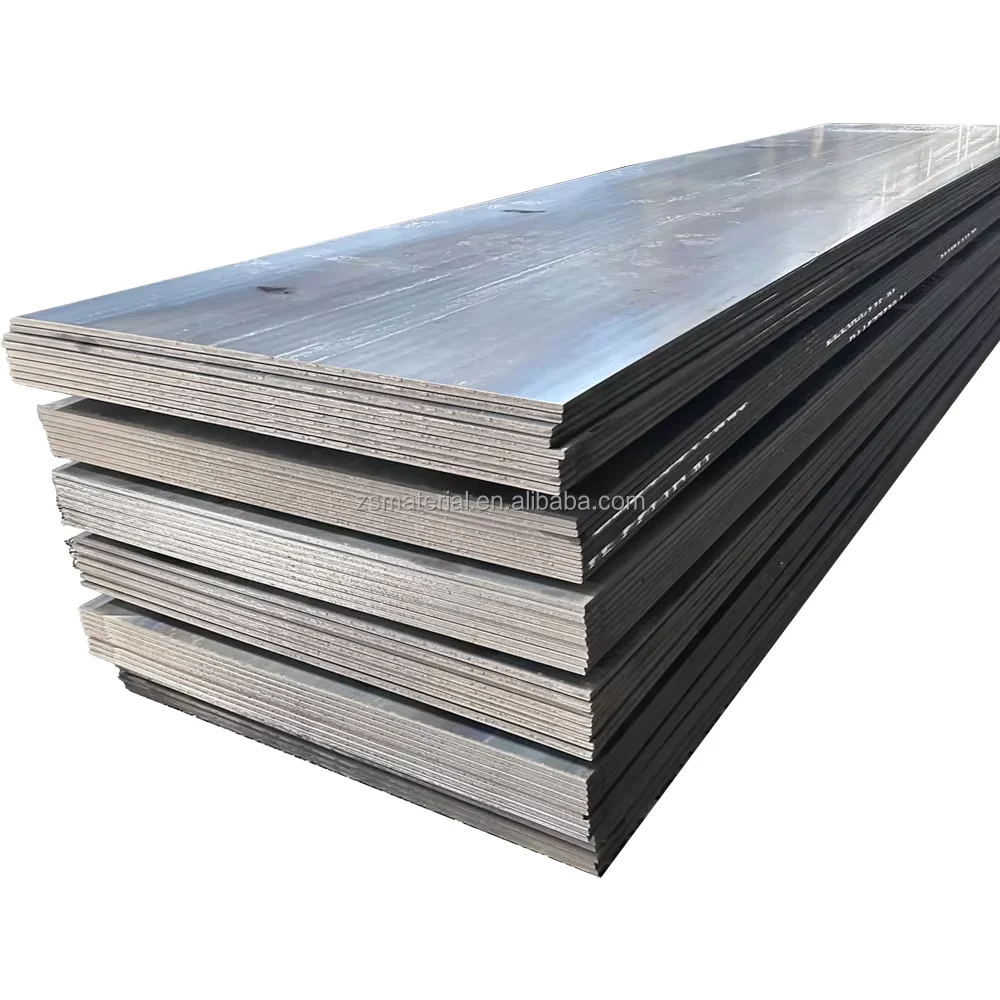
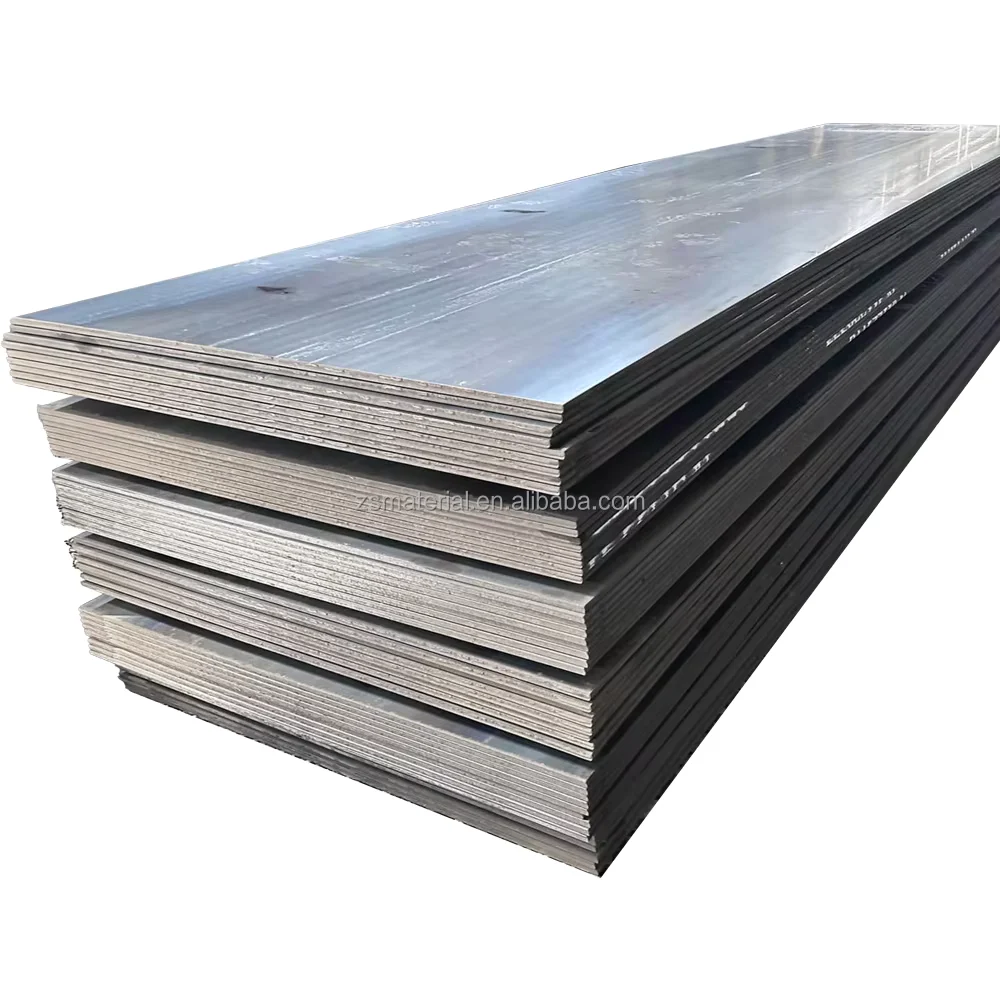
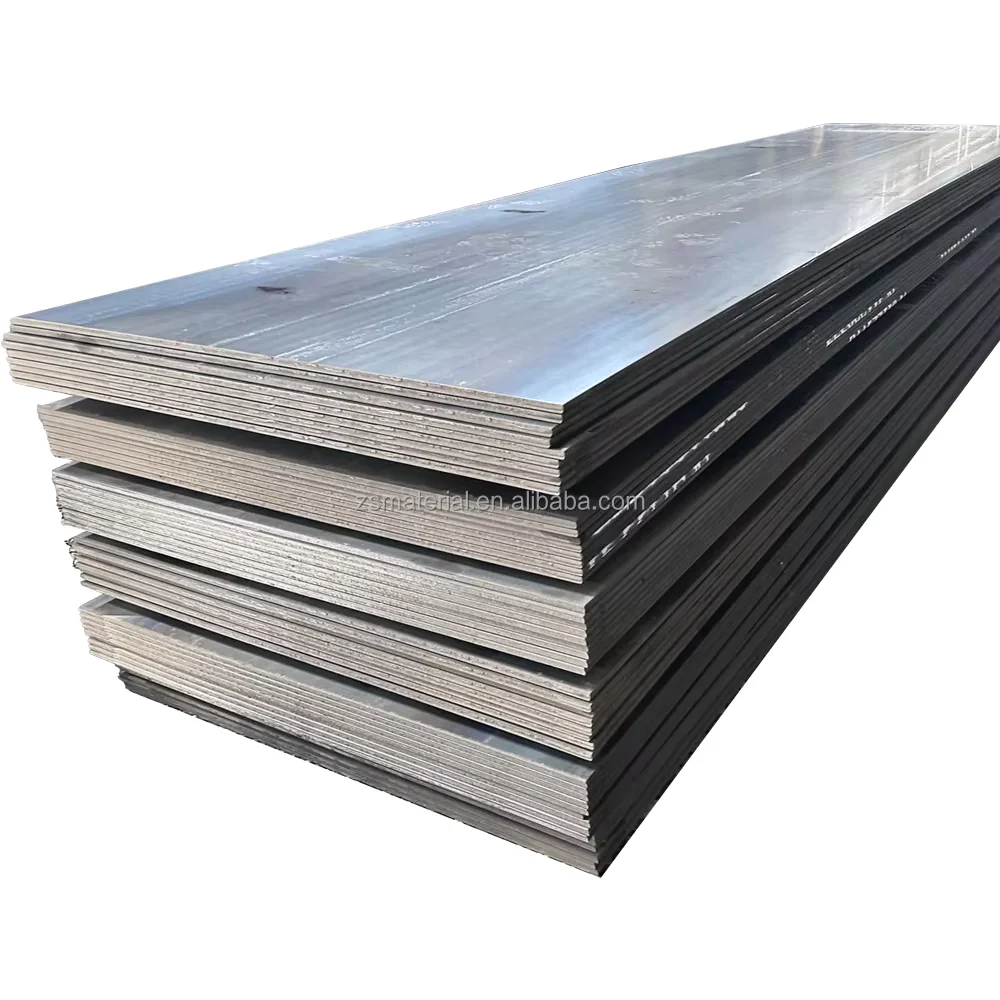
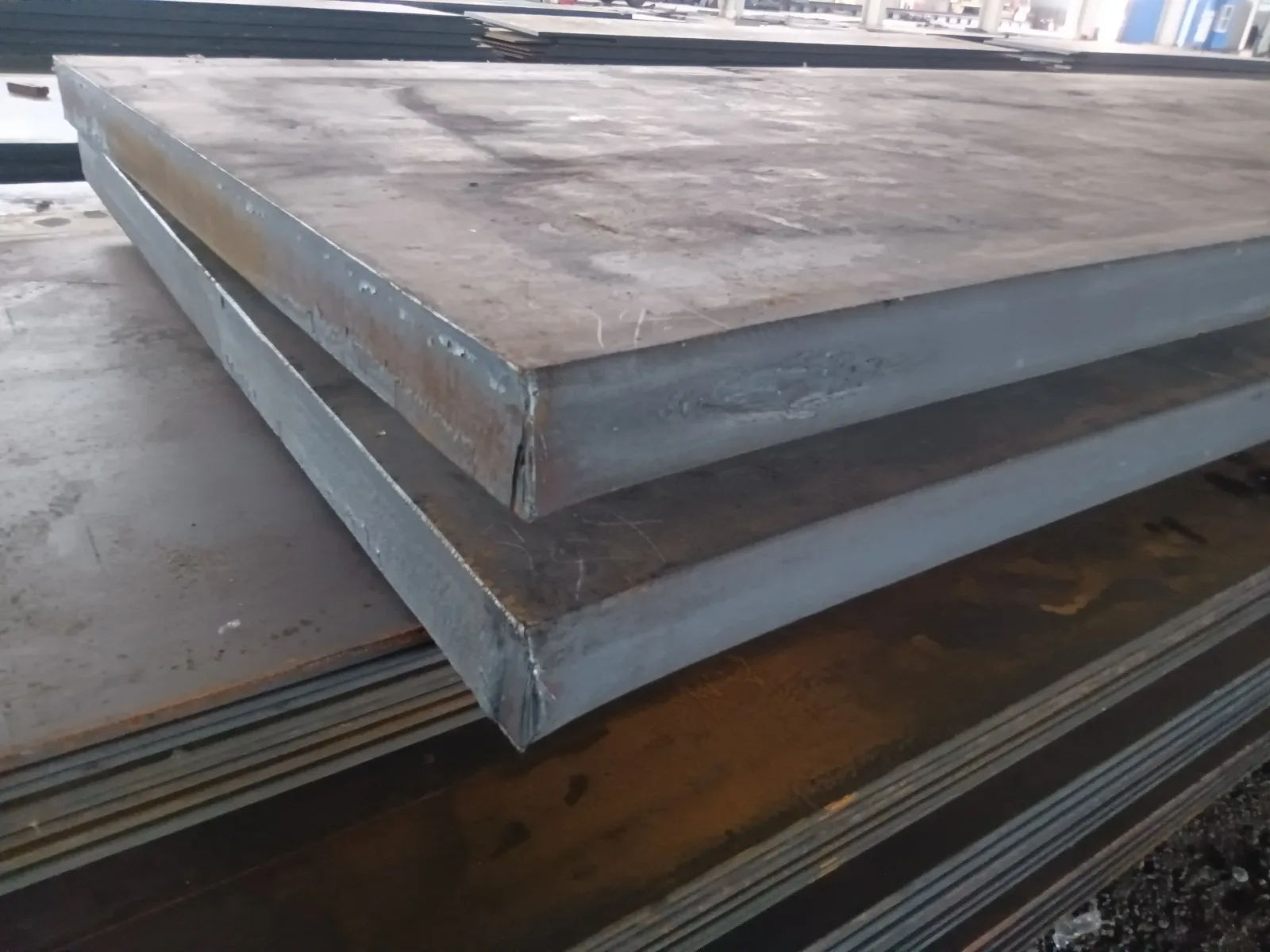
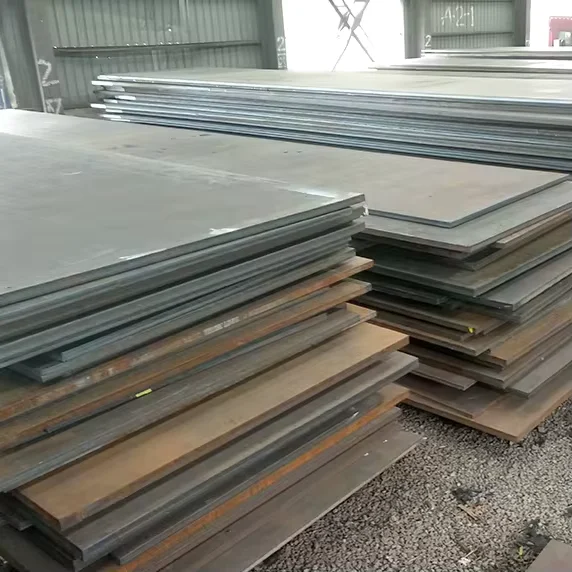
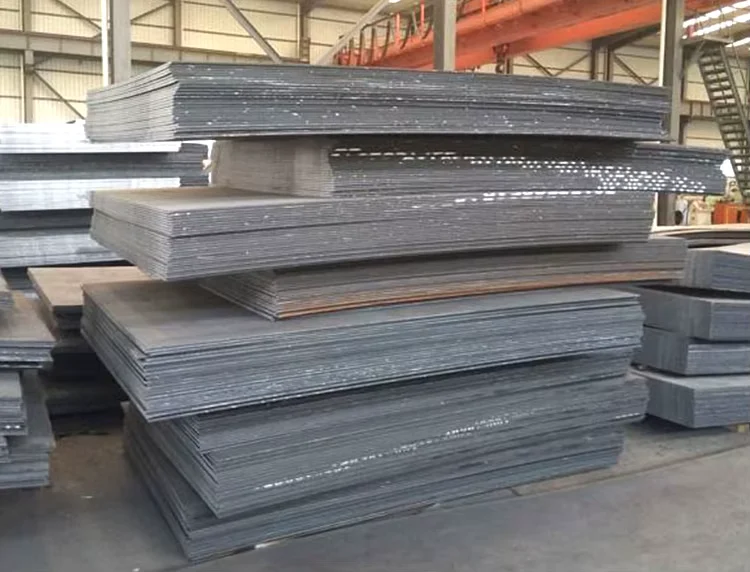
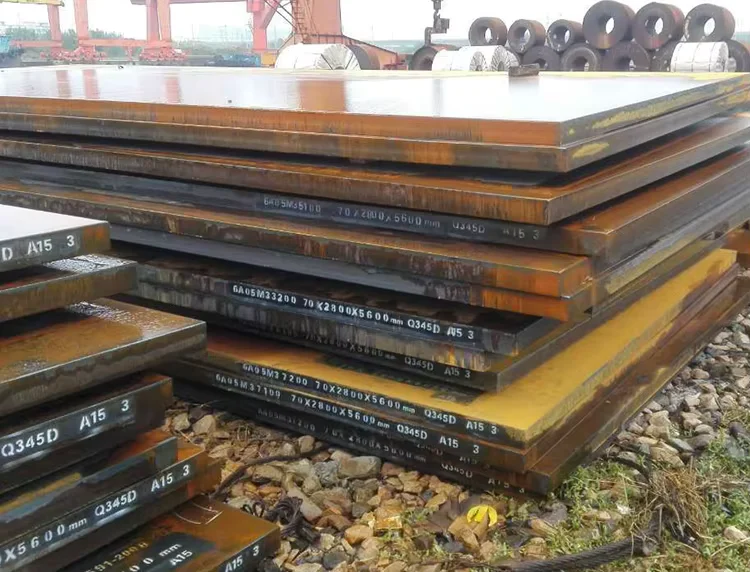
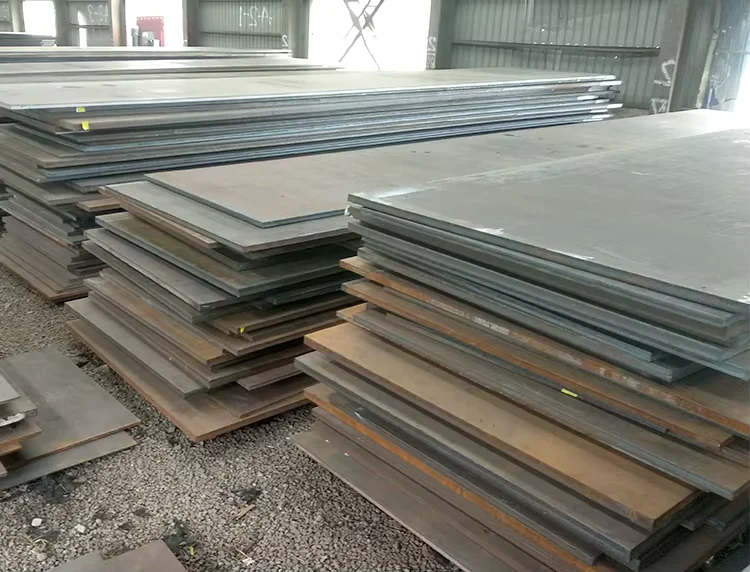
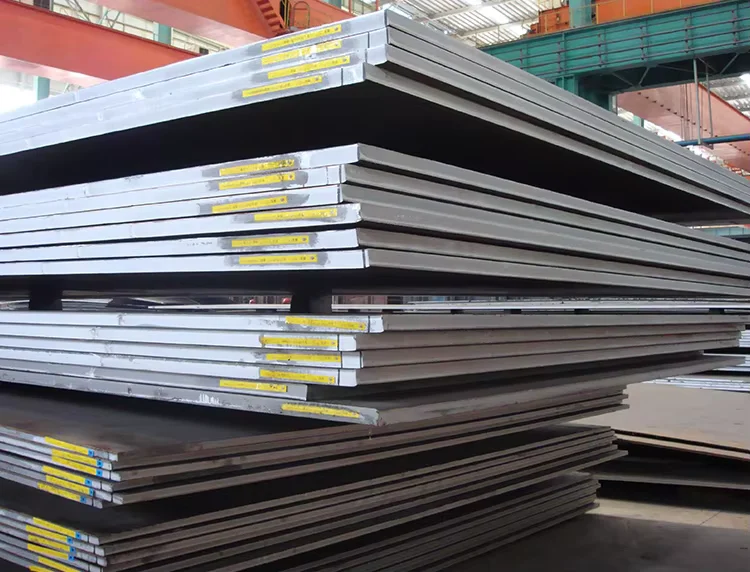
Full-Range One-Stop Procurement — XJY Structure stocks S235, S275, S355, and ASTM A36 plates in 3–200mm thickness from our own mill with 2,800+ raw material specifications, eliminating multi-supplier coordination.
Technical Specifications
| Parameter | Value |
|---|---|
| Designation | S355 Carbon Steel Plate |
| Product Type | Steel Plate |
| Steel Grade | ASTM A36, S235, S275, S355 |
| Standard | ASTM A36, EN 10025 (S235/S275/S355) |
| Thickness | 3–200mm |
| Width | Up to 2000mm |
| Technique | Hot Rolled |
| Surface Treatment | Hot Rolled |
| Packing | Steel strips packages, seaworthy packing |
| Delivery | 7–15 workdays after deposit or L/C |
| Application | Structural steel fabrication / Construction / Industrial facilities / Pressure vessels / Shipbuilding / Machinery |
| Origin | Shandong, China |
Application Suitability
| Industry | Typical Applications |
|---|---|
| Structural Steel Fabrication | Base plates, gussets, connection plates, built-up beam sections for EPC and building projects |
| Industrial Facilities | Platform decking, equipment support frames, pressure vessel shells |
| Infrastructure & Heavy Construction | Bridge components, crane beams, heavy machinery bases |
| Shipbuilding & Machinery | Hull structural members, machine frame bases, crane support structures |
Third-Party Sourcing Creates Traceability Gaps That Surface at Customs
A single mill-to-fabrication chain closes every material certification gap before the plate leaves Jinan.
When buyers source steel plates from a trading company that sub-contracts to an unknown rolling mill, the mill test certificate often cannot be traced back to a specific heat number. I have seen shipments held at Jebel Ali because the chemical composition listed on the MTC did not match the spectrometer readings at the port inspection lab. With a S355 steel plate supplier that controls its own rolling lines, every plate is traceable from the ladle analysis through the mechanical test results — and the same quality system extends into the fabrication workshop where that plate gets cut, welded, and assembled. [NEED_CITE: EN 10204 inspection document types for steel products]
How Multi-Grade Plate Coverage Matches Structural Fabrication Demands
A structural frame for an industrial warehouse may require S275 for secondary bracing and S355 for primary beam flanges — all from the same heat family to maintain welding consistency. As a vertically integrated S355 steel plate supplier, XJY Structure holds S235, S275, S355, and ASTM A36 in thicknesses from 3mm to 200mm, allowing project teams to consolidate grades under one purchase order and one quality documentation package. Our in-house QC lab verifies each heat before release, so the fabricator receives plates with matching chemistry for continuous welding sequences without re-qualifying WPS per plate lot.
Engineering Code Compliance and Certification Pathways
Structural steel for EU projects must conform to EN 10025 with CE marking per EN 1090-1, while North American specifications typically call for ASTM A36 with Mill Test Reports meeting AISC requirements. The S355 steel plate supplier must provide EN 10204 3.1 certificates as a minimum, with 3.2 third-party validation available when the project spec demands independent witness of mechanical testing. Hot rolled plates in the 3–200mm range cover most structural and pressure vessel applications, and the width capacity up to 2000mm reduces the number of longitudinal weld joints in large built-up sections — a detail that matters for both structural integrity and NDT inspection costs. [NEED_CITE: EN 1090-1 execution class requirements for steel structures]
Steel Grade Selection: S235 vs S275 vs S355 vs ASTM A36
The EN 10025 designation system uses the minimum yield strength in MPa as the grade number — S235 indicates 235 MPa minimum yield, S275 indicates 275 MPa, and S355 indicates 355 MPa for thicknesses up to 16mm. ASTM A36, by contrast, specifies a minimum yield of 250 MPa and a tensile range of 400–550 MPa, placing it between S235 and S275 in the EN system. Selecting the correct grade affects not only the load-bearing capacity of the structural member but also the welding procedure qualification — higher carbon equivalent values in S355 compared to S235 may require preheating for thicker plates. Hot rolled surface condition provides a mill scale layer that must be removed by shot blasting before coating application, and the as-rolled tolerance must be verified against EN 10029 or ASTM A6 specifications depending on the project standard. [NEED_CITE: steel grade equivalence between EN 10025 and ASTM standards]
The Hidden Cost of Accepting Unverified Mill Certificates
Plates delivered with forged or loosely sourced MTCs may pass visual inspection at the workshop gate but fail spectrometer analysis during third-party inspection at the destination port. The consequences extend beyond material rejection — welding procedures qualified on one chemistry may produce brittle welds on another, and structural connections designed for S355 yield capacity become non-compliant if the delivered plate tests at S275 levels. Engineering codes and project specifications require full material traceability by heat number, and a S355 steel plate supplier unable to provide verifiable EN 10204 3.1 documentation creates liability exposure for the general contractor and the design engineer. [NEED_CITE: material traceability requirements in EN 1090-2 execution classes]
Why Procurement Teams Choose XJY Structure for Carbon Steel Plates
XJY Structure operates its own steel mill with three production lines and maintains over 2,800 raw material specifications in inventory — meaning the plate you order is rolled, tested, and documented under one roof rather than sourced from an unknown sub-supplier. Our in-house理化 laboratory performs spectrometer analysis, tensile testing, and impact testing on every heat, and the resulting MTC travels with the plate through our fabrication workshop where CNC cutting, welding, and surface treatment are executed to the same quality system. For EU-bound projects, we provide CE marking documentation per EN 1090-1; for international shipments, SGS or BV third-party inspection can be witnessed at our facility before loading. Custom cutting to shop drawing dimensions — including CNC plasma profiling, beveling, and drilling — is performed in-house, so the plate arrives at site as a fabrication-ready component rather than raw material requiring secondary processing. Professional load planning for oversized plates and fabricated assemblies ensures container utilization is maximized without compromising lashing integrity during ocean transit.
Documentation & Compliance
- Mill Test Certificate documenting S355JR chemical composition and mechanical properties per EN 10025-2, traceable to heat number
- EN 10204 3.2 third-party inspection certificate available with SGS, BV, or TÜV witness for EU and AISC project requirements
- CE marking declaration per EN 1090-1 for structural steel components fabricated from S235/S275/S355 plates
- ISO 9001 certified quality management system covering both the steel mill and the fabrication workshop
- Material traceability report linking each plate to its heat number, chemical analysis, and mechanical test results
- Full export documentation package including packing list, bill of lading, and certificate of origin for customs clearance
Packaging, Loading & Delivery
- Hot rolled S355 plates bundled with high-tensile steel strips at both ends and mid-span, with edge protectors to prevent strap damage to plate edges during transit
- Seaworthy packing with waterproof interleaf paper between plates to prevent surface corrosion on hot rolled finish during ocean freight
- Container loading optimized for plates up to 2000mm width — standard 40ft open-top or flat-rack containers for oversized lengths, with timber dunnage and welded lashing points
- Custom cut-to-length plates packed separately by drawing number and marked with heat number, grade, and thickness for site identification
- Heat number and steel grade stenciled on each plate end face for traceability verification at destination port inspection
- Delivery terms available FOB, CIF, and DDP with typical production lead times of 7–15 workdays after deposit or L/C confirmation
From Drawing to Delivery: How to Initiate Your Plate Procurement
Submit your project specifications — including steel grade (S235/S275/S355/ASTM A36), thickness, width, quantity, and applicable standard — along with shop drawings if custom cutting is required. Our engineering team responds within 24 hours with a detailed quotation covering material, fabrication, coating, packing, and shipping costs, plus a shop drawing timeline for approval before production begins.
Start Your S355 Steel Plate Inquiry Today
Share your project drawings and specifications to receive a quotation with full Mill Test Certificate documentation and fabrication-ready delivery.
Contact: admin@xjystructure.com | WhatsApp: +86 188 5315 7756