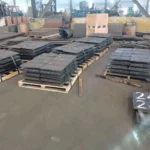
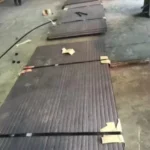
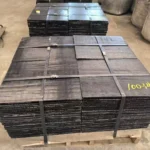

Description
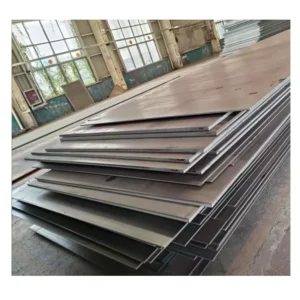
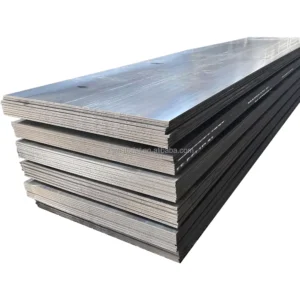
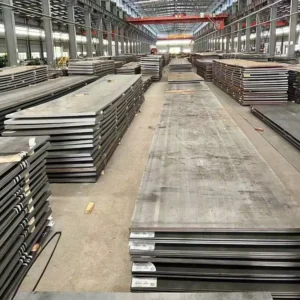
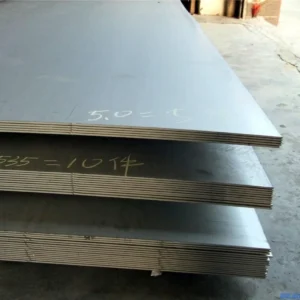
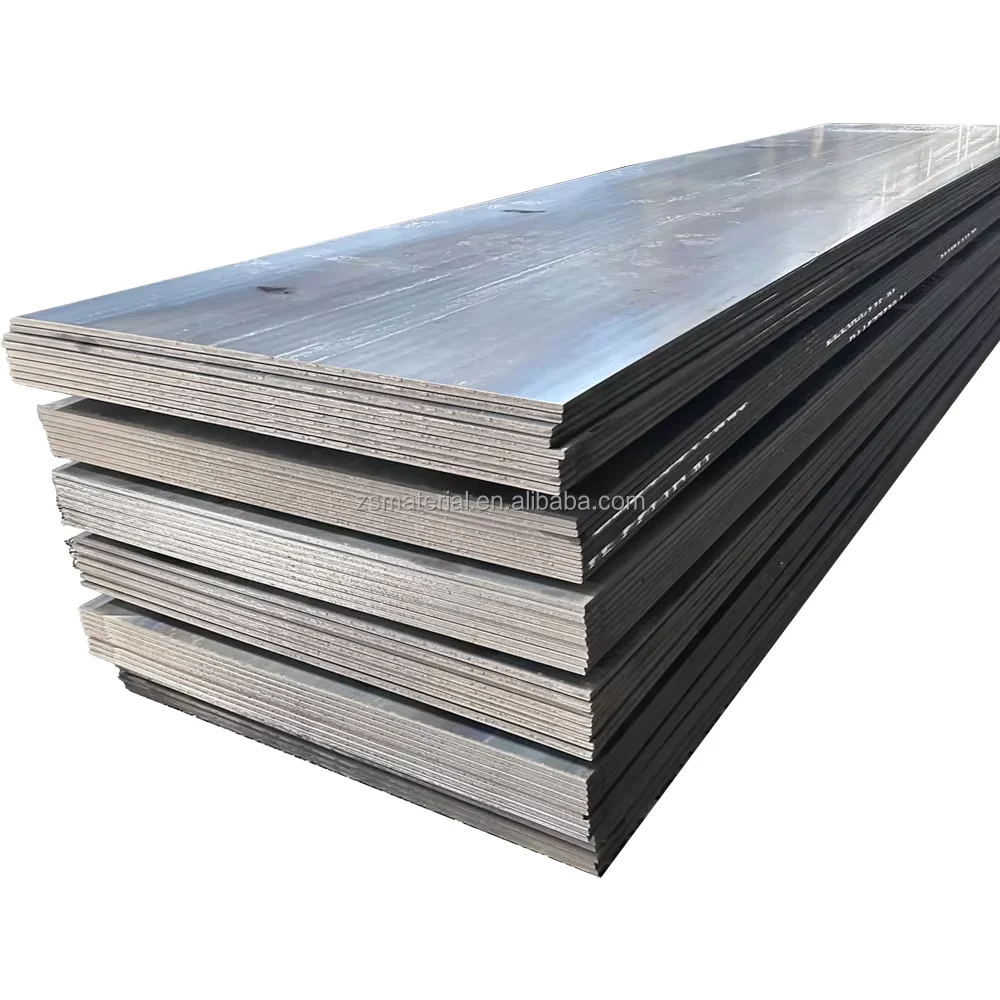
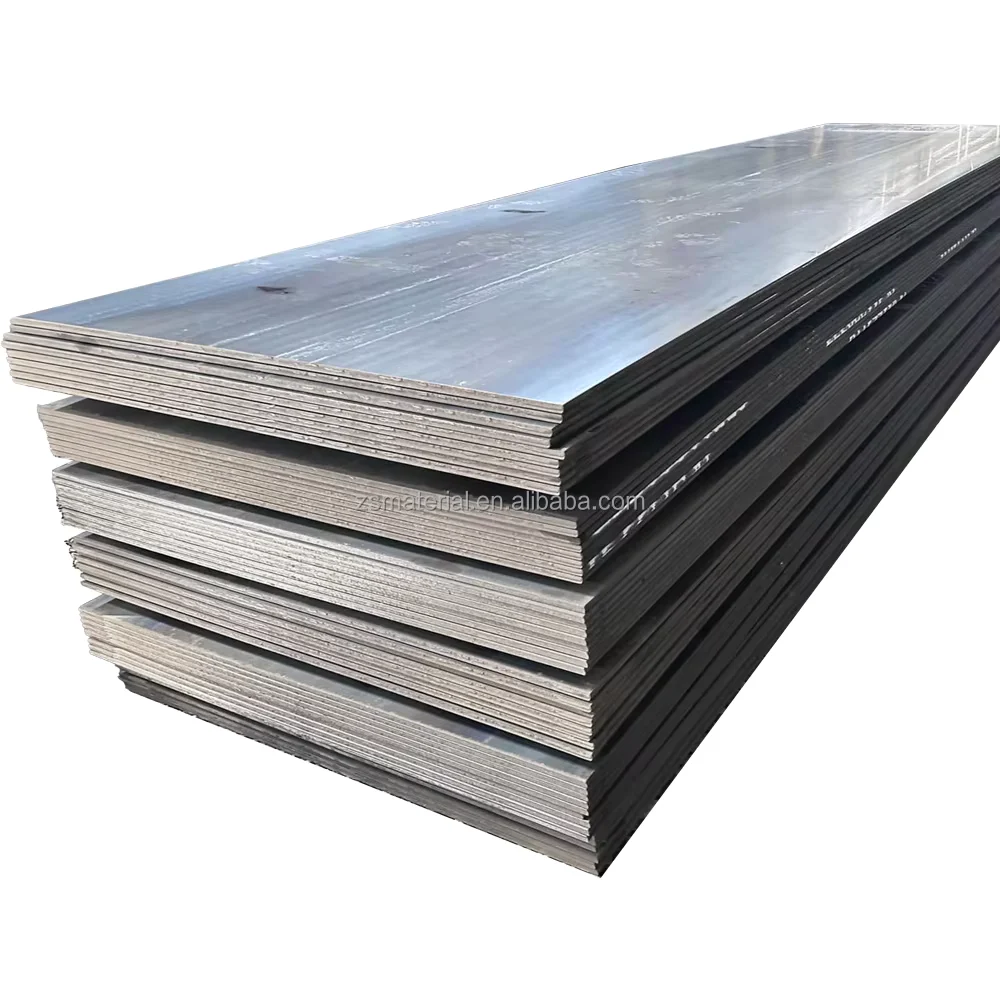
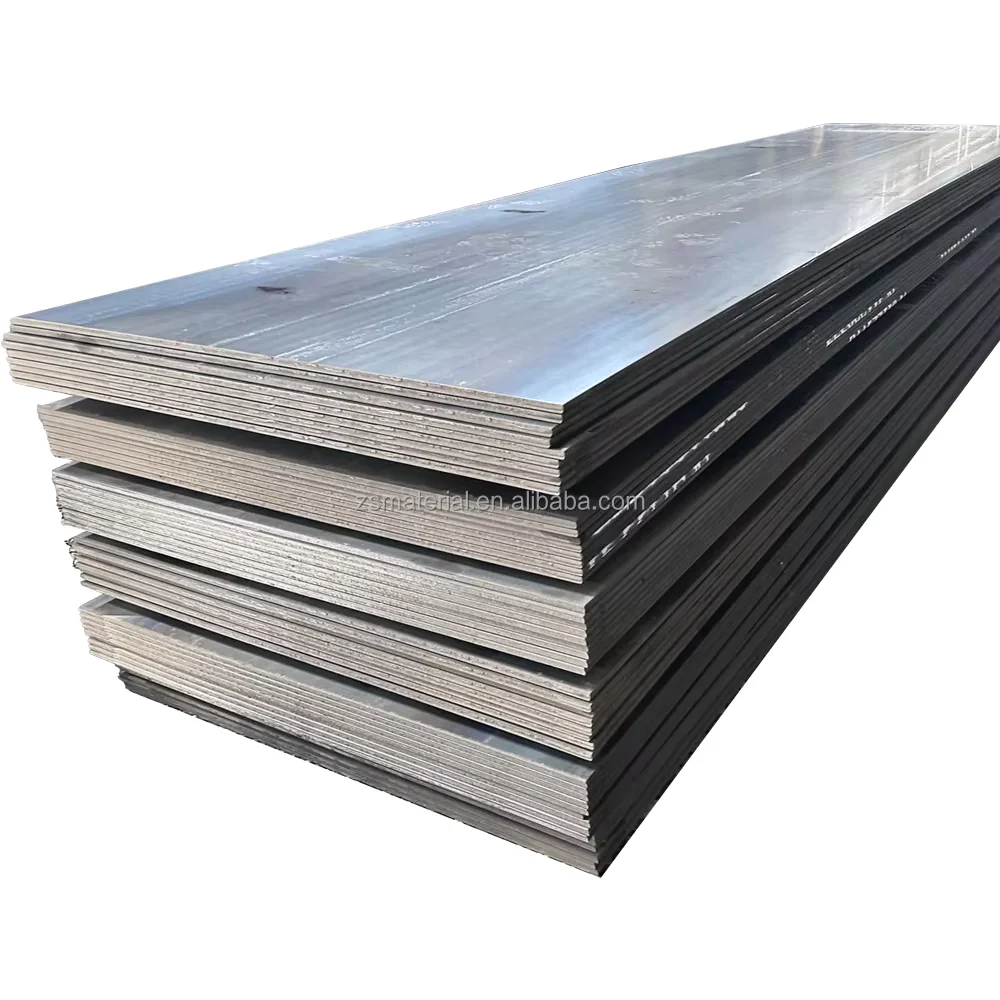
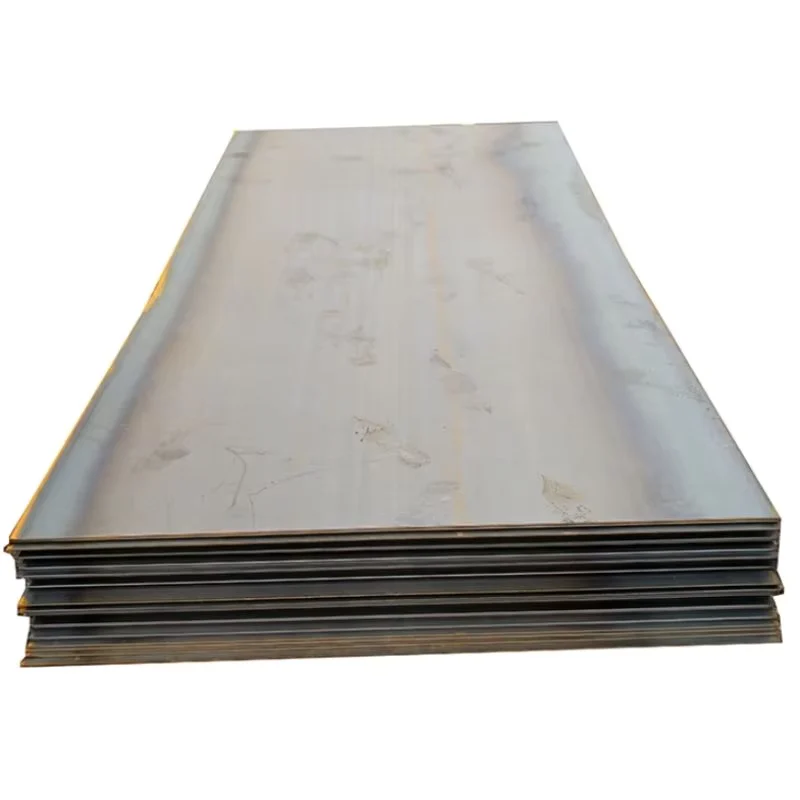
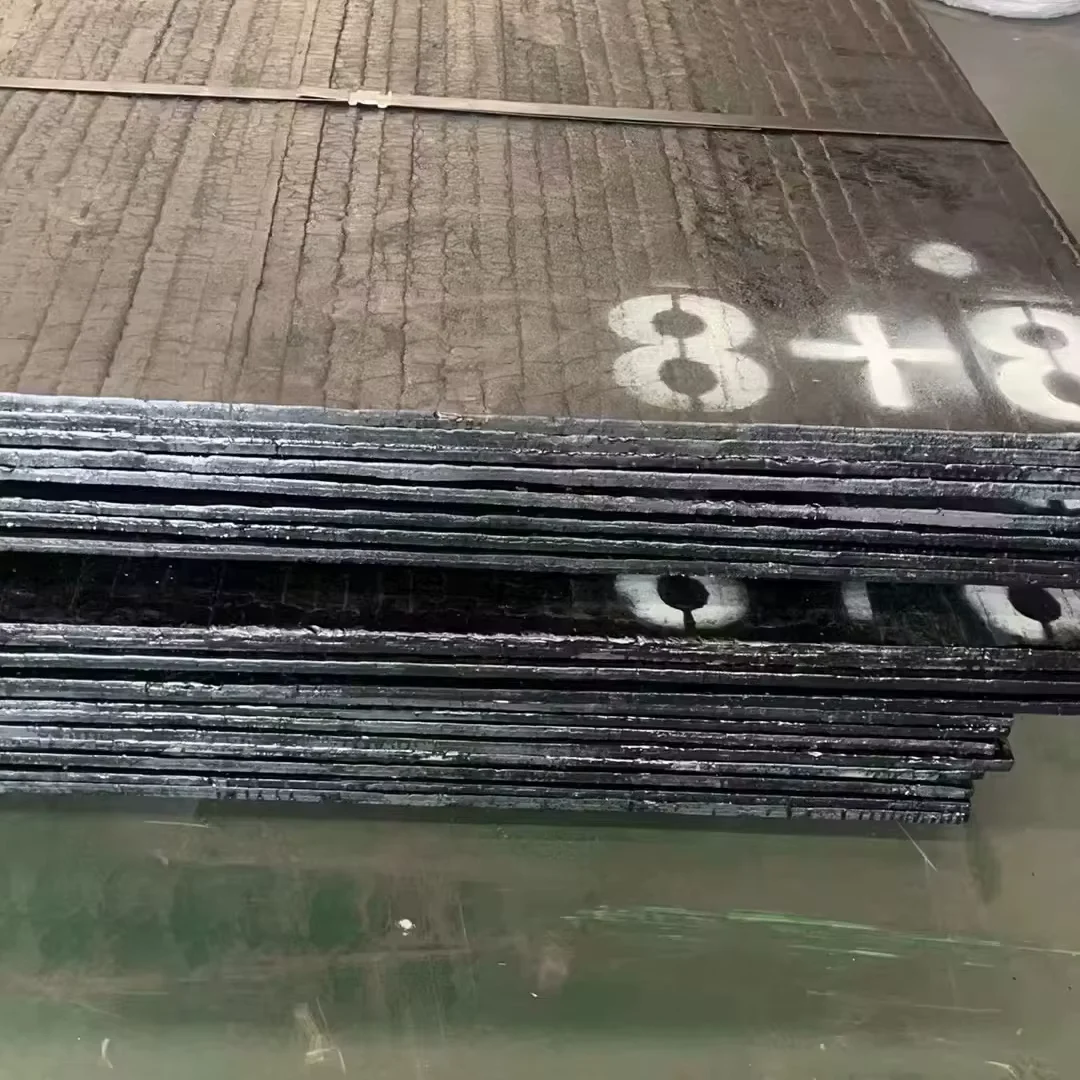
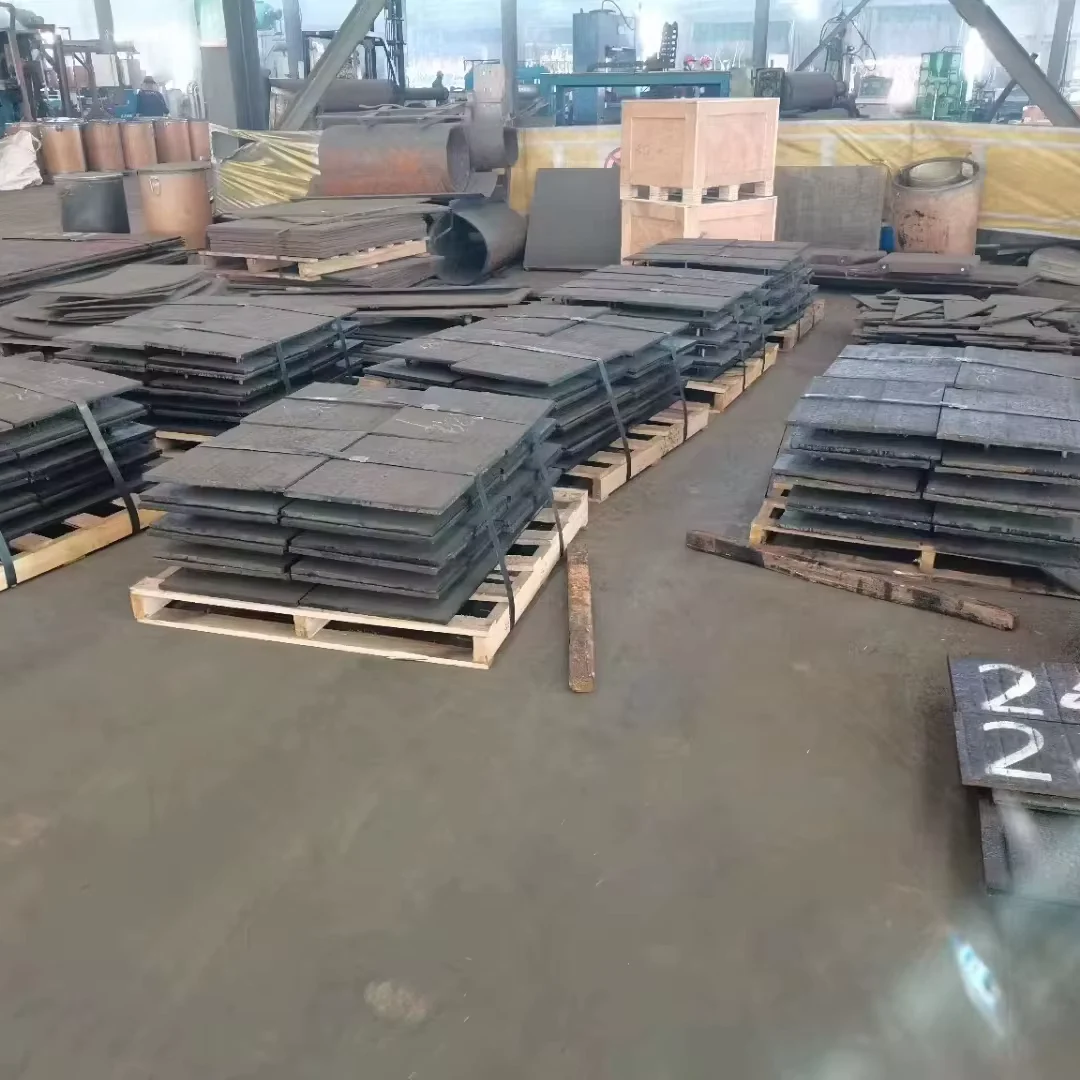
Factory-Direct Wear Plate Production — Every Wear Resistant Steel Plate for Chipper Machine rolls off our own mill lines, backed by full heat-number traceability from raw slab to finished sheet.
Technical Specifications
| Parameter | Value |
|---|---|
| Designation | Wear Resistant Steel Plate |
| Product Type | Steel Plate |
| Steel Grade | High-grade wear-resistant steel |
| Technique | Hot Rolled |
| Surface Treatment | Hot Rolled |
| Tolerance | ±1% |
| Application | Construction, petrochemical, machinery |
Application Suitability
| Industry | Typical Applications |
|---|---|
| Wood Processing | Disc chipper blades, drum chipper liners, anvil blocks, feed roller shells |
| Petrochemical | Hopper liners, chute wear plates, cyclone separator internals, valve seat rings |
| Construction & Heavy Machinery | Excavator bucket liners, crusher jaw plates, conveyor skirting, screed plates |
Material Traceability Gaps That Sink Overseas Wear Plate Orders
A missing heat number on a wear plate certificate can halt an entire machine assembly line.
When overseas buyers source wear plates through trading intermediaries, the material certification chain breaks at least once — the mill test certificate references a stock lot, not the actual heat, and dimensional tolerance claims remain unverified until the blades arrive on-site. I have seen chipper rotors shipped to Southeast Asia with blades that measured 2 mm over nominal thickness, forcing the buyer to re-machine every single piece before bolting them to the rotor disc [NEED_CITE: dimensional tolerance standards for hot rolled steel plates]. That rework cost more than the original plate price. With a Wear Resistant Steel Plate for Chipper Machine produced under a single quality system — from our own steel production facility through to final inspection — every plate carries a traceable heat number, a verified ±1% tolerance report, and a mill test certificate tied to the actual production batch.
Matching Disc Chipper Rotor Geometry with Controlled Tolerance
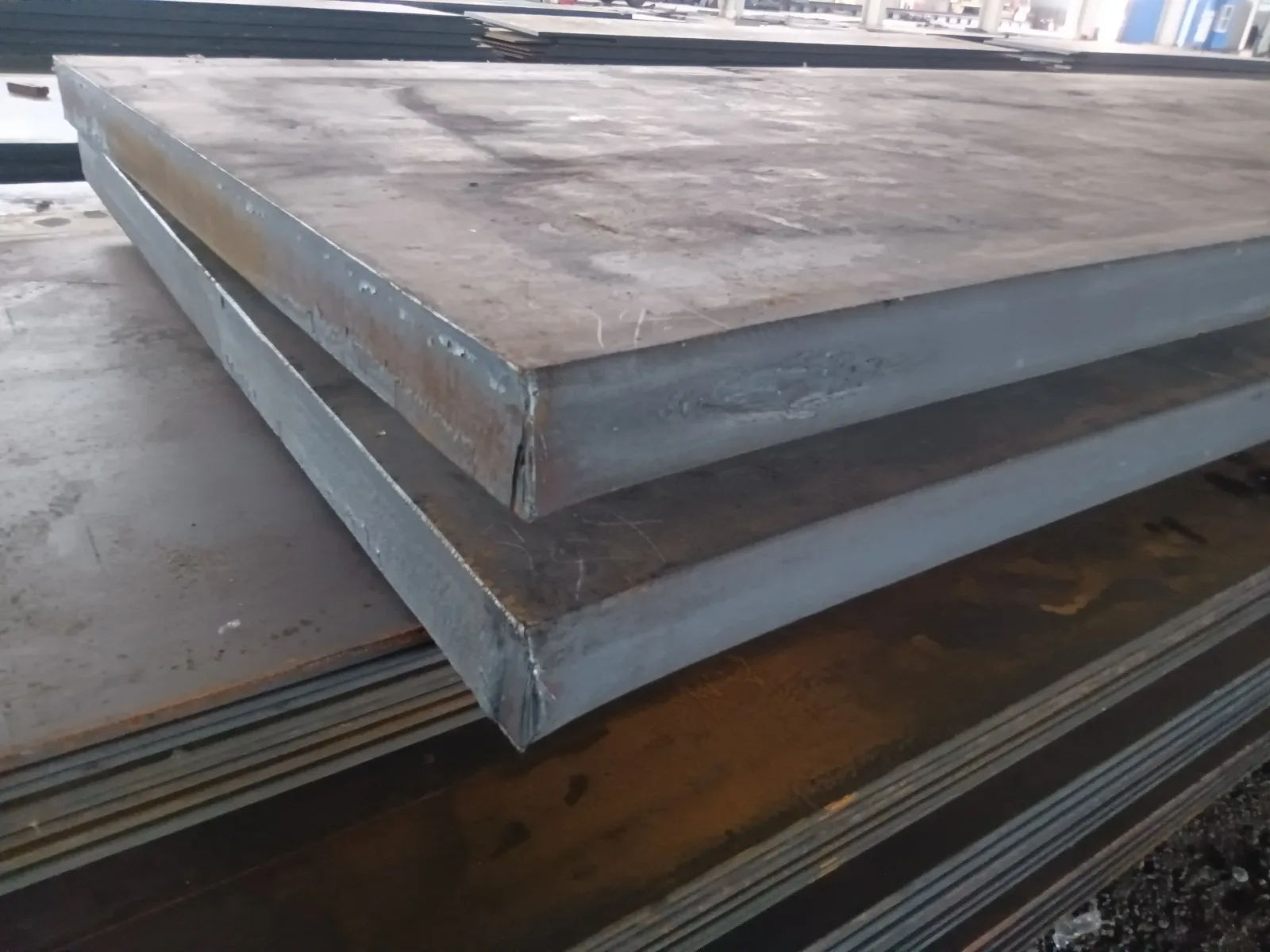
Disc chipper machines demand blades that seat flush against the rotor hub without shim packing. A ±1% dimensional tolerance on each Wear Resistant Steel Plate for Chipper Machine ensures consistent thickness across the full plate surface, so when the fabricator cuts individual blades via CNC plasma, every piece drops into the rotor pocket at the correct depth. Hot rolled processing preserves impact toughness in the core of the plate — critical when the blade edge encounters hardwood knots or embedded nails during chipping operations. Our own mill produces over 2,800 raw material specifications, meaning we can match the exact grade and thickness your rotor design requires without substituting from open-market stock.
Engineering Compliance for Abrasive-Environment Steel Components
Wear plates in petrochemical hoppers and construction machinery operate under continuous abrasive contact, demanding steel that holds hardness without brittle fracture under impact loading. Hot rolled Wear Resistant Steel Plate for Chipper Machine delivers a controlled microstructure through controlled cooling after rolling, balancing surface hardness with core ductility [NEED_CITE: heat treatment principles for wear resistant steel]. For projects shipping to the EU, we prepare documentation aligned with EN 1090 fabrication standards; for North American buyers, material properties are reported against ASTM testing frameworks. Third-party inspection through SGS or BV is available at our facility before shipment, covering dimensional checks, hardness verification, and chemical composition analysis.
How Hot Rolling Shapes Wear Performance
Hot rolling above the recrystallization temperature produces a uniform grain structure throughout the plate thickness — unlike cold rolled alternatives that work-harden only the surface layer. This means a hot rolled Wear Resistant Steel Plate for Chipper Machine maintains consistent wear resistance even after the blade edge is re-sharpened multiple times in the field. The ±1% tolerance is held during the final sizing pass, ensuring that thickness variation stays within engineering drawing limits. Our three production lines at the Jinan facility allow us to run both standard and custom-thickness plates in the same quality cycle, with every heat logged in our internal tracking system from slab reheating through to final bundling.
The Hidden Cost of Unverified Wear Plate Procurement
Ordering wear plates from a supplier who does not control the steel production step introduces three failure modes: hardness inconsistency between plates in the same batch, tolerance drift that forces on-site machining, and missing material traceability that voids project warranty claims. When a chipper blade fails prematurely because the actual hardness fell below specification, the buyer absorbs not just the replacement plate cost but the downtime of the entire chipping line — often in a remote logging camp where resupply takes weeks [NEED_CITE: total cost of ownership in industrial wear component procurement]. Certified documentation and verified hardness reports eliminate this risk entirely.
Integrated Production Under One Quality System
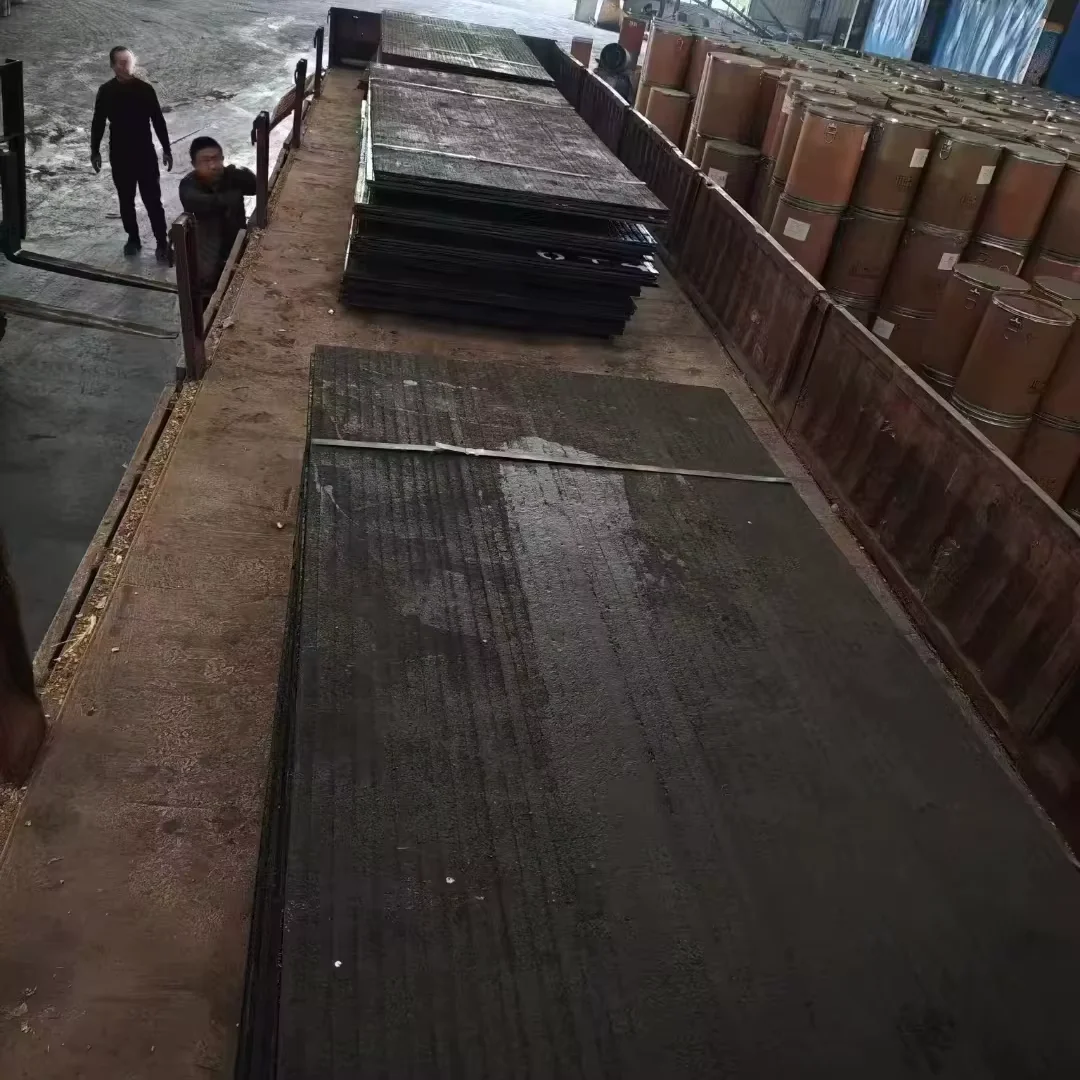
Our fabrication division operates under the same quality management system as the steel mill — meaning the Wear Resistant Steel Plate for Chipper Machine you receive is produced, tested, and documented by a single accountable entity. We hold ISO 9001 certification across all production lines, and our in-house laboratory issues mill test certificates for every heat. For buyers needing custom-cut blanks, our CNC cutting department processes plates to your exact drawings with edge quality suitable for direct installation. Professional loading planning ensures plates are blocked and braced for ocean transit, preventing edge damage that hot rolled surfaces are particularly vulnerable to during long-haul shipping.
Documentation & Compliance
- Mill test certificate documenting chemical composition and mechanical properties of each heat, linked to the specific Wear Resistant Steel Plate for Chipper Machine batch
- Third-party inspection report from SGS or BV covering dimensional verification, surface quality, and hardness testing per project specification
- ISO 9001 quality management certificate covering the full production chain from steelmaking through plate rolling and final inspection
- Material traceability report mapping each plate to its original heat number, slab cast date, and rolling schedule
- Export customs documentation including packing list, bill of lading, and certificate of origin formatted for destination-country clearance requirements
Packaging, Loading & Delivery
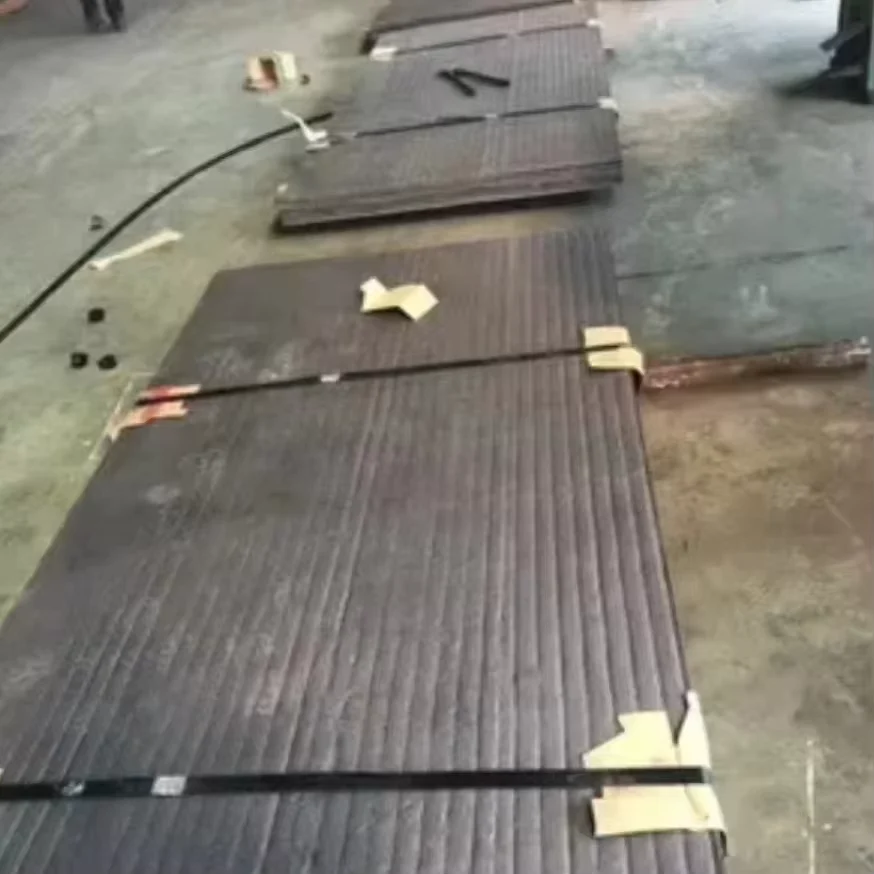
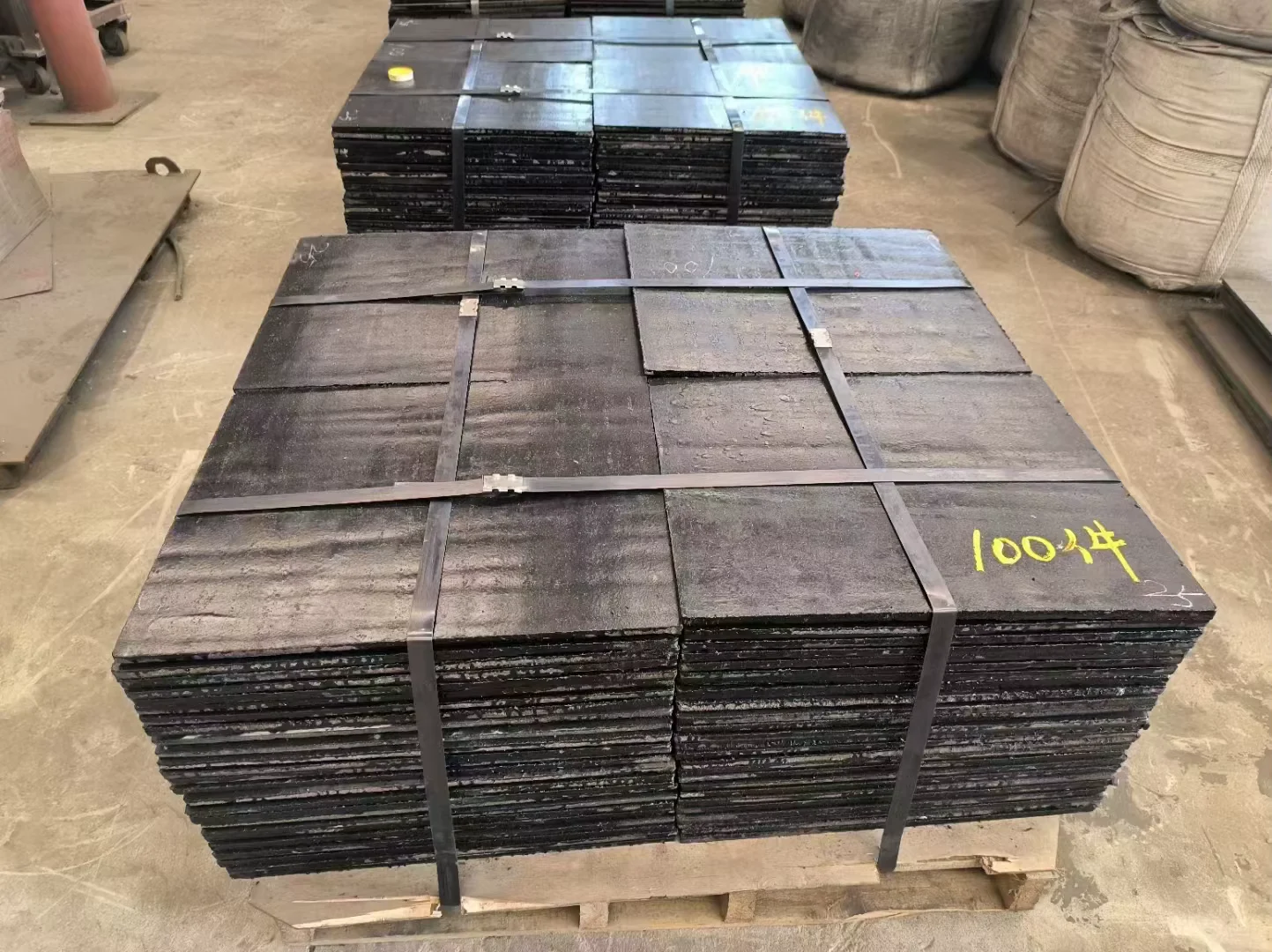
- Hot rolled Wear Resistant Steel Plate for Chipper Machine bundled with high-tensile steel strips at intervals matching plate length, preventing bundle shift during crane handling
- Each plate surface coated with anti-rust oil after rolling to protect the hot rolled finish during ocean transit and open-air site storage
- Container loading plans optimized for plate dimensions, with timber separators between layers to prevent surface scratching and edge deformation
- Heat number and steel grade stenciled on every plate edge for on-site identification and traceability verification upon arrival
- FOB, CIF, and DDP shipping terms available, with professional oversized cargo loading coordination for plates exceeding standard container width
Getting Your Wear Plate Order Started
Share your project drawings or blade specifications — including required thickness, width, length, and quantity — and we return a detailed quotation within one working day, covering material cost, cutting if needed, surface treatment, packing, and freight to your destination port. Our engineering team reviews your drawings for tolerance feasibility before production begins, and the mill test certificate for your specific heat is issued before the container is sealed.
Frequently Asked Questions
Q: What wear-resistant steel grades are available for chipper blades and heavy machinery?
A: We produce high-grade hot rolled wear-resistant steel plate suited for disc chipper blades, crusher liners, and heavy machinery wear parts. Specific grade selection depends on your hardness and impact toughness requirements — share your application details and we recommend the appropriate grade from our mill schedule.
Q: How does ±1% tolerance benefit precision fabrication and assembly?
A: A ±1% tolerance ensures that each plate maintains consistent thickness across its full surface, allowing CNC-cut blanks to fit precisely into rotor pockets or machinery mounts without additional machining. This reduces assembly time and eliminates the risk of uneven blade seating that causes vibration during operation.
Q: Can you provide Mill Test Certificates and third-party inspection reports?
A: Yes. Every heat receives a mill test certificate documenting chemical composition and mechanical properties. Third-party inspection through SGS or BV is available at our facility before shipment, covering dimensional checks, hardness testing, and visual surface inspection.
Q: What is the difference between hot rolled and cold rolled wear plates for abrasive applications?
A: Hot rolled wear plate maintains uniform hardness and microstructure through the full thickness, so wear resistance is preserved even after re-sharpening. Cold rolled plates work-harden primarily at the surface layer, which can lead to inconsistent performance once the surface is machined or worn through.
Q: What are the MOQ and lead time for custom-sized wear-resistant steel plates?
A: MOQ and production lead time depend on the specific thickness and dimensions requested. Contact us with your requirements and we provide a detailed schedule based on current mill capacity and raw material availability.
Start Your Wear Plate Procurement Today
Send your specifications — steel grade, dimensions, quantity, and destination port — to receive a quotation with full mill test certificate documentation and a production timeline.
Contact: admin@xjystructure.com | WhatsApp: +86 188 5315 7756