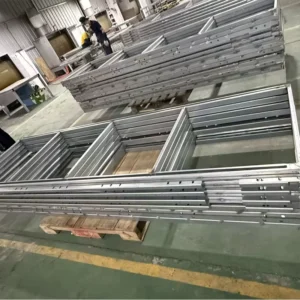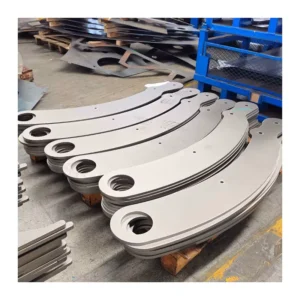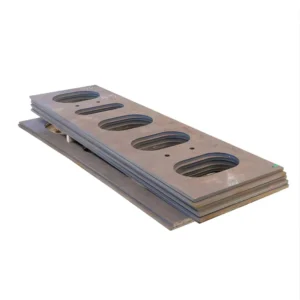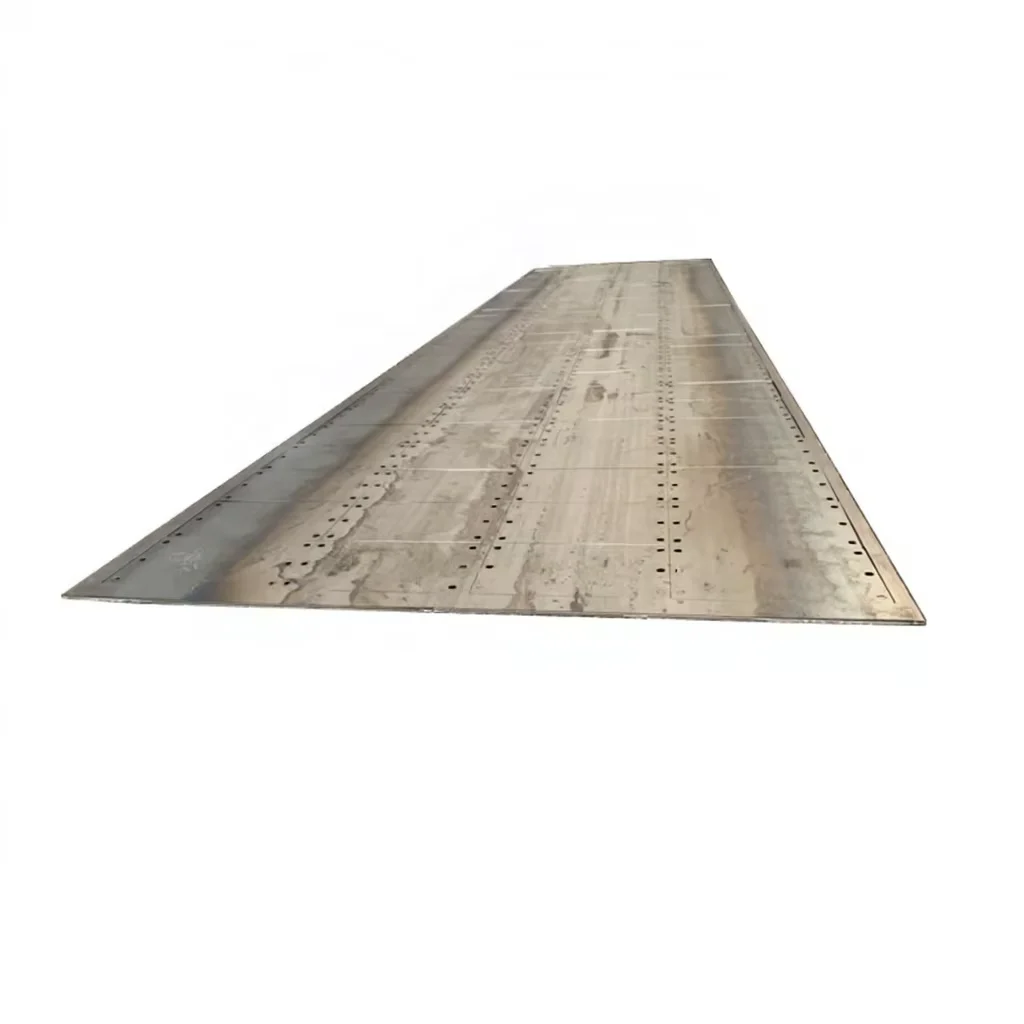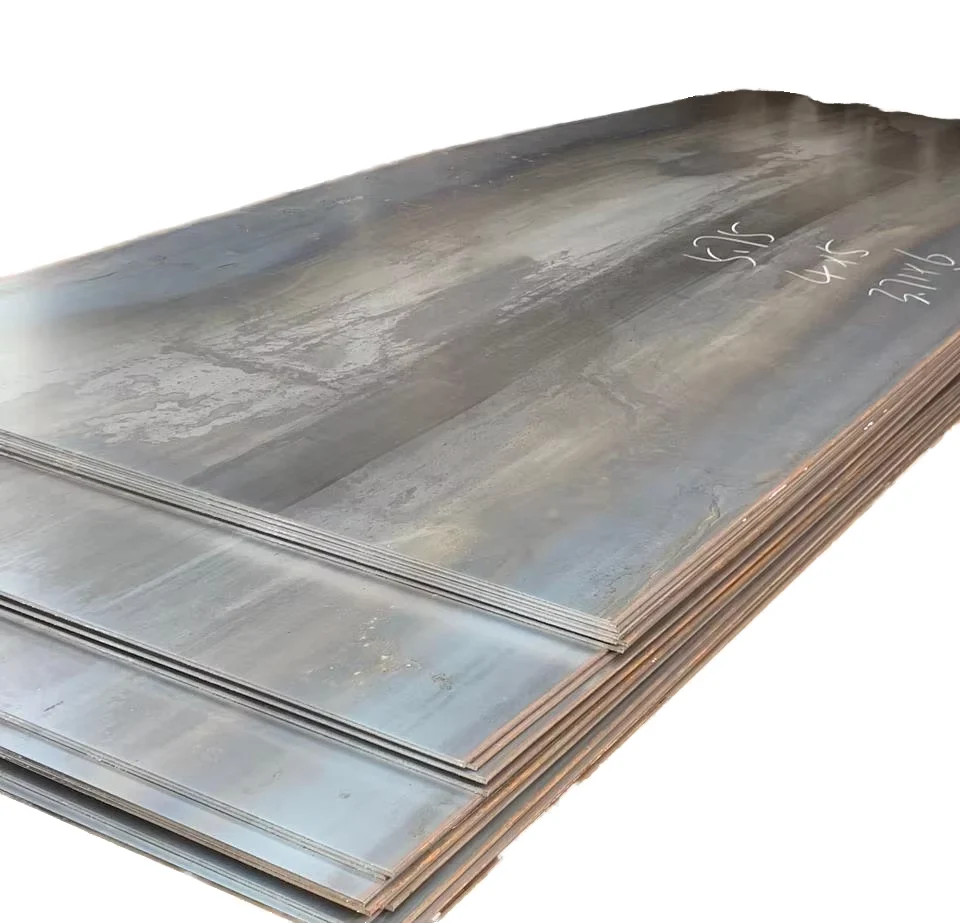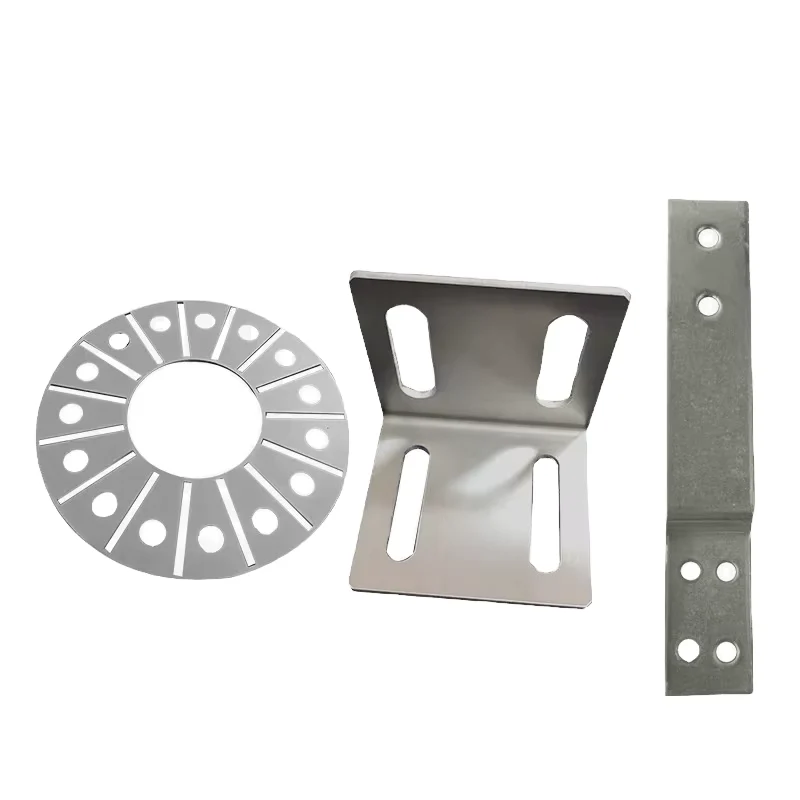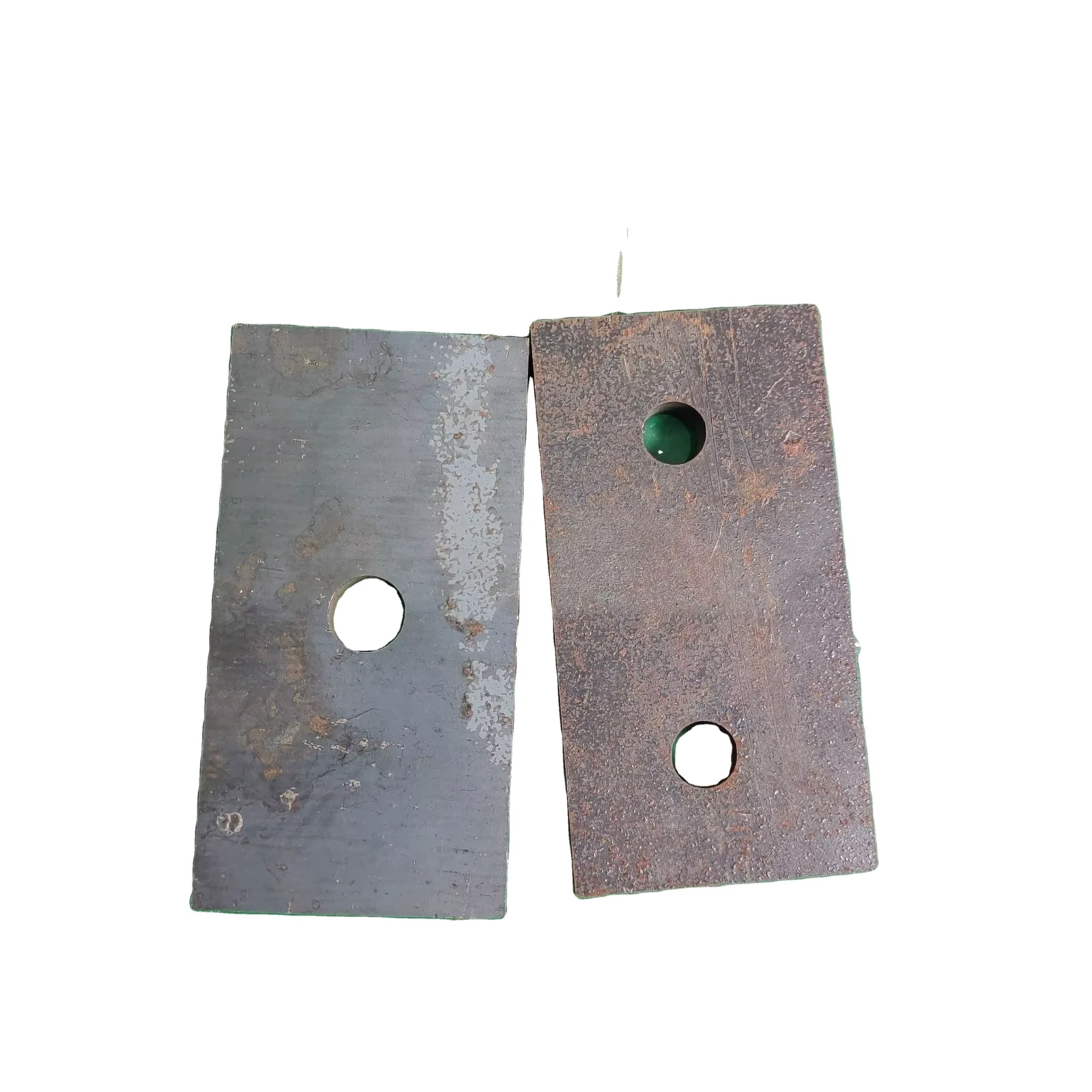
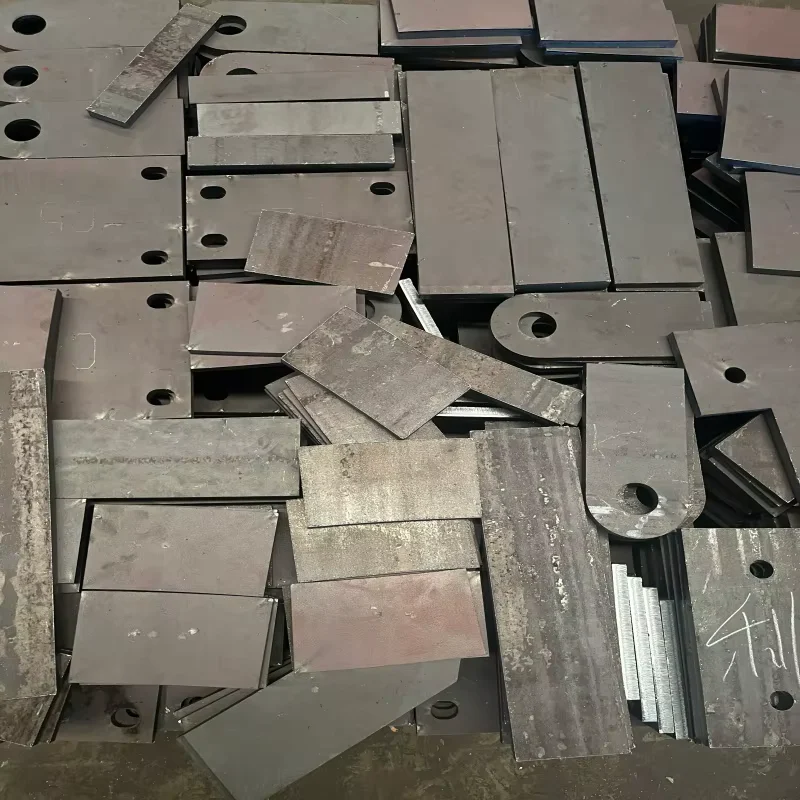
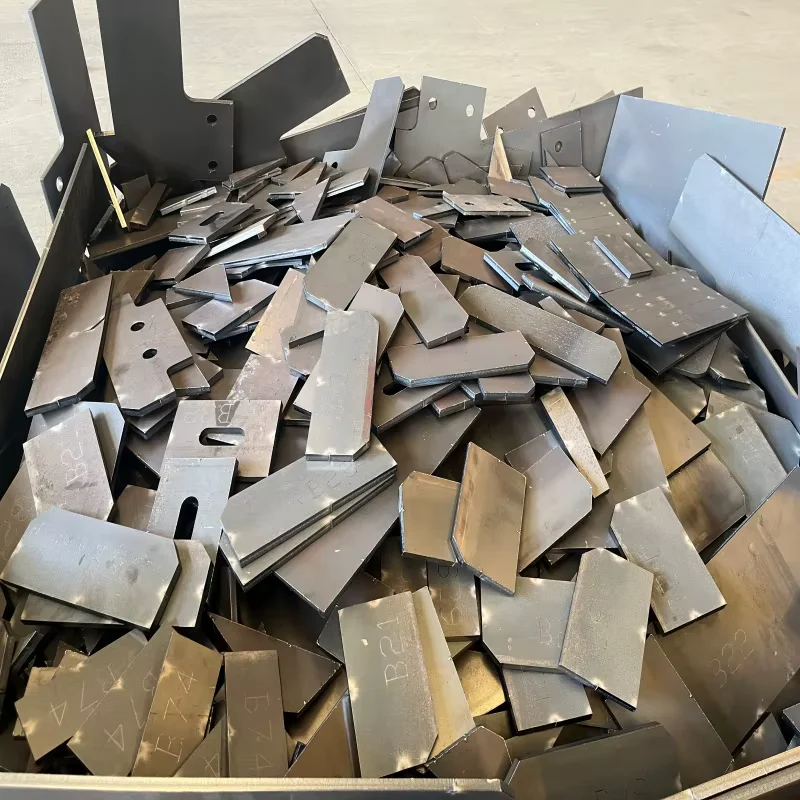
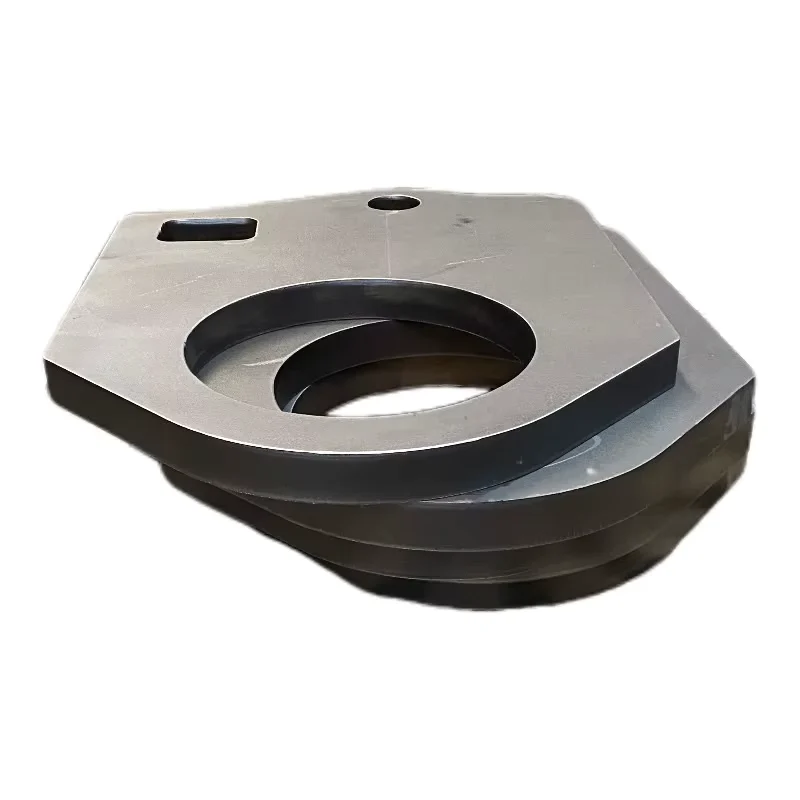
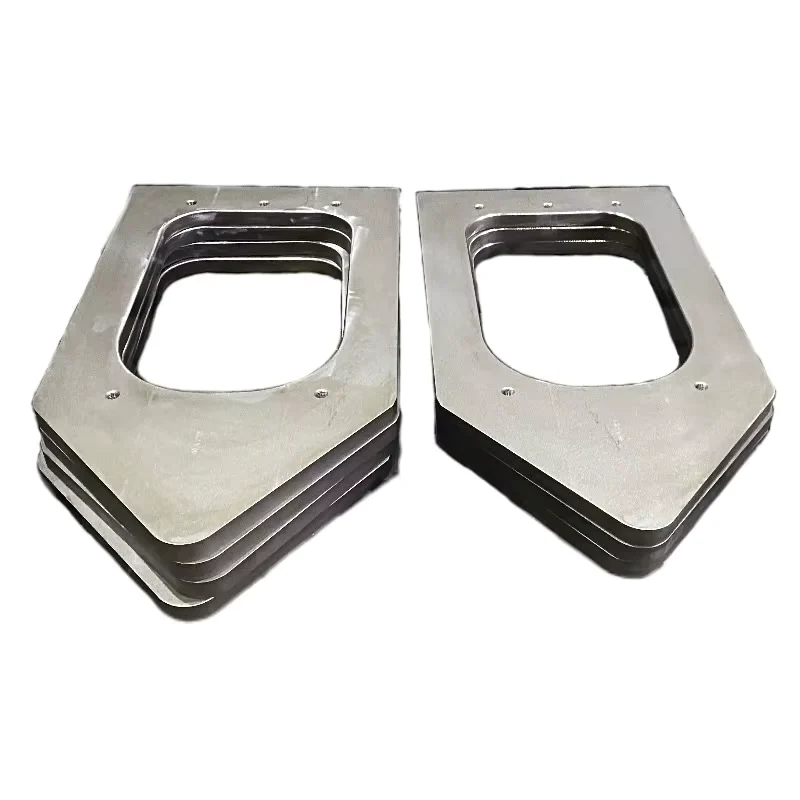
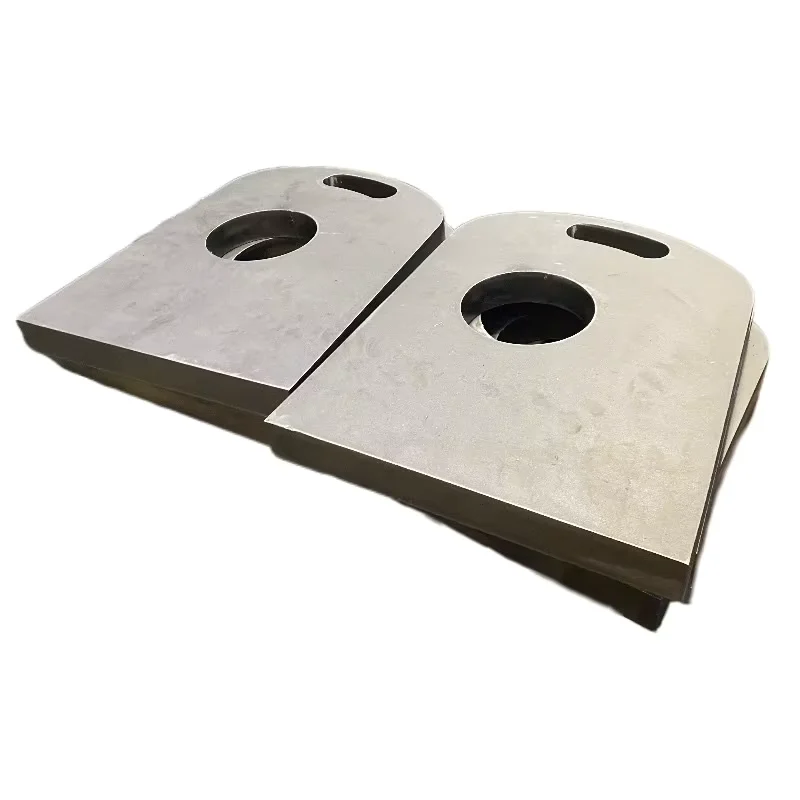
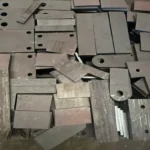
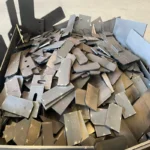
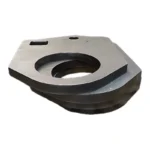
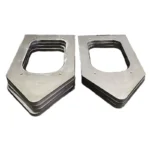
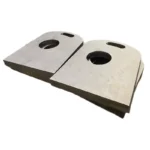
Description
Direct Mill Fabrication — Vertically integrated steel production and laser cutting under one quality system.
Technical Specifications
| Parameter | Value |
|---|---|
| Designation | Laser Cut Sheet Metal Fabrication Component |
| Product Type | Machined Steel Product (Laser Cutting Service) |
| Steel Grade | Stainless Steel, Carbon Steel |
| Technique | Laser Cutting |
| Surface Treatment | Powder Coating |
| Materials | Stainless Steel, Carbon Steel, Other Materials |
| Application | Sheet metal fabrication, industrial components, structural steel processing |
Application Suitability
| Industry | Typical Applications |
|---|---|
| General Contractors | Custom enclosure panels, machine guards, and architectural cladding elements for commercial builds |
| EPC Firms | Process skid frames, cable tray supports, and equipment mounting plates for industrial plants |
| Steel Structure Companies | Connection gussets, base plates, and bracket assemblies for portal frame structures |
| Industrial Project Developers | Warehouse mezzanine decking supports, conveyor frame components, and storage rack uprights |
Where Dimensional Tolerance Decides Site Assembly Outcomes
A two-millimeter gap from a misread drawing means an entire batch returns to the cutting table.
Outsourcing custom laser-cut components overseas introduces risk at the drawing-conversion stage. Imperial-to-metric translation errors, unconfirmed kerf compensation, and unverified powder-coating thickness specs compound before the first piece reaches the container. Buyers managing EPC timelines cannot absorb rework delays at the port of arrival. Material traceability gaps between the steel mill and the cutting shop further complicate inspection sign-off when EN or AWS documentation is required. [NEED_CITE: laser cutting tolerance standards for structural sheet metal components]
Matching Cut Precision to Structural Connection Requirements
Laser cutting delivers kerf widths narrow enough to hold connection-plate tolerances within structural bolting standards, while powder coating adds a corrosion-resistant finish that survives transit and site exposure without additional field treatment. Stainless steel components serve environments where chloride or chemical exposure rules out carbon steel, and the Custom Laser Cutting Service Sheet Metal Fabrication Supplier workflow ensures material separation from the cutting program through to final coating.
Engineering Compliance and Surface Finish Selection
Structural applications demand that cut edges meet deburring and edge-quality expectations before powder coating adheres uniformly. Carbon steel plates destined for outdoor structural frames require coating thickness verification against ISO 12944 corrosion categories, while stainless components may call for passivation rather than coating. Compliance with project specifications — whether EN 1090 execution class or AISC coding — depends on documented cutting parameters and coating inspection records traceable to each heat number. [NEED_CITE: powder coating adhesion standards for laser-cut steel edges]
Steel Grade Behavior Under Laser and Coating Processes
Stainless steel grades resist scaling during laser cutting but demand tighter gas-assist control to prevent oxide discoloration beneath the powder coat. Carbon steel cuts cleanly at higher speeds, yet the exposed iron surface requires immediate coating or temporary rust prevention to avoid flash corrosion before the powder layer bonds. The interaction between laser heat-affected zones and powder-coating adhesion means surface preparation — degreasing, phosphating, or chromate conversion — must match the steel grade, not just the coating system. Thickness variation across a sheet affects both cut-edge squareness and coating film build, which is why incoming material inspection precedes the cutting program.
Hidden Costs of Unverified Material and Tolerance Claims
Sourcing laser-cut components from a supplier who cannot trace material back to a mill certificate creates downstream rejection risk during third-party inspection. Powder coating applied over contaminated or improperly prepared cut edges fails adhesion tests at the project site, triggering strip-and-recoat cycles that no schedule buffer can absorb. Negative tolerance on sheet thickness compounds when the cutting program assumes nominal dimensions — finished parts fall below minimum structural thickness requirements under EN or AISC verification. [NEED_CITE: material traceability requirements for structural steel fabrication]
Why Project Teams Source From Our Facility
Our steel mill produces the raw plate and sheet that feeds directly into our laser cutting bays, eliminating the material-handoff gap where certificates get lost and grades get mixed. Every cut piece carries a heat number traceable to our mill test records, and our in-house powder coating line means surface treatment happens before components leave the facility — no subcontractor queue, no transport damage between processes. With over 2,800 raw material specifications in stock, project teams avoid waiting for mill rolling schedules on non-standard gauges or grades. Our engineering team reviews incoming drawings for imperial-metric conflicts and tolerance feasibility before the laser fires, a step that prevents the kind of batch rework that delays site assembly. Certified welding procedures and quality documentation packages — including WPS, PQR, and dimensional inspection reports — ship with every order, satisfying EN 1090 and AWS auditors without additional third-party runs.
Documentation & Compliance
- Mill test certificate documenting stainless steel and carbon steel chemical composition and mechanical properties per applicable material standard
- Powder coating inspection report covering film thickness, adhesion cross-cut test, and salt-spray resistance per project specification
- Material traceability sheet linking each cut component to its original heat number and mill certificate
- Dimensional inspection report verifying cut tolerances, hole positions, and edge quality against approved shop drawings
- CE marking documentation and declaration of performance where EN 1090 factory production control applies
- Export packing list, bill of lading, and certificate of origin for customs clearance at destination port
Packaging, Loading & Delivery
- Powder coated components wrapped in PE film with interleaving paper to prevent surface scratching during ocean transit
- Carbon steel cut plates bundled with galvanized steel straps and edge protectors to preserve coating integrity at contact points
- Stainless steel sheets separated by foam spacers within seaworthy wooden crates, marked with heat number and grade identification
- Custom pallet configurations optimized for 20-foot and 40-foot container loading, maximizing weight utilization for heavy plate orders
- Cut-to-length sheets and nested parts labeled with project reference and assembly mark for direct site delivery without re-sorting
- FOB, CIF, and DDP shipping terms available with full export documentation and container tracking until port discharge
Starting Your Laser Cutting Inquiry
Submit your project drawings in PDF or DWG format along with material grade, coating specification, and required quantities to receive a detailed quotation covering cutting, coating, packing, and freight. Our engineering team responds within 24 hours with a preliminary assessment and shop drawing timeline. Confirm your certification requirements and destination port so we include all compliance documentation and customs paperwork in the proposal.
Frequently Asked Questions
Q: What drawing formats do you accept for laser cutting quotations?
A: We accept PDF and DWG files. Our engineering team converts imperial dimensions to metric where needed and confirms kerf compensation before programming the laser.
Q: Can you provide material certification for stainless steel and carbon steel components?
A: Yes. Every order includes a mill test certificate traceable to the original heat number, covering chemical composition and mechanical properties for the specific grade supplied.
Q: What surface treatment options are available after laser cutting?
A: Powder coating is our standard finish for both stainless and carbon steel. We also offer passivation for stainless components and temporary rust-preventive coatings for carbon steel awaiting further processing.
Q: How do you ensure dimensional accuracy on custom cut parts?
A: Our laser cutting equipment maintains tight kerf control, and every batch undergoes dimensional inspection against the approved shop drawing before packing. Inspection reports ship with the order.
Q: What is the minimum order quantity for laser cutting services?
A: MOQ depends on material grade, thickness, and coating requirement. Contact us with your specifications for a project-specific answer.
Get Your Laser Cutting Quote with Material Certification
Send your drawings and specifications to receive a quotation with mill test certificates and coating inspection reports included.
Company: Shandong Xin Jiyuan Special Steel Tube Co., Ltd
Website: www.xjystructure.com
Tel: +86 531 8573 6315
Mobile/WhatsApp/WeChat: +86 188 5315 7756
Email: admin@xjystructure.com
Address: No.11889, Jingshi West Road, Lulian Group, Jinan City, Shandong Province, China