Description
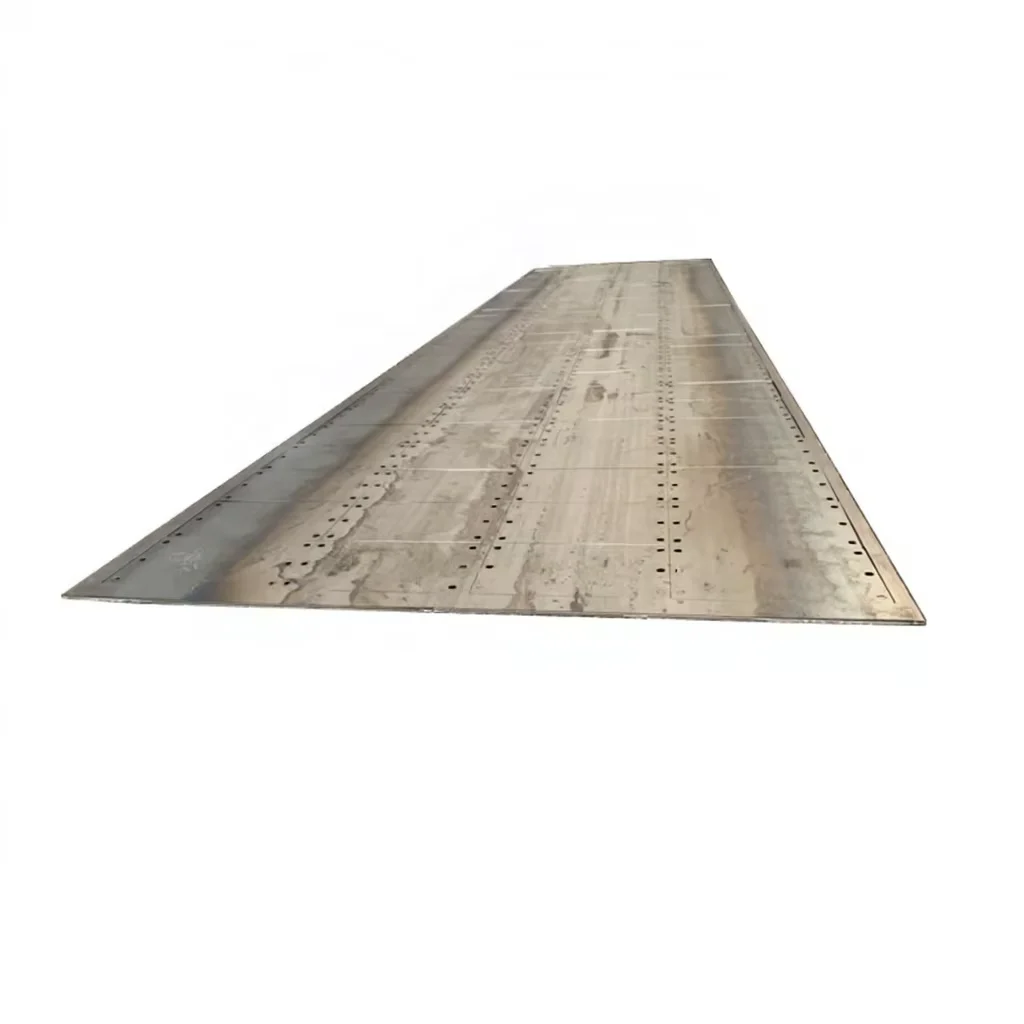
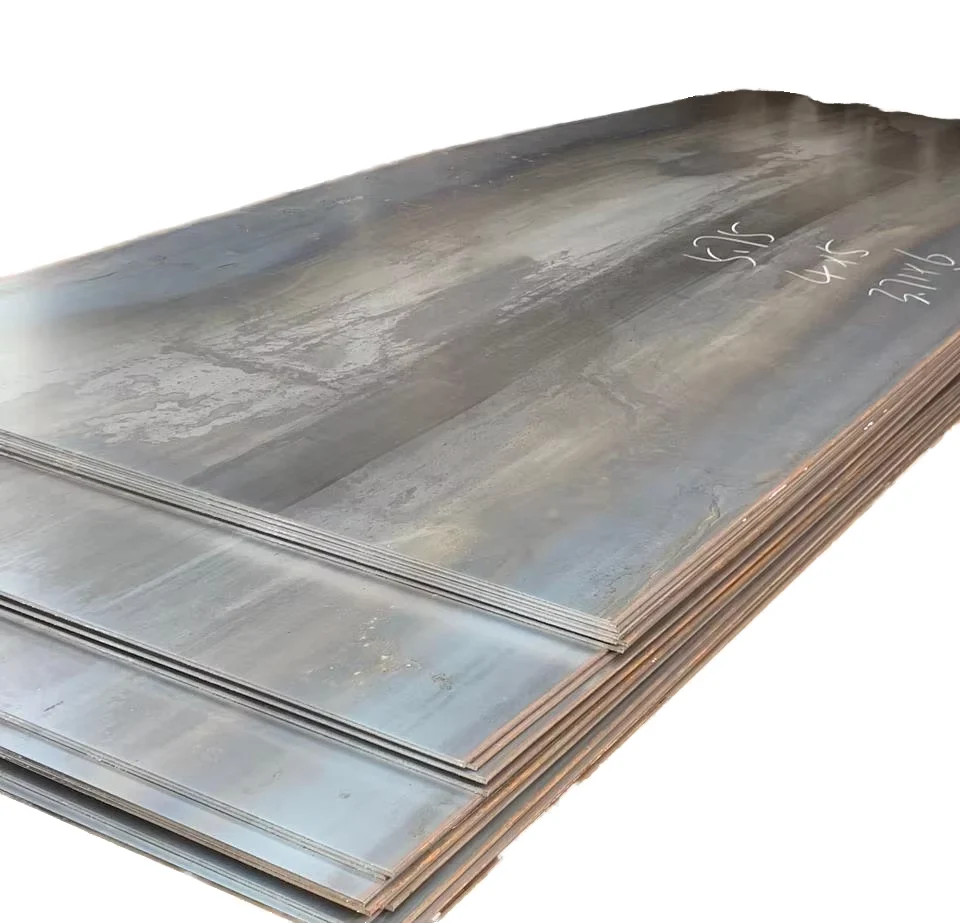
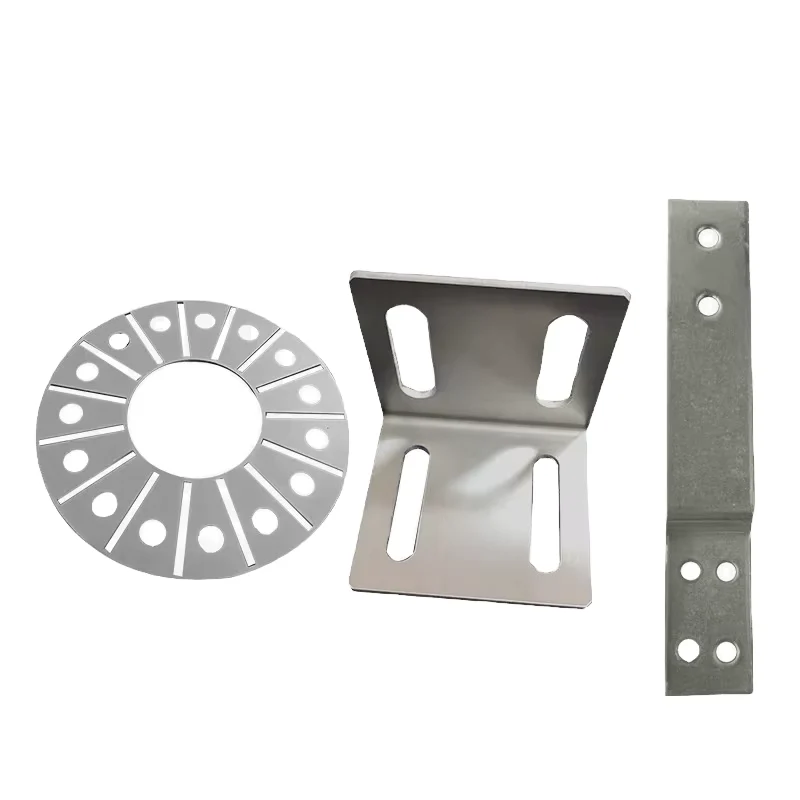
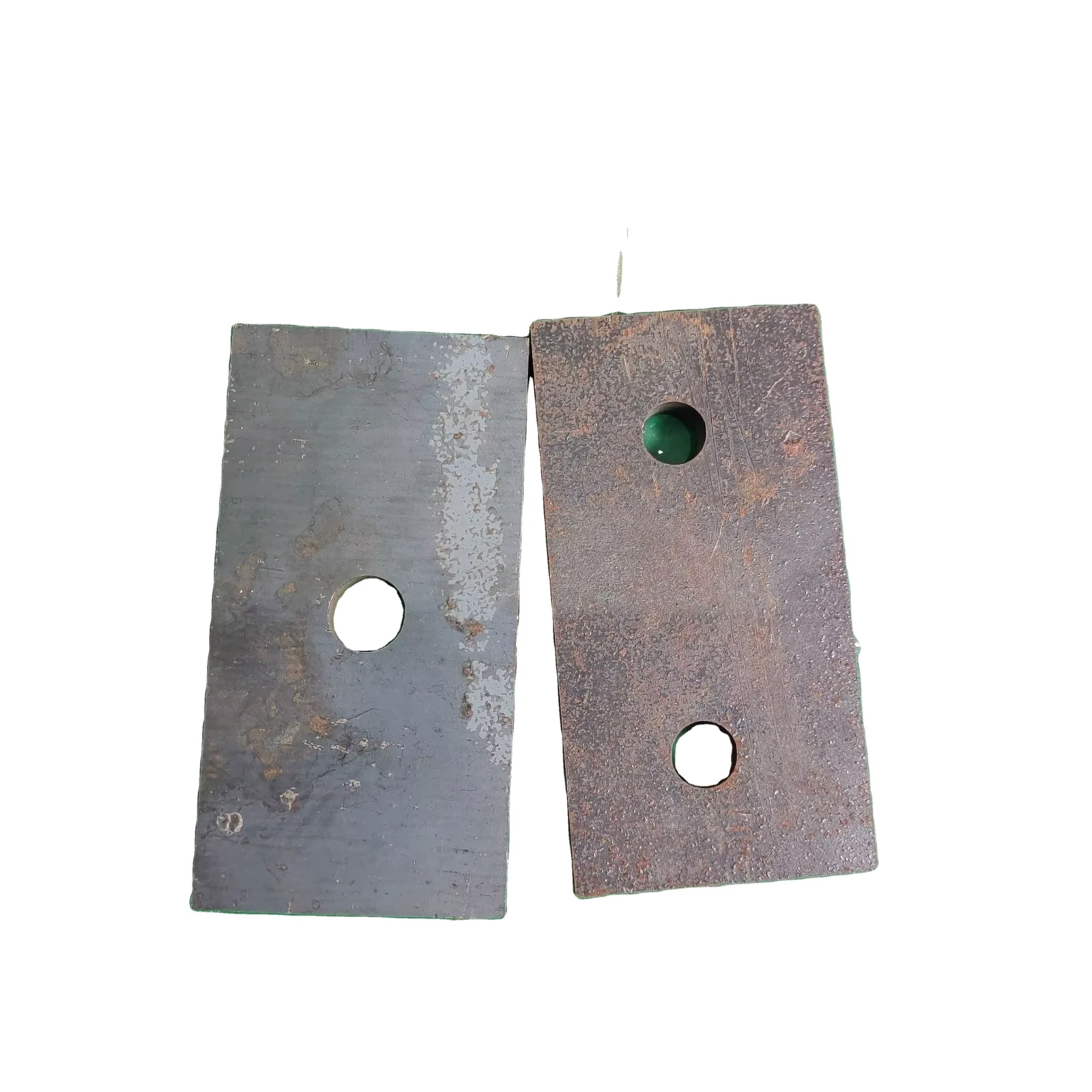
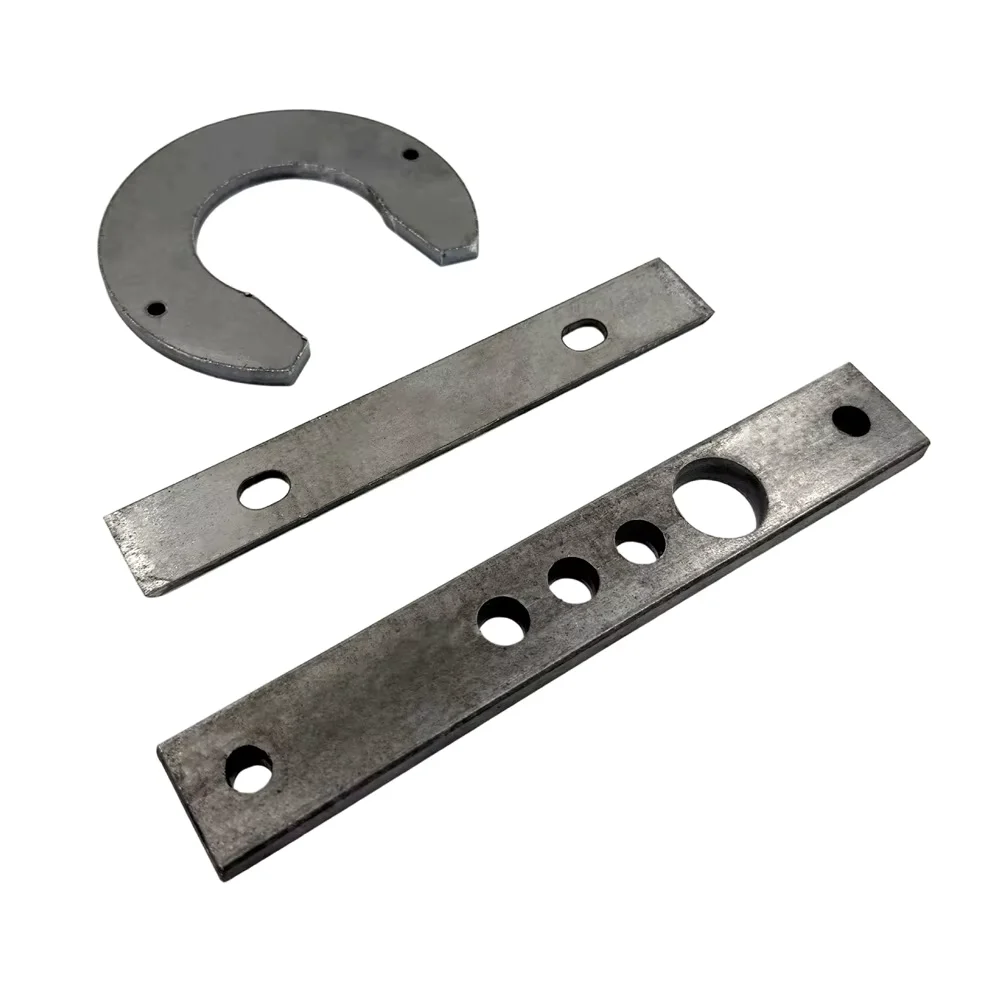
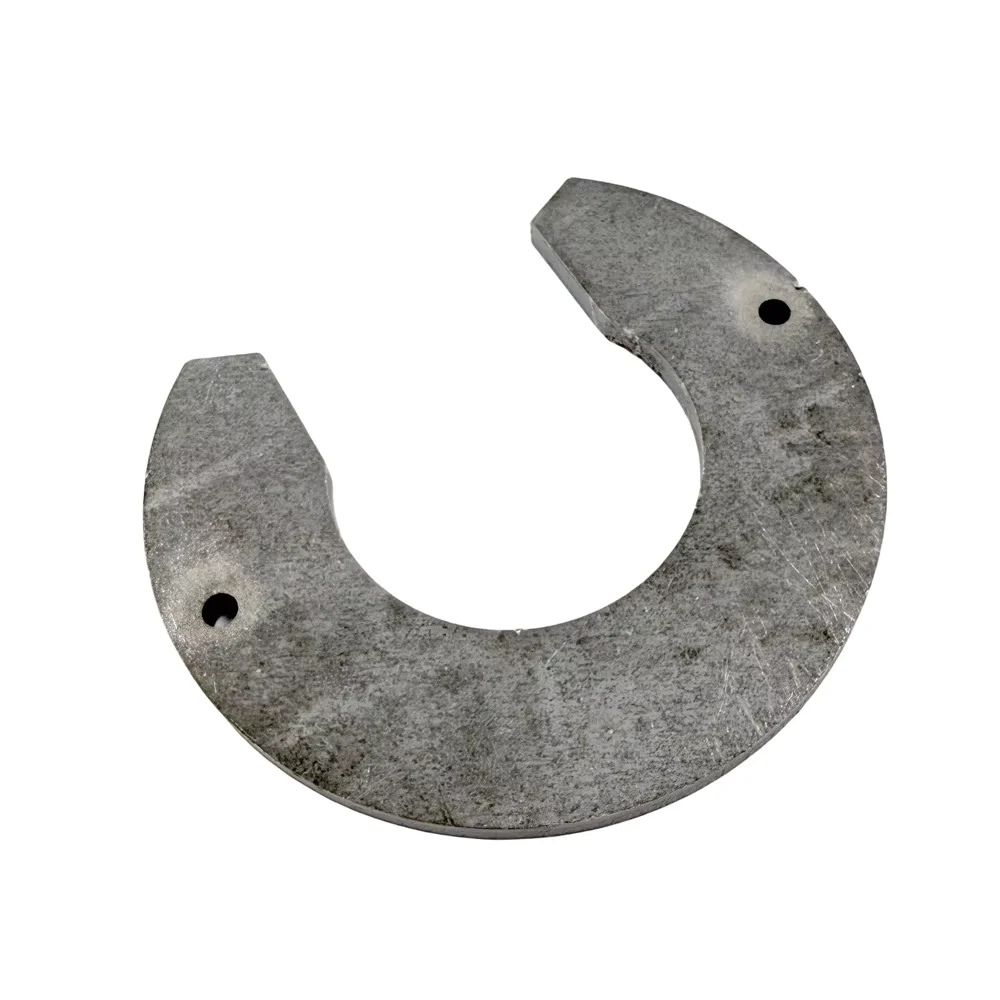
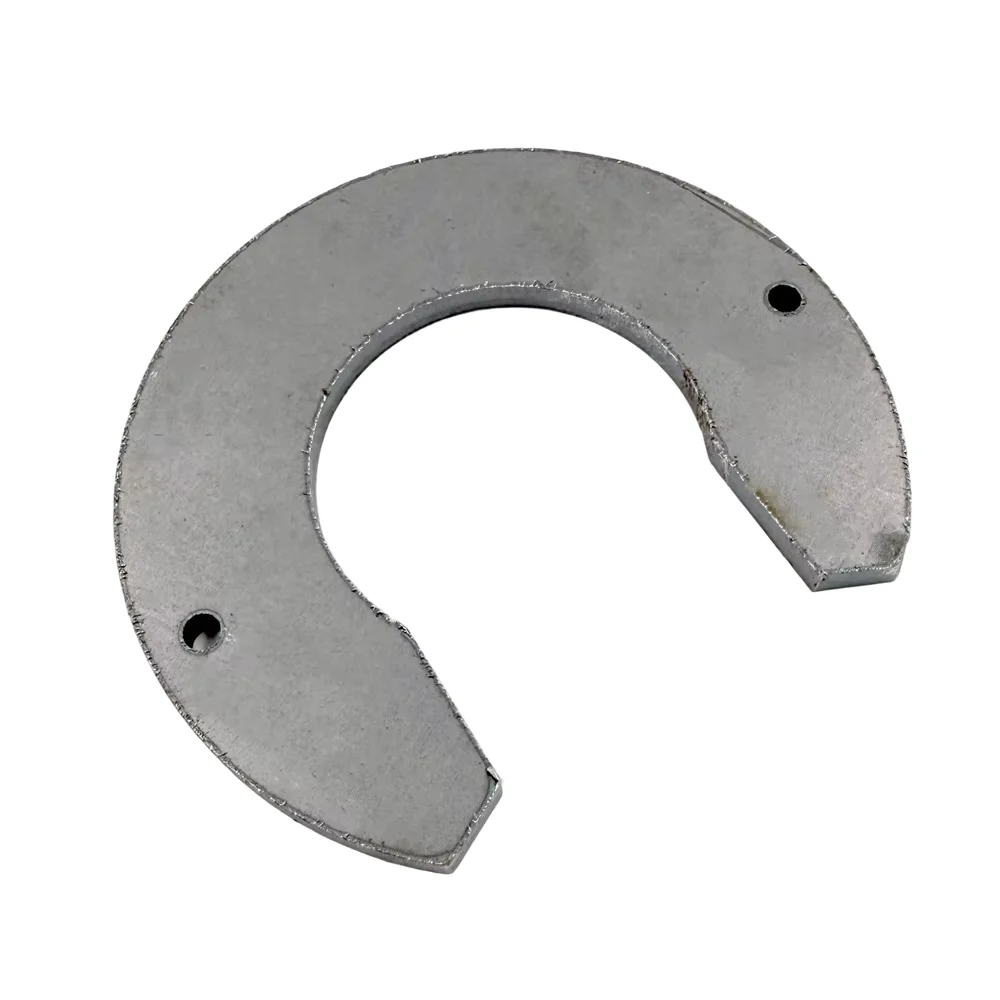
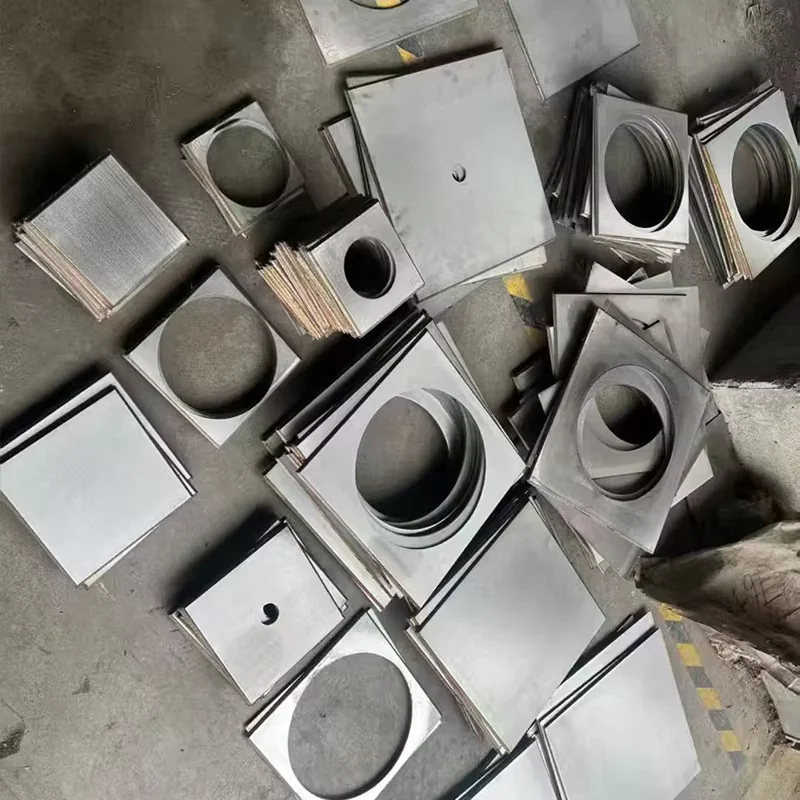
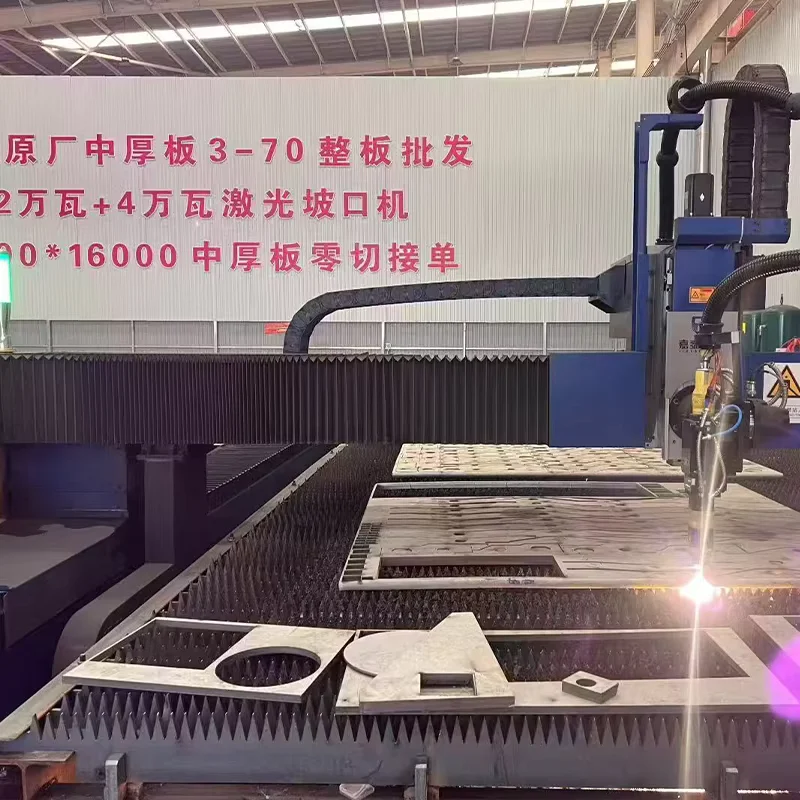
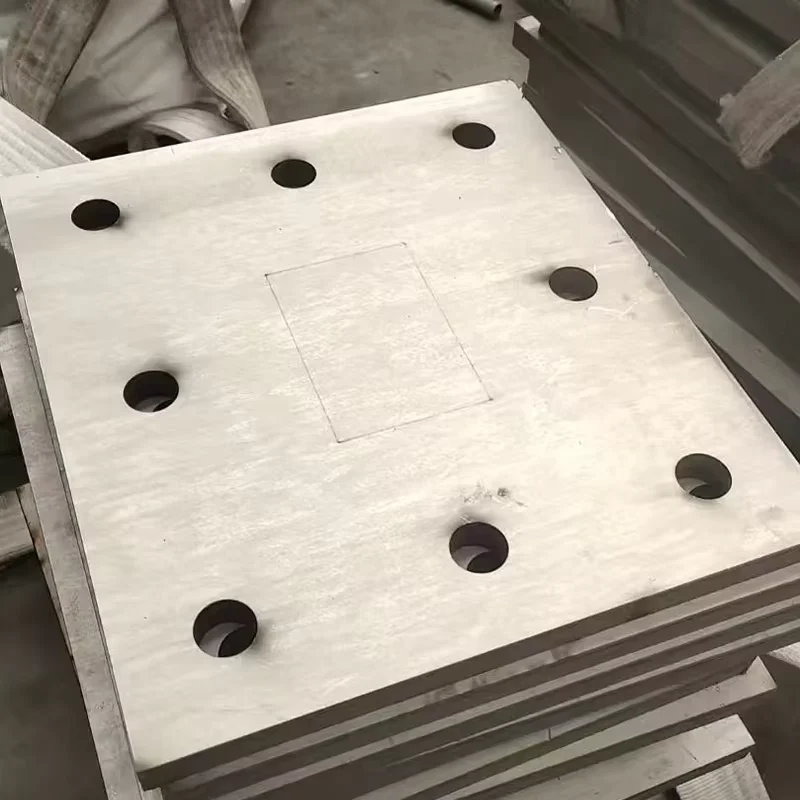
Factory-direct stainless components, zero middleman markup — raw SUS304/SUS316L plates and sheets rolled in our own mill, then laser-cut and CNC-machined under one roof.
Technical Specifications
| Parameter | Value |
|---|---|
| Designation | SUS304/SUS316L Stainless Steel Laser-Cut Components |
| Product Type | Machined Steel Product / Custom Laser-Cut Metal Components |
| Steel Grade | SUS304, SUS316L |
| Standard | ISO 9001:2015 Quality Management System |
| Thickness Range | 3.0–100 mm |
| Technique | CNC Machining + Laser Cutting + Deburring |
| Surface Treatment | Per Customer Request |
| Size | Customized Sizes Acceptable |
| Application | Industrial equipment components / Architectural metalwork / Custom fabrication projects / Machinery parts |
| MOQ | 10 pcs |
| Origin | Shandong, China |
Application Suitability
| Industry | Typical Applications |
|---|---|
| Industrial Equipment | Machine frames, conveyor brackets, hopper liners, pump base plates |
| Architectural Metalwork | Facade anchor plates, canopy connection nodes, decorative screen panels |
| EPC & Processing Plants | Pipe support clamps, platform grating clips, instrument mounting brackets |
| Machinery Manufacturing | Gearbox housings, coupling flanges, precision spacer plates |
Where Material Traceability Gaps Cost You a Customs Hold
When the mill test certificate does not match the heat number stamped on the plate, the container sits at the port.
Buyers outsourcing laser-cut stainless components from China routinely face a broken chain between the raw material supplier and the fabrication shop. The fabricator buys plates from a trader who buys from a mill — by the time the part reaches your site, the MTC references a heat number that cannot be verified. On SUS316L components destined for marine or chemical environments, this gap is not paperwork noise; it is a rejection trigger at customs or a failed inspector sign-off. [NEED_CITE: EN 1090 structural component traceability requirements] Add the risk of laser-cutting programming errors — a two-millimeter hole offset on a thirty-ton batch means rework at destination or a three-week schedule slip, a scenario I watched unfold on a Riyadh commercial project where oversized nodes could not be locally corrected.
How SUS304 and SUS316L Match Corrosive and Structural Demands
A custom laser-cut stainless steel components supplier who understands grade selection will flag the environment before cutting begins. SUS304 handles general atmospheric and mild chemical exposure — ideal for indoor architectural metalwork and standard machinery frames. SUS316L, with its molybdenum addition, resists chloride pitting in coastal facades, chemical plant brackets, and food-processing equipment. The 3.0–100 mm thickness range covers both thin sheet brackets and heavy plate connection nodes in a single procurement package, and our integrated mill-to-fabrication line means the raw plate chemistry is verified before the laser ever fires.
Engineering Compliance Across SUS304 and SUS316L Fabrication
Structural stainless components for EPC projects must satisfy dimensional tolerance, weldability, and surface finish requirements that vary by destination market. Laser cutting combined with CNC machining and deburring in one workflow delivers the flatness and edge quality needed for high-strength bolted connections, while custom surface treatments — pickling, passivation, or mechanical polishing — are specified per project environment. For European projects, EN 1090 fabrication certification governs the process; for North American specs, AWS and AISC standards apply. [NEED_CITE: stainless steel fabrication tolerance standards for structural components] Our engineering team reviews shop drawings for laser-cutting shrinkage and hole-position tolerance before production, eliminating the RFI delays that typically follow first-article inspection.
Grade Selection, Laser Precision, and the Tolerance Trap
SUS304 and SUS316L belong to the austenitic stainless family, but their machining behavior under laser cutting differs. SUS316L’s higher nickel and molybdenum content increases thermal resistance, requiring adjusted cutting speeds to prevent edge discoloration and micro-cracking — a detail that separates a clean deburred edge from one that needs secondary grinding. The 3.0–100 mm range spans sheet and plate categories; thin sheets demand fixturing to prevent thermal warping, while heavy plates require multi-pass piercing and pierce-point compensation. Surface treatment choice follows application logic: pickling restores the passive oxide layer after laser heat input, passivation removes free iron from CNC tool contact, and polishing serves architectural exposure where visual consistency matters. [NEED_CITE: laser cutting parameters for austenitic stainless steel plate] Wall-thickness tolerance on plate components directly affects bolt-hole alignment on structural frames — a deviation that compounds across assembled joints and forces field reaming.
The Hidden Price of Unverified Stainless Components
Ordering custom laser-cut stainless steel components without confirmed material origin invites three failure modes: chemistry mismatch against the project specification, missing heat-number traceability that blocks customs clearance, and dimensional drift from uncontrolled laser parameters that ruins bolted connections. On SUS316L components for marine environments, a grade substitution — 304 delivered as 316L — will not show visually but will fail salt-spray testing at destination, triggering full-batch rejection. [NEED_CITE: stainless steel grade verification and customs documentation requirements] The cost is never the component price; it is the crane idle time, the replacement shipping air-freight bill, and the inspector’s red tag.
Why Buyers Choose an Integrated Mill-and-Fabrication Source
Our raw stainless steel is produced on our own mill lines, then transferred directly to the fabrication workshop — no trader, no third-party plate, no broken MTC chain. This vertical integration means the heat number on the mill test certificate matches the plate in the laser bed, and the chemistry report you receive is the chemistry you ordered. We hold ISO 9001:2015 certification, and third-party inspection through SGS or BV is arranged per project requirement. The fabrication workshop handles CNC cutting, laser cutting, drilling, deburring, and custom surface treatment in sequence, so dimensional checks happen at each stage rather than at final inspection. Shop drawing review includes laser-cutting path optimization and shrinkage calculation before the first piece is cut — the discipline I adopted after watching a thirty-ton batch fail on-site in the Middle East. For buyers sourcing a custom laser-cut stainless steel components supplier, one point of accountability from raw material to finished part eliminates the finger-pointing between mill, trader, and fabricator.
Documentation & Compliance
- Mill test certificate documenting SUS304 or SUS316L chemical composition and mechanical properties per applicable standard, linked to heat number
- ISO 9001:2015 quality management system certificate covering the full laser-cutting and CNC-machining process
- SGS or BV third-party inspection report available upon request for dimensional verification and surface finish audit
- Material traceability sheet mapping each finished component to its raw plate heat number and original MTC
- Customs documentation package including packing list, bill of lading, and certificate of origin for destination-country clearance
- Surface treatment compliance report confirming pickling, passivation, or polishing parameters per project specification
Packaging, Loading & Delivery
- Stainless steel plates and cut components bundled with steel strips and edge protectors to preserve surface finish during ocean transit
- Laser-cut SUS316L parts wrapped in moisture-proof paper and separated by protective interleaving to prevent chloride contamination from contact with carbon steel
- Custom-sized components nested for container optimization, maximizing 20-foot and 40-foot load capacity based on thickness and dimensions
- Deburred edges and machined surfaces coated with temporary anti-fingerprint film for architectural-grade finish protection
- Heat number and SUS304/SUS316L grade marked on each plate and bundle tag for on-site traceability verification
- FOB, CIF, and DDP shipping terms available with professional oversized-cargo loading plans for heavy plate orders
Start Your Inquiry With Drawings and Grade Confirmation
Submit your project drawings in PDF or DWG format along with the required stainless grade, thickness, surface treatment, and quantity to receive a detailed quotation within 24 hours. Our engineering team will review the shop drawings for laser-cutting feasibility and tolerance compliance before production begins. Confirm your certification requirements and destination port so the MTC and customs documentation package is prepared in parallel with fabrication.
Frequently Asked Questions
Q: What is the difference between SUS304 and SUS316L for laser-cut components?
A: SUS304 provides general corrosion resistance suitable for indoor and mild environments, while SUS316L contains molybdenum for enhanced resistance to chloride pitting in marine, chemical, and coastal applications. Grade selection depends on the exposure environment specified in your project documentation.
Q: What is the minimum order quantity for custom laser-cut stainless steel components?
A: The MOQ is 10 pieces. We accept small-batch orders for prototype verification and project-specific custom sizes, with the same material traceability and quality documentation applied to all quantities.
Q: What surface treatment options are available after laser cutting?
A: Options include pickling to restore the passive oxide layer, passivation to remove free iron contamination, mechanical polishing for architectural finish, and custom finishes per project specification. The choice depends on the application environment and visual requirements.
Q: What quality documentation is provided with each order?
A: Each shipment includes a mill test certificate with chemical composition and mechanical properties, material traceability by heat number, ISO 9001:2015 certification, and customs documents. Third-party inspection reports from SGS or BV are available upon request.
Q: How are shop drawings verified before production begins?
A: Our engineering team reviews your drawings for laser-cutting path optimization, thermal distortion control, and dimensional tolerance compliance. Laser-cutting shrinkage and hole-position accuracy are confirmed before fabrication starts.
Get Your Quotation With Full Material Traceability
Send your drawings, grade selection, and destination port to receive a detailed quote and mill test certificate preview.
Email: admin@xjystructure.com
WhatsApp: +86 188 5315 7756