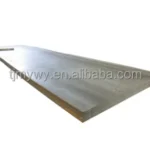

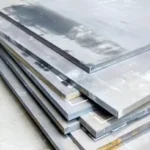
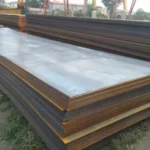
Description
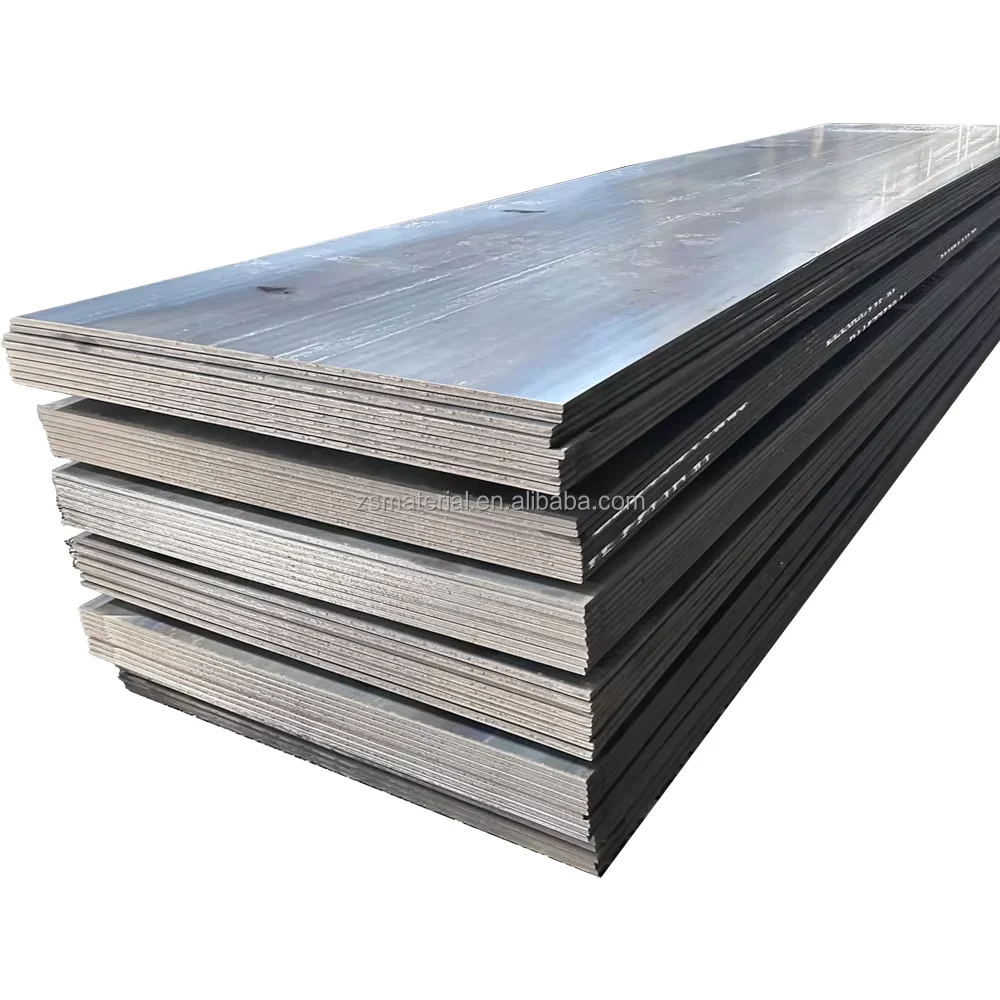
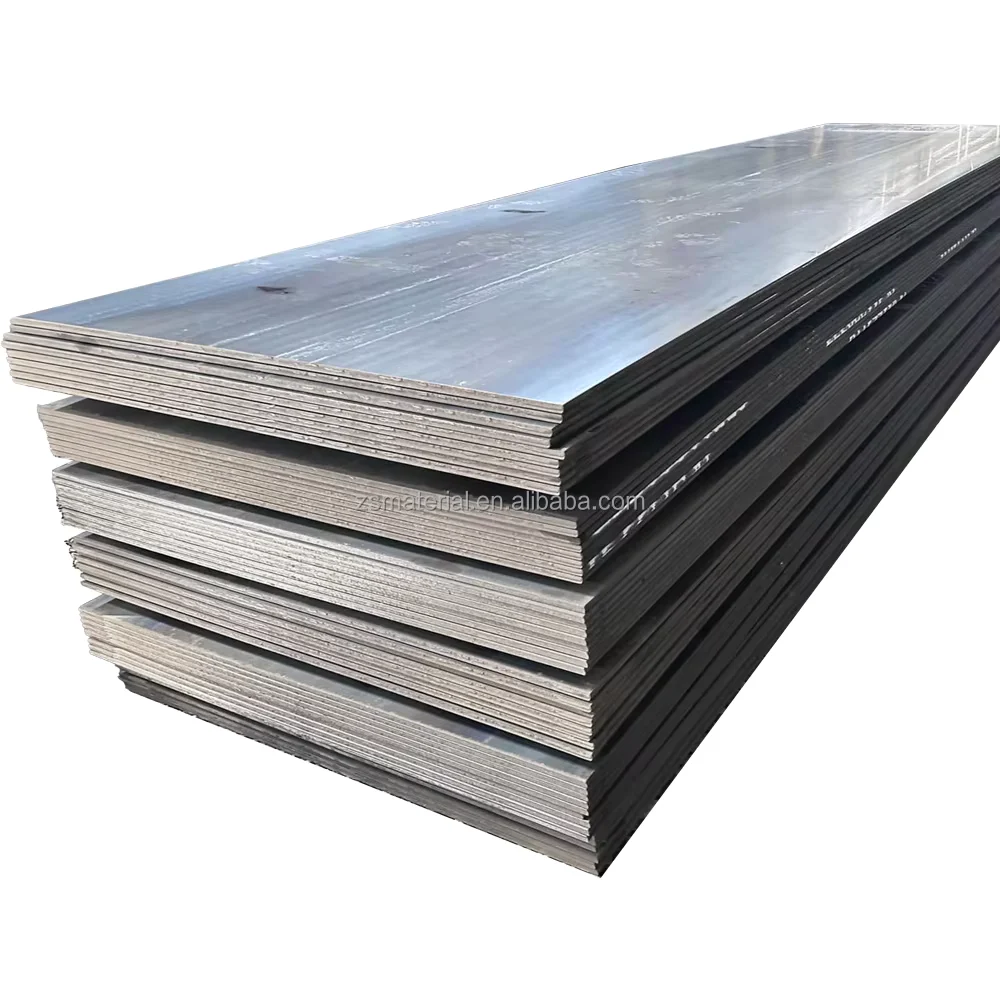
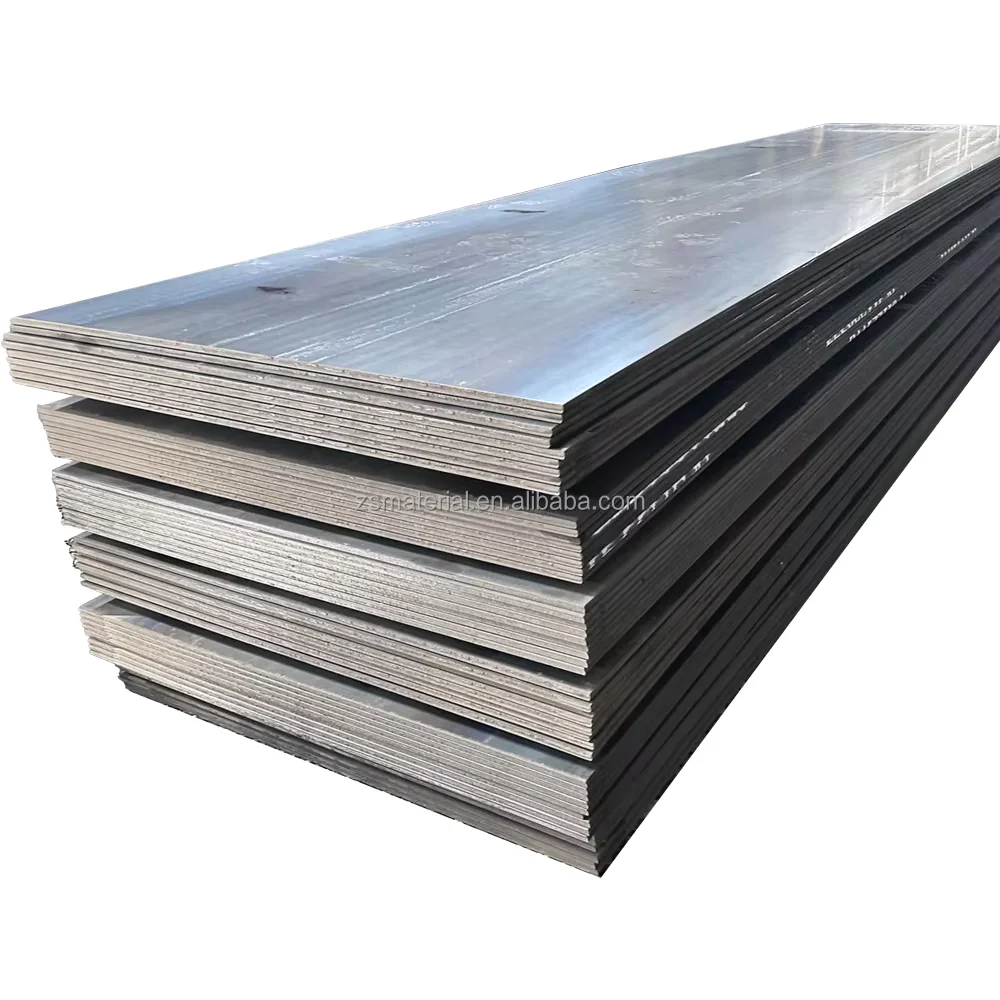
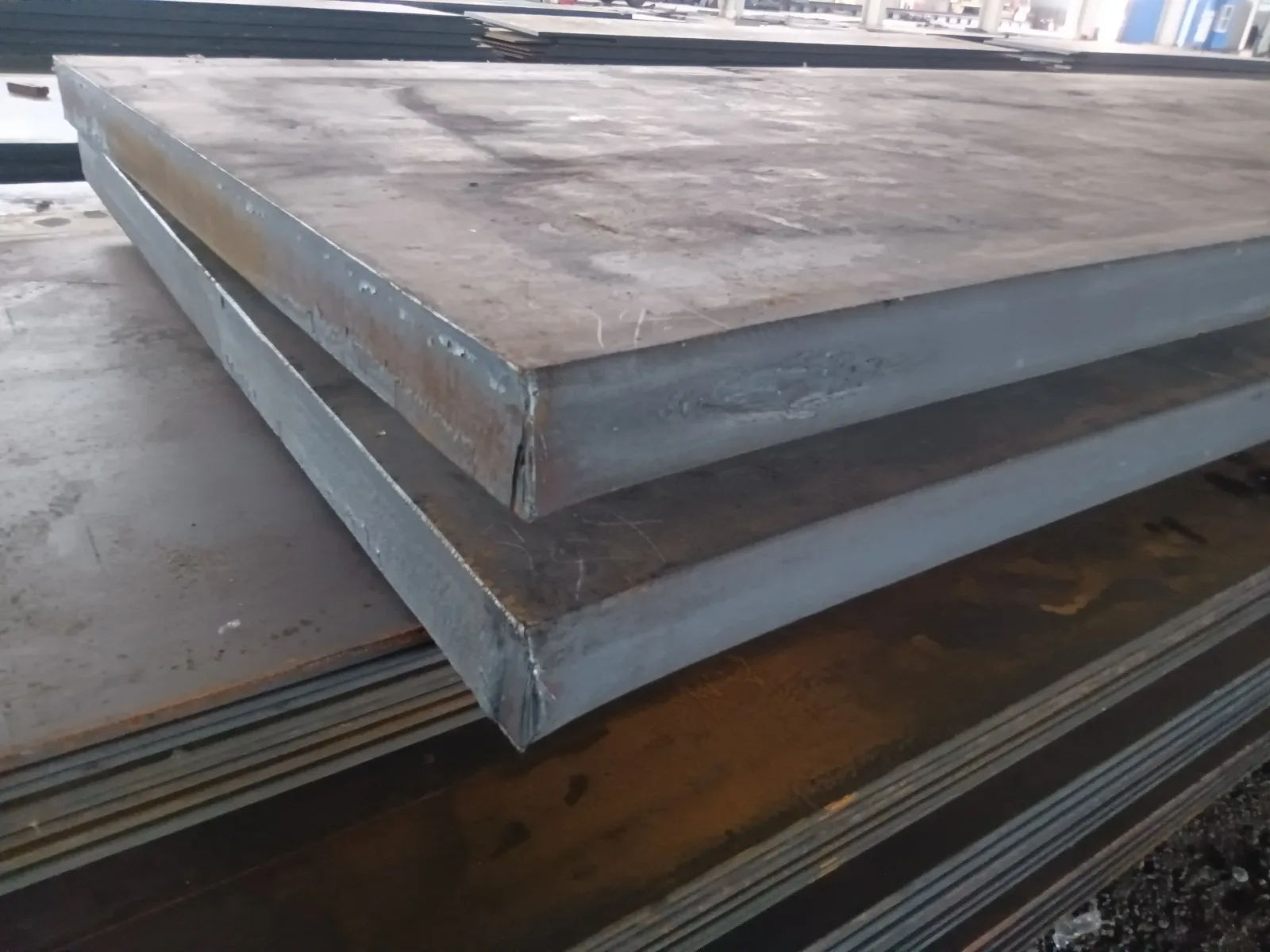
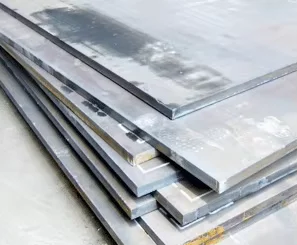
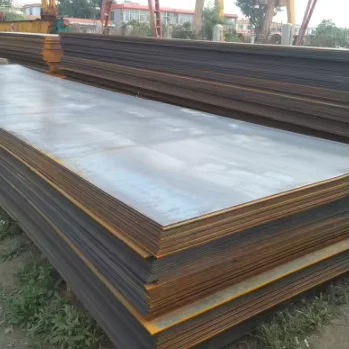
Factory-Direct Wear Plate Supply — Hot rolled wear resistant steel plates produced and bent in-house at our own steel mill, eliminating third-party material gaps.
Technical Specifications
| Parameter | Value |
|---|---|
| Designation | Hot Rolled Wear Resistant Steel Plate |
| Product Type | Steel Plate |
| Steel Grade | Wear Resistant Steel |
| Standard | DIN |
| Technique | Hot Rolled |
| Surface Treatment | Hot Rolled |
| Tolerance | ±1% |
| Processing Service | Bending (DIN Standard) |
| Application | Construction / Petrochemical / Machinery / Disc Chipper Machine Components |
Application Suitability
| Industry | Typical Applications |
|---|---|
| Machinery | Disc chipper liners, cutting discs, rotor wear plates, feed chute protectors |
| Petrochemical | Hopper liners, cyclone separators, slurry pipe elbows subject to abrasive media |
| Construction | Excavator bucket liners, crusher jaw plates, conveyor skirt boards |
Why DIN Bending Radius Must Match Actual Hardness Before Forming
A wear plate that passes chemistry specs can still crack at the bend if hardness and radius are mismatched.
Overseas buyers ordering hot rolled wear resistant steel plate for forming work often receive mill certificates showing correct chemistry — but the actual surface hardness falls outside the range needed for the specified bend radius. When the plate hits the press brake, the outer fiber of the bend exceeds the material’s elongation limit and cracks appear along the bend line. The entire batch becomes scrap. This happens because third-party traders source plates from multiple mills without verifying that the delivered hardness actually supports the DIN bending parameters stated in the shop drawing. [NEED_CITE: DIN standard bending radius requirements for high-hardness steel plates]
Matching Wear Resistance to Disc Chipper Operating Conditions
Disc chipper machines process raw logs and branching wood at high rotational speeds, subjecting liners and cutting discs to repeated impact and abrasive wear. A hot rolled wear resistant steel plate selected for this application must balance surface hardness for abrasion resistance with enough core toughness to resist cracking under impact loading. Our vertically integrated production line allows us to control the rolling temperature and cooling rate that determine this hardness-toughness balance, then perform the DIN standard bending in-house with verified parameters — so the formed liner arrives at your site with consistent properties across the entire piece.
Engineering Compliance for Abrasion-Resistant Formed Components
Formed wear components used in construction and industrial machinery must comply with dimensional tolerances that affect assembly fit and operational safety. The ±1% tolerance on our hot rolled wear resistant steel plate ensures that bent liners match the original equipment contours without forcing or gap-filling during installation. For projects supplying into the EU market, material documentation must demonstrate traceability back to the original heat, with chemical composition and mechanical test results aligned to the stated standard. [NEED_CITE: EN material traceability requirements for wear-resistant structural components]
Hot Rolling, Hardness Control, and Formability
Hot rolling produces a wear resistant steel plate with a scaled surface and a microstructure optimized for toughness at depth — unlike cold-rolled alternatives that achieve higher surface hardness but sacrifice formability. The hot rolled process allows thicker sections to be produced in a single pass, which matters when the application demands both wear resistance and structural rigidity, such as chipper discs or crusher liners. The DIN standard bending service we provide accounts for the actual measured hardness of each plate: we verify the hardness-to-radius ratio before any forming begins, adjusting the die clearance and bend speed to prevent micro-cracking in the outer fiber. This is not a step that third-party fabricators can reliably perform when they receive plates from a different supplier and have no visibility into the rolling conditions.
Hidden Costs of Unverified Wear Plate Procurement
Purchasing hot rolled wear resistant steel plate from a trader who cannot prove the origin of the material creates risks that surface only after the plate has been cut, welded, or formed. If the delivered hardness does not match the purchase specification, the formed component may crack during installation or fail prematurely in service — triggering replacement costs, shipping delays, and potential liability claims from the end user. If the mill test certificate does not correspond to the actual heat of steel, customs authorities in strict-compliance markets may reject the shipment or demand re-inspection at the buyer’s expense. [NEED_CITE: consequences of non-conforming wear plate in industrial machinery applications]
Why Sourcing Directly from Our Mill Eliminates These Risks
We produce the hot rolled wear resistant steel plate on our own rolling lines, then bend, cut, and drill it in the same facility — meaning the material certificate you receive is generated from the same heat that produced the plate sitting on your machine. Our in-house laboratory tests every heat for chemical composition and hardness before release, and the bending team receives the actual test data before setting up the press brake. You deal with one entity from inquiry to delivery: no broker markup, no material traceability gap, no finger-pointing between the steel supplier and the fabricator when a formed part fails. Our engineering team reviews your shop drawings against the DIN bending parameters and flags any radius-to-hardness conflicts before production begins.
Documentation & Compliance
- Mill test certificate documenting the chemical composition and hardness values of the specific heat used for your hot rolled wear resistant steel plate order
- DIN compliance statement confirming that bending operations meet the radius and tolerance requirements specified in your drawing
- Material traceability report linking each plate to its heat number, rolling date, and test results
- Third-party inspection report from SGS or BV available upon request for projects requiring independent verification
- Dimensional inspection report confirming ±1% tolerance across length, width, and thickness of delivered plates
- Export documentation including packing list, bill of lading, and certificate of origin for customs clearance
Packaging, Loading & Delivery
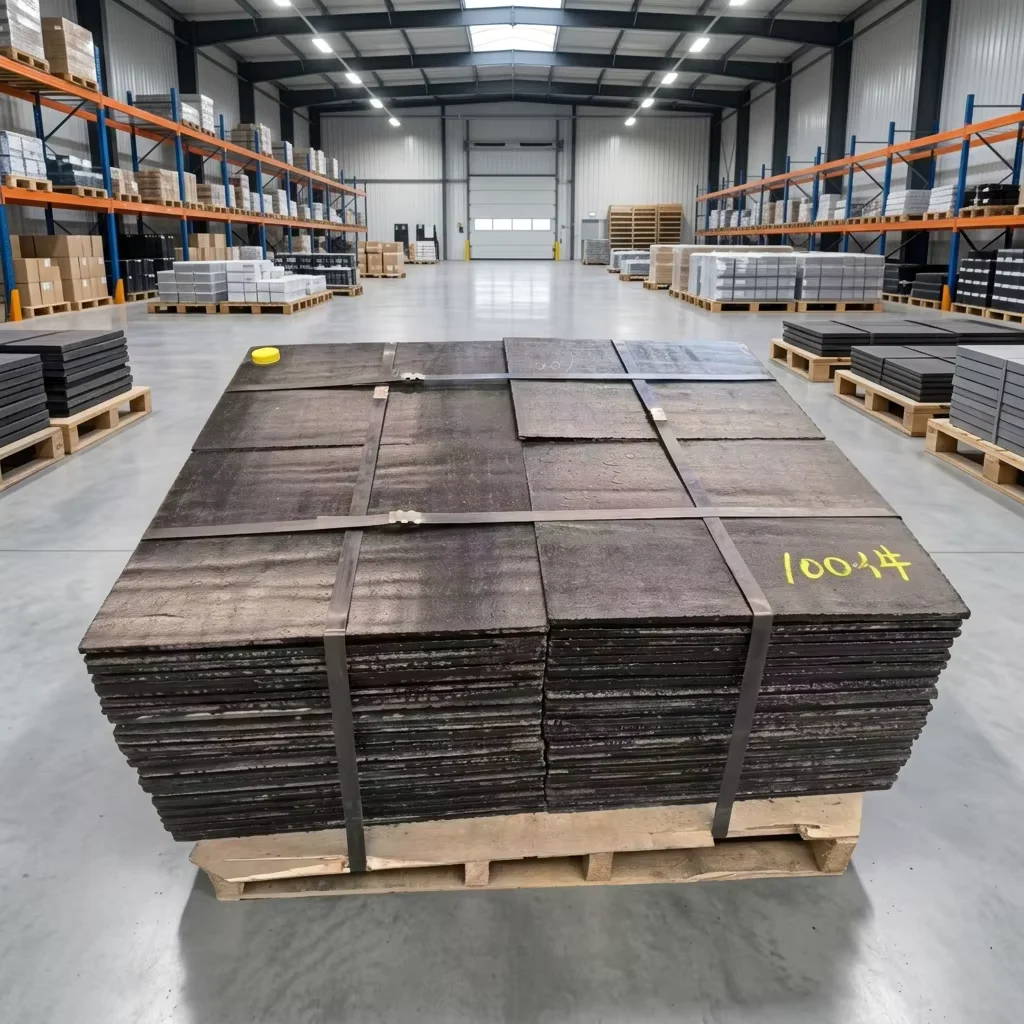
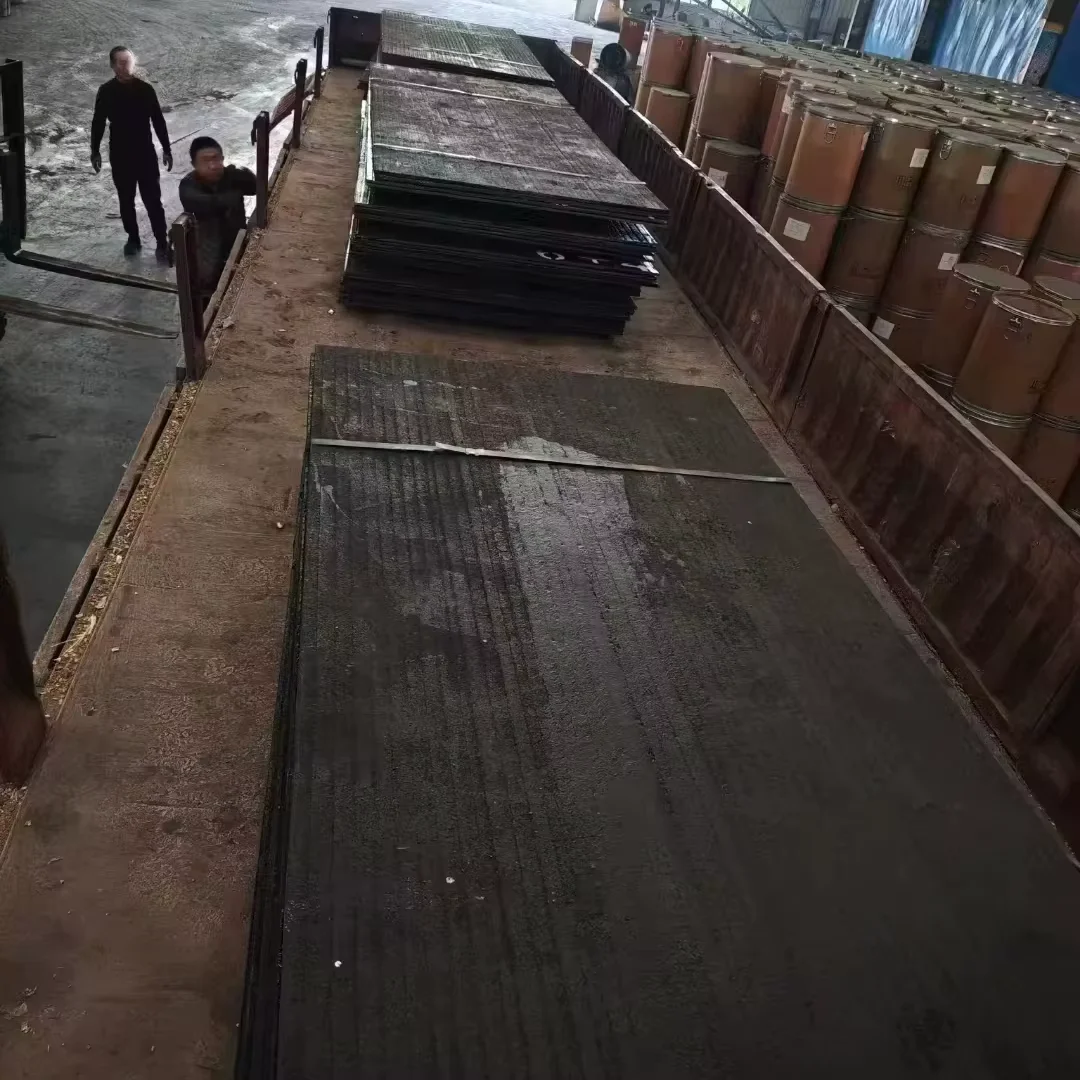
- Hot rolled wear resistant steel plates bundled with steel strips and separated by timber dunnage to prevent surface scratching during transit
- Bent and formed components packed in custom steel frames to protect the DIN-standard geometry from deformation during container loading
- Surface protected with anti-rust oil coating appropriate for hot rolled finish, preserving the mill scale until arrival at your workshop
- Container loading plan optimized for plate dimensions to maximize weight utilization in 20ft and 40ft open-top containers
- Each plate marked with heat number, steel grade, and thickness for on-site identification and traceability verification
- FOB, CIF, and DDP shipping terms available with full export documentation support
Getting Your Quote and Material Verification Started
Send us your project drawings in PDF or DWG format along with the required steel grade, plate dimensions, bending radius, and destination port. We respond within one business day with a detailed quotation covering material, fabrication, coating, packing, and freight — plus a timeline for shop drawing preparation and production.
Request Your Hot Rolled Wear Resistant Steel Plate Quotation
Submit your specifications and drawing files to receive pricing, mill test certificates, and a production schedule within 24 hours.
Company: Shandong Xin Jiyuan Special Steel Tube Co., Ltd
Website: www.xjystructure.com
Tel: +86 531 8573 6315
Mobile/WhatsApp/WeChat: +86 188 5315 7756
Email: admin@xjystructure.com
Address: No.11889, Jingshi West Road, Lulian Group, Jinan City, Shandong Province, China
Frequently Asked Questions
Q: Can you bend the hot rolled wear resistant steel plate to my specified DIN radius without cracking?
A: Yes. Before any bending begins, we verify the actual hardness of the plate against the requested bend radius. If the hardness-to-radius ratio falls outside the safe forming range, we adjust the process parameters or recommend an alternative grade — we do not proceed until the match is confirmed.
Q: Will I receive a mill test certificate for the plates I order?
A: Every order includes a mill test certificate showing the chemical composition and hardness values for the specific heat of steel used. The certificate is traceable to the heat number marked on each plate.
Q: What tolerance can I expect on thickness and dimensions?
A: Our hot rolled wear resistant steel plate is produced to ±1% dimensional tolerance. A full dimensional inspection report is included in the documentation package for every shipment.
Q: Do you handle export documentation for international projects?
A: Yes. We provide complete export documentation including packing list, bill of lading, certificate of origin, and any third-party inspection reports required by your project specification.
Q: Can I request third-party inspection before shipment?
A: Third-party inspection through SGS or BV is available for any order. We coordinate the inspection schedule with your nominated surveyor and provide the report alongside the standard documentation package.