
Custom Steel Structural Components Cutting & Low MOQ Manufacturer
Custom Steel Structural Components Cutting & Low MOQ Manufacturer
Lower minimum order quantities often result in higher total landed costs due to inefficient container utilization.
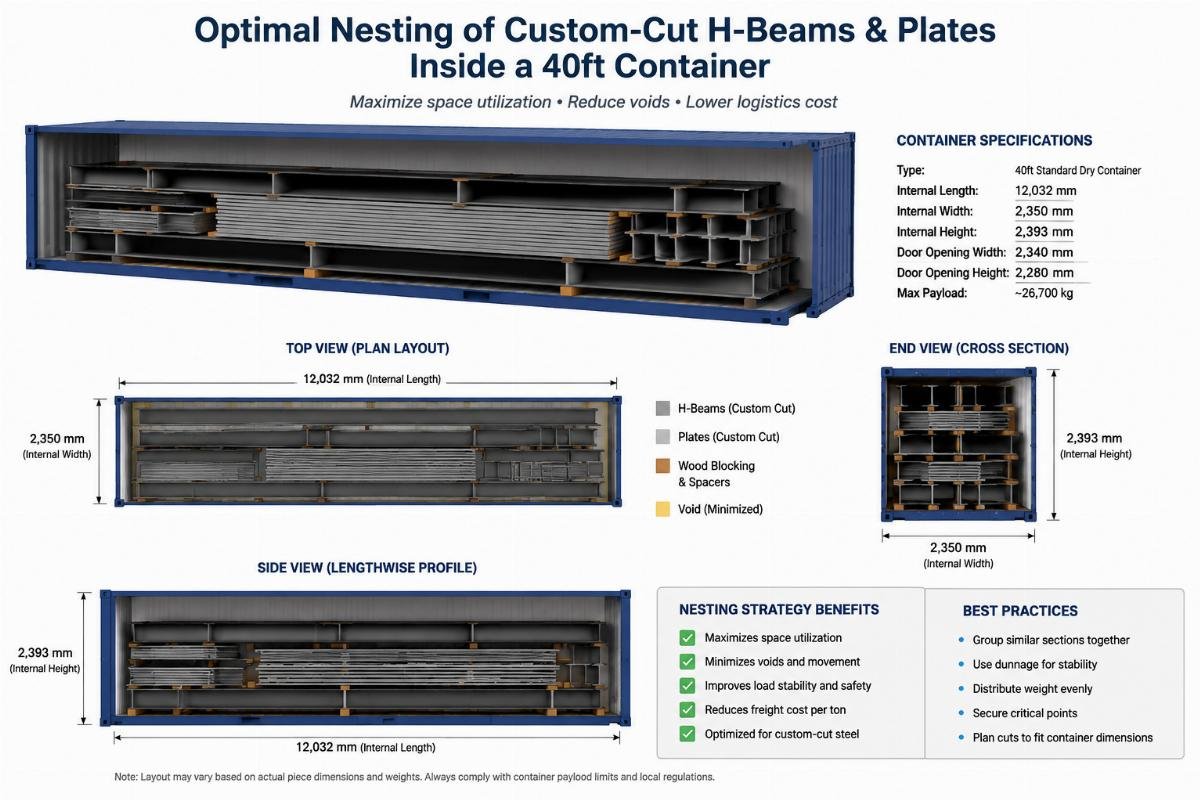
For custom-cut structural steel, the practical minimum order quantity is not defined by a single piece count but by the ability to optimize container loading space. While manufacturers can technically cut single units, economically viable orders must fill a significant portion of a 20ft or 40ft container to offset freight and handling fees. Clear definition of cut lengths, precise HS code classification, and mixed-container consolidation are more critical than simply seeking the lowest possible unit MOQ.
Navigating the procurement of non-standard steel sizes requires a shift in mindset from unit price to total logistics efficiency. In my years managing exports from Jinan to ports across the Middle East and Southeast Asia, I have seen countless shipments delayed or incur excessive demurrage charges not because of production issues, but due to poor planning around customization and documentation. The complexity of Steel Structural Components Custom Cutting MOQ lies in balancing the buyer’s need for specific dimensions with the physical realities of international shipping. [NEED_CITE: impact of container load factor on freight cost per ton]
Understanding this balance is essential for contractors and distributors who want to avoid hidden costs. The following sections break down how customization impacts pricing, shipping, and customs clearance, providing a clear path to securing the right Steel Structural Components Custom Cutting MOQ for your project.
What Are the Real MOQs for Custom-Cut Steel?
The technical ability to cut a single piece does not equate to an economically viable minimum order quantity for export.
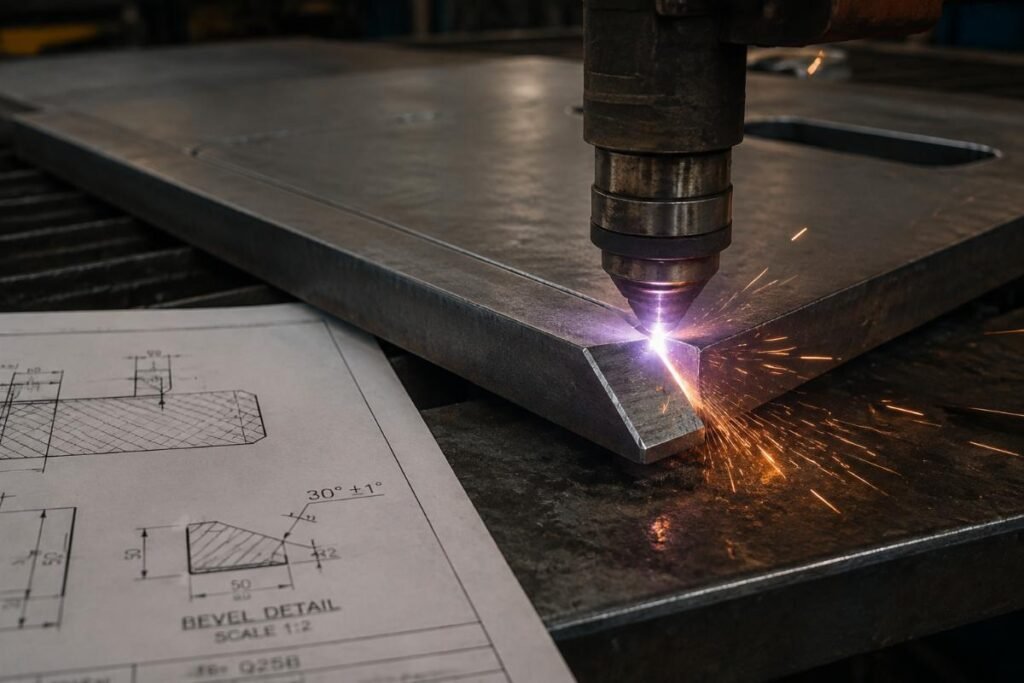
Many buyers assume that if a factory has laser or plasma cutting capabilities, they can order just one beam or plate without penalty. While manufacturers like Xin Jiyuan can accommodate single-piece requests for prototyping or urgent repairs, the cost structure changes dramatically. The setup time for cutting machines, the waste generated from non-optimized nesting, and the administrative overhead of processing a small order mean that the unit price for a single item can be several times higher than bulk rates.
The real constraint is not the machine’s capability but the logistics. A single H-beam cut to a specific length still requires packaging, lifting, and documentation. When these fixed costs are spread over a small volume, the price per ton becomes uncompetitive. Therefore, the effective Steel Structural Components Custom Cutting MOQ is usually determined by the smallest container load that makes financial sense for both parties. [NEED_CITE: standard industry practice for LCL vs FCL cost breakdown]
For example, a fabrication shop in Southeast Asia once requested small-batch custom cutting for a warehouse project. They wanted various lengths of S355JR plates to minimize onsite waste. While the unit price was higher due to the customization fee, the overall project cost decreased because they eliminated significant material scrap. However, this only worked because they consolidated multiple orders into a full container. If they had shipped each batch via Less than Container Load (LCL), the freight and handling charges would have erased any savings from reduced waste.
Key factors influencing the practical MOQ include:
- Cutting Complexity: Simple straight cuts are faster and cheaper than complex shapes or beveling.
- Material Grade: Common grades like Q235B or S235JR are easier to source in bulk, allowing for smaller custom batches. Rare grades may require larger minimum melts or purchases.
- Packaging Requirements: Custom cuts often need extra protection to prevent damage during transit, adding to the base cost.
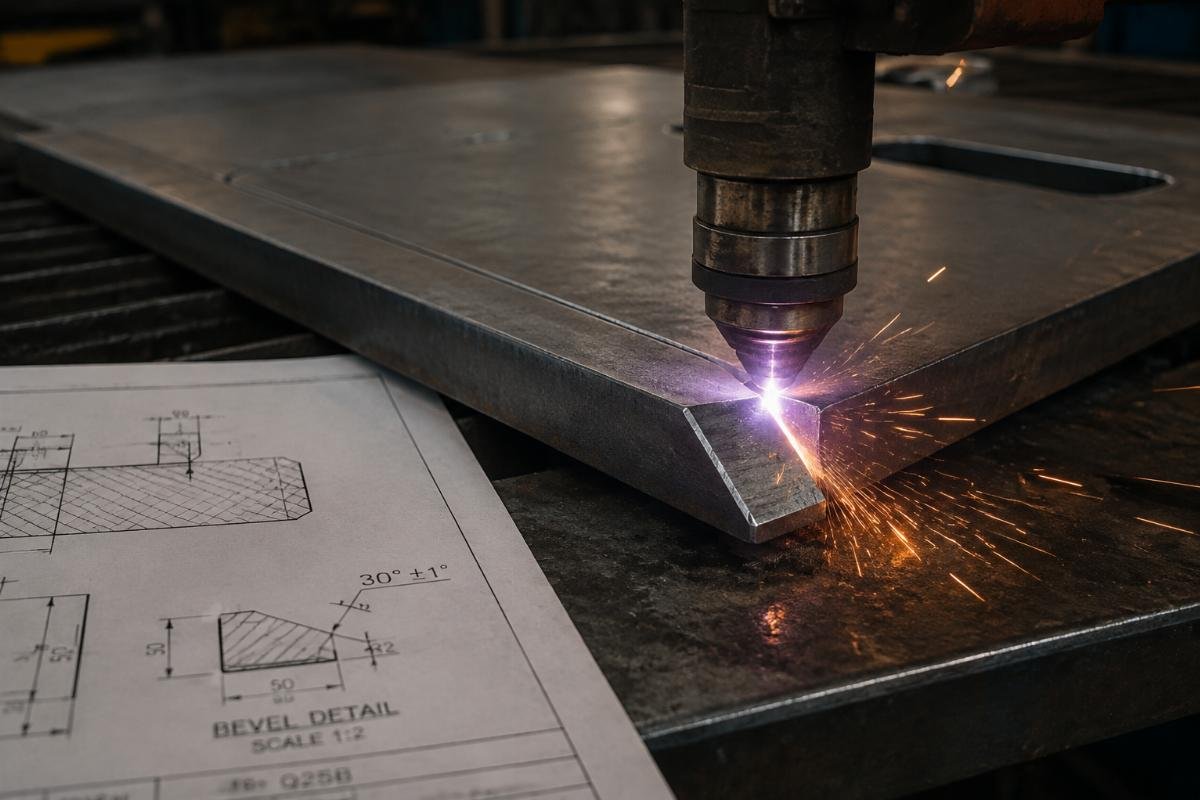
To negotiate a better Steel Structural Components Custom Cutting MOQ, buyers should provide detailed cutting lists early in the process. This allows the manufacturer to nest the cuts efficiently, reducing waste and potentially lowering the minimum volume required to make the order viable.
How Does Custom Cutting Impact Shipping Costs?
Optimizing cut lengths to maximize container density is more effective for reducing landed cost than negotiating a lower unit price.
A common misconception is that custom cutting is merely a service fee added to the material cost. In reality, it fundamentally alters the logistics profile of the shipment. Standard stock lengths are often designed to fit containers easily, but custom lengths can lead to significant void spaces if not planned correctly. These voids represent paid-for but unused freight capacity, effectively increasing the cost per ton of the delivered steel.
When dealing with Steel Structural Components Custom Cutting MOQ, it is crucial to consider the “loadability” of the items. For instance, long H-beams may need to be cut to specific lengths to fit within a 40ft high-cube container without exceeding weight limits or causing stacking issues. Mixed-container consolidation, where different types of steel components are packed together, can significantly improve utilization. [NEED_CITE: logistics industry reports on container utilization rates for structural steel]
Consider a project in the Middle East where a contractor needed both H-beams and steel plates. By coordinating with the manufacturer to cut the beams to lengths that allowed plates to be stacked in the remaining gaps, they achieved a much higher container fill rate compared to shipping them separately. This approach reduced the overall freight cost noticeably, even though the custom cutting added a small premium to the material price.
Strategies to optimize shipping for custom cuts include:
- Pre-loading Simulation: Using software to model how custom pieces will fit in a container before production begins.
- Standardizing Cut Lengths: Where possible, aligning custom lengths with standard container dimensions to avoid awkward gaps.
- Mixed Loads: Combining heavy items like beams with lighter items like plates or angles to maximize both weight and volume limits.
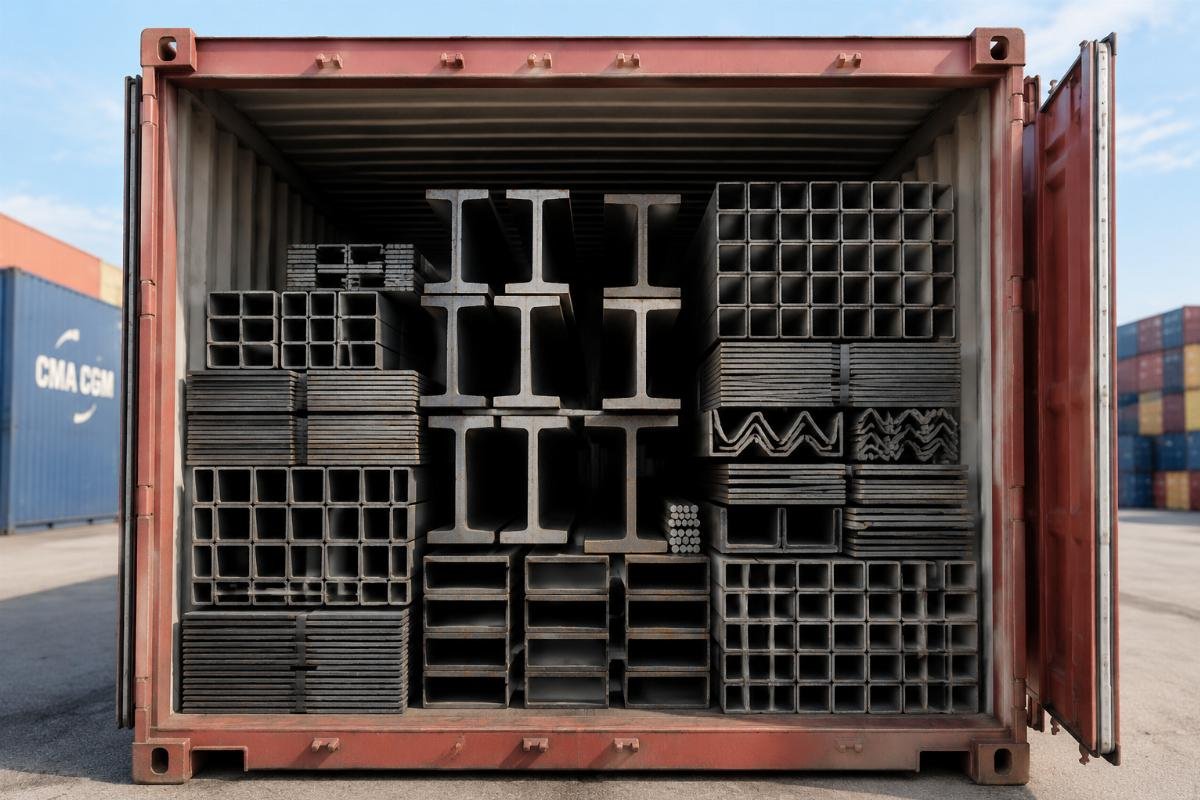
Buyers should request pre-loading simulations from their supplier. This service, offered by experienced manufacturers, helps visualize the final pack and identify potential issues before the steel is even cut. This proactive step ensures that the Steel Structural Components Custom Cutting MOQ is aligned with efficient shipping practices, preventing unexpected freight surcharges.
Why Do Customs Delays Happen with Structural Steel?
Incorrect HS code classification is the primary cause of customs detention for custom-cut steel imports.
Customs authorities distinguish between raw steel materials and manufactured components. A standard hot-rolled H-beam might fall under one HS code, but if it is cut to specific lengths, drilled, or beveled for immediate assembly, it may be classified as a “machined component” or “structural part.” This distinction is critical because duty rates and inspection requirements can differ significantly.
Many delays occur because buyers declare custom-cut steel using the HS code for raw material, leading to discrepancies during inspection. In one notable case, a shipment of Q345B H-beams cut to precise lengths for a bridge project was held at Jebel Ali port for over a week. The customs officers argued that the precision cutting and end-preparation constituted further manufacturing, requiring a different classification. The resulting demurrage and storage fees consumed a large portion of the project’s contingency budget. [NEED_CITE: general customs regulations regarding further processing of steel products]
To avoid such issues, it is essential to agree on the HS code with the supplier before shipment. The description on the commercial invoice, packing list, and bill of lading must match exactly. Vague terms like “steel parts” should be avoided in favor of specific descriptions like “custom-cut S355JR H-beams for structural framework.”
Common pitfalls in customs documentation include:
- Mismatched Descriptions: The invoice says “beams,” but the packing list says “components.”
- Missing Certifications: Failure to include EN10210 or EN10219 compliance certificates when required by the destination country.
- Undeclared Surface Treatment: Not specifying if the steel is galvanized, painted, or black, which can affect duty calculations.
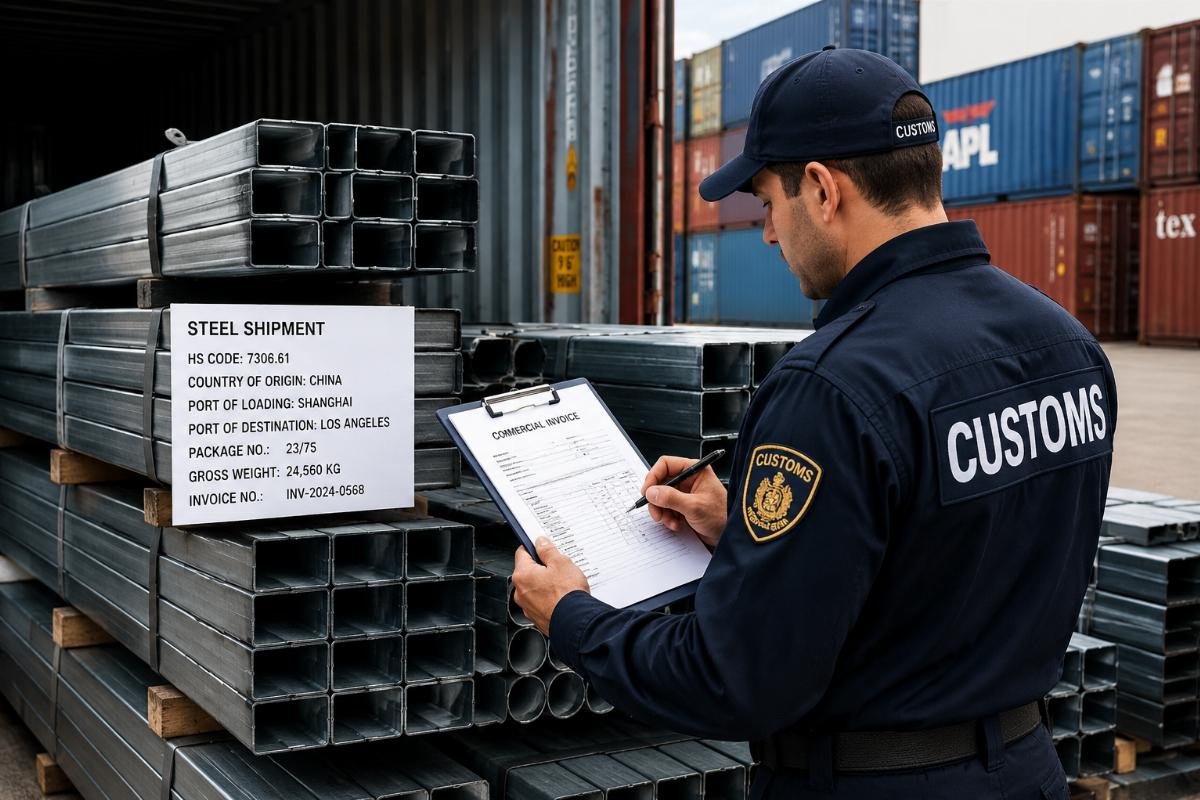
Ensuring that the Steel Structural Components Custom Cutting MOQ order includes complete and accurate documentation is as important as the physical quality of the steel. Buyers should verify that their supplier understands the specific import requirements of their country to prevent costly delays.
What Documents Ensure Smooth Clearance?
Mill Test Certificates and detailed packing lists are non-negotiable for clearing custom-cut steel through customs.
Beyond the correct HS code, the supporting documentation must prove the material’s compliance with international standards and its exact specifications. For structural steel, the Mill Test Certificate (MTC) is the primary document verifying chemical composition and mechanical properties. Without an MTC that matches the heat numbers on the steel, customs may reject the shipment or require expensive third-party testing.
For European and many other markets, compliance with EN10210 or EN10219 standards is mandatory. The MTC must explicitly state conformity to these standards. Additionally, a Certificate of Origin may be required to claim preferential duty rates under free trade agreements. [NEED_CITE: requirements for EN10210 certification in structural steel imports]
The packing list is equally critical for custom orders. Since each piece may have unique dimensions, the packing list must detail the length, weight, and quantity of each bundle. This level of detail helps customs officers verify the cargo quickly and assists the receiver in unpacking and inventory management. A vague packing list can lead to prolonged inspections as officers struggle to reconcile the physical cargo with the paperwork.
Essential documents for every shipment include:
- Commercial Invoice: With clear description, HS code, and value.
- Packing List: Detailed breakdown of bundles, including individual piece dimensions for custom cuts.
- Mill Test Certificate (MTC): Showing chemical and mechanical test results, linked to heat numbers.
- Certificate of Origin: If applicable for duty reduction.
- Insurance Certificate: To cover potential damage during transit.
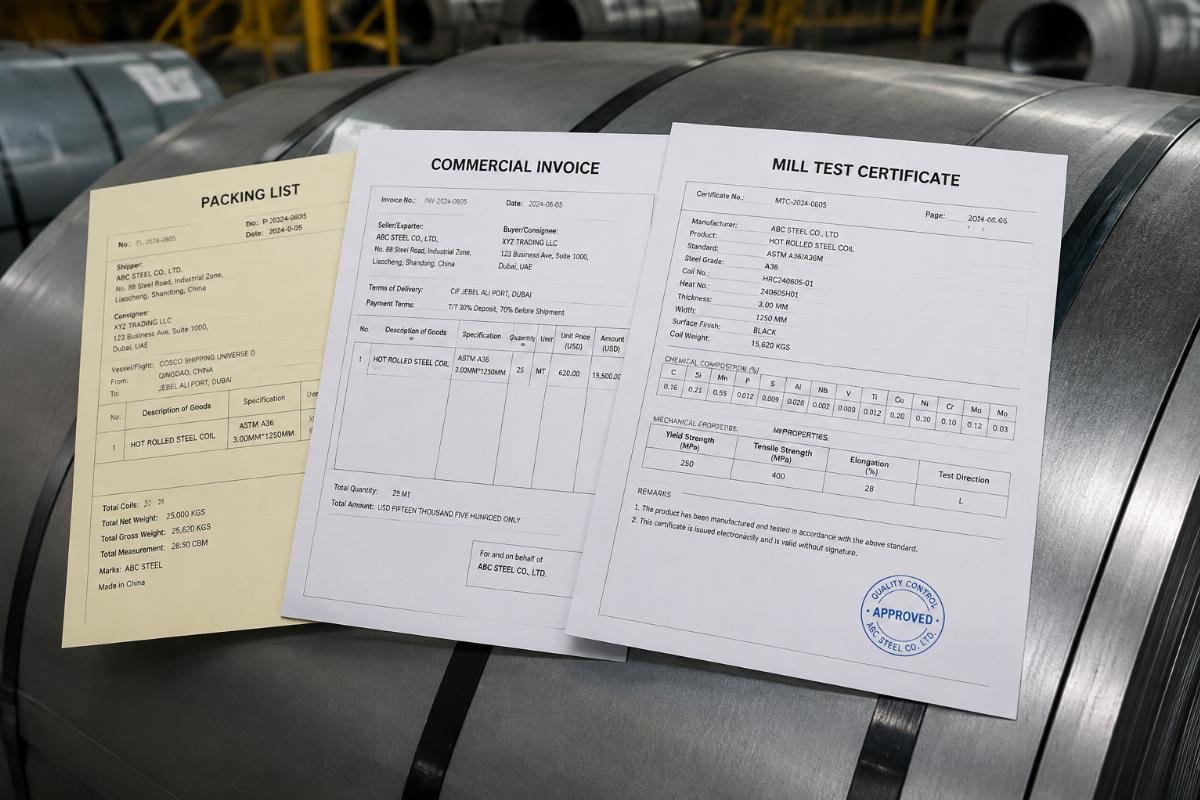
By ensuring these documents are prepared accurately and in advance, buyers can streamline the clearance process. This attention to detail complements the careful negotiation of Steel Structural Components Custom Cutting MOQ, ensuring that the goods arrive not only on time but also without regulatory hurdles.
Conclusion
Successful procurement of custom-cut steel relies on logistical optimization rather than just unit price negotiation.
Focusing solely on finding the lowest Steel Structural Components Custom Cutting MOQ can lead to higher total costs through inefficient shipping and customs delays. By prioritizing container utilization, accurate HS code classification, and comprehensive documentation, buyers can secure a smoother and more cost-effective supply chain. Experienced manufacturers play a key role in this process by offering technical support on cutting optimization and ensuring compliance with international standards.
Tags
Share this article

Written by
author
Editor covering global sourcing, supplier verification, and industrial product knowledge. Content is compiled from manufacturer specifications, industry standards, and hands-on experience with international B2B buyers. Every article is fact-checked before publishing to help procurement professionals make informed decisions.
View all posts →Keep Reading
Related Articles
August 12, 2026
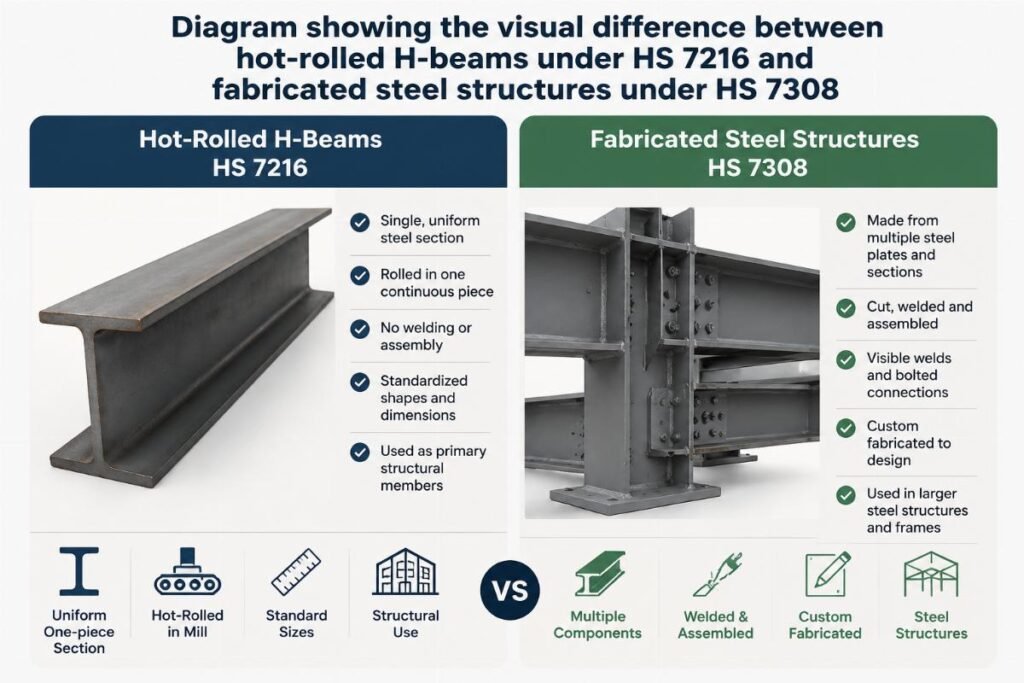
S355JR Steel Beam HS Code for MENA Import Buyers Wholesale
Avoid costly customs delays with the correct Steel Beam HS Code for MENA imports. Distinguish between hot-rolled profiles under heading...
Read article →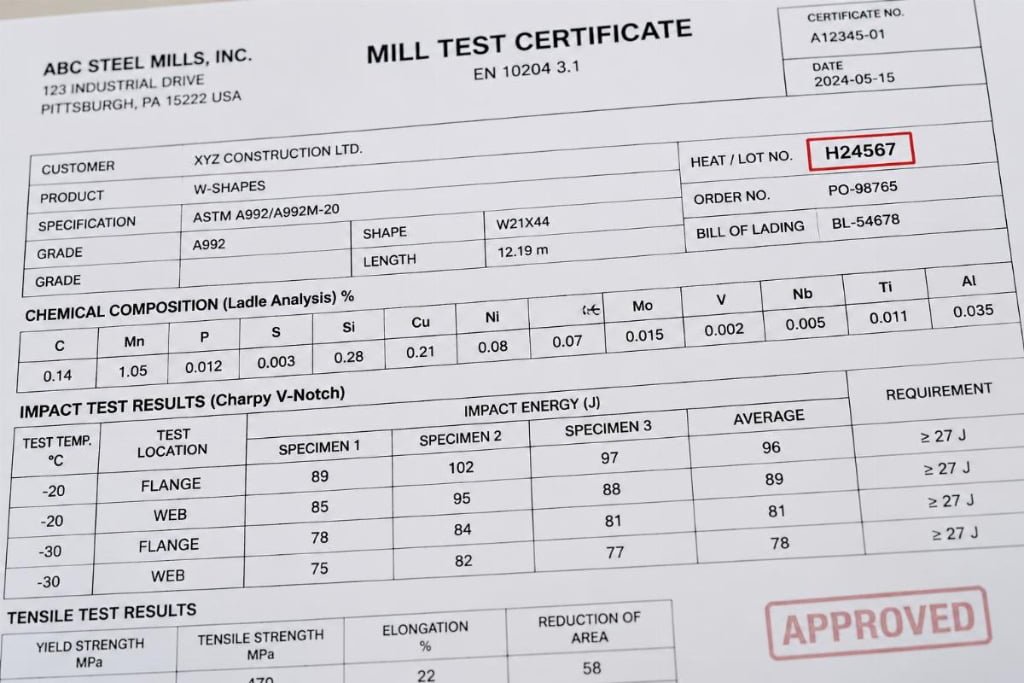
August 12, 2026
EN Standard Structural Steel Beam Mill Certificate Wholesale Supplier
Ensure your Mill Certificate Standards for Structural Steel Beam Export meet EN 10204 Type 3.1 requirements to avoid costly customs...
Read article →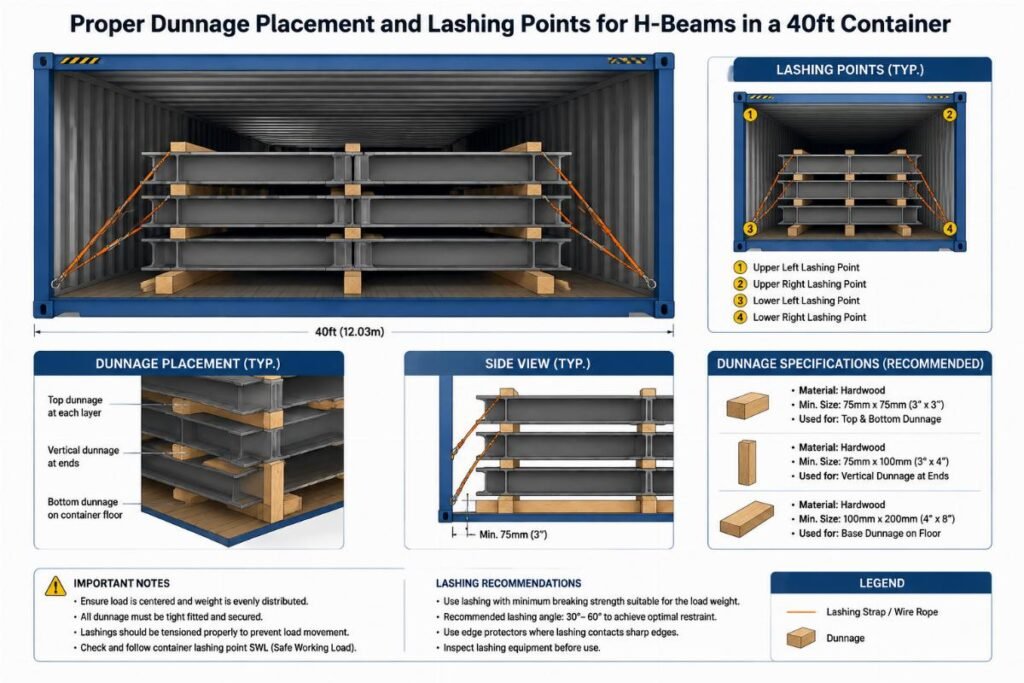
August 11, 2026
EN S355JR Steel Beam Container Loading Config for FCL Buyers
A professional steel beam container loading plan prioritizes structural stability over raw volume to prevent transit deformation. Learn optimal 40ft...
Read article →Discussion