
EN S355JR Steel Beam Container Loading Config for FCL Buyers
EN S355JR Steel Beam Container Loading Config for FCL Buyers
Maximizing container volume is the fastest way to destroy structural steel integrity.
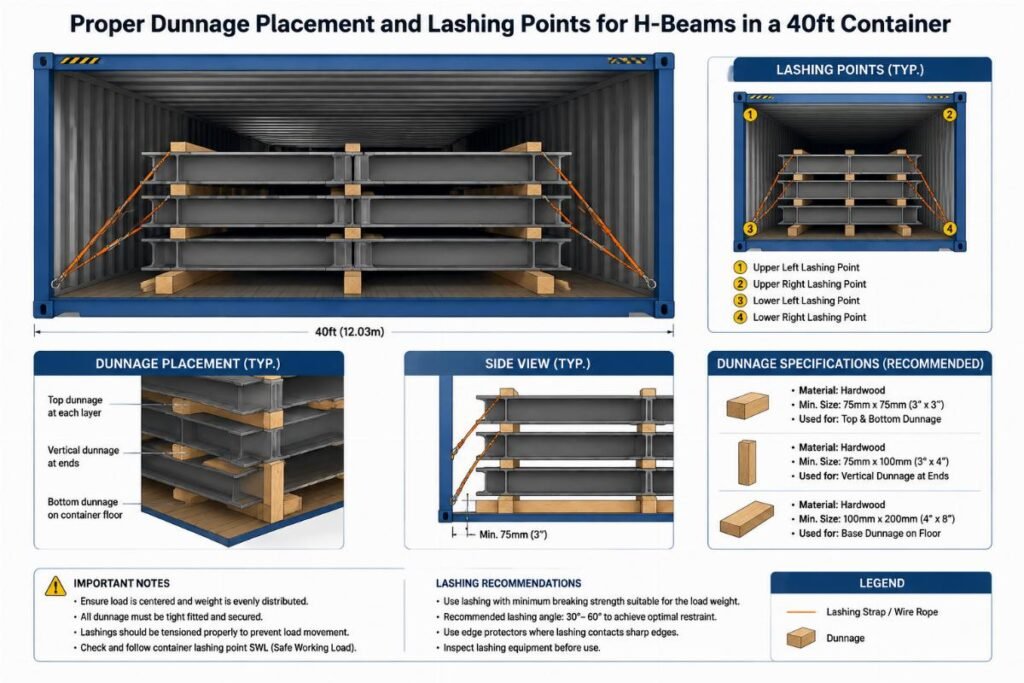
A professional steel beam container loading plan prioritizes structural stability and transit safety over raw volumetric efficiency. Proper configuration prevents deformation, ensures fork-lift accessibility at the destination port, and avoids costly rework by adhering to EN-standard precision in dunnage placement and weight distribution.
Walking through a congested port terminal in Hamburg, I once watched a stevedore struggle with a 40ft high cube container that had arrived from Asia. The doors opened to reveal a chaotic jumble of H-beams. Three heavy HEB300 sections had shifted during transit, wedging themselves against the container walls and blocking any access for forklift tines. The receiver, a project manager for a mid-sized infrastructure firm, didn’t yell. He simply recorded a video, sent it to his supplier, and typed one sentence: “Your loading plan is not a plan.” That moment clarified a critical distinction often missed in international trade. European buyers do not just purchase steel; they purchase the certainty that the material will arrive in a state ready for immediate fabrication. When tolerances are measured in millimeters, the logistics strategy must be equally precise. [NEED_CITE: common causes of steel damage during maritime transport]
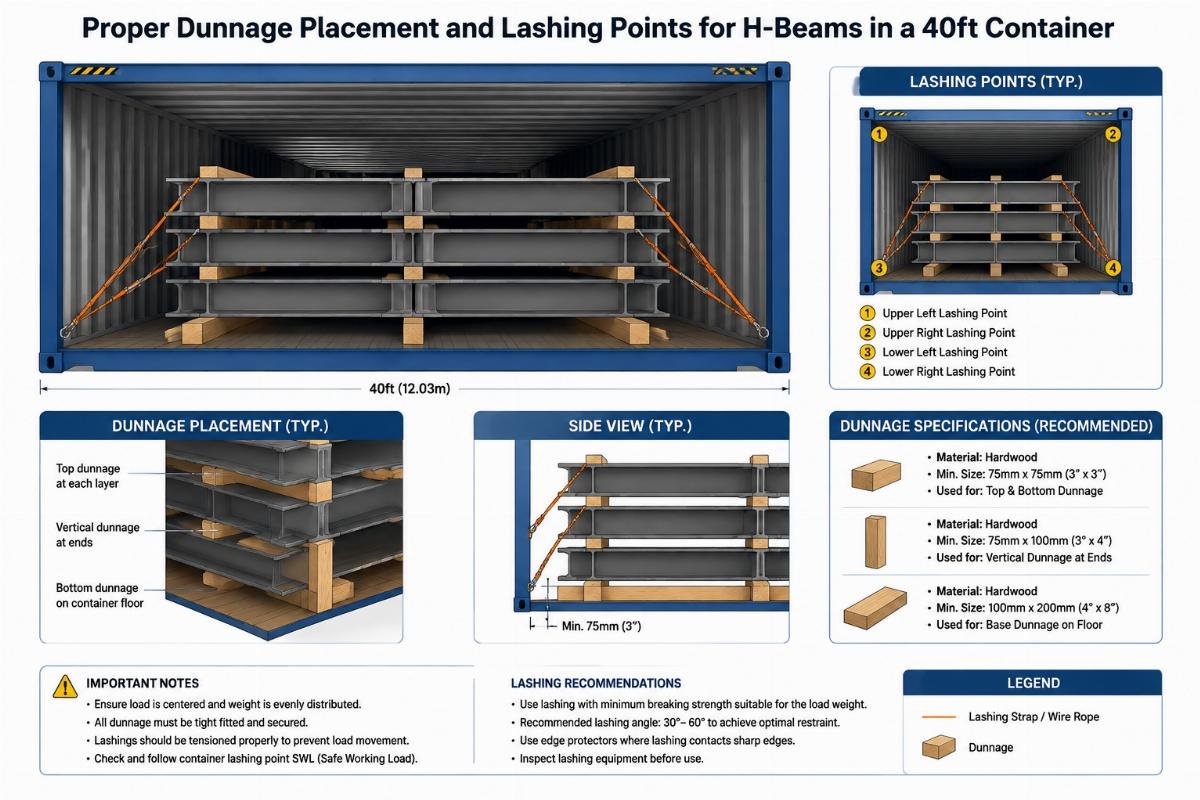
The difference between a successful delivery and a logistical nightmare often lies in the details of the steel beam container loading plan. It is not merely about fitting as many tons as possible into a box. It is about engineering the load to withstand the dynamic forces of ocean freight while maintaining the geometric integrity of the product.
Why Do Standard Loading Plans Fail?
Most loading failures stem from a fundamental misunderstanding of how steel behaves under dynamic stress. Buyers often assume that standard wooden pallets or simple stacking are sufficient for heavy structural sections. In reality, steel-to-steel contact points require specific intervention to prevent slippage and surface damage.
A common pitfall is the neglect of internal bracing for long-span beams. Without adequate support, the weight of the upper layers can cause permanent deformation in the lower layers, especially when the container experiences vertical acceleration during rough seas. This is not a theoretical risk. A German infrastructure client once received a shipment of H-beams that appeared intact from the outside. However, upon closer inspection, the flanges of the bottom-layer beams had bowed inward due to uneven pressure points. The cost of straightening these beams exceeded the savings achieved by maximizing the container load. [NEED_CITE: structural integrity standards for transported steel beams]
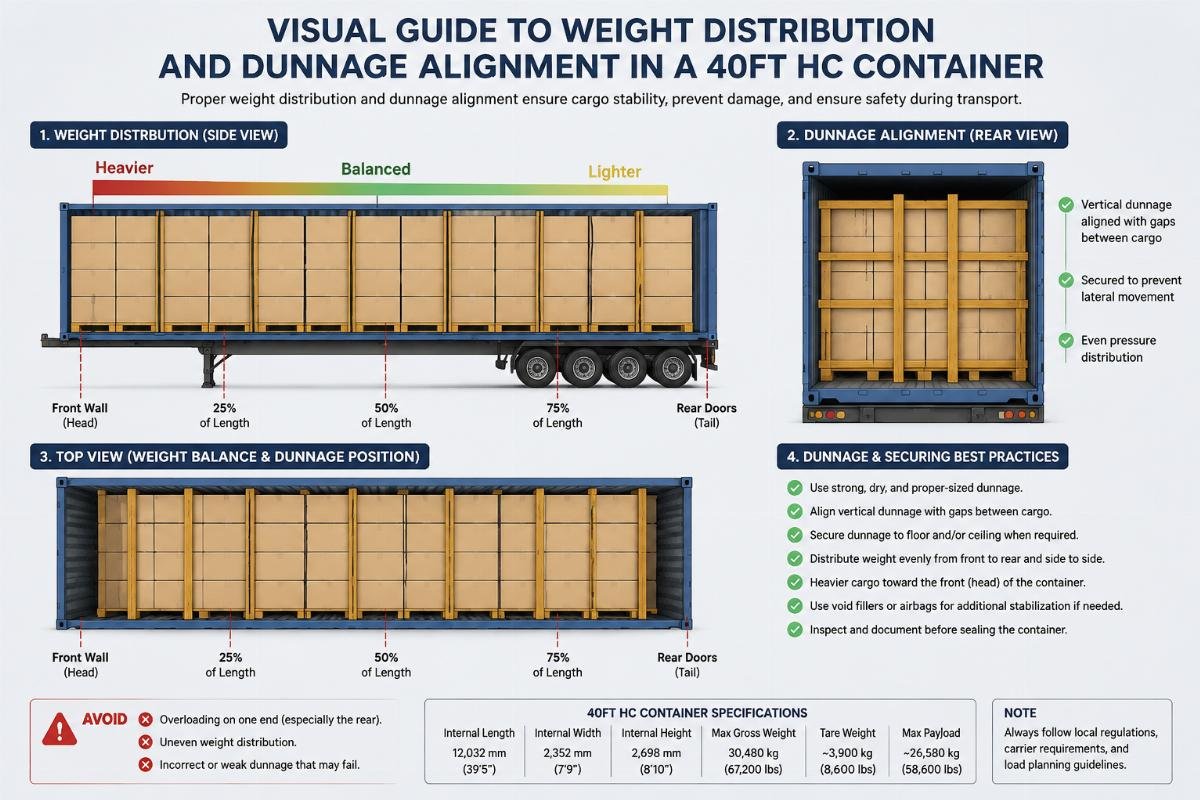
Another frequent error is ignoring the center of gravity. Uneven weight distribution does not just risk damaging the steel; it can cause the entire container to tilt within the ship’s hold or jam against port handling equipment. This leads to delays, additional handling fees, and potential safety hazards for dockworkers. A robust steel beam container loading plan accounts for these dynamic forces by ensuring that the heaviest and longest items form a stable base, with lighter and shorter sections stacked above.
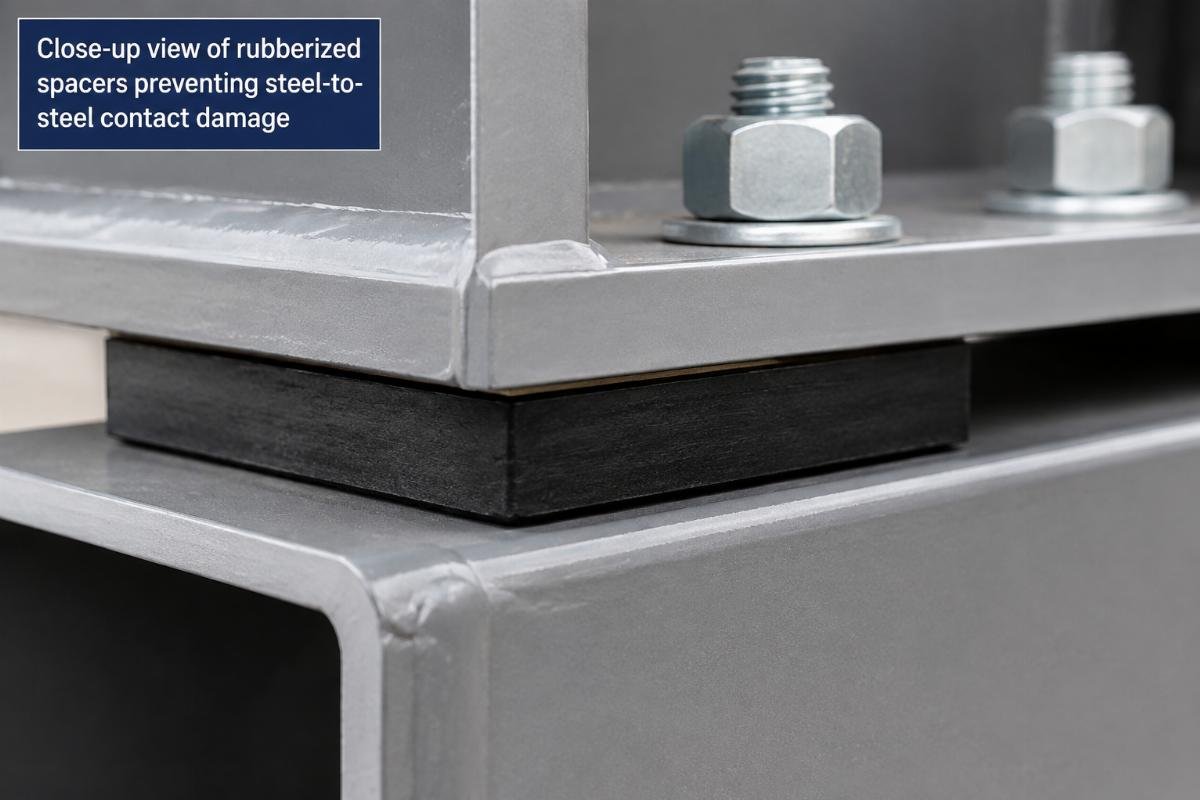
Furthermore, many suppliers overlook the importance of friction control. Standard timber dunnage can shift if not properly secured or if the wood moisture content is too high. Using rubberized mats or specialized timber spacers at contact points significantly reduces the risk of lateral movement. This attention to detail transforms a basic loading job into a secure transit solution.
How to Calculate Optimal Beam Configuration for 40ft HC?
Calculating the optimal configuration for a 40ft high cube container requires balancing linear meters with weight limits. It is a mathematical exercise that must respect physical constraints. The goal is to achieve high load density without compromising the structural safety of the beams or the container itself.
The first step is to categorize the beams by length and weight. Heavy, long beams must always be placed on the bottom layer. This creates a solid foundation that distributes weight evenly across the container floor. Lighter and shorter beams can be stacked on top, but they must be supported by dunnage that aligns vertically with the supports below. Misaligned dunnage creates point loads that can bend or twist the beams.
| Configuration Factor | Risk Level | Mitigation Strategy |
|---|---|---|
| Mixed Lengths in Same Layer | High | Separate by length; use filler dunnage for gaps |
| Top-Heavy Stacking | Critical | Place heaviest sections at the bottom |
| Insufficient Dunnage Width | Medium | Use wide timber or steel sleepers to distribute load |
| No Edge Protection | High | Apply corner protectors to prevent lashing damage |
For beams exceeding six meters in length, special attention must be paid to dunnage spacing. The general rule is to provide support at regular intervals to prevent sagging. However, the exact spacing depends on the beam’s section modulus and weight. [NEED_CITE: engineering guidelines for dunnage spacing in long-span steel transport]
In practice, this means that a steel beam container loading plan is not a one-size-fits-all template. It must be customized for each shipment. For example, when dealing with mixed-size beams for a warehouse project in the Middle East, the loading sequence was adjusted to ensure that the weight distribution ratio remained balanced from front to back. This prevented the container from becoming nose-heavy or tail-heavy, which can complicate lifting operations at the port.
Manufacturers with experience in custom-cutting beams can further optimize this process. By adjusting the cut lengths slightly to fit specific container configurations, it is possible to reduce waste and improve load density. This level of coordination between production and logistics ensures that every cubic meter of the container is used efficiently without sacrificing safety.
What Are the Critical Securing Methods for Structural Steel?
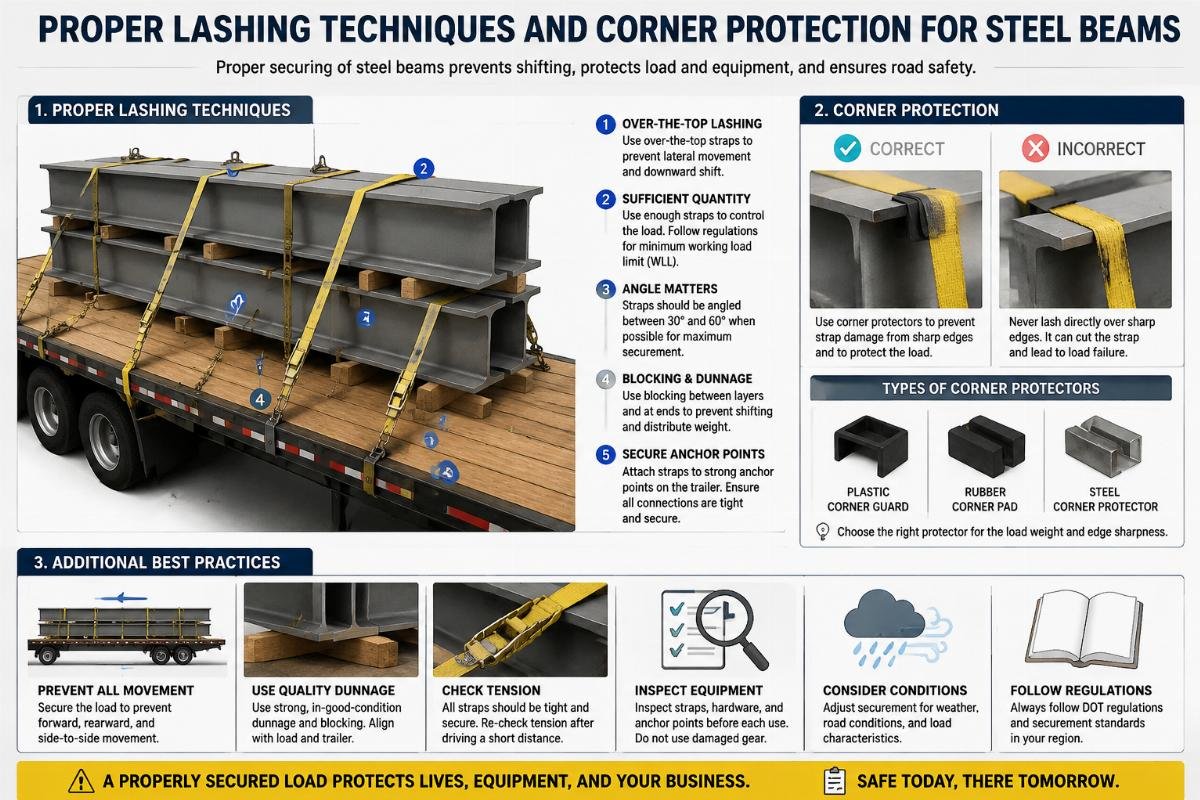
Securing structural steel within a container is as important as the stacking configuration. Even a perfectly stacked load can shift if not properly lashed and blocked. The methods used must comply with international transport standards to ensure safety and liability coverage.
Dunnage is the first line of defense. It serves to separate the steel from the container walls and floor, preventing corrosion and damage. It also provides a framework for lashing. Timber dunnage is common, but it must be dry and free of defects. In some cases, steel sleepers are used for heavier loads, but they require careful handling to avoid damaging the beam surfaces.
Lashing is the second critical component. Steel straps or chains are used to tie the load down to the container’s lashing points. The tension must be sufficient to prevent movement but not so high that it deforms the beams. Corner protectors are essential where lashes contact the steel edges to prevent cutting or indentation. [NEED_CITE: EN transport standards for lashing requirements]
Blocking involves using timber or other materials to fill gaps between the load and the container walls. This prevents lateral movement during transit. For H-beams, blocking is particularly important because their shape can allow them to roll or shift if not constrained. A well-executed steel beam container loading plan includes detailed instructions for blocking positions based on the specific beam profiles.
| Securing Method | Application | Key Consideration |
|---|---|---|
| Timber Dunnage | Base separation and layer spacing | Must be dry and structurally sound |
| Steel Straps | Vertical securing of layers | Use edge protectors to prevent damage |
| Timber Blocking | Lateral restraint against walls | Fill all significant gaps to prevent shifting |
| Rubber Mats | Friction enhancement | Place at contact points for smooth surfaces |
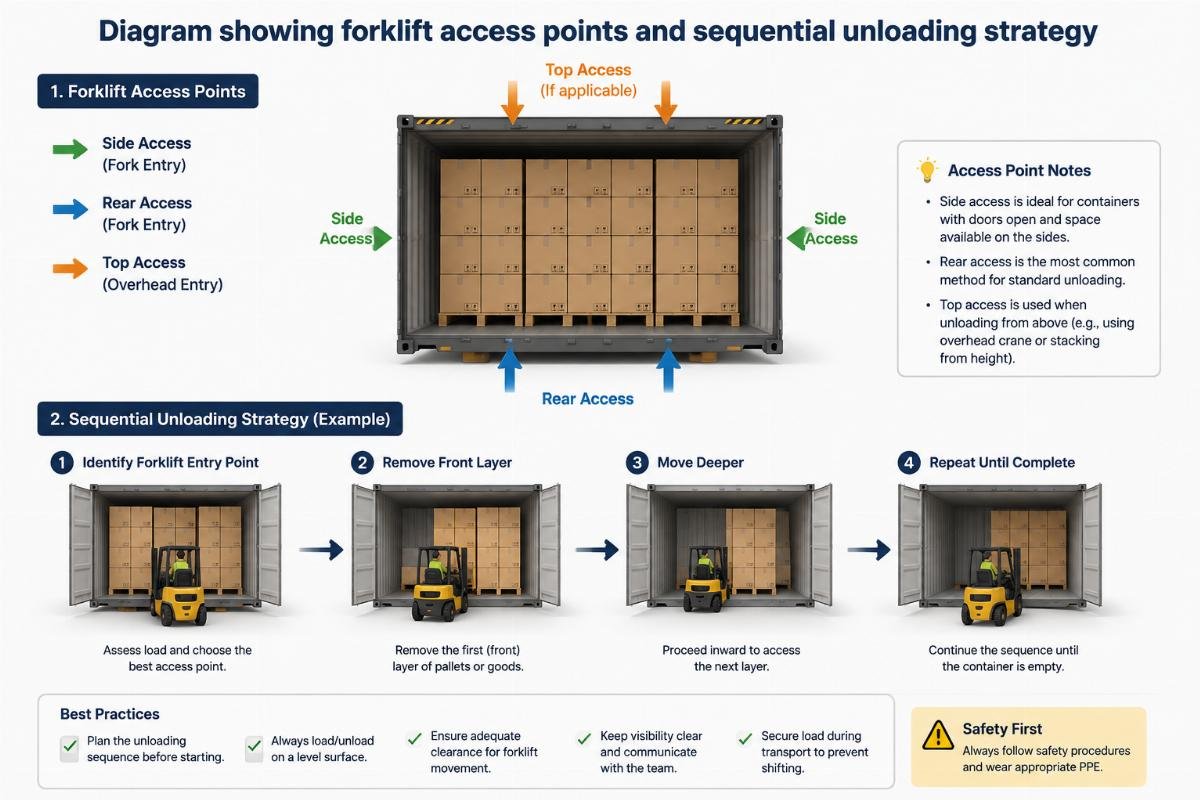
A Southeast Asian fabricator once faced significant delays because poor stacking blocked forklift access. The beams were loaded in a way that required unloading the entire container to reach the ones needed first. By adopting a “last-in, first-out” logic in the loading sequence, future shipments were optimized for efficient unloading. This simple change saved hours of labor and reduced the risk of damage during handling.
How to Ensure Unloading Efficiency at Destination?
The end goal of any loading plan is not just safe arrival, but efficient unloading. A load that is secure but inaccessible is a burden to the receiver. Planning for unloading efficiency requires thinking backward from the moment the container doors open at the destination.
Forklift accessibility is the primary concern. Beams should be stacked in a way that allows forklift tines to enter easily and lift individual bundles or sections without disturbing the rest of the load. This often means leaving strategic gaps or using specific stacking patterns that create natural entry points.
Sequential unloading is another key factor. If the recipient needs specific beams for immediate use, those items should be loaded last so they are accessible first. This “last-in, first-out” approach minimizes handling time and reduces the risk of damage from moving unnecessary items. [NEED_CITE: best practices for container unloading efficiency]
Communication with the receiver is also vital. Providing a detailed loading diagram along with the shipping documents allows the receiving team to prepare the necessary equipment and labor. This transparency builds trust and demonstrates a professional approach to logistics.
A professional steel beam container loading plan thus serves as a bridge between the manufacturer and the end-user. It ensures that the product arrives not only undamaged but also ready for immediate integration into the construction process. This level of service distinguishes a commodity supplier from a strategic partner.
Conclusion
Effective loading is a silent guarantee of quality.
A meticulously crafted steel beam container loading plan protects the investment in structural steel by preventing deformation, ensuring safety, and facilitating efficient unloading. It transforms logistics from a cost center into a value-added service that reinforces the reliability of the supply chain.
Tags
Share this article

Written by
author
Editor covering global sourcing, supplier verification, and industrial product knowledge. Content is compiled from manufacturer specifications, industry standards, and hands-on experience with international B2B buyers. Every article is fact-checked before publishing to help procurement professionals make informed decisions.
View all posts →Keep Reading
Related Articles
August 12, 2026
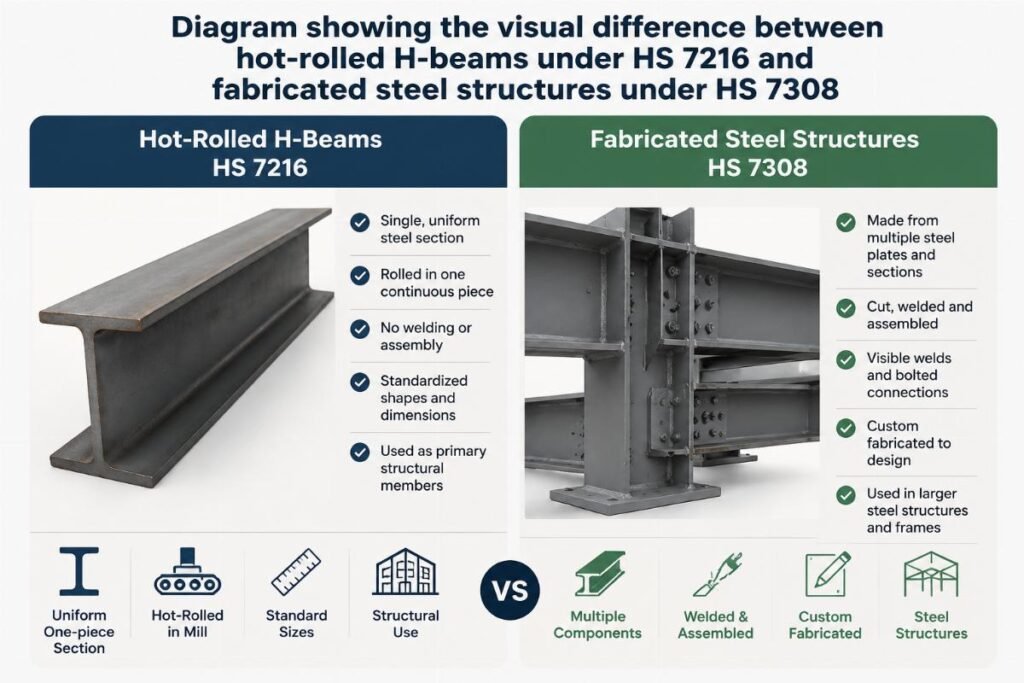
S355JR Steel Beam HS Code for MENA Import Buyers Wholesale
Avoid costly customs delays with the correct Steel Beam HS Code for MENA imports. Distinguish between hot-rolled profiles under heading...
Read article →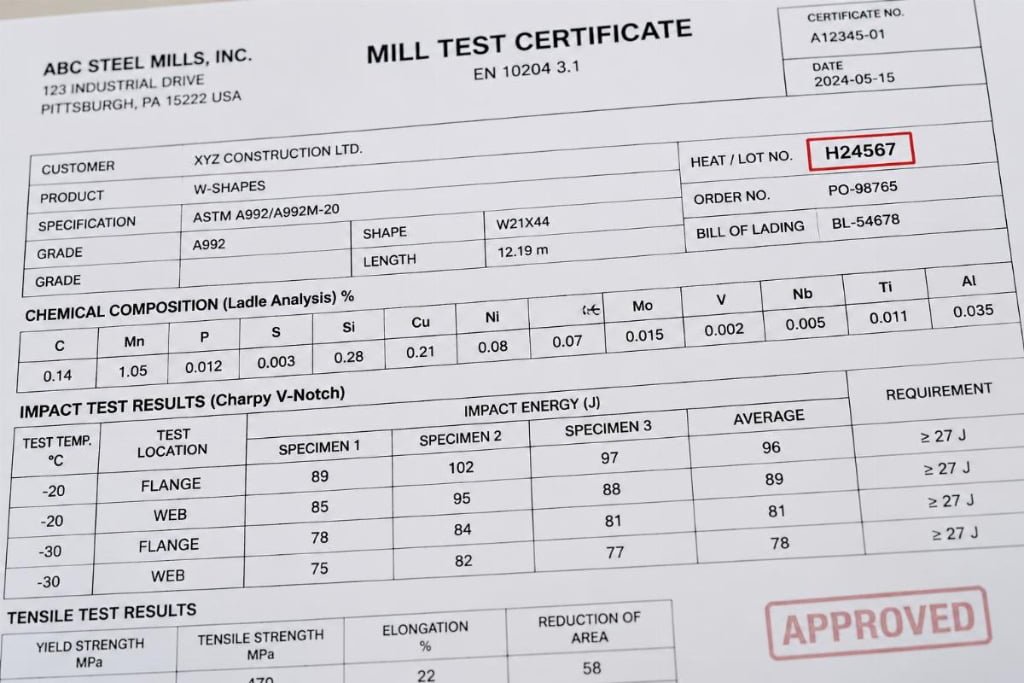
August 12, 2026
EN Standard Structural Steel Beam Mill Certificate Wholesale Supplier
Ensure your Mill Certificate Standards for Structural Steel Beam Export meet EN 10204 Type 3.1 requirements to avoid costly customs...
Read article →
August 11, 2026
Custom Steel Structural Components Cutting & Low MOQ Manufacturer
Navigate the complexities of Steel Structural Components Custom Cutting MOQ by prioritizing container utilization over unit price. Learn how mixed-container...
Read article →Discussion