
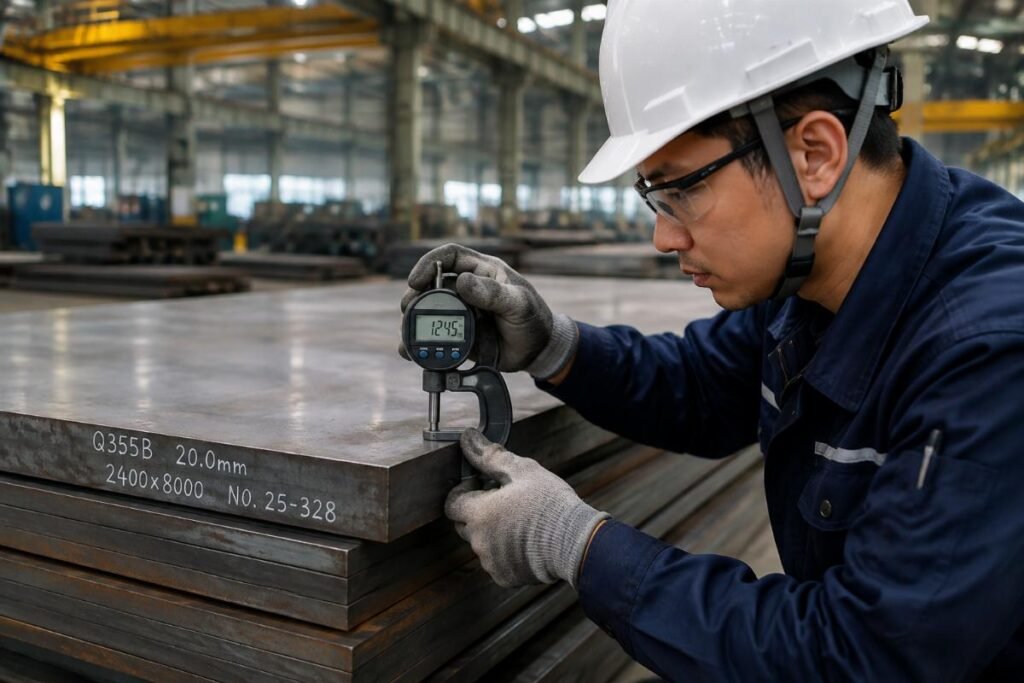
EN10219 S355JR Prefab Steel Structure Supplier Wholesale
S355JR is not a universal grade for all climates.
To source prefabricated steel structures successfully, buyers must prioritize the distinction between cold-formed (EN10219) and hot-finished (EN10210) certifications over unit price, ensuring Mill Test Certificates match the specific impact toughness requirements of the destination climate to prevent customs rejection and structural failure.
I still remember the silence on the phone line when a procurement manager from Dubai called me. His container of rectangular hollow sections had been sitting at the port for two weeks. The issue was not the steel quality itself, but the paperwork. The Mill Test Certificates listed EN10210 standards, while the physical goods were clearly cold-formed tubes requiring EN10219 certification. The customs officers flagged the discrepancy immediately. That delay cost his project more in demurrage fees than the entire value of the steel shipment. This incident reshaped how I approach every inquiry. It is not enough to simply order “structural steel.” One must understand the mechanical nuances embedded in the standard codes. [NEED_CITE: differences in mechanical properties between cold-formed and hot-finished steel tubes]
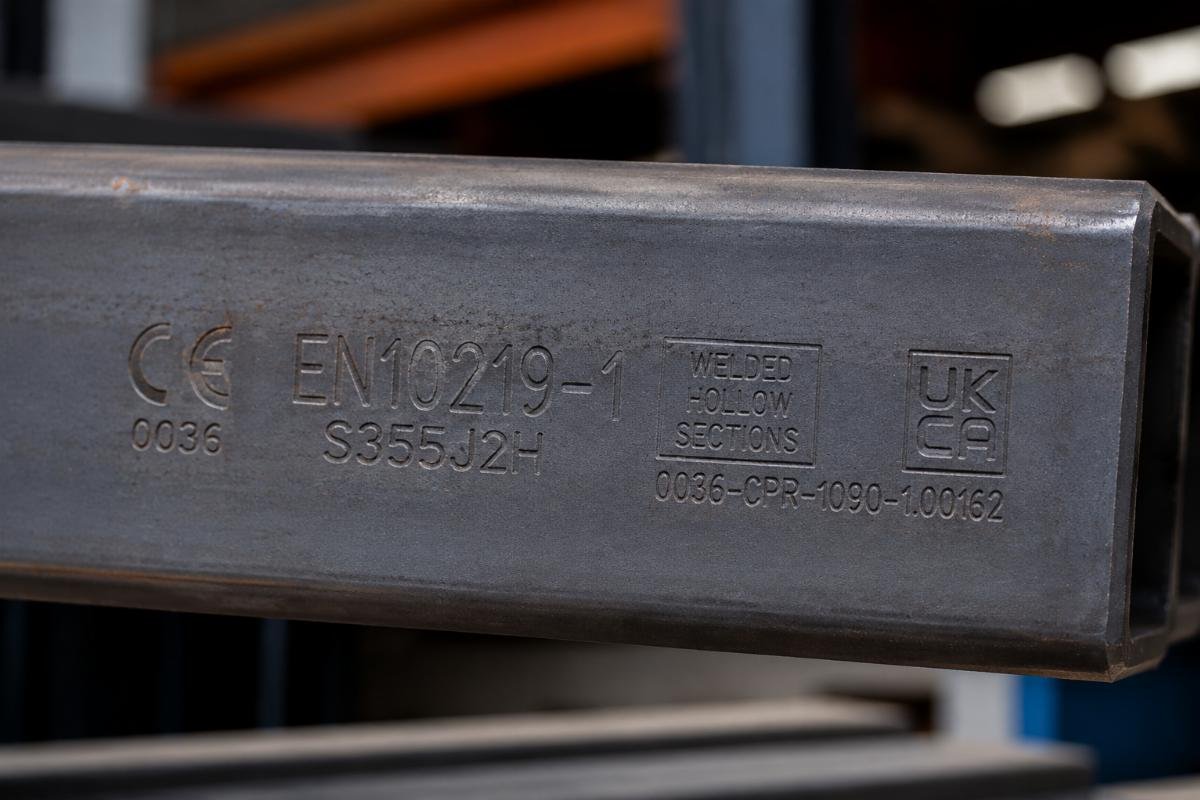
Understanding these technicalities transforms a buyer from a passive purchaser into a knowledgeable partner. When you engage with a Prefabricated Steel Structure Sourcing Guide, you are looking for more than just a price list. You are seeking a verification framework that ensures the steel arriving at your site matches the engineering drawings down to the micron level of surface treatment and the specific joule rating of impact resistance.
Why Do Standard Certifications Matter for Steel Structures?
Misclassifying steel production methods leads to immediate customs bottlenecks and potential structural liabilities.
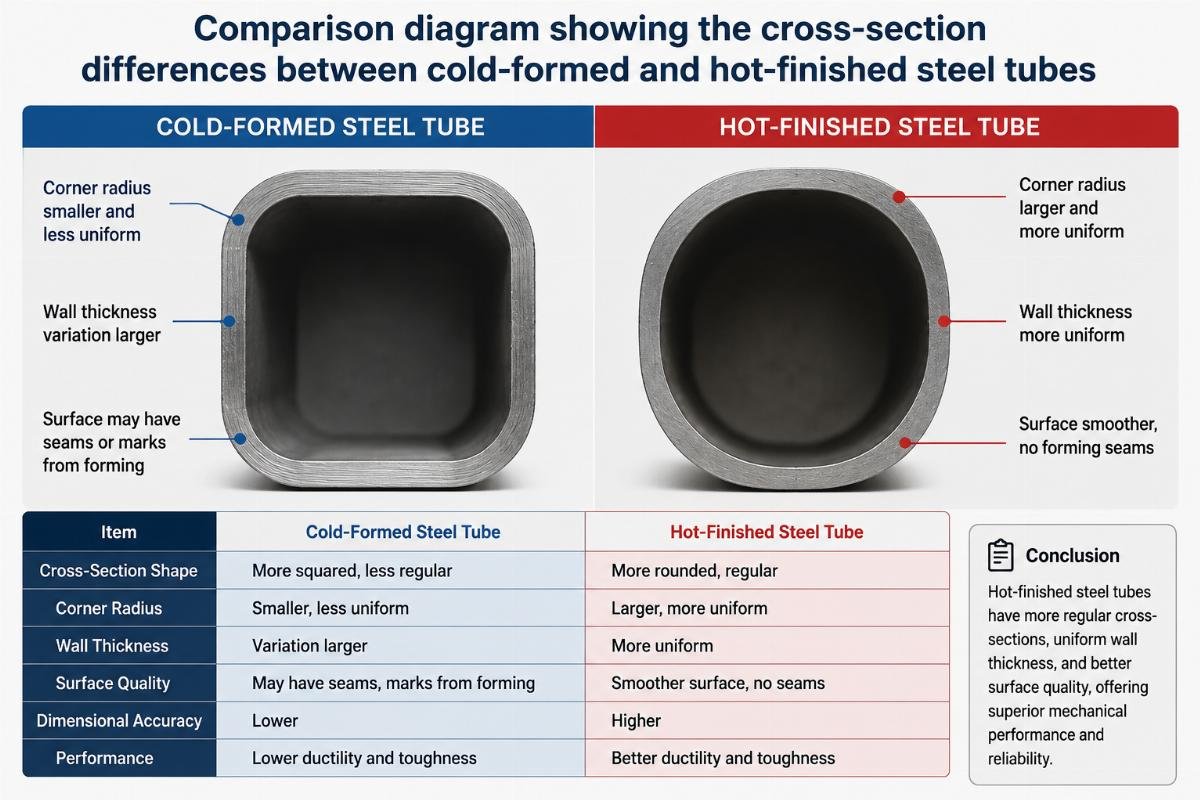
The confusion between EN10219 and EN10210 is pervasive among first-time importers. Both standards cover structural hollow sections, but the manufacturing process dictates the mechanical behavior of the final product. EN10219 applies to cold-formed welded structural hollow sections. The steel is formed at room temperature, which increases yield strength through work hardening but reduces ductility in the corner radii. EN10210 covers hot-finished welded structural hollow sections, where the forming occurs at high temperatures, resulting in more uniform mechanical properties throughout the cross-section. [NEED_CITE: European standard classification for structural hollow sections]
When a buyer requests S355JR material without specifying the formation method, suppliers may quote based on available stock, which often leads to mismatched documentation. In many emerging markets, customs authorities strictly enforce the alignment between the declared HS code, the physical product, and the accompanying Mill Test Certificate (MTC). A mismatch here does not just cause delays; it can lead to the seizure of goods or forced re-exportation.
| Feature | EN10219 (Cold-Formed) | EN10210 (Hot-Finished) |
|---|---|---|
| Formation Process | Room temperature forming | High temperature forming |
| Corner Radius | Smaller, tighter radii | Larger, rounded radii |
| Yield Strength | Increased due to work hardening | Uniform across section |
| Ductility | Reduced in corner areas | Consistent throughout |
| Typical Application | Light structural frames, trusses | Heavy load-bearing columns |
| Certification Focus | Dimensional tolerance, weld integrity | Thermal history, grain structure |
A contractor in Southeast Asia once ordered what he thought were standard columns for a warehouse. He received cold-formed tubes certified under EN10219, but his engineering firm had designed the connections assuming the ductility profile of hot-finished EN10210 steel. The result was a costly redesign of the welding procedures on-site. By clarifying the standard early in the sourcing phase, such errors are entirely avoidable. A reliable Prefabricated Steel Structure Sourcing Guide always starts with this fundamental classification.
How to Choose the Right Steel Grade (S235 vs. S355)?
The suffix letters in steel grades dictate survival in extreme weather, not just load-bearing capacity.
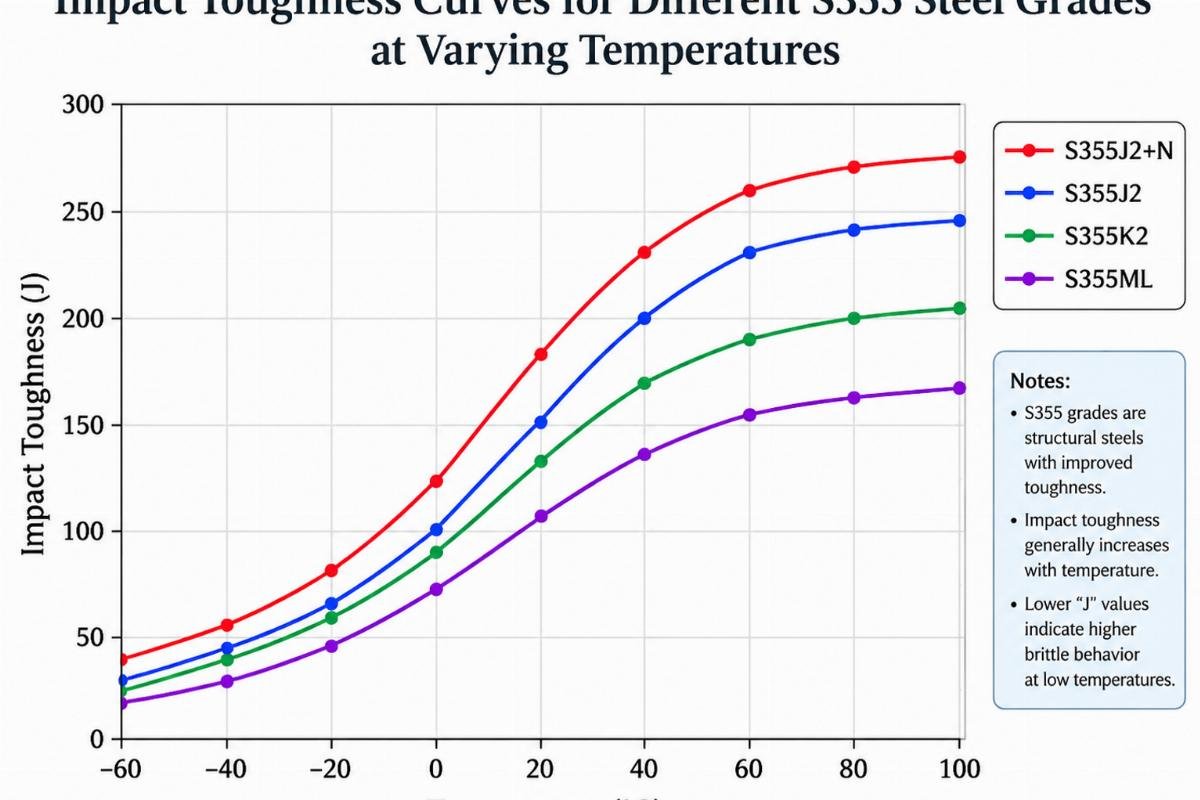
Most buyers focus on the number in S235 or S355, which indicates the minimum yield strength in MPa. However, the letters following the number—JR, J0, J2—are far more critical for international projects. These suffixes define the Charpy V-notch impact test temperature, which measures the steel’s toughness and resistance to brittle fracture. [NEED_CITE: Charpy V-notch impact testing requirements for structural steel]
S355JR is tested at room temperature (20°C). It is suitable for indoor structures or mild climates. S355J0 is tested at 0°C, making it appropriate for regions with cold winters. S355J2 is tested at -20°C, essential for projects in Northern Europe, Canada, or high-altitude regions where temperatures drop significantly. Using S355JR in a sub-zero environment invites catastrophic failure, as the steel can become brittle and snap under load rather than bending.
I recall a project in Russia where the initial specification called for S355JR due to budget constraints. During the technical review, we highlighted the risk of brittle fracture during the winter months. The client upgraded to S355J2. While the material cost increased slightly, the assurance of structural integrity in freezing conditions was non-negotiable. This decision reflects the core advice found in any comprehensive Prefabricated Steel Structure Sourcing Guide: match the grade to the climate, not just the budget.
| Grade | Yield Strength (MPa) | Impact Test Temperature | Suitability |
|---|---|---|---|
| S235JR | 235 | +20°C | Indoor, mild climates |
| S355JR | 355 | +20°C | General construction, temperate zones |
| S355J0 | 355 | 0°C | Cold climates, outdoor structures |
| S355J2 | 355 | -20°C | Severe cold, high-altitude projects |
Selecting the correct grade also affects weldability. Higher strength steels like S355 require more precise pre-heating and controlled cooling rates during welding to prevent cracking in the heat-affected zone. Suppliers who provide detailed welding procedure specifications alongside their MTCs add significant value to the procurement process.
What Are the Hidden Costs in Prefab Steel Sourcing?
Surface treatment and custom fabrication tolerances often outweigh the base material price.
The sticker price of steel per ton is only part of the equation. Hidden costs emerge in surface preparation, dimensional tolerances, and logistics optimization. For projects in tropical or coastal environments, corrosion protection is paramount. Standard shot blasting to Sa 2.5 cleanliness is often insufficient if the paint system is not specified correctly. The micron level of the zinc coating in galvanizing or the thickness of the epoxy primer must be defined in the purchase order. [NEED_CITE: ISO standards for surface preparation and paint adhesion]
Custom size fabrication is another area where costs can spiral if not managed properly. Standard stock sizes are readily available, but non-standard cuts require additional processing time and setup charges. However, ordering standard sizes and cutting them locally often results in higher waste and labor costs. A supplier with flexible production lines can offer custom-cut H-beams and plates that fit together perfectly on-site, reducing assembly time and material waste.
A warehouse project in Africa required non-standard H-beam lengths to minimize on-site splicing. By coordinating directly with the manufacturer’s cutting team, we optimized the nesting layout on the raw plates, reducing scrap material by a noticeable margin. This efficiency offset the custom fabrication fee, resulting in a lower total project cost. This level of coordination is a key feature of a effective Prefabricated Steel Structure Sourcing Guide.
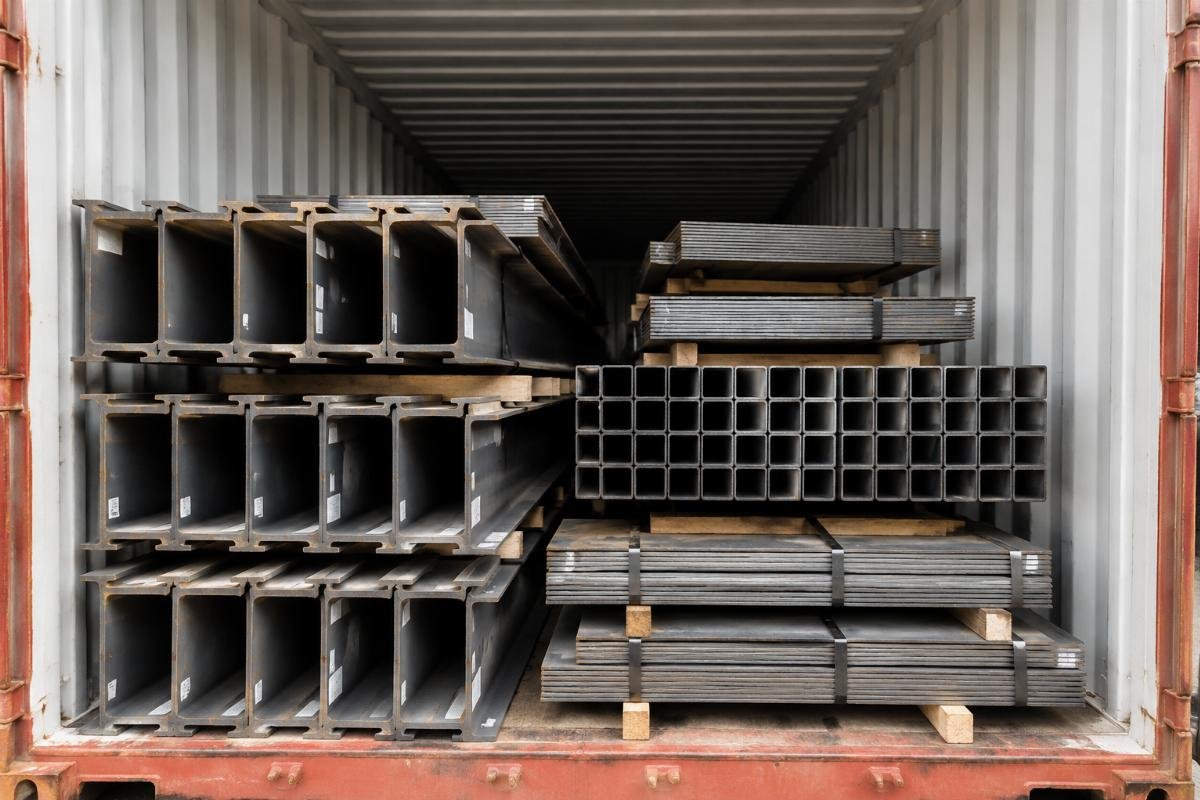
Logistics also play a crucial role. Steel is heavy and dense. Optimizing container loads requires precise calculation of weight distribution and volume. Mixed containers with plates, beams, and hollow sections need careful planning to maximize space utilization without exceeding weight limits. Suppliers who offer consolidation services help buyers reduce freight costs per ton significantly.
How to Verify Supplier Quality Before Shipment?
Mill Test Certificates must be cross-referenced with physical markings and third-party inspections.
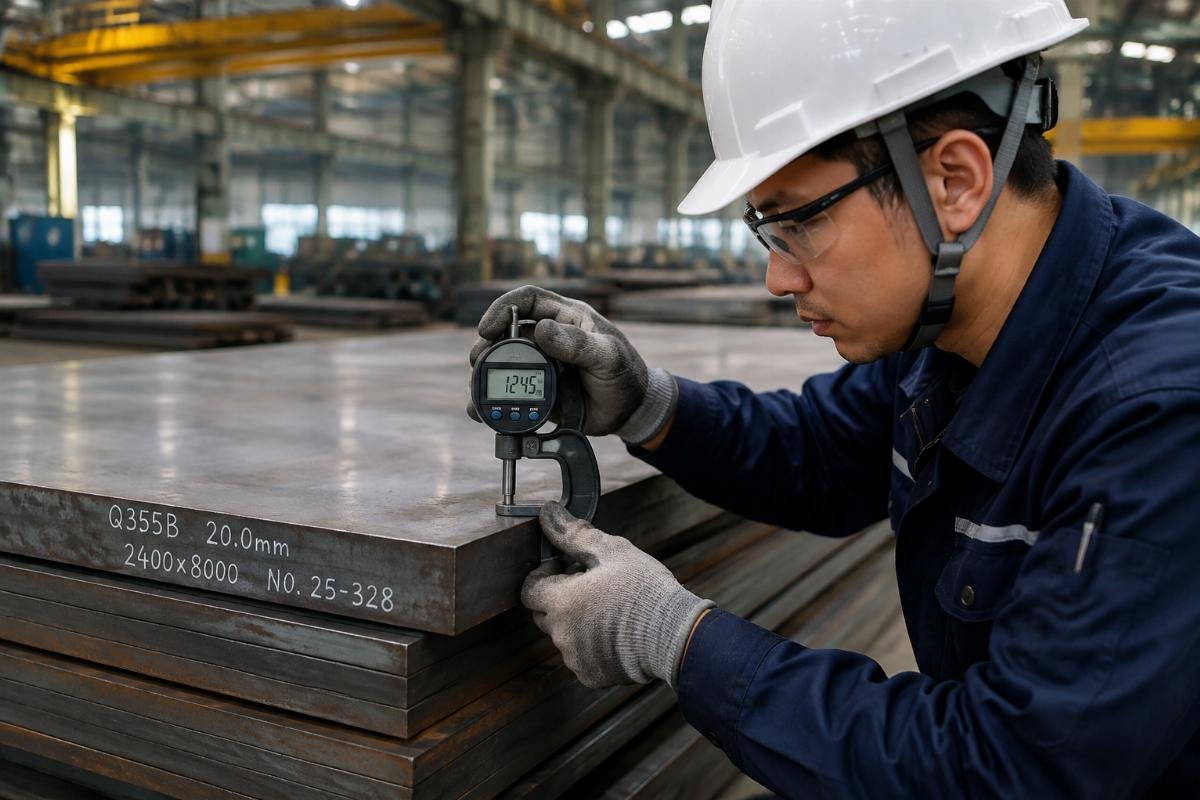
Trust but verify is the mantra of international steel trading. A Mill Test Certificate (MTC) is a legal document that traces the chemical composition and mechanical properties of the steel back to the original heat number. However, paper can be forged. The real verification happens on the factory floor. Buyers should request photos or video calls to witness the marking process, where the heat number is stamped onto each piece of steel. [NEED_CITE: importance of heat number traceability in steel supply chains]
Third-party inspection agencies like SGS or Bureau Veritas provide an additional layer of security. They can verify dimensional tolerances, surface quality, and packaging before the goods leave the factory. For critical projects, witnessing the impact tests and tensile strength tests in the supplier’s laboratory offers undeniable proof of quality. A supplier with an in-house laboratory and accredited testing equipment demonstrates a commitment to quality control that goes beyond mere compliance.
In my experience, suppliers who welcome third-party inspections are usually the most confident in their product quality. They understand that transparency builds long-term relationships. Conversely, hesitation or excuses regarding inspection access should raise immediate red flags. A robust Prefabricated Steel Structure Sourcing Guide emphasizes the necessity of these verification steps.
| Verification Step | Method | Purpose |
|---|---|---|
| MTC Review | Check heat numbers, chemical composition | Ensure material meets specified grade |
| Physical Marking | Visual inspection of stamps on steel | Confirm traceability to MTC |
| Dimensional Check | Caliper and tape measure measurements | Verify tolerance compliance |
| Surface Inspection | Visual and gauge measurement | Ensure proper blast cleaning and coating |
| Third-Party Audit | Independent agency report | Unbiased quality confirmation |
By implementing these checks, buyers mitigate the risk of receiving substandard material. The goal is not to find faults but to ensure that the steel delivered matches the steel ordered. This diligence protects the project timeline and the structural integrity of the final build.
Conclusion
Sourcing steel is a technical discipline, not just a commercial transaction.
Success in importing prefabricated steel structures relies on strict adherence to EN standards, precise material selection based on climate conditions, and rigorous quality verification. By understanding the differences between EN10219 and EN10210, selecting the correct S355 suffix, and validating supplier claims through independent inspections, buyers can avoid costly delays and ensure project safety. This approach transforms the procurement process from a gamble into a controlled, predictable operation.
Tags
Share this article

Written by
author
Editor covering global sourcing, supplier verification, and industrial product knowledge. Content is compiled from manufacturer specifications, industry standards, and hands-on experience with international B2B buyers. Every article is fact-checked before publishing to help procurement professionals make informed decisions.
View all posts →Keep Reading
Related Articles
August 10, 2026
Steel Rebar Wholesale Sourcing for Global Construction Contractors
Master Steel Rebar Wholesale Sourcing by prioritizing dimensional tolerances and mill certifications over lowest unit prices. Avoid costly customs delays...
Read article →
August 10, 2026
EN Angle Steel Bulk Purchase for Latin America from Manufacturer
Avoid costly demurrage with our Angle Steel Bulk Purchase Latin America guide. Learn to align EN10219 certificates with cargo marks...
Read article →
August 10, 2026
EN Standard Channel Steel Wholesale for African Distributors
Sourcing Channel Steel Wholesale for African Distributors demands strict adherence to EN 10056 tolerances to prevent costly installation failures. Verify...
Read article →Discussion