

Steel Rebar Wholesale Sourcing for Global Construction Contractors
The lowest unit price on a proforma invoice is often the most expensive line item in your final project budget.
Successful Steel Rebar Wholesale Sourcing hinges on verifying dimensional tolerances and mill certifications before shipment, not just comparing unit prices. When documentation fails to match regional standards or physical dimensions drift outside acceptable limits, the resulting customs delays and site rejections cost significantly more than the initial savings from a cheaper supplier.
I have spent years navigating the procurement landscapes of Southeast Asia, moving between the bustling ports of Ho Chi Minh City and the industrial hubs of Surabaya. In Jakarta, I witnessed a warehouse project stall for weeks because a batch of rebar, sourced purely on the basis of the lowest bid, failed local inspection. The diameter tolerance exceeded the allowable limit by a fraction of a millimeter, a deviation invisible to the naked eye but fatal to structural integrity checks. The cargo sat under the tropical sun, accumulating demurrage charges that dwarfed the five percent saving on the material cost. This experience cemented a fundamental truth: in global construction, compliance is currency. [NEED_CITE: impact of non-compliant construction materials on project timelines]

Understanding these pitfalls transforms Steel Rebar Wholesale Sourcing from a gamble into a controlled process. The following guide breaks down the critical verification steps, standard mappings, and logistics strategies that separate successful deliveries from costly disruptions.
Why Do Cheap Rebar Bids Often Lead to Project Delays?
Hidden costs in customs rejection and quality failure outweigh initial savings.
Many procurement managers operate under the assumption that rebar is a commodity product, interchangeable regardless of origin. This is a dangerous misconception. Regional standards act as strict barriers to entry, and non-compliance triggers immediate rejection at the port of discharge. The true cost driver is not the material itself, but the logistical paralysis caused by non-compliant documentation or physical specs.
Consider the case of a mid-sized infrastructure bid in Africa. The contractor selected a supplier offering a remarkably low rate. However, upon arrival, the shipment lacked specific Mill Test Certificates (MTC) required by the tender conditions. The absence of these documents led to immediate disqualification of the batch for use in critical structural elements. The project team faced a choice: accept the material for non-structural use at a loss or wait for a replacement shipment. The delay extended the project timeline by months, eroding any margin gained from the initial low price. [NEED_CITE: requirements for mill test certificates in international construction tenders]
When engaging in Steel Rebar Wholesale Sourcing, it is essential to look beyond the headline price. A slightly higher unit cost from a supplier who guarantees EN or ASTM compliance, provides verifiable MTCs, and understands packaging requirements for mixed containers often results in a lower total landed cost. The risk of having an entire container held at customs due to a missing stamp or an unclear grade marking is a financial exposure that few budgets can absorb.
How to Verify Rebar Quality Before Shipment?
Essential checks include MTC validation, dimensional tolerance sampling, and surface treatment inspection.
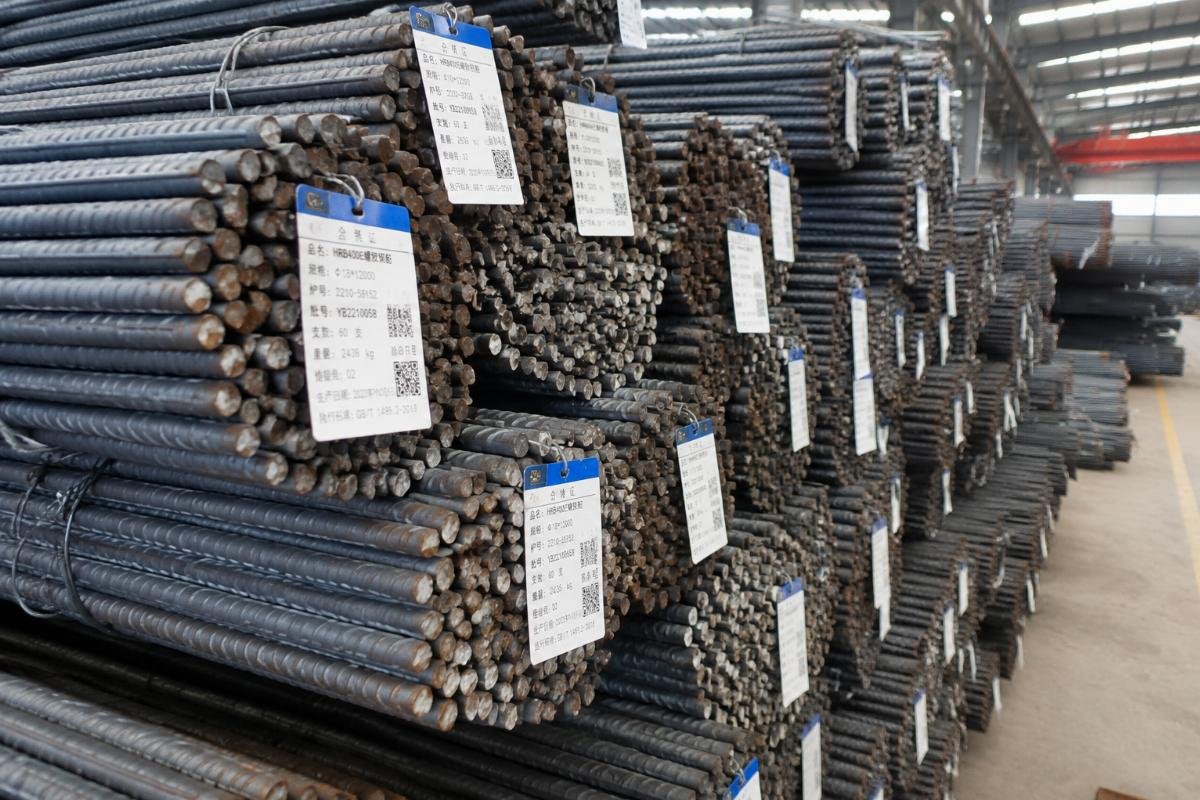
Verification must happen before the cargo leaves the factory floor. Once the vessel departs, your leverage diminishes rapidly. The most effective strategy involves a three-tier verification process: document review, physical sampling, and surface inspection.
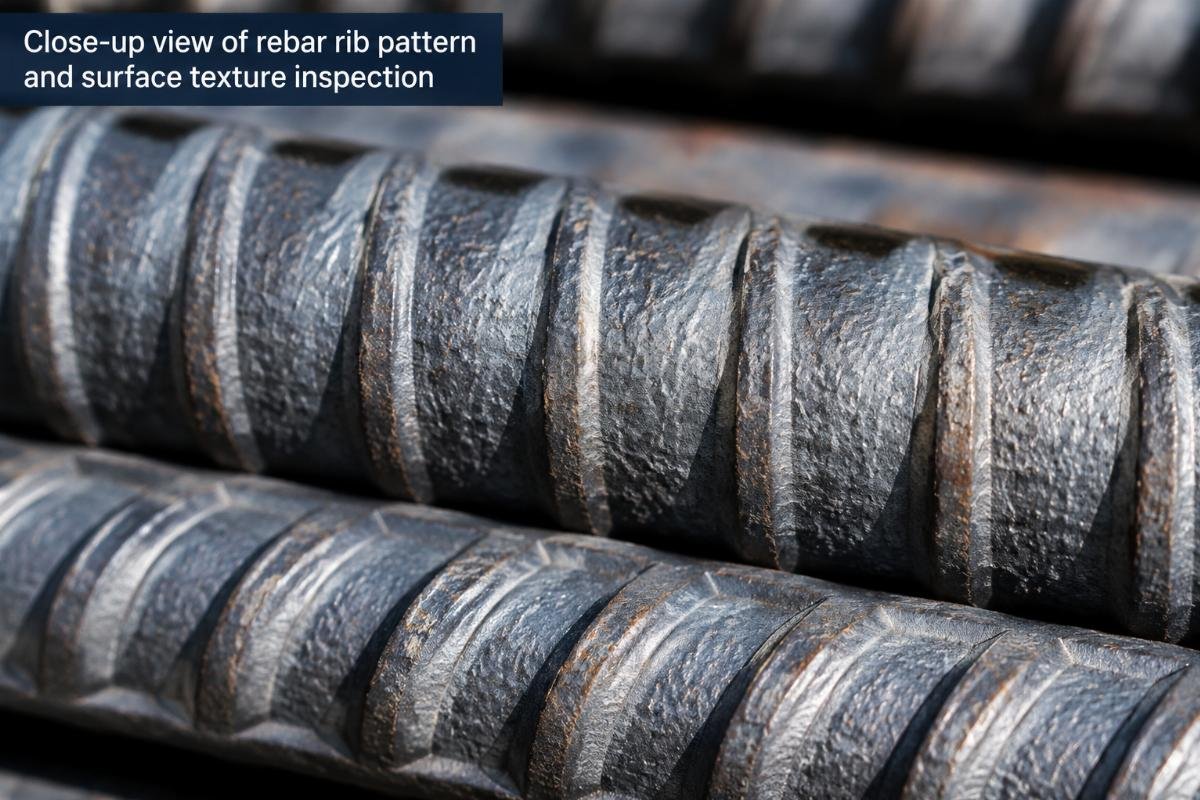
First, validate the Mill Test Certificate. Ensure it references the correct heat number and chemical composition matching the ordered grade. For instance, if you are sourcing Q345B, the MTC must show yield strength values consistent with this grade, not just a generic “high strength” label. Second, conduct dimensional tolerance checks. Rebar ribs must meet specific height and spacing requirements to ensure proper bonding with concrete. A simple on-site measurement of diameter and rib height can reveal manufacturing inconsistencies that lab tests might miss if only a small sample is taken. [NEED_CITE: standard methods for measuring rebar dimensional tolerances]
In our operations, we utilize an in-house laboratory to verify these parameters against over 2800 standard specifications. This internal rigor ensures that when a client requests a specific tolerance check, the data provided is backed by actual measurement, not just theoretical compliance. Third, inspect the surface treatment. Rust scales or oil residues can affect welding performance and concrete adhesion. Visual inspection during pre-shipment inspections can catch these issues early.
| Verification Step | Critical Check Point | Risk of Neglect |
|---|---|---|
| Document Review | MTC Heat Number Match | Customs Rejection |
| Dimensional Check | Diameter & Rib Height | Structural Failure |
| Surface Inspection | Rust Scale & Oil | Welding Defects |
| Marking Verification | Grade & Manufacturer ID | Site Mix-ups |
By integrating these checks into your Steel Rebar Wholesale Sourcing protocol, you shift the burden of proof to the supplier before funds are fully released. This proactive approach prevents the “surprise” of non-compliant goods arriving at your job site.
Which Steel Grades Match Your Project’s Regional Standards?
Cross-reference Chinese GB standards with EN/ASTM to ensure compliance in target markets.
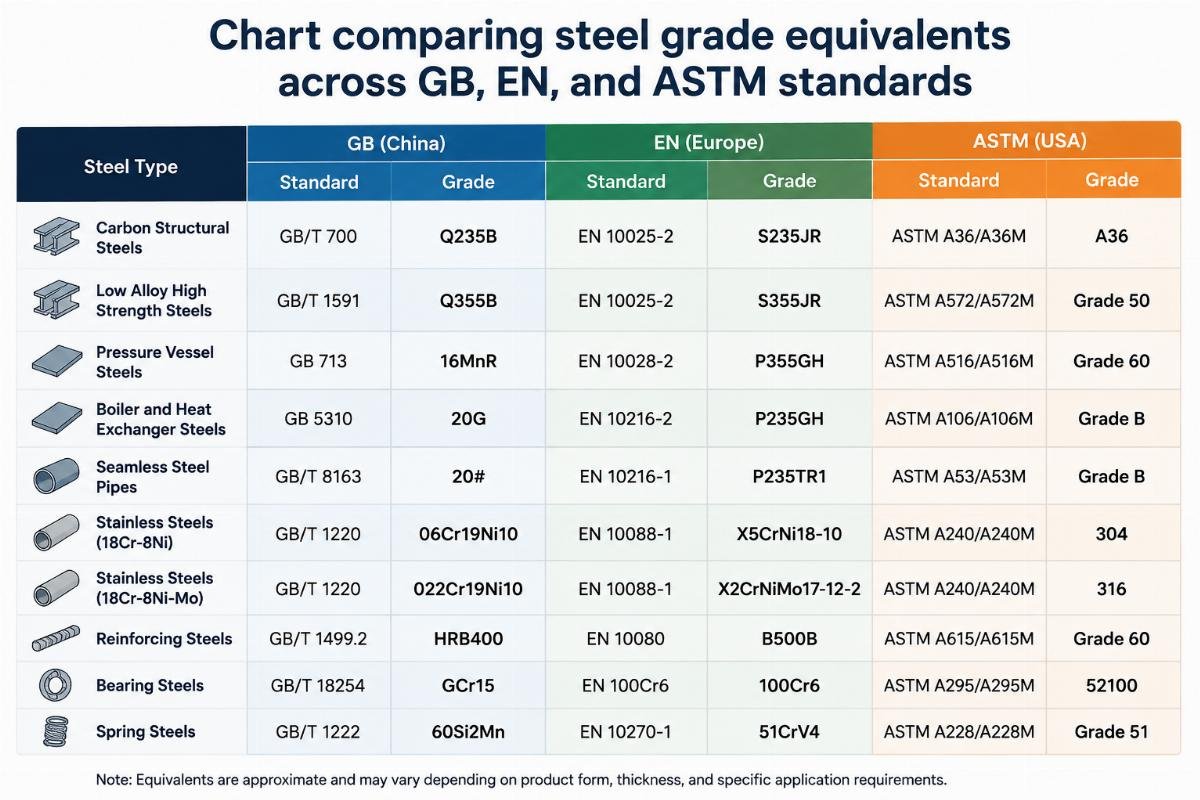
One of the most common errors in global procurement is assuming equivalence between different national standards. While Q235B and S235JR may seem similar, their chemical composition limits and mechanical property requirements can differ subtly but significantly. Using the wrong grade can lead to structural failures or regulatory non-compliance.
For projects in Europe or regions adopting European norms, EN 10080 is the benchmark. Here, S235JR and S355JR are the common grades. In contrast, ASTM A615 is prevalent in the Americas and parts of Asia. Chinese GB standards like Q235B and Q345B are widely produced but require careful mapping to ensure they meet the specific yield and tensile strength requirements of the destination country. [NEED_CITE: comparison of GB Q235B vs EN S235JR mechanical properties]
A Middle East high-rise project once faced confusion when mixed container loading resulted in grade mixing. Q235B bars were inadvertently packed with Q345B bars without clear separation. On-site, workers used the lower-grade steel for high-load columns, compromising the building’s safety factor. The remedy involved costly removal and replacement of the affected structural elements. This incident highlights the need for clear marking and separate packing lists for different grades.
When managing Steel Rebar Wholesale Sourcing, always request a cross-reference table from your supplier. Verify that the supplied grade meets the minimum yield strength and elongation requirements of your local code. Do not rely on verbal assurances; demand written confirmation that the material complies with the specific standard cited in your engineering drawings.
What Are the Critical Logistics Steps for Global Rebar Import?
Proper packing, marking, and documentation prevent port congestion and mix-ups.
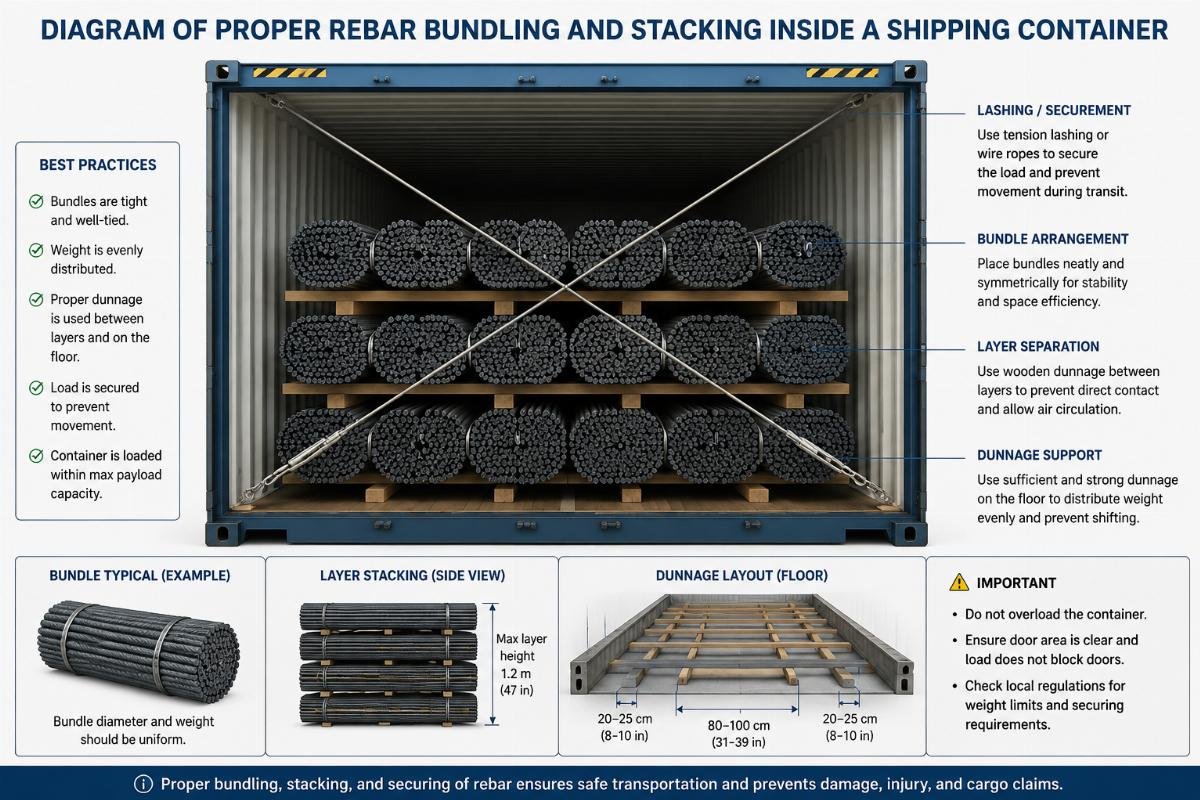
Logistics for rebar is not just about shipping weight; it is about preserving identity and integrity. Rebar is heavy, prone to shifting, and susceptible to corrosion if exposed to moisture during transit. Proper packing strategies are essential to minimize damage and ensure easy identification upon arrival.
Container consolidation is a key strategy for optimizing costs, especially for projects requiring multiple sizes. However, mixing sizes in a single container requires meticulous planning. Heavier bundles should be placed at the bottom, with lighter sizes on top, secured with sturdy strapping to prevent movement during ocean transit. Each bundle must be clearly marked with waterproof tags indicating the grade, diameter, length, and heat number. This allows for quick verification at the port without unloading the entire container. [NEED_CITE: best practices for securing steel products in shipping containers]
Documentation accuracy is equally critical. The packing list must match the bill of lading and the commercial invoice exactly. Discrepancies in weight or description can trigger customs inspections, leading to delays. In some jurisdictions, even minor errors in the certificate of origin can result in the loss of preferential tariff rates, increasing the landed cost significantly.
Effective Steel Rebar Wholesale Sourcing includes a logistics plan that accounts for these details. Work with suppliers who understand the importance of robust packing and accurate documentation. A well-packed container arrives ready for immediate offloading and distribution, keeping your project on schedule.
Conclusion
Compliance and verification are the true metrics of value in global steel procurement.
Sourcing rebar for international construction projects demands a shift from price-centric thinking to compliance-centric strategy. By prioritizing dimensional tolerance checks, verifying mill certifications, and ensuring accurate grade mapping, contractors can avoid the hidden costs of delays and rejections. Reliable Steel Rebar Wholesale Sourcing is built on transparency, rigorous quality control, and logistical precision, ensuring that every ton of steel contributes to the structural integrity and timely completion of your project.
Share this article

Written by
author
Editor covering global sourcing, supplier verification, and industrial product knowledge. Content is compiled from manufacturer specifications, industry standards, and hands-on experience with international B2B buyers. Every article is fact-checked before publishing to help procurement professionals make informed decisions.
View all posts →Keep Reading
Related Articles

August 11, 2026
EN10219 S355JR Prefab Steel Structure Supplier Wholesale
Master the Prefabricated Steel Structure Sourcing Guide to prevent customs delays caused by EN10219 and EN10210 certification mismatches. Learn to...
Read article →
August 10, 2026
EN Angle Steel Bulk Purchase for Latin America from Manufacturer
Avoid costly demurrage with our Angle Steel Bulk Purchase Latin America guide. Learn to align EN10219 certificates with cargo marks...
Read article →
August 10, 2026
EN Standard Channel Steel Wholesale for African Distributors
Sourcing Channel Steel Wholesale for African Distributors demands strict adherence to EN 10056 tolerances to prevent costly installation failures. Verify...
Read article →Discussion