

EN Standard Channel Steel Wholesale for African Distributors
Nominal size is not enough.
Sourcing channel steel for the African market requires strict adherence to EN 10056 dimensional tolerances and material certifications (S355JR/J2) to prevent costly installation failures. Success lies in verifying wing thickness and inner arc radii before shipment, not just checking nominal sizes.
I still remember the humidity hitting my face as I stepped off the plane in Lagos. The air was thick, heavy with salt and dust. I wasn’t there for a holiday. I was standing in front of a warehouse project that had ground to a halt. The local contractor held a caliper in one hand and a copy of EN 10056 in the other. He pointed to a stack of UPN200 channels. The flange thickness was off by a fraction of a millimeter. To an untrained eye, it looked perfect. To him, it was scrap. That deviation meant the bolts wouldn’t align with the pre-drilled holes in the connecting plates. The entire batch had to be sent back for re-straightening and correction. The cost of rescheduling the sea freight alone ate into the project’s margin significantly. That day taught me that in structural steel, especially for Channel Steel Wholesale for African Distributors, the devil is not in the nominal dimensions. It is in the tolerances.
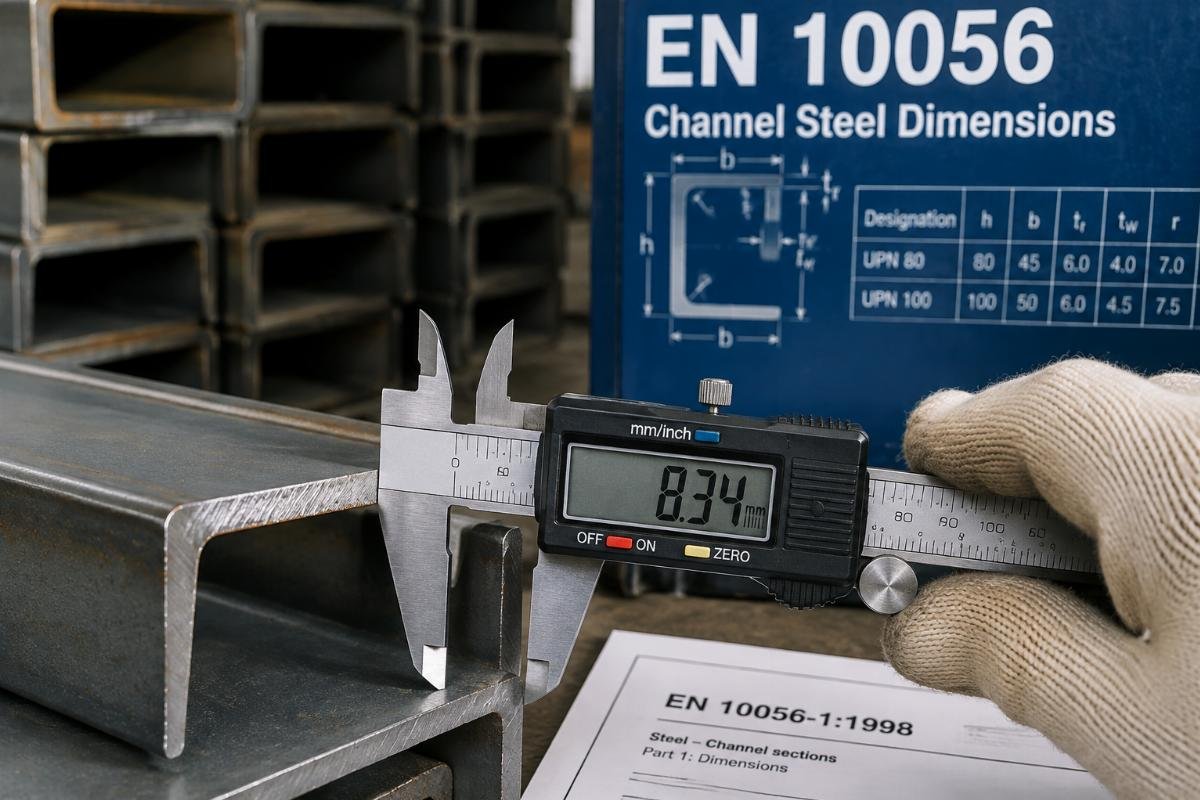
Many distributors assume that if the height and width match the order, the steel is good. This is a dangerous misconception. The fit-up on site depends on the inner arc radius, the flange slope, and the straightness of the web. When you are sourcing Channel Steel Wholesale for African Distributors, you are not just buying metal. You are buying certainty. Certainty that the steel will fit, that it will hold, and that it will last in environments that range from the humid coasts of West Africa to the arid interiors of the continent.
Why Does EN Standard Compliance Matter for African Infrastructure?
European Norms (EN) are not just paperwork; they are the language of interoperability for large-scale EPC projects.
In many African countries, infrastructure projects are funded by international bodies or executed by multinational Engineering, Procurement, and Construction (EPC) firms. These entities operate under strict quality frameworks. They do not accept “close enough.” They require compliance with specific standards, primarily EN 10025 for material properties and EN 10056 for dimensional tolerances. [NEED_CITE: role of EN standards in international EPC tender requirements]
When I visit fabrication shops in Nairobi or Accra, I see engineers struggling with mixed-standard steel. Some beams are ASTM, some are JIS, and some are GB. Trying to weld them together or bolt them into a unified structure is a nightmare. The chemical compositions differ, affecting weldability. The dimensional profiles vary, causing alignment issues. By sticking to EN standards, you ensure that every piece of Channel Steel Wholesale for African Distributors fits into a predictable, reliable system.
Consider the case of a bridge project in East Africa. The design called for S355J2 steel. The contractor initially sourced a cheaper alternative that claimed equivalent strength but lacked the specific impact energy certification required for the region’s temperature variations. During the rainy season, when temperatures dropped at night, the steel became brittle. Micro-cracks appeared near the weld zones. The project was halted for months while tests were conducted. The lesson was clear: compliance is not bureaucratic red tape. It is risk management. For distributors, offering EN-certified Channel Steel Wholesale for African Distributors means offering peace of mind to contractors who cannot afford failure.

Critical Tolerances: What to Check Before Shipment?
Focus on flange thickness and straightness to avoid on-site fitting issues.
Most buyers check the height and width of the channel. Few check the tolerance of the flange thickness or the web. Yet, these are the parameters that cause the most headaches during assembly. EN 10056-1 defines strict limits for these dimensions. If the flange is too thin, it cannot bear the designed load. If it is too thick, it may not fit into the connecting slots.
| Parameter | EN 10056 Tolerance Class A (Standard) | Common Issue in Non-Compliant Stock | Impact on Installation |
|---|---|---|---|
| Height (h) | Strictly defined range | Excessive variance | Misalignment with vertical supports |
| Flange Width (b) | Tight tolerance | Uneven edges | Gaps in bolted connections |
| Web Thickness (tw) | Controlled deviation | Thinner than specified | Reduced load-bearing capacity |
| Flange Thickness (tf) | Controlled deviation | Thicker/thinner than specified | Fit-up failure with connecting plates |
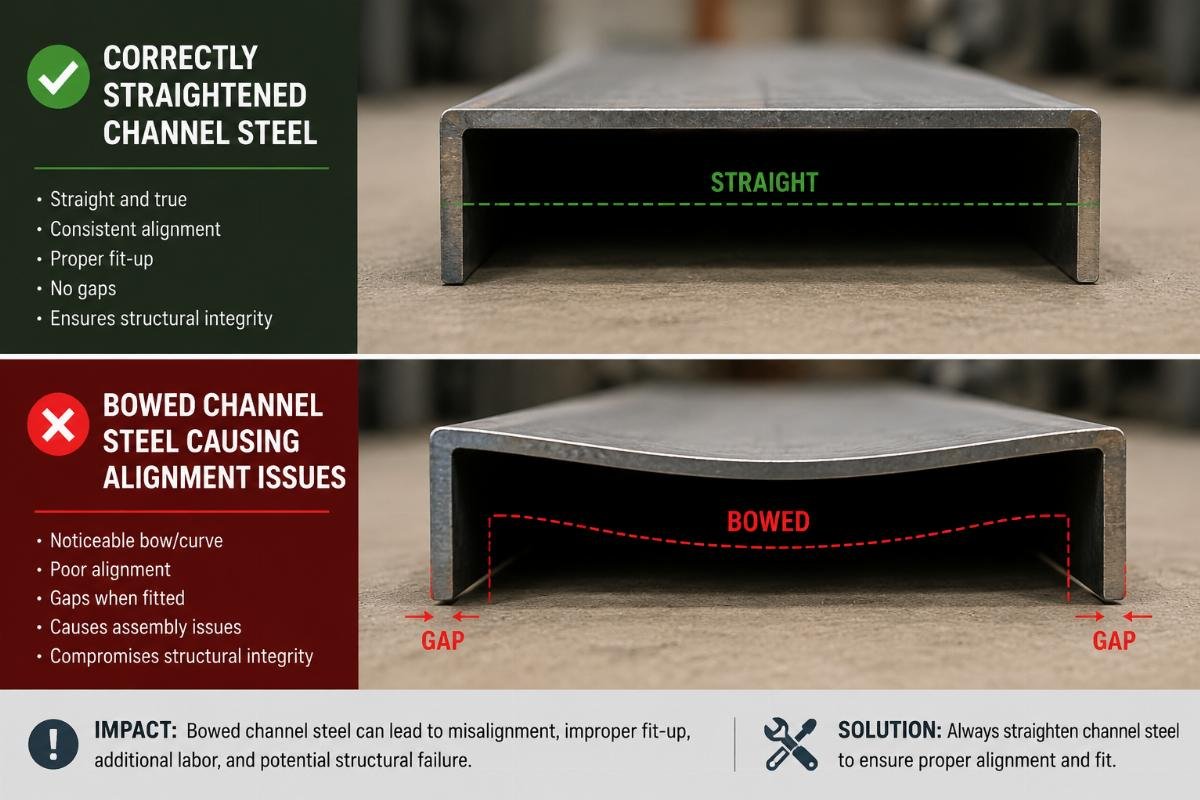
| Straightness | Max deviation per meter | Visible bowing | Difficulty in welding and alignment |
[NEED_CITE: EN 10056-1 dimensional tolerance tables for hot-rolled channels]
I recall a shipment destined for a port facility in Durban. The channels looked fine visually. But when the fabricators tried to bolt them to the base plates, half of the holes did not line up. The issue was not the hole placement. It was the straightness of the channel web. The steel had bowed during cooling at the mill. Because the supplier had not checked the straightness against EN tolerances, the entire container was rejected. The cost of returning the steel was prohibitive. The distributor had to sell it at a loss to a local scrap dealer.
To avoid this, you must demand Mill Test Certificates (MTC) that include dimensional checks, not just chemical analysis. Ask for photos of the actual measurement process. Verify the inner arc radius. A sharp inner corner can be a stress concentrator, leading to premature fatigue failure. When you source Channel Steel Wholesale for African Distributors, ensure your supplier has the capability to measure and guarantee these tolerances. It is better to spend time on verification before loading the container than to deal with rejection at the destination port.
S355JR vs. S355J2: Choosing the Right Grade for Your Climate?
J2 offers better low-temperature toughness, essential for varied African terrains.
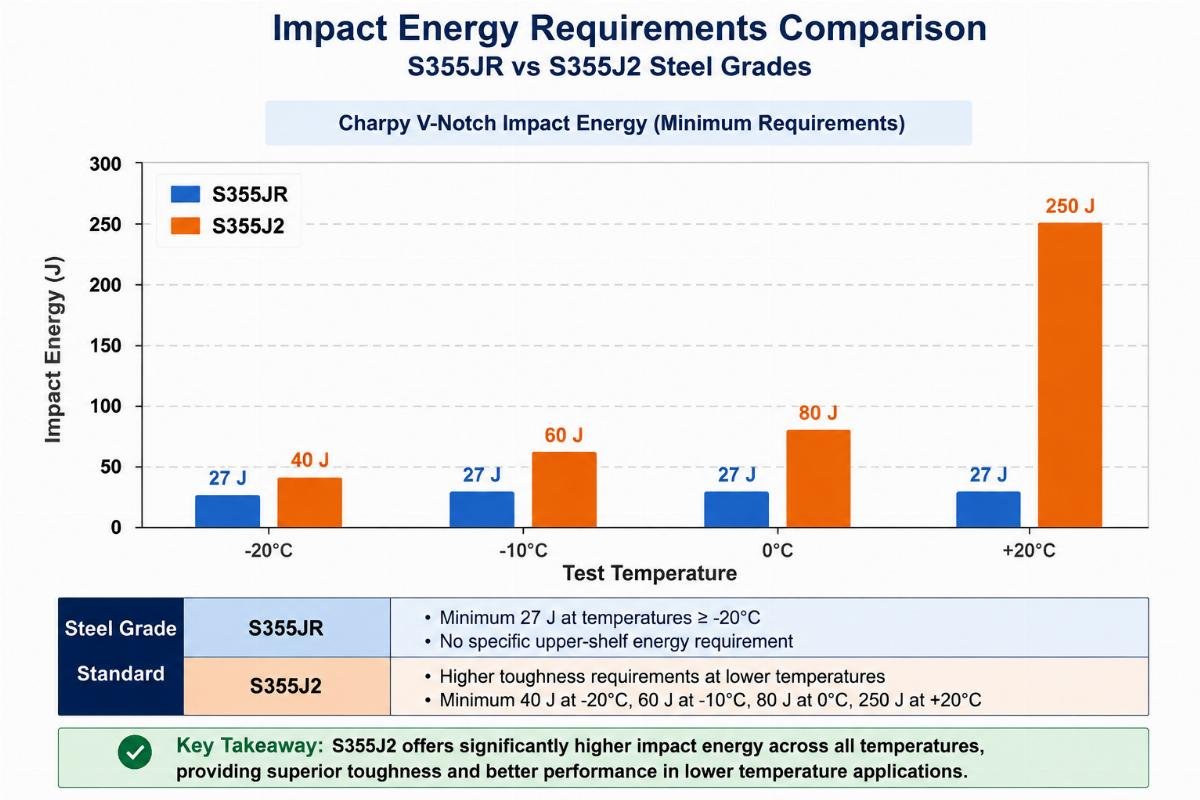
S355 is a common structural steel grade. But the suffix matters. JR stands for room temperature impact resistance. J2 stands for impact resistance at minus twenty degrees Celsius. You might wonder why this matters in Africa, a continent known for its heat. The answer lies in the diversity of the terrain and the specific applications.
In high-altitude regions, such as parts of Ethiopia or Kenya, nighttime temperatures can drop significantly. More importantly, in dynamic structures like bridges or cranes, the steel undergoes stress cycles. J2 grade steel has higher toughness, meaning it can absorb more energy before fracturing. This is crucial for safety. [NEED_CITE: difference in impact energy testing temperatures for S355JR vs S355J2 per EN 10025]
A distributor in North Africa once asked me why he should pay more for J2 when JR was cheaper. His client was building a warehouse in a coastal area. The environment was corrosive, but the temperature was mild. I advised him that for static structures in warm climates, JR is often sufficient. However, for a port crane foundation, where dynamic loads and potential temperature fluctuations exist, J2 is the safer choice. He chose J2 for the critical components and JR for the secondary framing. This balanced approach optimized costs without compromising safety.
When you market Channel Steel Wholesale for African Distributors, educate your clients on this distinction. Do not just sell “S355.” Sell the right S355 for the job. Provide the MTCs that clearly state the impact energy values. This transparency builds trust. It shows that you understand the engineering requirements, not just the trading metrics.
How to Optimize Wholesale Costs and Logistics?
Mixed loading and factory-direct pricing reduce landed costs significantly.
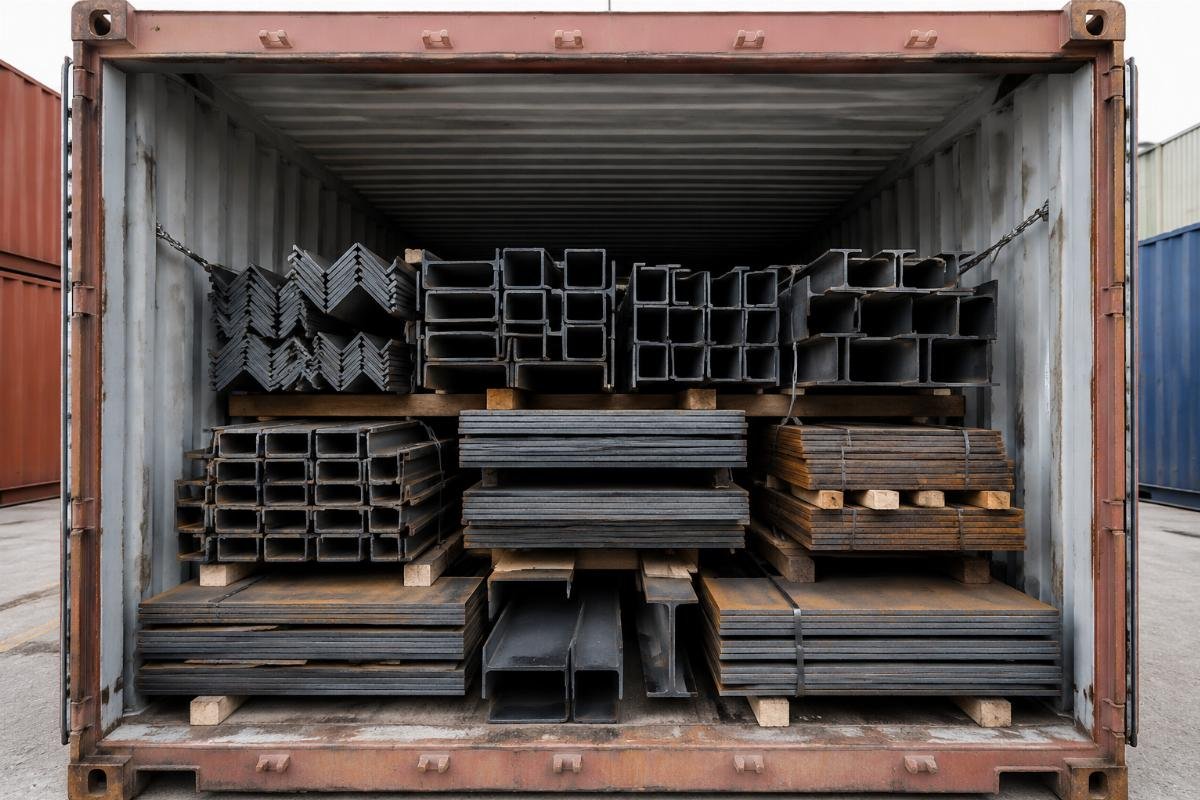
Shipping steel is expensive. Freight rates fluctuate, and port delays are common. One way to mitigate these costs is through mixed container consolidation. Instead of shipping only channels, combine them with H-beams, angles, or plates. This optimizes the space utilization in the container. Heavy items go at the bottom, lighter items fill the gaps.
I worked with a distributor in Kenya who was importing steel for a multi-story commercial building. He needed channels for the floors, H-beams for the columns, and plates for the base connections. By consolidating these items into a single container, he reduced the per-ton logistics cost noticeably. The key was precise planning. The manufacturer had to cut the steel to lengths that fit together efficiently. This required close coordination between the buyer’s engineering team and the supplier’s production line.
Another factor is surface treatment. For coastal projects in West Africa, corrosion is a major enemy. Galvanizing provides long-term protection, but it adds cost and weight. Shot blasting and painting are alternatives. The choice depends on the project’s lifespan and maintenance budget. For a temporary structure, painting might suffice. For a permanent port facility, hot-dip galvanizing is worth the investment. [NEED_CITE: corrosion protection methods for structural steel in marine environments]
When sourcing Channel Steel Wholesale for African Distributors, look for suppliers who offer flexible manufacturing. Can they cut to custom lengths? Can they provide mixed surface treatments in one order? Can they handle small MOQs for trial orders while scaling up for large projects? These capabilities add value beyond the price per ton. They simplify the supply chain for the distributor.
Conclusion
Precision prevents loss.
Sourcing structural steel for the African market is not just about finding the lowest price. It is about ensuring that the steel meets the rigorous demands of modern construction. By adhering to EN 10056 tolerances, choosing the correct material grade like S355J2, and optimizing logistics through mixed loading, distributors can minimize risk and maximize value. The goal of Channel Steel Wholesale for African Distributors is to deliver not just steel, but reliability. Every measurement verified, every certificate checked, and every container optimized contributes to a successful project. In this business, attention to detail is the most valuable commodity.
Share this article

Written by
author
Editor covering global sourcing, supplier verification, and industrial product knowledge. Content is compiled from manufacturer specifications, industry standards, and hands-on experience with international B2B buyers. Every article is fact-checked before publishing to help procurement professionals make informed decisions.
View all posts →Keep Reading
Related Articles
August 11, 2026
EN10219 S355JR Prefab Steel Structure Supplier Wholesale
Master the Prefabricated Steel Structure Sourcing Guide to prevent customs delays caused by EN10219 and EN10210 certification mismatches. Learn to...
Read article →
August 10, 2026
Steel Rebar Wholesale Sourcing for Global Construction Contractors
Master Steel Rebar Wholesale Sourcing by prioritizing dimensional tolerances and mill certifications over lowest unit prices. Avoid costly customs delays...
Read article →
August 10, 2026
EN Angle Steel Bulk Purchase for Latin America from Manufacturer
Avoid costly demurrage with our Angle Steel Bulk Purchase Latin America guide. Learn to align EN10219 certificates with cargo marks...
Read article →Discussion