
EN Angle Steel Bulk Purchase for Latin America from Manufacturer
The cheapest FOB price is often the most expensive line item on your final invoice.
Successful bulk angle steel procurement for Latin America hinges less on the initial unit cost and more on pre-shipment document consistency, specifically the alignment of EN10219 mill certificates with physical cargo marks, to avoid costly port demurrage.
I still remember the humidity in Valparaiso. It was not the sea air that made me sweat, but the stack of paperwork sitting on a desk while a full container of Q345B angle steel gathered dust in the yard. The heat numbers on the EN10219 certificate did not match the stencils on the steel bundles. Twenty days of detention followed. The demurrage fees eventually exceeded the profit margin of the entire order. That silence in the customs office taught me that for Angle Steel Bulk Purchase Latin America, the battle is won or lost in Jinan, long before the vessel leaves Qingdao. [NEED_CITE: common causes of customs delays in Latin American ports]
This guide breaks down the specific friction points for buyers in Brazil, Chile, and Mexico. It moves beyond generic pricing discussions to address the technical and administrative realities of importing structural steel into these markets.
Why Do Angle Steel Shipments Get Stuck at Latin American Ports?
Documentary inconsistency is the primary driver of clearance delays, not tariff disputes.
Customs authorities in Santos and Valparaiso are increasingly stringent regarding structural steel imports. They do not just check if you paid the tax; they verify if the physical product matches the declared standard. A common failure point is the mismatch between the Mill Test Certificate (MTC) and the packing list.
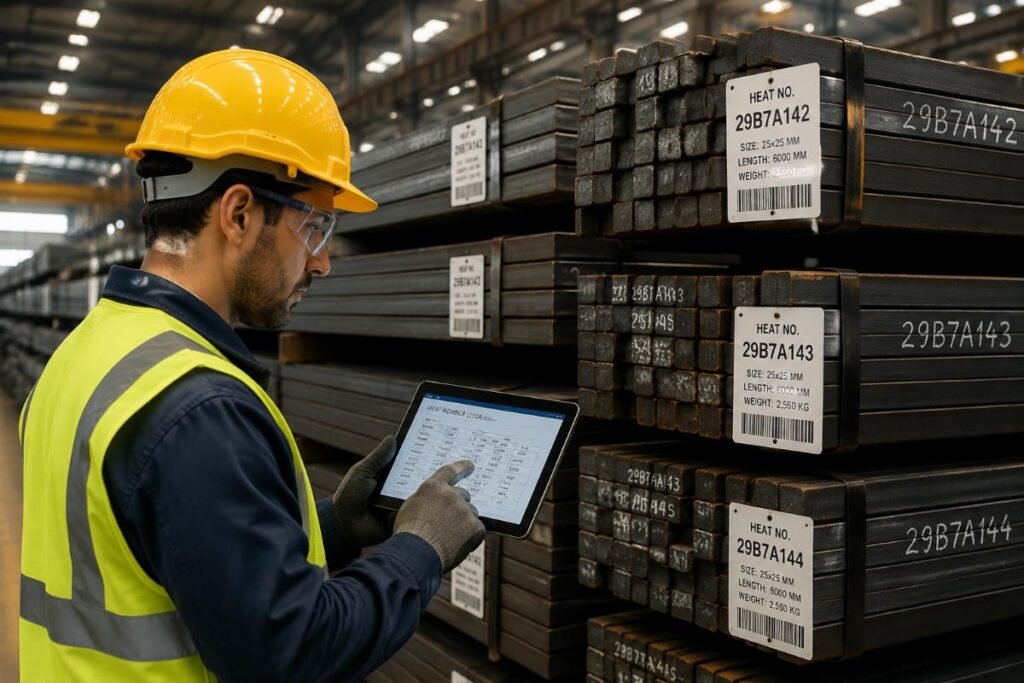
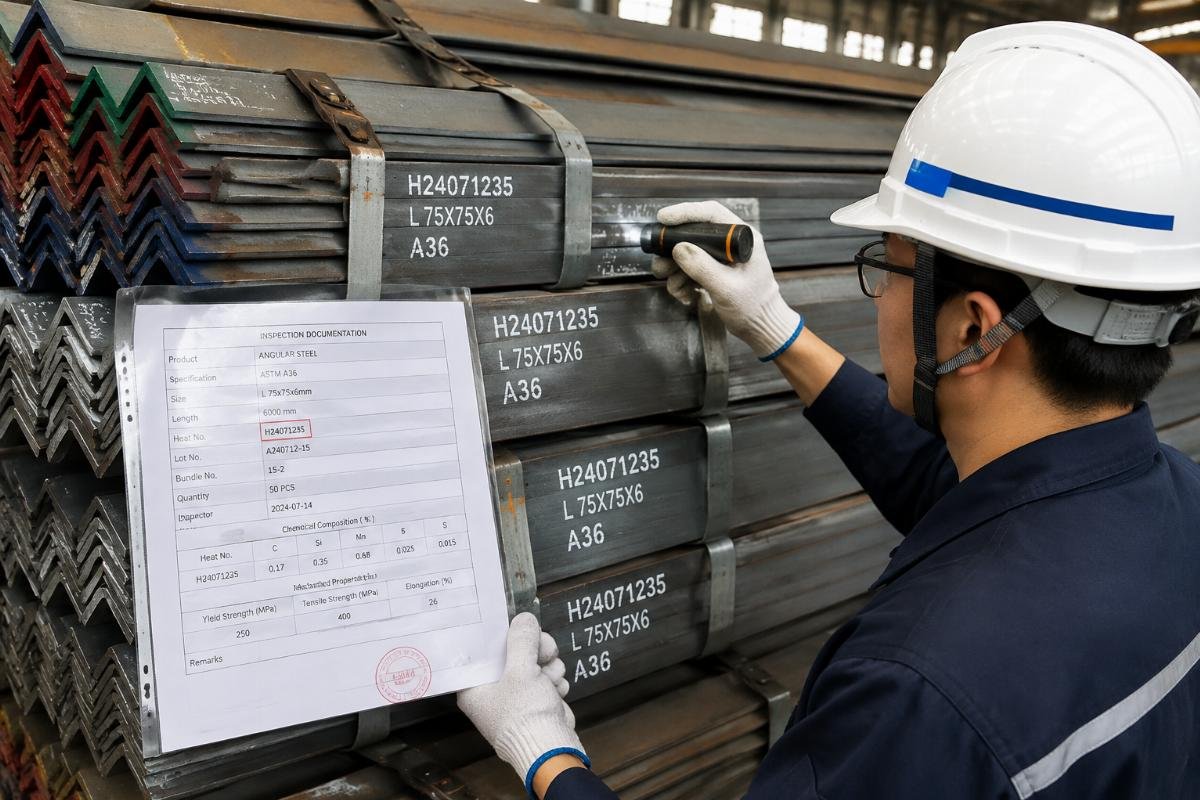
When importing Angle Steel Bulk Purchase Latin America, the local clearing agent requires a seamless chain of custody. If the MTC references Heat Number A, but the steel bundles are marked with Heat Number B, the cargo is flagged for physical inspection. This process can take weeks.
Consider a recent case involving a construction contractor in Santiago. They ordered S355JR angle steel for a warehouse framework. The supplier provided a valid EN10219 certificate. However, during loading, the factory mixed two batches from different production runs. The packing list reflected the first batch, but the second batch was loaded inadvertently. At the port, the random sampling by customs revealed the discrepancy. The entire container was held for verification.
To prevent this, a rigorous cross-check protocol is essential. Before the container doors are sealed, every bundle must be visually verified against the draft MTC. The heat number, batch number, and dimensions must align perfectly. [NEED_CITE: best practices for export documentation accuracy in steel trade]
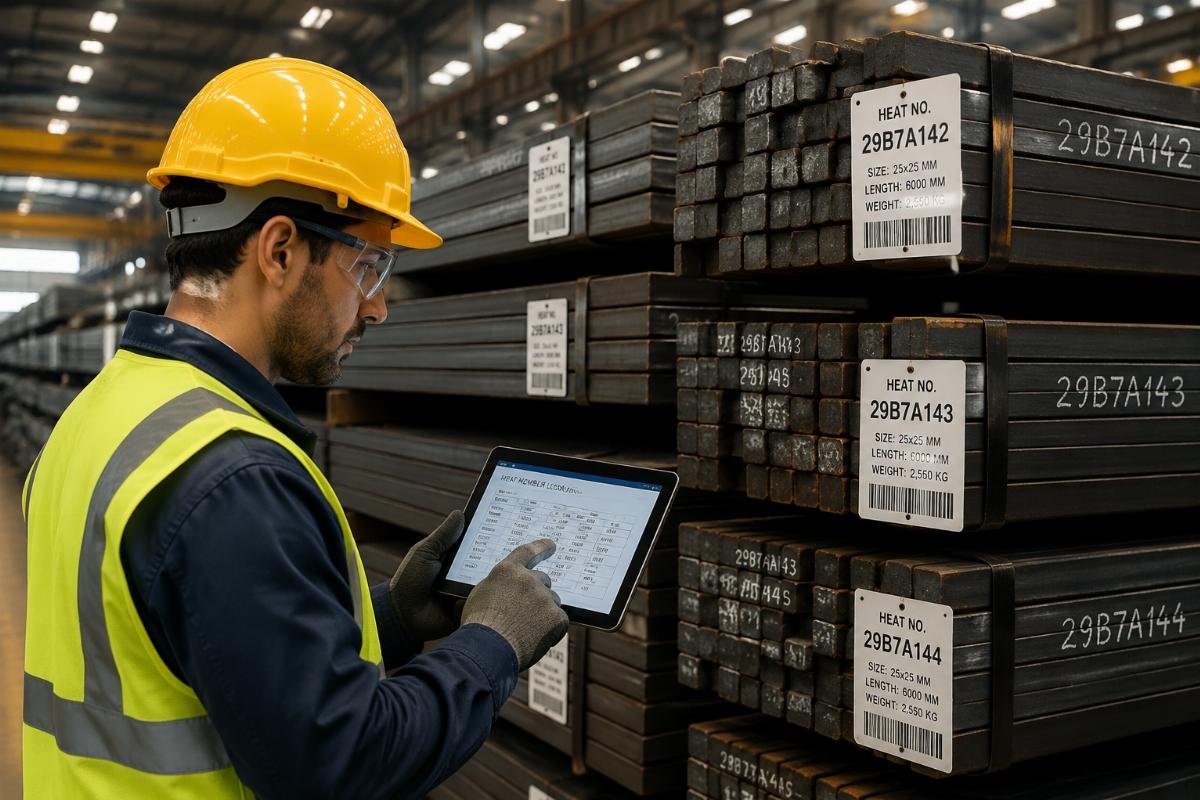
The solution is not just better communication, but a systemic verification process. Manufacturers with in-house laboratories and dedicated export teams can perform this triple-check before the goods leave the factory floor. This pre-emptive quality control ensures that when the documents arrive in South America, they tell the same story as the steel in the container.
Which Steel Grade Fits Your Project: Q345B or S355JR?
Assuming Q345B is a universal substitute for European standards is a critical engineering risk.
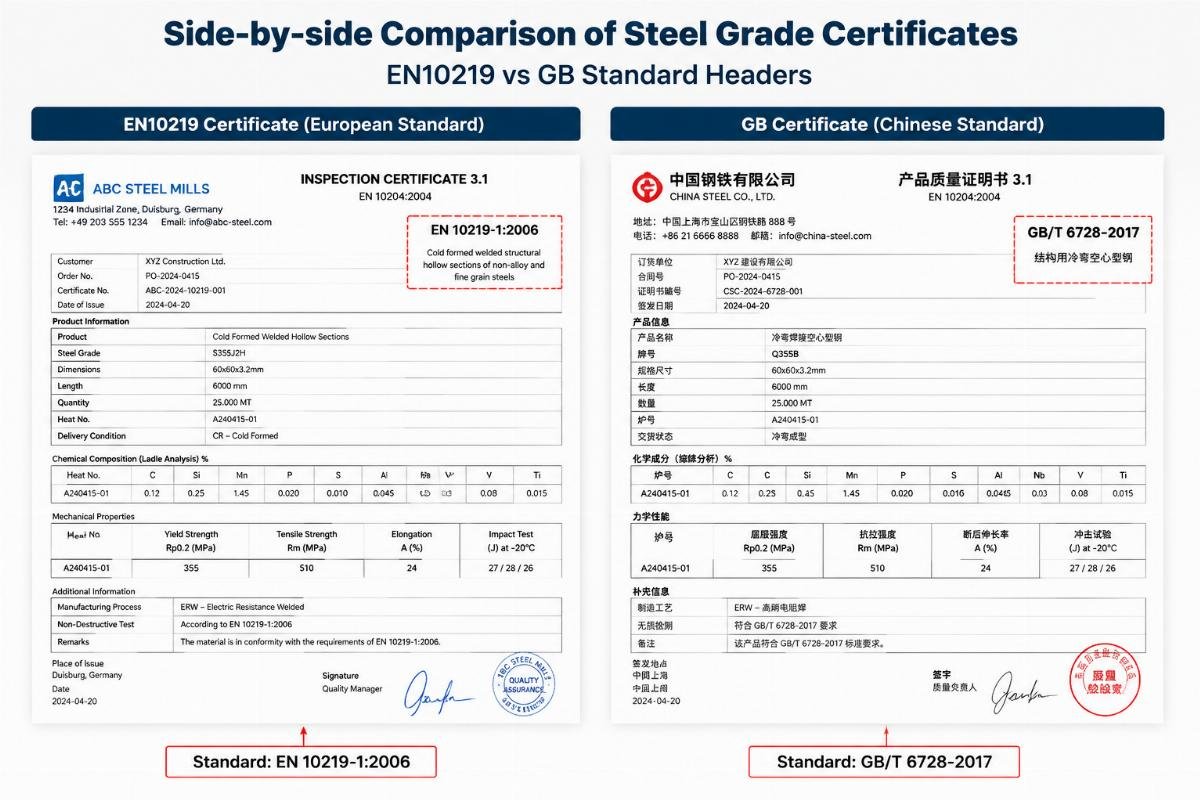
Many buyers in Latin America specify Q345B because it is widely available and cost-effective in China. However, for projects requiring EN compliance, Q345B is not automatically equivalent to S355JR without proper certification. The chemical composition and mechanical properties differ, particularly in terms of impact toughness and yield strength tolerances.
For Angle Steel Bulk Purchase Latin America, selecting the correct grade depends on the local engineering specifications and the required certification standard.
| Feature | Q345B (GB Standard) | S355JR (EN Standard) |
|---|---|---|
| Standard Origin | Chinese National Standard | European Norm |
| Yield Strength | ≥ 345 MPa | ≥ 355 MPa |
| Certification | GB/T 1591 | EN10219 / EN10210 |
| Impact Test | Room Temperature (Typically) | 27J at +20°C (JR) |
| Suitability for EN Projects | Requires Conversion/Approval | Directly Compliant |
| Customs Clarity in LatAm | May trigger additional scrutiny | Widely Accepted |
[NEED_CITE: comparative mechanical properties of Q345B and S355JR steel grades]
A distributor in São Paulo once faced a significant hurdle when importing Q345B angle steel for a public infrastructure tender. The project specs strictly required EN10219 compliance. Although the physical strength of Q345B was sufficient, the lack of an EN-certified MTC caused the bid to be rejected during the technical evaluation phase. The material was held at customs for grade verification, requiring third-party inspection reports aligned with local NCM codes.
In contrast, specifying S355JR with a valid EN10219 certificate streamlines the approval process. It eliminates the need for explanatory letters or additional testing upon arrival. For buyers targeting Angle Steel Bulk Purchase Latin America, aligning the material grade with the project’s design standard from the outset avoids these bureaucratic bottlenecks.
If your project allows for GB standards, ensure your clearing agent is prepared to explain the equivalence to local authorities. However, for high-value or government-funded projects, the safety of EN-certified S355JR often outweighs the marginal cost difference.
How to Verify Mill Test Certificates Before Payment?
A certificate is only as good as the data integrity behind it.
Receiving a PDF of a Mill Test Certificate is not enough. For Angle Steel Bulk Purchase Latin America, the validity of the document must be verified against the physical product and international standards. Errors in heat numbers, chemical composition ranges, or batch identifiers can render the certificate useless in the eyes of customs.
The verification process should follow a strict checklist:
- Heat Number Consistency: Ensure the heat number on the MTC matches the stencil on the steel bundles. This is the unique identifier linking the physical material to its test results.
- Chemical Composition: Verify that the carbon, manganese, and sulfur levels fall within the limits specified by EN10219 or EN10210. [NEED_CITE: acceptable chemical composition limits for structural steel per EN standards]
- Mechanical Properties: Check yield strength, tensile strength, and elongation values. Ensure they meet the minimum requirements for the specified grade (e.g., S355JR).
- Certification Body: Confirm that the certificate is issued by an accredited laboratory or the manufacturer’s certified quality department. Look for relevant ISO accreditations.
- Batch Traceability: Ensure the batch number on the packing list corresponds to the MTC.
A common mistake is accepting a “generic” certificate that covers a broad range of production rather than the specific batch being shipped. This practice is risky. Customs officials in Latin America are trained to spot these discrepancies.
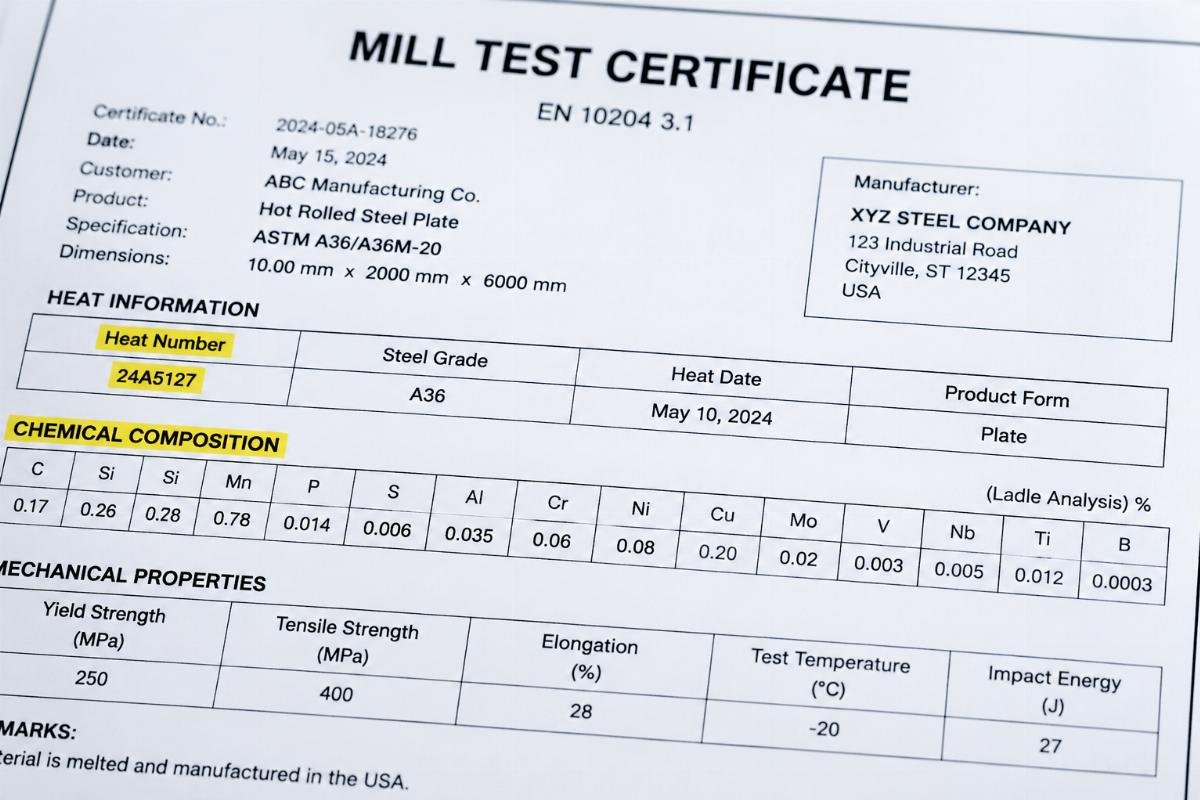
Manufacturers with robust quality control systems, such as those with in-house laboratories and decades of export experience, typically automate this cross-referencing process. They ensure that every certificate is generated from actual test data linked to the specific production run. This level of diligence provides buyers with the confidence needed to proceed with payment and shipment.
What Surface Treatment Survives the Ocean Journey?
Corrosion during transit can ruin even the highest-grade steel before it reaches the site.
The journey from Qingdao to Santos or Valparaiso takes several weeks. During this time, the cargo is exposed to high humidity and salt spray. For Angle Steel Bulk Purchase Latin America, choosing the right surface treatment is crucial for maintaining product integrity.
The two primary options are galvanizing and painting.
- Galvanizing: Provides superior corrosion resistance. It is ideal for structures exposed to harsh environments or where long-term maintenance is difficult. However, it adds to the lead time and cost.
- Painting: Offers a cost-effective solution for indoor or protected structures. Shot blasting followed by a primer coat can provide adequate protection for the transit period and initial storage.
A buyer in Mexico City opted for painted angle steel for an indoor warehouse project. The supplier applied a standard red oxide primer. Upon arrival, the steel was in perfect condition. In contrast, another shipment of untreated black steel to a coastal project in Chile arrived with significant surface rust, requiring extensive cleaning before fabrication.
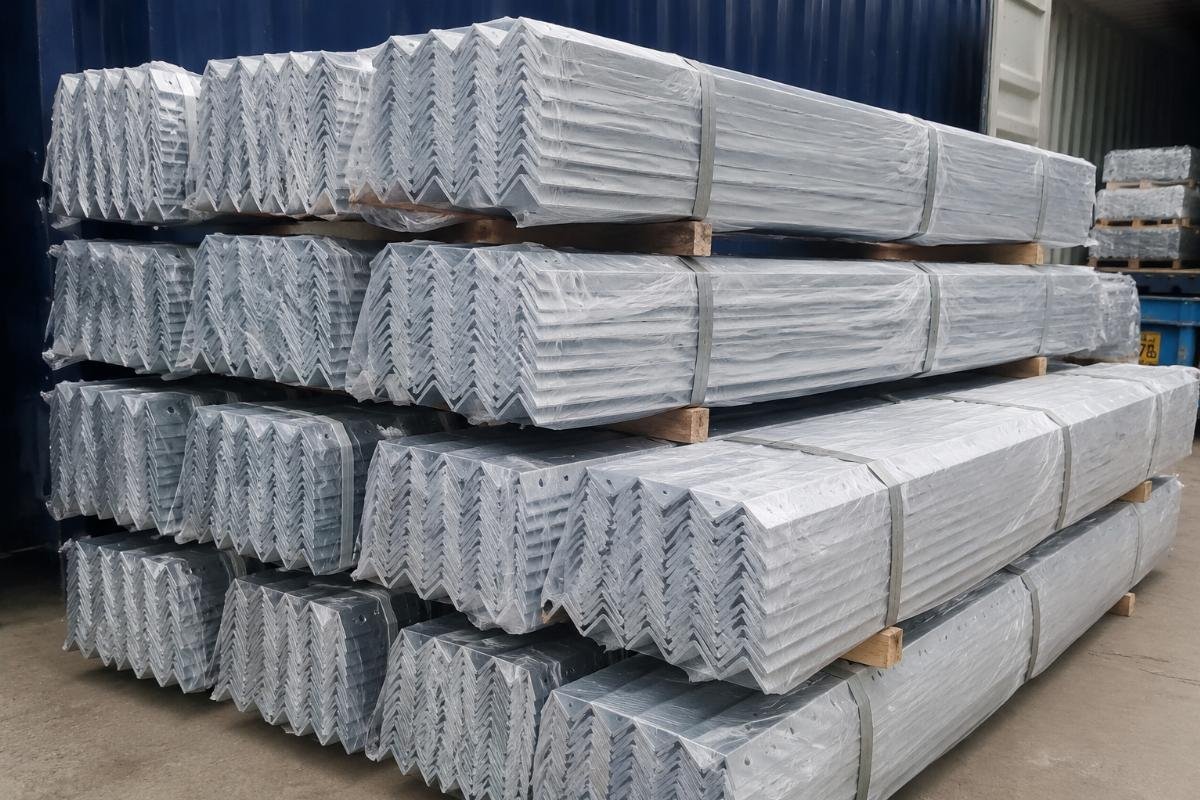
The choice depends on the end-use environment. For Angle Steel Bulk Purchase Latin America, discuss the storage conditions and exposure risks with your supplier. They can recommend the appropriate surface treatment to ensure the steel arrives in fabrication-ready condition. Some manufacturers offer combined services, such as shot blasting and painting, to optimize both protection and adhesion.
Conclusion
Documentation accuracy is the hidden currency of international steel trade.
Navigating Angle Steel Bulk Purchase Latin America requires a shift in focus from price alone to process reliability. By prioritizing EN10219 certificate consistency, selecting the correct steel grade for local standards, and verifying documents before shipment, buyers can avoid the costly delays that plague many imports. The goal is not just to buy steel, but to ensure it arrives ready for use.
Share this article

Written by
author
Editor covering global sourcing, supplier verification, and industrial product knowledge. Content is compiled from manufacturer specifications, industry standards, and hands-on experience with international B2B buyers. Every article is fact-checked before publishing to help procurement professionals make informed decisions.
View all posts →Keep Reading
Related Articles
August 11, 2026
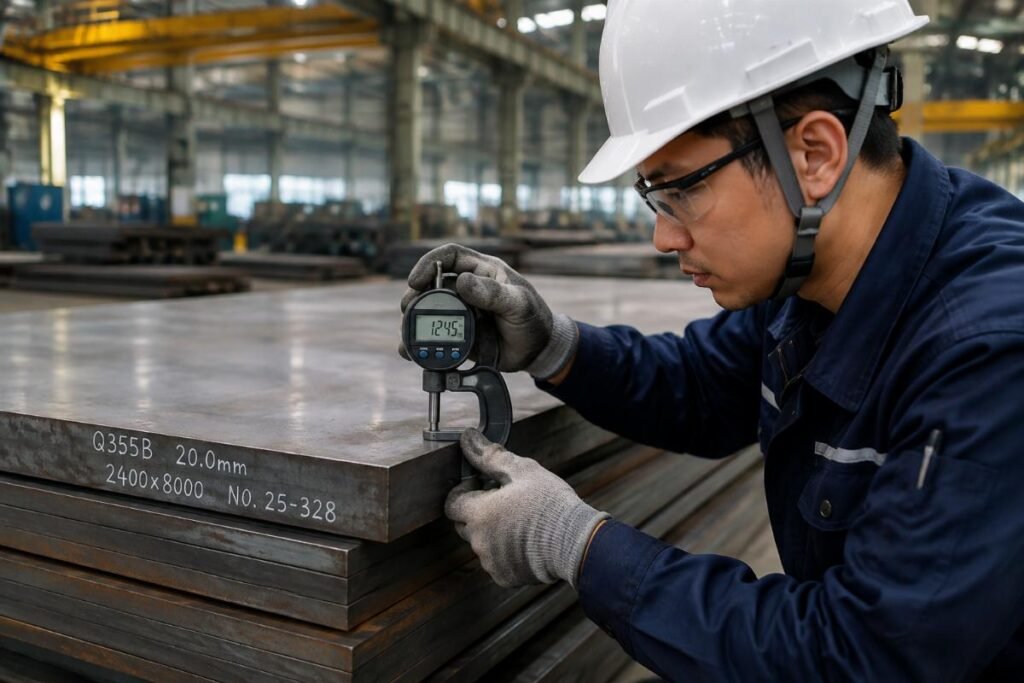
EN10219 S355JR Prefab Steel Structure Supplier Wholesale
Master the Prefabricated Steel Structure Sourcing Guide to prevent customs delays caused by EN10219 and EN10210 certification mismatches. Learn to...
Read article →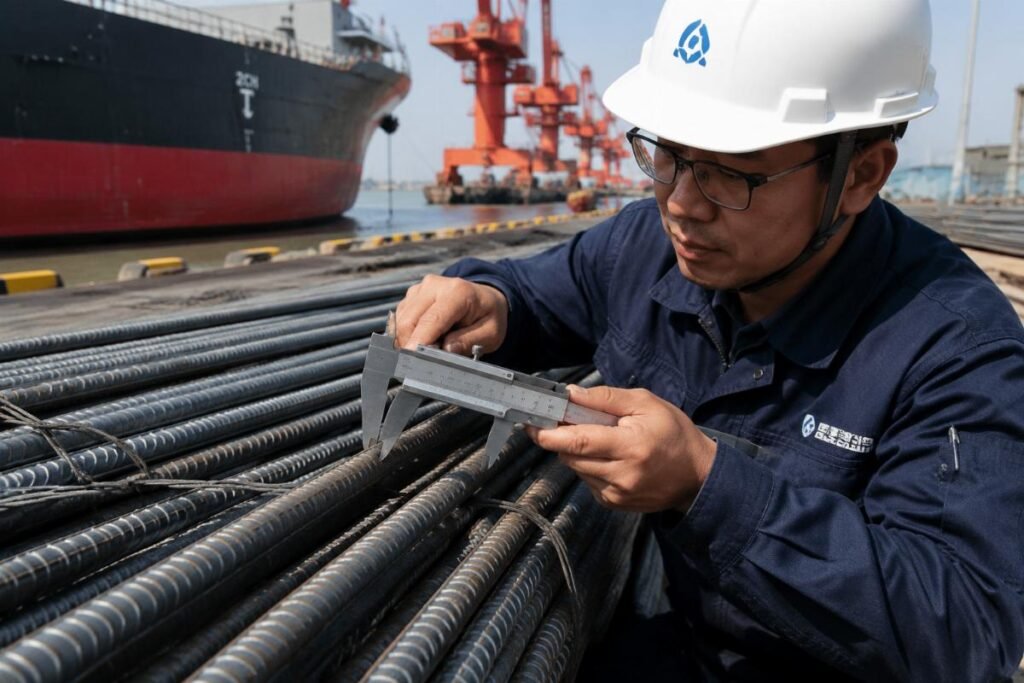
August 10, 2026
Steel Rebar Wholesale Sourcing for Global Construction Contractors
Master Steel Rebar Wholesale Sourcing by prioritizing dimensional tolerances and mill certifications over lowest unit prices. Avoid costly customs delays...
Read article →
August 10, 2026
EN Standard Channel Steel Wholesale for African Distributors
Sourcing Channel Steel Wholesale for African Distributors demands strict adherence to EN 10056 tolerances to prevent costly installation failures. Verify...
Read article →Discussion