
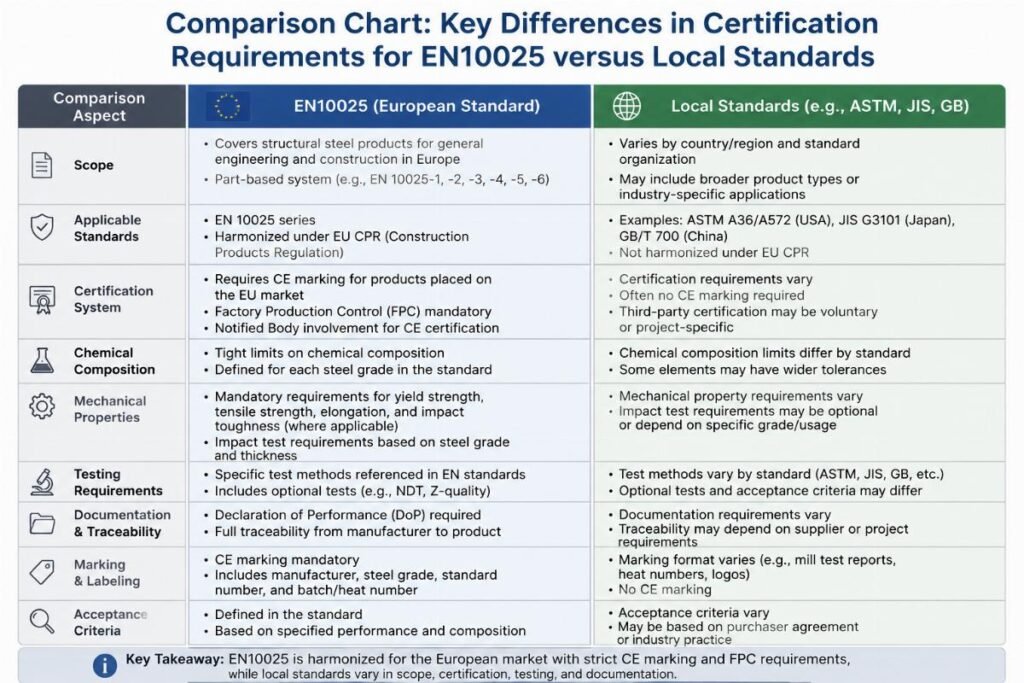
Q345B is not S355JR.
Middle East contractors must prioritize EN10025 certification over generic “structural steel” claims to avoid site rejection; bulk sourcing requires strict alignment of mill certificates with consultant specs.
The assumption that Chinese national standard steel is automatically equivalent to European norms is the single most expensive error in structural procurement. I learned this not from a textbook, but from watching a full container of I-beams sit idle at Jebel Ali port while a project timeline bled money. The physical dimensions were perfect. The tensile strength was adequate. But the paperwork said GB/T 1591, and the contract demanded EN10025-2. In the Middle East construction ecosystem, the consultant’s signature matters more than the steel’s molecular structure. Without the correct European conformity documentation, the material is effectively scrap metal on arrival.
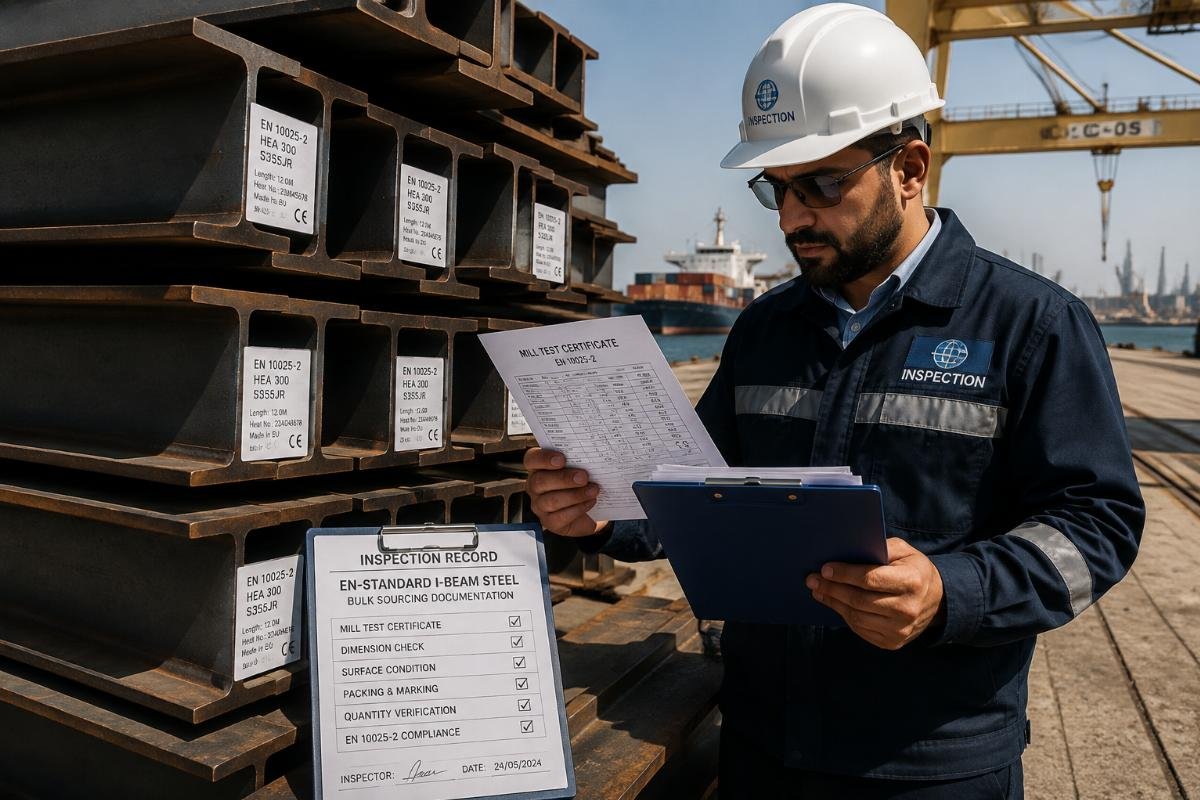
Navigating EN-standard I-beam steel bulk sourcing requires a shift from viewing steel as a commodity to viewing it as a compliance instrument. The following guide breaks down the specific technical and logistical hurdles faced by procurement managers and EPC contractors when importing structural steel into regions like the UAE, Saudi Arabia, and Qatar.
Why EN Standard Compliance is Non-Negotiable in the Middle East?
Local consultants in the Gulf Cooperation Council (GCC) countries strictly enforce EN10025 and EN10210 standards, rejecting non-compliant materials regardless of their physical quality. This is not a matter of preference; it is a matter of liability and insurance.
Many suppliers attempt to bridge the gap by claiming that Q345B is the “equivalent” of S355JR. While the yield strengths are similar, the chemical composition requirements and impact testing protocols differ significantly. [NEED_CITE: chemical composition differences between GB/T 1591 and EN10025-2] Under EN standards, the control of sulfur and phosphorus content is stricter to ensure weldability and toughness, particularly in varying climate conditions. Furthermore, EN10025 mandates specific impact test temperatures that GB standards do not always align with by default.
A common scenario involves a warehouse project in Dubai where the structural engineer specified S355JR. The supplier, aiming to save costs, shipped Q345B with a mill certificate stating “equivalent to S355.” Upon arrival, the third-party inspection agency flagged the discrepancy. The material was rejected because the impact test data was missing for the required temperature range. The delay lasted over a month, costing far more than the price difference between the two grades.
When engaging in EN-standard I-beam steel bulk sourcing, buyers must verify that the Mill Test Certificate (MTC) explicitly references EN10025-2. It is not enough for the steel to meet the mechanical properties; the certification trail must be unbroken and explicit. Consultants often require the Declaration of Performance (DoP) alongside the MTC, a document that is rarely generated for domestic Chinese standard products unless specifically requested for export.
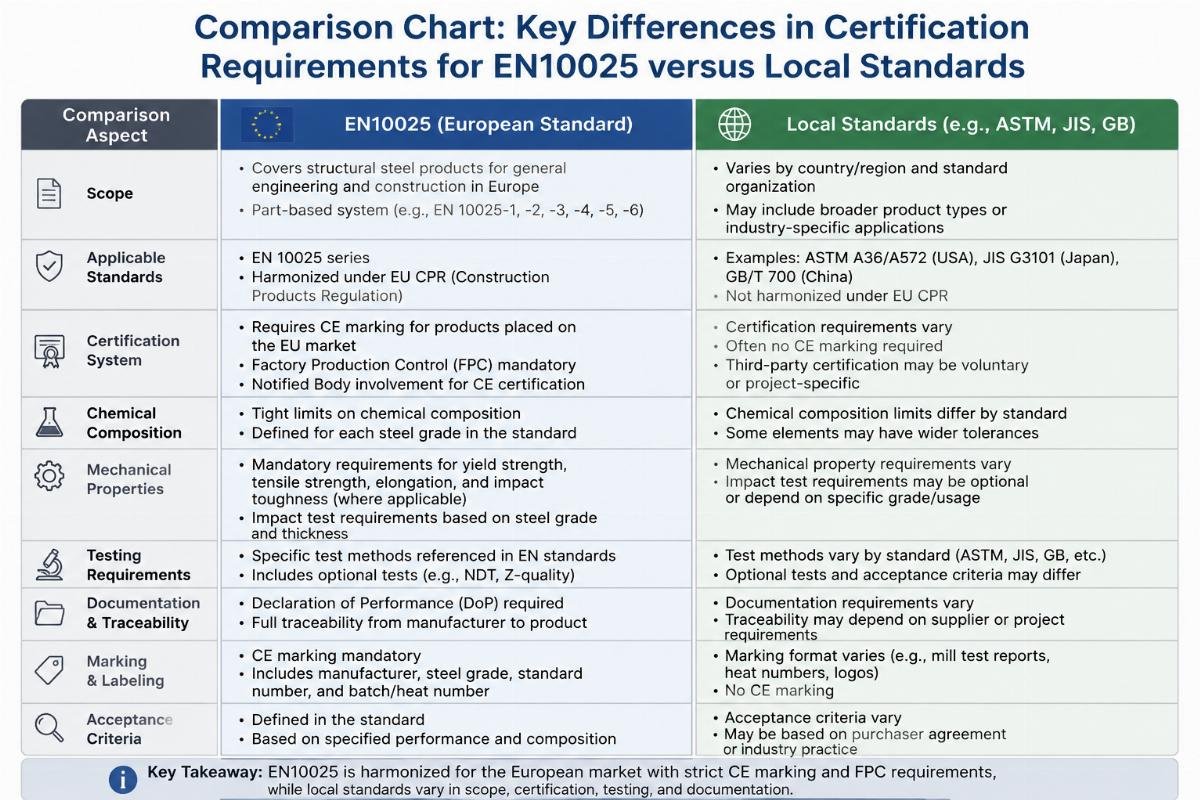
How to Verify I-Beam Quality Before Shipment?
Requiring specific EN-grade mill certificates and considering third-party inspection for bulk orders are critical steps to prevent site rejection. Relying solely on the manufacturer’s internal quality control is insufficient for high-stakes projects in the Middle East.
The verification process begins with the request for quotation. Buyers must specify that the MTC must comply with EN10204 Type 3.1 or 3.2, depending on the project’s risk profile. Type 3.1 certificates are issued by the manufacturer’s authorized inspection representative, while Type 3.2 involves an independent inspector. For large infrastructure projects, consultants often mandate Type 3.2.
A frequent pitfall is the mismatch between the heat number on the steel bundle and the number on the certificate. During a recent shipment to a coastal project in Saudi Arabia, the bundles arrived with faded markings. The inspector could not trace the physical steel back to the test reports. The entire batch was held for re-testing, causing significant demurrage charges. To avoid this, ensure that the supplier uses durable marking methods, such as stenciling or metal tagging, that survive ocean freight and handling.
Third-party inspection agencies like SGS or Bureau Veritas play a vital role in this phase. They verify not just the chemical composition, but also the dimensional tolerances. EN10034 specifies the tolerances for structural steel sections. Deviations beyond these limits can cause fit-up issues during erection, leading to costly on-site modifications. [NEED_CITE: EN10034 tolerance standards for structural steel]
For buyers managing EN-standard I-beam steel bulk sourcing, implementing a pre-shipment inspection protocol is non-negotiable. This includes witnessing the impact tests if possible, or at least reviewing the raw data logs from the manufacturer’s laboratory. At facilities with in-house laboratories, such as those adhering to EN10219 and EN10210 certifications, the transparency of test data is higher. Requesting access to these raw logs can reveal inconsistencies that a summarized certificate might hide.
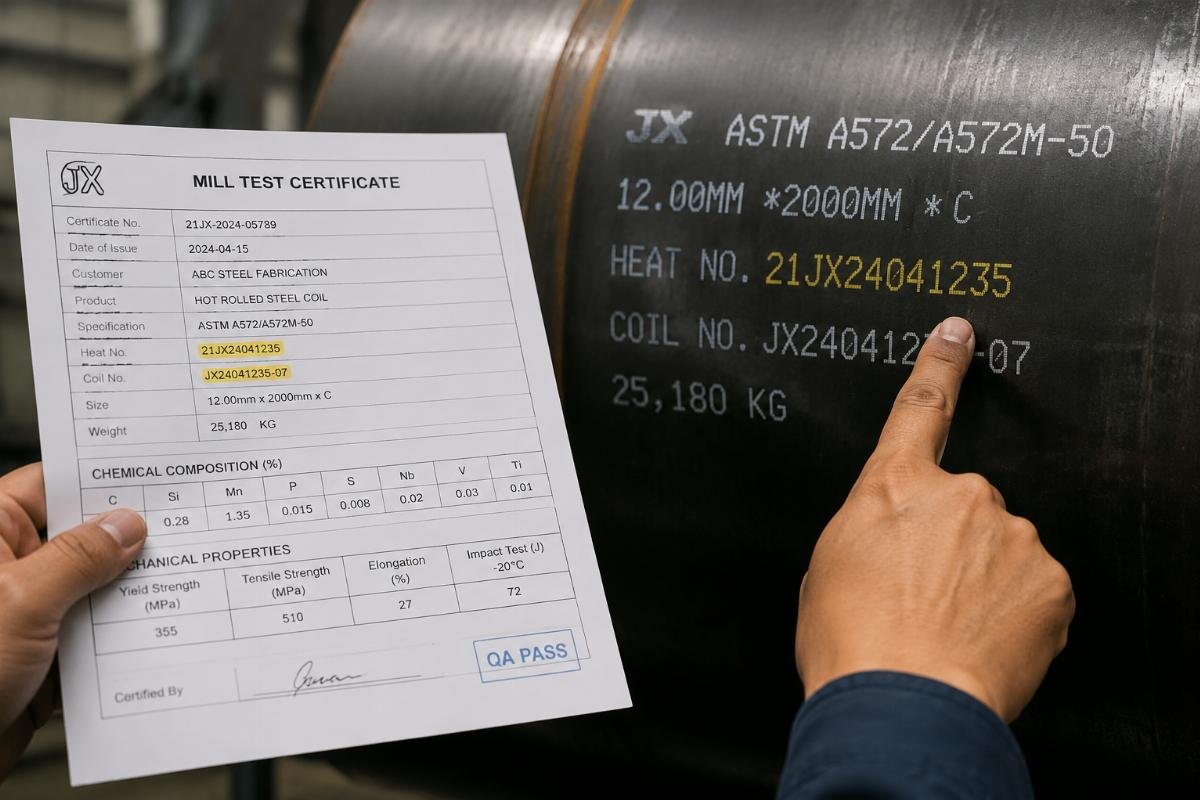
What Are the Critical Logistics Risks for Bulk Steel Exports?
Proper packaging and complete documentation prevent customs delays at ports like Jebel Ali. The logistics of steel export are not just about moving weight; they are about maintaining the integrity of the certification chain and the physical product.
Customs authorities in the Middle East have tightened regulations regarding imported construction materials. Shipments lacking clear CE marking or proper test reports are frequently held for additional scrutiny. The CE mark indicates that the product complies with EU health, safety, and environmental protection standards, which are widely accepted in the GCC. Without it, the clearance process can stall indefinitely.
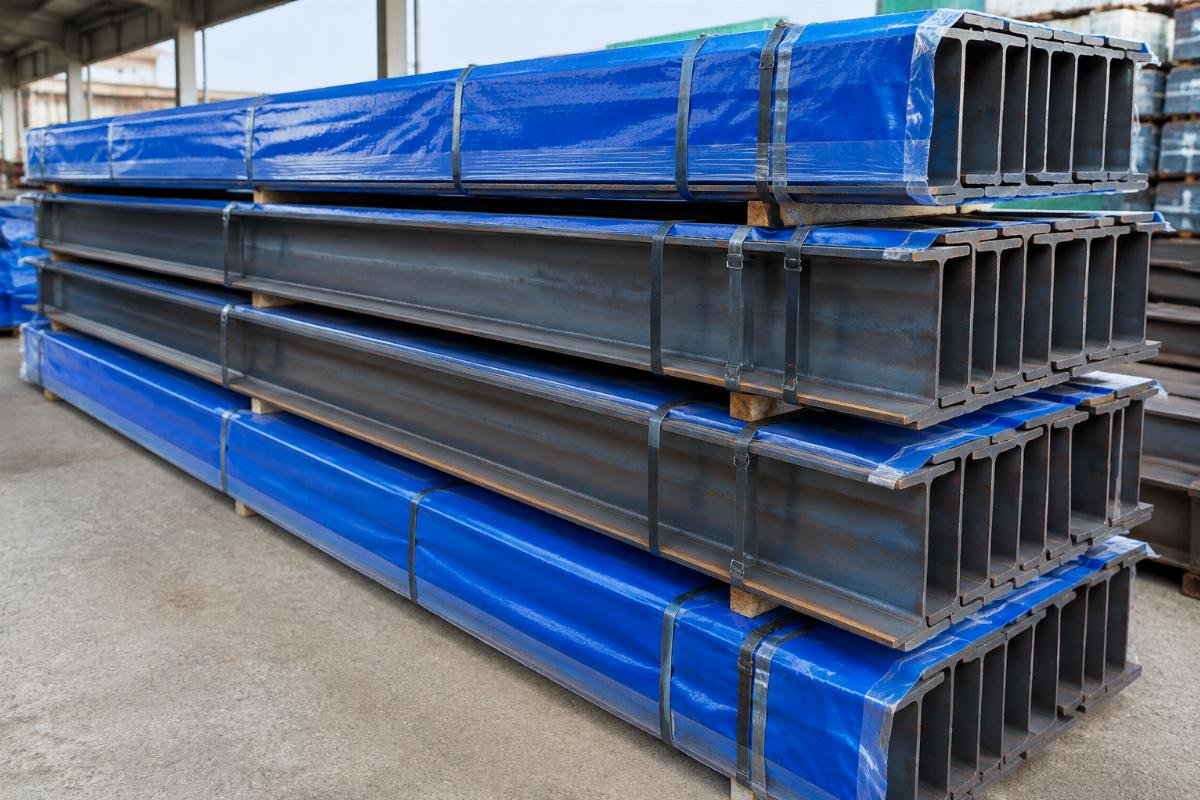
Packaging is another critical factor. I-beams are heavy and prone to shifting during transit. Inadequate securing can lead to bending or deformation, rendering the steel unusable. Moreover, exposure to saltwater during sea freight can cause surface corrosion if the steel is not properly protected. While EN standards do not always mandate specific packaging for inland use, export to coastal regions requires enhanced protection.
A case in point involved a shipment to Dammam where the beams were stacked without sufficient dunnage. The bottom layers suffered from pressure marks and minor deformation. More critically, the lack of vapor barrier packaging led to flash rusting. Although the rust was superficial, the consultant refused acceptance until the steel was blasted and repainted, adding unexpected costs to the project.
When planning EN-standard I-beam steel bulk sourcing, buyers should specify packaging requirements in the purchase order. This includes the use of waterproof paper, steel strapping, and clear labeling of each bundle with the heat number, grade, and dimensions. Ensuring that the packing list matches the physical cargo exactly is essential for smooth customs clearance.
How to Choose the Right Surface Treatment for Coastal Projects?
Marine environments demand higher corrosion resistance standards than inland projects. The choice of surface treatment can determine the longevity and maintenance costs of the structure.
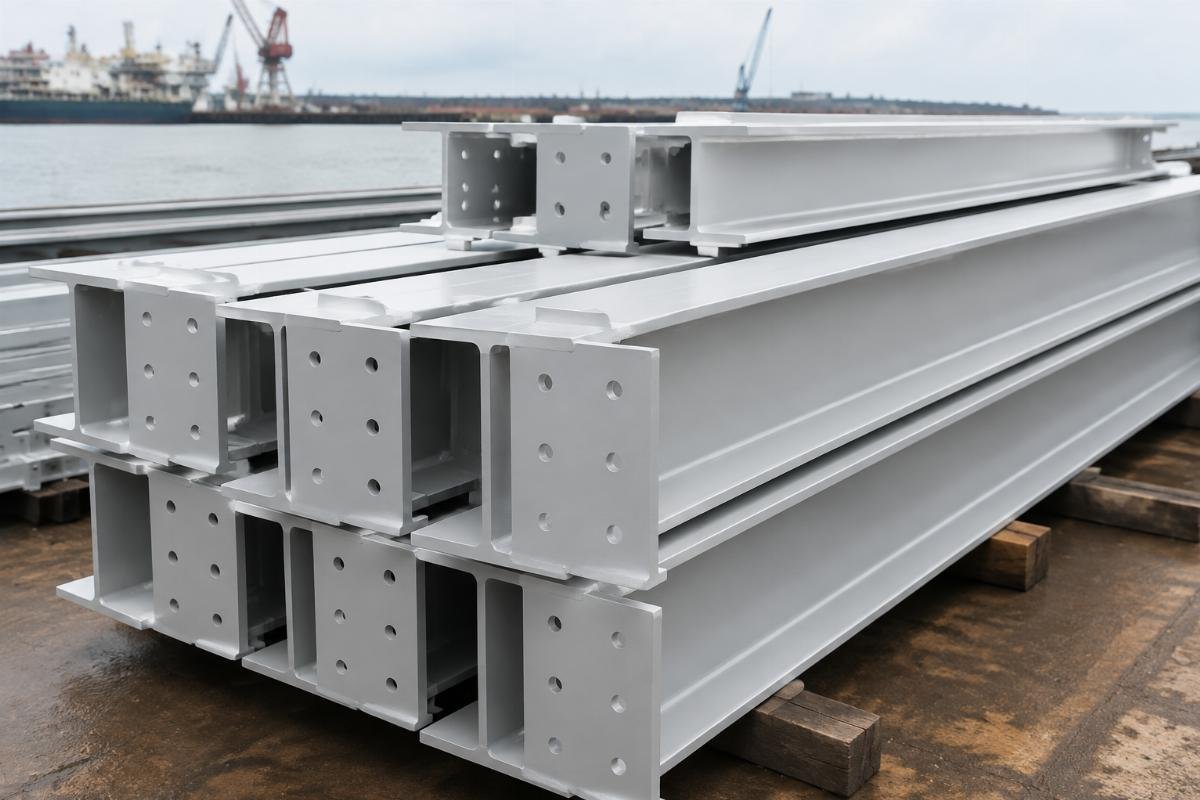
In coastal areas of the Middle East, such as Jeddah or Abu Dhabi, the air contains high levels of chlorides. Standard shop primer is often insufficient to protect structural steel during the construction phase and early service life. Shot blasting to Sa2.5 cleanliness level followed by a suitable epoxy zinc-rich primer is the industry standard for such environments. [NEED_CITE: ISO 8501-1 surface preparation standards]
However, many suppliers offer only basic painting or no treatment at all to reduce costs. This leads to rapid corrosion once the steel is exposed to the marine atmosphere. A project in Bahrain experienced premature corrosion on its structural framework because the supplier applied a thin layer of alkyd paint instead of the specified epoxy system. The cost of remedial blasting and repainting exceeded the initial savings by a significant margin.
Buyers must specify the surface preparation standard and the paint system in detail. This includes the dry film thickness (DFT) and the type of primer. Verification of the surface profile after blasting is also crucial. A rougher profile provides better adhesion for the coating, enhancing its durability.
For EN-standard I-beam steel bulk sourcing, integrating surface treatment specifications into the initial inquiry ensures that the supplier quotes for the correct process. It also allows for the inclusion of inspection points for coating thickness and adhesion during the pre-shipment inspection.
Conclusion
Compliance is not optional; it is the foundation of successful procurement.
Sourcing structural steel for the Middle East requires a rigorous approach to documentation, verification, and logistics. By prioritizing EN10025 certification, enforcing strict pre-shipment inspections, and specifying appropriate surface treatments, buyers can mitigate the risks of rejection and delay. The cost of diligence is far lower than the cost of failure.
Tags
Share this article

Written by
author
Editor covering global sourcing, supplier verification, and industrial product knowledge. Content is compiled from manufacturer specifications, industry standards, and hands-on experience with international B2B buyers. Every article is fact-checked before publishing to help procurement professionals make informed decisions.
View all posts →Keep Reading
Related Articles
August 11, 2026
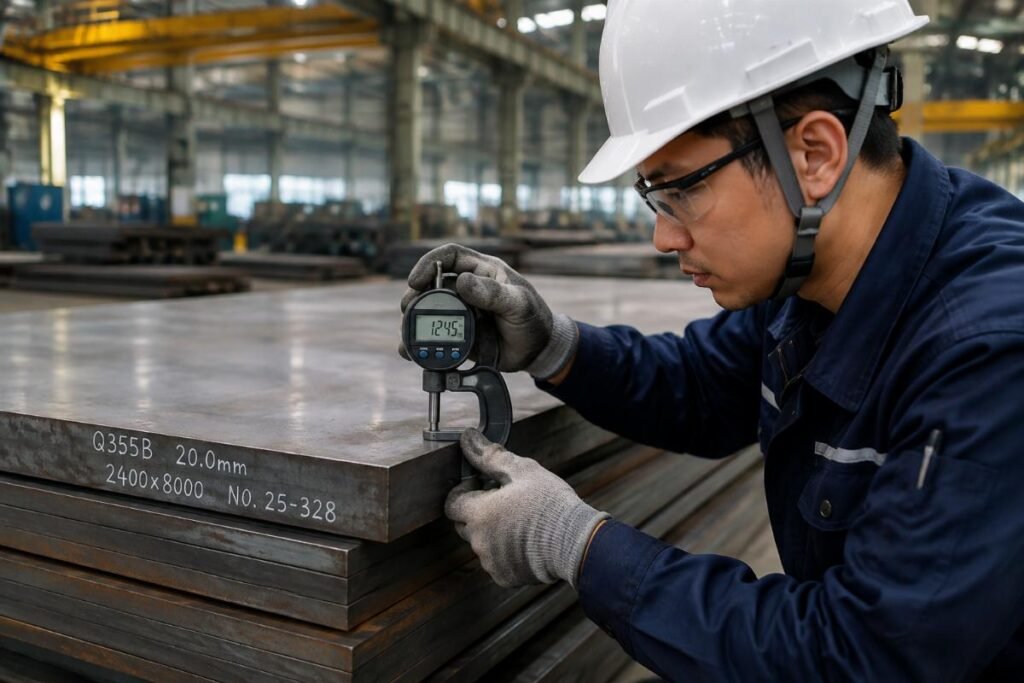
EN10219 S355JR Prefab Steel Structure Supplier Wholesale
Master the Prefabricated Steel Structure Sourcing Guide to prevent customs delays caused by EN10219 and EN10210 certification mismatches. Learn to...
Read article →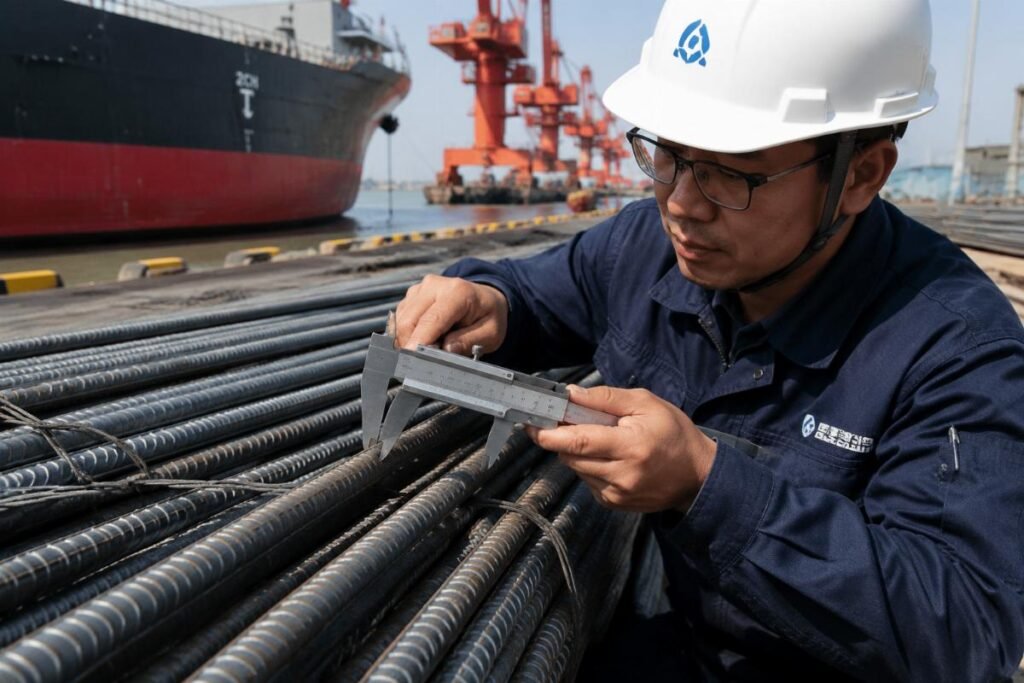
August 10, 2026
Steel Rebar Wholesale Sourcing for Global Construction Contractors
Master Steel Rebar Wholesale Sourcing by prioritizing dimensional tolerances and mill certifications over lowest unit prices. Avoid costly customs delays...
Read article →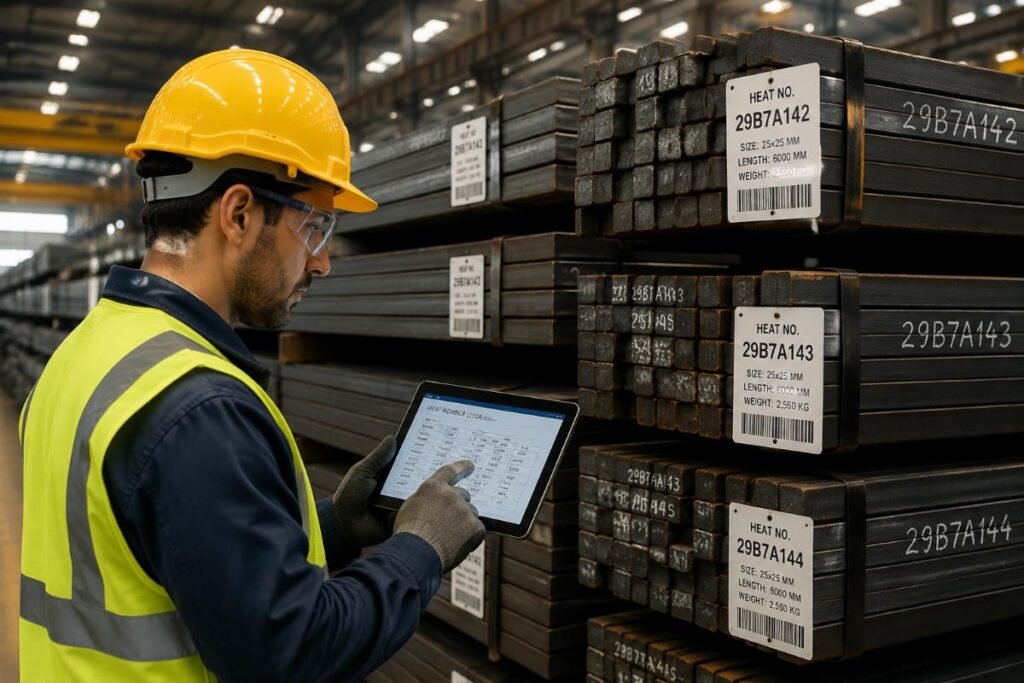
August 10, 2026
EN Angle Steel Bulk Purchase for Latin America from Manufacturer
Avoid costly demurrage with our Angle Steel Bulk Purchase Latin America guide. Learn to align EN10219 certificates with cargo marks...
Read article →Discussion