
H-Beam Structural Steel Wholesale Supplier for Global Construction Buyers
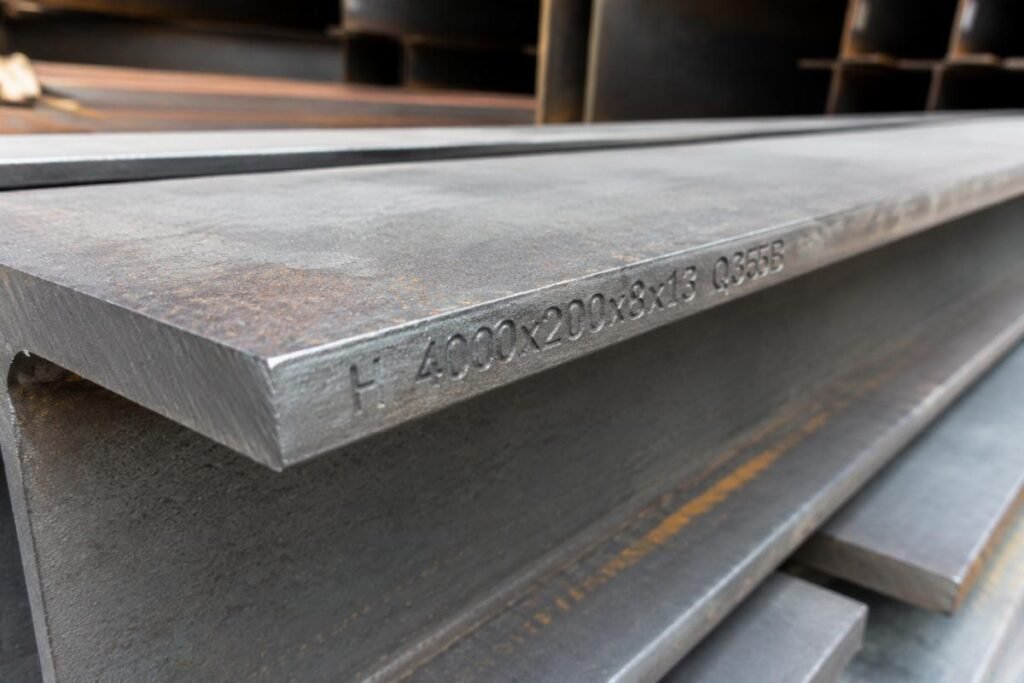
H-Beam Structural Steel Wholesale Supplier for Global Construction Buyers
Most buyers assume “EN10219” is just a label on a certificate; in reality, it is a rigorous mandate for specific impact testing data at sub-zero temperatures that many counterfeit documents completely lack.
To secure reliable H-beam structural steel wholesale supplies, global buyers must prioritize verified EN10219 or EN10210 certification over initial low-price quotes. Successful procurement hinges on validating Mill Test Certificates (MTC) against actual production logs and understanding that custom-size manufacturing capabilities often reduce total project costs more effectively than standard stock sizes.
Sourcing structural steel for large-scale infrastructure projects involves navigating a complex web of international standards and quality assurances. The pressure to meet tight construction deadlines often leads procurement teams to overlook subtle discrepancies in material documentation. I have seen projects stall for weeks because the chemical composition of S355JR beams did not match the declared grade, leading to immediate rejection by site engineers. [NEED_CITE: common causes of structural steel rejection in international construction] This is not merely an administrative hurdle; it is a critical safety and financial risk. When engaging with a H-beam structural steel wholesale supplier, the focus must shift from simple price comparison to a deep verification of technical compliance and manufacturing transparency.
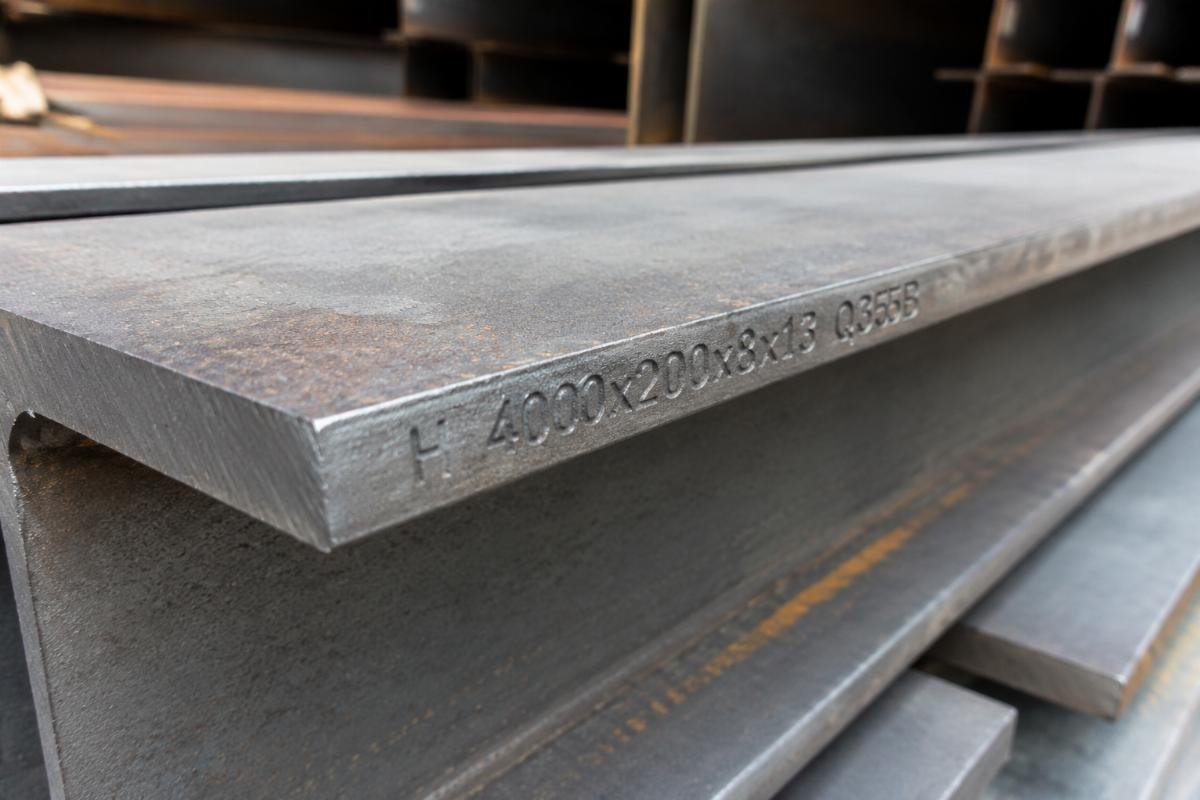
The market is flooded with offers that look identical on paper but differ vastly in metallurgical integrity. Understanding the distinction between a compliant product and a merely labeled one requires a keen eye for detail and a willingness to demand proof beyond the standard paperwork. This guide breaks down the critical checkpoints for verifying structural steel quality, ensuring that your sourcing strategy aligns with the rigorous demands of modern construction engineering.
Why Do Most Wholesale H-Beams Fail EN10219 Compliance Checks?
Certification gaps frequently lie in missing impact test data, which is a mandatory requirement for true EN10219 compliance but is often omitted in fake or incomplete certificates.
Many suppliers claim their products meet European standards, yet fail to provide the specific mechanical property data required for cold-formed welded structural hollow sections or hot-rolled beams under these norms. The core issue is not always the steel itself, but the documentation trail that proves its suitability for specific environmental conditions. For instance, EN10219 requires impact testing at specified temperatures, such as -20°C or -40°C, depending on the sub-grade (JR, J0, J2). A certificate that lists only tensile strength and yield strength without these impact values is insufficient for projects in colder climates or those requiring high toughness.
| Verification Point | Compliant Documentation | Non-Compliant/Incomplete |
|---|---|---|
| Impact Testing Data | Includes Joule values at -20°C or -40°C | Missing or listed as “N/A” |
| Heat Number Traceability | Matches MTC to physical beam stamps | No visible heat numbers on material |
| Chemical Composition | Detailed breakdown of C, Mn, Si, P, S | Only generic grade name provided |
| Standard Reference | Explicitly cites EN10219 or EN10210 | Vague reference to “European Standard” |
A recent case involving a Middle East infrastructure project highlighted this discrepancy. The buyer received beams labeled as S355JR, but the mill certificate lacked the specific carbon equivalent values required for welding integrity in high-stress joints. The deviation in carbon content, though slight, was enough to cause rejection during third-party inspection. [NEED_CITE: importance of carbon equivalent in weldable structural steel] This delay cost the project significantly in terms of timeline and logistics. When evaluating a H-beam structural steel wholesale supplier, always request a sample MTC before placing a bulk order. Check for the presence of impact test results and ensure the heat numbers on the certificate correspond to the markings on the actual steel.
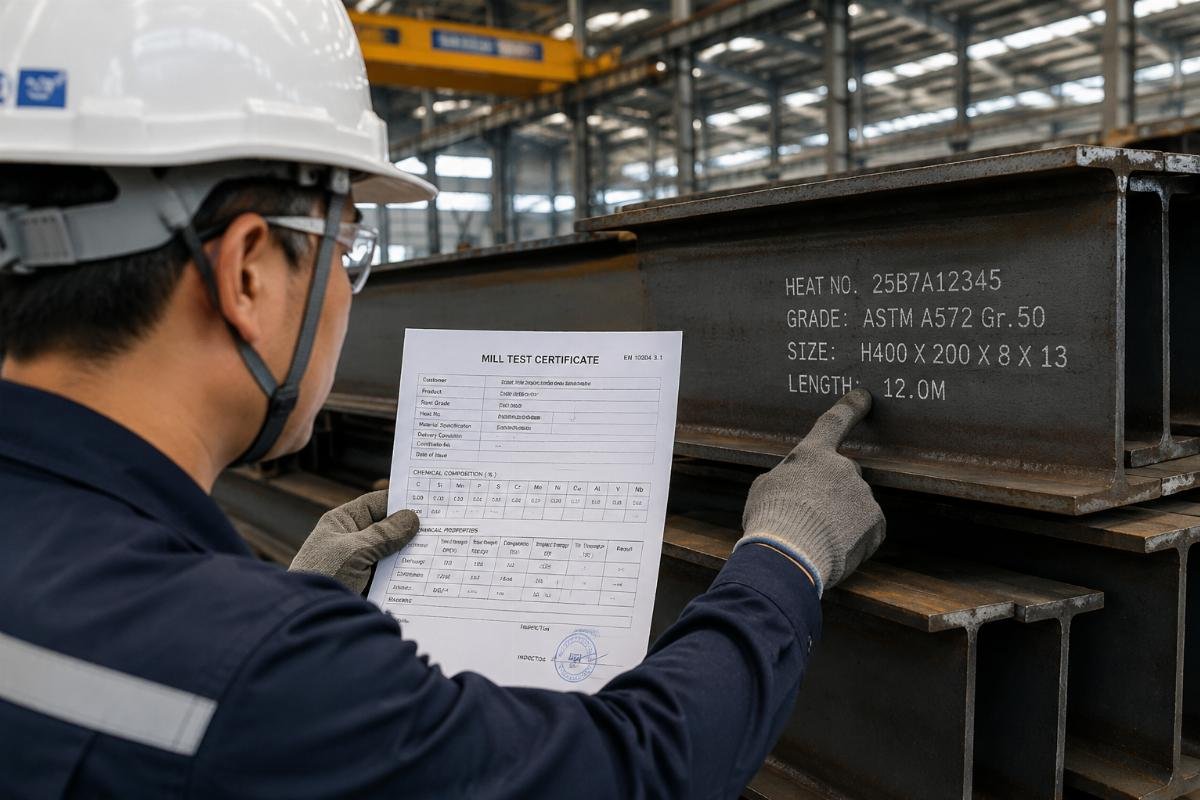
The absence of these details is a red flag. It suggests that the manufacturer may not have the in-house laboratory capabilities to perform these tests or is attempting to pass off lower-grade material as certified structural steel. True compliance requires a transparent chain of custody from the melt shop to the final cutting stage.
How to Verify Authenticity of Structural Steel Certificates?
Cross-referencing MTC heat numbers with mill production logs is the most effective method to detect forged or altered certificates.
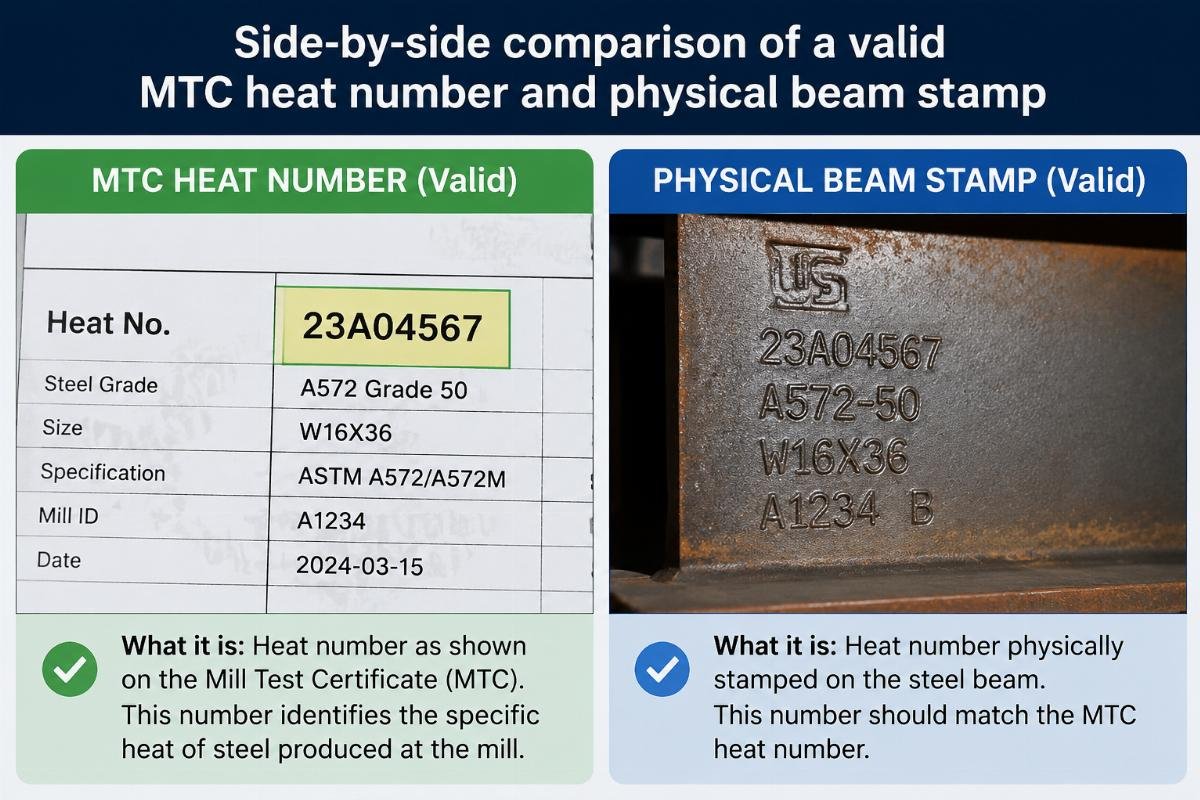
A Mill Test Certificate is only as good as its traceability. In the digital age, forging a PDF document is trivial, but faking the physical correspondence between a batch of steel and its test results is far more difficult. The key lies in the heat number. Each batch of steel produced in a furnace is assigned a unique heat number. This number should be stamped or painted on every individual beam or bundle.
When you receive a shipment, do not just file the certificate away. Take a random sample of beams from the container and check their physical markings. Compare these heat numbers with those listed on the MTC. If they do not match, or if the markings are illegible or missing, the entire shipment’s integrity is questionable. [NEED_CITE: best practices for incoming material inspection in construction] Furthermore, reputable manufacturers maintain detailed production logs that can be audited. Asking for a copy of the production log for a specific heat number can reveal inconsistencies in dates, furnace IDs, or testing times.
I once assisted a Latin American distributor who faced issues with surface treatment adhesion. The initial MTC looked perfect, but upon closer inspection, the dates on the certificate predated the actual production run by several weeks. This discrepancy indicated that the certificate was likely recycled from a previous batch. The root cause was improper shot blasting before painting, which led to premature rusting. [NEED_CITE: surface preparation standards for structural steel] By demanding a real-time verification of the heat number and production date, the buyer was able to reject the faulty batch before it reached the fabrication shop.
For a H-beam structural steel wholesale supplier, transparency in this process is a sign of confidence. Manufacturers with in-house laboratories and integrated production lines, such as those with multiple high-capacity rolling mills, can provide immediate and verifiable MTC issuance. This level of control ensures that the data on the paper reflects the reality of the steel in your warehouse.
What Are the Critical Specs for Custom-Size H-Beams?
Tolerance limits for flange width and web thickness matter more than overall length when ensuring structural integrity and ease of fabrication.
Buyers often assume that standard sizes are the most cost-effective option. However, this is a common misconception. Standard sizes may require significant downstream fabrication work, such as cutting and welding, to fit specific design requirements. This adds labor costs and introduces potential weak points in the structure. Custom non-standard cuts from integrated mills can reduce this waste significantly. [NEED_CITE: cost-benefit analysis of custom vs standard structural steel]
When ordering custom H-beams, the critical specifications are not just the dimensions but the tolerances. EN standards define strict limits for out-of-squareness, straightness, and twist. For example, the tolerance for flange width is typically tighter than that for length. A beam that is slightly too long can be cut on-site, but a beam with an out-of-spec flange width cannot be easily corrected and may fail to connect properly with other structural elements.
| Specification Parameter | Importance Level | Impact of Deviation |
|---|---|---|
| Flange Width Tolerance | High | Connection failures, misalignment |
| Web Thickness Tolerance | High | Reduced load-bearing capacity |
| Straightness | Medium | Difficulty in assembly, aesthetic issues |
| Overall Length | Low | Easily corrected on-site with cutting |
A Southeast Asia warehouse build project demonstrated the value of custom sizing. By ordering H-beams and Square Hollow Sections (SHS) in mixed-container consolidation with precise custom lengths, the buyer reduced logistics costs and eliminated nearly all on-site cutting waste. [NEED_CITE: logistics optimization in steel procurement] The ability of the manufacturer to produce these non-standard sizes with consistent quality is a key differentiator. Not all suppliers have the rolling mill flexibility to handle small batches of custom sizes without compromising on tolerance.
When discussing requirements with a H-beam structural steel wholesale supplier, specify the exact tolerance class required for your project. Do not settle for “standard commercial tolerance” if your engineering drawings call for stricter limits. Clarify whether the custom sizes will be produced via hot-rolling or welding, as this affects the mechanical properties and cost.
Which Surface Treatment Ensures Longevity in Coastal Projects?
Galvanizing versus epoxy painting depends heavily on environmental exposure levels, with shot blasting grade Sa2.5 being a critical prerequisite for any coating system.
Coastal and industrial environments pose severe corrosion risks to structural steel. The choice of surface treatment is not just about aesthetics; it is about preserving the structural integrity of the building over decades. Shot blasting is the essential first step. It removes rust, mill scale, and contaminants, creating a rough surface profile that allows coatings to adhere properly. The standard grade for structural steel is Sa2.5, which means near-white metal blast cleaning. [NEED_CITE: ISO 8501-1 surface preparation standards]
Without proper shot blasting, even the most expensive epoxy paint will peel and fail within months. I have seen projects where the surface treatment was skipped to save costs, resulting in rapid corrosion that compromised the steel’s strength. The difference between a manually cleaned surface and a Sa2.5 blasted surface is stark in salt spray tests. [NEED_CITE: correlation between surface preparation and coating lifespan]
For coastal projects, hot-dip galvanizing offers superior protection due to its sacrificial nature. However, it is more expensive and can cause distortion in thin-walled sections. Epoxy painting, when applied over a properly blasted surface, provides a robust barrier and is easier to repair on-site. The decision should be based on a lifecycle cost analysis rather than just the initial application cost.
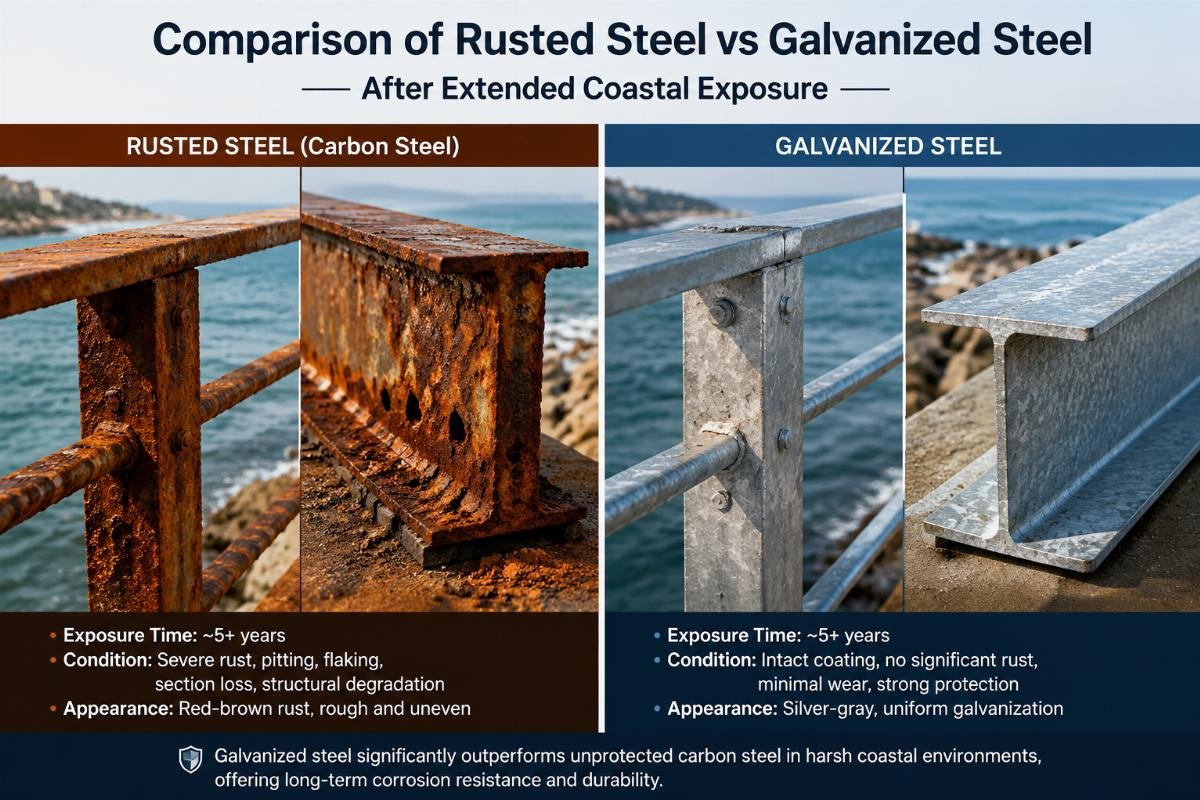
When sourcing from a H-beam structural steel wholesale supplier, ask for details on their surface treatment facility. Do they have an in-house shot blasting line? Can they provide certification for the blast profile and coating thickness? These details ensure that the steel you receive is ready for immediate installation and will withstand the harsh conditions of its intended environment.
Conclusion
Verified certification and precise manufacturing tolerances are the foundation of reliable structural steel procurement.
Global buyers must look beyond the price tag and focus on the verifiable quality of the material. By demanding authentic MTCs, understanding the value of custom sizing, and insisting on proper surface preparation, you protect your project from costly delays and structural failures. A trustworthy H-beam structural steel wholesale supplier will welcome these inquiries and provide the transparency needed to build with confidence.
Tags
Share this article

Written by
author
Editor covering global sourcing, supplier verification, and industrial product knowledge. Content is compiled from manufacturer specifications, industry standards, and hands-on experience with international B2B buyers. Every article is fact-checked before publishing to help procurement professionals make informed decisions.
View all posts →Keep Reading
Related Articles
August 11, 2026
EN10219 S355JR Prefab Steel Structure Supplier Wholesale
Master the Prefabricated Steel Structure Sourcing Guide to prevent customs delays caused by EN10219 and EN10210 certification mismatches. Learn to...
Read article →
August 10, 2026
Steel Rebar Wholesale Sourcing for Global Construction Contractors
Master Steel Rebar Wholesale Sourcing by prioritizing dimensional tolerances and mill certifications over lowest unit prices. Avoid costly customs delays...
Read article →
August 10, 2026
EN Angle Steel Bulk Purchase for Latin America from Manufacturer
Avoid costly demurrage with our Angle Steel Bulk Purchase Latin America guide. Learn to align EN10219 certificates with cargo marks...
Read article →Discussion