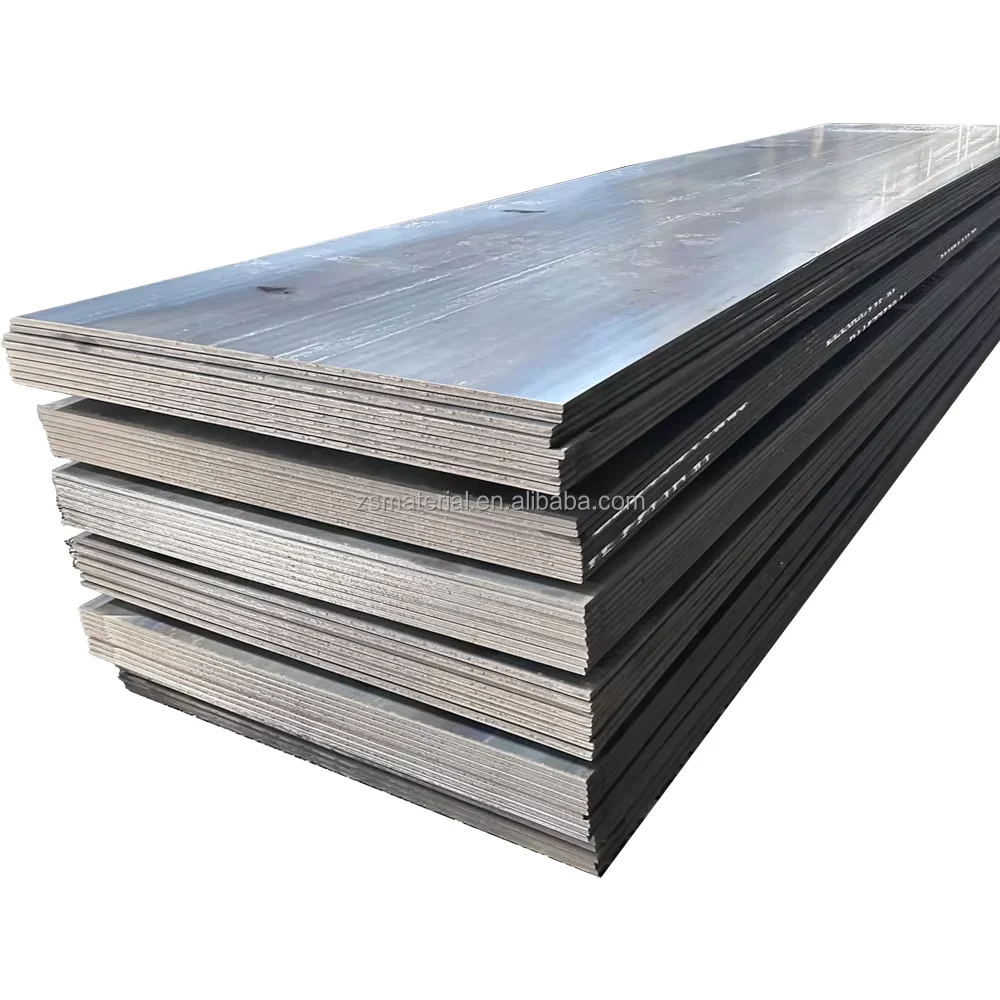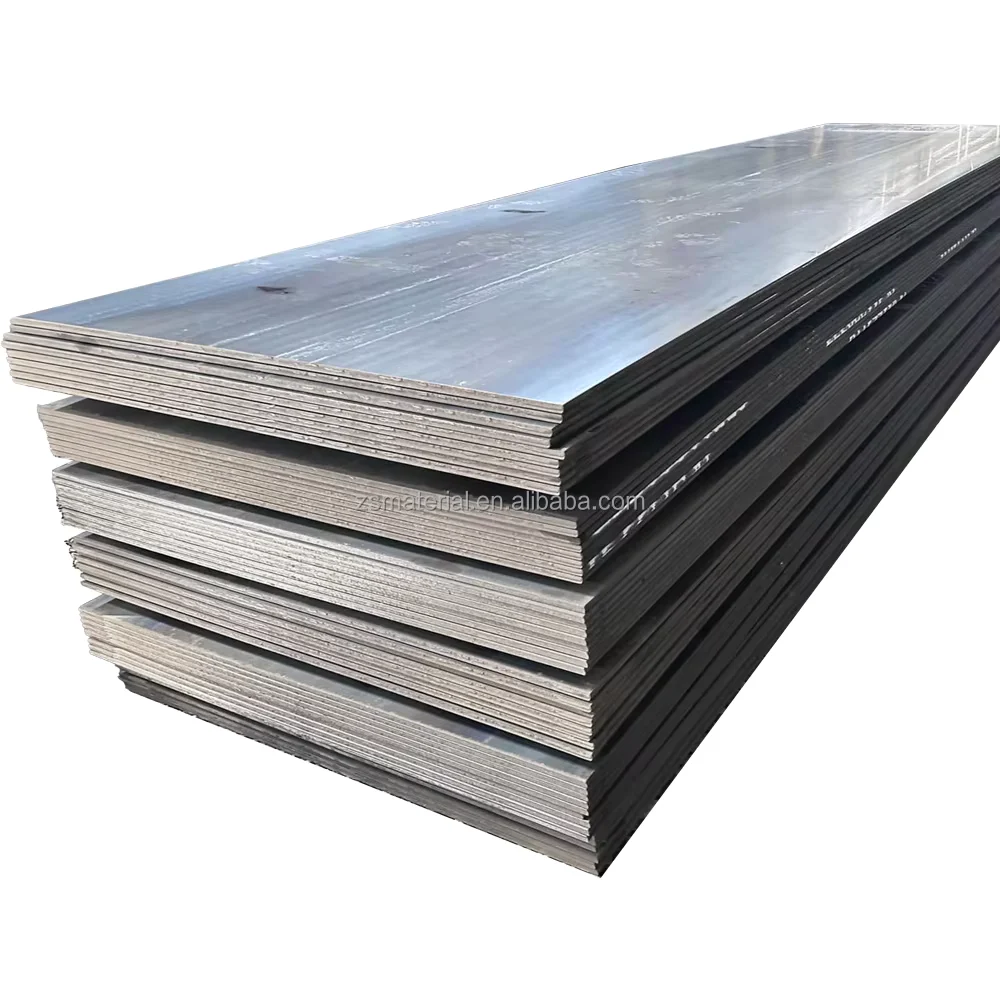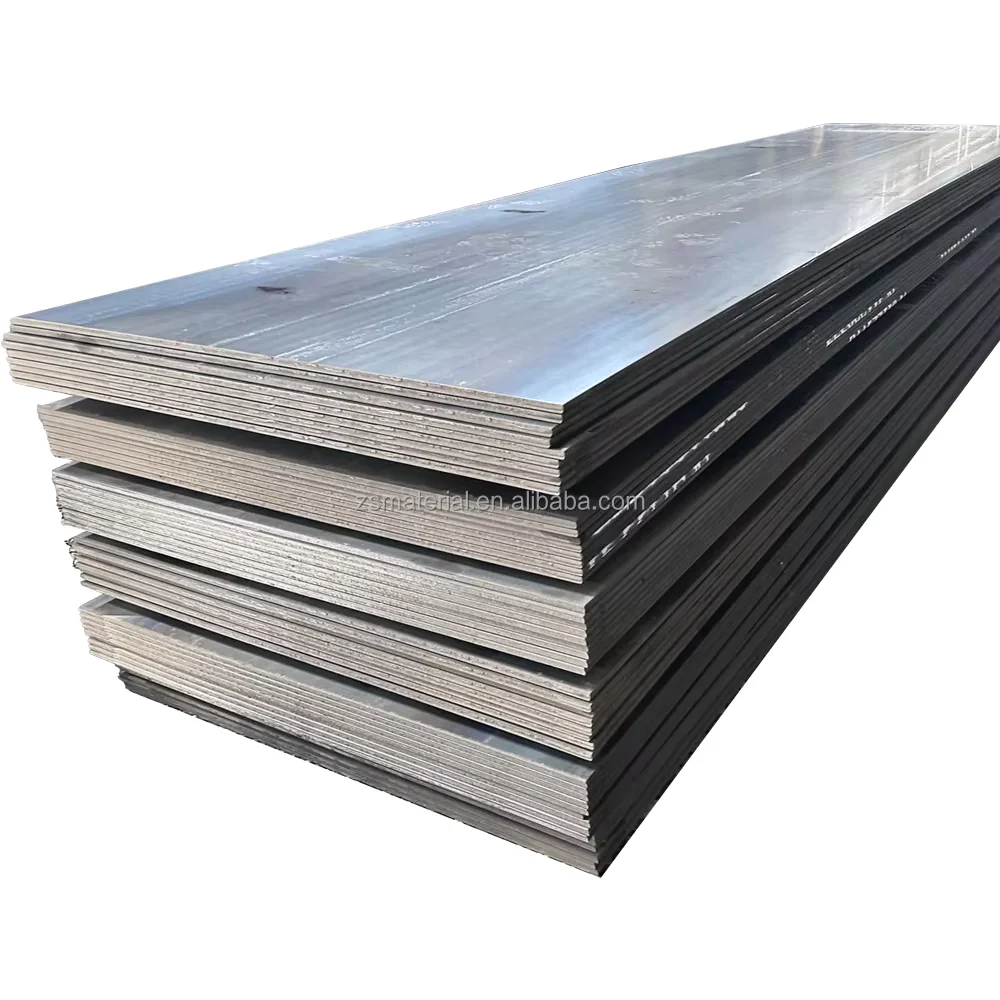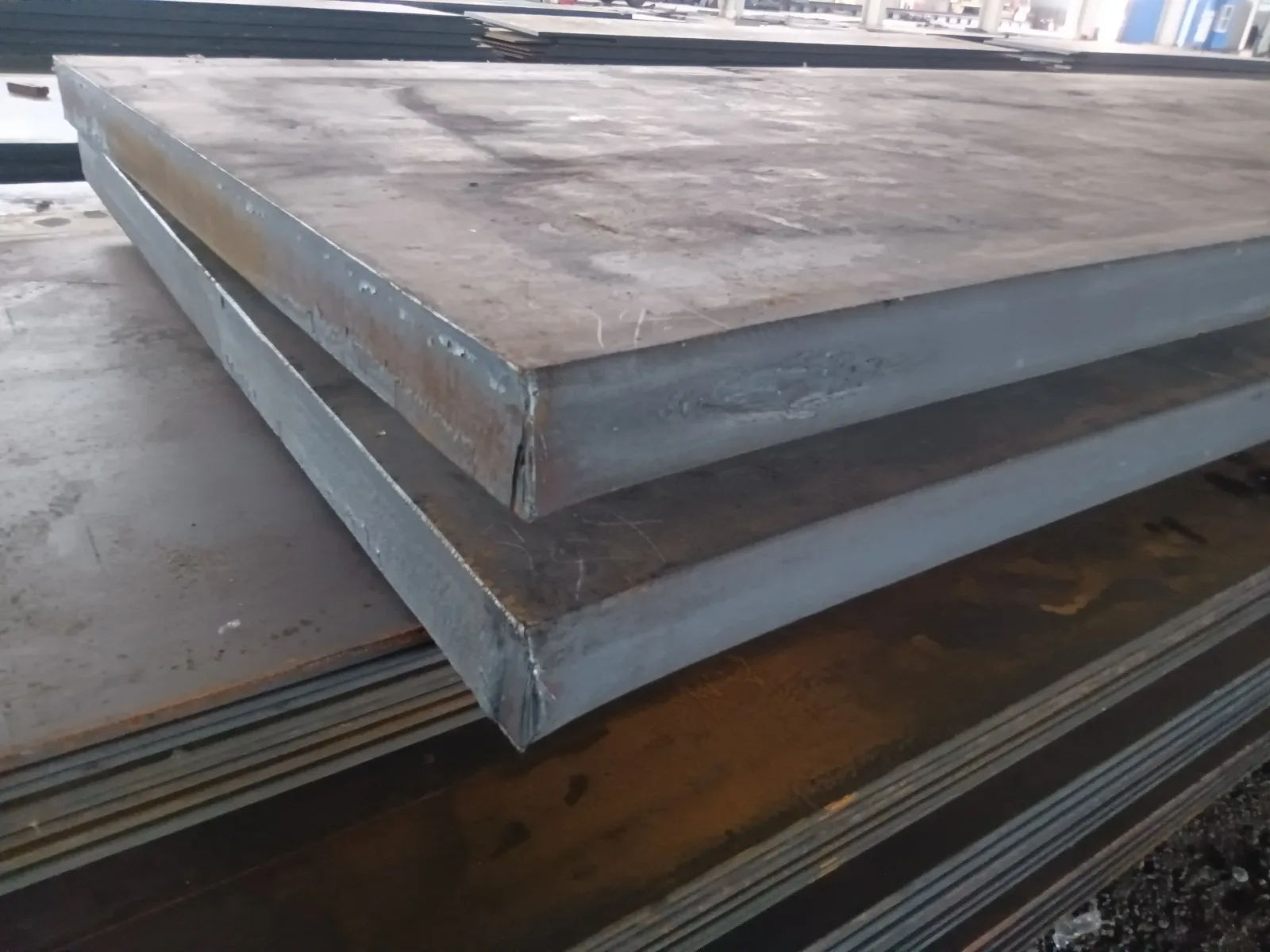
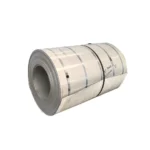
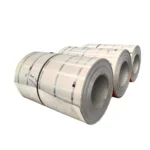
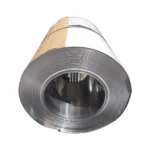
Description
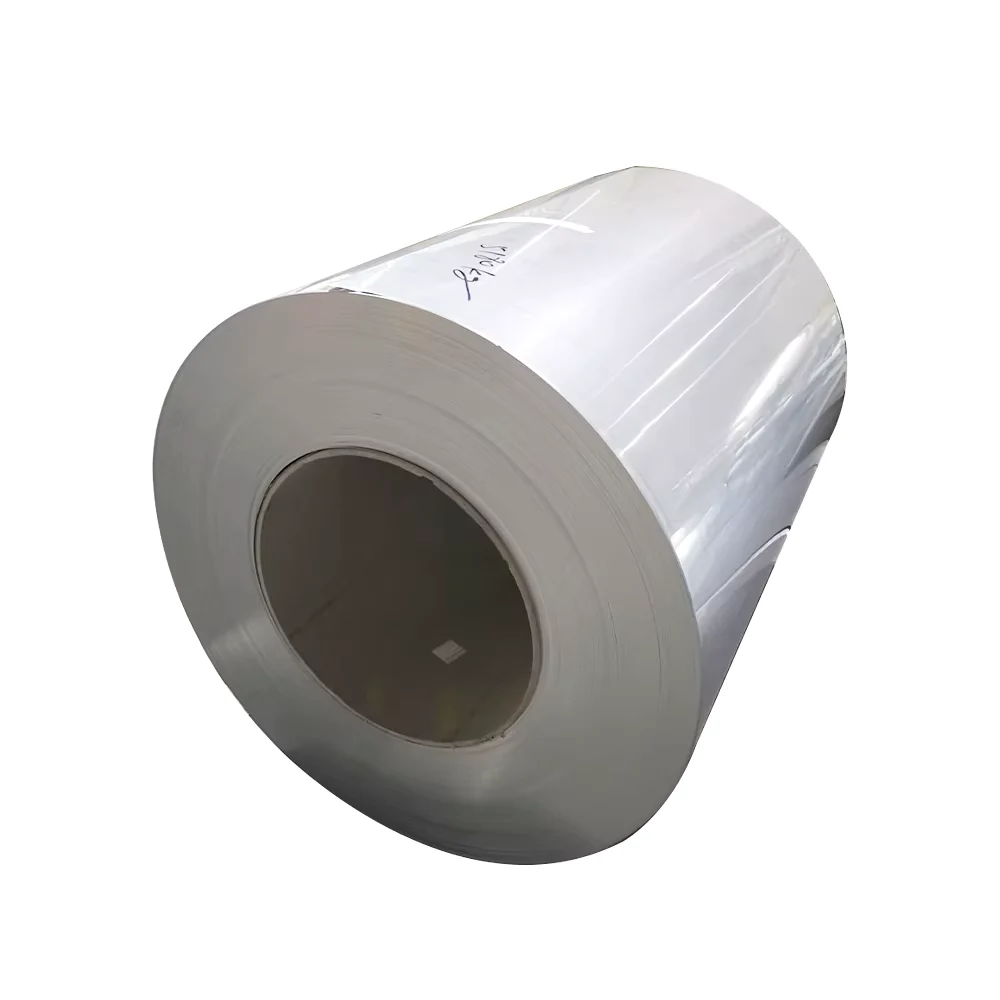
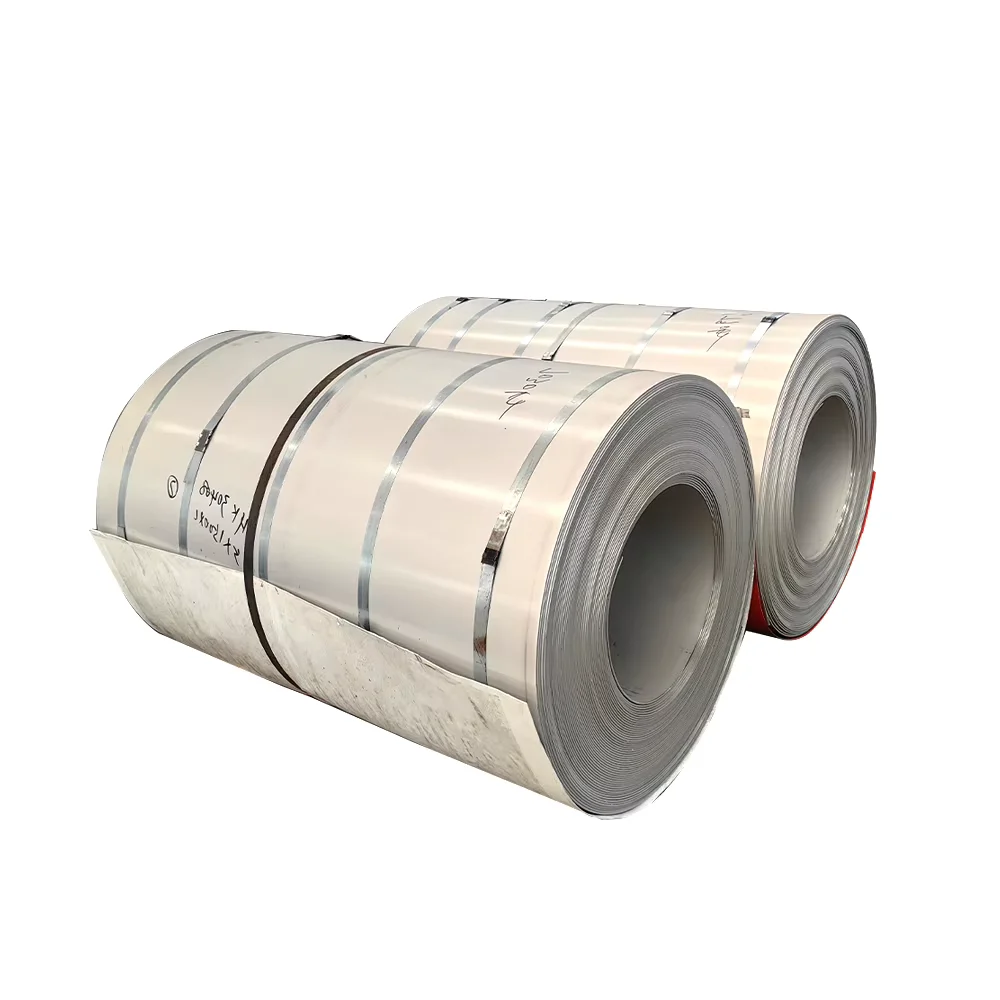
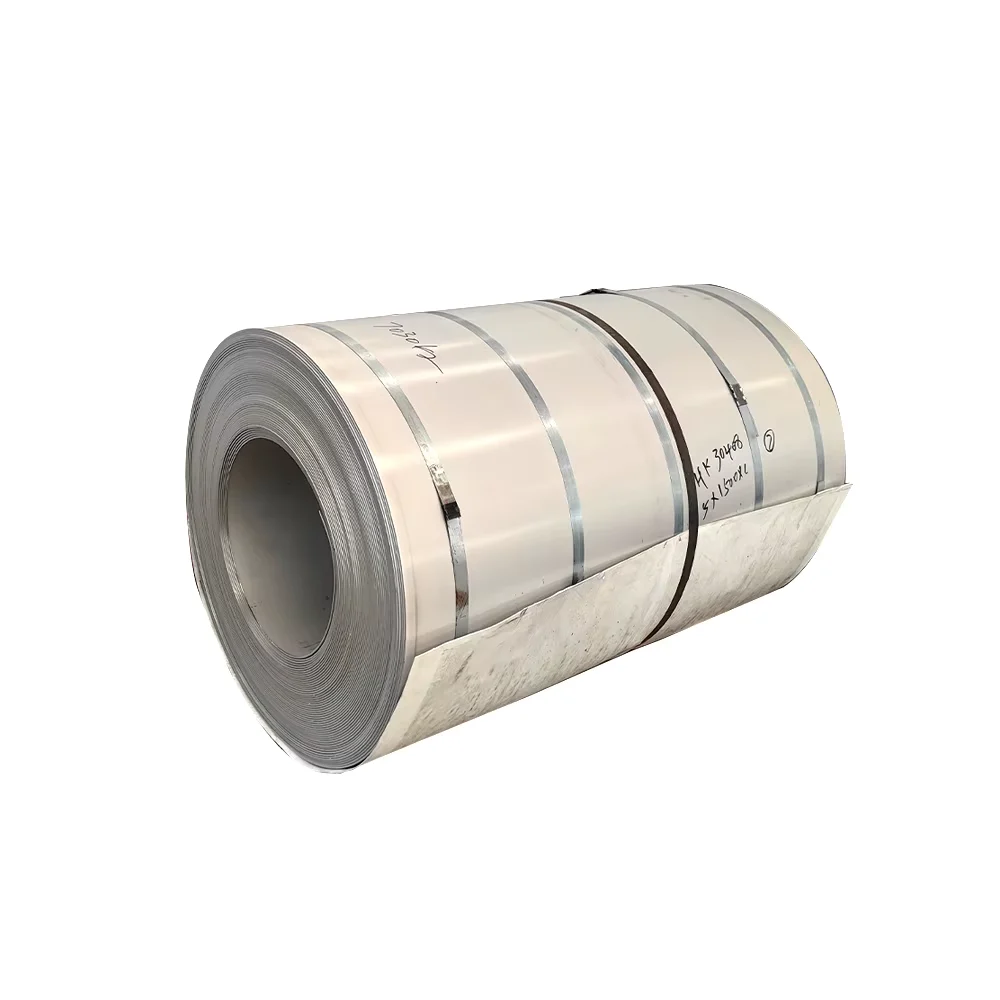
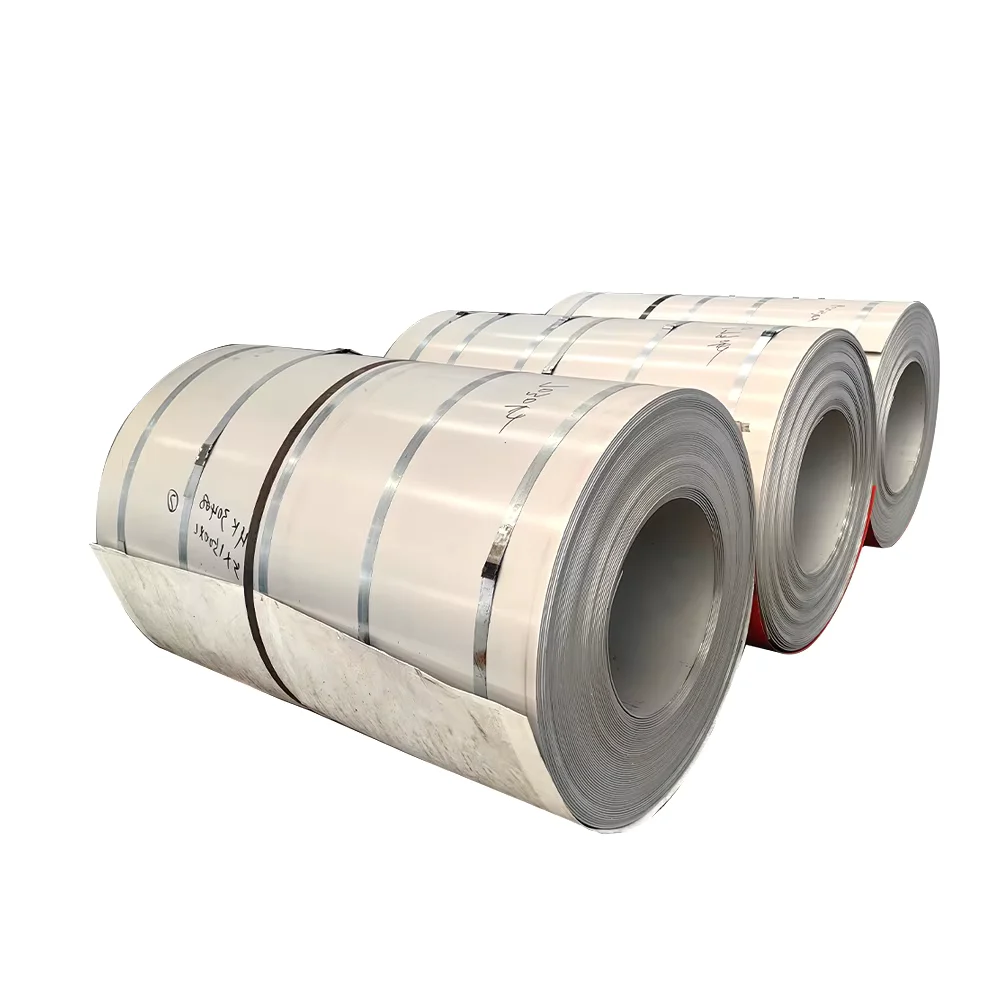
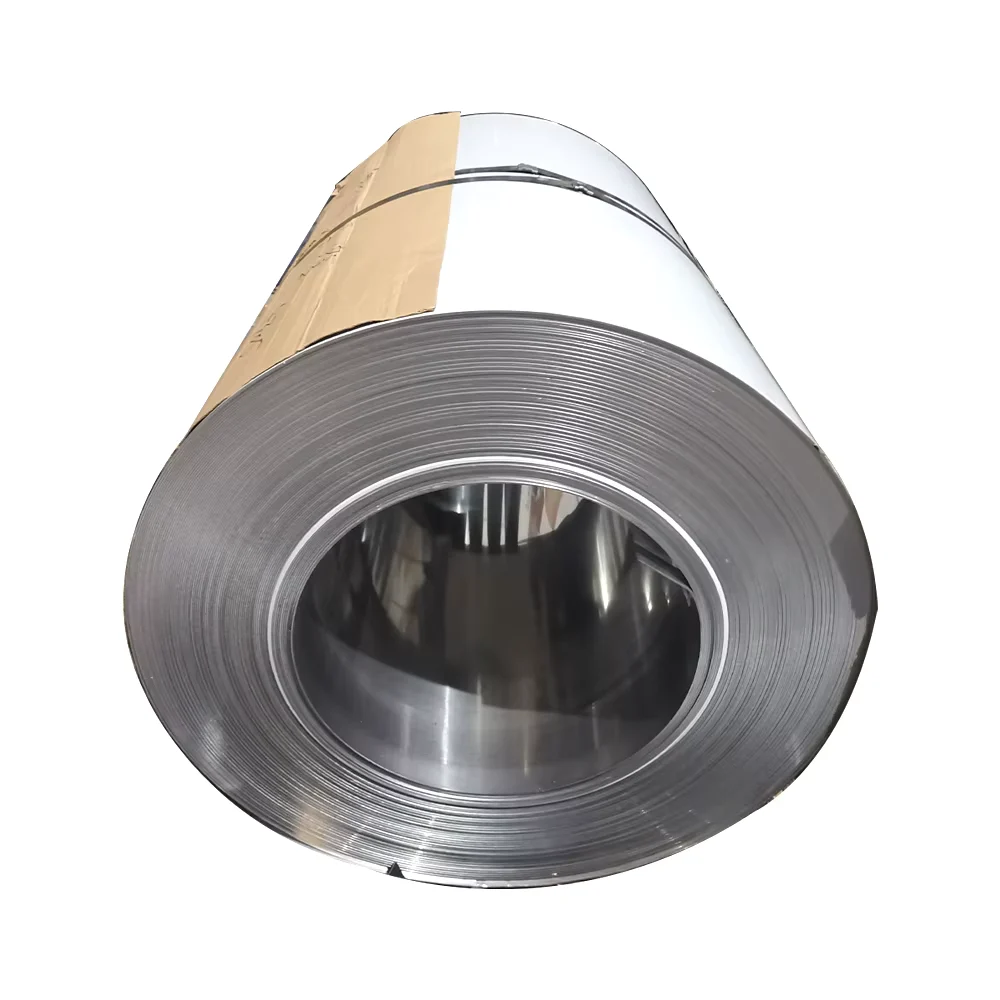
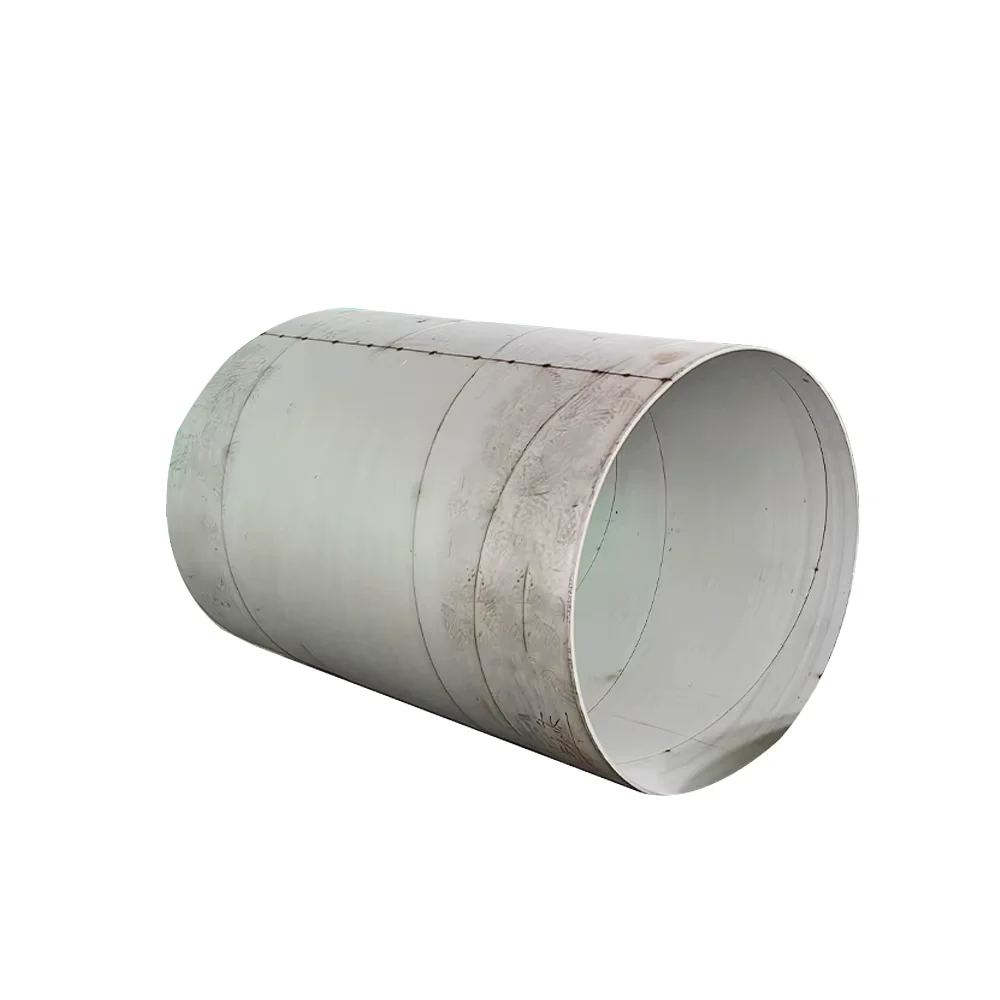
Mill-Direct Pricing, Zero Traceability Gaps — Vertically integrated production from raw slab to finished cold rolled stainless steel coil eliminates third-party sourcing risks across 201, 304, 316L, 321, 309S, and 430 grades.
Technical Specifications
| Parameter | Value |
|---|---|
| Designation | 201/304/316L/321/309S Cold Rolled Stainless Steel Coil |
| Product Type | Stainless Steel Coil |
| Steel Grade | 201, 304, 321, 309S, 316L, 430 |
| Standard | ASTM A240 / EN 10088-2 |
| Thickness | 0.2–8 mm |
| Width | 1000 mm / 1219 mm / 1500 mm |
| Surface Finish | 2B |
| Technique | Cold Rolled |
| Application | Kitchenware, Food Processing Equipment, Industrial Fabrication, Architectural Cladding, Chemical and Heat-Resistant Applications |
| Price Reference | USD 2,500 / Ton |
| Origin | Shandong, China |
Application Suitability
| Industry | Typical Applications |
|---|---|
| Food & Beverage Processing | Sink basins, conveyor belts, fermentation tanks, food-grade work surfaces using 304 and 316L coils |
| Kitchenware Manufacturing | Cookware blanks, utensil shells, commercial kitchen panels from 201 and 304 grades |
| Chemical & Petrochemical | Heat exchanger shells, reactor linings, ductwork in corrosive environments using 316L and 321 |
| High-Temperature Industrial | Furnace components, exhaust systems, heat shields fabricated from 309S and 321 coils |
| Commercial Construction | Elevator panels, column cladding, interior wall systems using 2B finish 304 and 430 |
What Material Traceability Gaps Cost on a Stainless Steel Coil Order
A failed spectrometer test at destination port can quarantine an entire container for weeks.
When buyers source cold rolled stainless steel coil from fragmented supply chains, the mill test certificate often traces back to a trader rather than the original melt shop. I once watched a shipment of 304 cold rolled coil get held at a Southeast Asian port for over forty days because a third-party re-inspection flagged nickel content below the 304 threshold — the material was technically within 201 specification but documented as 304. The buyer had no leverage because the paper trail ended at a middleman who had already collected payment. [NEED_CITE: stainless steel grade misidentification risks in international trade]
For project buyers specifying 316L for chemical environments or 321 for high-temperature service, this kind of grade substitution is not a cosmetic issue — it is a structural and safety liability. The cold rolled stainless steel coil supplier you choose must control the entire chain from slab to finished coil, with every heat number traceable to a single melt and a single quality system.
How Cold Rolled 2B Finish Meets Downstream Fabrication Demands
The 2B surface produced by cold rolling followed by bright annealing delivers a smooth, uniform finish with tight thickness tolerance — critical when coils feed into stamping, deep drawing, or roll-forming lines. Kitchenware manufacturers working with 201 and 304 grades rely on this consistency to avoid surface defects visible after polishing. For architectural cladding projects, the 2B finish on 304 and 430 coils provides a uniform base that accepts subsequent brushed or coated finishes without revealing underlying roll marks. Width options of 1000 mm, 1219 mm, and 1500 mm let buyers minimize slitting waste when ordering cold rolled stainless steel coil for panel or blank production.
Engineering Compliance Across Corrosive and High-Temperature Environments
Grade selection for cold rolled stainless steel coil must align with both the service environment and the governing specification framework. ASTM A240 governs pressure vessel and general corrosion-resistant applications in North American-specified projects, while EN 10088-2 applies to European construction and industrial installations. [NEED_CITE: ASTM A240 and EN 10088-2 grade equivalence for stainless steel flat products] For chemical processing equipment, 316L provides molybdenum-enhanced resistance to chloride pitting, while 321’s titanium stabilization prevents sensitization during welding in high-temperature service. The 309S grade handles sustained temperatures where standard austenitic grades would lose oxidation resistance. Buyers specifying these grades for EPC projects must verify that the cold rolled stainless steel coil supplier can provide full chemical composition documentation matching the declared grade against the applicable standard.
Decoding Grade Selection: 201 vs 304 vs 316L vs Specialty Grades
The 201 grade uses manganese and nitrogen to partially replace nickel, reducing cost while maintaining adequate corrosion resistance for indoor kitchenware and decorative applications where chloride exposure is minimal. The 304 grade remains the baseline austenitic stainless with full nickel content, suitable for food processing, architectural, and general industrial fabrication. When chloride environments or chemical exposure enter the equation, 316L’s molybdenum addition provides measurable pitting resistance that 304 cannot match. For applications above standard austenitic temperature limits, 321’s titanium stabilization and 309S’s elevated chromium-nickel content address oxidation and carbide precipitation risks that would degrade 304 or 316L in furnace-adjacent or exhaust service. Cold rolled processing through the 0.2–8 mm thickness range ensures dimensional precision that hot rolled alternatives cannot achieve, particularly in the thinner gauges demanded by kitchenware stamping and architectural panel forming.
Hidden Costs of Procuring the Wrong Grade or Unverified Documentation
Ordering 304-spec cold rolled stainless steel coil that arrives with 201 chemistry creates downstream failures that surface only after fabrication — kitchenware pieces corroding in mild service, architectural panels staining within months, food processing equipment failing health inspections. [NEED_CITE: consequences of stainless steel grade substitution in fabricated products] Customs authorities in the EU and Middle East increasingly require verifiable mill test certificates conforming to EN 10088-2 or ASTM A240; shipments without traceable heat numbers face rejection or re-export orders. The cost of replacing fabricated components after installation dwarfs the price difference between verified and unverified material.
Why XJY Structure Controls the Full Chain from Slab to Coil
Our own steel production facility operates multiple rolling lines with in-house chemical and mechanical testing laboratories, meaning every cold rolled stainless steel coil leaving our warehouse carries a mill test certificate generated from our own spectrometer data — not forwarded from a third-party trader. We stock over 2,800 specifications across stainless and carbon steel products, allowing buyers to consolidate coil orders alongside structural steel fabrication in a single procurement cycle. The vertically integrated model eliminates the material sourcing gap that causes grade disputes at destination: one melt, one certificate, one point of accountability. Third-party inspection through SGS, BV, or TÜV is available upon request, and our quality documentation package includes heat number traceability, dimensional reports, and surface finish verification for every coil shipped.
Documentation & Compliance
- Mill test certificate per EN 10204 3.1 documenting full chemical composition (C, Cr, Ni, Mo, Mn, Si) and mechanical properties for each heat of 201, 304, 316L, 321, 309S, and 430 cold rolled stainless steel coil
- Material traceability report linking coil identification to original melt heat number, slab casting record, and hot/cold rolling pass schedule
- Third-party inspection report from SGS, BV, or TÜV verifying grade chemistry, thickness tolerance, and surface quality against ASTM A240 or EN 10088-2 requirements
- ISO 9001 quality management certificate covering the integrated production and cold rolling process
- Surface finish certification confirming 2B finish parameters including roughness range and reflectance consistency
- Export documentation package including commercial invoice, packing list, bill of lading, and certificate of origin for customs clearance in EU, Middle East, and Southeast Asian destinations
Packaging, Loading & Delivery
- Cold rolled stainless steel coils packed in seaworthy export packaging with moisture-proof inner wrapping and steel strip outer binding to protect the 2B surface finish during ocean transit
- Edge protectors applied to all coil edges across 1000 mm, 1219 mm, and 1500 mm widths to prevent edge dents and surface scoring from handling equipment
- Container loading optimized by coil weight and width combination to maximize payload within standard 20ft and 40ft shipping containers for 0.2–8 mm thickness range orders
- Heat number and grade identification marked on both coil outer wrapping and inner sleeve for traceability verification at destination without unrolling
- FOB, CIF, and DDP shipping terms available with professional oversized cargo handling experience across 50+ countries including EU, Middle East, Southeast Asia, and African markets
How to Initiate a Cold Rolled Stainless Steel Coil Inquiry
Submit your project specifications including required grade (201, 304, 316L, 321, 309S, or 430), thickness, width, total quantity, and destination port. Our engineering team responds within 24 hours with a detailed quotation covering material cost, cold rolling processing, surface treatment, export packaging, and shipping — along with a sample mill test certificate format for your approval. For projects requiring third-party inspection or specific certification documentation for customs clearance, confirm these requirements at inquiry stage so we can integrate them into the production and quality documentation schedule.
Frequently Asked Questions
Q: What is the difference between 201 and 304 cold rolled stainless steel coil for kitchenware applications?
A: The 201 grade uses manganese and nitrogen to partially substitute nickel, offering lower cost with adequate corrosion resistance for indoor kitchenware where chloride exposure is minimal. The 304 grade provides full nickel content and superior corrosion resistance, making it the standard choice for food processing equipment and commercial kitchen surfaces. Selection depends on your end-use environment and target price point.
Q: Can you provide third-party inspection for cold rolled stainless steel coil shipments?
A: Yes. We arrange SGS, BV, or TÜV inspection at our facility before shipment. The inspection covers chemical composition verification via spectrometer, thickness and width measurement, surface finish evaluation, and visual quality check. The third-party report is issued directly to the buyer alongside our mill test certificate.
Q: What is the difference between 2B finish and No.4 or BA finish?
A: The 2B finish is produced by cold rolling followed by bright annealing and a light skin-pass, yielding a smooth matte surface ideal for further processing such as brushing or coating. No.4 finish involves mechanical polishing with abrasive belts to produce a directional brushed appearance. BA (bright annealed) finish achieves higher reflectance through specialized annealing in controlled atmosphere. Lead time varies by finish type and availability.
Q: Do you offer custom width slitting for cold rolled stainless steel coil?
A: Yes. We provide slitting services from master coils in 1000 mm, 1219 mm, and 1500 mm widths down to customer-specified strip widths. Minimum order quantities apply for custom slitting. We also offer cut-to-length services for buyers requiring sheet format rather than coil.
Q: What export documentation do you provide for customs clearance?
A: Each shipment includes a complete documentation package: commercial invoice, packing list, bill of lading, certificate of origin, mill test certificate per EN 10204 3.1, and material traceability report. For EU destinations, we can provide EN 10088-2 compliance declarations. All documents are prepared in English and matched to the specific destination country requirements.
Request Your Cold Rolled Stainless Steel Coil Quotation Today
Share your grade, thickness, width, quantity, and destination port to receive a detailed quotation with mill test certificate sample within 24 hours.
Company: Shandong Xin Jiyuan Special Steel Tube Co., Ltd
Website: www.xjystructure.com
Tel: +86 531 8573 6315
Mobile/WhatsApp/WeChat: +86 188 5315 7756
Email: admin@xjystructure.com
Address: No.11889, Jingshi West Road, Lulian Group, Jinan City, Shandong Province, China