Description
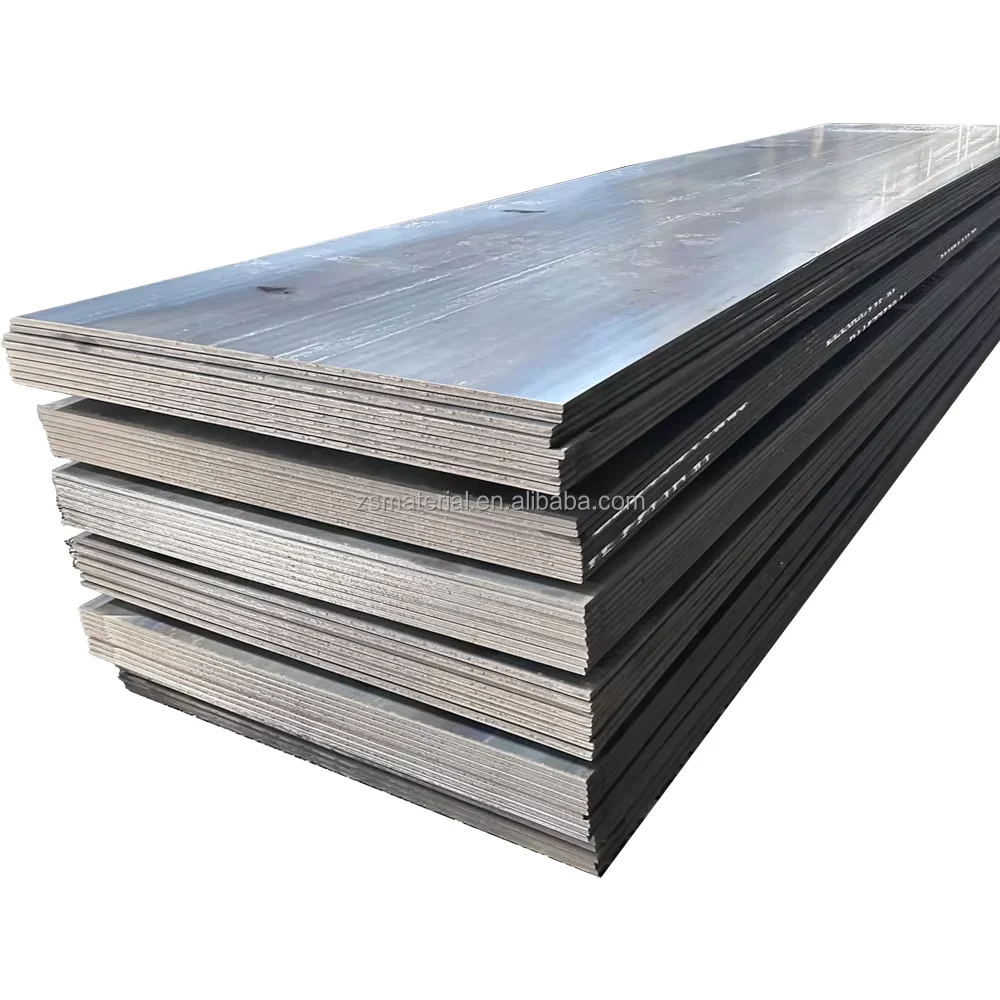
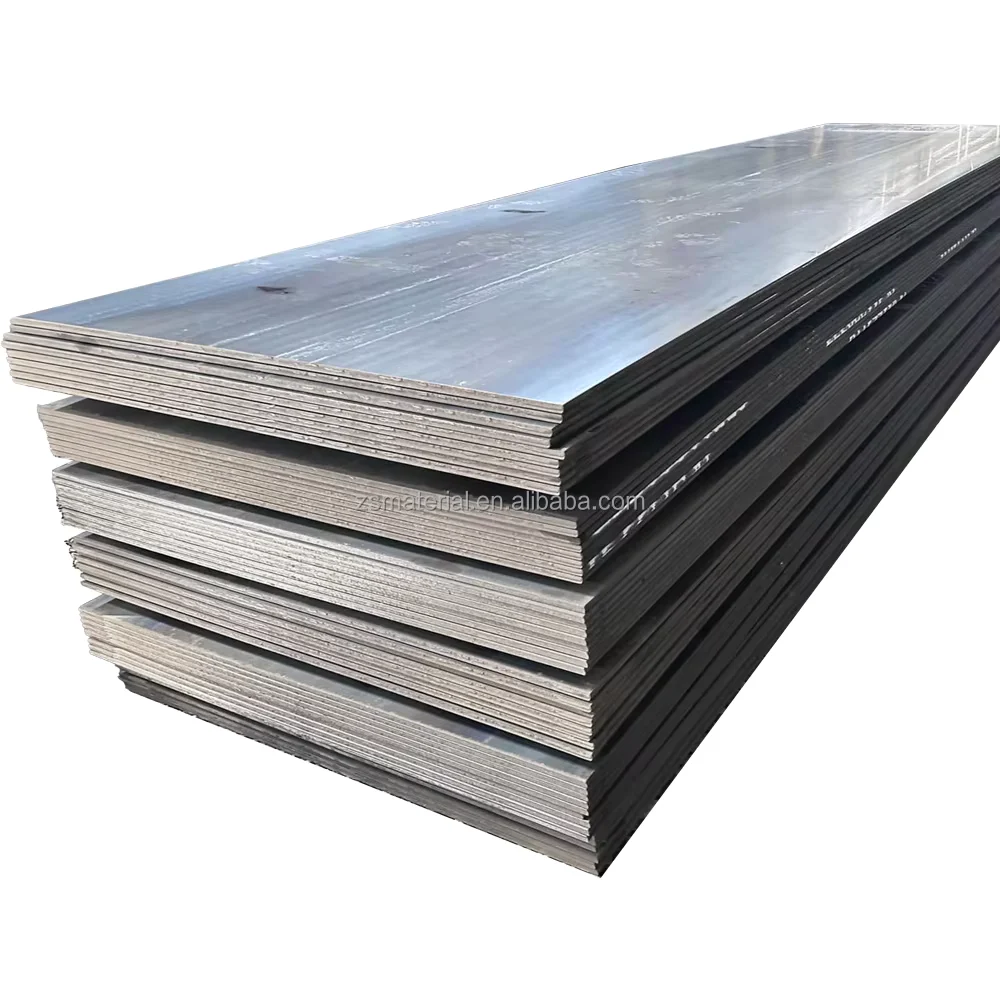
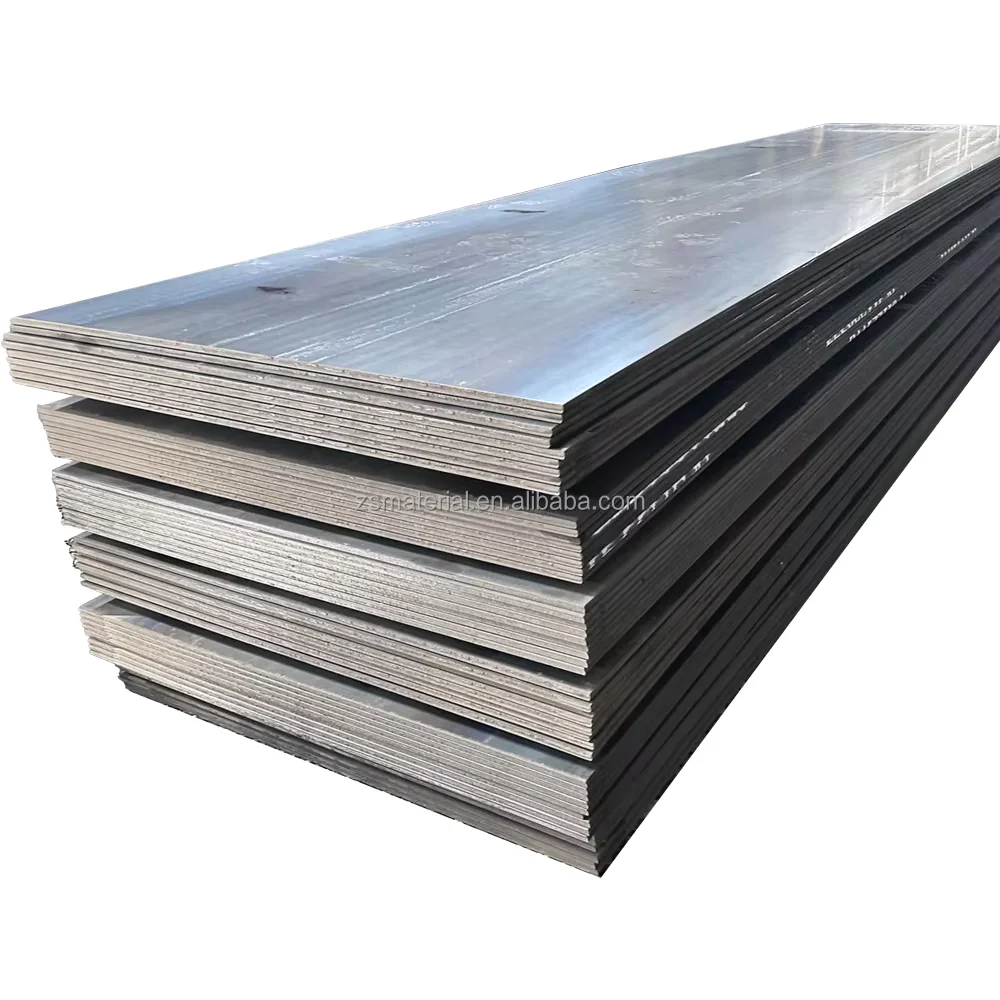
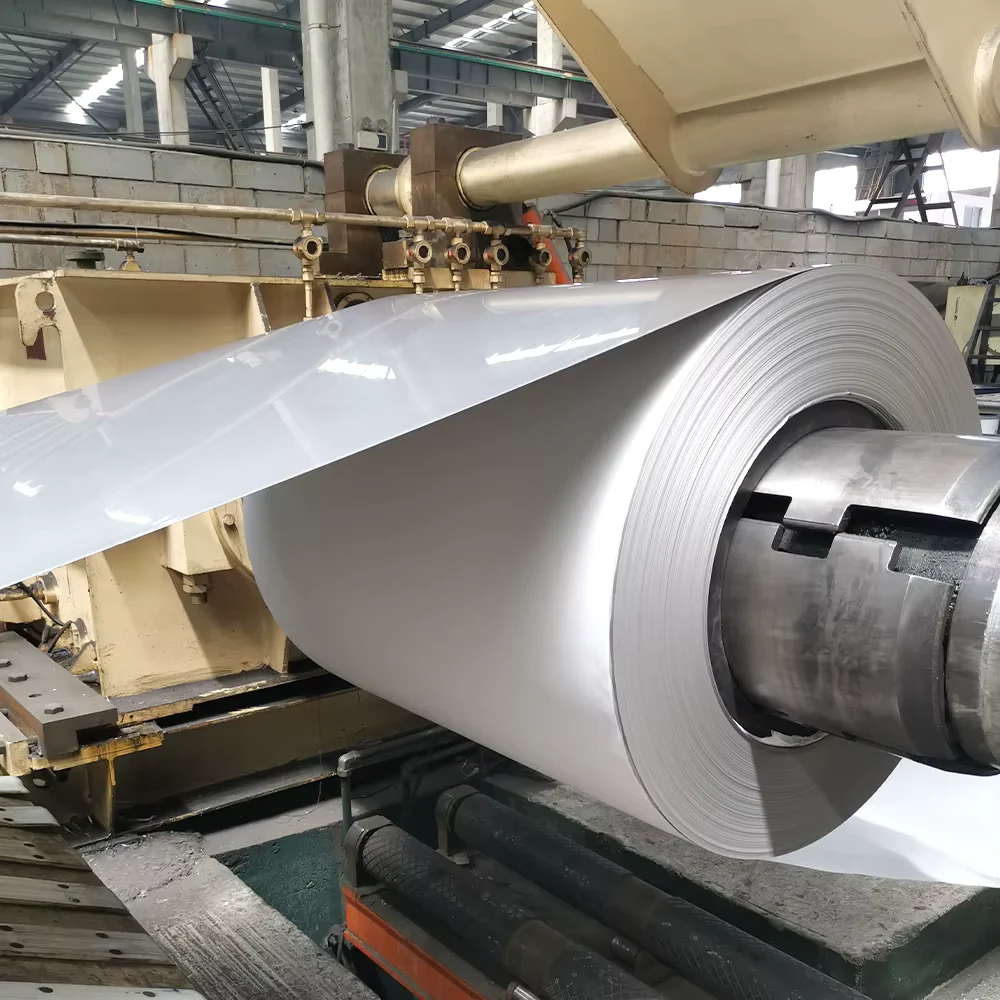
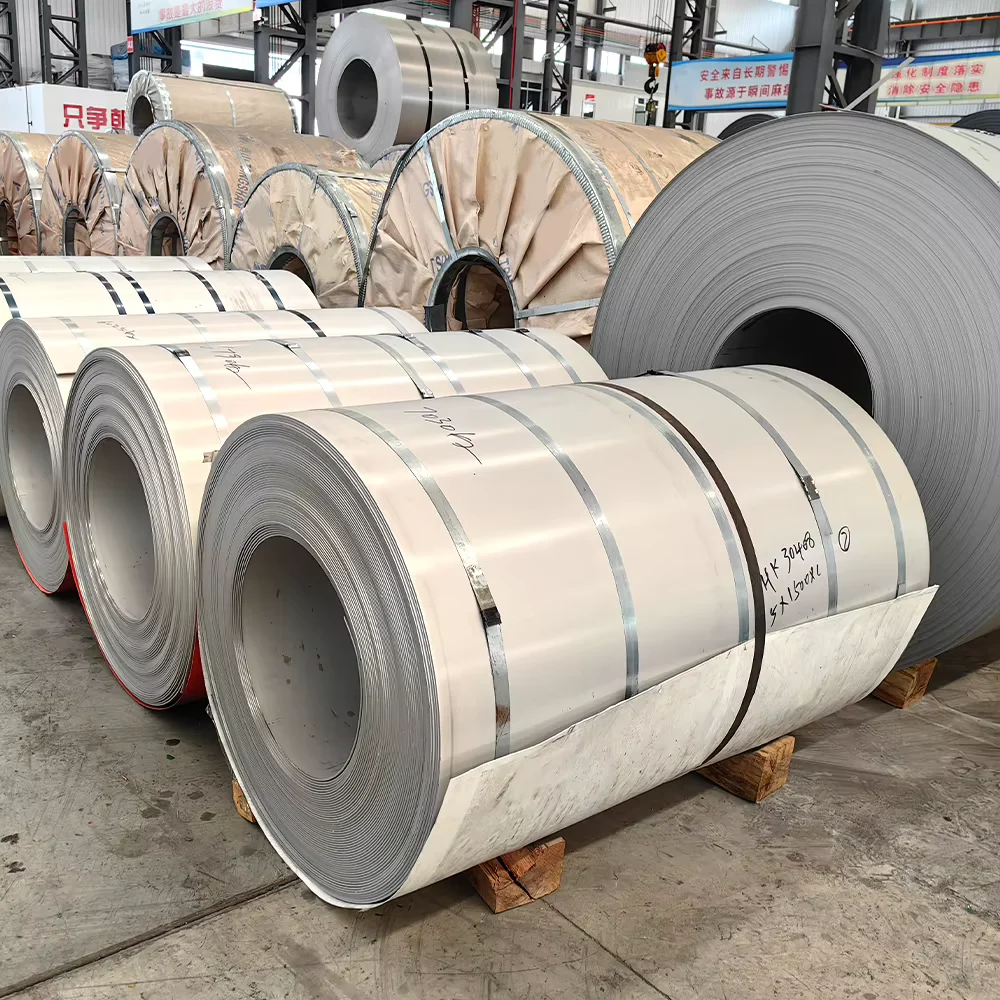
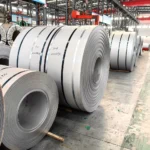
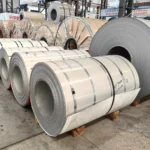
Factory-direct stainless steel coils — 19 grades from 201 to 904L rolled in-house with full heat-number traceability from slab to finished coil.
Technical Specifications
| Parameter | Value |
|---|---|
| Designation | 304/316/410 Stainless Steel Coil |
| Product Type | Steel Coil |
| Steel Grade | 201, 301, 304, 310S, 316, 316L, 321, 405, 409L, 410, 410L, 420, 430, 430A, 309S, 2205, 2507, 2520, 904L |
| Standard | ASTM, JIS, GB, AISI, DIN, BS, EN |
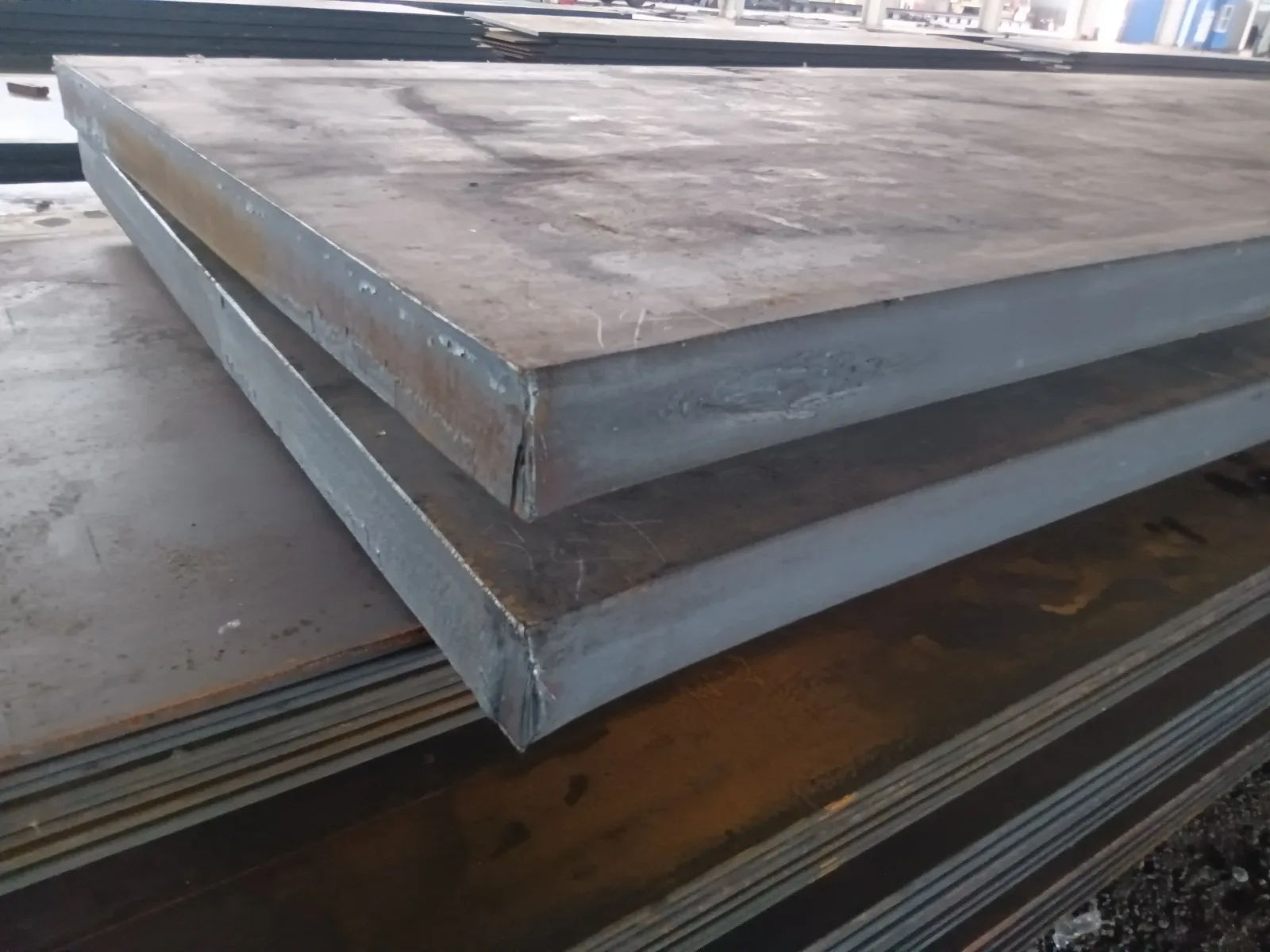
| Section Shape | Coil / Sheet / Plate / Strip |
| Thickness | Cold rolled 0.15–3 mm; Hot rolled 3–120 mm |
| Width | 1000 mm / 1219 mm / 1500 mm (slit to narrow width available) |
| Length | 2000 mm / 2438 mm / 2440 mm / 3048 mm or customized |
| Technique | Cold Rolled / Hot Rolled |
| Surface Treatment | 2B, 2D, BA, 8K, HL, NO.4, Embossed, Colored, Short/Long Wire Drawing |
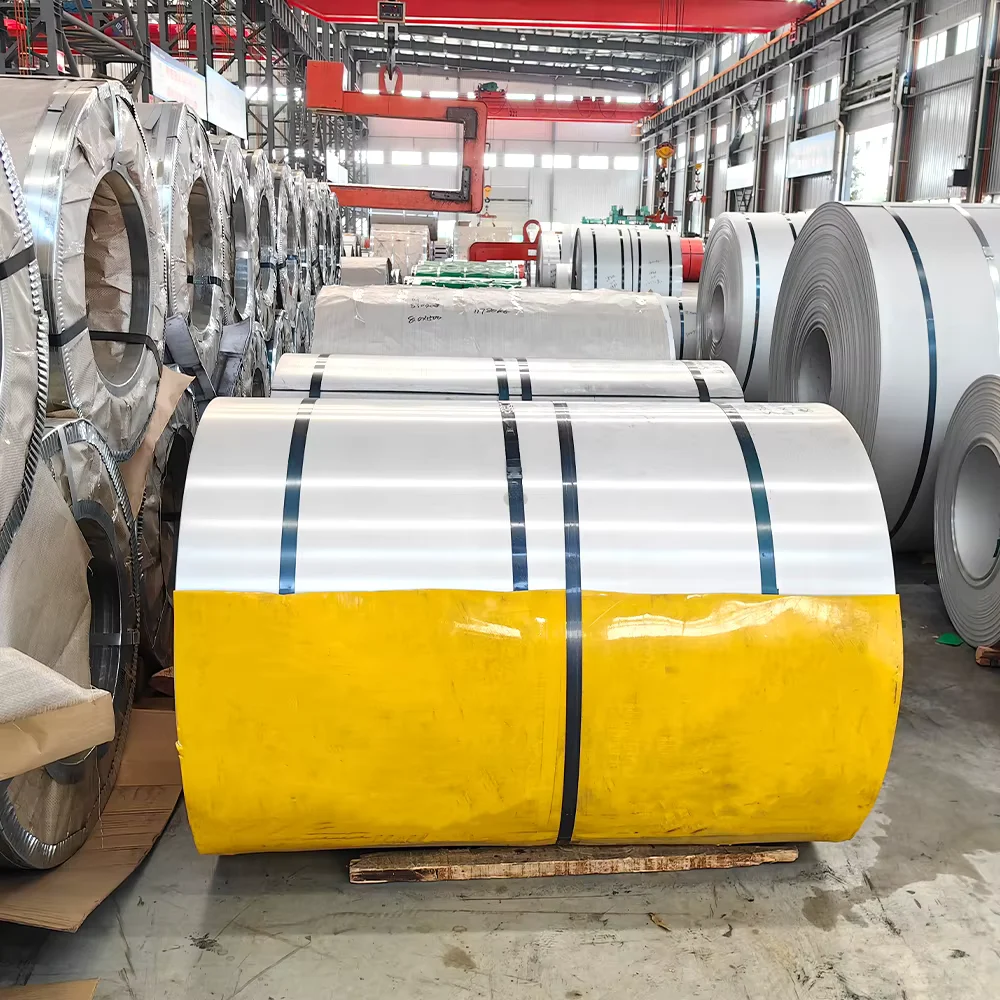
| Packing | Waterproof paper + steel strapping + pallet; BA and 8K with PVC film |
| Delivery | 7–10 working days (subject to order quantity) |
| Origin | Shandong, China |
Application Suitability
| Industry | Typical Applications |
|---|---|
| Construction & Architecture | Elevator interior panels, building facade cladding, decorative column covers |
| Food & Medical | Kitchen utensils, surgical instrument trays, food-grade storage tanks |
| Chemical & Petroleum | Chemical process tanks, refinery piping wraps, industrial pressure vessel shells |
| Industrial Equipment | Conveyor belt components, machine guards, filtration housings |
Surface Finish Selection Determines Whether Your Coil Passes Site Inspection or Gets Rejected
A BA finish for a food tank and an 8K mirror for a lobby ceiling require entirely different rolling passes, annealing atmospheres, and protective films.
I once watched a container of 316L BA coils get rejected at a Dubai site because the mill cert listed 304 chemistry — the surface had roller marks that no amount of on-site polishing could fix. The buyer had specified BA for a pharmaceutical cleanroom wall panel, and the finish inconsistency meant every panel would reflect light differently under UV inspection. Buyers sourcing a 304 316 410 stainless steel coil supplier overseas often discover too late that surface finish is not a cosmetic choice — it is a functional specification tied to corrosion resistance, cleanability, and aesthetic uniformity. [NEED_CITE: stainless steel surface finish standards for architectural and sanitary applications]
Matching Finish and Grade to Engineering Environment
A 304 316 410 stainless steel coil supplier who understands application context will guide you toward 316L for coastal or chemical environments where chloride pitting is a real threat, while 410 martensitic grades serve high-hardness mechanical parts. Cold rolled coils from 0.15 mm to 3 mm feed precision stamping for elevator buttons and medical trays, while hot rolled plates up to 120 mm width handle structural tank shells. Our own steel production facility controls chemistry from melt to coil, so when a project spec calls for 2205 duplex for a desalination plant, the mill cert and the physical coil leave the same gate.
Compliance Requirements Across International Standards
Stainless steel coils destined for EU construction must carry CE marking under applicable EN standards, while North American projects reference ASTM A240 or A480 for finish and tolerance. [NEED_CITE: ASTM A240 standard specification for chromium and chromium-nickel stainless steel plate sheet and strip] Chemical & petroleum applications often require NACE MR0175 compliance for sour service, and food-grade projects demand FDA-compatible surface finishes. Our documentation package includes heat-number traceability from slab to coil, third-party inspection reports from SGS or BV, and dimensional inspection records — the paperwork that clears customs and satisfies site QA auditors. [NEED_CITE: EN 10088 stainless steel grade selection for corrosion resistance]
Grade Families, Rolling Processes, and Surface Metallurgy
The 19 grades we supply span four metallurgical families: austenitic (304, 316, 316L, 321, 310S, 309S, 904L) for general corrosion resistance and formability; ferritic (405, 409L, 430, 430A) for lower cost and magnetic applications; martensitic (410, 410L, 420) for hardness and wear resistance; and duplex (2205, 2507, 2520) for combined strength and chloride resistance. Cold rolling produces tighter thickness tolerances and smoother surfaces — essential for 8K mirror and BA finishes — while hot rolling handles the heavier gauges needed for pressure vessel heads and structural plates. Surface treatments like HL (hairline) and NO.4 (brushed) are achieved through controlled abrasive belt sequences, and colored PVD coatings require a flawless 2B or BA substrate. Thickness tolerance directly affects flatness after slitting and shearing — a 0.3 mm cold rolled 304 coil for elevator panels must hold ±0.02 mm or the stamped panels will oil-can under lighting.
The Hidden Cost of Wrong-Grade Procurement
Ordering 304 when the environment demands 316L leads to intergranular corrosion at weld zones within months — a failure that only surfaces after installation, when replacement means tearing down finished walls or shutting down a process line. A 304 316 410 stainless steel coil supplier who cannot prove heat-level chemistry through a proper mill test certificate leaves you exposed to customs holds, SGS rejection at destination, and project delays that dwarf the original material cost difference. [NEED_CITE: stainless steel grade selection guide for marine and industrial environments]
Procurement Confidence Built on Vertical Integration
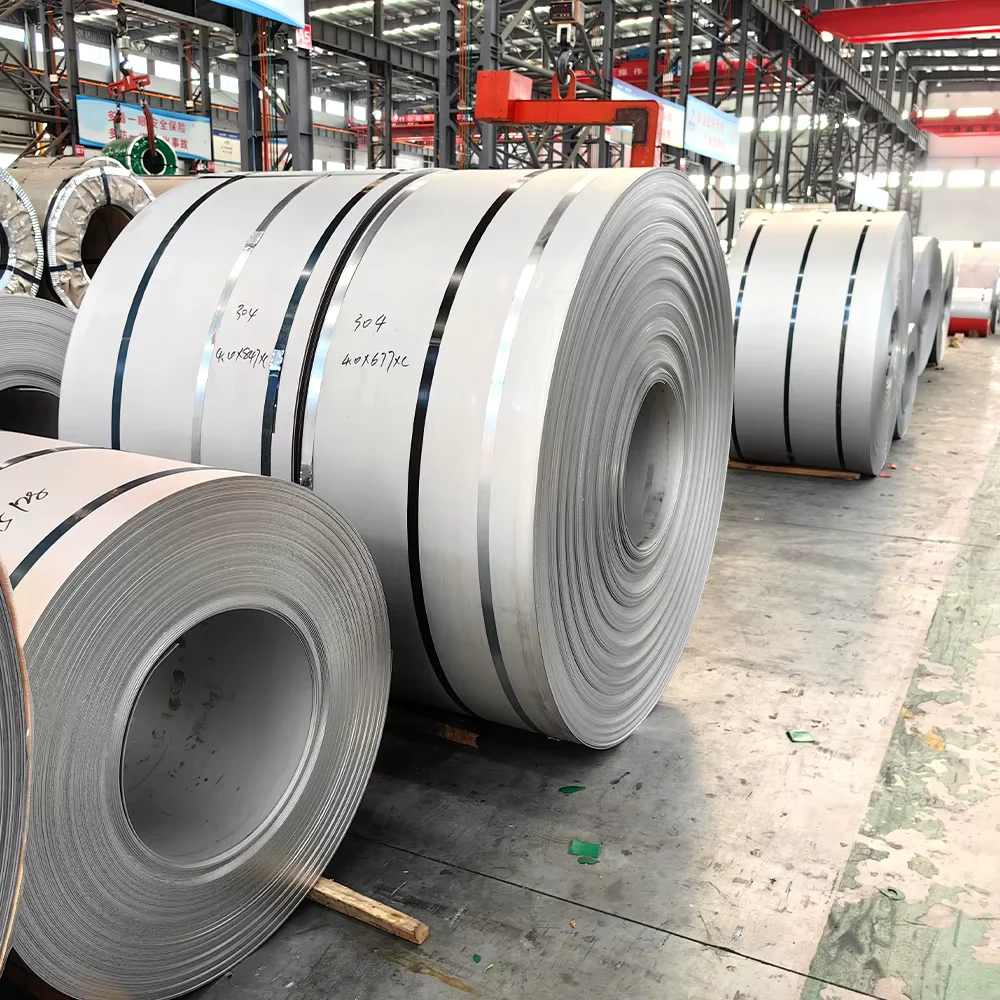
Our own steel mill produces the slabs, our rolling lines produce the coils, and our in-house laboratory issues every mill test certificate — meaning the chemistry on the cert matches the steel in your container. With 2,800+ specifications in raw material inventory, we consolidate orders across multiple grades and finishes into single shipments, eliminating the quality gaps that appear when buyers piece together coils from three different traders. Every coil carries a unique heat number etched on the edge, traceable back to the melt log. Professional loading plans account for coil weight distribution and edge protection, so BA and 8K finishes arrive without transit scratches. Third-party inspection by SGS, BV, or TUV is arranged before container sealing, giving you an independent checkpoint.
Documentation & Compliance
- Mill test certificate documenting 316L chemical composition (C, Cr, Ni, Mo) and mechanical properties per ASTM A240, with heat number traceability to melt batch
- CE compliance documentation for stainless steel coils destined for EU construction and architectural applications under applicable EN standards
- ISO 9001 quality management certificate covering the full production chain from slab casting to cold rolling and surface finishing
- SGS / BV / TUV third-party inspection report verifying surface finish grade, thickness tolerance, and packaging condition before shipment
- Material traceability report linking each coil’s heat number to chemical composition, rolling pass records, and annealing batch
- Complete customs documentation package: commercial invoice, packing list, bill of lading, and certificate of origin
Packaging, Loading & Delivery
- Cold rolled 304 and 316 coils packed with waterproof paper inner layer, steel strapping, and wooden pallet; BA and 8K finishes additionally wrapped in PVC film to prevent surface contact marks during ocean transit
- Hot rolled 310S and 2520 plates bundled with edge protectors to preserve mill finish and prevent corner damage during forklift handling at site
- Coil loading optimized for 20ft and 40ft containers based on width (1000/1219/1500 mm) and weight, with anti-roll chocks and dunnage to prevent shifting
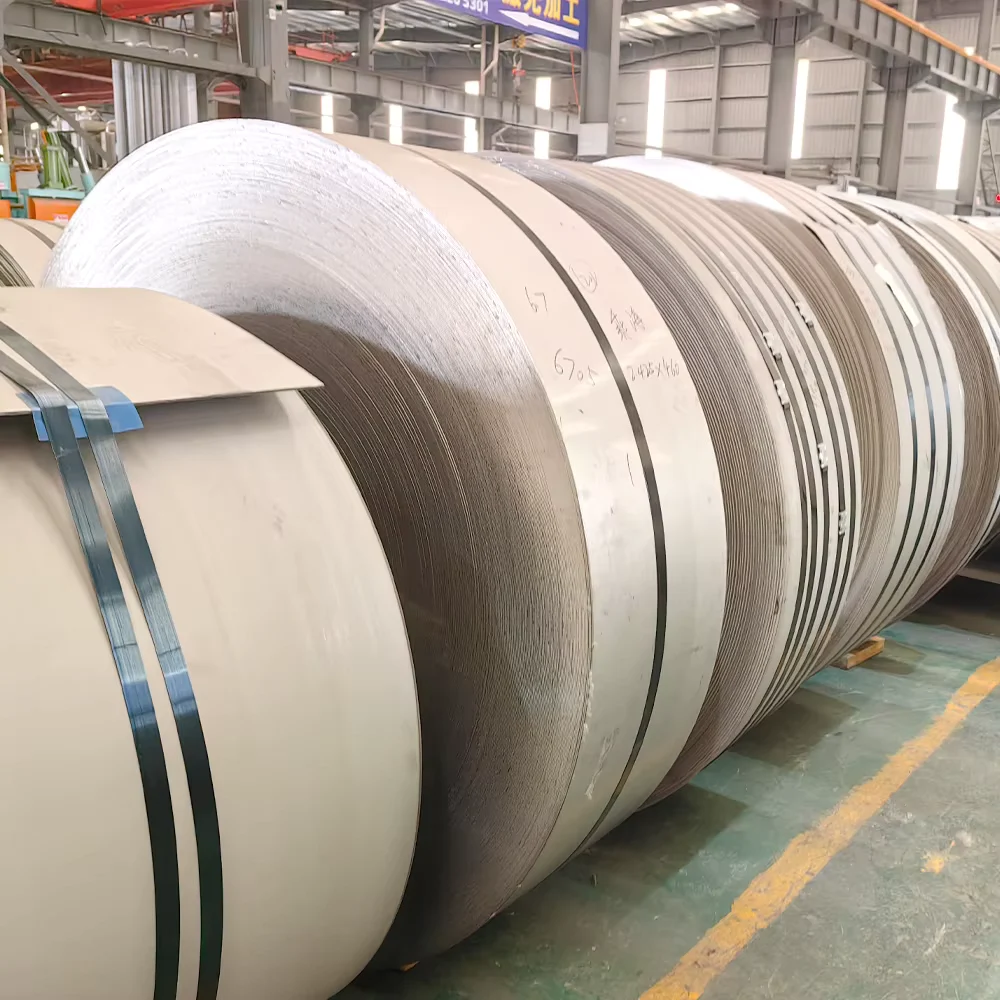
- Slit-to-width service available for narrow strip requirements, with each slit coil individually labeled with grade, thickness, width, and heat number
- Heat number and grade stenciled on coil OD and ID for immediate site identification, matching mill test certificate documentation
- FOB, CIF, and DDP terms available with door-to-door logistics coordination for project sites across the Middle East, Southeast Asia, and Africa
Start Your Inquiry with Drawings and Specifications
Share your project requirements — grade, thickness, width, surface finish, quantity, and destination port — and receive a detailed quotation including material cost, rolling schedule, coating, packing, and shipping within 24 hours. Our engineering team reviews your specifications against applicable ASTM or EN standards, confirms mill test certificate availability, and provides a production timeline before you commit.
Request a Quote with Full Mill Test Certificate
Send your grade, finish, and dimension requirements to receive pricing and material certification documentation.
Mobile/WhatsApp/WeChat: +86 188 5315 7756 | Email: admin@xjystructure.com
Frequently Asked Questions
Q: What is the difference between 304, 316, and 410 stainless steel coils in terms of application?
A: 304 is the general-purpose austenitic grade suitable for architectural, food, and indoor industrial applications. 316 and 316L contain molybdenum for superior chloride and chemical resistance, making them the standard for marine, pharmaceutical, and coastal environments. 410 is a martensitic grade offering high hardness and moderate corrosion resistance, used for mechanical components, cutlery, and wear-resistant parts.
Q: Which surface finish should I choose for elevator interiors versus kitchen equipment?
A: Elevator interiors typically use HL (hairline) or NO.4 (brushed) finishes for a consistent directional grain that hides fingerprints and minor scratches. Kitchen equipment and food industry applications often specify 2B for a smooth, easy-to-clean matte surface, or BA (bright annealed) for a reflective finish that meets sanitary standards. 8K mirror is reserved for decorative lobby panels and luxury architectural features.
Q: Can you provide cold rolled coils in custom slit widths and specific lengths?
A: Yes. Standard master coil widths are 1000 mm, 1219 mm, and 1500 mm, and we slit to narrower widths per your requirement. Sheet lengths include 2000 mm, 2438 mm, 2440 mm, 3048 mm, or fully customized. Cold rolled thickness ranges from 0.15 mm to 3 mm, and hot rolled from 3 mm to 120 mm.
Q: Do you arrange third-party inspection before shipment?
A: Yes. We coordinate SGS, BV, or TUV inspection at our facility before container loading. The inspection covers surface quality, dimensional tolerance, packaging condition, and marking verification. The third-party report is included in your shipping documentation package.
Q: What standards do your stainless steel coils comply with?
A: Our coils are produced and tested to ASTM, JIS, GB, AISI, DIN, BS, and EN standards. Each mill test certificate references the specific standard applicable to your order, with chemical composition and mechanical properties documented accordingly.