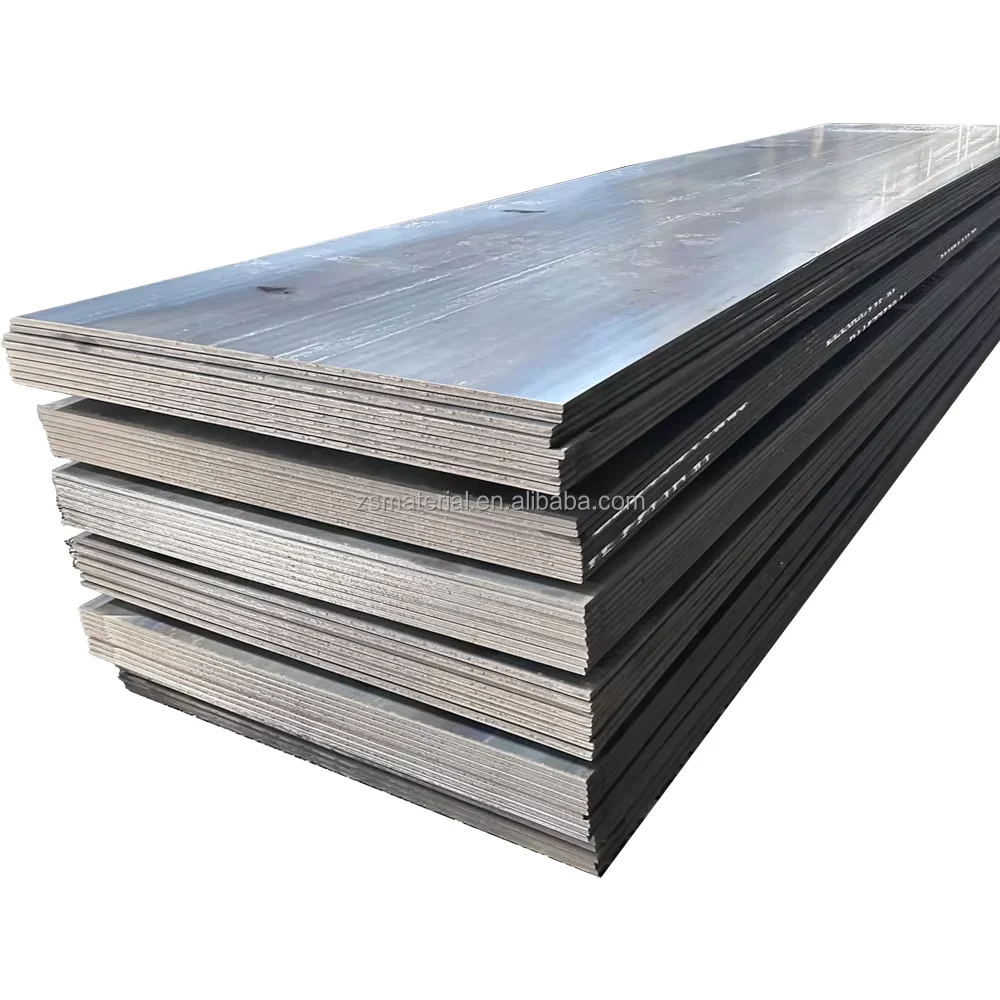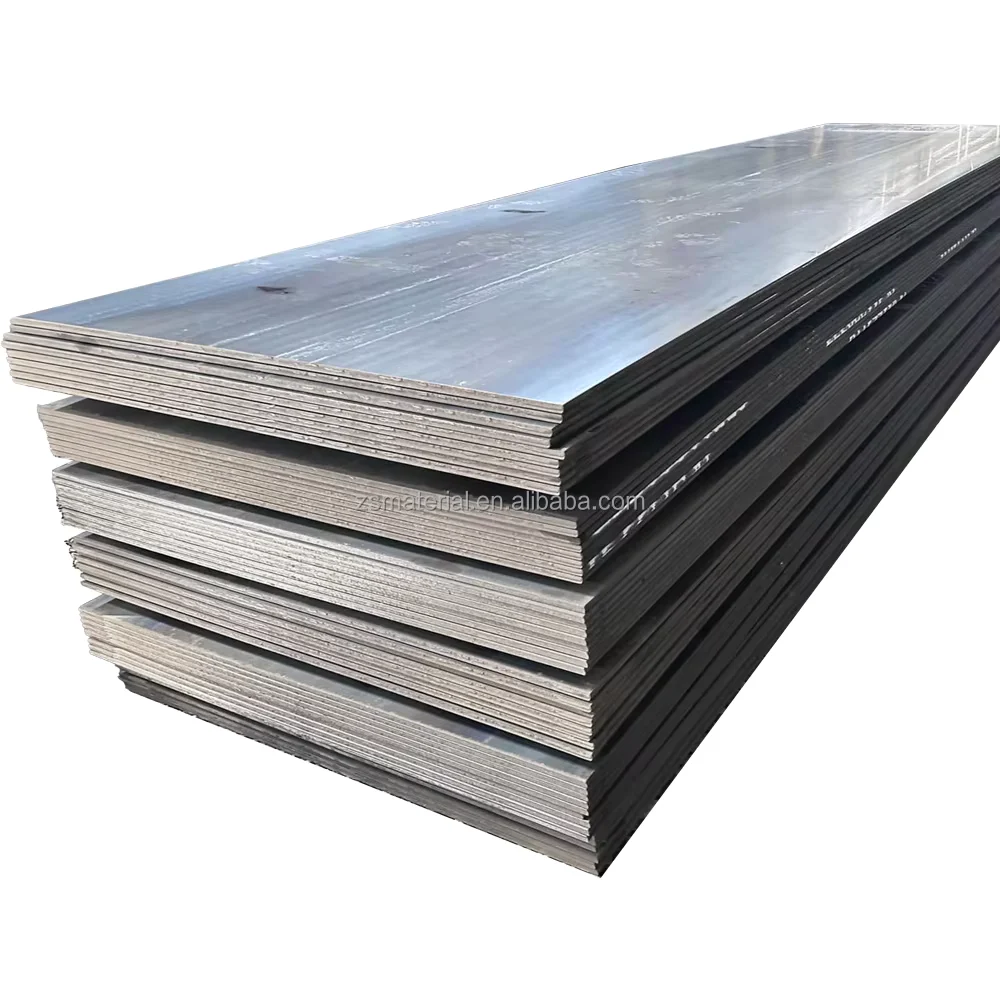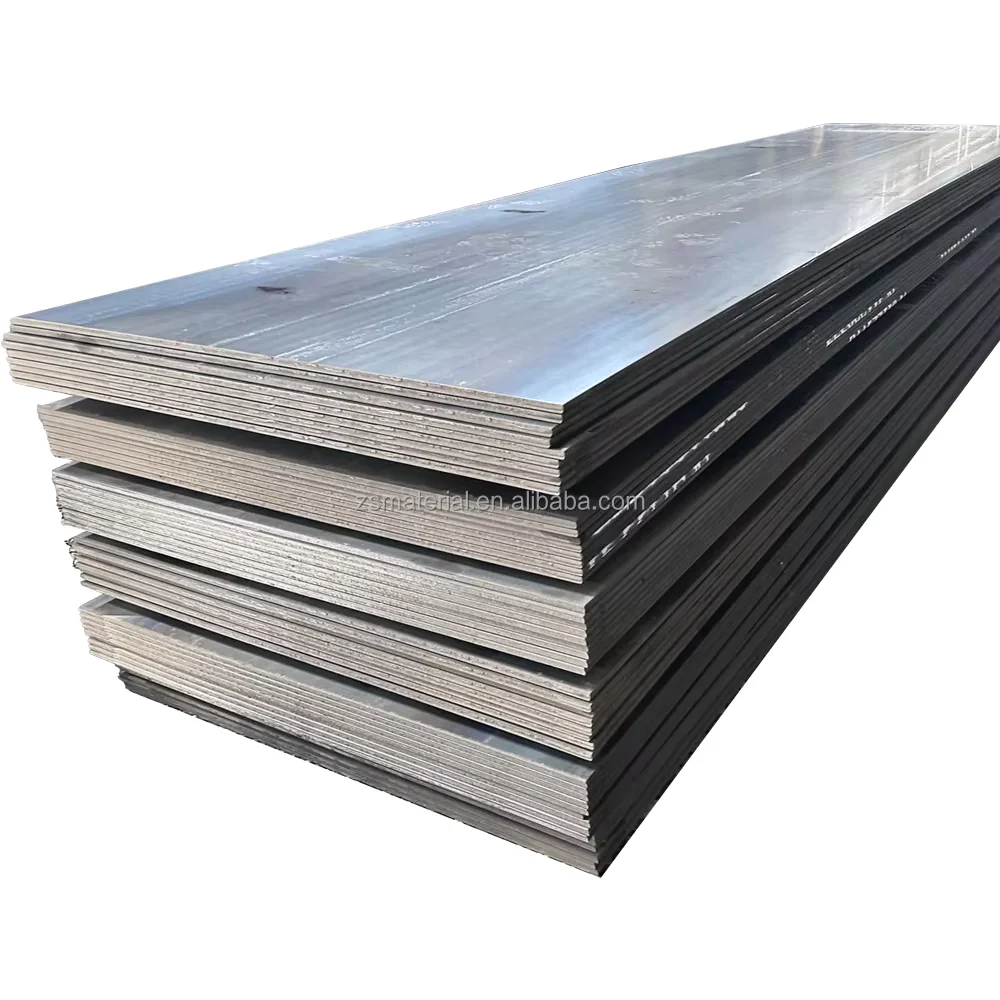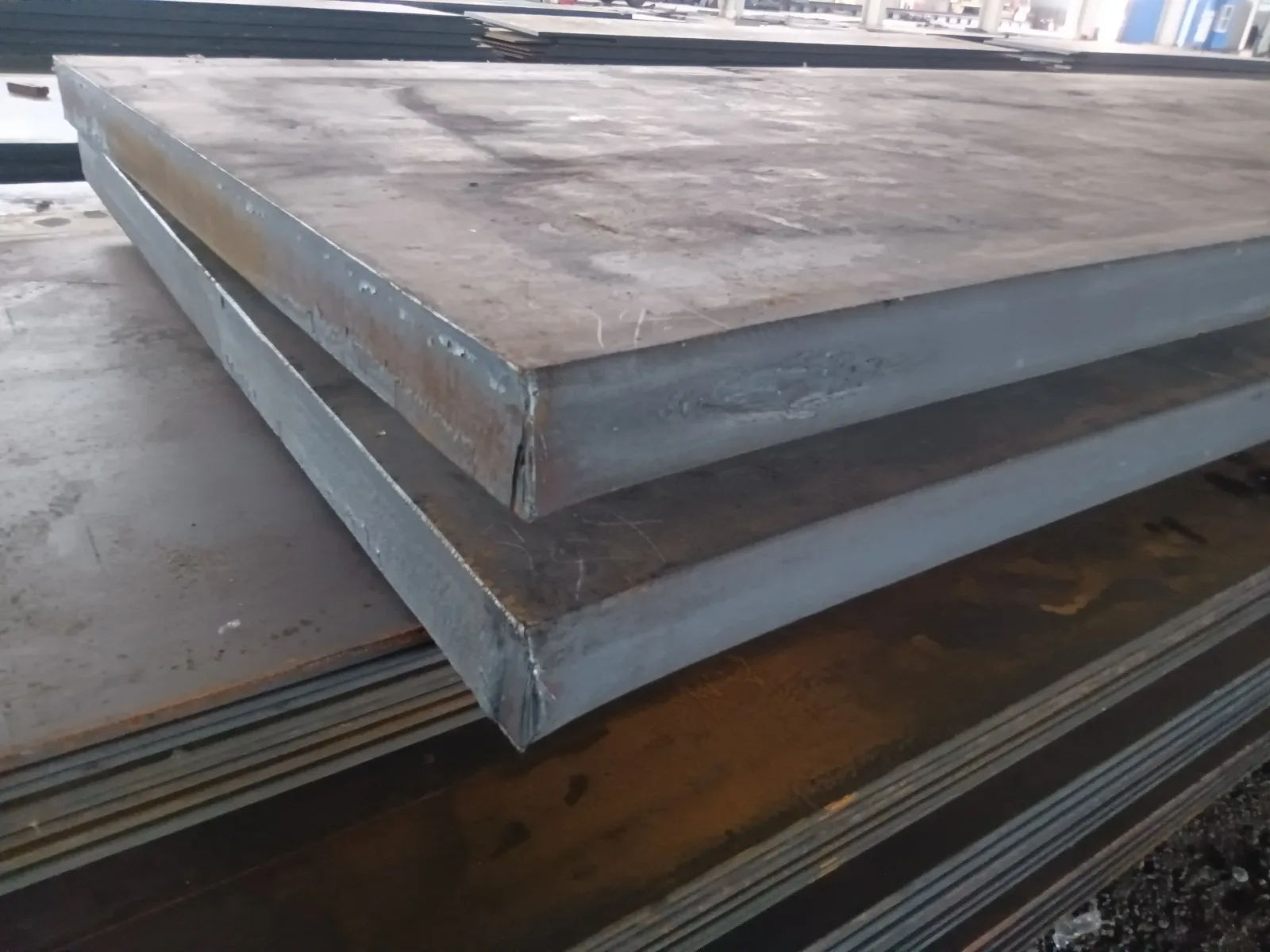
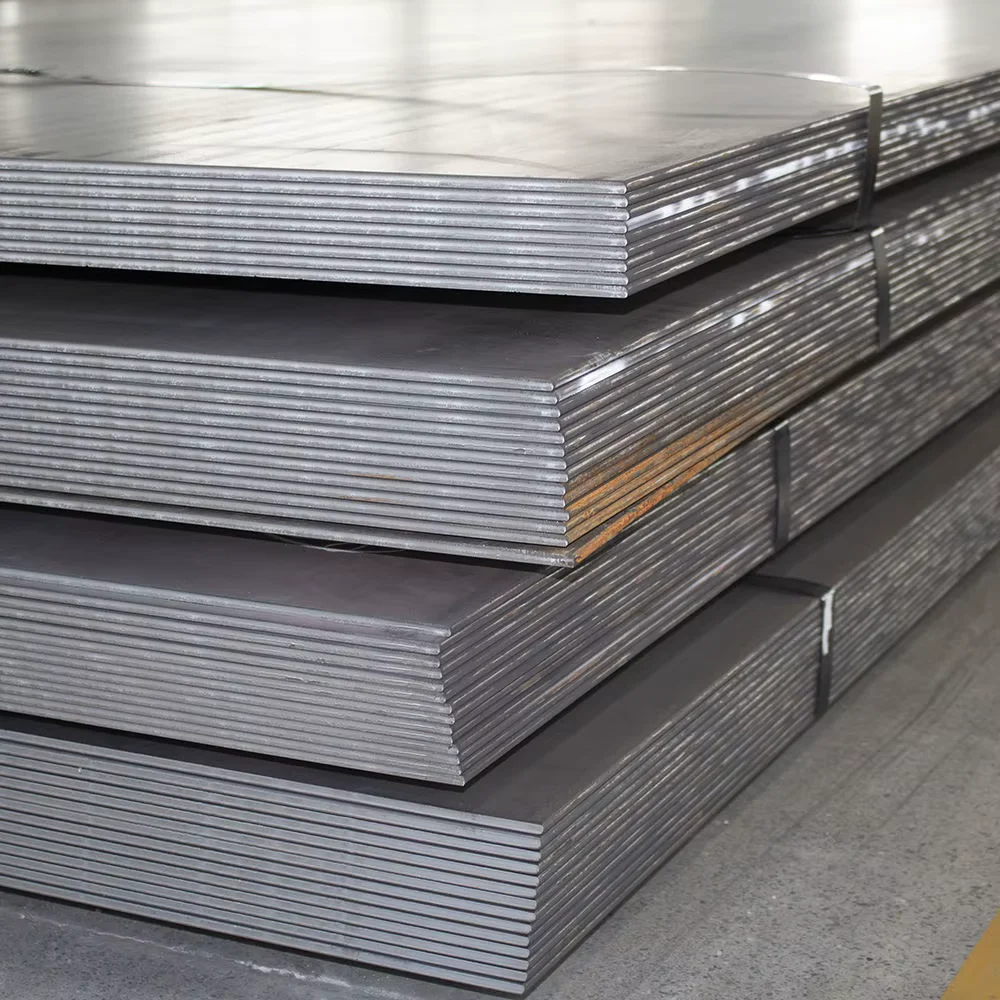


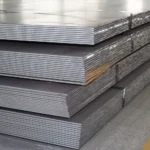
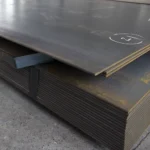
Description
Direct Mill Supply — Every A36 plate traceable to its original heat number from our own 3-line production facility.
Technical Specifications
| Parameter | Value |
|---|---|
| Designation | ASTM A36 Hot Rolled Carbon Steel Plate |
| Product Type | Steel Plate |
| Steel Grade | A36, Q235, Q235B, Q345, Q345B, SS400 |
| Standard | ASTM |
| Section Shape | Flat Sheet |
| Size Range (Width) | 600-1250mm (usual sizes: 914mm, 1000mm, 1200mm, 1219mm, 1250mm, 1220mm) |
| Thickness | 0.21-0.50mm |
| Length | Customized |
| Technique | Hot Rolled |
| Surface Treatment | Coated |
| Tolerance | ±1% |
| Hardness | Soft (HRB60), Medium Hard (HRB60-85), Full Hard (HRB85-95) |
| Oiled or Non-oiled | Non-oiled |
| Processing Service | Bending, Cutting, Decoiling, Punching, Welding |
| Application | Cutting sheets, making containers, making corrugated sheets, making fences, making pipes, making small tools |
| Origin | Shandong, China |
Application Suitability
| Industry | Typical Applications |
|---|---|
| Construction & Building | Structural frame components, floor decking supports, column base plates |
| Industrial Manufacturing | Container body panels, storage tank shells, equipment enclosures |
| Infrastructure & Civil Engineering | Bridge connection plates, highway barrier foundations, utility support brackets |
| Logistics & Warehousing | Racking system uprights, mezzanine floor grating, loading dock platforms |
Material Traceability Decides Whether Your ASTM A36 Hot Rolled Carbon Steel Plate Supplier Becomes a Liability
A mill certificate that looks perfect on paper means nothing if the chemistry does not match the physical plate on your site.
I learned this the hard way on a Dubai warehouse job — 300-plus tonnes of A36 middle plate, SGS pulled random samples, carbon content blew past the limit, entire batch rejected. The fabricator had sourced from a trader who pooled material from multiple unknown mills. No heat number traceability, no accountability. When sourcing an ASTM A36 hot rolled carbon steel plate supplier for structural work, the gap between paper certification and actual material identity is where projects fail. Buyers face dimensional inaccuracy that forces on-site re-cutting, chemistry deviations that void welding procedure qualifications, and missing documentation that halts customs clearance at the destination port [NEED_CITE: material traceability requirements in international steel procurement].
How Hot Rolled Plate Width and Thickness Tolerance Align with Structural Fabrication Needs
When your project calls for container side panels or corrugated sheet feedstock, the 600-1250mm width range with ±1% thickness tolerance directly controls material yield. Our production lines hold these tolerances consistently across A36, Q235, Q345, and SS400 grades because the rolling schedule is managed in-house — not outsourced to a third-party mill whose priority is volume, not your specification. An ASTM A36 hot rolled carbon steel plate supplier operating without integrated rolling capacity cannot guarantee this consistency batch after batch.
Engineering Compliance and Grade Selection for Load-Bearing Applications
Structural frames and industrial platforms demand that your plate selection conforms to recognized engineering frameworks. A36 serves North American projects requiring ASTM compliance, while Q235B and Q345B cover Chinese-standard specifications common across Belt & Road infrastructure builds. SS400 fits Japanese-standard industrial plants across Southeast Asia. The coated surface treatment on these hot rolled plates provides baseline corrosion resistance for covered industrial environments, though exposed outdoor applications may require additional painting or galvanizing per project specification [NEED_CITE: surface preparation standards for structural steel coatings]. Third-party inspection bodies such as SGS or BV can verify chemistry and dimensional compliance before shipment, giving EPC firms the documentation confidence needed for project handover.
Understanding the Hot Rolled Process and Grade Equivalence Across Standards
Hot rolling at high temperature produces a mill scale surface that, when coated, offers adequate protection for indoor and semi-exposed applications. The A36 grade under ASTM corresponds broadly to Q235B in the Chinese system and SS400 in JIS — all three represent mild carbon steel suitable for general structural fabrication where extreme strength is not the primary requirement. Q345B steps up to a higher strength tier, used where load demands exceed what mild grades can safely carry. The hardness options — Soft at HRB60, Medium Hard at HRB60-85, and Full Hard at HRB85-95 — allow buyers to match formability needs: softer grades bend and punch more easily for container manufacturing, while harder grades hold shape better for fence panels and pipe forming. The non-oiled condition means the surface is ready for immediate welding or coating without degreasing, reducing pre-fabrication preparation time on the shop floor.
The Hidden Cost of Sourcing from Traders Instead of an Integrated Mill
When an ASTM A36 hot rolled carbon steel plate supplier cannot show you the heat number linked to every plate, you inherit risk that surfaces only at the worst possible moment. Chemistry mismatches cause weld failures during structural assembly. Thickness deviations beyond tolerance force rework or scrap. Missing mill test certificates trigger customs holds that delay project timelines by weeks. Third-party rejections at destination ports — like the carbon content failure I witnessed — turn a cost-saving procurement decision into a total loss. These are not theoretical risks; they are recurring problems across overseas steel procurement where the supply chain passes through multiple hands before reaching the fabrication shop [NEED_CITE: quality failure modes in international steel plate procurement].
Why Procuring from an Integrated Steel Producer Eliminates These Risks
Our own steel mill operates three production lines covering over 2,800 specifications, meaning every ASTM A36 hot rolled carbon steel plate we ship originates from a single controlled source. Material traceability runs from the melt shop to the finished plate — each sheet carries its heat number, and the corresponding mill test certificate documents actual chemistry and mechanical test results, not generic type certificates. Our engineering team reviews shop drawings before fabrication begins, catching dimension conflicts and material mismatches early. Certified welding procedures under AWS and EN standards ensure that any cutting, bending, or welding processing we perform maintains compliance with your project specification. We have delivered structural steel components across the EU, Middle East, Southeast Asia, and Africa, building a track record that replaces marketing claims with verifiable project history.
Documentation & Compliance
- Mill Test Certificate documenting A36 chemical composition including carbon, manganese, silicon, sulfur, and phosphorus content per ASTM requirements
- Third-party inspection report from SGS or BV verifying dimensional tolerance and surface quality before container loading
- Material traceability sheet linking each plate to its original heat number from our integrated steel mill
- Certificate of Origin and commercial invoice formatted for destination-country customs clearance requirements
- Welding Procedure Specification records for any processing services performed, compliant with AWS D1.1 or EN ISO 15614
- Coating thickness and adhesion test report for coated surface treatment verification
Packaging, Loading & Delivery
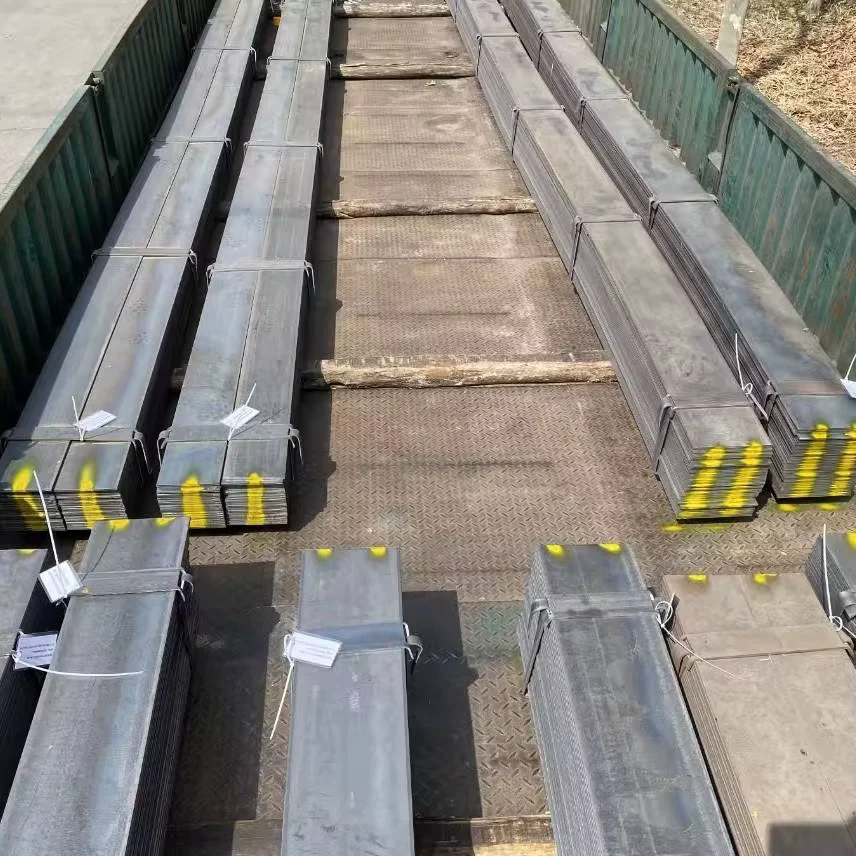
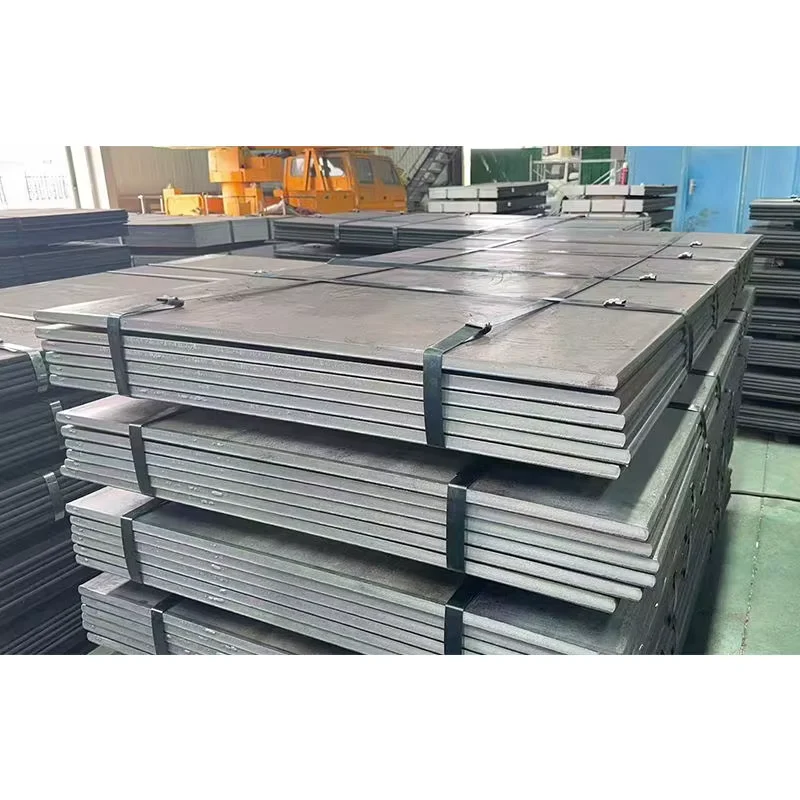
- Hot rolled plates bundled with steel straps and edge protectors to prevent coating damage during ocean freight
- Width-specific stacking optimization for 1200mm and 1250mm plates to maximize 20ft and 40ft container utilization
- Heat number stenciled on each plate edge for on-site identification and traceability verification upon arrival
- Non-oiled surface condition means no special ventilation or handling precautions needed during transit
- Custom length cutting available before shipment, reducing on-site waste and secondary processing at destination
- FOB, CIF, and DDP delivery terms supported with full export documentation and container tracking until port discharge
Start Your Procurement With Complete Specification Clarity
Submit your project drawings in PDF or DWG format along with required steel grade, plate dimensions, quantity, and destination port. Our engineering team responds within one business day with a preliminary assessment, followed by a detailed quotation covering material, processing, coating, packing, and freight costs — including a shop drawing timeline and production schedule.
Request Your ASTM A36 Hot Rolled Carbon Steel Plate Quotation
Share your specifications, steel grade requirements, and target delivery date to receive pricing with full mill test certificate documentation.
Contact: Shandong Xin Jiyuan Special Steel Tube Co., Ltd
Website: www.xjystructure.com
Tel: +86 531 8573 6315
Mobile/WhatsApp/WeChat: +86 188 5315 7756
Email: admin@xjystructure.com
Address: No.11889, Jingshi West Road, Lulian Group, Jinan City, Shandong Province, China
Frequently Asked Questions
Q: What is the difference between A36, Q235B, and SS400 for my project specification?
A: All three are mild carbon steel grades suitable for general structural fabrication. A36 follows the ASTM standard used primarily in North American projects, Q235B follows the Chinese GB standard common in Belt & Road infrastructure, and SS400 follows the Japanese JIS standard prevalent in Southeast Asian industrial plants. The chemical composition and mechanical properties are closely comparable, but your project engineer should confirm which standard your structural drawings specify before ordering.
Q: Can you provide third-party inspection before shipment?
A: Yes. We welcome SGS, BV, or other internationally recognized inspection agencies to verify chemical composition, dimensional tolerance, and surface quality at our facility before container loading. The inspection report becomes part of your complete documentation package for project handover and customs clearance.
Q: Do you offer custom cutting and processing services to our engineering drawings?
A: Yes. Our fabrication division provides CNC cutting, plasma and flame cutting, drilling, bending, punching, and welding services. We review your shop drawings before production begins to confirm dimensions, tolerances, and material grade compatibility. All processing follows certified welding procedures under AWS or EN standards.
Q: What surface treatment options are available for different application environments?
A: The standard offering is coated surface treatment suitable for indoor and covered industrial applications. For outdoor or corrosive environments, additional painting systems or galvanizing can be arranged per project specification. The non-oiled condition means the plate surface is ready for welding or coating application without degreasing.
Q: How do you ensure material traceability from mill to finished plate?
A: Every plate produced in our own mill carries a unique heat number. The mill test certificate documents the actual chemical composition and test results for that specific heat. This traceability chain remains intact through all processing stages, ensuring that the material you receive on site matches the documentation provided — eliminating the risk of mixed or unidentified material from multiple unknown sources.