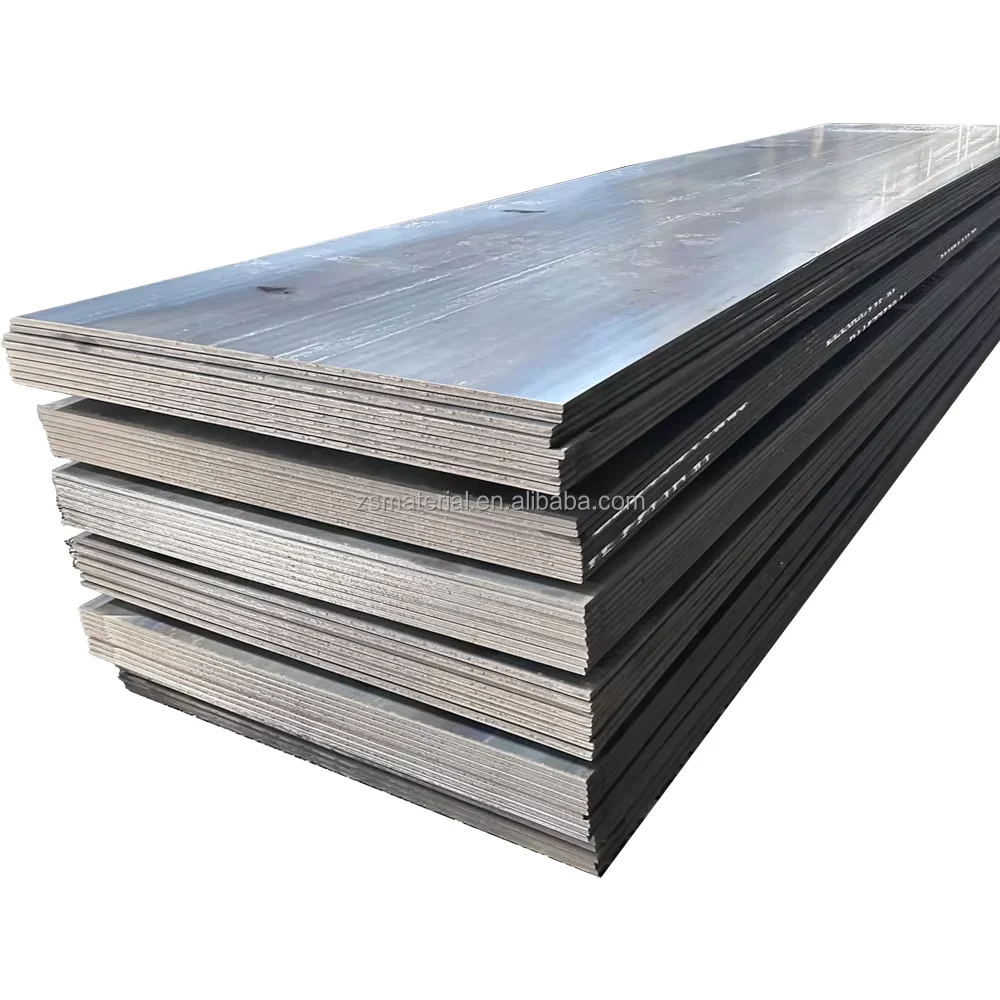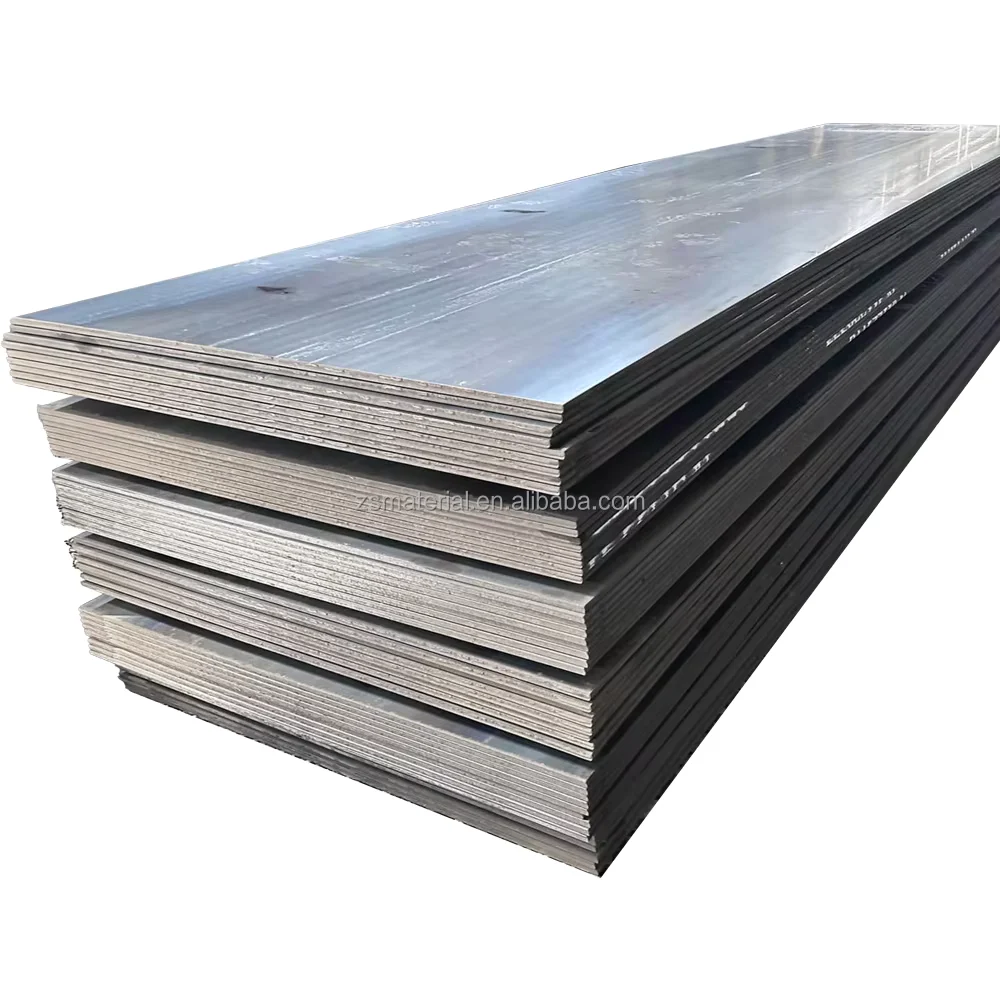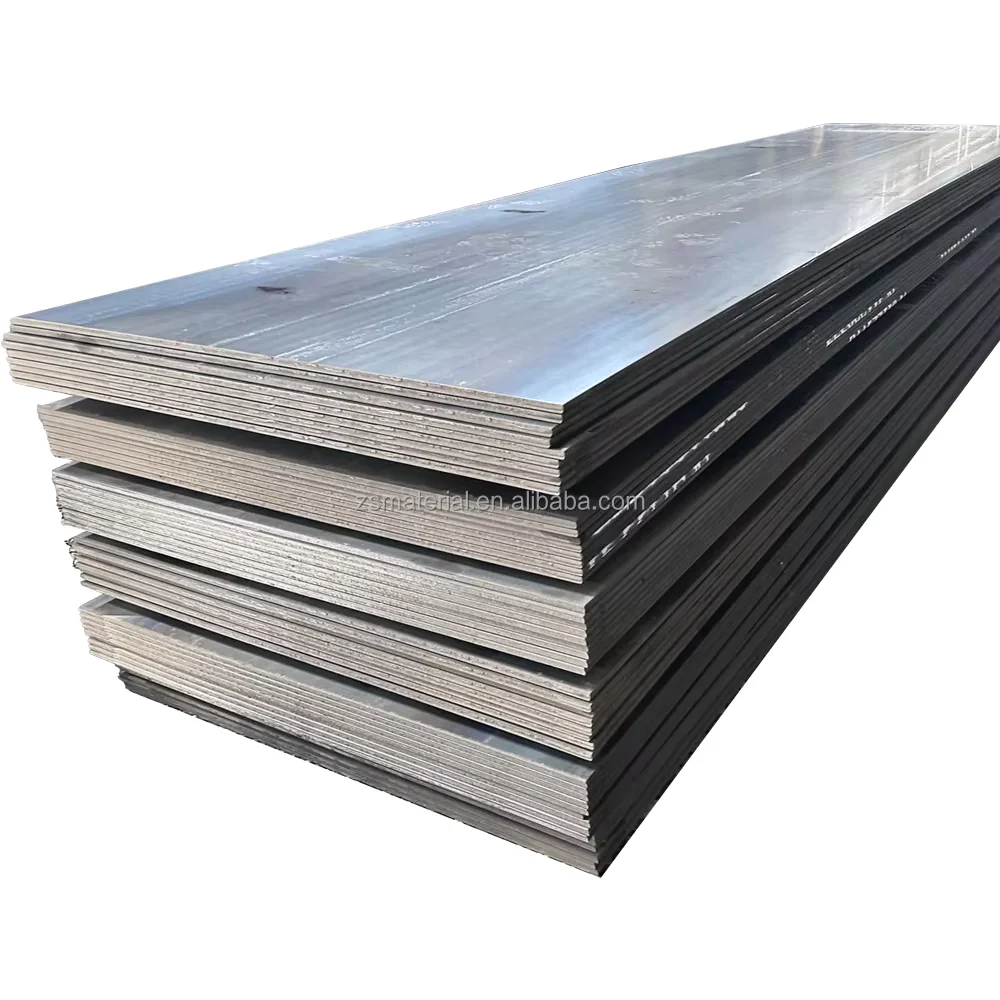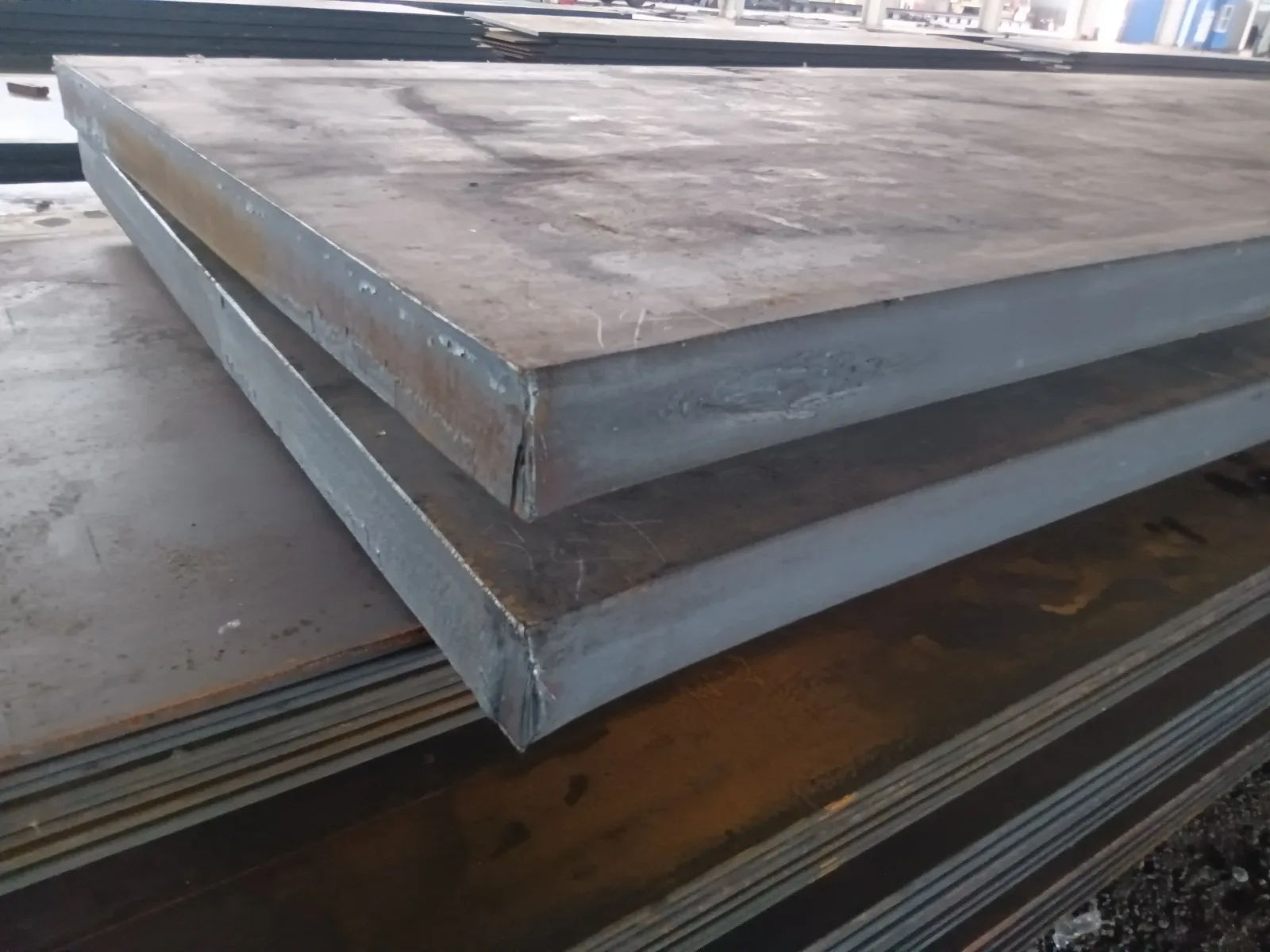
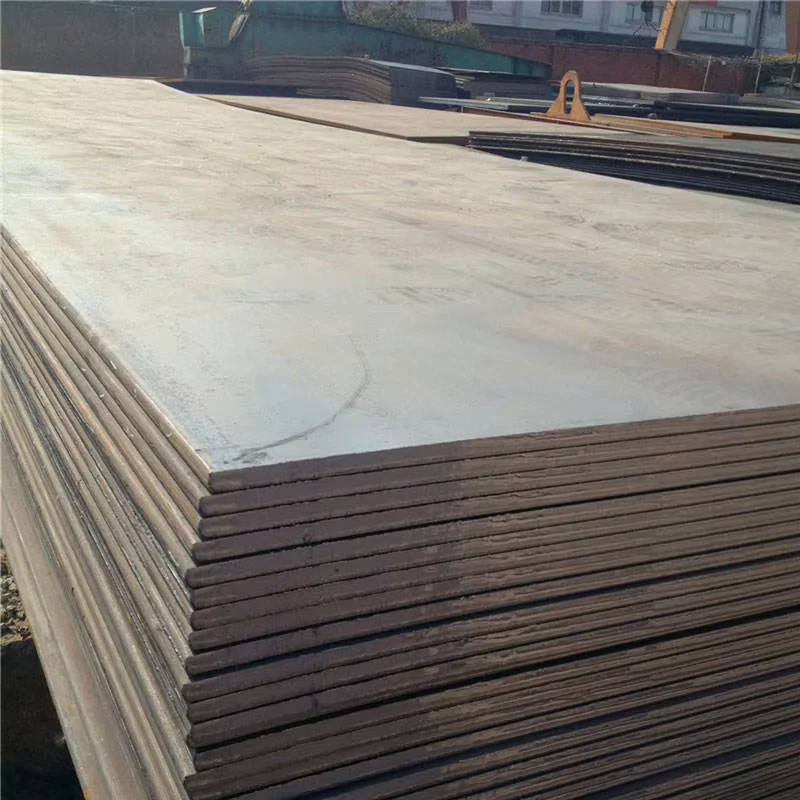
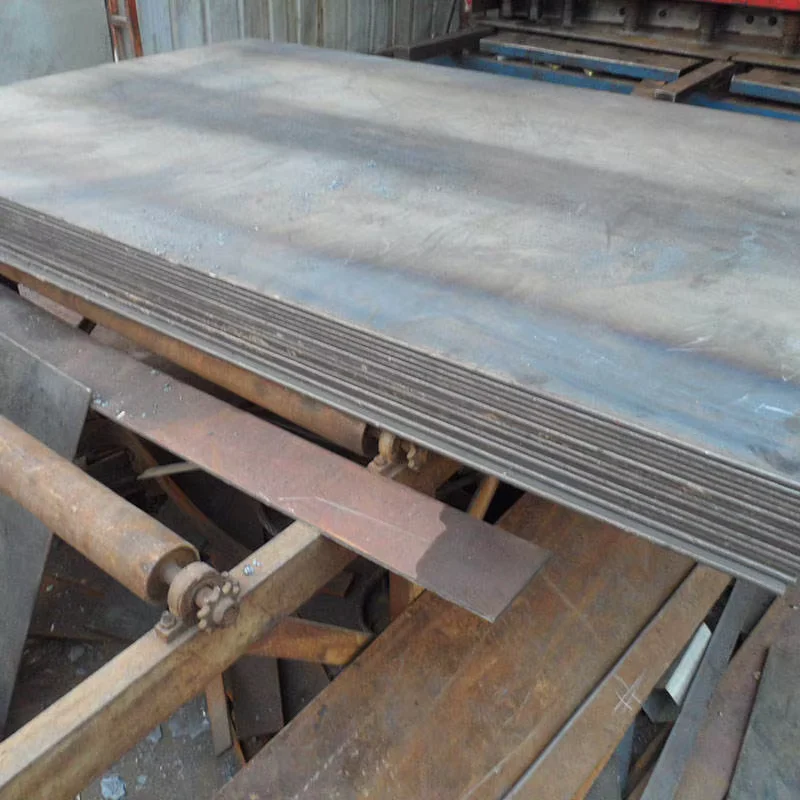
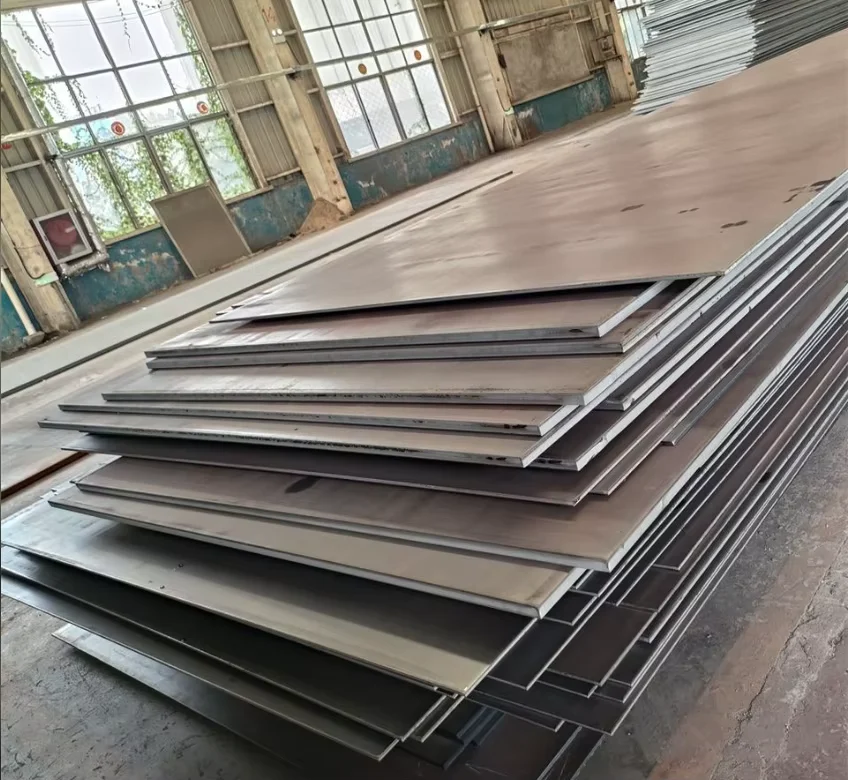
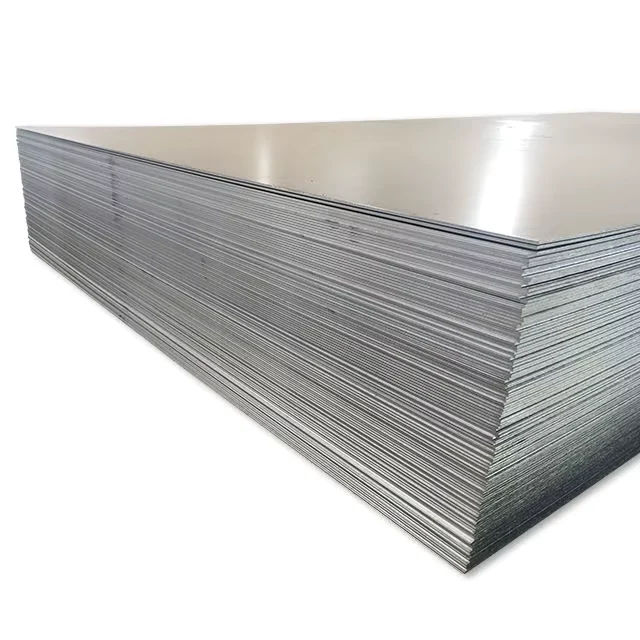
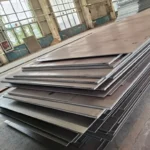
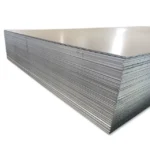
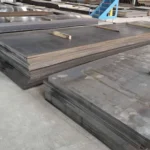
Description
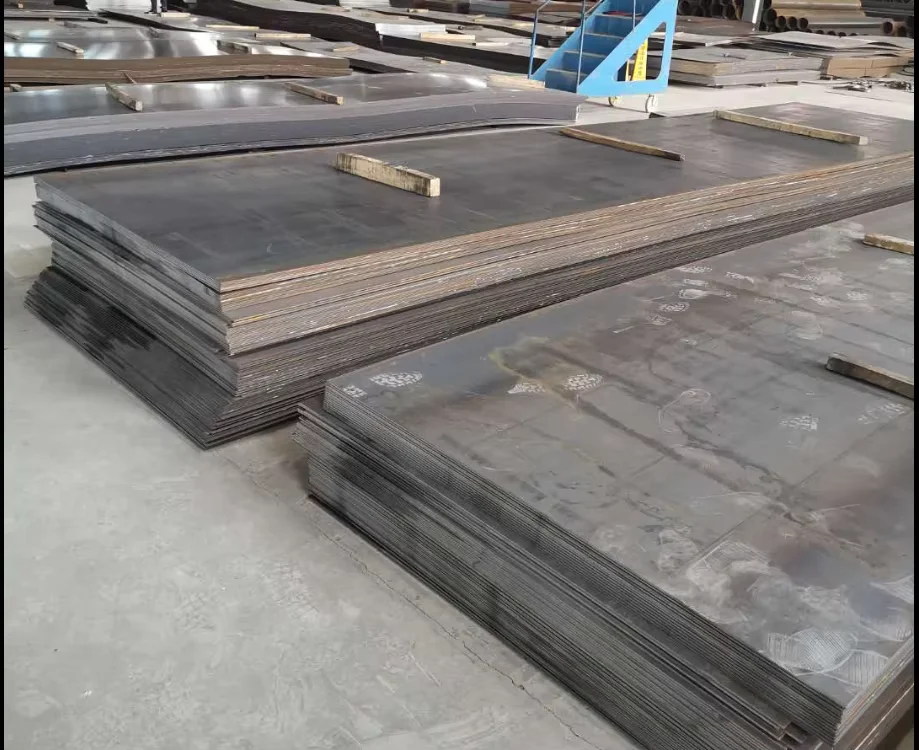
Factory-direct A572 GR.50 plate from own steel mill — 3 production lines and 2,800+ raw material specifications eliminate sourcing gaps between mill and fabrication shop.
Technical Specifications
| Parameter | Value |
|---|---|
| Designation | A572 GR.50 Hot Rolled Steel Plate |
| Product Type | Steel Plate |
| Steel Grade | A572 GR.50, Q235, Q255, Q275, 20# |
| Standard | AISI, DIN, JIS, ASTM A572 |
| Thickness | 3-200mm |
| Technique | Hot Rolled / Bending / Welding / Cutting |
| Surface Treatment | Hot Rolled |
| Application | Structural steel fabrication / Construction / Industrial equipment / Pressure vessels / Shipbuilding / Machinery |
Application Suitability
| Industry | Typical Applications |
|---|---|
| Structural Steel Fabrication | Building frames, column-beam assemblies, trusses, platform decks |
| Construction | Commercial building skeletons, warehouse portals, stairway stringers |
| Industrial Equipment | Pressure vessel shells, machinery base plates, conveyor support frames |
| Shipbuilding | Deck plating, bulkhead stiffeners, hull structural members |
| Infrastructure | Bridge gusset plates, foundation anchor assemblies, crane runway beams |
What Material Traceability Gaps Cost on an EPC Steel Frame Order
A missing heat number on a plate certificate can halt customs clearance and trigger full-batch rejection at site.
When a fabrication shop sources plate from a third-party trader instead of a mill, the material certification chain breaks. I have seen entire container loads of plate held at destination port because the mill test certificate listed a different heat number than what was stamped on the plate edge. For EPC firms managing structural steel packages worth hundreds of thousands of dollars, this kind of gap means re-ordering, air-freighting replacement material, and absorbing weeks of idle crane time. [NEED_CITE: material traceability requirements in structural steel procurement]
How A572 GR.50 Plate Meets Structural Frame Load Requirements
A572 GR.50 hot rolled steel plate supplier capabilities matter when your structural frames must carry heavy roof loads across long spans. The GR.50 grade delivers higher yield strength than mild steel alternatives, allowing engineers to reduce plate thickness while maintaining load capacity — directly cutting weight and shipping cost on overseas projects. Our own mill produces this grade alongside Q235, Q275, and 20#, so when your shop drawings call for mixed-grade assemblies, every plate comes from one heat tracking system with unified documentation.
Engineering Compliance and Certification for International Projects
Structural steel fabrication for EPC and commercial construction must comply with design codes that specify minimum yield strength, impact toughness at service temperature, and weldability limits. A572 GR.50 conforms to ASTM A572 and is widely accepted across North American and Middle East projects, while Q235 and Q275 serve projects designed to Chinese GB standards. [NEED_CITE: ASTM A572 grade equivalence with EN and JIS standards] Hot rolled surface condition is suitable for most structural applications where plates will be shot blasted and painted per project coating specifications. Third-party inspection by SGS or BV is available to verify chemical composition and mechanical properties before shipment, satisfying the most stringent owner-engineer requirements.
Steel Grade Selection and Hot Rolling Process Explained
The A572 GR.50 grade belongs to the high-strength low-alloy (HSLA) family, where columbium and vanadium micro-alloying produces higher yield strength without sacrificing weldability. Compared to Q235, which is a plain carbon structural steel, A572 GR.50 allows thinner sections for equivalent load-bearing capacity — a critical advantage when shipping cost is calculated per metric ton. The Q255 and Q275 grades fill intermediate positions, offering step-up strength for secondary structures and connection plates. The 20# grade serves low-pressure vessel and machinery applications where formability matters more than structural strength.
Hot rolling at controlled temperatures produces a plate with uniform grain structure through the full 3-200mm thickness range. This matters for welding: plates above 25mm thickness require through-thickness properties to avoid lamellar tearing at welded connections. Our hot rolling lines produce plates with consistent surface quality suitable for CNC cutting, plasma cutting, and submerged arc welding without additional surface preparation. [NEED_CITE: hot rolling process effects on steel plate weldability and through-thickness properties]
Hidden Costs of Sourcing Plate Without Verified Certification
Ordering steel plate based on price alone, without verified mill test certificates and heat-number traceability, creates risks that surface only after the material reaches the job site. Plates with chemistry outside the specified grade range will fail weld procedure qualification tests, forcing the fabricator to scrap already-cut components and delay the erection schedule. Oversized tolerance on thickness means you pay for steel that is not there — and structural engineers may reject the material if actual thickness falls below the minimum specified in the design drawing. Non-compliant plates held at customs for re-inspection add demurrage charges that can exceed the original price difference between a verified supplier and an unverified one. [NEED_CITE: structural steel material compliance and customs rejection risks]
Why Source A572 GR.50 Plate From an Integrated Mill and Fabricator
We operate our own steel production facility with 3 hot rolling lines and maintain over 2,800 raw material specifications in inventory — meaning your A572 GR.50 plate order does not depend on a trader sourcing from an unknown mill. Every plate we supply carries a mill test certificate generated from our own in-house laboratory, with full heat-number traceability from slab to finished plate. When your project also requires fabrication — cutting, drilling, welding, shot blasting, painting — the plate goes directly from our rolling line to our fabrication workshop under one quality management system. This eliminates the documentation gap that occurs when material changes hands between supplier and fabricator. Our certified welding procedures (AWS and EN) and qualified welders mean that if your plates arrive pre-cut and pre-drilled, the welding documentation package — WPS, PQR, weld maps — is already prepared and consistent with the base material certificates.
Documentation & Compliance
- Mill test certificate documenting A572 GR.50 chemical composition and mechanical properties per ASTM A572, with heat number traceability from slab to plate
- Third-party inspection report from SGS or BV verifying dimensional tolerance, surface quality, and coating thickness before container sealing
- ISO 9001 quality management certificate covering the full production chain from hot rolling through fabrication and surface treatment
- Complete welding documentation package including WPS, PQR, and weld maps aligned with base material test certificates for structural assembly projects
- Export customs documentation set: commercial invoice, packing list, bill of lading, and certificate of origin for destination port clearance
Packaging, Loading & Delivery
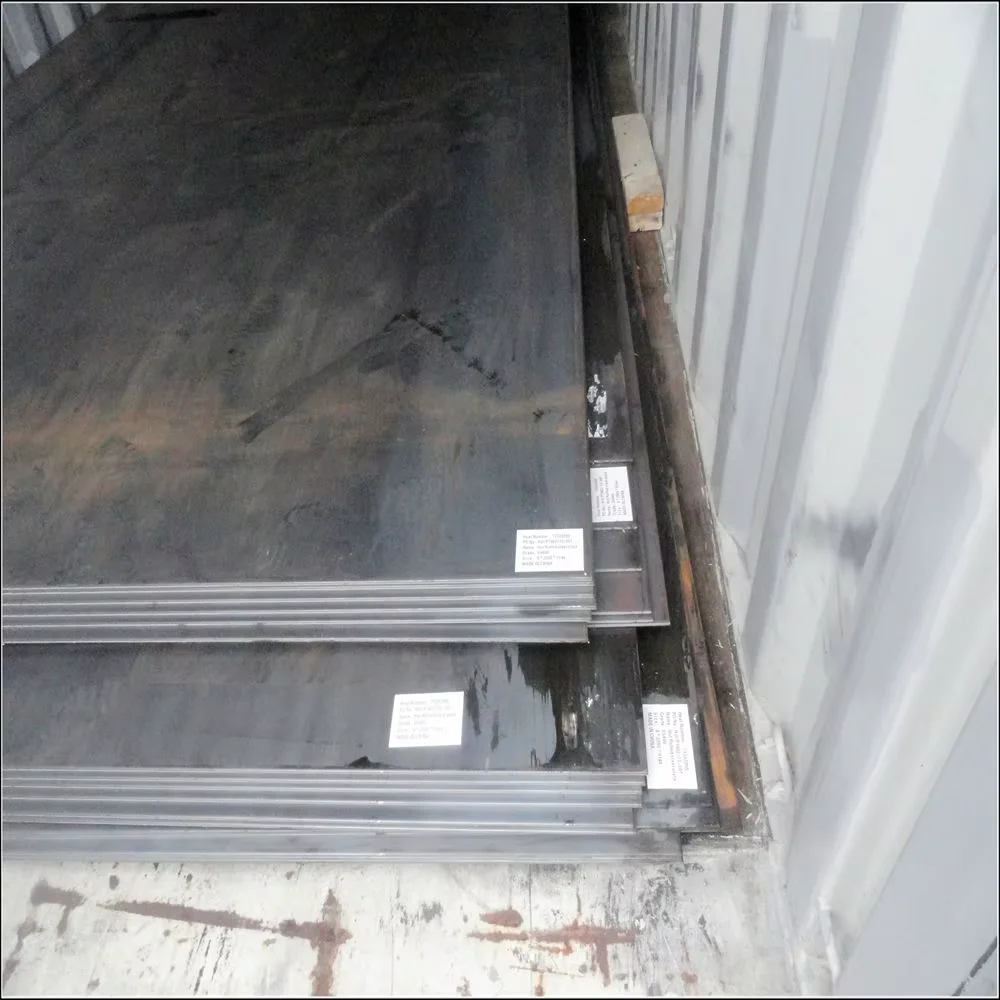
- A572 GR.50 hot rolled plates bundled with steel strips and edge protectors to prevent coating damage and edge deformation during ocean transit
- Hot rolled surface plates coated with anti-rust oil before bundling to prevent oxidation during extended sea freight to Middle East and African ports
- Custom cutting to project-specific dimensions available, reducing on-site re-cutting waste and fitting plate sizes to standard container loading plans
- Each plate stenciled with heat number, steel grade A572 GR.50, thickness, and purchase order reference for immediate site identification and traceability verification
- FOB, CIF, and DDP delivery terms available with professional oversized cargo loading plans for heavy plate shipments exceeding standard container weight limits
Getting Your A572 GR.50 Plate Quote Started
Send your project drawings in PDF or DWG format along with the plate specification list — steel grade, thickness, width, length, quantity, and destination port. We return a detailed quotation within 24 hours covering material cost, fabrication processing if required, surface treatment, packing, and shipping, plus a shop drawing timeline and production schedule.
Request Your A572 GR.50 Plate Quotation
Submit your plate specification list and project drawings to receive pricing, mill test certificate samples, and production lead time within one business day.
Company: Shandong Xin Jiyuan Special Steel Tube Co., Ltd
Website: www.xjystructure.com
Tel: +86 531 8573 6315
Mobile/WhatsApp/WeChat: +86 188 5315 7756
Email: admin@xjystructure.com
Address: No.11889, Jingshi West Road, Lulian Group, Jinan City, Shandong Province, China
Frequently Asked Questions
Q: What is the difference between A572 GR.50 and Q345B in structural applications?
A: A572 GR.50 is an ASTM standard high-strength low-alloy grade widely specified for North American and Middle East projects, while Q345B is the Chinese GB standard equivalent with similar yield strength levels. Both grades serve structural frame and bridge applications, but the certification and mill test certificate format differ. We supply both grades from our own mill with full documentation matching the specified standard.
Q: Can you provide third-party inspection for A572 GR.50 plate before shipment?
A: Yes. We arrange SGS or BV third-party inspection at our facility before container loading. The inspection covers dimensional verification, surface quality check, visual examination, and review of mill test certificates. The third-party report is issued directly to the buyer and accompanies the shipment for destination customs and owner-engineer review.
Q: What thickness range is available for A572 GR.50 hot rolled plate?
A: We produce A572 GR.50 hot rolled steel plate in thickness from 3mm to 200mm through our own hot rolling lines. Plates in the 3-200mm range are available in standard widths and lengths, and we also offer custom cutting to project-specific dimensions based on your shop drawings.
Q: What surface treatment options are available for hot rolled steel plate?
A: Hot rolled plate is supplied in as-rolled condition with anti-rust oil protection as standard. For projects requiring additional corrosion protection, we provide shot blasting to Sa 2.5 standard followed by primer painting, or full coating systems per project specification. Surface treatment is performed in our own workshop immediately before packing to prevent re-oxidation.
Q: How do you ensure material traceability for A572 GR.50 plate orders?
A: Every plate we produce carries a unique heat number stamped on the plate edge, linked to our in-house laboratory test records for chemical composition and mechanical properties. The mill test certificate lists the heat number, steel grade, thickness, and test results per ASTM A572 requirements. This traceability chain is maintained from slab production through hot rolling, cutting, and final shipment.