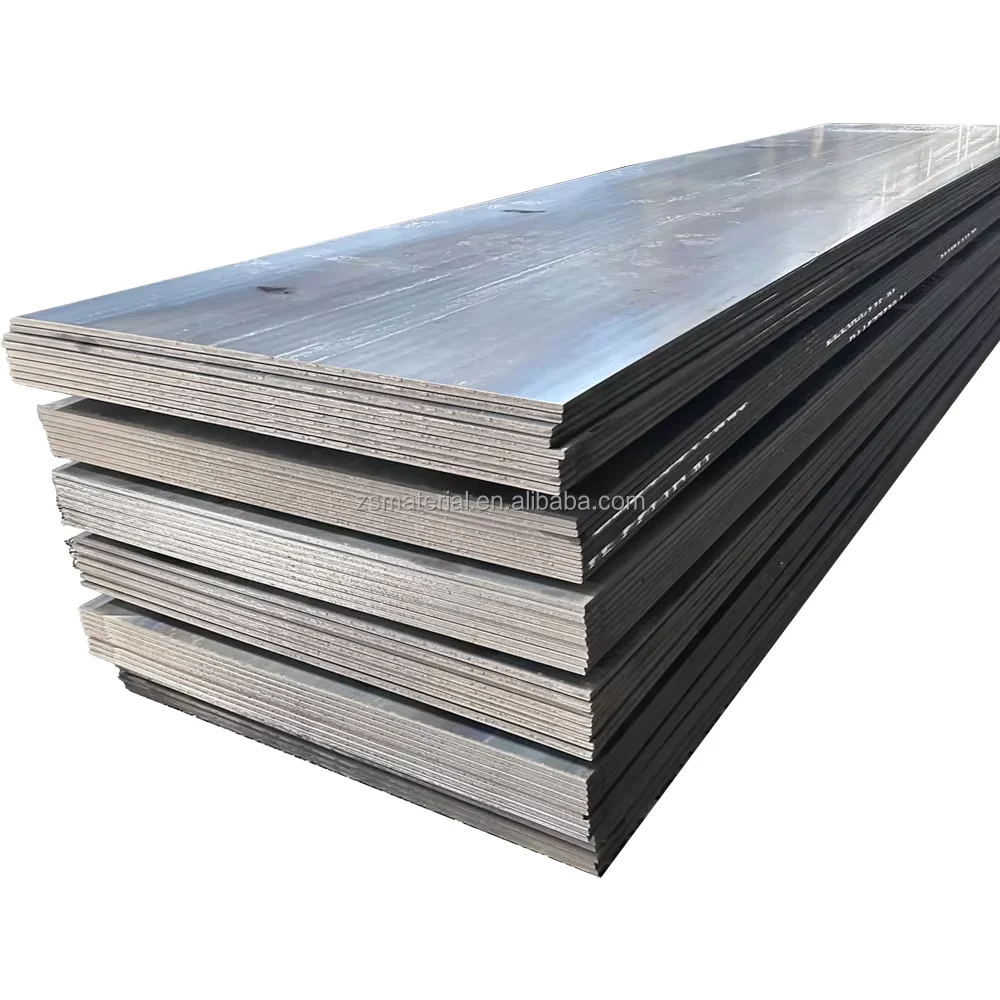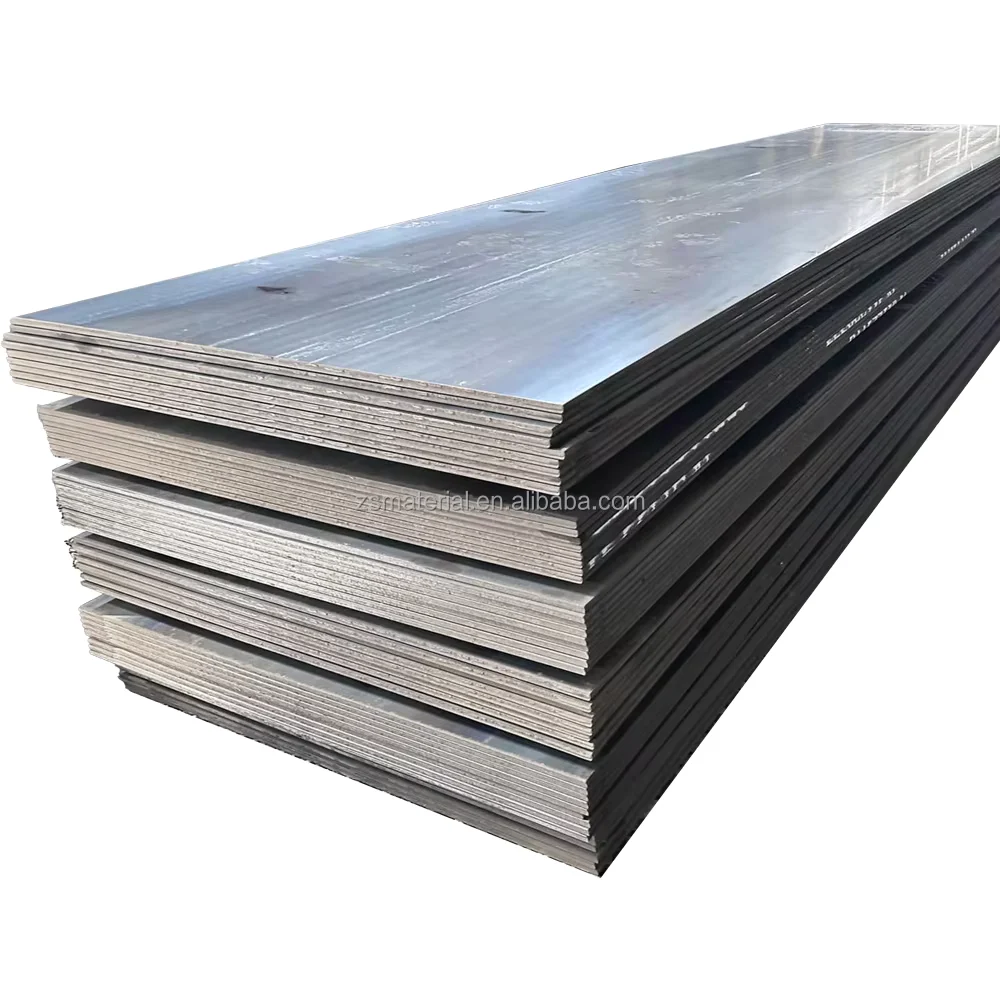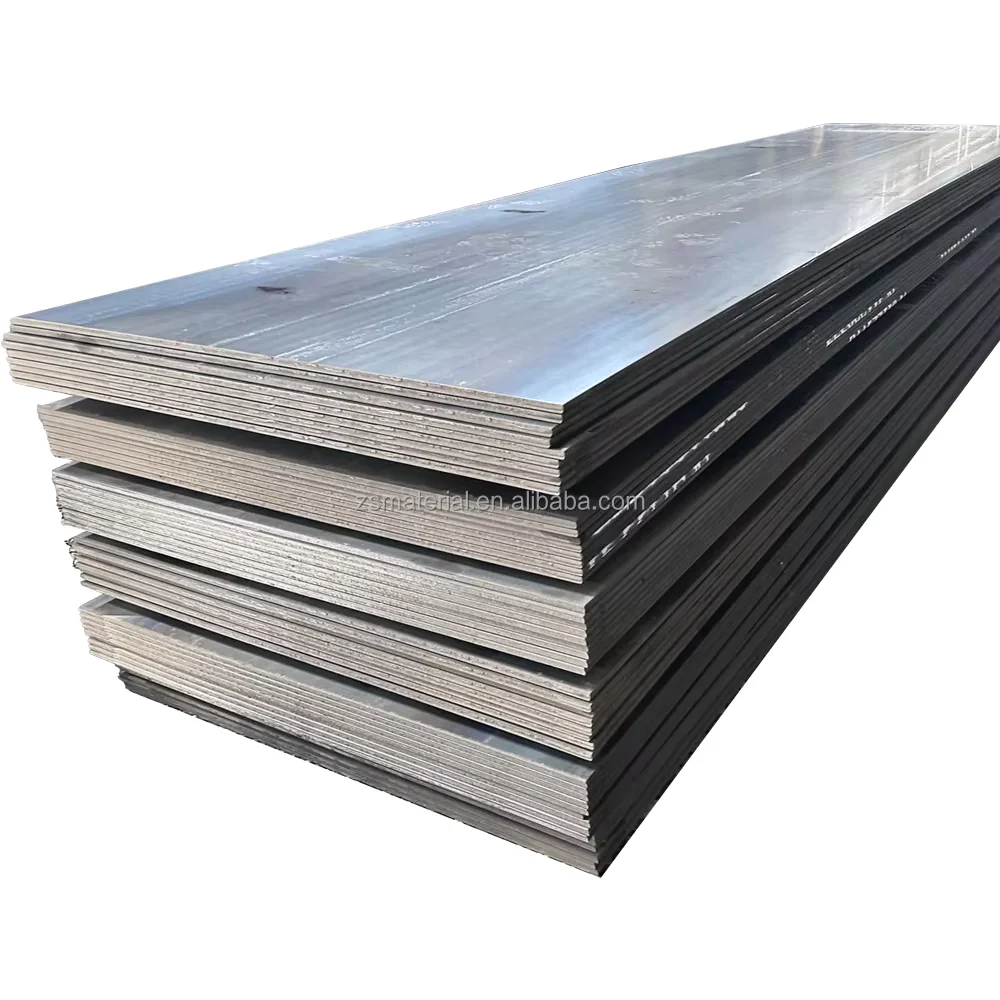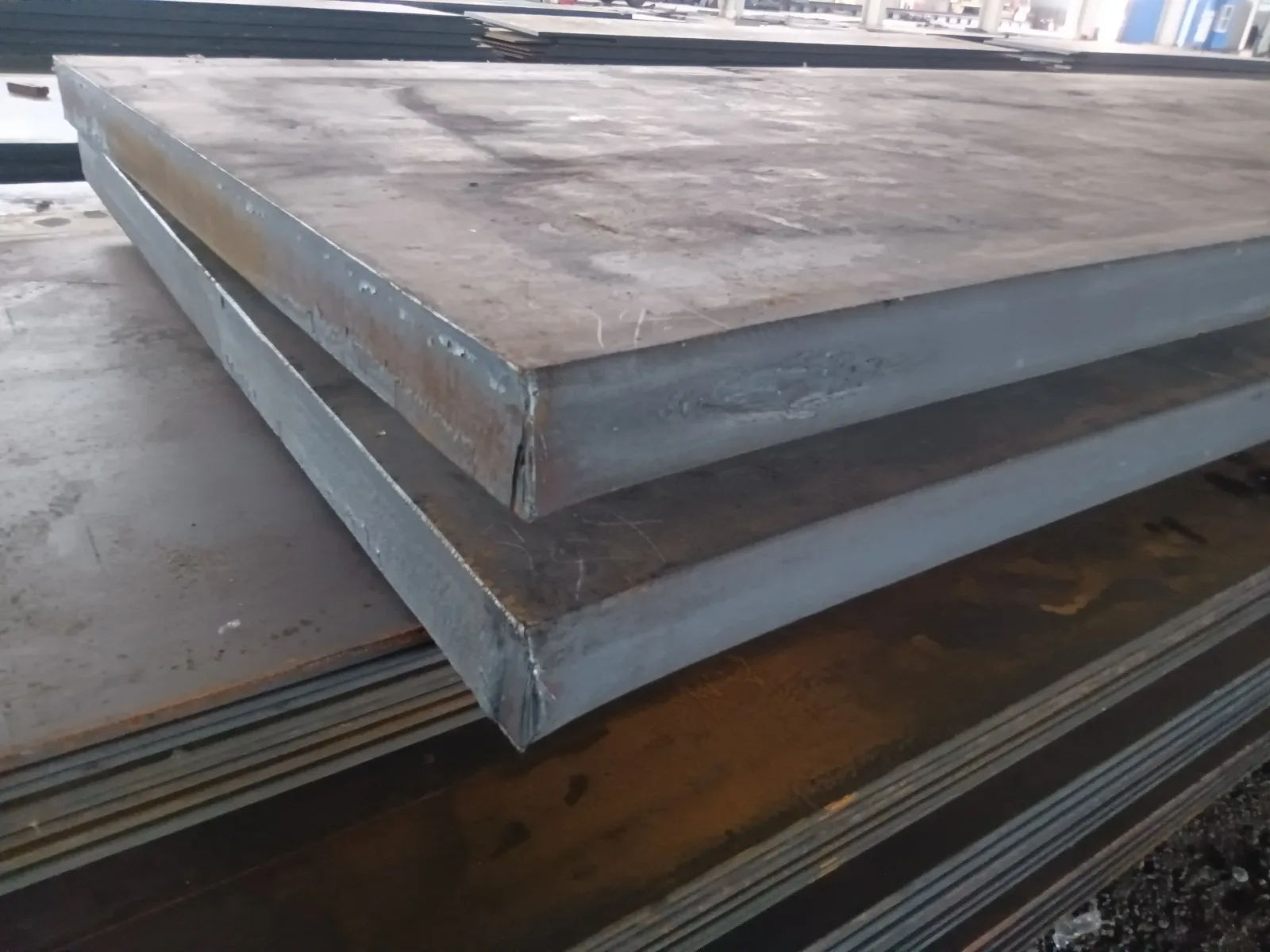
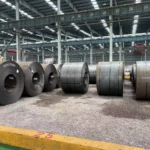
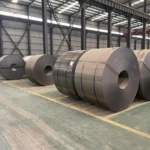
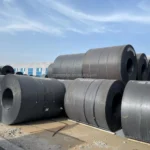
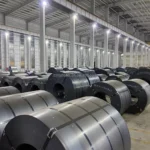
Description
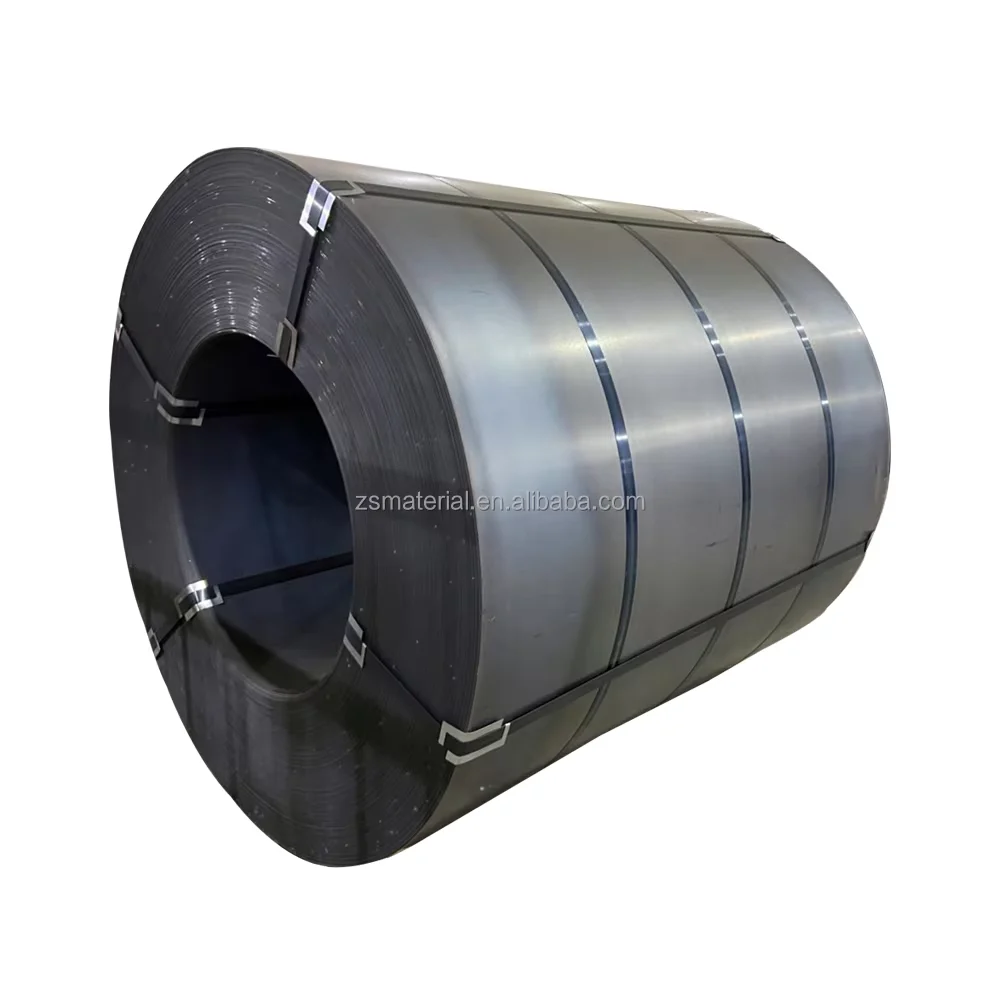
Mill-direct hot rolled coil supply — Q235 and A36 grades produced on our own rolling lines with full chemistry traceability from slab to finished coil.
Technical Specifications
| Parameter | Value |
|---|---|
| Designation | Q235 A36 Hot Rolled Steel Coil |
| Product Type | Steel Coil |
| Steel Grade | Q235, Q235B, Q345, Q345B, Q195, A36, SS400, St37, St42, St37-2, St35.4, St52.4, St35 |
| Standard | AISI, ASTM, BS, DIN, GB, JIS |
| Thickness | 0.75–200 mm |
| Width | 600–2000 mm |
| Length | Customized |
| Coil ID | 508/610 mm |
| Technique | Hot Rolled |
| Surface Treatment | Hot Rolled / Coated |
| Tolerance | ±1% |
| Processing Service | Welding, Punching, Cutting, Bending, Decoiling |
| Application | Construction, Shipbuilding, Machinery, Pressure Vessels, Automotive, Bridges |
| MOQ | 1 Ton |
| Origin | Shandong, China |
Application Suitability
| Industry | Typical Applications |
|---|---|
| Construction & Structural Fabrication | Building frames, column-beam assemblies, industrial platforms, stairway stringers, connection plates |
| Shipbuilding & Pressure Vessels | Hull plate sections, deck stiffeners, vessel shell courses, tank diaphragms |
| Machinery & Heavy Equipment | Crane boom sections, conveyor frames, excavator chassis plates, press brake blanks |
| Bridges & Infrastructure | Bridge deck plates, girder flange sections, expansion joint base plates, pier column wraps |
| Automotive & Transport | Trailer floor sheets, truck chassis cross-members, container side panels |
What Thickness Tolerance Gaps Cost on a Fabrication Floor Order
A Q235 A36 hot rolled steel coil that ships with inconsistent gauge across its length forces fabricators into rework, scrap, and delayed project handover.
When overseas buyers source hot rolled coils from fragmented suppliers, the steel often passes through multiple middlemen before reaching the rolling mill. Chemistry certificates get swapped, thickness readings drift, and by the time the coil lands on a fabrication floor in the Middle East or Southeast Asia, the actual gauge no longer matches the mill cert. [NEED_CITE: material traceability requirements in EN 10204 certification framework] I have seen entire batches held at port because third-party inspectors found chemistry mismatches between the certificate and the physical coil — the cost of demurrage alone wiped out any price savings from buying through a trader.
Matching Coil Grades to Structural and Pressure Applications
A Q235 A36 hot rolled steel coil in the 0.75–200 mm thickness range covers both light-gauge framing members and heavy structural plates used in load-bearing columns and pressure vessel shells. For building frames and industrial platforms, Q235B delivers adequate yield for non-seismic zones, while Q345B steps up for heavier spans. Shipbuilding and pressure vessel work demands tighter chemistry control — our vertically integrated production means the same heat number runs from slab casting through to the finished coil, so classification societies can trace every plate back to its original ladle analysis without documentation gaps.
Engineering Compliance and Certification Pathways
Structural steel used in EU-facing projects must conform to EN standards for dimensional tolerance and impact testing at specified temperatures, while North American projects reference ASTM A36 for chemistry and mechanical thresholds. [NEED_CITE: steel grade equivalence mapping between GB Q-series and ASTM A-series] Hot rolled coils in Q235B map directly to A36 in carbon and manganese ranges, while Q345B aligns with ASTM A572 Grade 50 — but the mill test certificate must explicitly state the standard being claimed. Our in-house laboratory issues EN 10204 3.1 certificates with full heat-by-heat chemistry, and we accommodate SGS or BV third-party inspection before shipment so that customs clearance at destination ports proceeds without material disputes.
Decoding the Hot Rolled Process and Grade Selection
Hot rolling above the recrystallization temperature produces a mill scale surface that is ideal for downstream fabrication — the coil can be decoiled, cut to length, punched, and bent without the coating adhesion issues that sometimes arise with pre-painted or galvanized stock. Q235 and A36 are both mild carbon steels with similar weldability profiles, making them suitable for MIG, MAG, and submerged arc welding common in structural fabrication. [NEED_CITE: weldability considerations for mild carbon structural steels] The ±1% thickness tolerance on our coils means fabricators can rely on consistent material feed through CNC plasma cutters and press brakes — critical when producing batch-after-batch of identical connection plates or beam end assemblies. For projects requiring corrosion resistance from the outset, coated options are available, though many structural buyers prefer to specify surface treatment after fabrication to avoid coating damage during welding and handling.
The Hidden Cost of Unverified Coil Procurement
Purchasing a Q235 A36 hot rolled steel coil from an unverified source may appear cheaper at the quotation stage, but the downstream costs compound quickly. Material that fails chemistry verification at destination triggers customs holds, third-party re-inspection fees, and potential rejection of the entire shipment. [NEED_CITE: consequences of non-conforming steel in international construction projects] Dimensional inconsistency across the coil width forces fabricators to adjust CNC parameters mid-run, increasing scrap rates and delaying project timelines. In structural applications, a steel grade substitution — such as receiving Q195 when Q345B was specified — compromises load-bearing capacity and can trigger engineering rejection during final inspection.
Why Fabricators and EPC Firms Source Directly from Our Mill
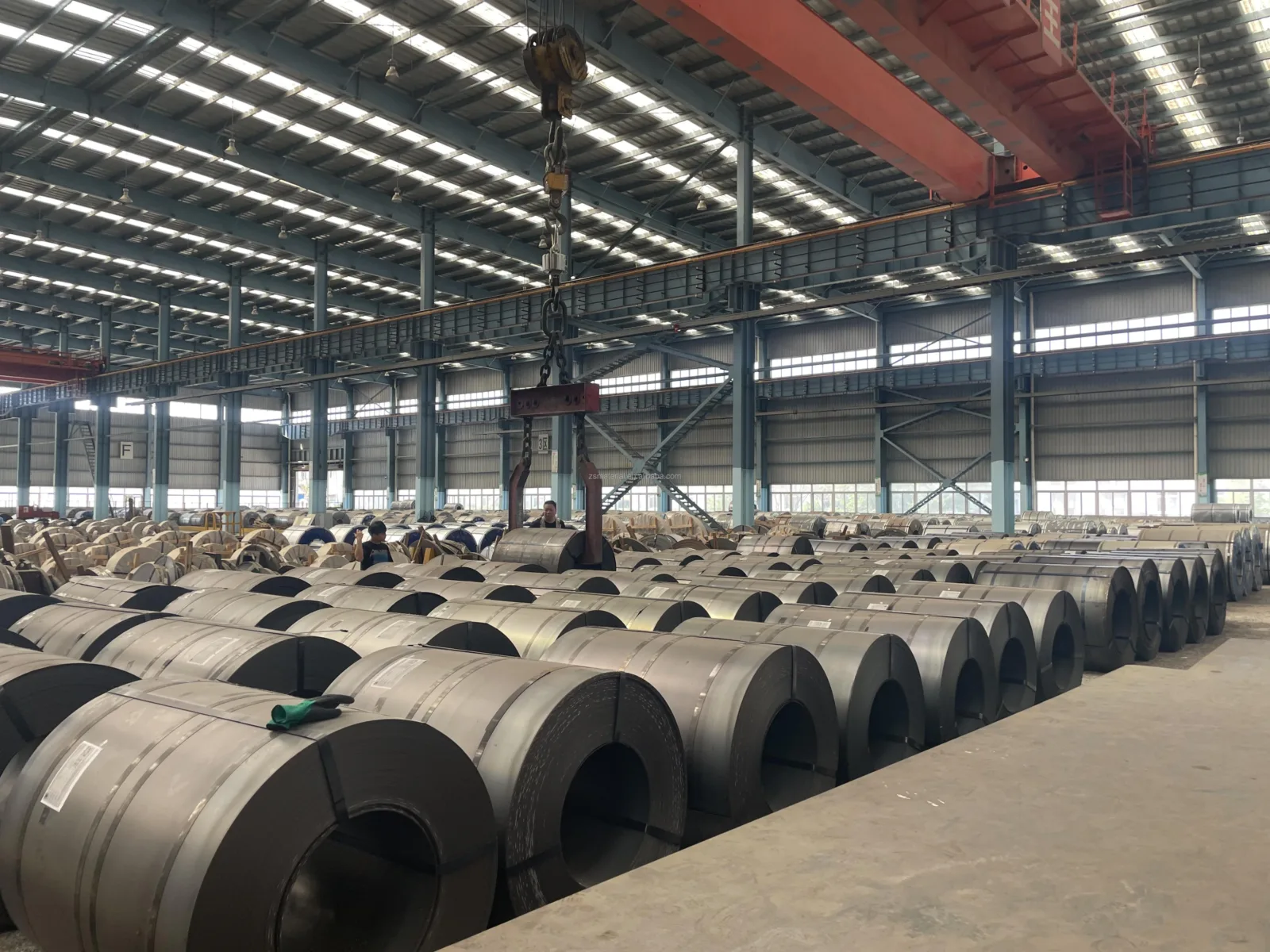
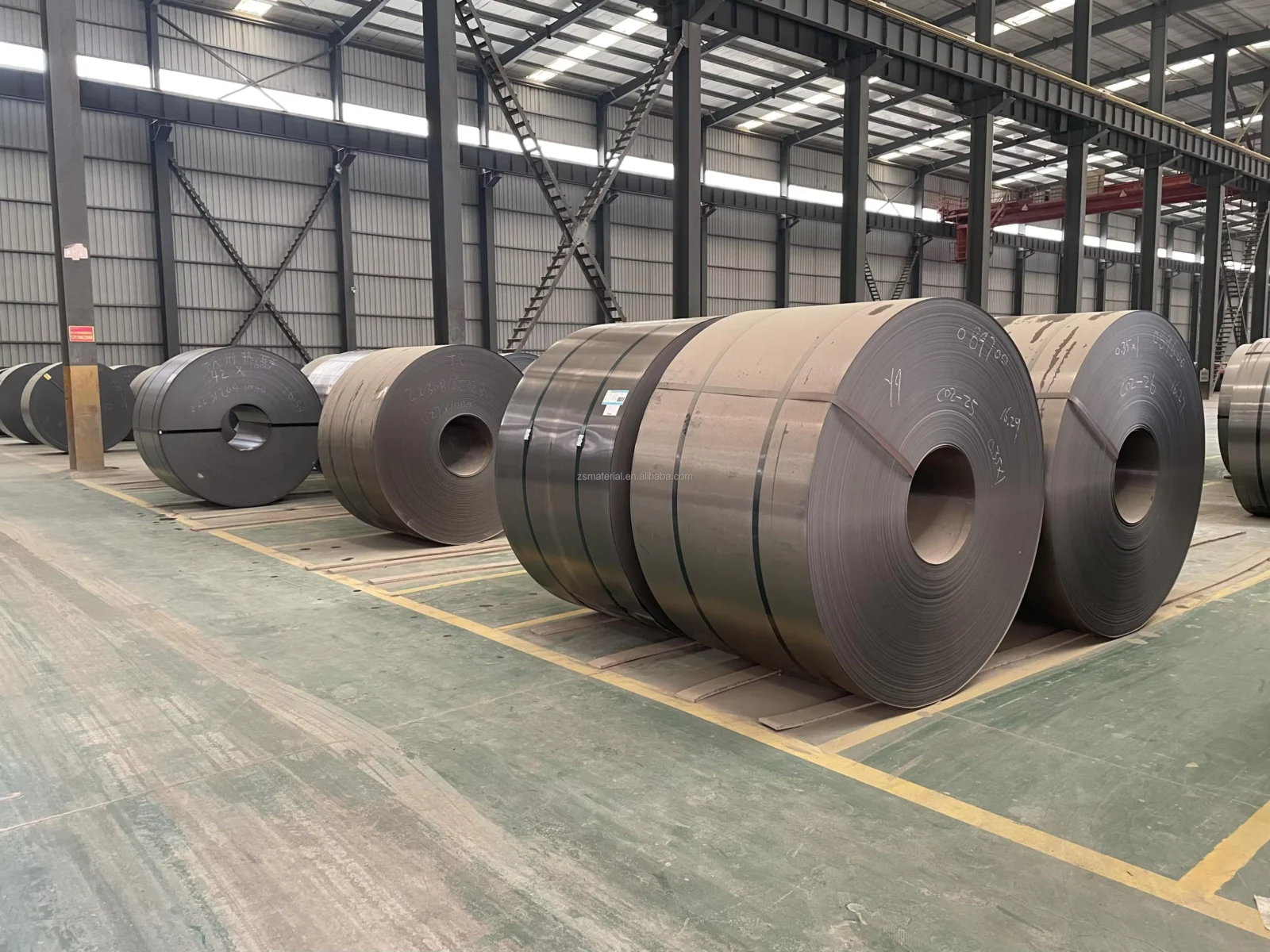
Our production starts from our own steelmaking facility with three rolling lines and over 2,800 specifications in raw material inventory — meaning the Q235 A36 hot rolled steel coil you order is rolled, tested, and documented under a single quality system from slab to finished product. Every coil carries a unique heat number that links back to our in-house laboratory reports covering chemical composition, tensile strength, and elongation. We hold ISO 9001 certification and issue mill test certificates conforming to EN 10204 3.1, with SGS and BV third-party inspection available at buyer’s request. For overseas projects, our engineering team reviews shop drawings, optimizes material nesting, and provides fabrication sequencing advice — reducing waste and ensuring the coil dimensions match your cutting program. We have supplied structural coils to projects across the EU, Middle East, Southeast Asia, and Africa, with export packing and loading plans designed for ocean freight stability.
Documentation & Compliance
- Mill test certificate documenting Q235B and A36 chemical composition, yield strength, and tensile properties per GB/T 700 and ASTM A36
- EN 10204 3.1 type inspection certificate with heat-by-heat traceability from slab to finished coil
- ISO 9001 quality management system certificate covering the full production and testing process
- SGS or BV third-party inspection report available prior to shipment for independent verification of dimensions and chemistry
- Material traceability documentation linking each coil to its heat number, rolling schedule, and test results
- Full customs export package including commercial invoice, packing list, bill of lading, and certificate of origin
Packaging, Loading & Delivery
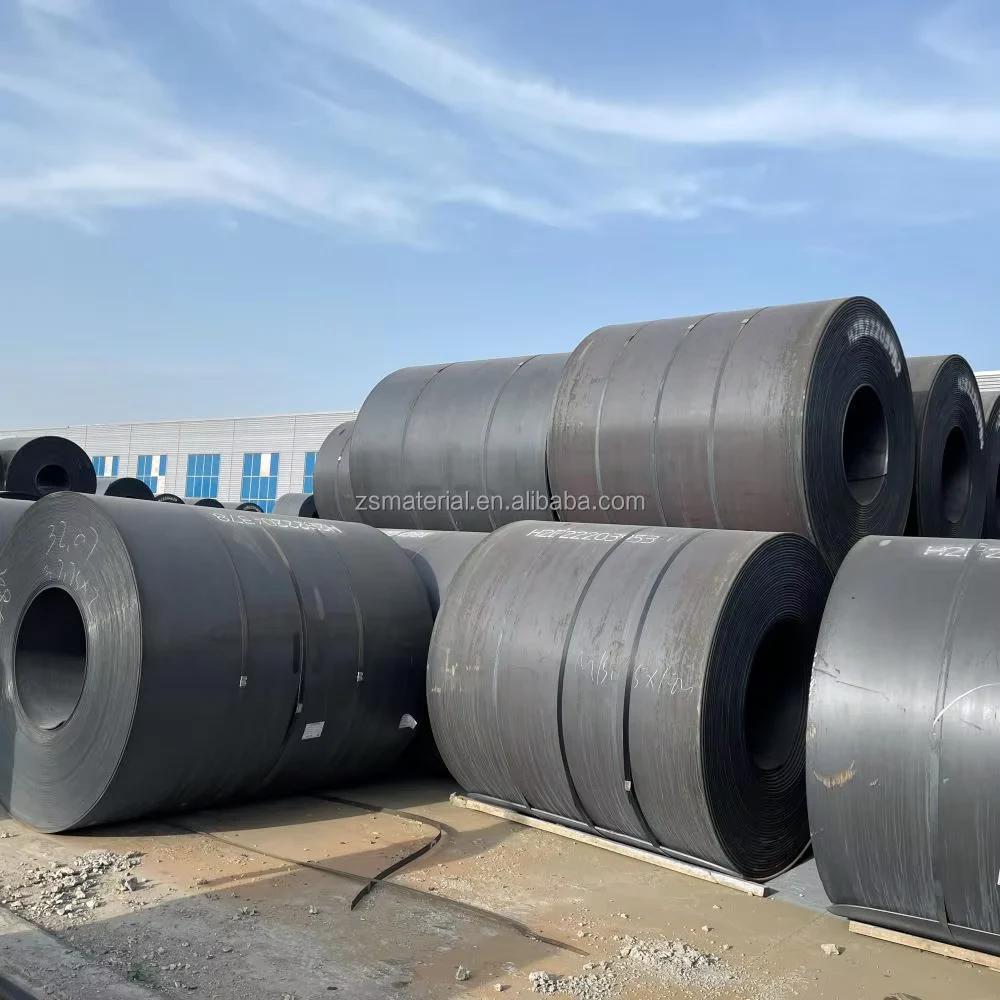
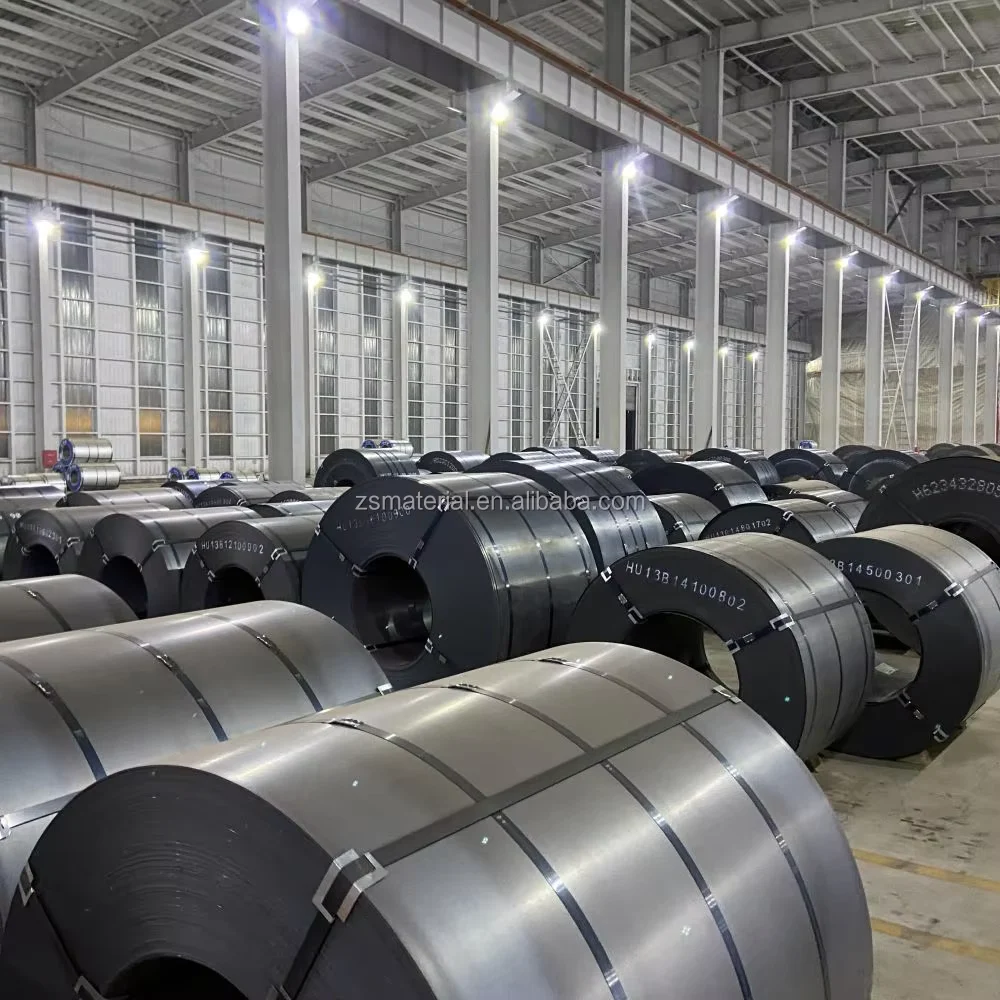
- Coils secured with multiple steel strip bands and edge protectors to prevent edge damage during ocean transit, critical for hot rolled surfaces prone to scratching
- Inner diameter maintained at 508 mm or 610 mm with steel eye protection wraps to guard against moisture ingress during container or breakbulk shipping
- Coil weight and width optimized for 20ft and 40ft container loading, with anti-roll chocks and timber cradles to prevent shifting during transit
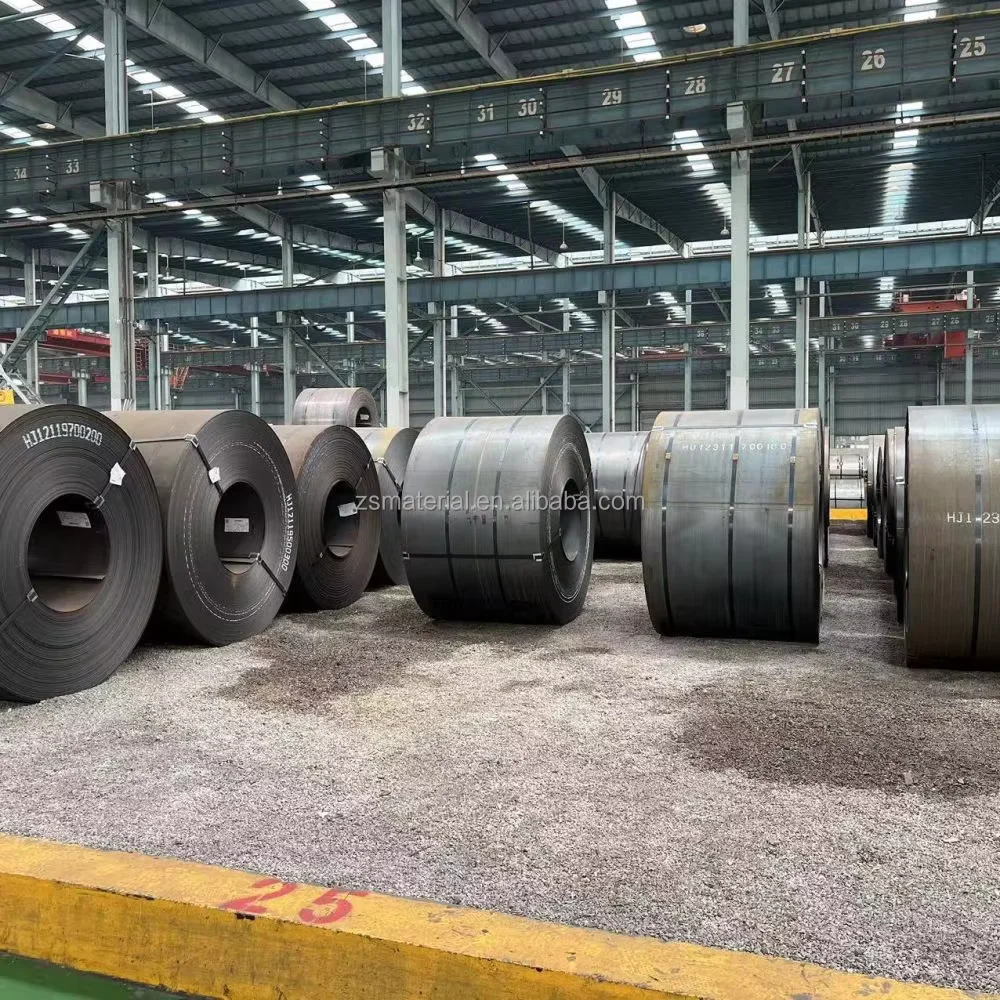
- Heat number and steel grade stenciled on each coil outer wrap for on-site identification and traceability verification
- Surface protection options include oiled finish for short-term corrosion prevention during storage and transport
- Delivery terms available including FOB, CIF, and DDP with professional export documentation and real-time shipment tracking
Start Your Procurement with Drawings and Specifications
Share your project drawings in PDF or DWG format along with required steel grades, thickness, width, quantity, and destination port. Our engineering team responds within 24 hours with a detailed quotation covering material, processing, coating, packing, and freight costs — including shop drawing timelines and production scheduling.
Request a Quotation with Mill Test Certification
Send your specifications and project requirements to receive a detailed quote with full material documentation.
Contact: Shandong Xin Jiyuan Special Steel Tube Co., Ltd
Tel: +86 531 8573 6315
Mobile/WhatsApp/WeChat: +86 188 5315 7756
Email: admin@xjystructure.com
Website: www.xjystructure.com
Address: No.11889, Jingshi West Road, Lulian Group, Jinan City, Shandong Province, China
Frequently Asked Questions
Q: What is the difference between Q235B and A36, and can they be used interchangeably?
A: Q235B (GB standard) and A36 (ASTM standard) are both mild carbon structural steels with similar carbon and manganese ranges. They are generally interchangeable for non-critical structural applications, but the mill test certificate must specify the standard being claimed. For projects requiring formal grade equivalence documentation, we provide cross-reference tables and third-party verification.
Q: Can you provide third-party inspection before shipment?
A: Yes, we accommodate SGS, BV, or other internationally recognized third-party inspection agencies. Inspection covers dimensional verification, surface quality, chemistry sampling, and mechanical testing. The inspection report is issued before the coil leaves our facility, giving buyers confidence in material compliance.
Q: What thickness and width ranges are available for hot rolled coils?
A: We produce hot rolled steel coils in thickness from 0.75 mm to 200 mm and width from 600 mm to 2000 mm. Coil inner diameter is available in 508 mm or 610 mm. Custom cut-to-length sheets can be produced from decoiled stock with punching, bending, and welding services available.
Q: How do you ensure material traceability from raw slab to finished coil?
A: As a vertically integrated producer with our own steelmaking and rolling facilities, we maintain full traceability from slab casting through to the finished coil. Each coil is assigned a unique heat number that links to laboratory test reports covering chemical composition, tensile properties, and rolling parameters.
Q: What surface treatment options are available for hot rolled coils?
A: Standard delivery is hot rolled black surface with optional oiled finish for short-term corrosion protection. Coated options are available for projects requiring immediate corrosion resistance. Surface treatment selection depends on the end application, storage conditions, and downstream fabrication processes.