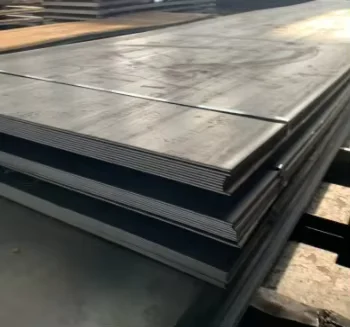
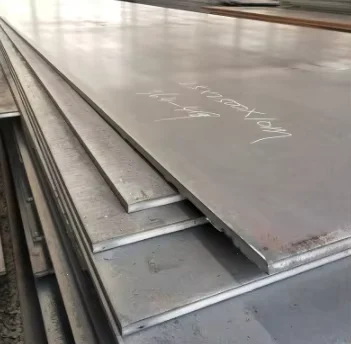
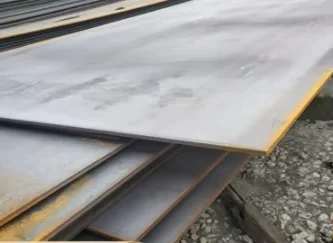
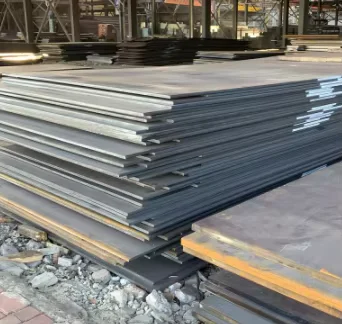
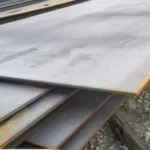
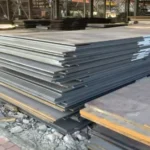
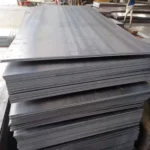
Description
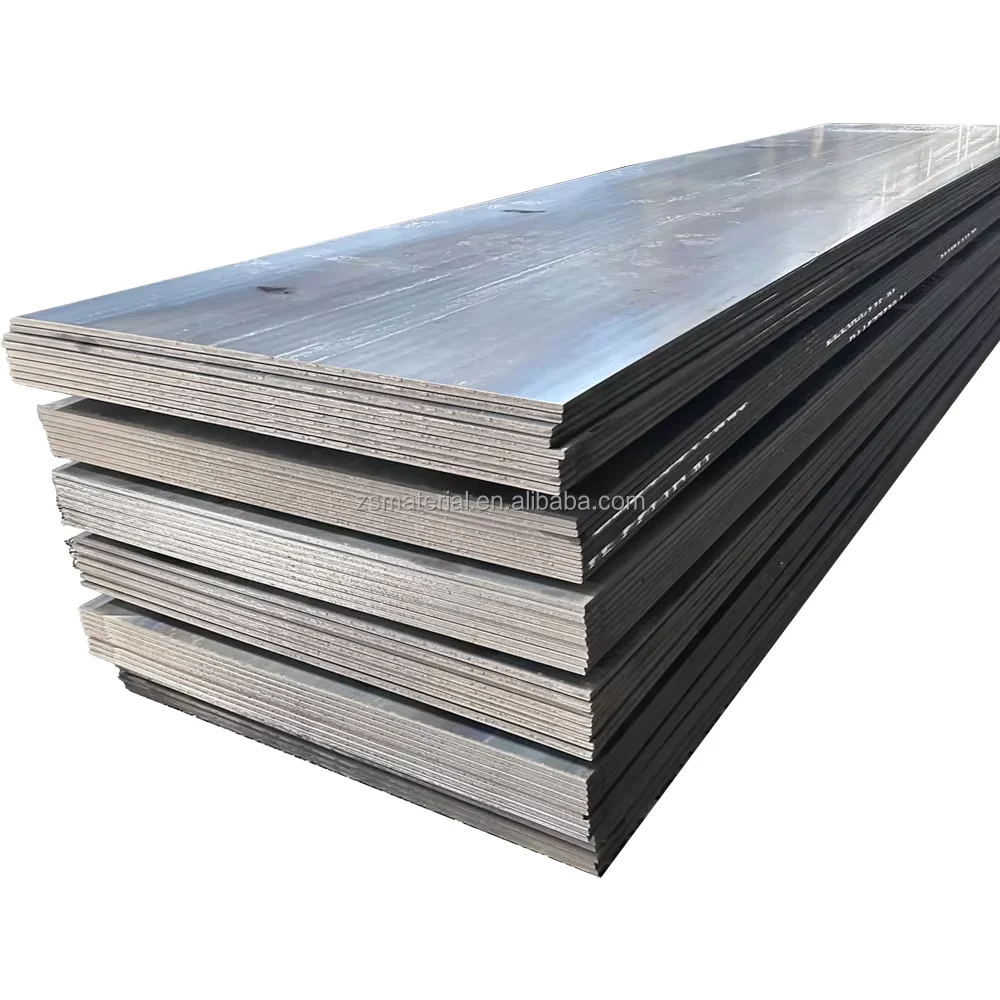
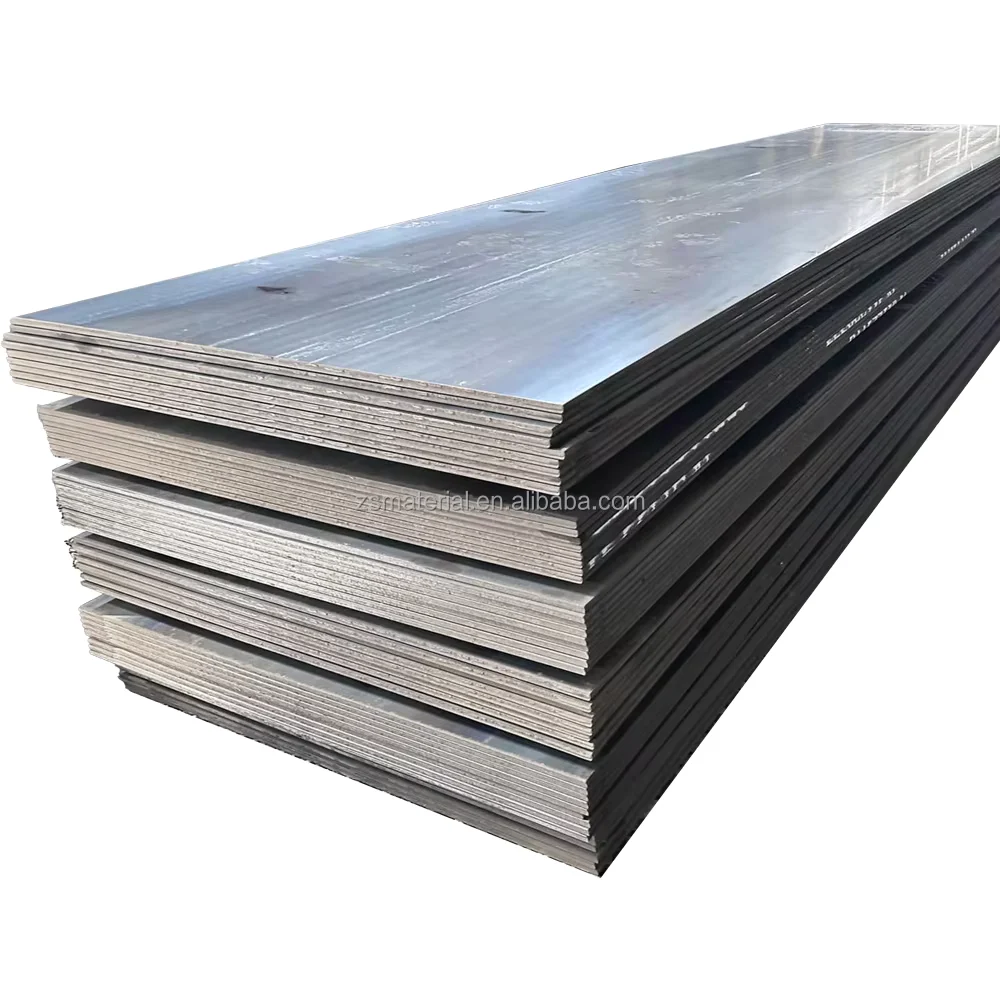
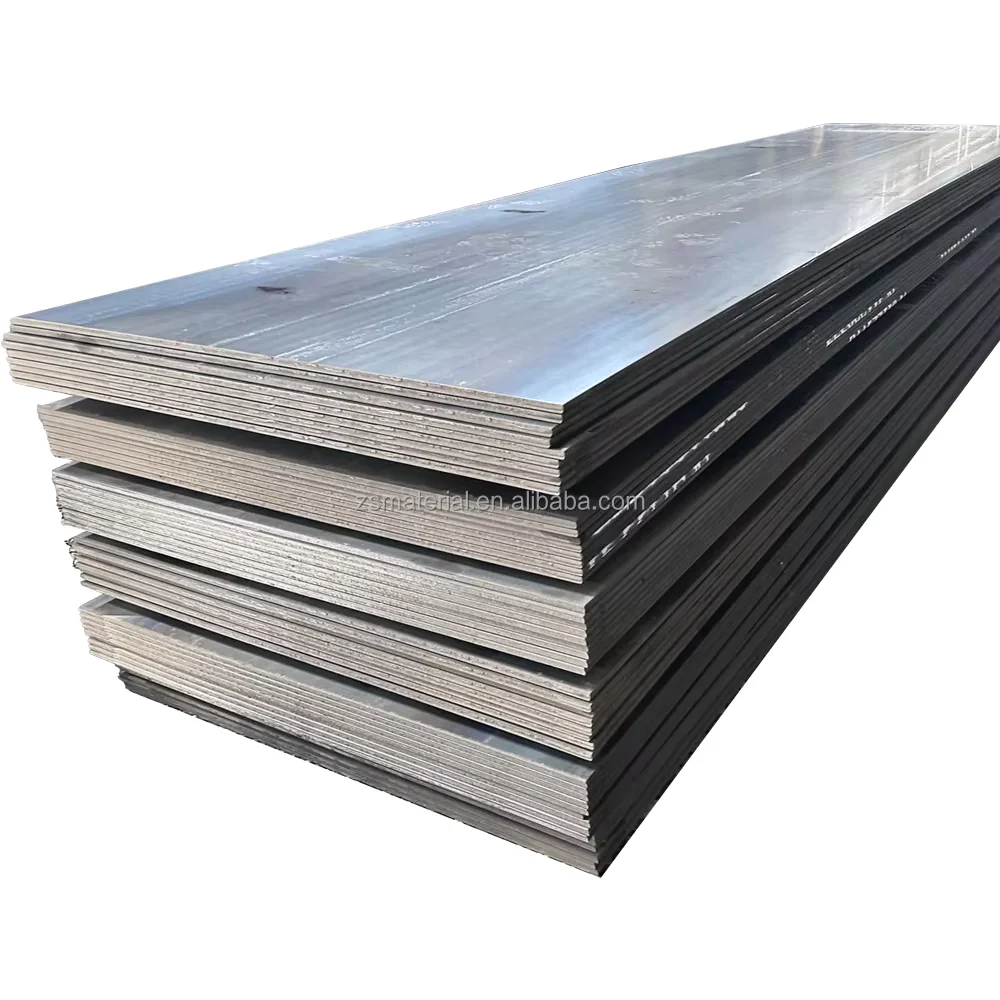
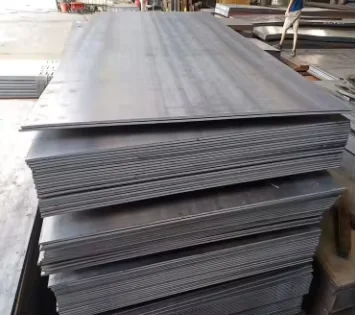
Direct Mill Supply for Q235B Plates — Hot rolled carbon steel plates produced in-house from 3 mm to 200 mm thickness, shipped with full heat-number traceability and mill test certificates.
Technical Specifications
| Parameter | Value |
|---|---|
| Designation | Q235B Hot Rolled Carbon Steel Plate |
| Product Type | Steel Plate |
| Steel Grade | Q235B |
| Standard | ASTM, JIS, DIN, BS, AISI |
| Thickness Range | 3–200 mm |
| Technique | Hot Rolled |
| Surface Treatment | Hot Rolled / Galvanized |
| Processing | Bending / Welding / Cutting |
| Application | Shipbuilding / Structural fabrication / Construction / Industrial equipment / Pressure vessels |
Application Suitability
| Industry | Typical Applications |
|---|---|
| Shipbuilding & Marine | Hull plating, deck structures, bulkhead frames |
| Structural Fabrication | Column base plates, beam splice plates, gusset connections |
| Construction & Infrastructure | Bridge gussets, building frame nodes, embedded plates |
| Industrial Equipment | Machine base frames, hopper walls, conveyor support brackets |
| Pressure Vessels | Tank shells, flange plates, non-pressurized vessel components |
Material Traceability Gaps Cost More Than Price Differences on a Q235B Hot Rolled Carbon Steel Plate Supplier Order
When the mill test certificate does not match the heat number stamped on the plate, customs holds the cargo and the project clock keeps ticking.
Overseas buyers sourcing from fragmented traders often discover — only at the inspection stage — that the material certificate was copied from a different batch, or that the steel was sub-contracted to an unregistered rolling mill. A Q235B hot rolled carbon steel plate supplier operating without vertical integration cannot guarantee that the chemistry report belongs to the plate sitting on your dock. [NEED_CITE: material traceability requirements under EN 10204 Type 3.1 inspection documents]
Matching Q235B Plate Thickness to Structural Load Paths
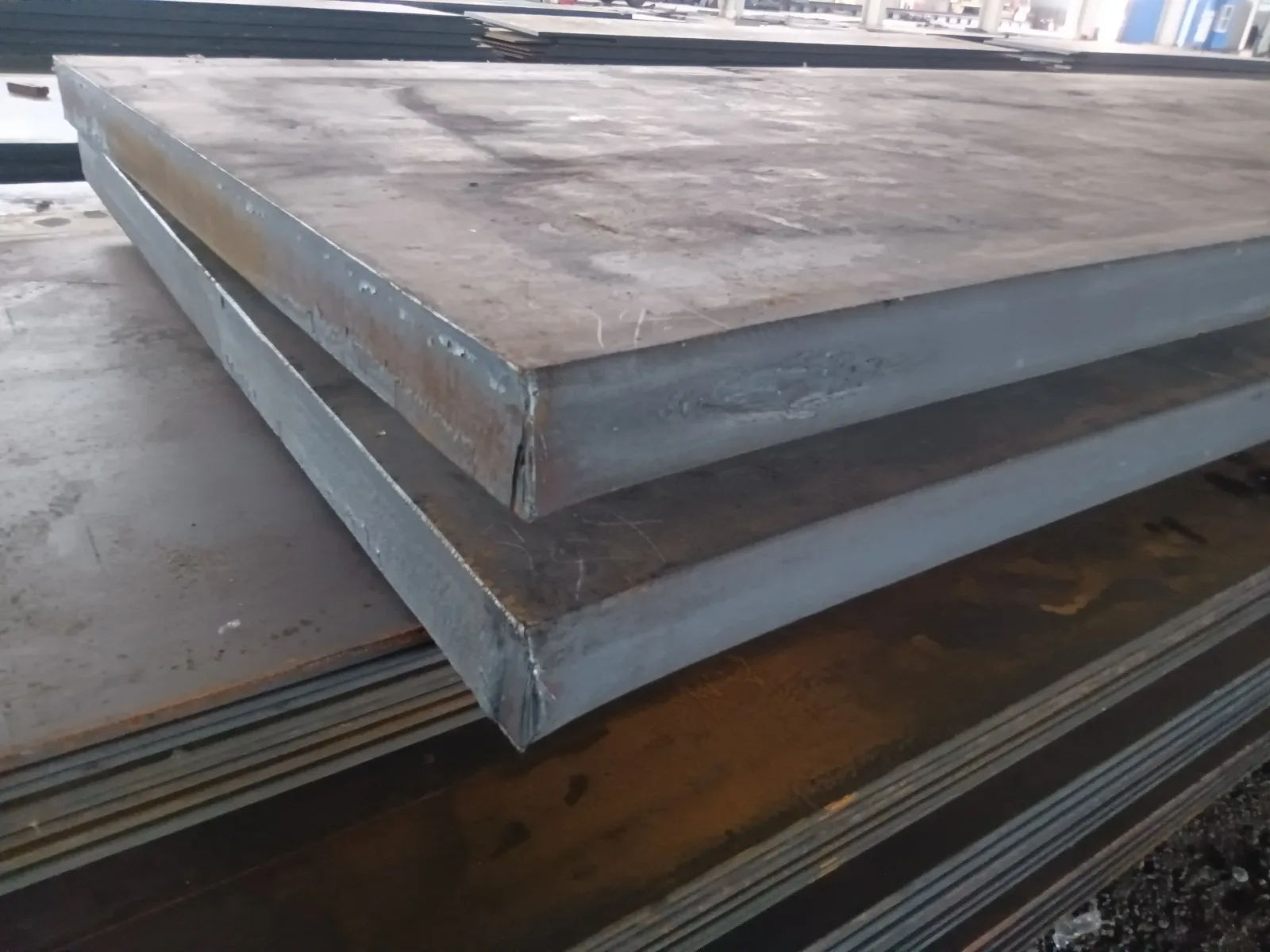
A 3 mm Q235B hot rolled carbon steel plate serves light-gauge bracing and non-structural cladding supports, while 60–200 mm sections carry column base reactions and heavy equipment loads. The hot rolling process produces a uniform grain structure across the full thickness range, which matters when welders prepare bevel edges on thick plates for full-penetration joints. Our in-house bending and cutting lines handle plates up to 200 mm without outsourcing, so dimensional tolerance stays under one quality system from slab reheating to final dispatch.
Engineering Compliance Across ASTM, JIS, and DIN Frameworks
Q235B maps to A36 under ASTM, SS400 under JIS, and S235JR under EN 10025 — but equivalence is chemical and mechanical, not automatic for certification purposes. [NEED_CITE: steel grade equivalence mapping between Chinese GB and international standards] EU projects require CE marking under EN 1090, while Middle East EPCs often accept ASTM test reports paired with third-party inspection. We supply Q235B hot rolled carbon steel plate with mill certificates formatted to the standard your inspector expects, and SGS or BV can witness rolling and testing at our facility before shipment.
Why Hot Rolling Defines the Plate’s Welding and Machining Behavior
Hot rolled Q235B plate develops a mill scale surface that must be removed by shot blasting before painting or galvanizing — skipping this step causes coating adhesion failure within months. The carbon content of Q235B stays below 0.20%, which keeps the carbon equivalent low enough for preheat-free welding on thicknesses under 30 mm in typical ambient conditions. Galvanized Q235B plates add a zinc layer for corrosion resistance in marine and outdoor structures, but welders must grind back the coating at joint zones to avoid porosity. [NEED_CITE: welding procedure considerations for galvanized carbon steel]
The Hidden Cost of Accepting a Q235B Hot Rolled Carbon Steel Plate Supplier Without In-House Rolling
Plates sourced through intermediaries carry three risks that surface only during fabrication or inspection: thickness tolerance drifting beyond the negative allowance permitted by GB/T 709, chemistry reports that cannot be linked to a specific heat number, and surface cracks from slab defects that the middleman’s visual check missed. When a 50 mm plate fails ultrasonic testing at the fabrication shop, the replacement cost includes not just the material but the cutting time lost, the welding sequence disrupted, and the project milestone delayed. [NEED_CITE: ultrasonic testing acceptance criteria for carbon steel plates per EN 10160]
Why a Vertically Integrated Q235B Hot Rolled Carbon Steel Plate Supplier Changes the Risk Profile
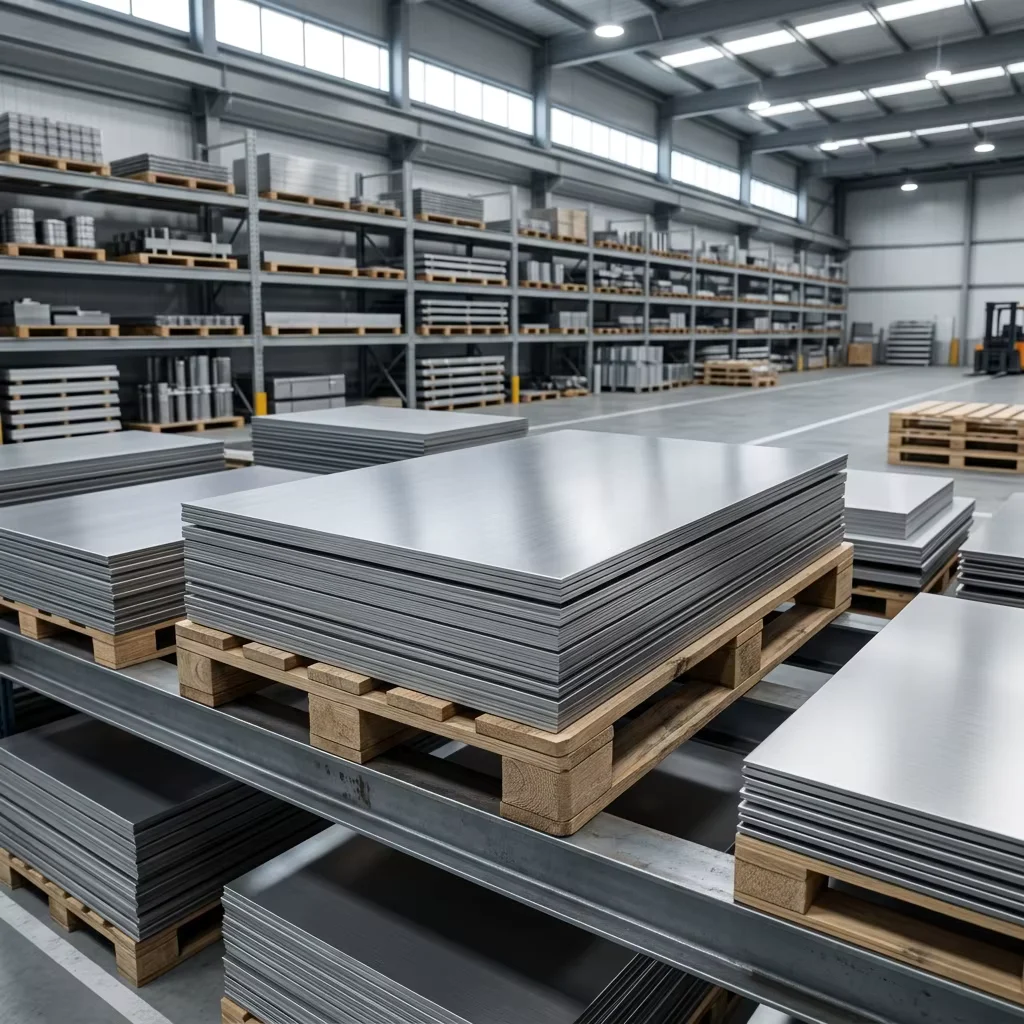
We roll our own slabs into Q235B plates on three production lines, which means the chemistry report, the rolling temperature log, and the dimensional inspection all come from one facility — not a chain of brokers. Our 2,800+ stock specifications cover the full 3–200 mm range, so project kits with mixed thicknesses ship in one consignment rather than three partial loads. Every plate leaves Jinan with a heat number laser-etched on the edge, matched to a mill test certificate in our archive. Third-party inspectors from SGS and BV have audited our process for EU and Middle East clients, and we handle the oversize loading plans for 200 mm plates that exceed standard container height.
Documentation & Compliance
- Mill test certificate documenting Q235B chemical composition (C, Si, Mn, P, S) and tensile test results per GB/T 700, with heat number cross-reference
- Third-party inspection report from SGS or BV covering visual, dimensional, and ultrasonic testing as per project specification
- ISO 9001 quality management certificate covering the full hot rolling and plate processing workflow
- Material traceability sheet linking each plate to its original slab heat number, rolling batch, and test coupon location
- Export customs package: commercial invoice, packing list, bill of lading, and certificate of origin formatted for destination port requirements
- Welding procedure specification and welder qualification records available for fabricated plate assemblies per AWS D1.1 or EN ISO 15614
Packaging, Loading & Delivery
- Hot rolled Q235B plates bundled with steel straps and edge protectors; galvanized plates receive additional polyethylene wrapping to preserve the zinc coating during ocean transit
- Thick plates (80–200 mm) loaded on reinforced timber sleepers with weight distributed to meet container floor load limits; oversized widths shipped on flat rack or breakbulk
- Plates cut to project-specified lengths before dispatch, with kerf tolerance held to ±2 mm to reduce on-site re-cutting
- Each plate marked with heat number, steel grade Q235B, and thickness at both ends for yard identification
- FOB Jinan/Qingdao, CIF destination port, or DDP site delivery arranged; loading plans provided in advance for heavy plate consignments
Starting Your Q235B Plate Procurement With Complete Technical Clarity
Send your project drawing list or plate schedule — thickness, width, length, quantity, surface treatment, and destination port — and we return a quotation with production lead time, mill test certificate format, and loading plan within 24 hours. For fabricated assemblies, share the shop drawings and we confirm welding procedure compatibility before the first cut.
Frequently Asked Questions
Q: Can Q235B plates be supplied with galvanized surface treatment for marine environments?
A: Yes. We offer hot-dip galvanized Q235B plates in the 3–200 mm range. The zinc coating thickness is measured and recorded on the inspection report before dispatch.
Q: Do you provide mill test certificates that meet EN 10204 Type 3.1 requirements?
A: Yes. Our mill test certificates include chemical composition, mechanical properties, and heat number traceability, signed by our quality department and available for third-party witness.
Q: What processing services are available for Q235B hot rolled carbon steel plate?
A: We provide CNC cutting, plasma cutting, bending, and welding to your engineering drawings. Fabricated components are inspected dimensionally before surface treatment.
Q: How do you handle thickness tolerance for heavy plates above 60 mm?
A: All Q235B plates are rolled and inspected per GB/T 709 tolerance class. Thickness is measured at designated points and recorded on the mill test certificate.
Q: Can you arrange third-party inspection before shipment?
A: Yes. SGS and BV inspection teams are welcome at our facility to witness dimensional checks, visual inspection, and ultrasonic testing before loading.
Get Your Q235B Plate Quote With Full Mill Documentation
Share your plate schedule or project drawings — thickness, dimensions, quantity, and destination — and receive a detailed quotation with mill test certificate sample and loading plan.
Shandong Xin Jiyuan Special Steel Tube Co., Ltd
Tel: +86 531 8573 6315
WhatsApp: +86 188 5315 7756
Email: admin@xjystructure.com