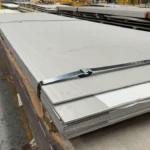
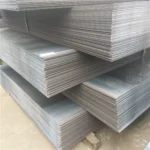
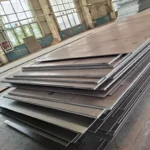
Description
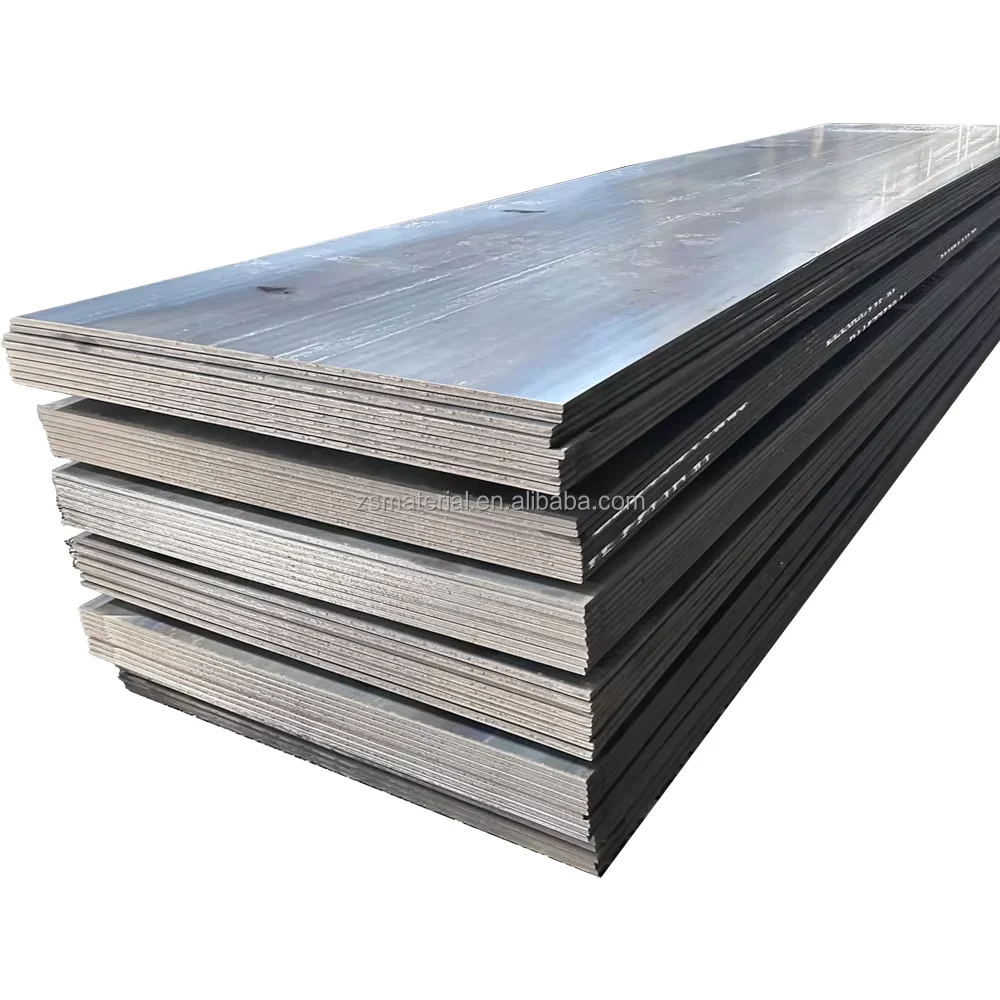
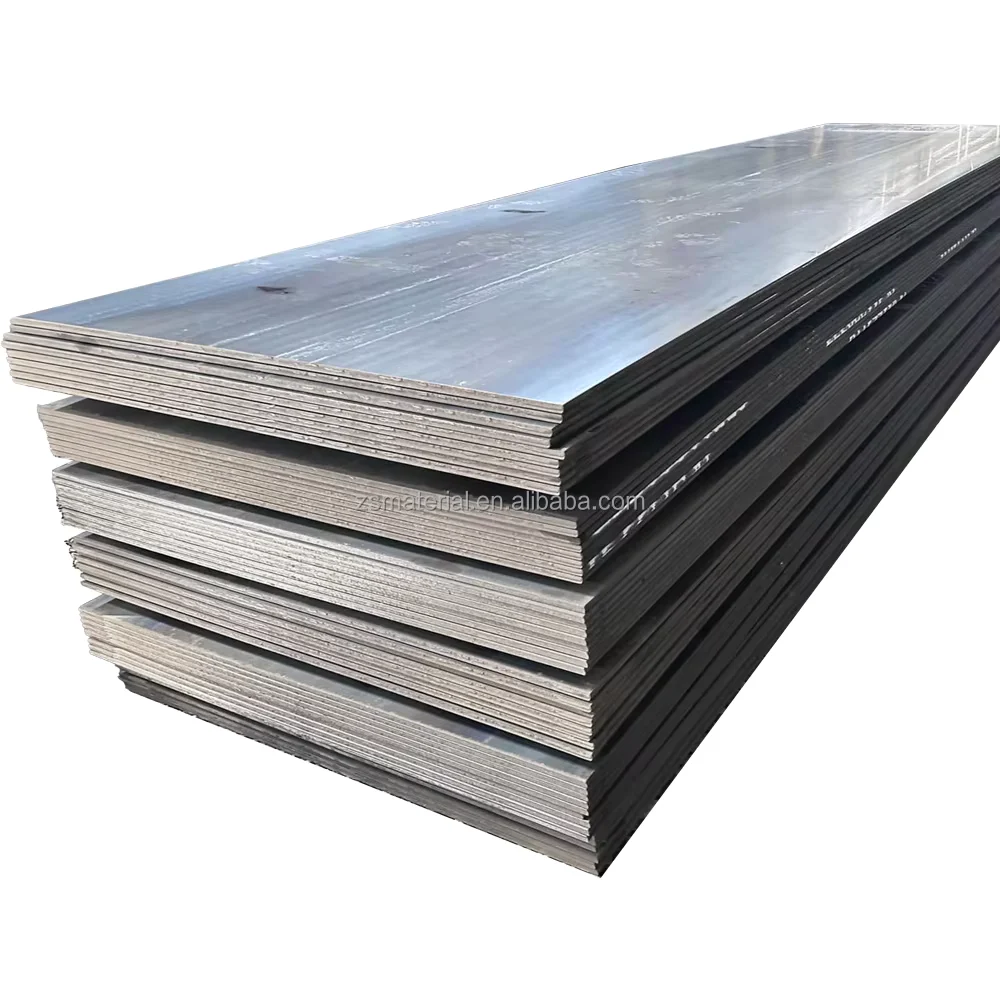
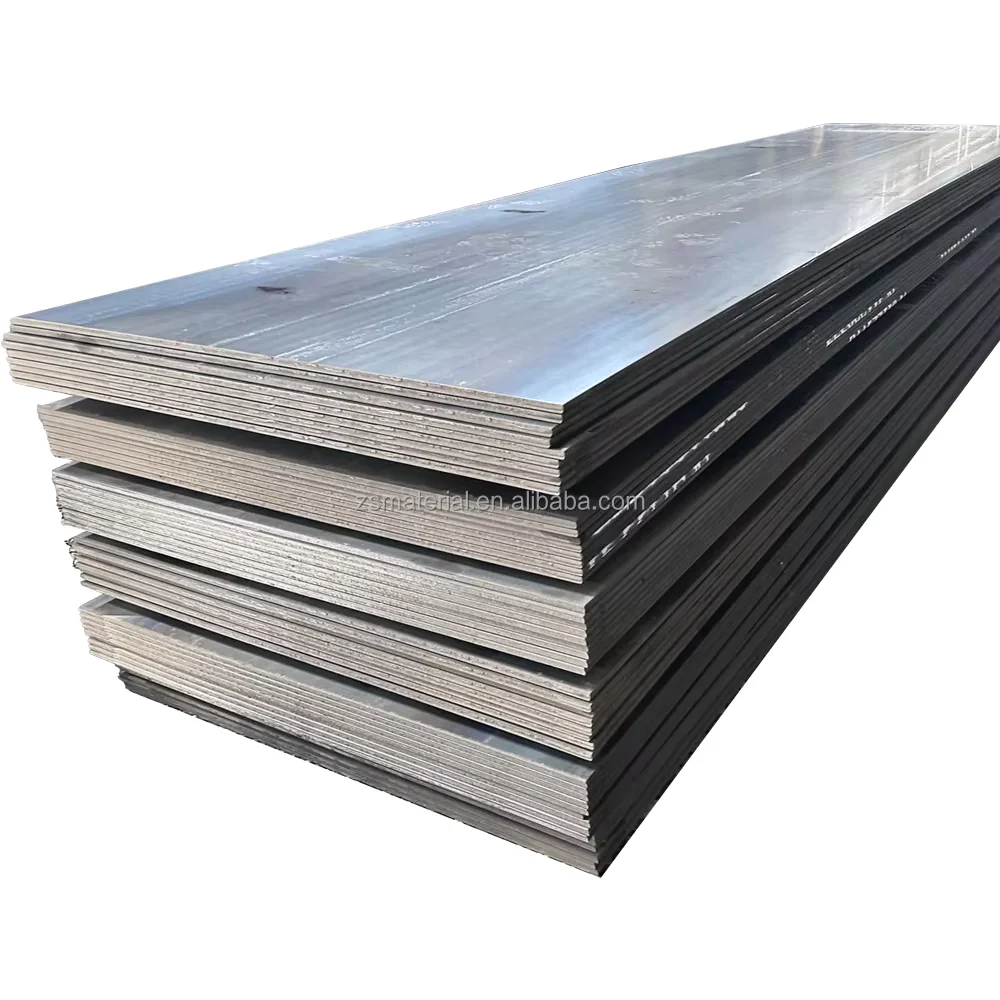
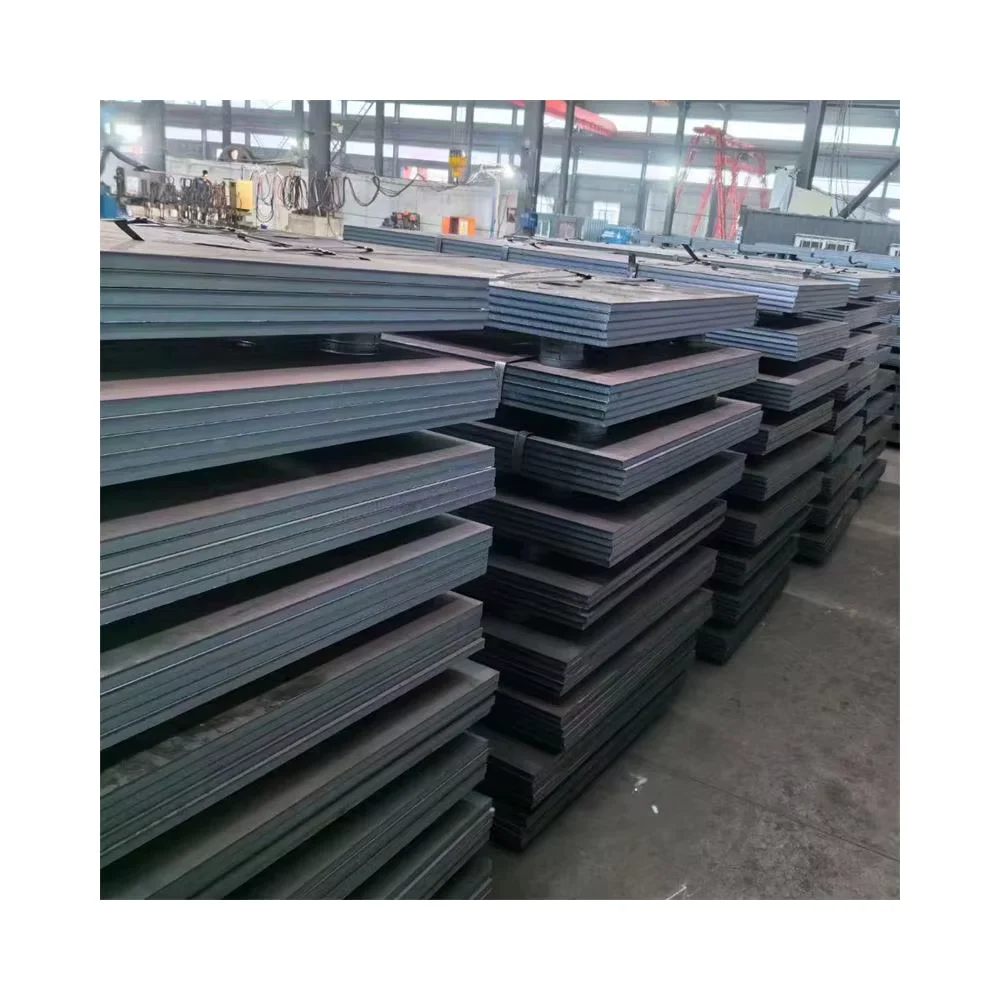
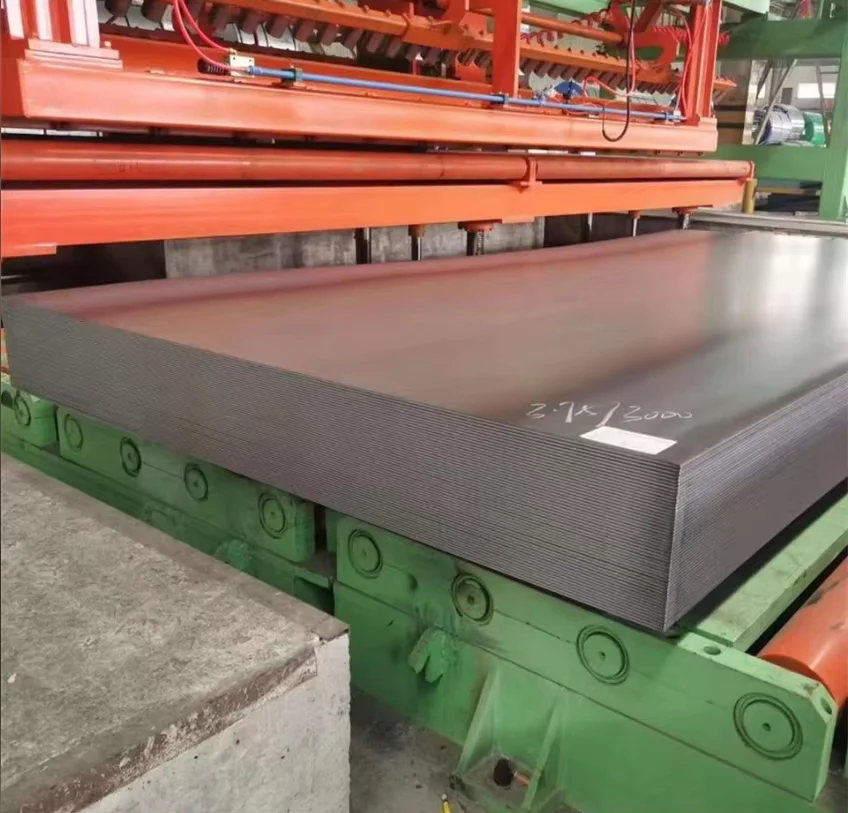
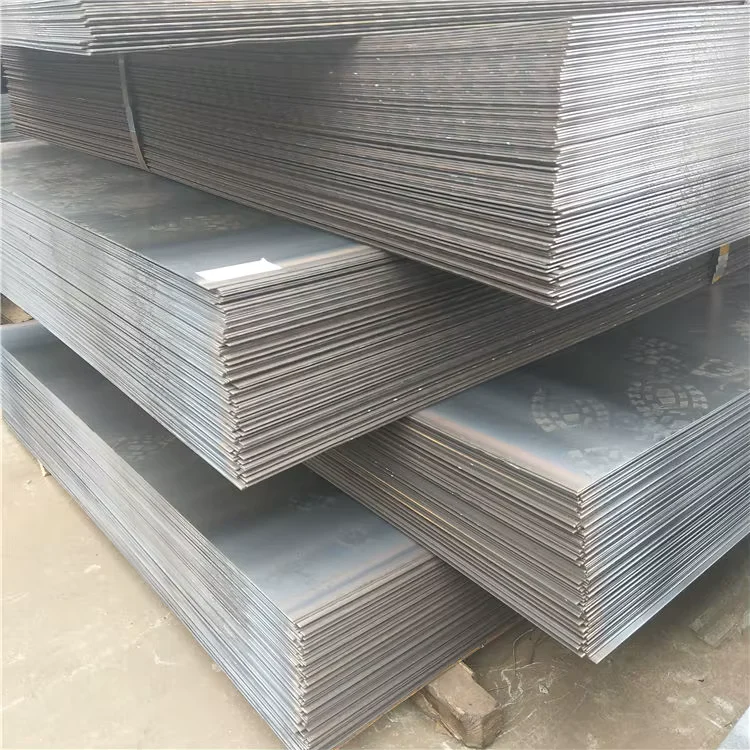
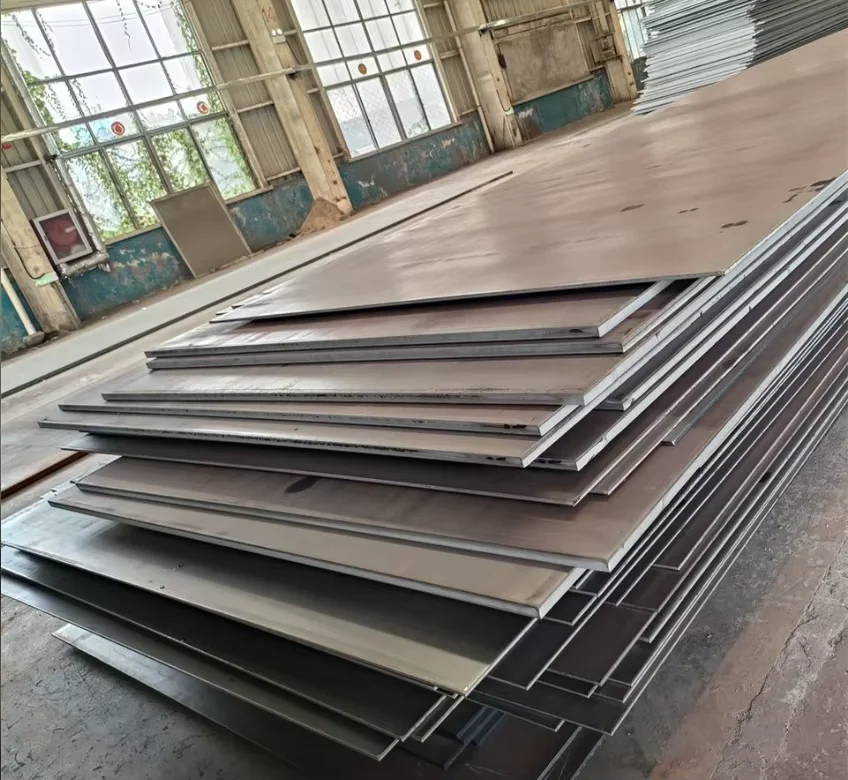
Mill-direct Q235B Q255 hot rolled carbon steel plate supplier — raw slabs rolled, cut, bent, and welded under one roof at our own steel mill in Jinan, eliminating third-party sourcing gaps.
Technical Specifications
| Parameter | Value |
|---|---|
| Designation | Q235B / Q255 Hot Rolled Carbon Steel Plate |
| Product Type | Steel Plate |
| Steel Grade | Q235B, Q255 |
| Standard | ASTM, DIN, AISI, BS |
| Thickness Range | 3–200 mm |
| Technique | Hot Rolled |
| Surface Treatment | Hot Rolled (as-rolled condition) |
| Services | Bending & Welding |
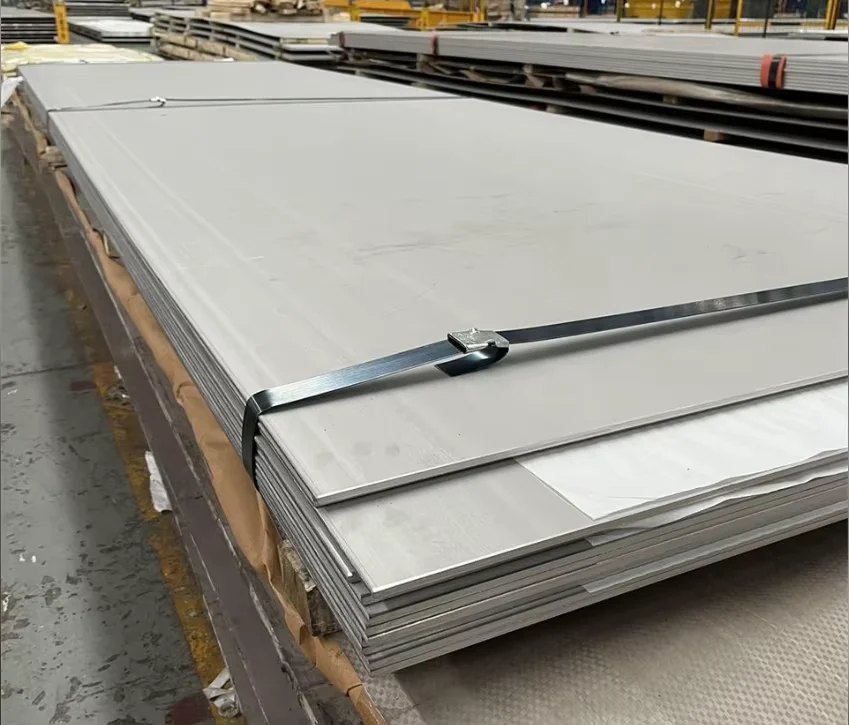
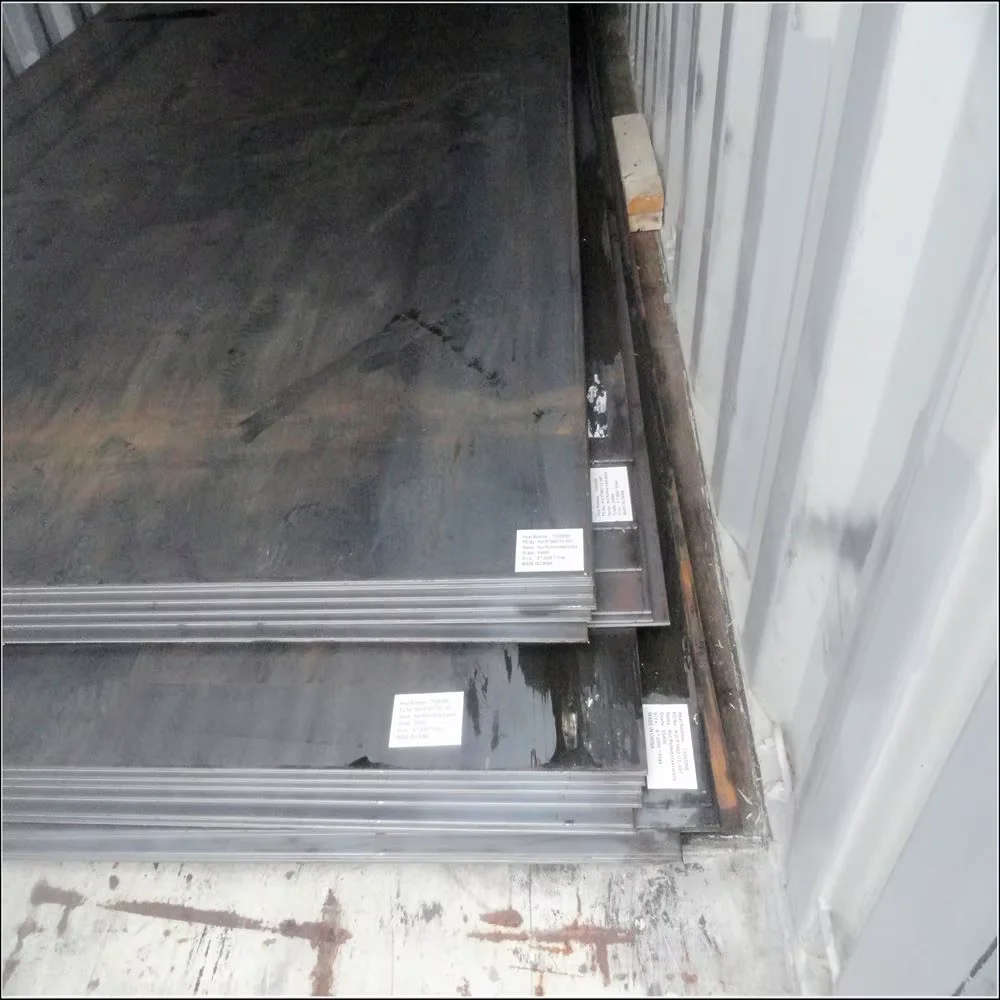
| Packaging | Seaworthy packing with steel strip bundles |
| Application | Shipbuilding, structural fabrication, construction, industrial equipment, pressure vessels |
| Origin | Shandong, China |
Application Suitability
| Industry | Typical Applications |
|---|---|
| Shipbuilding & Marine | Deck plates, bulkhead stiffeners, hull framing members |
| Structural Fabrication | Column base plates, beam splice plates, gusset connections |
| Construction & Infrastructure | Bridge bearing plates, building frame gussets, foundation anchor plates |
| Industrial Equipment | Machine base plates, conveyor frame gussets, hopper linings |
| Pressure Vessels | Vessel shells, head plates, flange backing rings |
Why Fragmented Procurement of Q235B Q255 Hot Rolled Carbon Steel Plate Creates Welding Rework
Buying plates from one source and outsourcing bending or welding to another shop shifts dimensional blame between two suppliers.
I once shipped a batch of Q235B plates to a Middle East job site where the buyer had the plates cut and drilled locally but sent them to a separate workshop for welding. The cutting shop held the plates to their own tolerance, the welding shop preheated based on a different assumed carbon equivalent, and the result was a set of column-to-base-plate assemblies with misaligned bolt holes. The entire lot had to be re-drilled on site — three weeks of delay paid by the general contractor, not the fabricator. When you source a Q235B Q255 hot rolled carbon steel plate supplier that handles rolling, cutting, bending, and welding in-house, the cutting tolerance, weld preheat, and final dimensional check all sit under one quality system. [NEED_CITE: material traceability gaps in overseas steel procurement]
Matching Thickness Range to Structural Load Paths
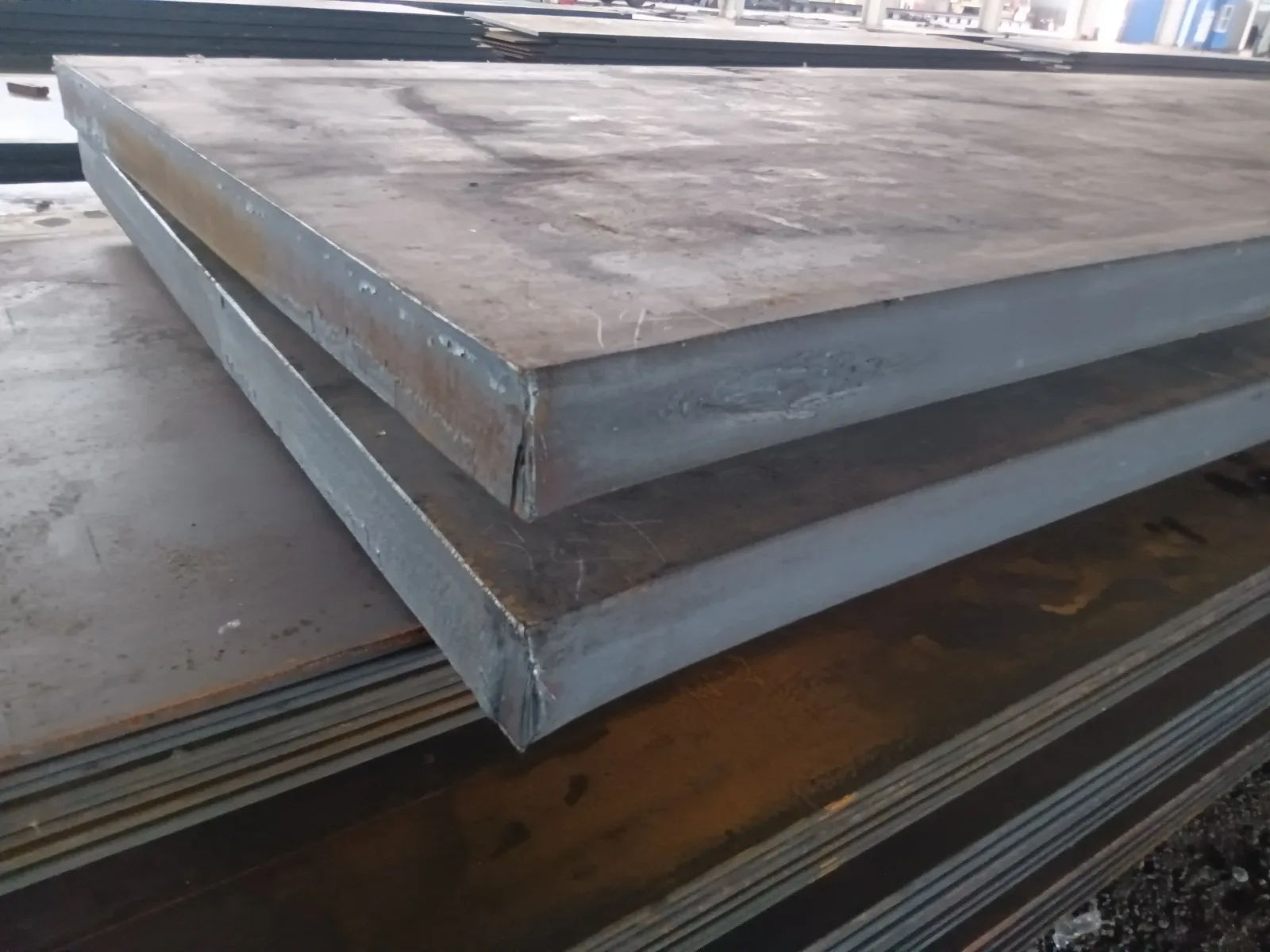
A 3 mm Q235B Q255 hot rolled carbon steel plate suits light bracing gussets and non-load-bearing cladding supports, while 200 mm plates carry concentrated loads at column bases and crane wheel beam bearings. The hot-rolled as-rolled surface accepts shop primers without additional blast profiling beyond Sa 2½, and the internal ductility from controlled rolling temperatures allows bending to radii that would crack cold-rolled equivalents. Our mill rolls both Q235B and Q255 across the full 3–200 mm range, so a single purchase order covers light gauge bracing and heavy base plates without splitting orders across multiple vendors.
Engineering Compliance and Standard Cross-Reference
International EPC specifications frequently call out ASTM A36 or EN 10025 S235JR, while Chinese domestic designs reference Q235B. A Q235B Q255 hot rolled carbon steel plate supplier serving export markets must provide mill test certificates that map chemical composition and mechanical properties to the buyer’s specified standard, not just the domestic grade designation. [NEED_CITE: steel grade equivalence between Chinese GB and international ASTM/EN standards] For pressure vessel applications, material certification must trace each plate back to its heat number, and third-party inspection bodies such as SGS or BV verify both dimensional tolerance and surface quality before loading. Welding procedures for Q255 require slightly higher preheat than Q235B due to its elevated carbon content — a detail that must appear in the shop drawing notes before fabrication begins.
Hot Rolling, Grade Selection, and Surface Condition Explained
Q235B and Q255 belong to the Chinese GB/T 700 carbon structural steel series. The numerical suffix indicates minimum yield strength in units of 10 MPa — Q235B targets 235 MPa yield, Q255 targets 255 MPa yield — with the “B” denoting room-temperature Charpy impact testing at 20°C. Hot rolling above the recrystallization temperature produces a plate with uniform grain structure through the thickness, making it suitable for subsequent cutting, bending, and welding without the directional anisotropy found in cold-reduced products. The as-rolled surface retains a mill scale layer that must be removed by shot blasting before painting or galvanizing; for indoor or temporary structures, the as-rolled condition alone provides adequate short-term corrosion resistance. Thickness tolerance on hot rolled plates follows GB/T 709 Class A or Class B depending on order specification, and negative tolerance directly affects theoretical weight calculations — a 10 mm plate ordered to Class B tolerance may weigh less per square meter than the same plate ordered to Class A.
Hidden Costs of Unverified Plate Sourcing
Procuring a Q235B Q255 hot rolled carbon steel plate supplier without full heat-number traceability exposes the project to three categories of hidden cost: customs rejection when the mill test certificate format does not match the importing country’s requirements, on-site welding failures when the actual carbon content exceeds the declared grade, and dimensional disputes when thickness tolerance was never contractually specified. [NEED_CITE: EN 1090 structural steel fabrication compliance requirements] A plate that passes visual inspection at the port may still fail ultrasonic testing at the fabrication shop if internal laminations were not detected during rolling — a risk eliminated only by sourcing from a mill with integrated quality control from slab reheating through final dimensional inspection.
Integrated Mill and Fabrication Under One Quality System
XJY Structure operates as the fabrication division of a steel producer with three rolling lines and over 2,800 raw material specifications in stock. This vertical integration means every Q235B Q255 hot rolled carbon steel plate we supply originates from our own mill — no third-party material brokers, no certificate chain gaps. Our in-house CNC cutting, bending, and welding services eliminate the re-handling that introduces dimensional drift between separate suppliers. Certified welding procedures per AWS and EN standards, qualified welders, and complete quality documentation packages including WPS, PQR, weld maps, and dimensional inspection reports accompany every shipment. We have delivered fabricated structural steel components to projects across the EU, Middle East, Southeast Asia, and Africa, with shop drawing review and material optimization completed before production begins.
Documentation & Compliance
- Mill test certificate documenting Q235B or Q255 chemical composition and mechanical properties per GB/T 700, with heat number traceability for each plate
- Third-party inspection report from SGS or BV verifying dimensional tolerance, surface quality, and coating thickness before shipment
- ISO 9001 quality management system certificate covering the full production process from slab reheating to final plate inspection
- Welding procedure specifications (WPS) and procedure qualification records (PQR) for all bending and welding services performed in-house
- Export customs documentation including packing list, bill of lading, and certificate of origin formatted to the destination country’s import requirements
Packaging, Loading & Delivery
- Q235B and Q255 hot rolled plates bundled with steel strips and edge protectors to prevent coating damage and edge deformation during ocean transit
- As-rolled surface plates packed on timber sleepers with waterproof interleaving to prevent moisture staining during container shipping
- Heavy gauge plates (50–200 mm) loaded as breakbulk or flat rack with professional lashing plans for oversized cargo transport
- Custom cutting to project-specific dimensions before packing, reducing on-site cutting waste and secondary handling at the fabrication yard
- Heat number and grade identification stenciled on each plate bundle for site receiving verification and material traceability
- FOB, CIF, and DDP shipping terms available with door-to-door logistics coordination for project sites worldwide
Start Your Fabrication Inquiry with Drawings and Specifications
Submit your project drawings in PDF or DWG format along with steel grade requirements, thickness specifications, and required standards, and our engineering team will respond within 24 hours with a preliminary assessment including shop drawing timeline and production schedule. Confirm welding procedure requirements, third-party inspection needs, and destination port to receive a complete quotation covering material, fabrication, coating, packing, and shipping costs.
Request a Quote with Mill Test Certificate
Send your project drawings and specifications to receive a detailed quotation with material certification and production schedule.
Contact: admin@xjystructure.com | WhatsApp: +86 188 5315 7756