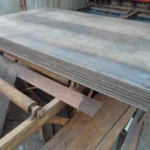
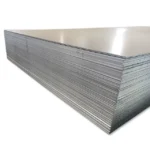
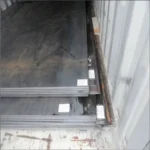
Description
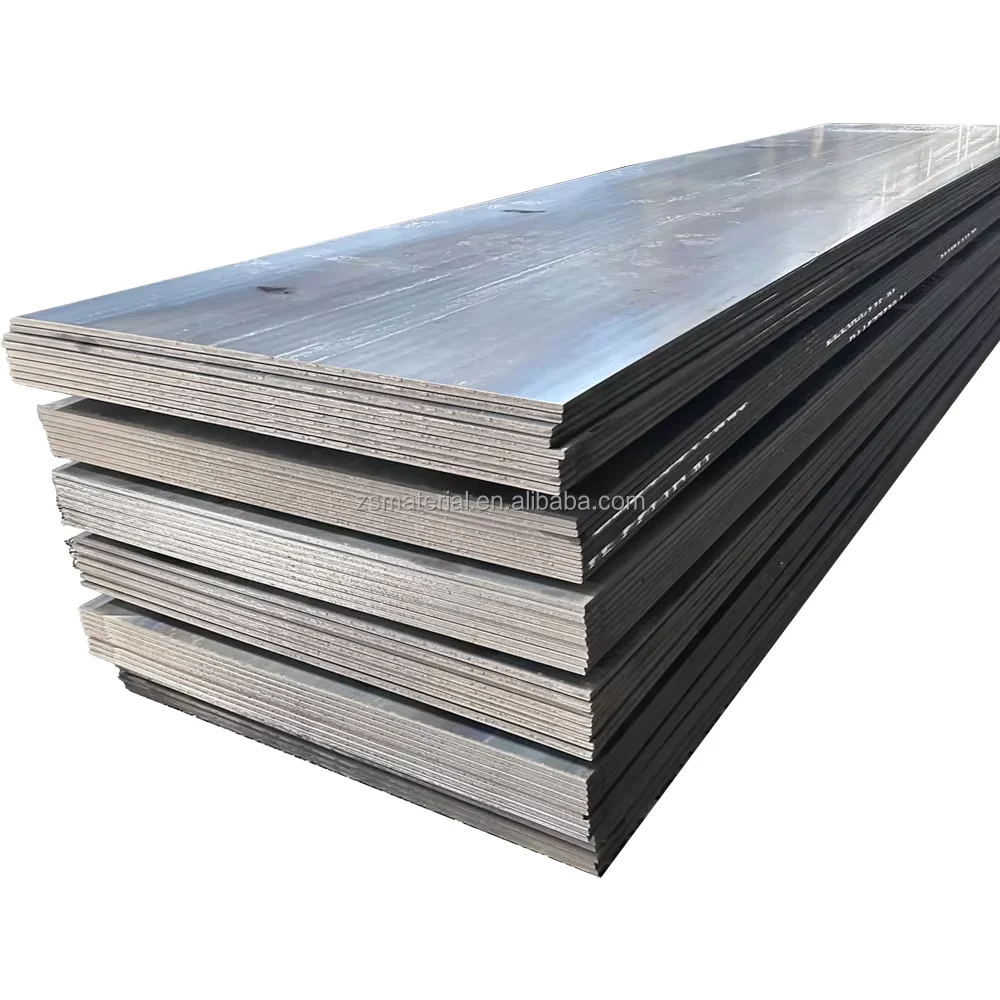
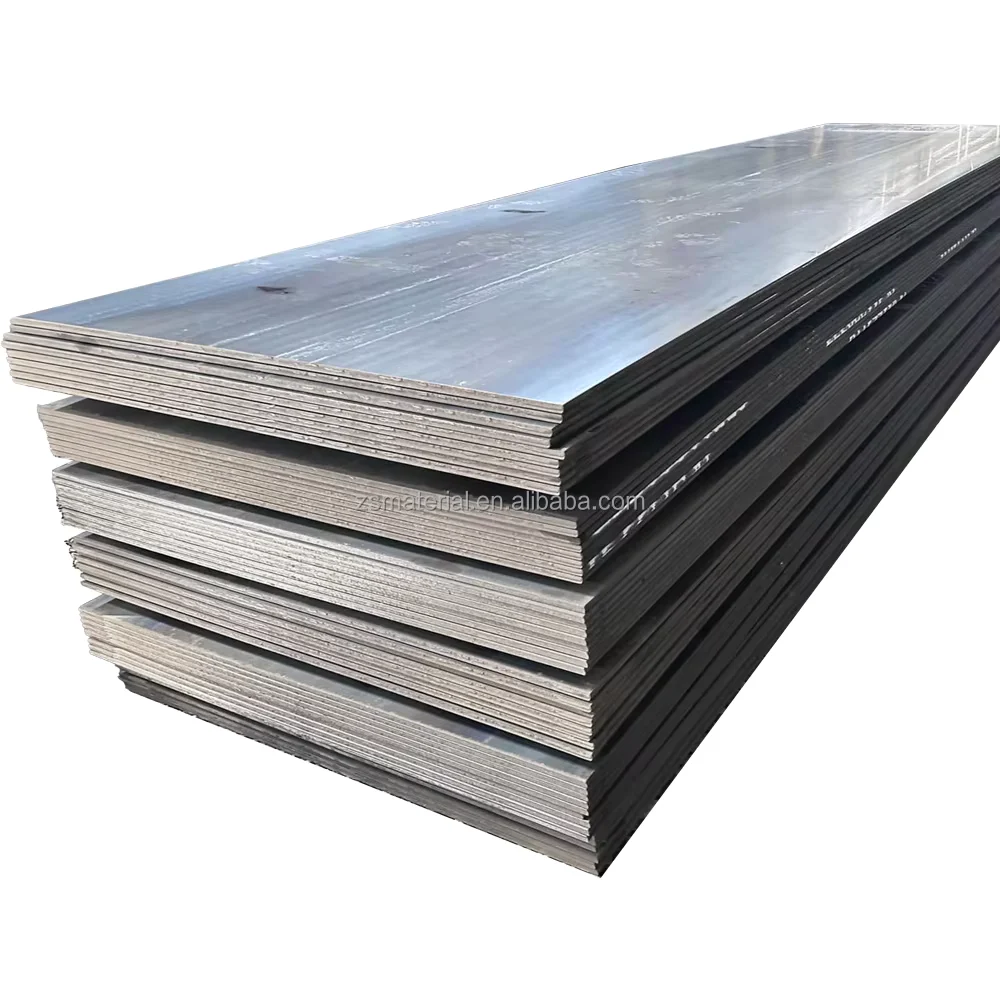
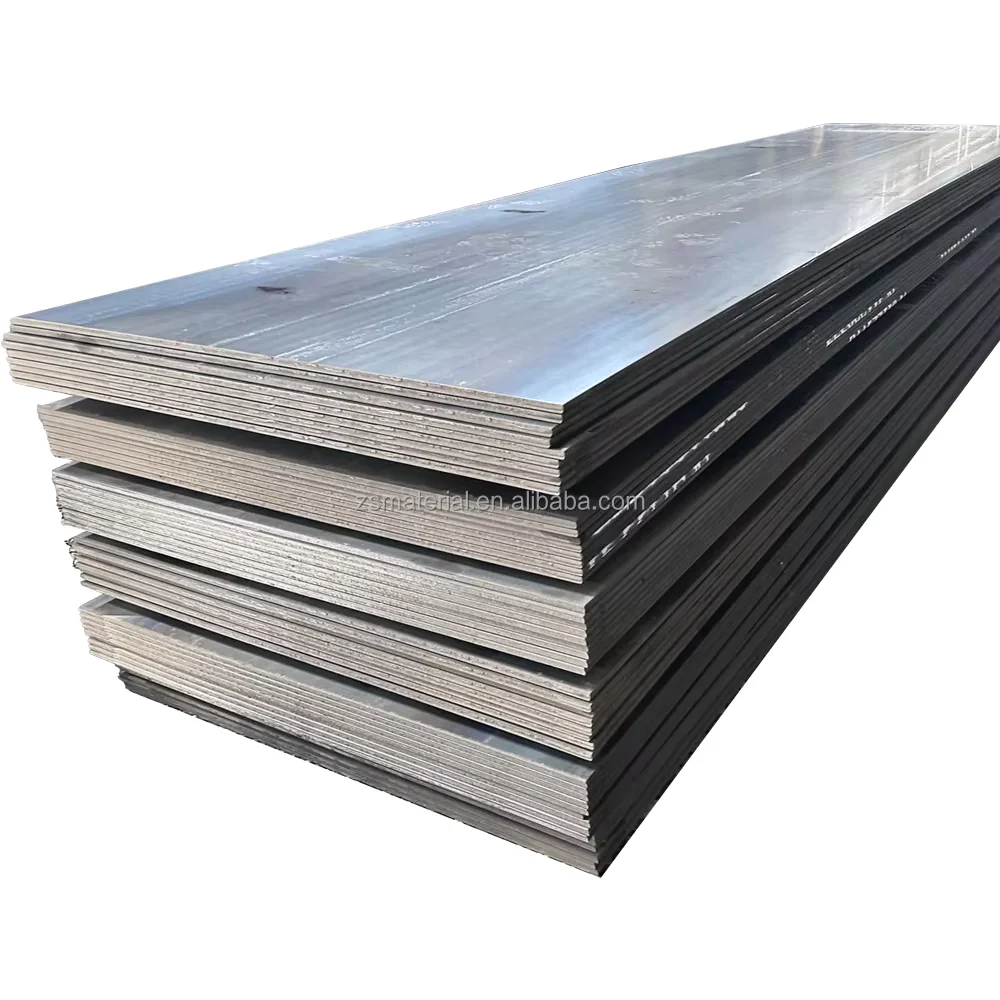
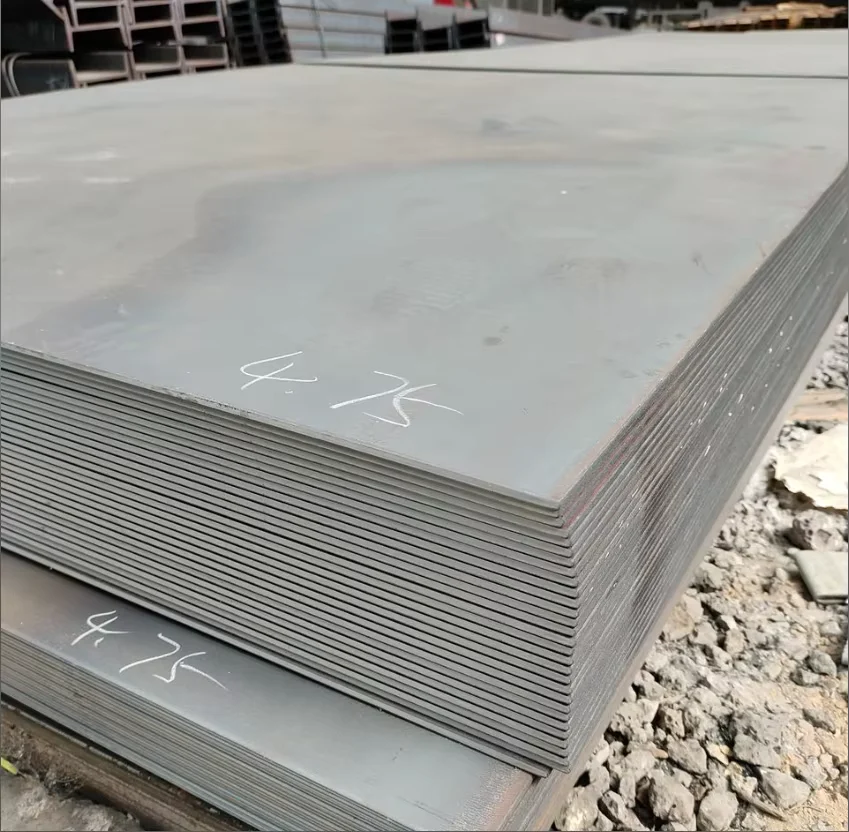
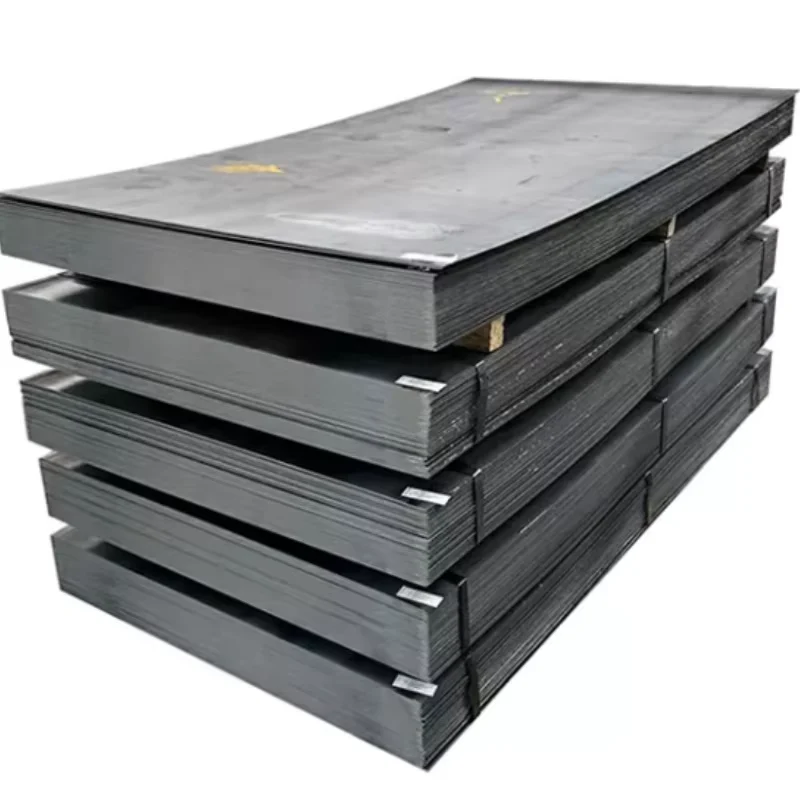
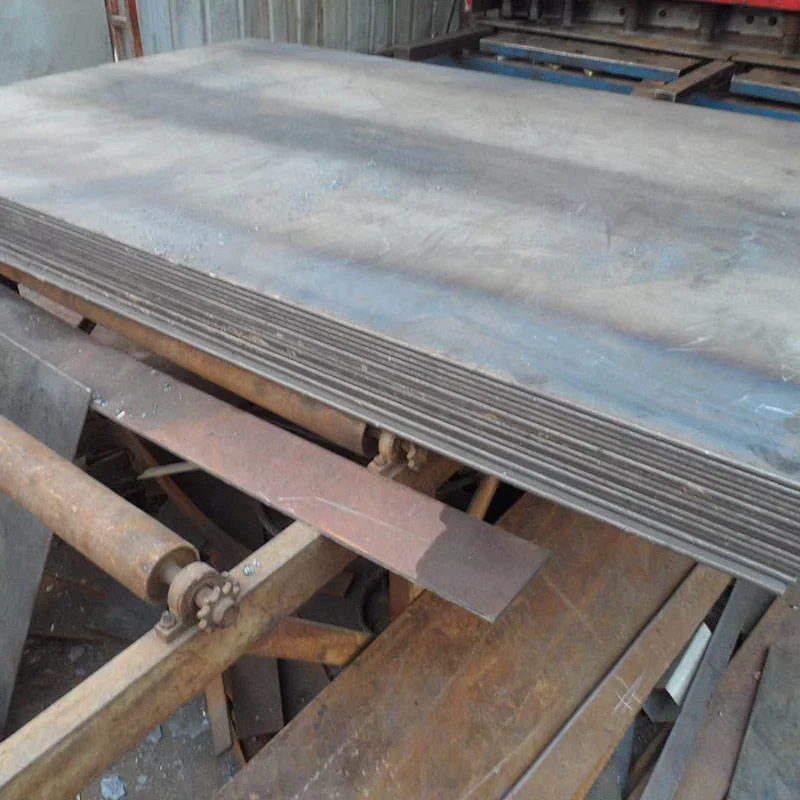
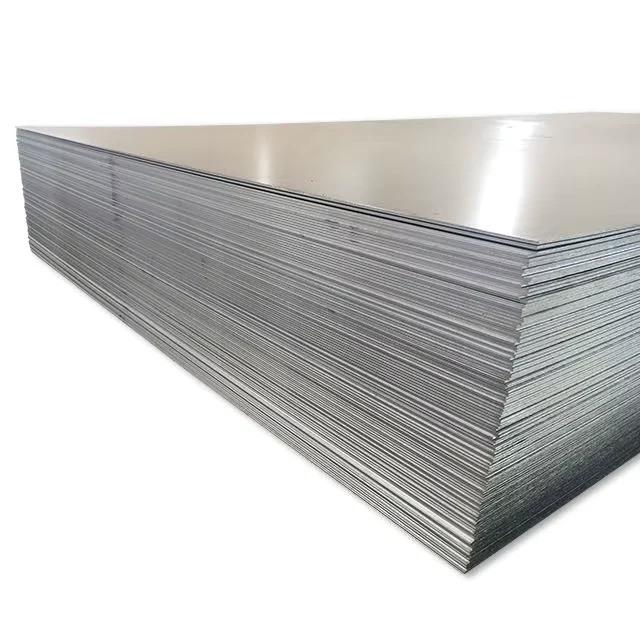
Factory-Direct Q235B Q345B Hot Rolled Carbon Steel Plate Supply — XJY Structure operates its own steel mill with 3 production lines, eliminating third-party sourcing gaps and ensuring full material traceability from heat number to finished plate.
Technical Specifications
| Parameter | Value |
|---|---|
| Designation | Q235B/Q345B Hot Rolled Carbon Steel Plate |
| Product Type | Steel Plate |
| Steel Grade | Q235B, Q345B |
| Standard | BS, ASTM, JIS, DIN |
| Thickness Range | 1mm–20mm |
| Technique | Hot Rolled |
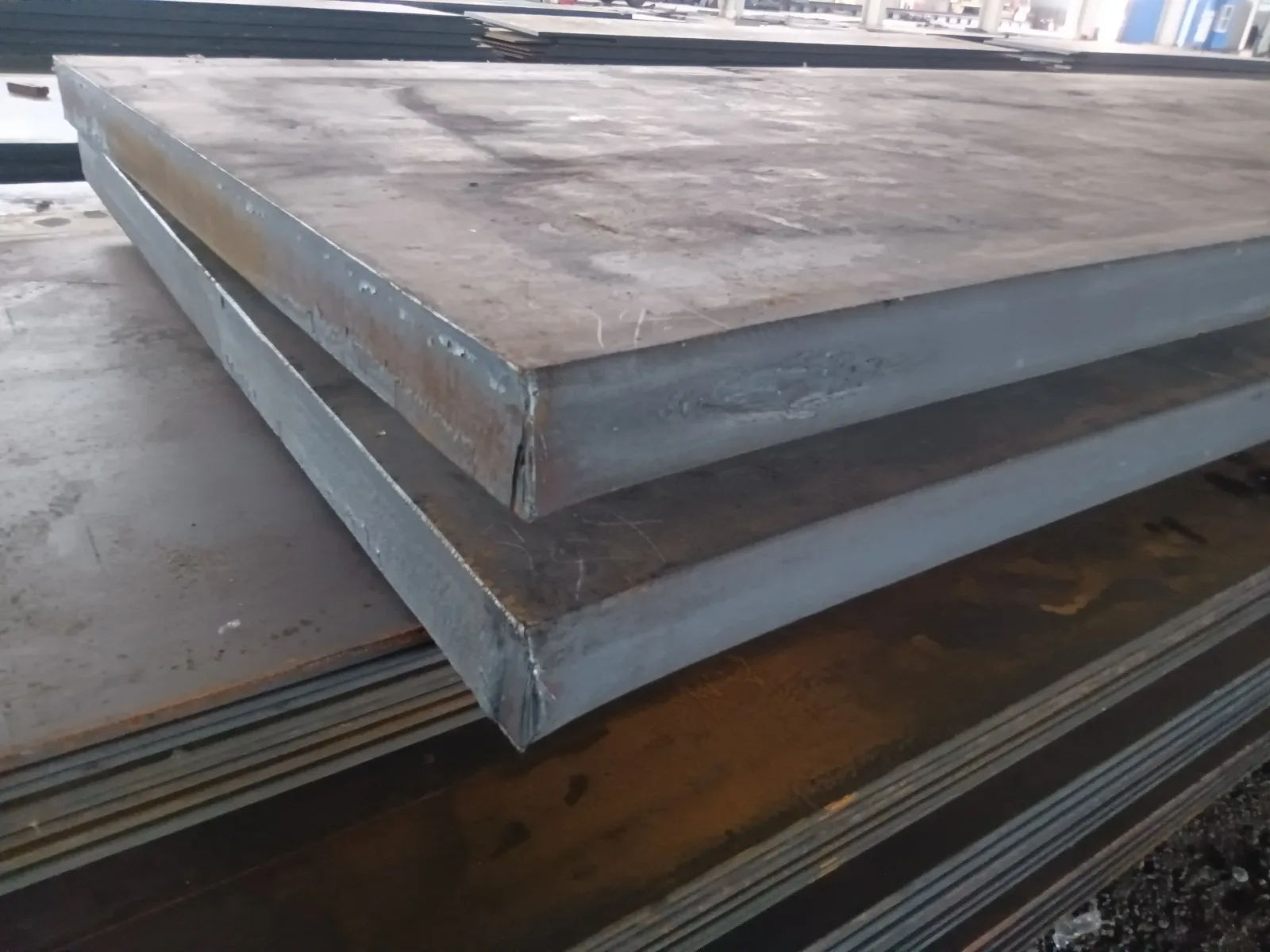
| Surface Treatment | Hot Rolled Finish |
| Application | Ship Building, Construction, Fabrication |
Application Suitability
| Industry | Typical Applications |
|---|---|
| Ship Building | Marine deck plating, hull stiffeners, bulkhead panels |
| Construction | Column base plates, beam splice connections, floor grating supports |
| Industrial Fabrication | Machinery base frames, platform decking, conveyor support structures |
Material Certification Gaps Cost More Than the Plate Itself
A missing heat number on a mill test certificate can hold an entire container at customs.
When overseas buyers source Q235B Q345B hot rolled carbon steel plate from traders who do not control their own mill output, the documentation chain breaks at the most critical point — chemical composition verification. I have seen shipments stuck at destination ports because the third-party inspection report could not be traced back to a specific rolling batch. [NEED_CITE: material traceability requirements in international steel procurement] Fragmented supply means fragmented accountability, and when dimensional tolerance or coating adhesion fails on-site, no single party takes responsibility. With vertically integrated production, every plate leaving our facility carries a certificate chain linked directly to the furnace heat number and rolling schedule.
Matching Plate Thickness to Structural Load Requirements
The 1mm–20mm thickness range of Q235B Q345B hot rolled carbon steel plate covers everything from light-gauge bracing gussets to heavy-load column base plates. Q235B suits general construction framing where moderate yield strength suffices, while Q345B delivers higher load-bearing capacity for industrial platforms and marine structures subject to dynamic forces. The hot rolled finish provides uniform surface texture that accepts welding procedures without pre-treatment complications — a practical advantage when fabrication shops need to move directly from cutting to assembly.
Engineering Compliance Across International Standards
Projects specifying BS, ASTM, JIS, or DIN standards require steel grade equivalence confirmation before fabrication begins. Q235B maps closely to S235JR under EN standards and A36 under ASTM, while Q345B aligns with S355JR and A572 Grade 50 in most structural applications. [NEED_CITE: steel grade equivalence between Chinese GB standards and international EN/ASTM frameworks] For European projects requiring EN 1090 execution class compliance, our fabrication division reviews shop drawings against the specified standard and confirms material certification packages before production starts. Third-party inspection through SGS or BV is available for buyers who require independent verification of chemical composition and mechanical properties.
Hot Rolling Process and Its Impact on Plate Performance
Hot rolling at controlled temperatures produces a microstructure that balances formability with strength — essential for plates that will undergo cutting, bending, and welding during fabrication. The Q235B grade offers reliable weldability across MIG, MAG, and submerged arc processes without requiring pre-heating on thinner gauges. Q345B, with its manganese-alloyed composition, provides increased tensile capacity for applications where plate thickness must be minimized without sacrificing structural integrity. The hot rolled scale finish, typically removed by shot blasting before painting, creates a consistent anchor profile for coating adhesion — particularly important in marine and industrial corrosion environments. [NEED_CITE: hot rolled vs cold rolled plate performance in structural applications]
Hidden Costs of Sourcing Without Mill Control
Ordering Q235B Q345B hot rolled carbon steel plate from a supplier who sources from multiple third-party mills introduces risks that only surface after delivery. Negative tolerance stacking on thickness can reduce actual load-bearing capacity below engineering calculations. Untraceable heat numbers mean failed weld procedure qualifications when the base metal chemistry does not match the assumed grade. [NEED_CITE: negative tolerance impact on structural steel weight and load capacity] Customs clearance delays from incomplete certification packages add demurrage costs that often exceed the price difference between a verified mill-direct source and a broker. These are not theoretical risks — they are recurring problems in projects where material procurement is separated from fabrication accountability.
Why Procure Q235B Q345B Plate From XJY Structure
Our steel mill operates 3 production lines covering over 2,800 raw material specifications, meaning the plate you order is rolled, inspected, and documented under one quality system. Every heat number is traceable from furnace to finished plate — no blending of third-party coils. Our fabrication division uses the same plates we produce, so we understand exactly how each grade behaves during CNC cutting, welding, and assembly. Mill test certificates are generated in-house with full chemical composition and mechanical test data, not forwarded from unknown sub-suppliers. For international shipments, we coordinate SGS or BV third-party inspection at our facility before loading, ensuring the documentation matches the physical product. Professional packing and loading plans account for plate dimensions and weight distribution to prevent transit damage and optimize container utilization.
Documentation & Compliance
- Mill test certificate documenting Q235B/Q345B chemical composition (C, Si, Mn, P, S) and mechanical properties per GB/T 700 and GB/T 1591
- Third-party inspection report from SGS or BV confirming dimensional tolerance and surface quality before shipment
- Material traceability sheet linking each plate to its specific heat number and rolling batch record
- Certificate of origin and commercial invoice formatted for destination country customs requirements
- Shot blasting and coating inspection reports when surface treatment is specified for corrosion protection
Packaging, Loading & Delivery
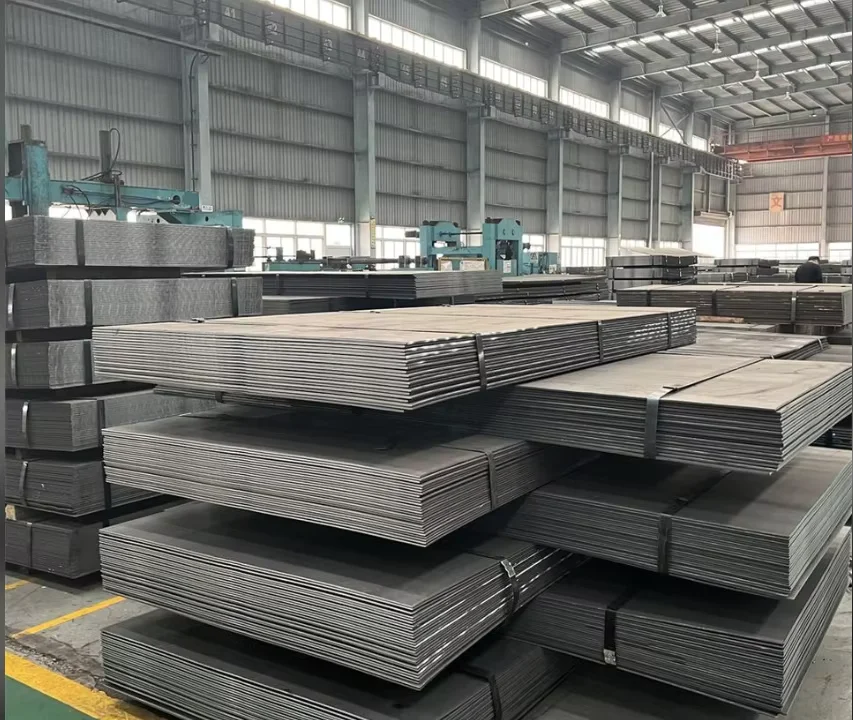
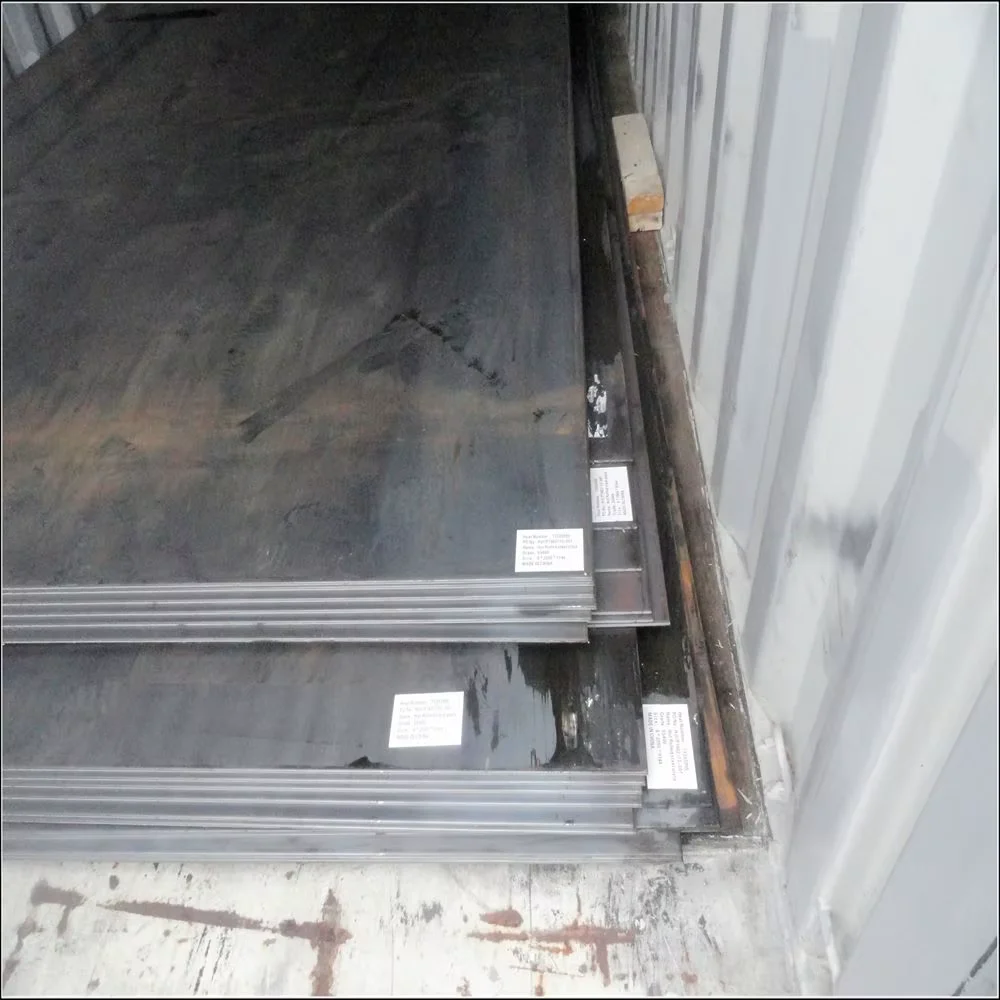
- Q235B/Q345B hot rolled plates bundled with steel straps and edge protectors to prevent surface scratching during ocean transit
- Hot rolled finish plates coated with anti-rust oil on request to prevent oxidation during extended shipping periods
- Container loading plans optimized for 1mm–20mm thickness combinations to maximize weight utilization within 20ft and 40ft units
- Heat number and steel grade stenciled on each plate bundle for on-site identification and traceability verification
- FOB, CIF, and DDP shipping terms available with full export documentation including packing list and bill of lading
Start Your Procurement With Verified Material Data
Submit your project specifications including steel grade preference, thickness range, total tonnage, and destination port to receive a detailed quotation with mill test certificate samples and production timeline. Our engineering team reviews your requirements against BS, ASTM, JIS, or DIN standards and confirms grade equivalence before you commit. Third-party inspection and custom cutting services are confirmed at the quotation stage so there are no documentation surprises at delivery.
Frequently Asked Questions
Q: Can Q235B and Q345B plates be welded together in the same structure?
A: Yes, Q235B and Q345B are routinely welded together in composite structures. The weld procedure should be qualified for the higher-strength Q345B grade, and filler metal selection must account for both base metal compositions. Our fabrication team provides weld procedure specifications matched to mixed-grade assemblies.
Q: What thickness tolerance can I expect on hot rolled plates in the 1mm–20mm range?
A: Hot rolled plate thickness tolerance follows GB/T 709 standards, which specify permissible deviations based on width and thickness. We provide actual measured thickness data on mill test certificates so you can verify compliance before fabrication begins.
Q: Do you supply plates cut to specific dimensions or only full-size sheets?
A: We provide CNC cutting, plasma cutting, and drilling services to project-specific dimensions. Share your shop drawings or cutting lists, and our engineering team confirms nesting optimization and delivery schedule for processed plates.
Q: Is third-party inspection available before shipment?
A: SGS and BV inspections are conducted at our facility before loading. The inspection covers dimensional checks, surface quality, and material traceability verification. Reports are issued directly to the buyer.
Q: How do you ensure material traceability from mill to delivery?
A: Every plate is marked with its heat number and rolling batch. Mill test certificates reference these identifiers, and our packing lists match each bundle to its corresponding documentation. This chain remains unbroken from production through ocean transit.
Get Your Q235B Q345B Hot Rolled Carbon Steel Plate Quote With Full Mill Documentation
Send your specifications — grade, thickness, quantity, and destination — to receive pricing, mill test certificate samples, and production lead time within one working day.
Shandong Xin Jiyuan Special Steel Tube Co., Ltd | www.xjystructure.com | +86 188 5315 7756 | admin@xjystructure.com