
Description
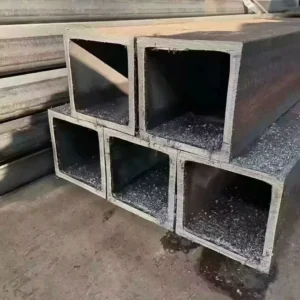
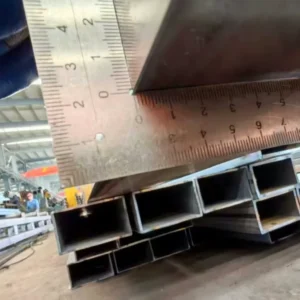
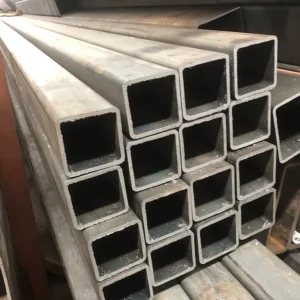
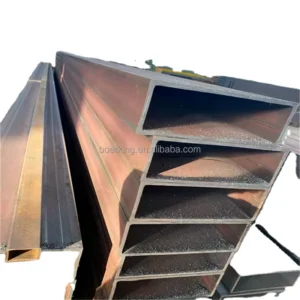
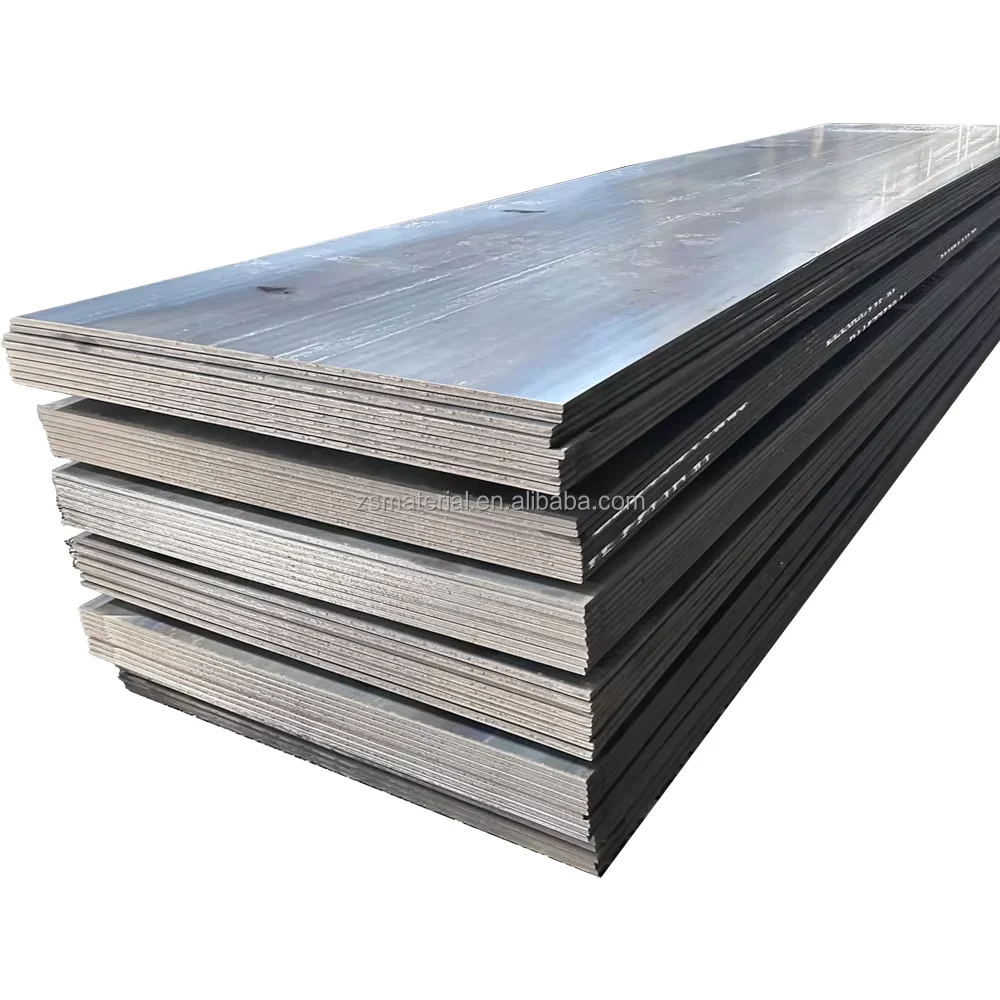
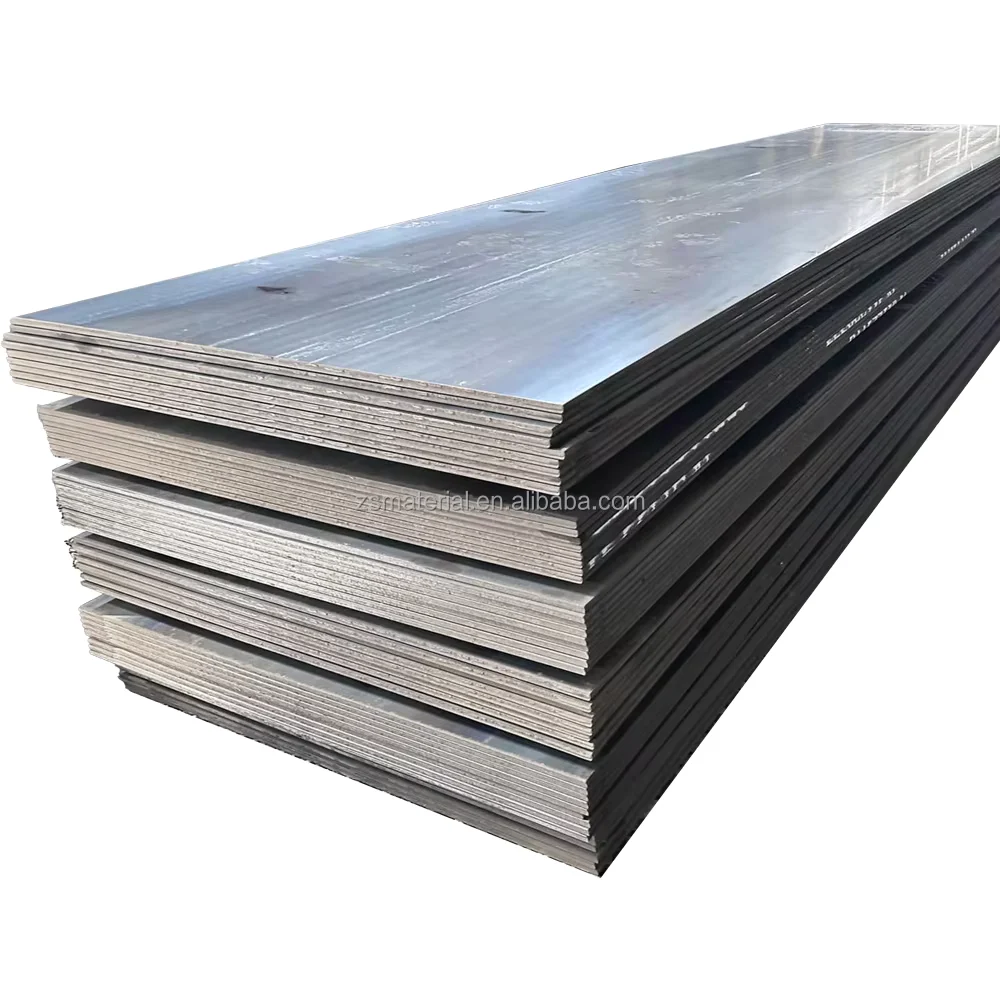
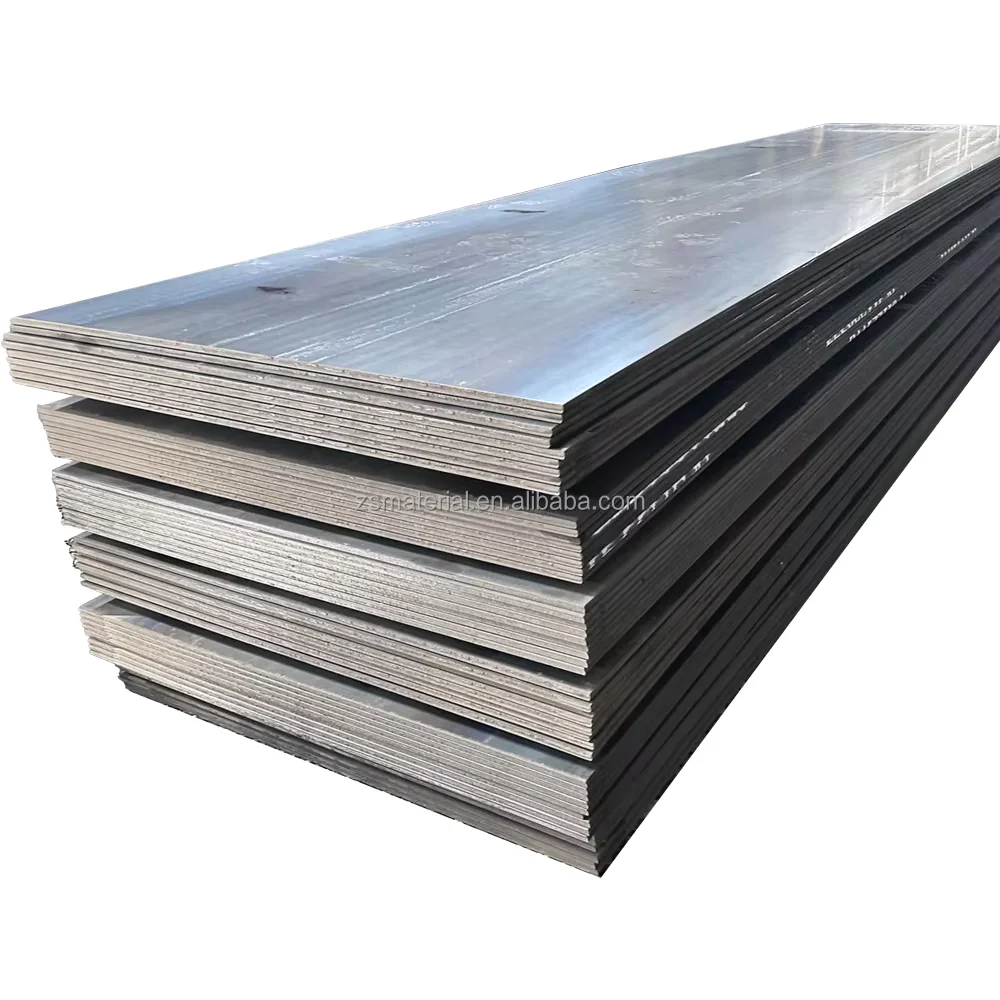
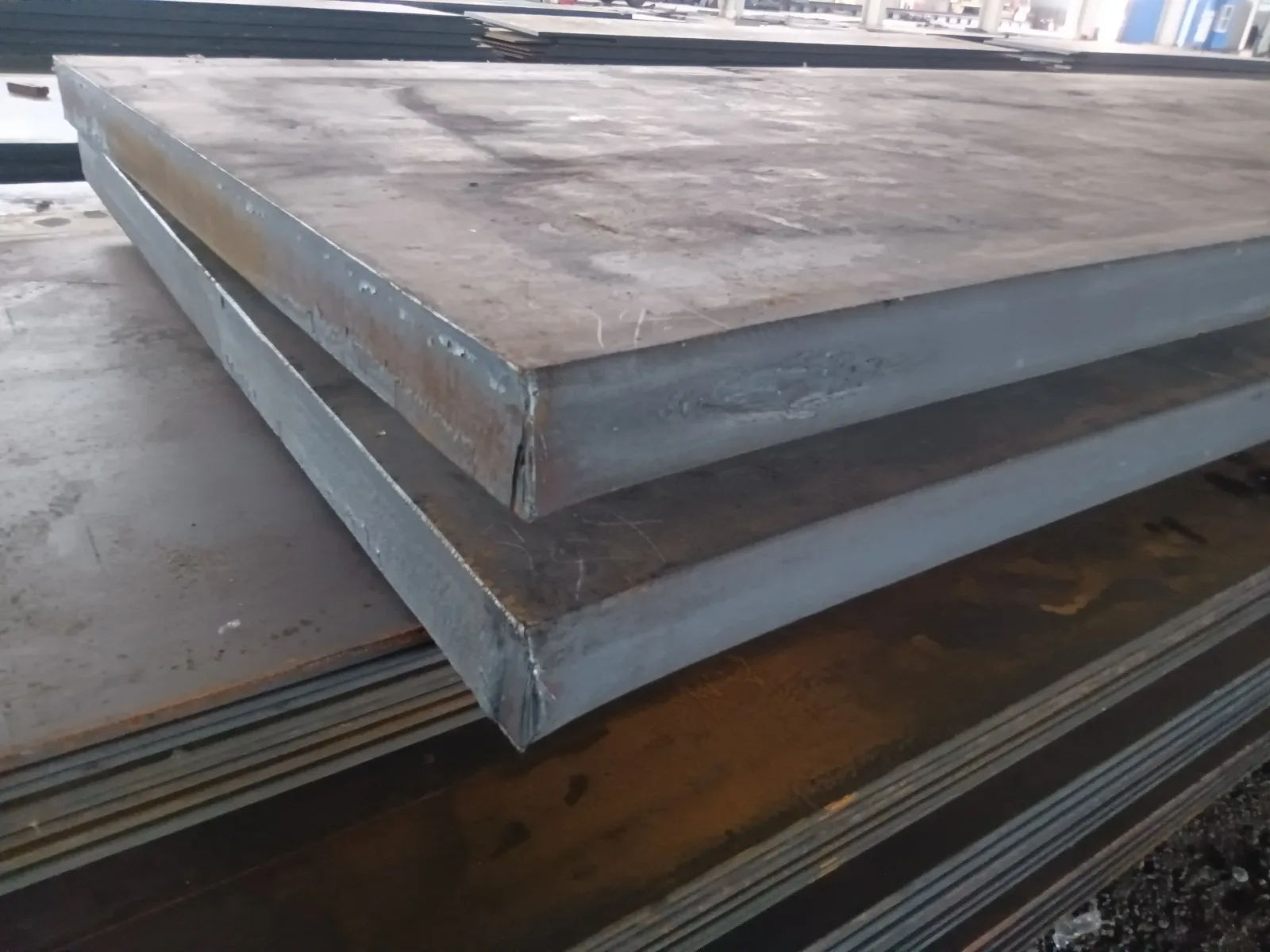
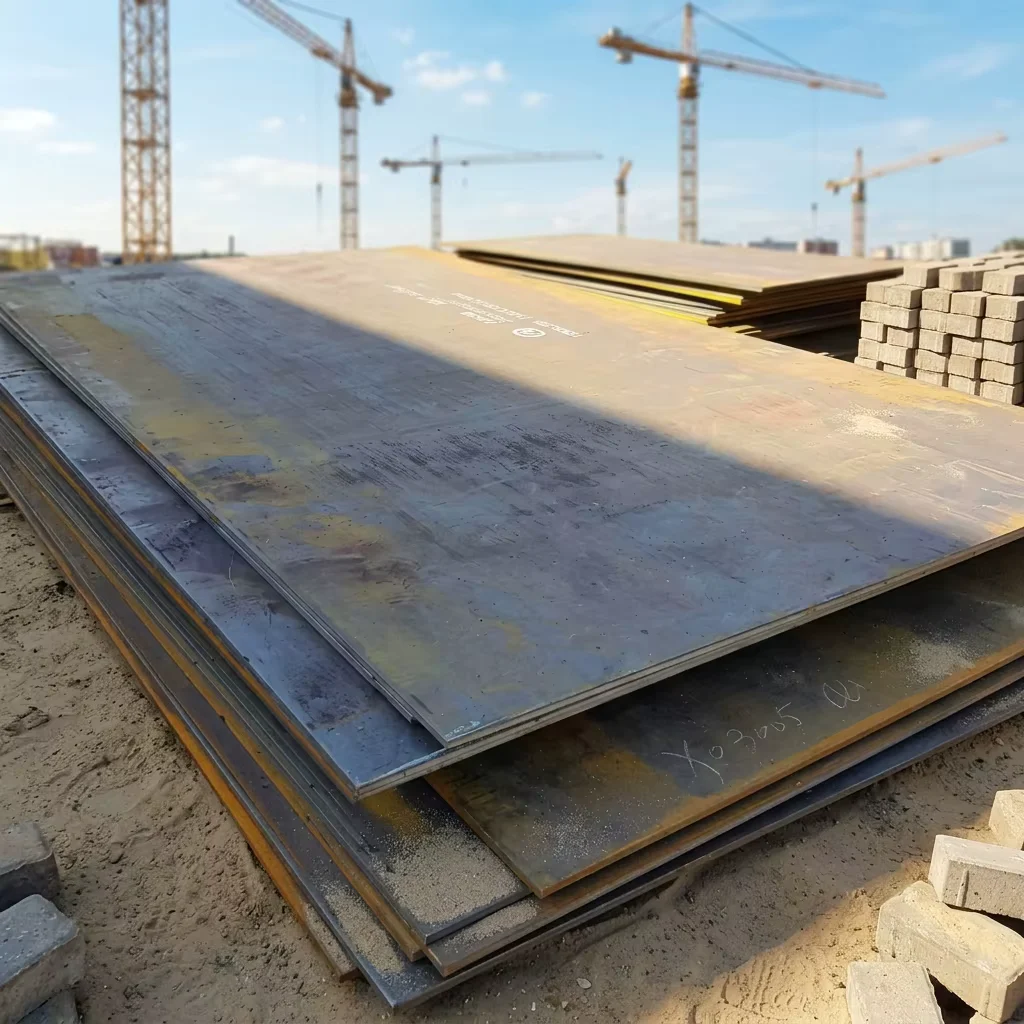
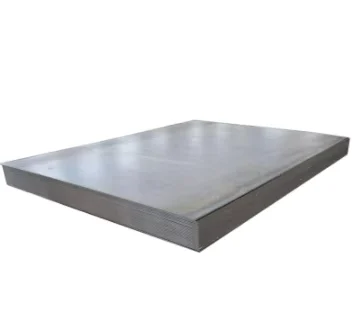
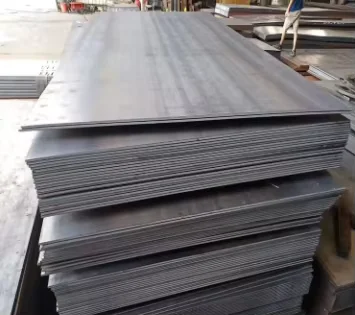
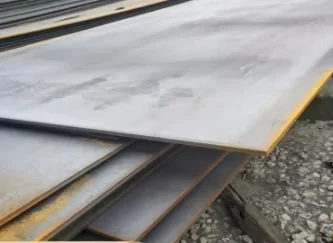
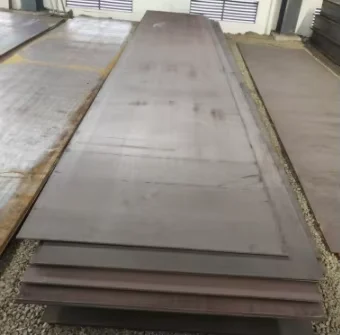
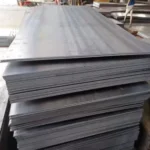
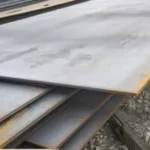
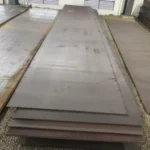
Factory-direct Q235B Q345B plates — Hot rolled from our own steel mill with full chemical traceability per heat number.
Technical Specifications
| Parameter | Value |
|---|---|
| Designation | Q235B/Q345B Hot Rolled Carbon Steel Plate |
| Product Type | Steel Plate |
| Steel Grade | Q235B, Q345B |
| Standard | AISI, ASTM, JIS, DIN, GB |
| Thickness Range | 1mm–20mm |
| Technique | Hot Rolled |
| Surface Treatment | Hot Rolled Finish |
| Processing | Cutting, Bending, Welding |
| Application | Shipbuilding, Construction, Structural Fabrication, Industrial Projects |
Application Suitability
| Industry | Typical Applications |
|---|---|
| Construction & Infrastructure | Structural frames, column base plates, beam splice connections, platform decking |
| Shipbuilding & Marine | Hull stiffeners, deck plating, bulkhead panels, marine structure supports |
| Industrial Fabrication | Factory warehouse frames, conveyor support structures, equipment base plates |
| EPC Projects | Pipe rack structures, modular skid frames, bridge gusset plates |
Material Traceability Gaps Cost More Than the Plate Itself
One accountable source from molten steel to finished plate eliminates certification chain breaks.
When overseas buyers source hot rolled plates through trading intermediaries, the mill test certificate often traces back to a coil supplier rather than the fabricator — creating gaps in chemical composition records and heat number linkage. I have seen shipments held at destination ports because the buyer could not prove the Q345B plate matched the approved WPS. With our vertically integrated mill and fabrication facility, every Q235B Q345B hot rolled carbon steel plate carries a mill cert generated from our own production line, with full chemical composition and dimensional inspection data tied to the original heat number. [NEED_CITE: material traceability requirements under EN 10204 3.1 certification]
Matching Plate Thickness to Structural Load Paths
For structural frames and platform fabrication, selecting the correct thickness within the 1mm–20mm range directly affects load distribution and weld joint preparation. Thinner gauges suit secondary bracing and cladding supports, while heavier sections serve primary beam flanges and column base plates requiring full-penetration welds. Our in-house CNC cutting and plasma cutting capabilities allow precise edge preparation — beveling, coping, and hole drilling — so the Q235B Q345B hot rolled carbon steel plate arrives site-ready without secondary machining delays.
Engineering Compliance Across International Standards
Q235B and Q345B map directly to widely specified international grades — ASTM A36 and A572 for North American projects, S235JR and S355JR for European construction under EN 1090. This equivalence matters for customs clearance and third-party inspection sign-off. [NEED_CITE: steel grade equivalence mapping between GB and EN/ASTM standards] Our engineering team provides cross-reference documentation and shop drawing review to confirm the specified grade meets your project’s design code, whether you are building a warehouse in Southeast Asia or a processing plant in the Middle East.
Hot Rolled Finish: Surface Condition and Weldability
The hot rolled surface of Q235B and Q345B plates retains a mill scale layer that provides baseline corrosion resistance during storage and transit. For welding applications, this scale must be removed at the joint zone — our shot blasting and grinding services prepare edges to SA 2.5 cleanliness before MIG/MAG or submerged arc welding begins. The hot rolling process also produces a uniform internal grain structure that improves weldability compared to cold-rolled alternatives, reducing the risk of hydrogen-induced cracking in thick-section Q345B welds. [NEED_CITE: hot rolled vs cold rolled steel plate weldability comparison]
The Hidden Price of Unverified Chemistry
Plates sourced without verified mill certificates may pass visual inspection but fail ultrasonic testing or exhibit brittle fracture under load. Carbon equivalent exceeding the specified range in Q345B leads to cold cracking in welded connections — a defect that often surfaces only after assembly, triggering costly teardown and re-fabrication. Engineering codes like EN 1090 and AISC require documented material certification for every load-bearing component. Accepting plates without traceable heat numbers means accepting liability for structural failure that no amount of rework can fix. [NEED_CITE: consequences of unverified material certification in structural steel fabrication]
Why Buyers Choose Our Integrated Supply Chain
Our own steel production facility means we control chemistry from the melt shop through to the finished plate — no third-party coil sourcing, no certificate gaps. The fabrication workshop sits alongside the mill, so cutting, bending, and welding begin the same week the plate comes off the rolling line. We maintain over 2,800 raw material specifications in stock, covering the full Q235B and Q345B thickness range, so project-specific cutting lists do not wait for mill campaign scheduling. Every welder on our floor holds AWS or EN certification, and every procedure is documented in approved WPS and PQR records. For European market projects, our CE EN 1090 compliance and complete quality documentation package — including weld maps, dimensional reports, and coating certificates — clears customs without supplementary inspection requests.
Documentation & Compliance
- Mill test certificate documenting Q235B/Q345B chemical composition and dimensional inspection per GB/T 709, with heat number traceability from our own production facility
- CE certificate under EN 1090 for structural steel components exported to European Union markets
- ISO 9001 quality management system certification covering the full plate fabrication process from cutting to final coating
- SGS or BV third-party inspection reports available for dimensional accuracy, surface treatment, and coating thickness verification
- Material traceability records linking each plate to its original heat number, including chemical composition and rolling schedule data
- Complete export documentation package: commercial invoice, packing list, bill of lading, and certificate of origin for destination customs clearance
Packaging, Loading & Delivery
- Q235B and Q345B hot rolled plates bundled with steel straps and edge protectors to prevent surface scratching and edge damage during ocean transit
- Hot rolled finish plates coated with anti-rust oil before bundling to preserve surface condition in humid port environments
- Custom cutting dimensions packed separately with identification tags showing steel grade, thickness, heat number, and project marking for site sorting
- Container loading plans optimized for 1mm–20mm thickness plates, maximizing weight utilization within 20ft and 40ft open-top or flat-rack configurations
- FOB, CIF, and DDP delivery terms available with professional oversized cargo lashing and transport planning for heavy plate shipments
- Heat number and steel grade stenciled on each plate edge for positive identification at fabrication shop and construction site
Start Your Fabrication Inquiry with Drawings and Specifications
Send your project drawings in PDF or DWG format along with steel grade requirements, thickness specifications, and applicable standards — our engineering team responds within 24 hours with a preliminary assessment and production schedule. We provide detailed quotations covering material, fabrication, coating, packing, and shipping costs, with shop drawing timelines included for your approval before production begins.
Request Your Q235B Q345B Plate Quotation Today
Submit your project specifications and engineering drawings to receive a detailed fabrication quote with full mill test certificate documentation.
Shandong Xin Jiyuan Special Steel Tube Co., Ltd
Website: www.xjystructure.com
Tel: +86 531 8573 6315
Mobile/WhatsApp/WeChat: +86 188 5315 7756
Email: admin@xjystructure.com
Address: No.11889, Jingshi West Road, Lulian Group, Jinan City, Shandong Province, China
Frequently Asked Questions
Q: How do Q235B and Q345B correspond to international steel grade standards?
A: Q235B is equivalent to ASTM A36 and EN S235JR in terms of yield strength and chemical composition. Q345B corresponds to ASTM A572 Grade 50 and EN S355JR. We provide cross-reference documentation with every shipment to support customs clearance and third-party inspection requirements.
Q: Can you provide third-party inspection for plate quality and dimensions?
A: Yes, we arrange SGS, BV, or TÜV third-party inspection for dimensional accuracy, surface treatment quality, and coating thickness. Inspection reports are included in the documentation package delivered with the shipment.
Q: What is the minimum order quantity for custom-cut Q235B Q345B plates?
A: We accept project-specific cutting lists without standard MOQ restrictions. Our own steel mill inventory covers the full 1mm–20mm thickness range, so we can fulfill both small prototype orders and large structural fabrication packages from the same quality system.
Q: Do you provide shop drawing review and engineering support before fabrication?
A: Yes, our engineering team reviews your project drawings, prepares shop drawings for approval, and provides material optimization recommendations. We confirm welding procedures, connection details, and fabrication sequencing before production begins to prevent costly rework.
Q: What surface treatment options are available for hot rolled plates?
A: We offer hot rolled finish as standard, with optional shot blasting to SA 2.5 cleanliness, primer coating, or galvanizing depending on your project’s corrosion protection requirements. Surface treatment specifications are confirmed during the quotation stage based on your application environment.