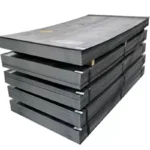
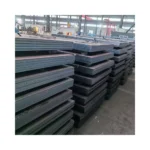
Description
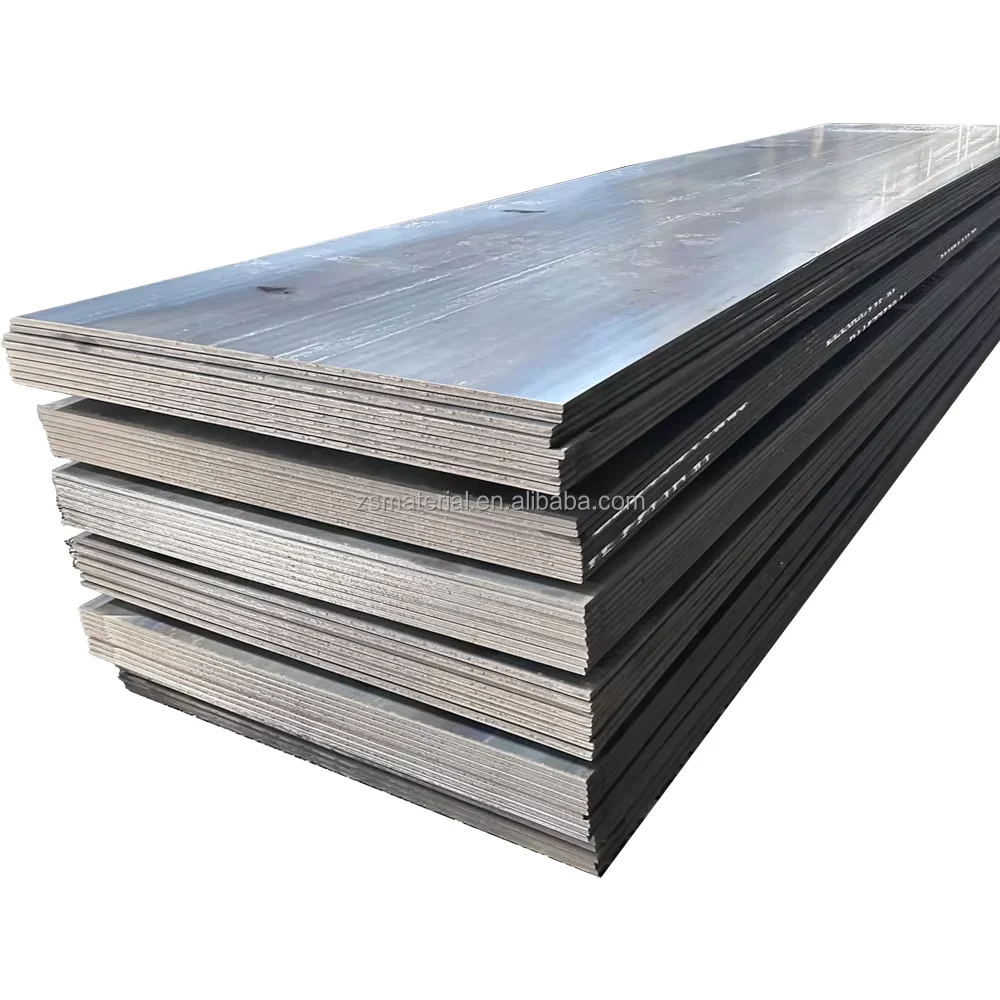
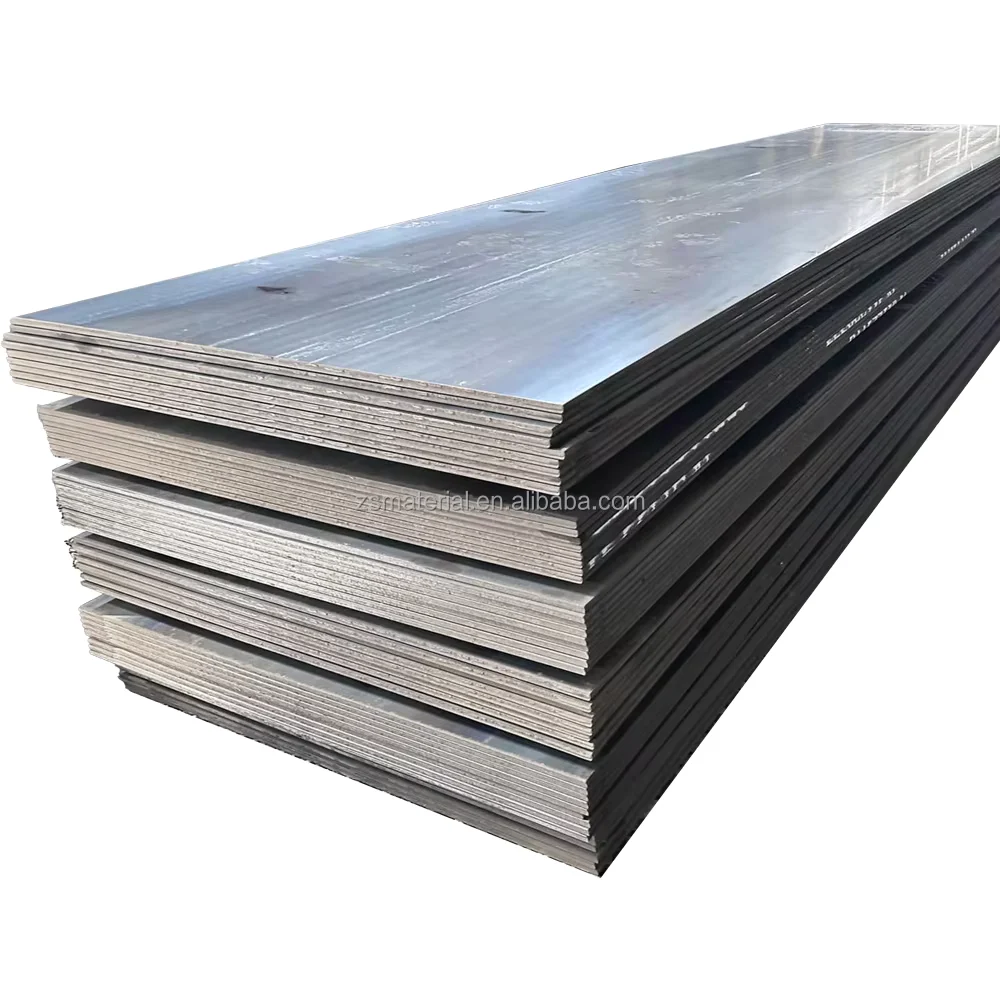
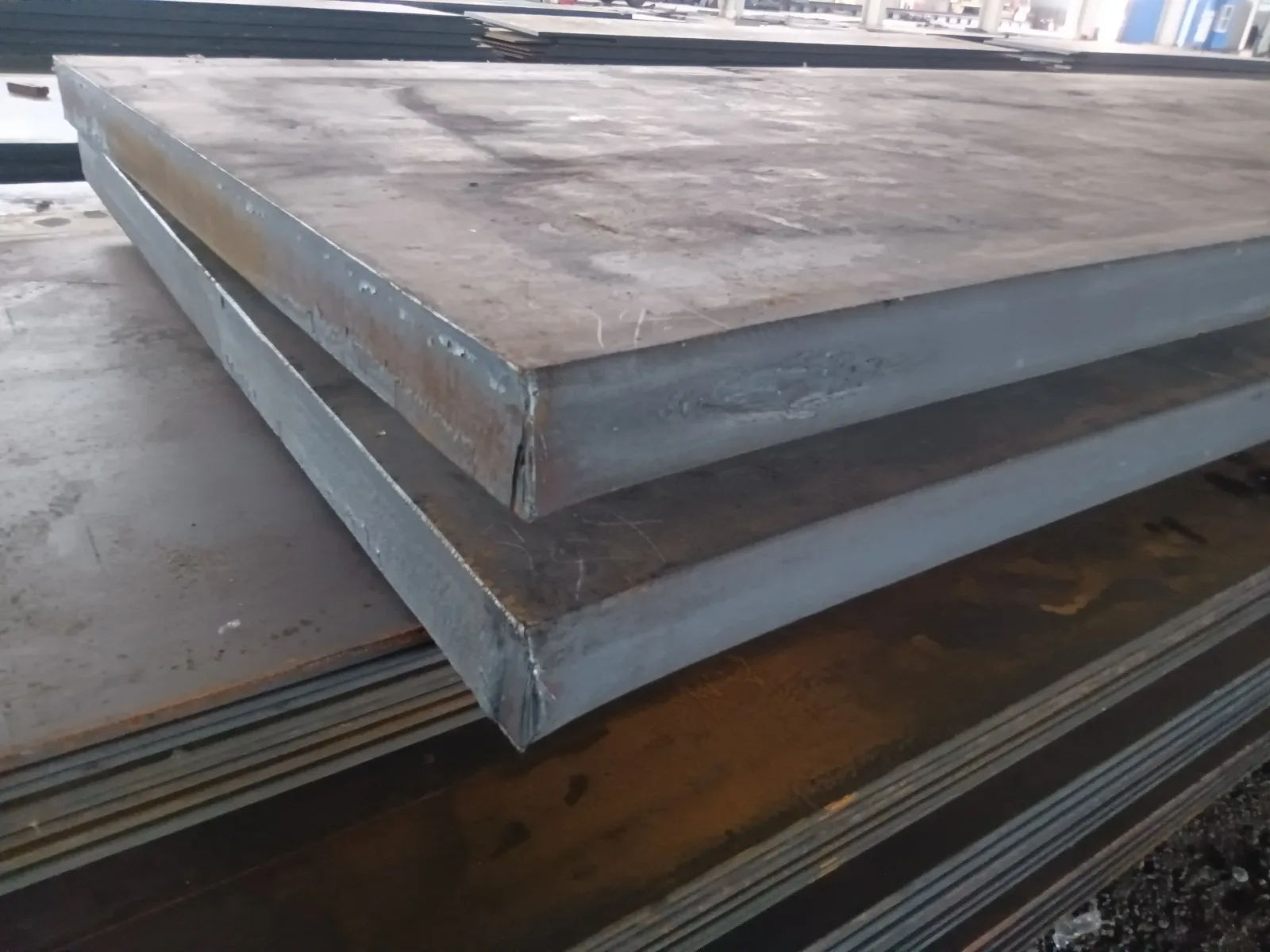
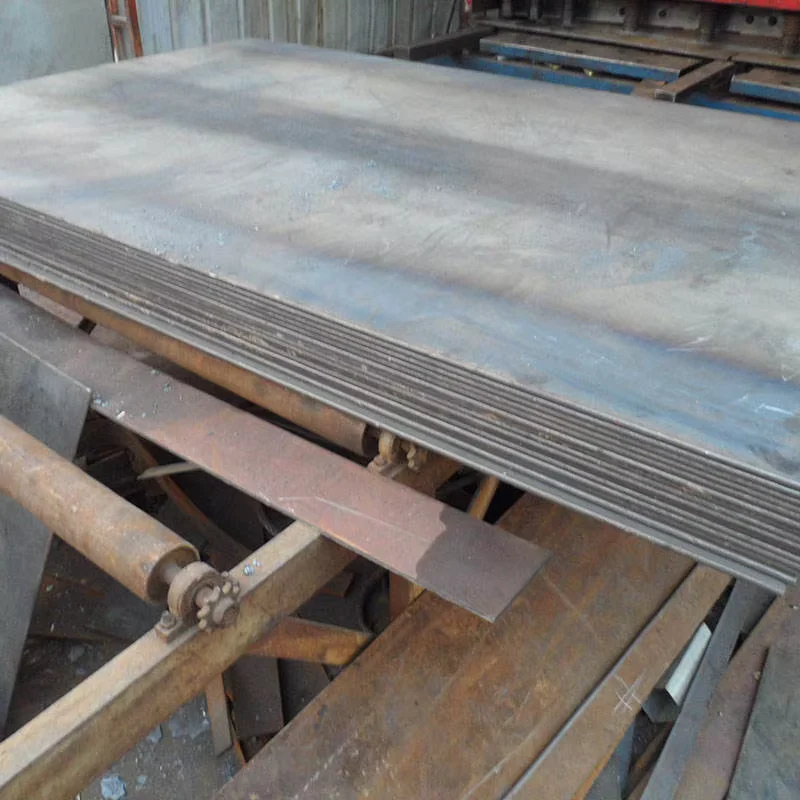
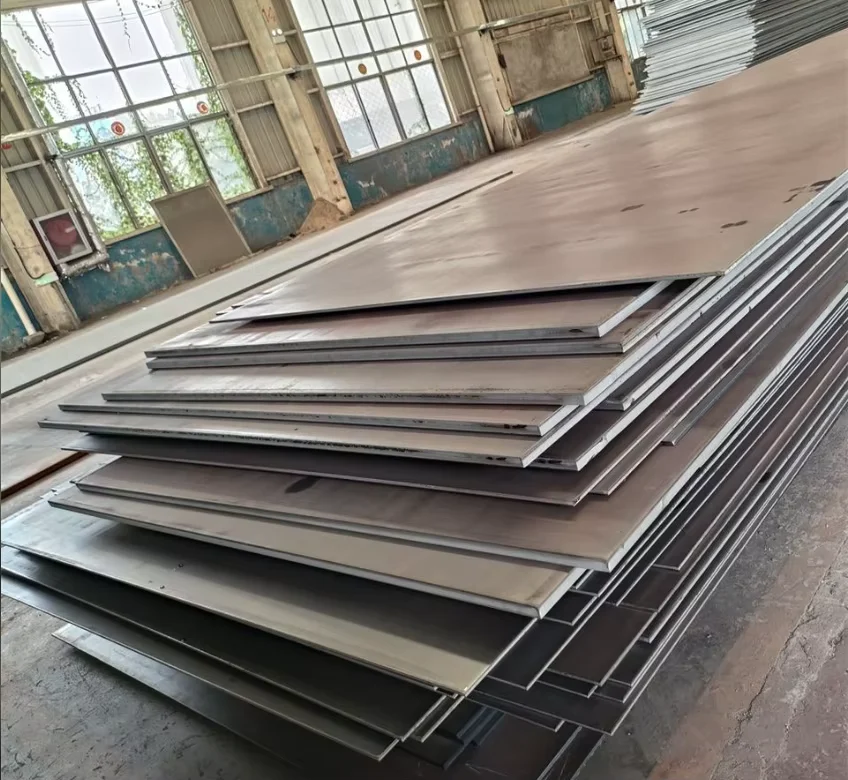
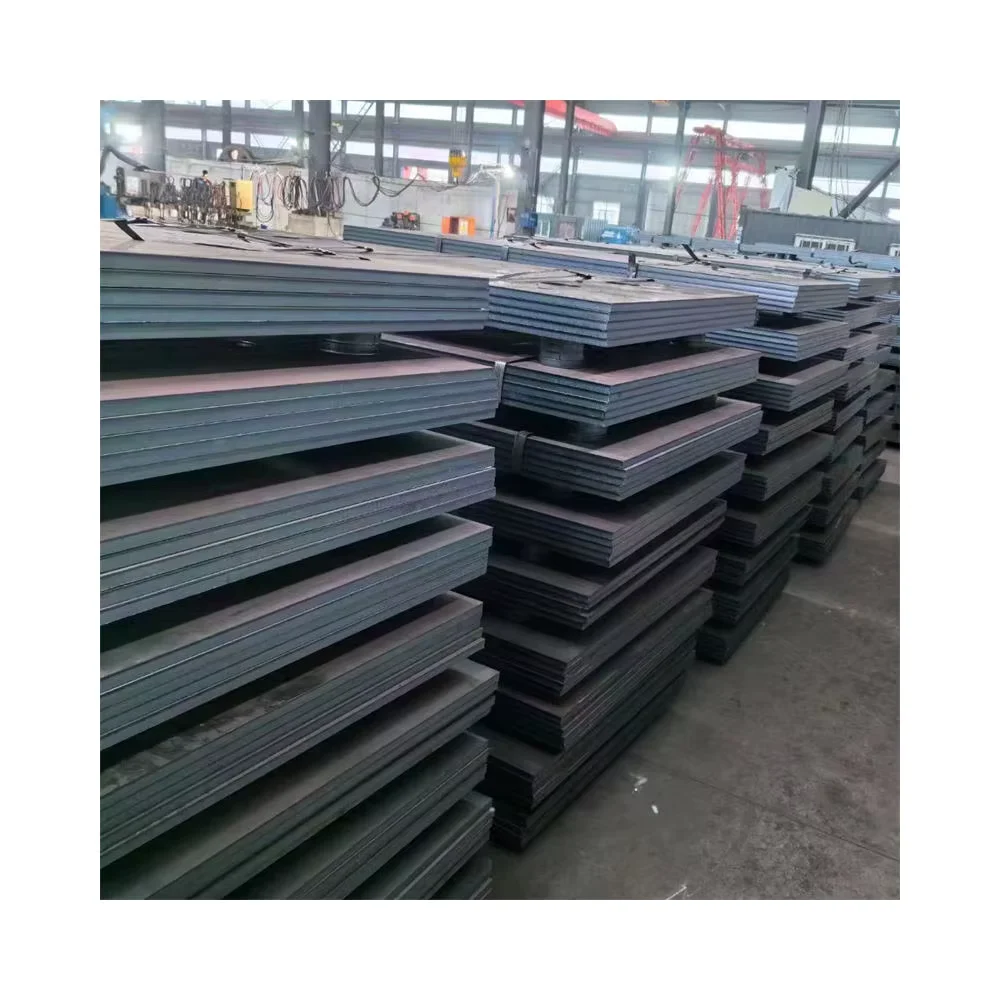
Factory-direct Q235B Q345B wear resistant steel plate — Hot rolled plates processed in-house from raw slab to finished cut, bent, and welded components under one roof.
Technical Specifications
| Parameter | Value |
|---|---|
| Designation | Q235B/Q345B Wear Resistant Steel Plate |
| Product Type | Steel Plate |
| Steel Grade | Q235B, Q345B |
| Standard | ASTM, DIN, JIS, BS, AISI |
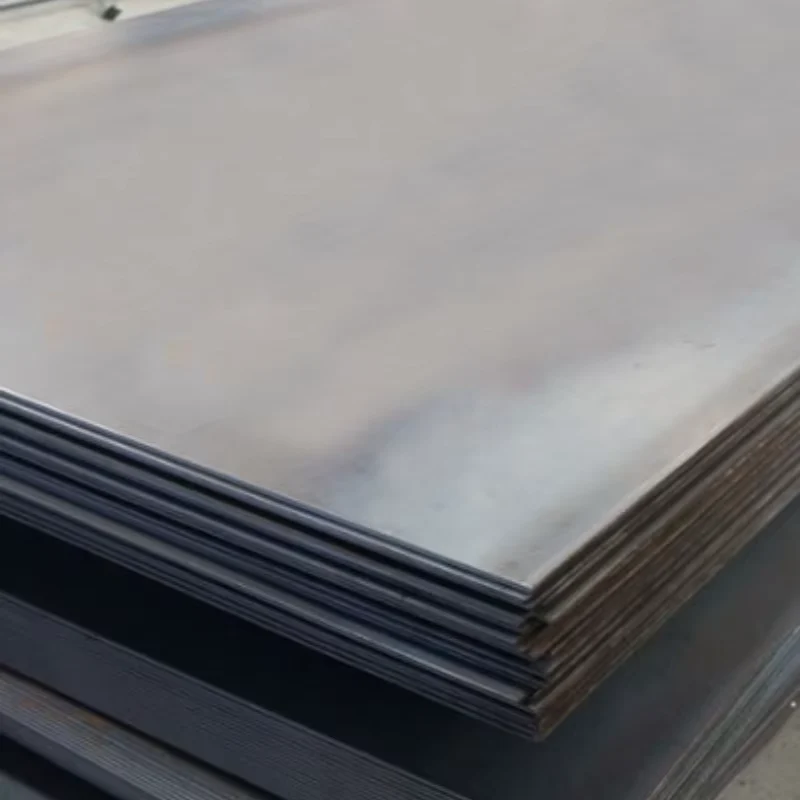
| Technique | Hot Rolled |
| Surface Treatment | Hot Rolled |
| Tolerance | ±1% |
| Processing | Cutting, Bending, Welding |
| Application | Construction, Petrochemical, Machinery |
| Origin | Shandong, China |
Application Suitability
| Industry | Typical Applications |
|---|---|
| Construction | Building frames, column base plates, beam splice connections |
| Petrochemical | Pressure vessel support skirts, pipe rack structural platforms |
| Machinery | Conveyor frame side plates, hopper liners, crusher backing plates |
Why Hardness Discrepancies Sink Overseas Plate Orders
A mill certificate alone does not guarantee field performance — verified hardness testing per shipment separates usable plate from scrap.
When buyers source Q235B Q345B wear resistant steel plate from fragmented suppliers, material traceability breaks down at the mill-to-trader handoff. Certificates travel with the paper, not the steel. Third-party re-inspection at destination ports routinely reveals hardness values far below specification — especially on wear-resistant grades where surface decarburization during hot rolling can mask true core properties. The cost is not just the replacement shipment; it is crane time idle, welding crews rescheduled, and project milestones missed. [NEED_CITE: material traceability requirements for structural steel in international procurement]
Matching Plate Properties to Structural and Wear Applications
Q235B serves general construction framing where formability and weldability take priority over surface hardness. Q345B delivers higher yield strength for load-bearing platforms and machinery bases subject to impact and abrasion. Our hot rolling process ensures consistent grain structure across the plate width, while ±1% thickness tolerance allows CNC cutting programs to run without manual compensation. Each Q235B Q345B wear resistant steel plate order ships with welding procedure specifications matched to the grade’s carbon equivalent — critical for pre-heat decisions on thick sections.
Engineering Compliance and Certification Pathways
Structural steel plates for EU-bound projects require EN 1090-2 execution class documentation; North American EPCs reference AISC 360 for welded connections. Q235B roughly corresponds to ASTM A36 in yield behavior, while Q345B aligns with ASTM A572 Gr.50 in strength class — but equivalence is not automatic. Customs authorities in Southeast Asia and the Middle East increasingly demand third-party inspection stamps alongside mill certificates. [NEED_CITE: steel grade equivalence tables between GB and ASTM standards] Plate thickness tolerance directly affects bolt-hole alignment in field connections; ±1% keeps drilling templates valid without on-site reaming.
Hot Rolling, Grade Selection, and Processing Reality
Hot rolling at controlled finishing temperatures produces a normalized microstructure suitable for subsequent flame cutting and bending without pre-heating on sections under 25mm. Q235B’s lower carbon content makes it the default for general fabrication where post-weld stress relief is impractical. Q345B’s manganese addition raises strength but demands attention to hydrogen-induced cracking on thick plates welded in humid coastal environments. Surface condition as-rolled accepts shop primer directly; shot blasting to Sa 2.5 is specified when coating systems exceed 120 microns DFT. The ±1% tolerance reflects mill gauge control during final rolling passes — tighter than commercial tolerance, avoiding cumulative stack-up errors in multi-plate assemblies.
The Hidden Price of Unverified Material Claims
Ordering Q235B Q345B wear resistant steel plate based solely on supplier-declared grades invites three failure modes: chemistry mismatch causing weld cracking, thickness under-tolerance triggering structural rejection, and missing heat numbers blocking customs clearance. Engineering inspectors referencing EN 10204 Type 3.1 will reject certificates lacking individual heat traceability. Rework costs — cutting replacement plates, re-welding connections, re-inspecting — typically exceed the original material savings from unverified sourcing. [NEED_CITE: EN 10204 inspection document types for steel products]
Procurement Confidence from Vertically Integrated Supply
Our own steel mill produces the raw slabs; our fabrication workshop cuts, bends, and welds the finished plates. This eliminates the trader layer where certificates get separated from coils. Every Q235B Q345B wear resistant steel plate order passes through our in-house metallurgical lab before dispatch — chemical composition verified, dimensional checks logged, hardness spot-tested on wear grades. We hold EN 1090, AWS, and AISC fabrication certifications with qualified welders on staff. Shop drawing review happens before production starts, not after the first RFI delay. Full quality documentation packages — WPS, PQR, weld maps, coating reports — ship with every container.
Documentation & Compliance
- Mill Test Certificate documenting Q235B/Q345B chemical composition and mechanical properties per GB/T 700 and GB/T 1591, with individual heat number traceability
- Third-party inspection reports from SGS or BV confirming dimensional tolerance and surface condition prior to loading
- Welding Procedure Specifications (WPS) and Procedure Qualification Records (PQR) for cutting, bending, and welding operations per AWS D1.1 or EN ISO 15614
- Material traceability matrix linking each plate to its heat number, chemistry report, and processing history
- Export customs documentation including packing list, bill of lading, and certificate of origin formatted for destination port requirements
Packaging, Loading & Delivery
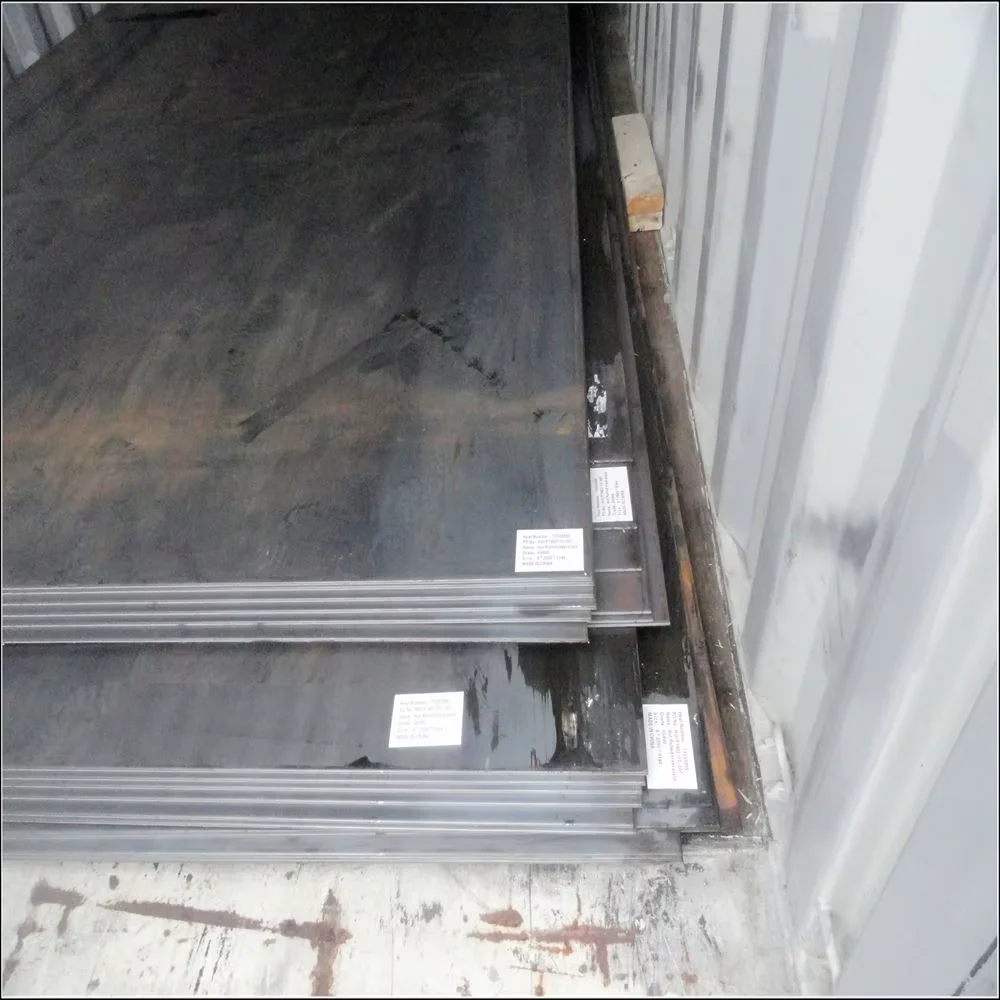
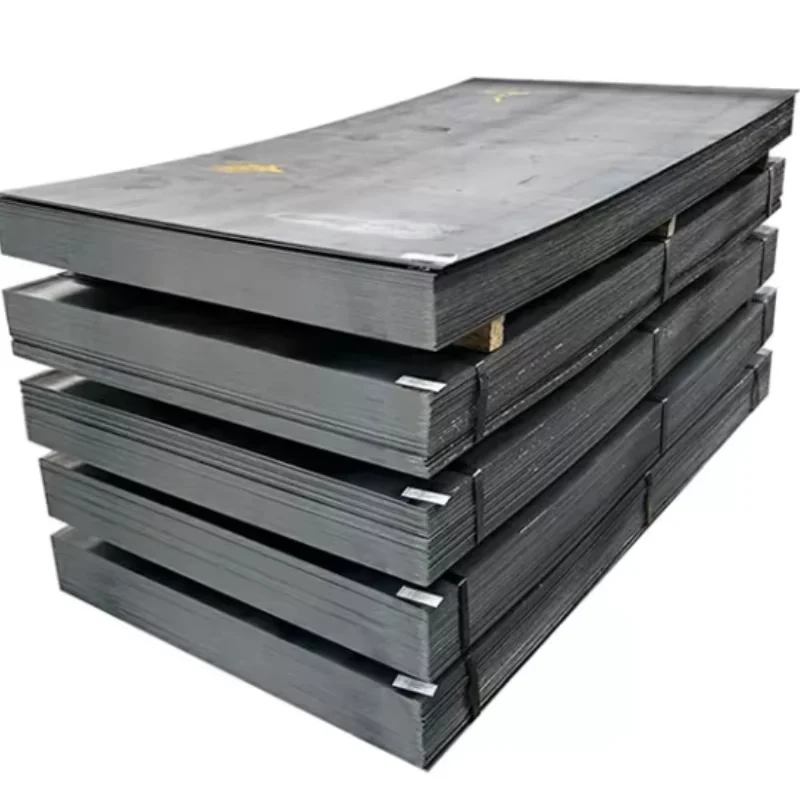
- Hot rolled Q235B/Q345B plates bundled with steel straps and edge protectors to prevent surface scratching during ocean transit
- Surface protection with anti-rust oil coating applied before bundling to preserve as-rolled finish in humid shipping environments
- Container loading optimized for plate dimensions — 20ft containers for plates under 6m length, 40ft open-top for longer sections with crane access
- Custom cutting to project-specified lengths available before packing, reducing on-site waste and secondary cutting costs
- Heat number and grade stenciled on each plate edge for site identification and inspection traceability
- FOB, CIF, and DDP terms available with door-to-door logistics coordination for oversized cargo
Start Your Quotation with Drawings and Specifications
Submit your project drawings in PDF or DWG format along with steel grade requirements, plate dimensions, quantities, and destination port. We return a detailed quotation covering material, processing, coating, packing, and shipping within 24 hours — including shop drawing timelines and production schedules.
Request Your Q235B Q345B Wear Resistant Steel Plate Quote Today
Send your specifications and engineering drawings to receive pricing, mill test certificates, and fabrication timelines.
- Website: www.xjystructure.com
- Tel: +86 531 8573 6315
- Mobile/WhatsApp/WeChat: +86 188 5315 7756
- Email: admin@xjystructure.com
- Address: No.11889, Jingshi West Road, Lulian Group, Jinan City, Shandong Province, China
Frequently Asked Questions
Q: What is the difference between Q235B and Q345B for wear applications?
A: Q235B offers good formability and weldability for general structural use, while Q345B provides higher yield strength suitable for load-bearing components subject to abrasion. Both grades are hot rolled and available with cutting, bending, and welding processing services.
Q: Can you provide third-party inspection before shipment?
A: Yes, we arrange SGS or BV third-party inspection for dimensional checks, surface condition verification, and material traceability confirmation prior to container loading.
Q: Do you supply welding procedures with the plates?
A: Every order includes Welding Procedure Specifications (WPS) matched to the steel grade’s carbon equivalent, along with Procedure Qualification Records (PQR) per AWS D1.1 or EN ISO 15614 standards.
Q: What tolerance do you maintain on plate thickness?
A: We maintain ±1% thickness tolerance on hot rolled Q235B and Q345B plates, verified through in-house dimensional inspection before dispatch.
Q: Can you cut plates to custom dimensions before shipping?
A: Yes, our CNC cutting services handle custom shapes and sizes per your engineering drawings, reducing on-site waste and secondary processing costs at your project location.