
Description
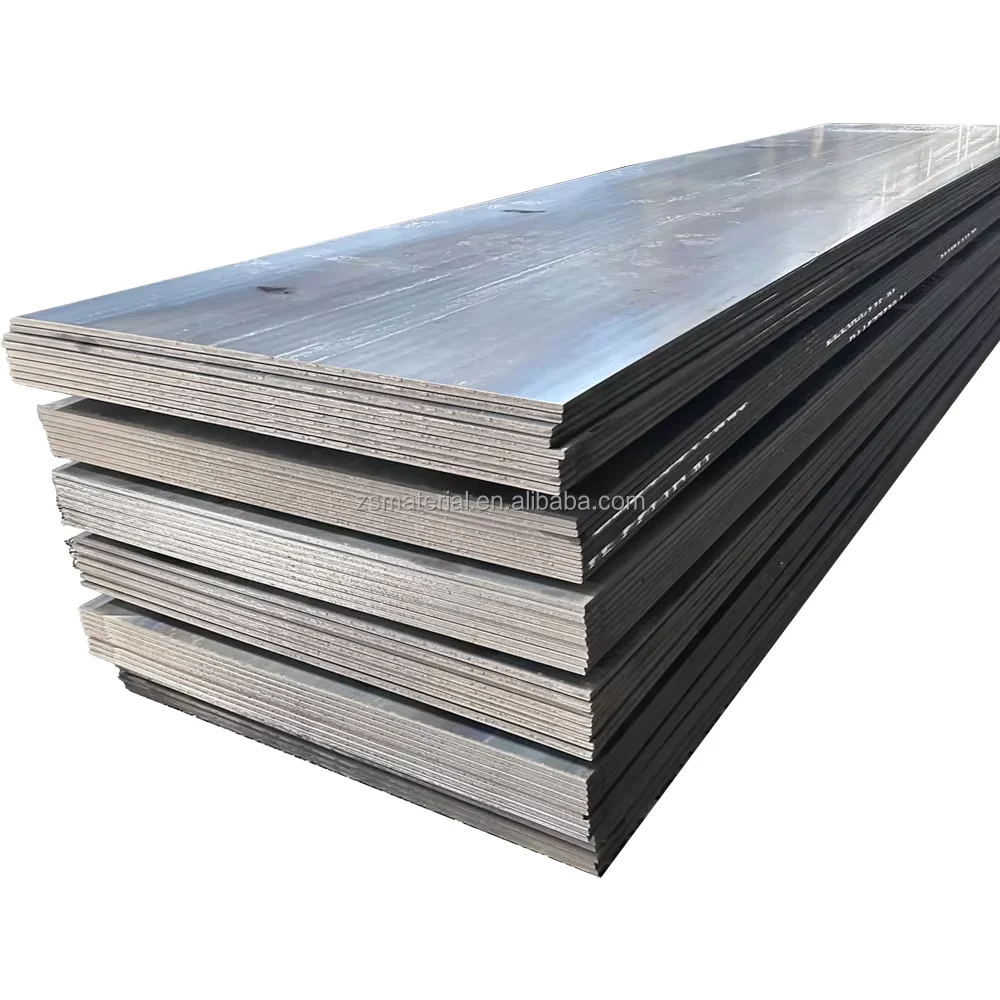
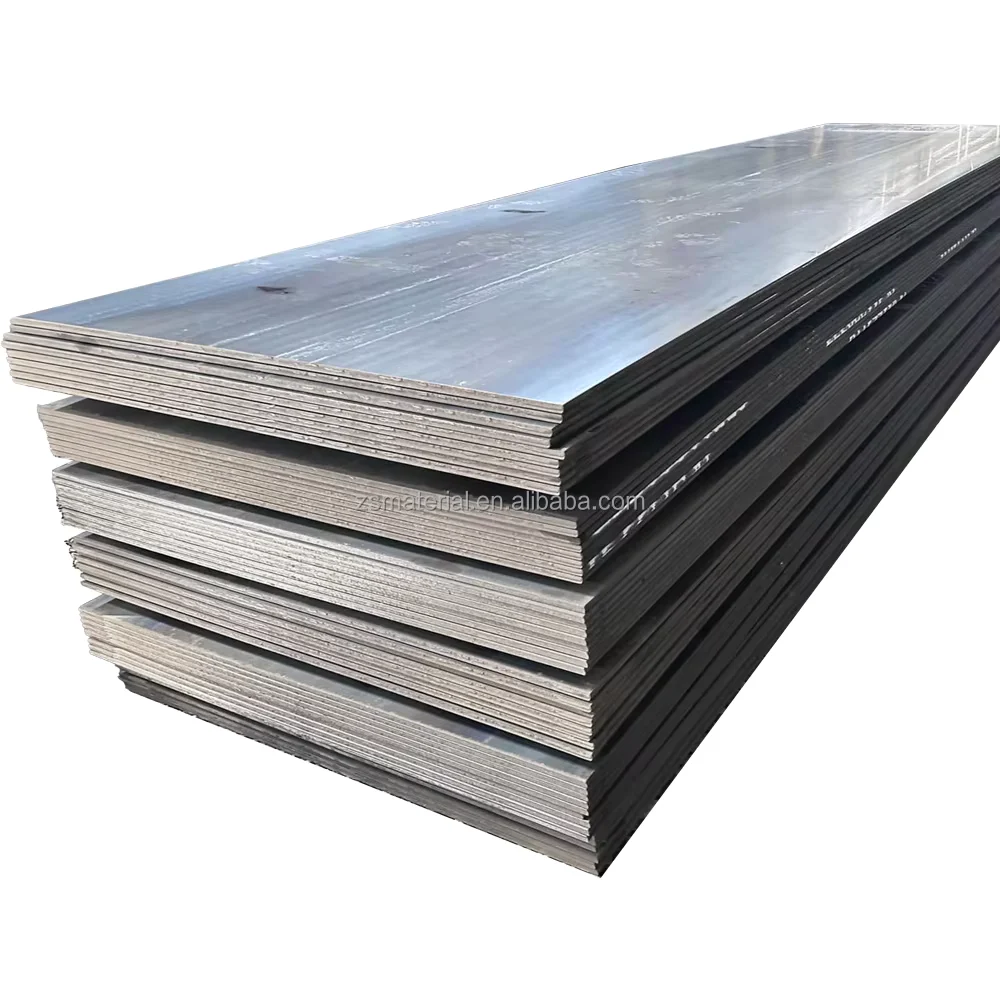
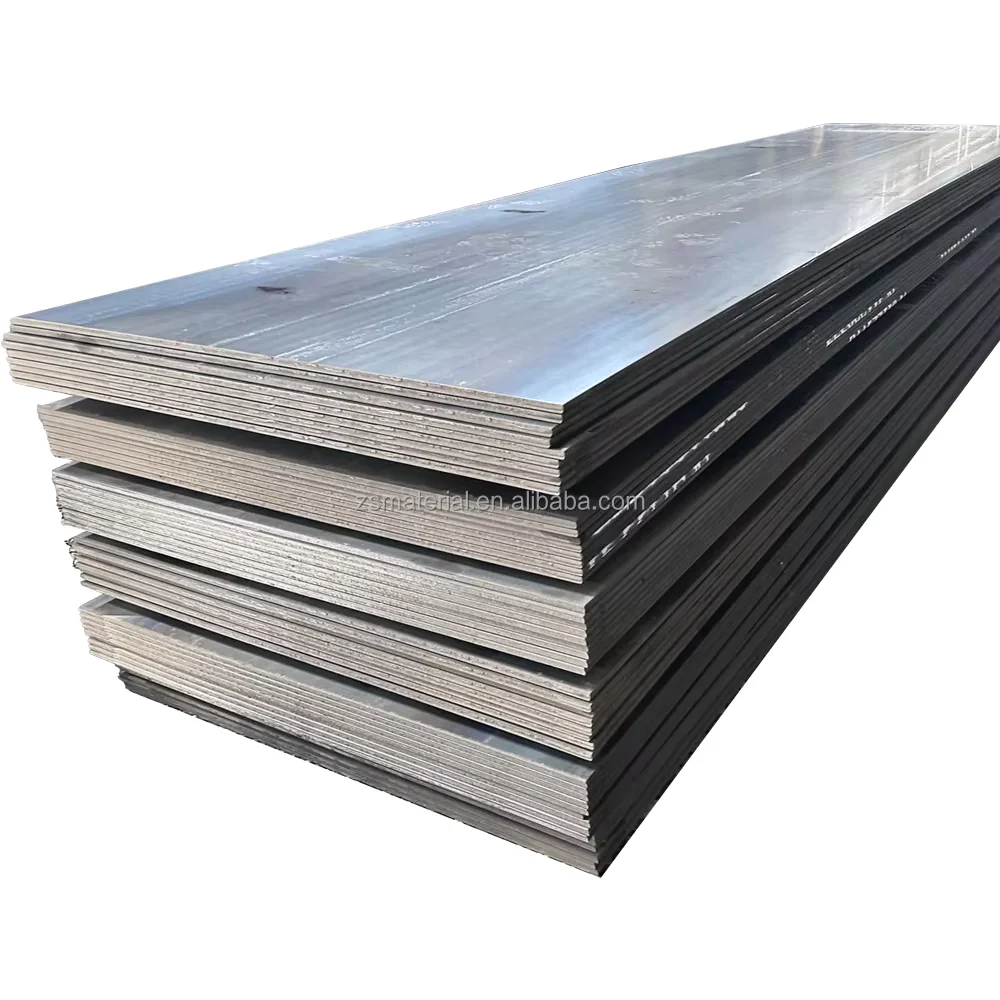
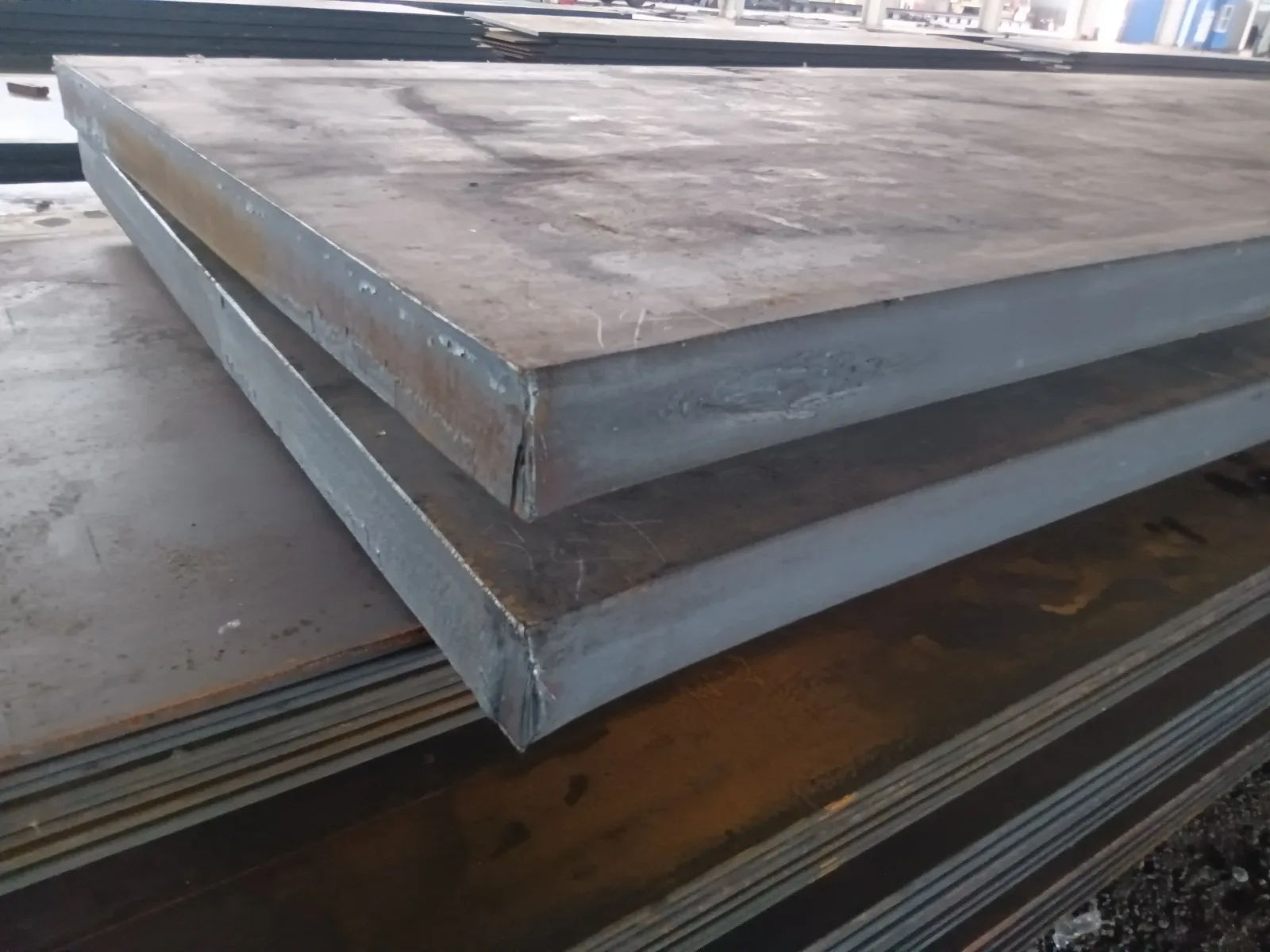
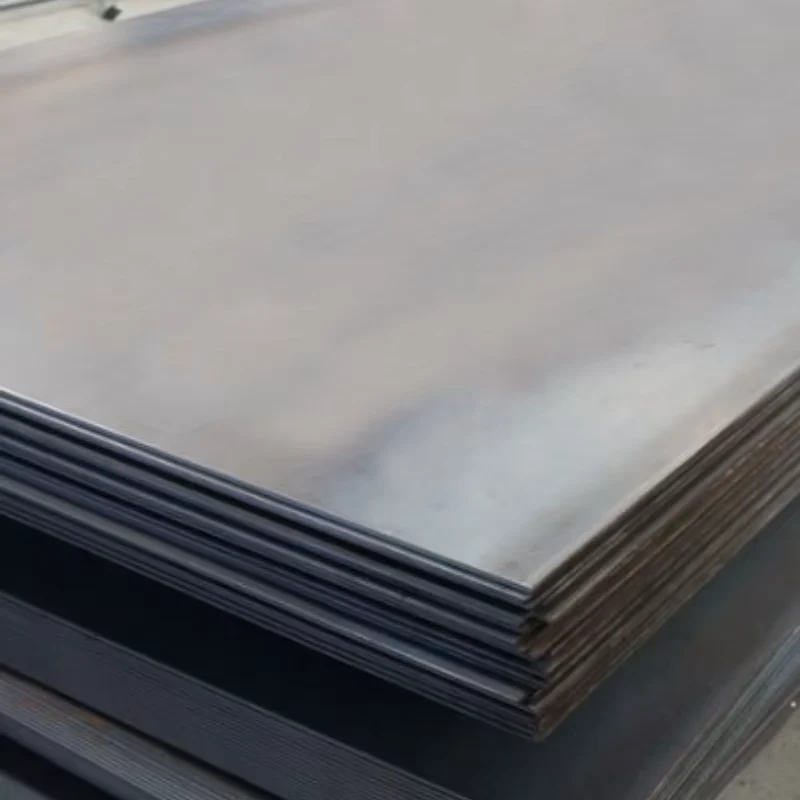
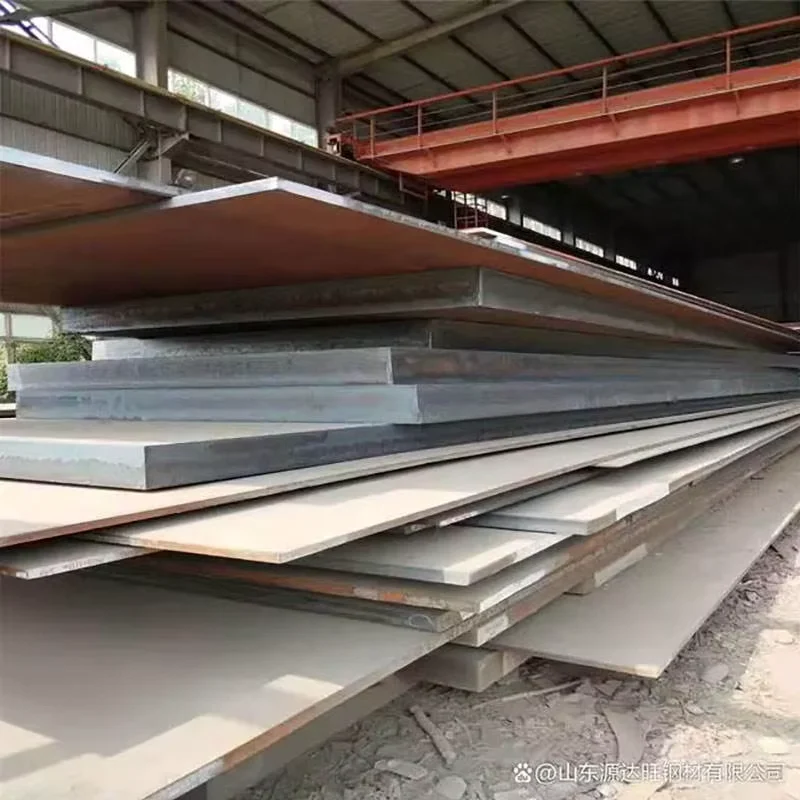
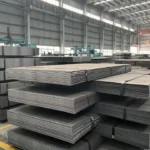
Factory-Direct Q235B ST37 Hot Rolled Ship Steel Plate — Produced in-house with complete heat-number traceability from slab to finished plate, eliminating third-party material gaps.
Technical Specifications
| Parameter | Value |
|---|---|
| Designation | Q235B/ST37 Hot Rolled Ship Steel Plate |
| Product Type | Steel Plate |
| Steel Grade | Q235B, ST37, Q235 |
| Standard | ASTM, JIS, DIN, BS, GB, AISI |
| Thickness Range | 3–200mm |
| Technique | Hot Rolled |
| Surface Treatment | Hot Rolled / Galvanized |
| Processing Services | Welding & Cutting |
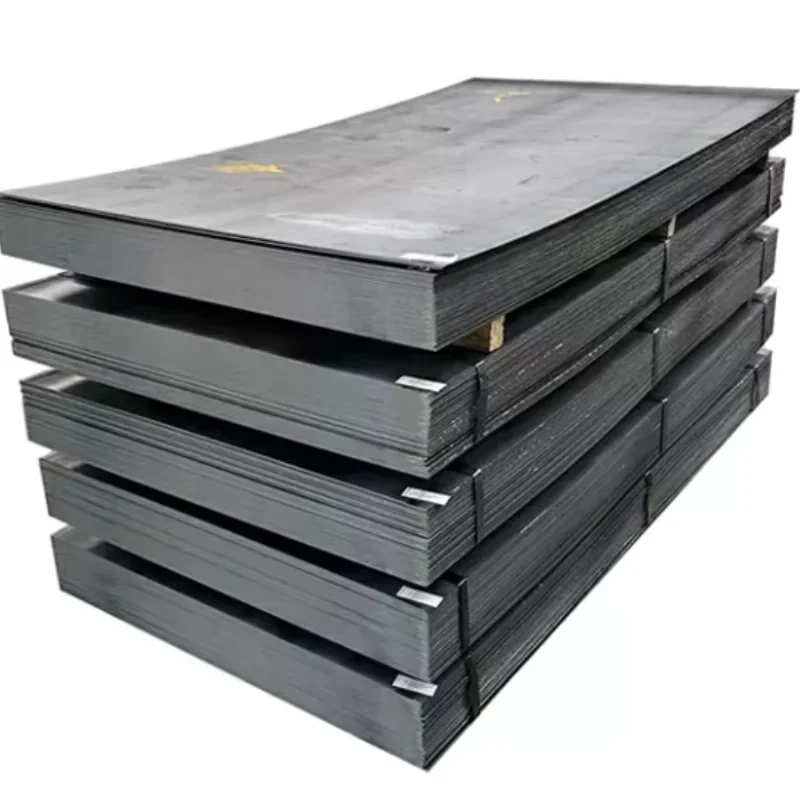
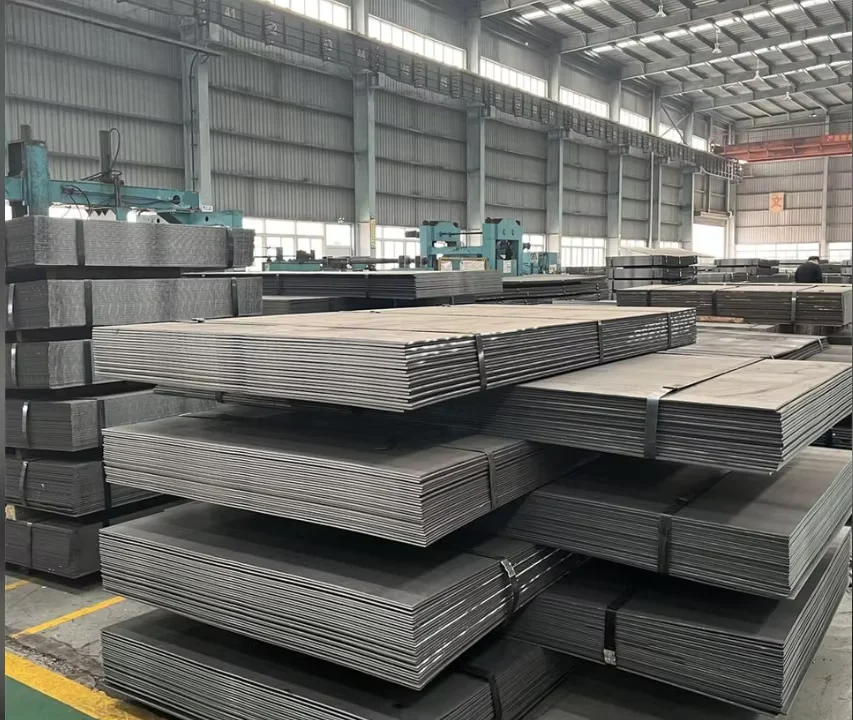
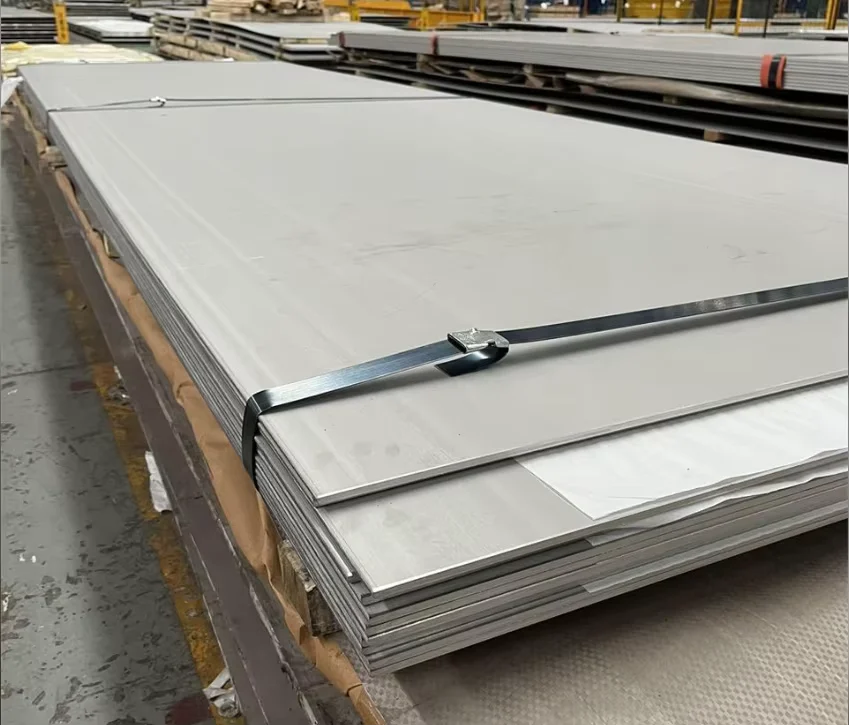
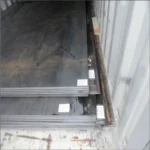
| Packaging | Seaworthy packing with steel strips bundles |
| Application | Shipbuilding / Structural fabrication / Construction / Industrial projects |
| Origin | Shandong, China |
Application Suitability
| Industry | Typical Applications |
|---|---|
| Shipbuilding | Hull plating, deck structures, bulkhead panels, watertight compartments |
| Structural Fabrication | Column base plates, gusset plates, connection brackets, splice plates |
| Construction | Building frame nodes, mezzanine floor plates, stair treads, embedded plates |
| Industrial Projects | Platform grating supports, equipment skid bases, silo shell plates, conveyor frame gussets |
Material Traceability Gaps That Sink Overseas Steel Plate Orders
When the mill certificate does not match the heat number stamped on the plate, customs holds the cargo and the project clock keeps ticking.
Sourcing Q235B ST37 hot rolled ship steel plate supplier from trading companies means the material passes through two or three hands before reaching the fabrication yard. Each handoff creates a gap in the certification chain — the MTC may reference a different heat, or worse, no heat at all. On a recent Middle East shipbuilding project, a batch of ship plate arrived without matching chemical composition records, forcing the buyer to commission full spectrometer re-testing at port. The delay cost weeks of berth time. [NEED_CITE: material traceability requirements for marine steel plate procurement]
Matching Plate Thickness to Structural Load Paths in Shipbuilding
A 3mm Q235B ST37 hot rolled ship steel plate supplier serves light-duty deck plating and non-structural cladding, while 200mm stock covers heavy hull framing and keel connections. The hot rolled surface condition provides an ideal base for subsequent welding and cutting operations — no scale removal delays, no shot blasting surprises. Our in-house processing handles CNC cutting, plasma cutting, and edge preparation to engineering drawings, so plates arrive at the shipyard ready for fit-up rather than sitting in the laydown yard waiting for the machine shop.
Compliance Across Multiple Standard Frameworks
Shipbuilding projects spanning different regions demand different standard compliance — GB for Chinese-flagged vessels, ASTM for American classification societies, JIS for Japanese shipyards, and DIN or BS for European operators. Q235B ST37 hot rolled ship steel plate supplier coverage across ASTM, JIS, DIN, BS, GB, and AISI means a single procurement package can serve multi-national fleet programs without splitting orders across vendors. Third-party inspection through SGS or BV confirms chemical composition and mechanical properties against the declared standard before shipment. [NEED_CITE: steel grade equivalence mapping between GB Q235B and international standards]
Understanding Q235B and ST37 in the Carbon Steel Plate Context
Q235B and ST37 are both low-carbon structural steels designed for general fabrication and moderate-load applications. The Q-series (Chinese GB standard) and ST-series (German DIN standard) represent the same material philosophy: adequate strength for structural use with excellent weldability and formability. The hot rolling process produces a mill scale surface that protects the plate during storage and transit, while remaining fully compatible with welding processes including MIG, MAG, and SAW. For projects requiring enhanced corrosion resistance, galvanized surface treatment extends service life in marine splash zones and humid industrial environments without altering the base mechanical properties.
The Hidden Cost of Unverified Ship Plate Procurement
Ordering Q235B ST37 hot rolled ship steel plate without verified mill test certificates creates a cascade of downstream risks. Classification societies such as ABS, DNV, and Lloyd’s Register require full material documentation before issuing structural certificates. Plates arriving at the shipyard with mismatched heat numbers or missing chemical analysis reports fail inspection — and the cost of returning heavy plate to China far exceeds the original price difference between verified and unverified sources. [NEED_CITE: classification society material documentation requirements for shipbuilding steel]
Integrated Mill Production and Fabrication Under One Roof
Our own steel mill produces the Q235B ST37 hot rolled ship steel plate from raw slab through final rolling, meaning every plate carries a heat number traceable to our production records. The fabrication workshop then handles cutting, welding, drilling, and edge preparation using the same quality system — no material changes hands between an unknown supplier and a separate processor. With over 2,800 specifications in our raw material inventory, standard and non-standard plate sizes ship from a single source. Certified welding procedures (WPS/PQR) and qualified welders ensure that any pre-fabrication work meets AWS and EN standards, with complete documentation packages including weld maps and dimensional inspection reports.
Documentation & Compliance
- Mill Test Certificate documenting Q235B and ST37 chemical composition (C, Mn, Si, S, P) and mechanical properties per GB/T 700 and DIN EN 10025
- Third-party inspection report from SGS or BV confirming plate thickness tolerance and surface quality before loading
- Material traceability report linking each plate to its original heat number and rolling schedule
- CE marking documentation for projects requiring EN 1090 structural component compliance
- Certificate of Origin and full customs export documentation (packing list, commercial invoice, bill of lading)
Packaging, Loading & Delivery
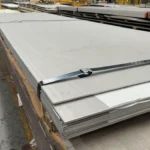
- Q235B and ST37 hot rolled plates bundled with high-tensile steel strips, separated by timber dunnage to prevent surface scratching during ocean transit
- Galvanized plate orders receive additional edge protectors and waterproof wrapping to preserve the zinc coating against container condensation
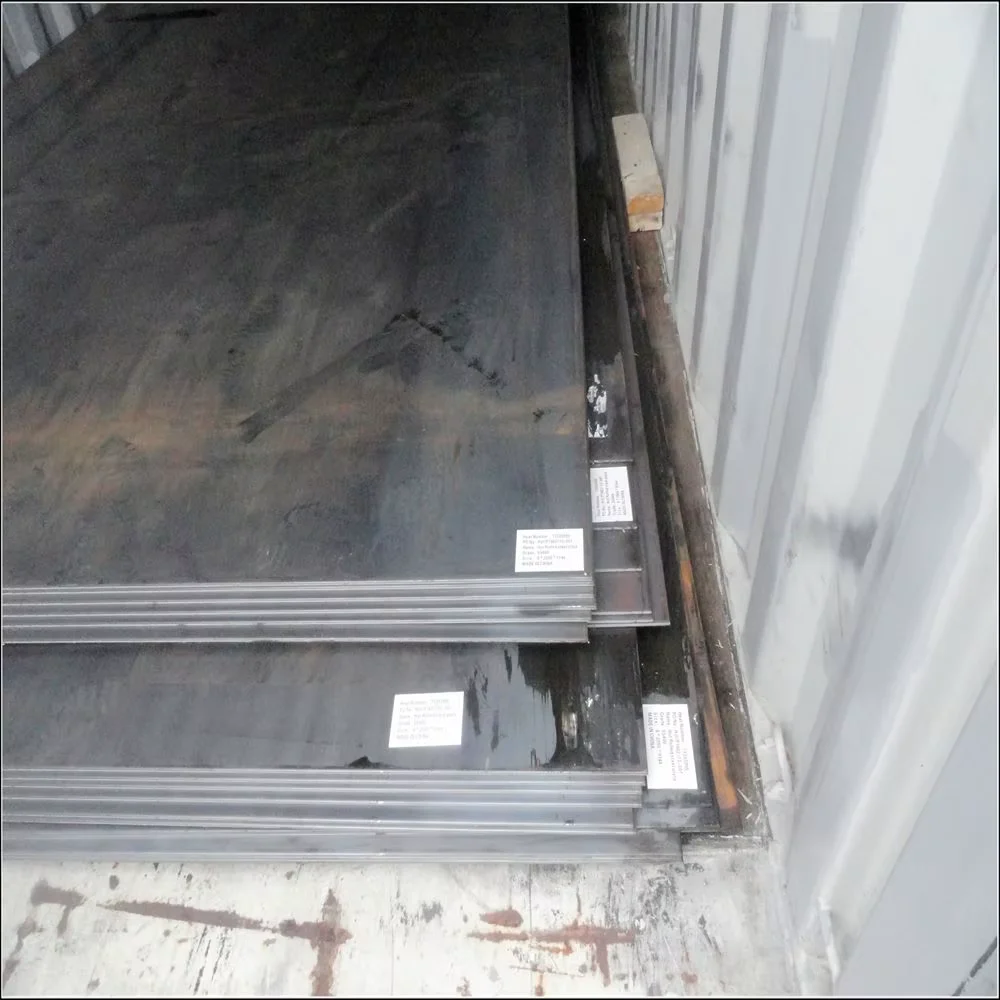
- Heavy plates in the 50–200mm range loaded on reinforced steel cradles within 20ft or 40ft open-top containers, with weight distribution calculated for crane handling at destination port
- Custom cutting to project-specified dimensions reduces on-site waste and optimizes container payload for 3–20mm thickness plates
- Each bundle marked with heat number, steel grade (Q235B or ST37), thickness, and purchase order reference for immediate yard identification
- FOB, CIF, and DDP shipping terms available with professional oversized cargo loading plans for plates exceeding standard container dimensions
Start Your Ship Steel Plate Procurement
Submit your project drawings (PDF/DWG), plate thickness requirements, steel grade preference (Q235B or ST37), quantity, and destination port. We respond within 24 hours with a detailed quotation including material cost, processing charges, packaging, and shipping — along with a sample mill test certificate format for your classification society review.
Request Q235B ST37 Hot Rolled Ship Steel Plate Pricing
Share your specifications and required standards to receive a complete quotation with mill test certificate preview and production timeline.
Shandong Xin Jiyuan Special Steel Tube Co., Ltd
Website: www.xjystructure.com
Tel: +86 531 8573 6315
Mobile/WhatsApp/WeChat: +86 188 5315 7756
Email: admin@xjystructure.com
Address: No.11889, Jingshi West Road, Lulian Group, Jinan City, Shandong Province, China
Frequently Asked Questions
Q: What is the difference between Q235B and ST37 for ship plate applications?
A: Q235B follows the Chinese GB/T 700 standard while ST37 follows the German DIN EN 10025 standard. Both are low-carbon structural steels with similar chemical composition ranges and mechanical properties, making them suitable for general shipbuilding and structural fabrication. The choice depends on your project’s specified standard and classification society requirements.
Q: Can you provide third-party inspection for the Q235B ST37 hot rolled ship steel plate?
A: Yes, we arrange SGS or BV third-party inspection at our facility before shipment. The inspection covers visual quality, thickness measurement, dimensional tolerance, and verification of mill test certificates against the actual plates. Inspection reports are included in the shipping documentation package.
Q: What is the minimum order quantity for custom-cut ship plates?
A: MOQ depends on the thickness range and cutting specifications. Standard stock plates in 3–20mm thickness have flexible MOQ for project requirements, while heavier plates in the 50–200mm range follow standard rolling bundle quantities. Contact us with your cutting list for specific MOQ confirmation.
Q: Do you offer galvanized surface treatment for ship steel plates?
A: Yes, we provide both hot rolled and galvanized surface treatment options for Q235B and ST37 plates. Galvanized treatment is recommended for marine splash zone applications, deck plating in humid environments, and industrial structures exposed to corrosive atmospheres. The galvanizing process follows after hot rolling and does not affect the base material properties.
Q: How do you handle shipping for heavy ship plates exceeding 100mm thickness?
A: Plates in the 100–200mm range require specialized loading plans due to their weight. We use reinforced steel cradles and open-top containers or flat-rack containers for oversized plates. Each shipment includes a detailed loading and lashing plan, weight distribution calculation, and crane handling instructions for safe unloading at the destination port.