
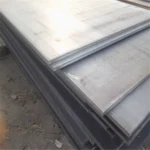
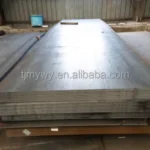
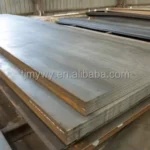
Description
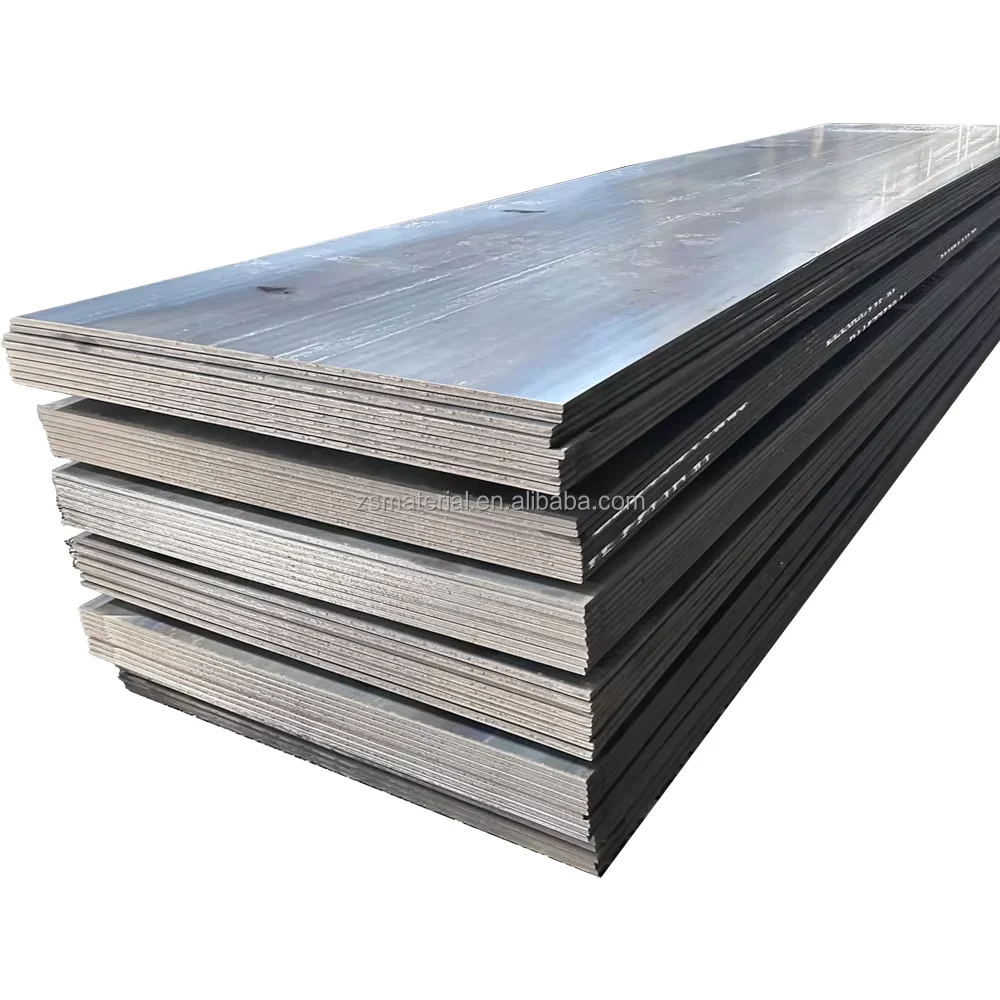
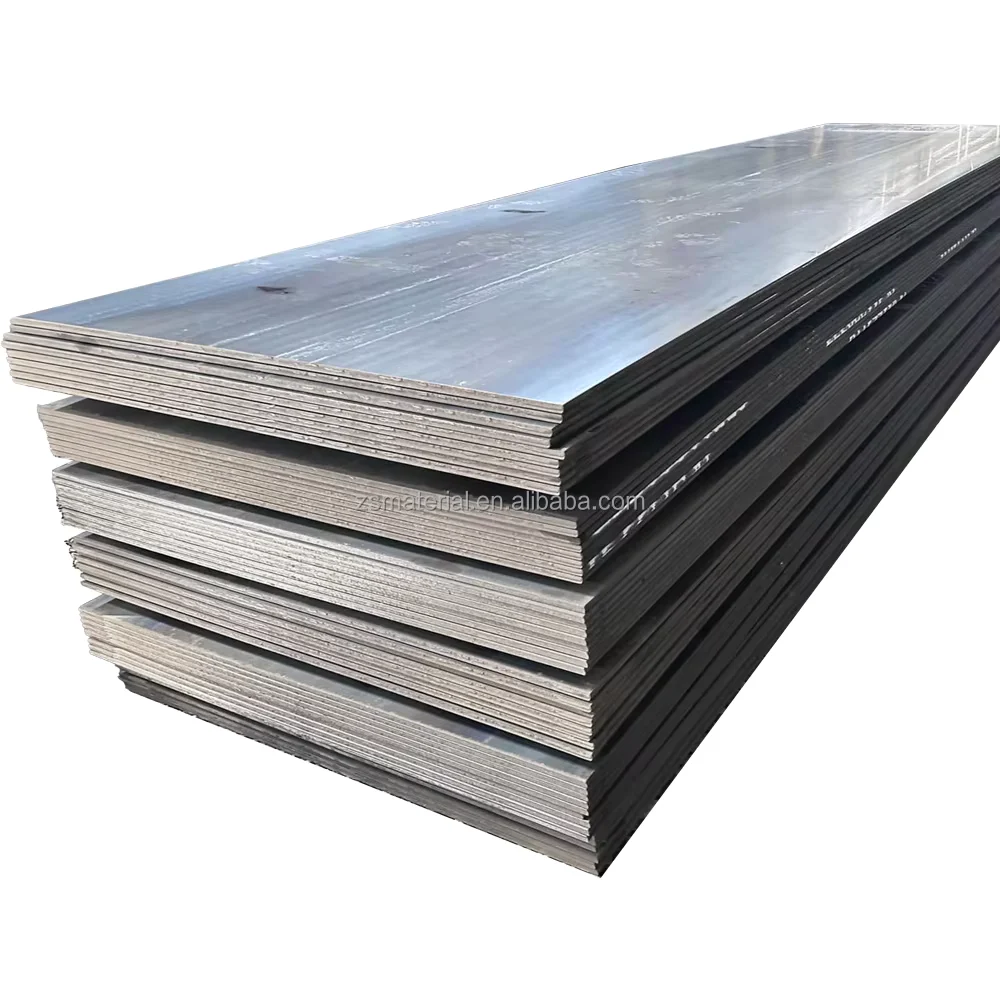
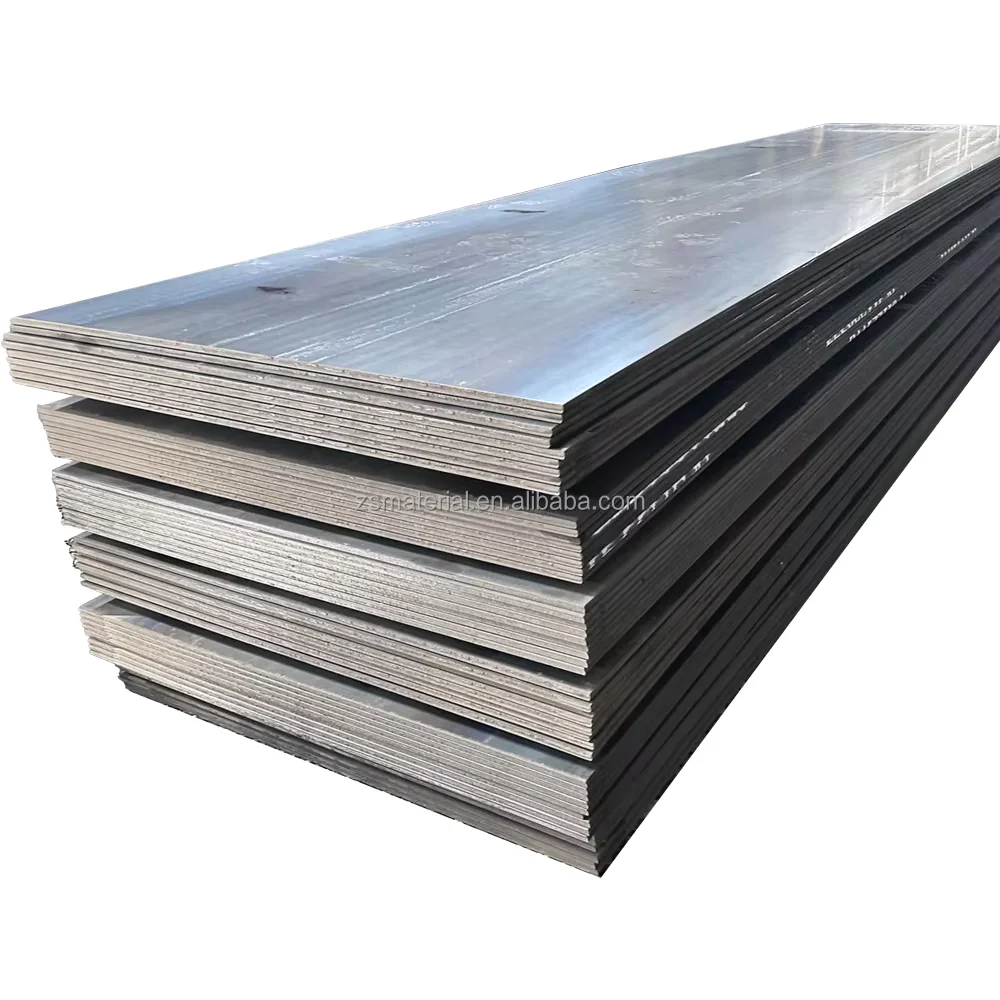
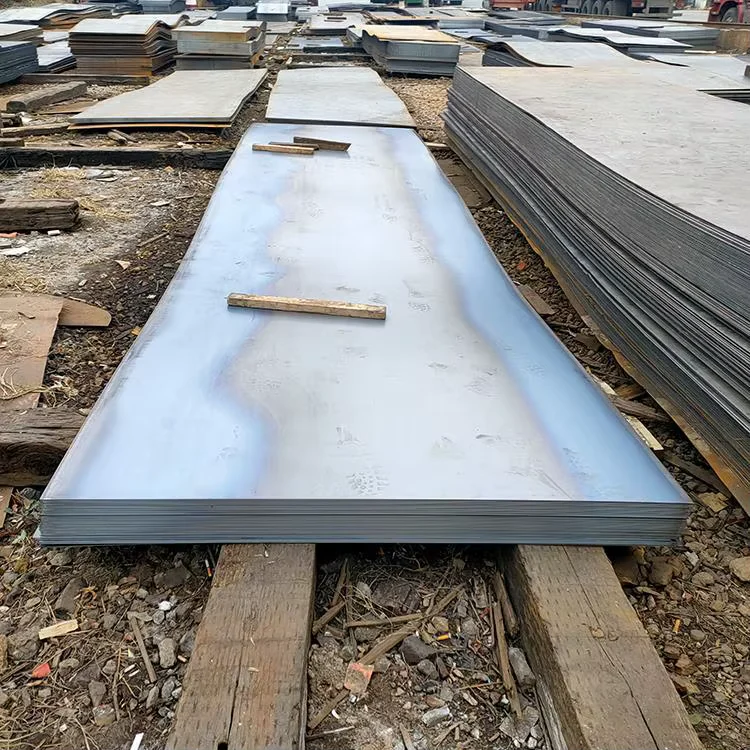
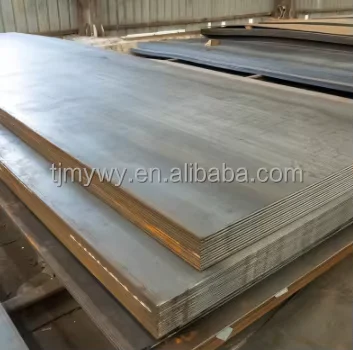
Factory-direct mill plates, no broker markup — every Q690 and AR400 plate rolls from our own production lines, so heat numbers stay unbroken from slab to shipment.
Technical Specifications
| Parameter | Value |
|---|---|
| Designation | Q690 / AR400 / Q235 Wear Resistant Steel Plate |
| Product Type | Steel Plate |
| Steel Grade | Q690, AR400, Q235 |
| Standard | ASTM, DIN, AISI |
| Technique | Hot Rolled |
| Surface Treatment | Hot Rolled |
| Tolerance | ±1% |
| Processing | Cutting, Bending, Welding |
| Application | Construction, Petrochemical, Machinery |
Application Suitability
| Industry | Typical Applications |
|---|---|
| Mining & Bulk Handling | Liner plates for chutes, hoppers, and dump truck beds |
| Petrochemical & Industrial | Structural frames for pipe racks, platform grating supports |
| Construction Machinery | Bucket lips, blade edges, and excavator undercarriage components |
When a Hardness Claim Fails at the Job Site
Outsourced wear-resistant plate fabrication often breaks down at material traceability and dimensional accuracy — our own mill and workshop eliminate the gap between supplier and fabricator.
I once watched a batch of AR400 plates arrive at a Nigerian mining site where the contractor’s portable hardness tester read HB350 instead of the promised HB400. Plasma cutters chipped their tips on the first cut, and the entire lot was rejected on the spot. That kind of failure does not come from bad luck — it comes from buying plate through brokers who never see the material, let alone test it. When you source a Q690 AR400 wear resistant steel plate supplier that controls both rolling and fabrication, the heat number on the plate matches the MTC in your hand, and the hardness data is verified before the plate ever leaves the yard.
Matching Plate Grades to Abrasive and Impact Environments
A Q690 AR400 wear resistant steel plate supplier that also fabricates in-house can assign the right grade to each wear zone without splitting the order across multiple vendors. Q690 delivers higher yield strength for structural members that also face abrasion, while AR400 targets sliding-wear surfaces like chute liners where hardness matters more than load-bearing. Q235 serves as the structural backbone where wear is secondary. Because cutting, bending, and welding happen under one roof, fit-up tolerances stay within ±1% and weld procedures stay consistent across the entire assembly.
Engineering Compliance and Certification Pathways
Wear-resistant plate used in load-bearing structures must satisfy both hardness requirements and structural design codes. For projects in the European market, EN 1090 execution class certification governs fabrication quality, while ASTM and DIN references apply to North American and German-spec projects respectively [NEED_CITE: EN 1090 structural steel fabrication execution requirements]. Hot-rolled surfaces accept shot blasting and coating systems without the adhesion issues that sometimes appear on quenched-and-tempered plate if the surface is not properly prepared. Third-party inspection by SGS, BV, or TÜV can be arranged to verify chemistry and hardness before shipment, which matters when customs authorities request material conformity documentation.
How Hot Rolling and Grade Selection Shape Plate Performance
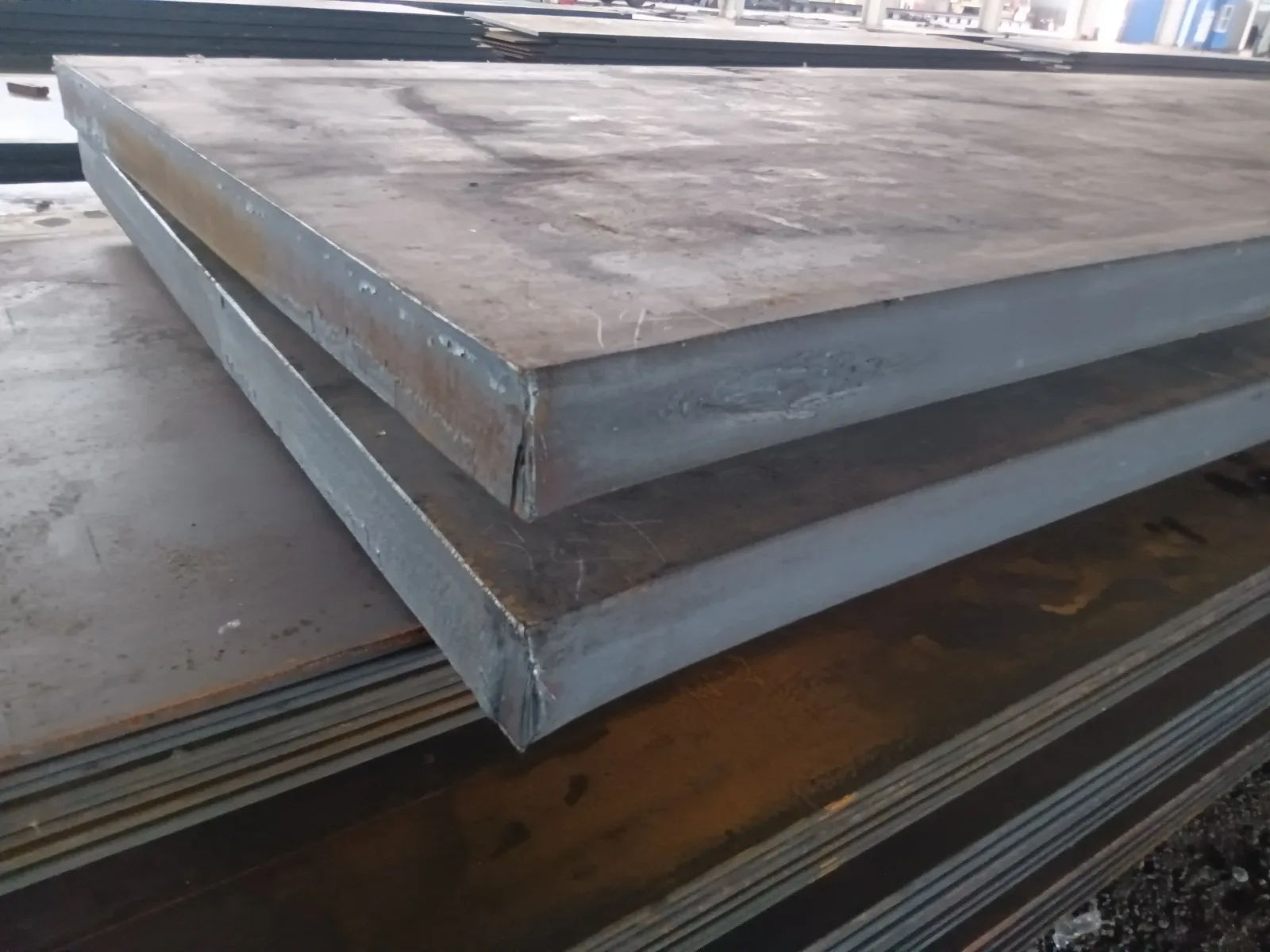
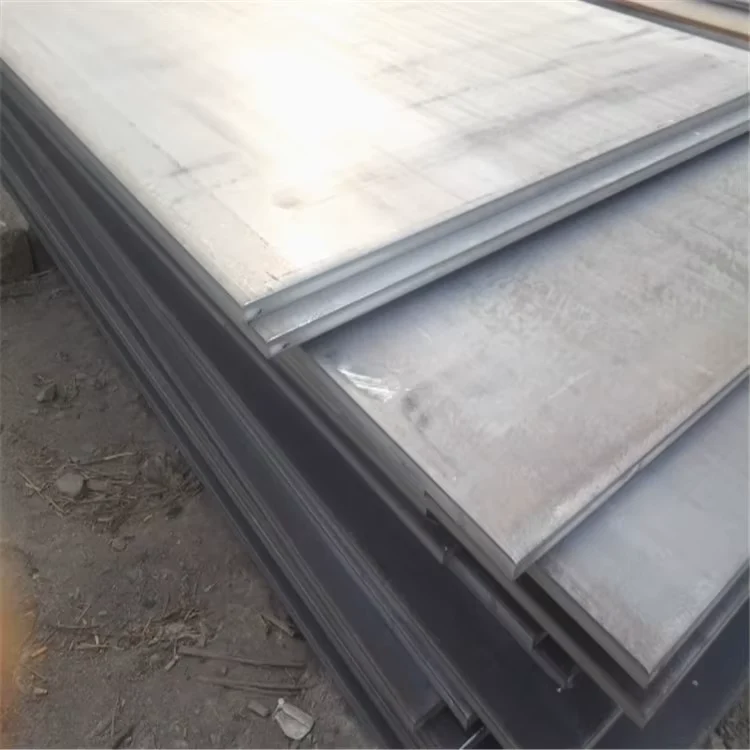
Hot rolling produces a mill scale surface and a grain structure that balances toughness with formability — critical when AR400 plate must be bent into curved chute sections without cracking. Q690 sits in the high-strength low-alloy category, offering yield levels that let engineers reduce section thickness while maintaining load capacity. Q235, by contrast, remains the workhorse carbon structural grade for non-wear frames and support brackets. The ±1% thickness tolerance means that when a design calls for 20 mm plate, the delivered gauge stays within 19.8–20.2 mm, preventing fit-up gaps that force welders to over-fill joints and introduce distortion. [NEED_CITE: hot rolled plate tolerance standards for structural applications]
The Hidden Cost of Buying Plate Without Verified Hardness
When a Q690 AR400 wear resistant steel plate supplier cannot produce a mill test certificate tied to a specific heat number, the buyer absorbs every downstream risk: failed hardness tests at the site, rejected weld procedures, and in the worst case, structural components that wear through months ahead of schedule. Material substitution — receiving Q235 labeled as AR400 — is not rare in broker-mediated supply chains. The cost is never just the plate price; it is the crane time, the idle crew, and the re-fabrication cycle that follows. International standards like ASTM and DIN require traceable chemistry and mechanical test results, and projects that enforce these requirements catch substitution before the plate reaches the weld shop [NEED_CITE: material traceability requirements in ASTM steel plate standards].
Why Sourcing From an Integrated Mill and Fabrication Shop Changes the Outcome
Our own steel production facility runs multiple rolling lines and stocks over 2,800 specifications of raw material, which means Q690, AR400, and Q235 plates are rolled in-house rather than sourced from third-party mills with unknown quality controls. Every plate carries a heat number that traces back to the ladle analysis, and our internal lab verifies hardness before the plate moves to the fabrication bay. Certified welding procedures under AWS and EN standards govern every weld, and the shop produces complete documentation packages — WPS, PQR, weld maps, dimensional inspection reports, and coating reports — as a standard deliverable, not an after-request extra. For overseas projects, we handle oversized plate packing, container loading plans, and export documentation, so the Q690 AR400 wear resistant steel plate supplier you contract with is the same entity accountable for delivery at the port of destination.
Documentation & Compliance
- Mill Test Certificate documenting Q690, AR400, and Q235 chemical composition and hardness values per ASTM and DIN references, tied to individual heat numbers
- Third-party inspection reports from SGS, BV, or TÜV verifying surface hardness and dimensional tolerance before shipment
- Welding procedure specifications (WPS) and procedure qualification records (PQR) certified under AWS and EN standards for all fabrication welds
- Dimensional inspection reports confirming ±1% thickness and flatness tolerance on every cut plate
- Complete export documentation including packing list, bill of lading, and certificate of origin for customs clearance
Packaging, Loading & Delivery
- Hot rolled Q690 and AR400 plates bundled with steel straps and edge protectors to prevent surface scoring during ocean transit
- Cut-to-size plates nested and crated by project zone to simplify offloading and site identification at mining and petrochemical installations
- Heat number and grade markings stenciled on each plate edge for traceability verification upon arrival
- Container loading plans optimized for heavy plate weight distribution, with dunnage and lashing sized for 20 mm to 50 mm thickness ranges
- FOB, CIF, and DDP terms available, with door-to-door coordination for project sites in the Middle East, Southeast Asia, and Africa
Starting Your Procurement With Verified Material Data
Send your project drawings, steel grade requirements, and target quantity to receive a detailed quotation that includes material cost, fabrication scope, coating, and shipping — along with a sample mill test certificate format for your review. Our engineering team will confirm shop drawing timelines and production scheduling before any deposit is requested, so your Q690 AR400 wear resistant steel plate supplier commitment is backed by complete technical documentation from day one.
Frequently Asked Questions
Q: What is the difference between Q690, AR400, and Q235 for wear-resistant applications?
A: Q690 is a high-strength low-alloy grade suited for structural members that also face abrasion. AR400 is a through-hardened wear plate designed for sliding-wear surfaces like chutes and hoppers. Q235 is a general carbon structural grade used for non-wear frames and supports where hardness is not the primary requirement.
Q: Can you supply cut-to-size, bent, or welded components from the same plate?
A: Yes. Our fabrication workshop handles CNC cutting, bending, and welding per approved WPS, so plates can be delivered as finished components rather than raw blanks.
Q: What material certification and traceability documentation is supplied?
A: Every plate ships with a Mill Test Certificate tied to its heat number, and third-party inspection by SGS, BV, or TÜV is available. Complete QC packages include WPS, PQR, dimensional reports, and coating reports.
Q: How do you handle oversized plate packing and container loading for export?
A: Plates are bundled with edge protectors, nested by project zone, and loaded according to weight distribution plans. Export documentation including packing lists, bills of lading, and certificates of origin are prepared as standard.
Q: What is the typical production lead time?
A: Lead times depend on grade, thickness, and fabrication scope. Our integrated mill and workshop allow us to coordinate material production and fabrication in a single schedule, and we confirm timelines during the quotation stage.
Get Your Quotation With Full Material Traceability
Share your drawings, grade specifications, and destination port — we will return a detailed quote with sample MTC format and production schedule within 24 hours.
Shandong Xin Jiyuan Special Steel Tube Co., Ltd | +86 531 8573 6315 | admin@xjystructure.com | www.xjystructure.com