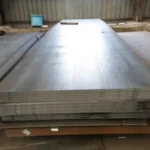
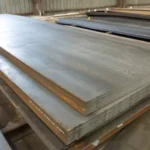
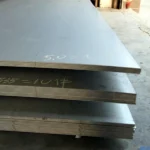
Description
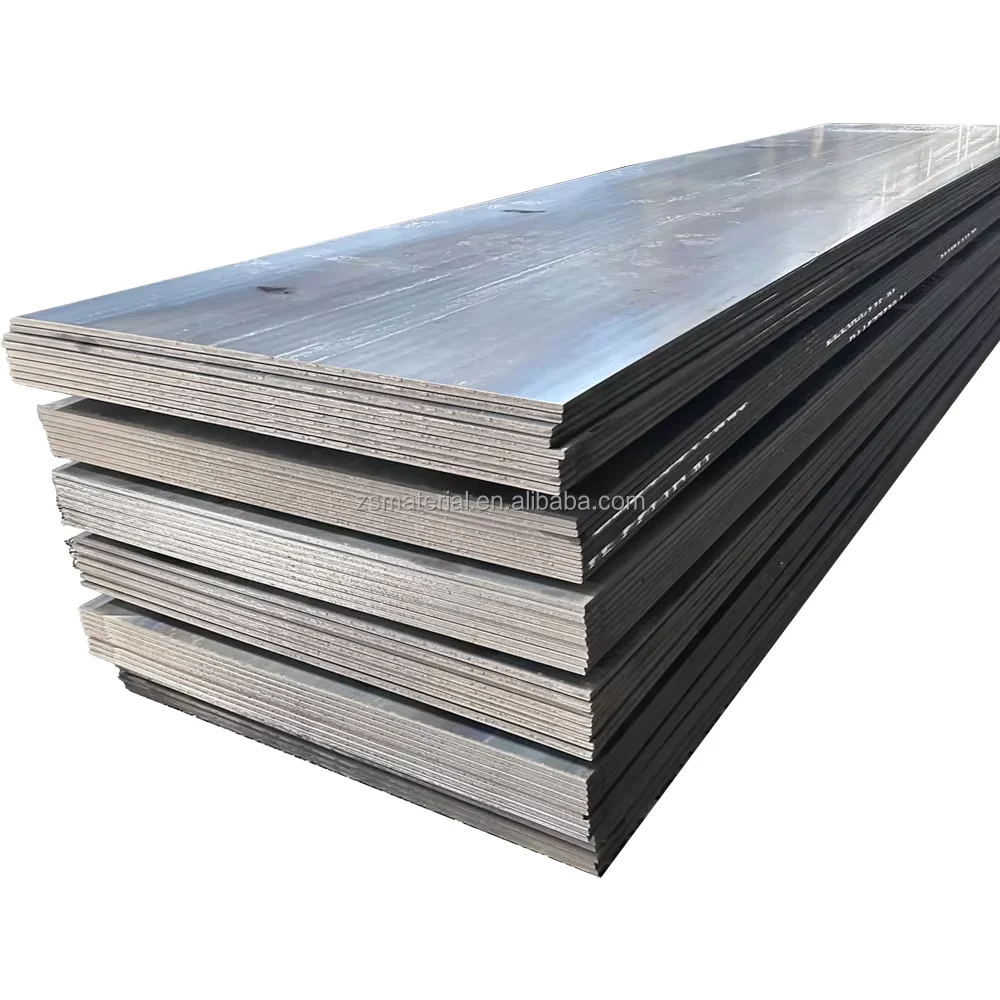
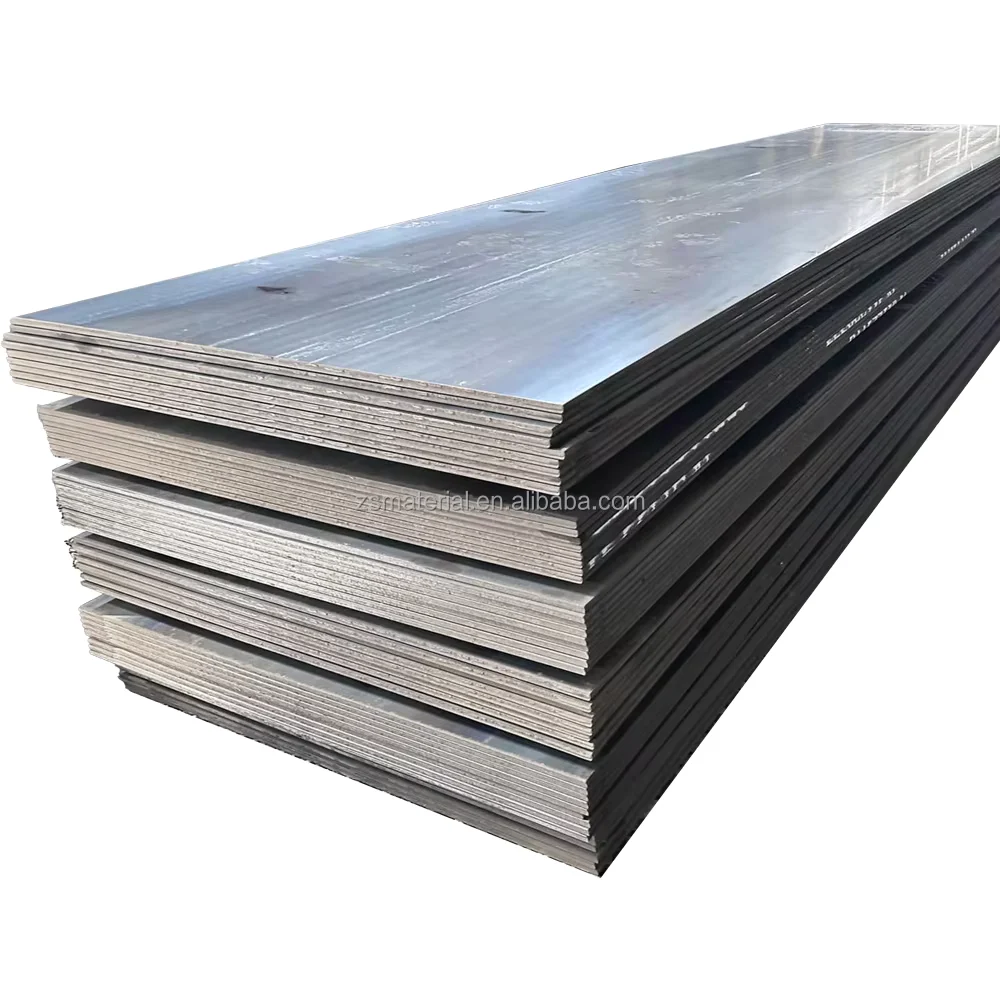
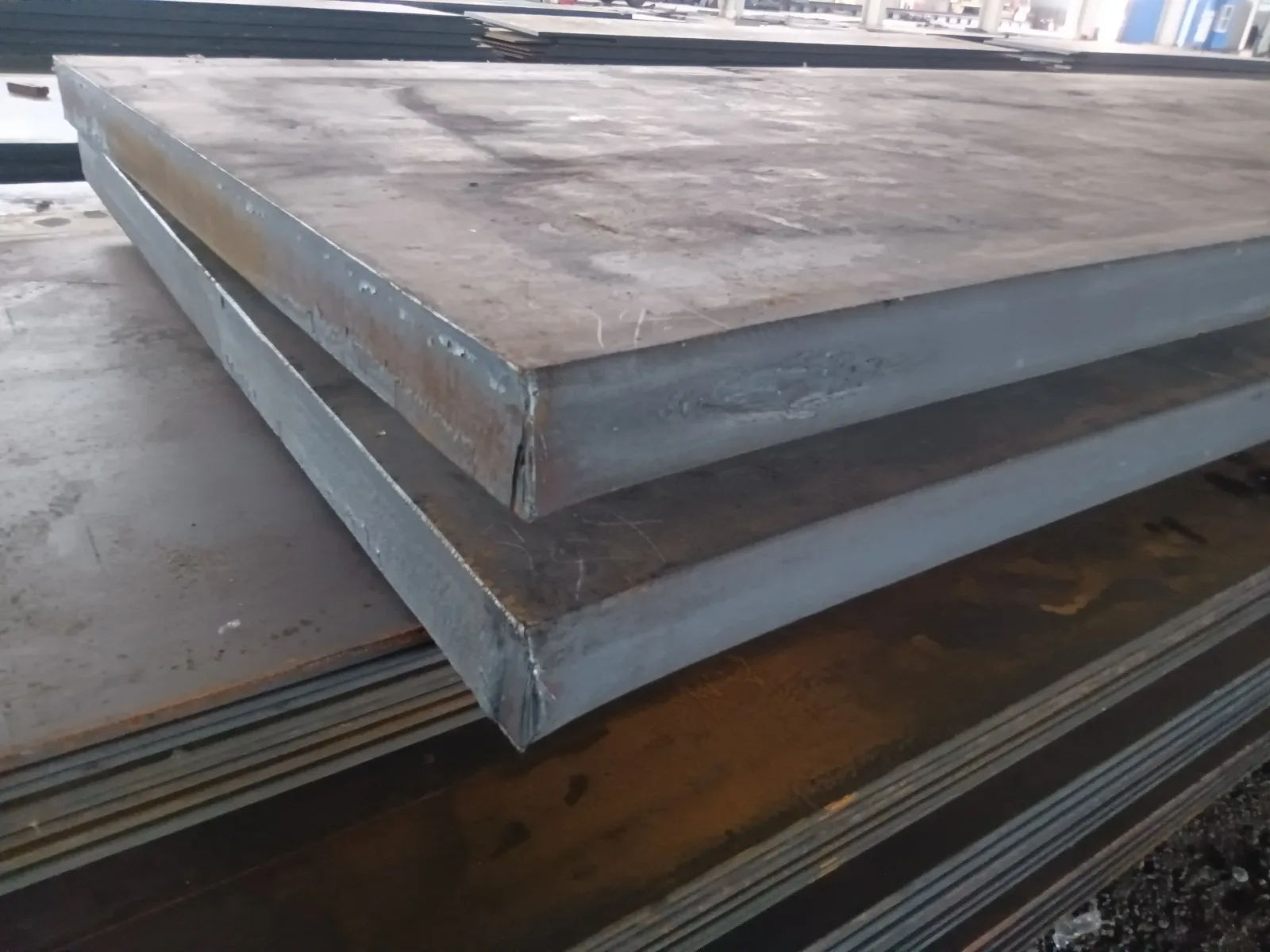
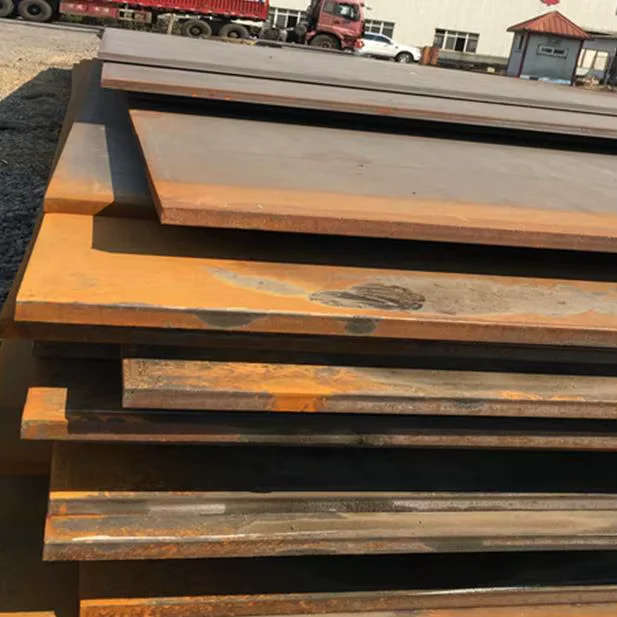
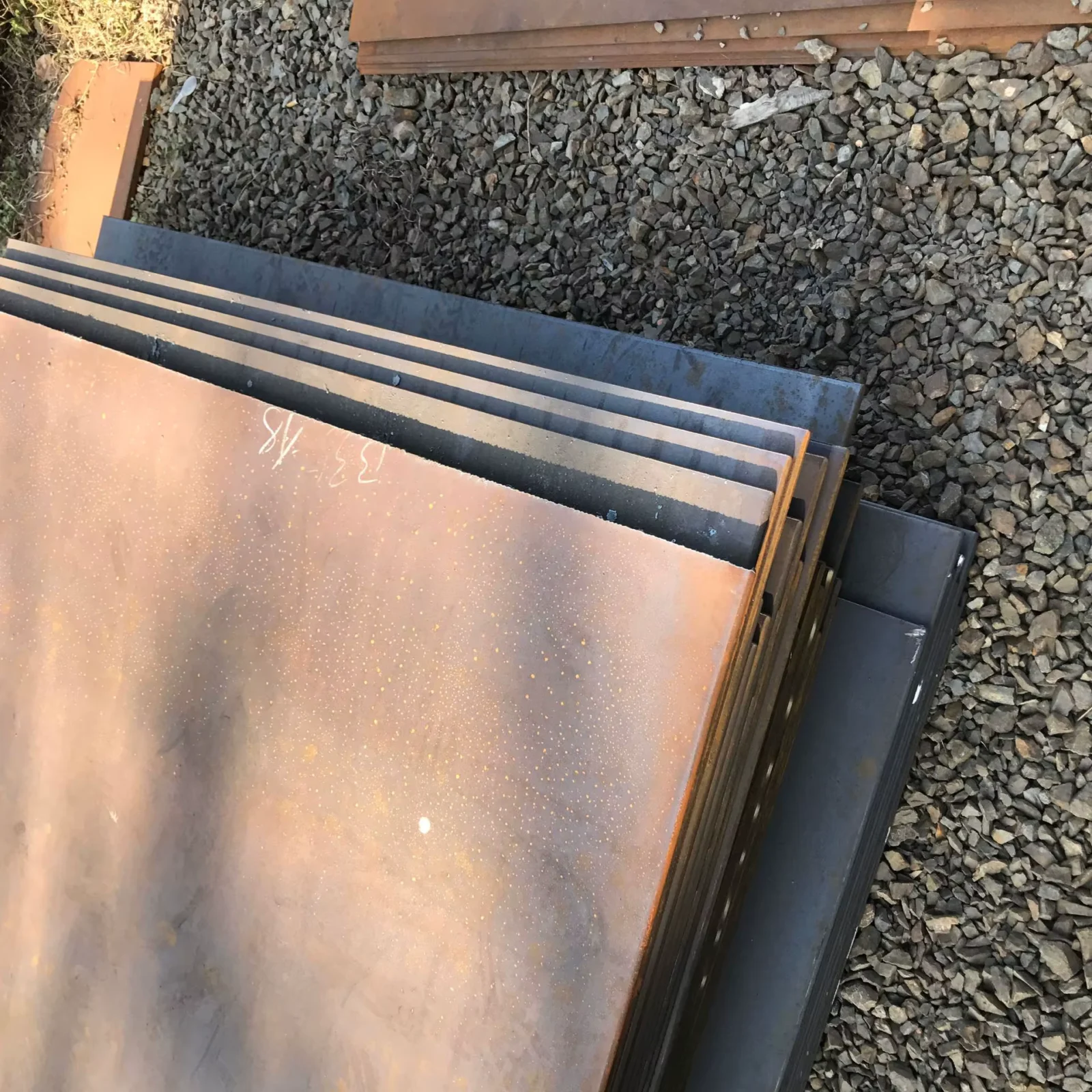
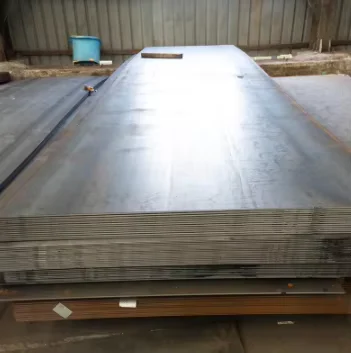
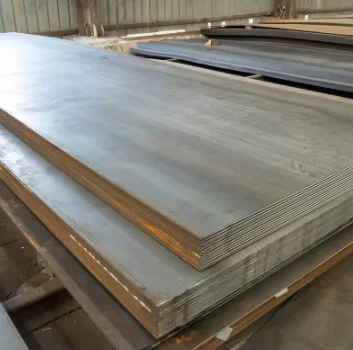
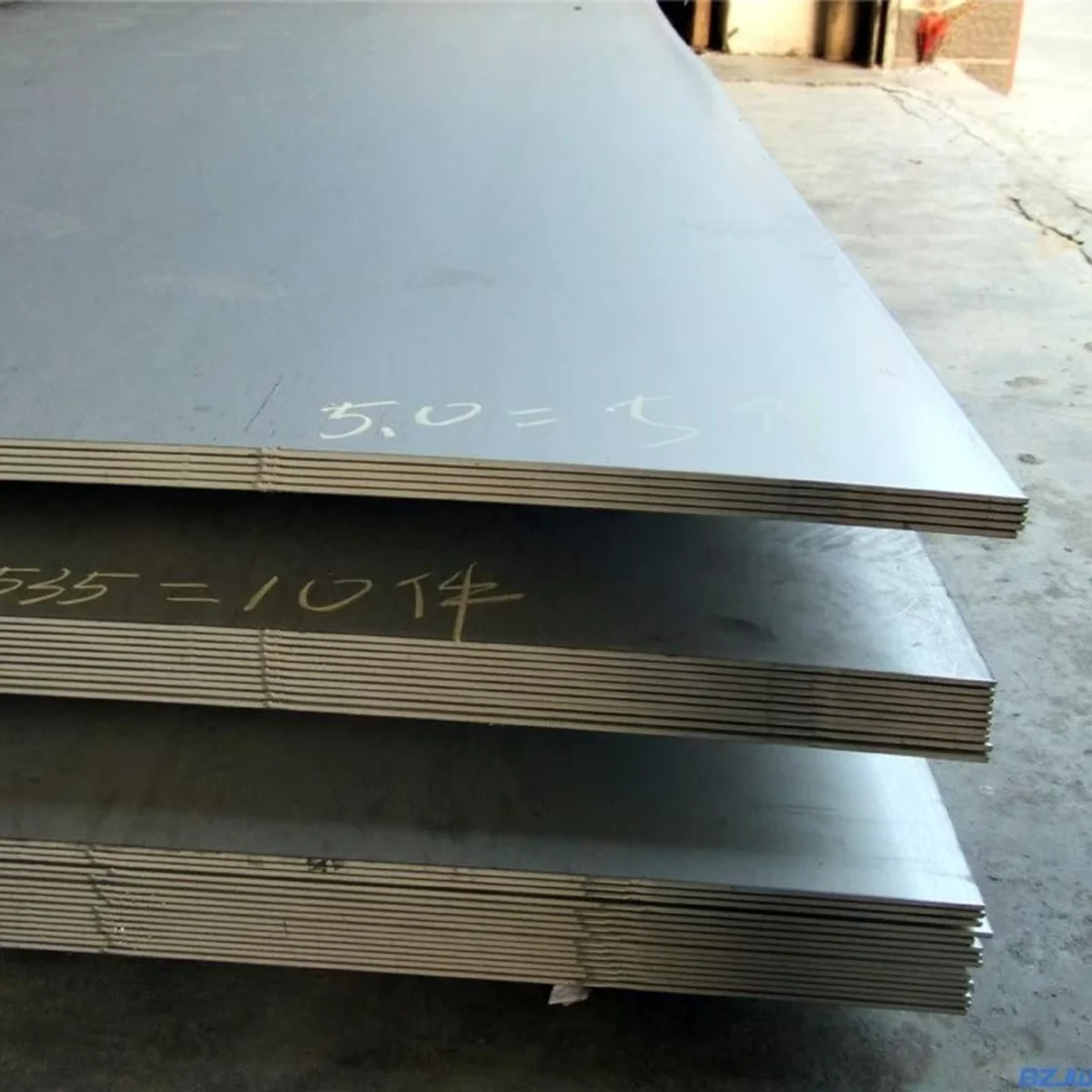
Factory-direct Q690 wear resistant steel plate — Hot rolled from our own steel mill with mill test certificates covering every heat number.
Technical Specifications
| Parameter | Value |
|---|---|
| Designation | Q690 Wear Resistant Steel Plate |
| Product Type | Steel Plate |
| Steel Grade | Q690, AR400, Q235 |
| Standard | ASTM, DIN, AISI |
| Technique | Hot Rolled |
| Surface Treatment | Hot Rolled |
| Tolerance | ±1% |
| Processing | Cutting, Bending, Welding |
| Application | Construction, Petrochemical, Machinery, Shipbuilding |
| Origin | Shandong, China |
Application Suitability
| Industry | Typical Applications |
|---|---|
| Construction | Load-bearing frame connections, base plates, column splice plates |
| Petrochemical | Pressure vessel support rings, pipe rack structural plates, platform grating frames |
| Machinery | Excavator bucket liners, crusher jaw plates, conveyor chute wear liners |
| Shipbuilding | Deck stiffener plates, hull reinforcement patches, cargo hold wear strips |
Material Traceability Decides Whether Your Q690 Wear Resistant Steel Plate Passes Site Inspection
A mill cert that does not match the physical plate costs more than the plate itself.
When buyers source a Q690 wear resistant steel plate from a trading intermediary, the material traceability chain breaks at the point of re-sale. The chemical composition on the certificate may belong to a different heat, and the hardness value stamped on the plate surface tells a different story from the test report. On one project in West Africa, an entire container of wear plates was rejected on arrival because the hardness readings fell well below the Q690 grade requirement — the supplier had substituted lower-grade material and forwarded someone else’s mill certificate. The return shipping alone exceeded the original material cost. [NEED_CITE: material traceability requirements for structural steel in international procurement]
How Hot Rolled Q690 Plates Fit High-Wear Structural Environments
The Q690 grade sits at the upper end of Chinese high-strength low-alloy structural steel, delivering yield behavior suited for components subjected to repeated impact and abrasive contact. When specified as a Q690 wear resistant steel plate for machinery liners or petrochemical platform structures, the hot rolled condition provides a scale-free surface that accepts further machining, welding, or coating without additional descaling. The ±1% thickness tolerance ensures that CNC-cut blanks maintain dimensional consistency across bolt-hole patterns and weld preparations, reducing fit-up gaps on site.
Engineering Compliance and Certification Pathways
For projects governed by ASTM or DIN frameworks, the Q690 grade requires documented equivalence mapping — procurement teams must confirm that the supplied Q690 wear resistant steel plate meets the mechanical and chemical thresholds defined in the project specification. [NEED_CITE: steel grade equivalence between Chinese GB and international ASTM/DIN standards] The AR400 alternative serves applications where Brinell hardness takes priority over yield strength classification, such as conveyor chutes and crusher components. Shipbuilding applications demand separate mill certification aligned with classification society rules, and the hot rolled surface condition must be documented for coating adhesion testing. Pre-fabrication welding procedure qualification using the actual plate heat ensures that weld metal and heat-affected zone properties remain within the structural design envelope.
Understanding the Q690 Grade and Hot Rolled Process
The Q690 designation follows the Chinese GB/T 1591 high-strength low-alloy structural steel system, where the number indicates the minimum yield strength class. Compared to Q235, the Q690 grade offers substantially higher load-bearing capacity per unit cross-section, allowing designers to reduce plate thickness in weight-sensitive applications such as mobile equipment booms and crane structural members. The hot rolled process heats the slab above recrystallization temperature and passes it through rolling mills to achieve the final plate thickness — this produces a grain structure that balances strength with formability, making the plate suitable for both flame cutting and cold bending. Surface condition from hot rolling retains a mill oxide layer that provides short-term corrosion resistance during storage and transit, but requires blast cleaning before any protective coating system is applied. The AR400 grade, by contrast, is classified by Brinell hardness rather than yield strength and serves a different set of wear-focused applications where surface abrasion resistance outweighs structural load requirements.
Hidden Costs of Procuring the Wrong Grade or Unverified Source
Specifying AR400 when the engineering drawing calls for Q690 — or accepting a plate with a forged mill certificate — creates failure modes that surface only after installation. Structural connections designed around Q690 yield assumptions may deflect beyond serviceability limits under a lower-grade substitute. In petrochemical and shipbuilding projects, classification surveyors verify material identity against heat numbers before signing off on fabrication — mismatched documentation triggers full material replacement, not partial re-inspection. [NEED_CITE: structural steel material verification requirements for EN 1090 and AISC compliance] The cost of dismantling installed plates, re-ordering verified material, and absorbing schedule delays typically exceeds the original purchase price by a factor of three or more.
Procurement Confidence Through Vertical Integration
Our Q690 wear resistant steel plate originates from our own steel production facility, meaning the heat number on your mill certificate traces directly back to our melting and rolling operations — no third-party sourcing gaps. Every plate undergoes hardness verification and dimensional inspection before dispatch, with chemical composition and mechanical test data recorded per heat. Our fabrication workshop then handles downstream processing — CNC plasma cutting, drilling, bending, and certified welding — under a single quality management system. This eliminates the coordination gap between material supplier and fabricator that causes RFI delays and shop drawing conflicts. We maintain over 2,800 raw material specifications in inventory, enabling consolidated shipment of mixed-grade plate orders for multi-discipline projects. Welding procedures are qualified per AWS and EN standards, and our welders hold current certifications validated by third-party inspection bodies.
Documentation & Compliance
- Mill test certificate documenting Q690 chemical composition (C, Mn, Si, Cr, Mo) and yield strength per GB/T 1591, issued per heat number
- AR400 hardness test report confirming Brinell hardness range, with test locations mapped to plate positions
- CE marking documentation for EN 1090 execution class compliance when plates are fabricated into load-bearing structural components
- SGS or BV third-party inspection report covering visual examination, dimensional checks, and coating thickness measurement
- Material traceability sheet linking each plate to its heat number, rolling schedule, and test certificate
- Export customs documentation including packing list, bill of lading, and certificate of origin for destination-country clearance
Packaging, Loading & Delivery
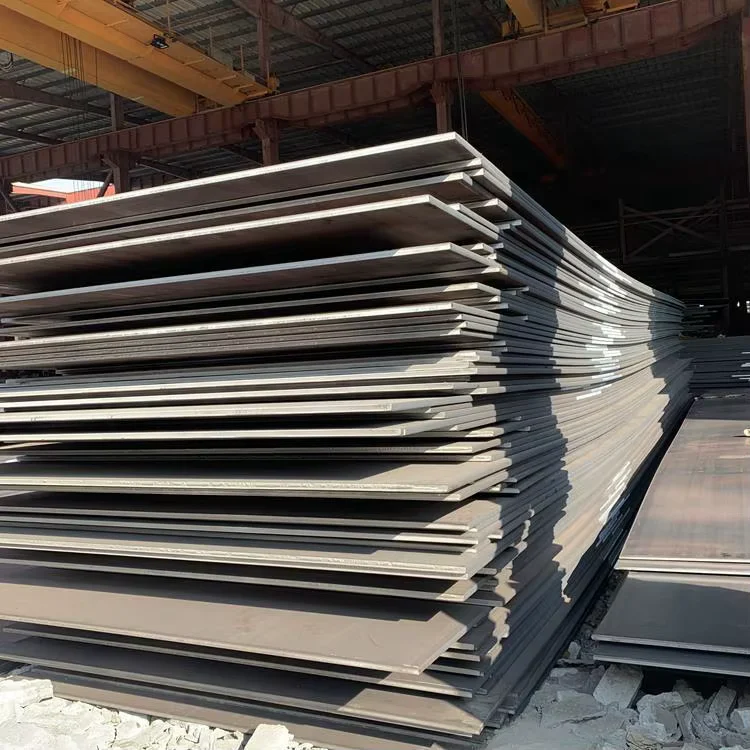
- Hot rolled Q690 and AR400 plates stacked in bundles secured with steel straps, with edge protectors to prevent coating damage and corner deformation during ocean transit
- Surface protected by anti-rust oil coating applied after final inspection, preserving the hot rolled finish against marine humidity throughout container shipping
- Container loading optimized by plate dimensions — standard lengths nested to maximize 20ft and 40ft open-top container payload, with overweight distribution documented for crane offloading
- Custom cutting to project-specified lengths available before shipment, reducing on-site waste and secondary cutting costs for construction and machinery applications
- Each plate marked with heat number, steel grade (Q690/AR400/Q235), and thickness using stenciled paint for on-site identification and traceability verification
- Shipping terms available as FOB, CIF, or DDP with full export documentation and container tracking through final site delivery
Start Your Q690 Plate Inquiry with Drawings and Specifications
Submit your project drawings in PDF or DWG format along with steel grade requirements, plate dimensions, quantities, and destination port. Our engineering team responds within 24 hours with a preliminary assessment covering material availability, fabrication scope, and certification requirements. For projects requiring AR400 hardness-class plates or mixed-grade orders, we consolidate sourcing and production under a single contract with unified quality documentation.
Request Your Q690 Wear Resistant Steel Plate Quote Today
Share your specifications, steel grades, and destination to receive a detailed quotation with mill test certificate preview and production timeline.
Shandong Xin Jiyuan Special Steel Tube Co., Ltd
Website: www.xjystructure.com
Tel: +86 531 8573 6315
Mobile/WhatsApp/WeChat: +86 188 5315 7756
Email: admin@xjystructure.com
Address: No.11889, Jingshi West Road, Lulian Group, Jinan City, Shandong Province, China
Frequently Asked Questions
Q: What is the difference between Q690 and AR400 wear resistant steel plate?
A: Q690 is classified by minimum yield strength under the Chinese GB/T 1591 standard and serves structural applications requiring high load-bearing capacity with moderate wear resistance. AR400 is classified by Brinell hardness and targets applications where surface abrasion resistance is the primary requirement, such as conveyor liners and crusher components. The two grades are not interchangeable without engineering review.
Q: Can you provide mill test certificates for Q690 wear resistant steel plate?
A: Yes. Every Q690 plate we supply carries a mill test certificate documenting chemical composition and mechanical properties per heat number. Since the plates originate from our own steel production facility, the certificate traces directly to our melting and rolling records with no third-party sourcing gap.
Q: What processing services are available for Q690 and AR400 plates?
A: Our fabrication workshop provides CNC plasma and flame cutting, drilling, bending, and certified welding (MIG/MAG/SAW) per approved welding procedure specifications. Shot blasting and painting are available as surface treatment options. All processing is performed under our integrated quality system with dimensional inspection reports included.
Q: Do your Q690 plates comply with international standards such as ASTM or EN?
A: Our Q690 plates are produced to GB/T 1591 and can be supplied with documented equivalence to ASTM and DIN grade requirements. For projects requiring EN 1090 or AISC compliance, we provide CE marking documentation and welding procedure qualification records. Third-party inspection by SGS or BV is available upon request.
Q: What is the minimum order quantity for Q690 wear resistant steel plate?
A: We accommodate both full-container and consolidated less-than-container orders. Our inventory of over 2,800 raw material specifications allows us to fulfill mixed-grade and multi-thickness orders in a single shipment. Contact us with your specific dimensions and quantities for a tailored quotation.