


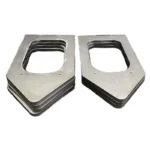
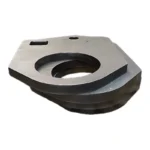
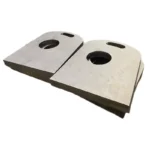
Description
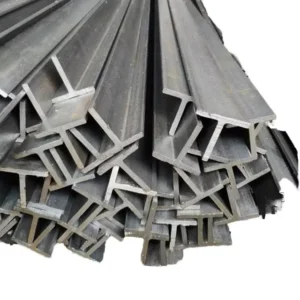
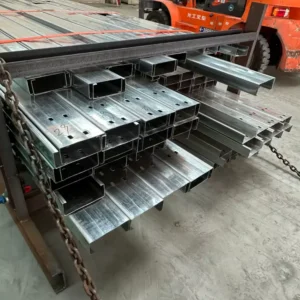
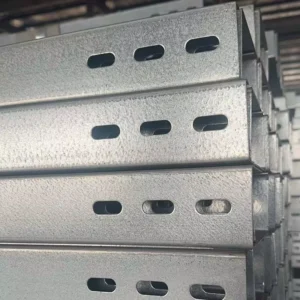
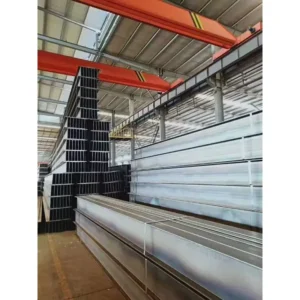
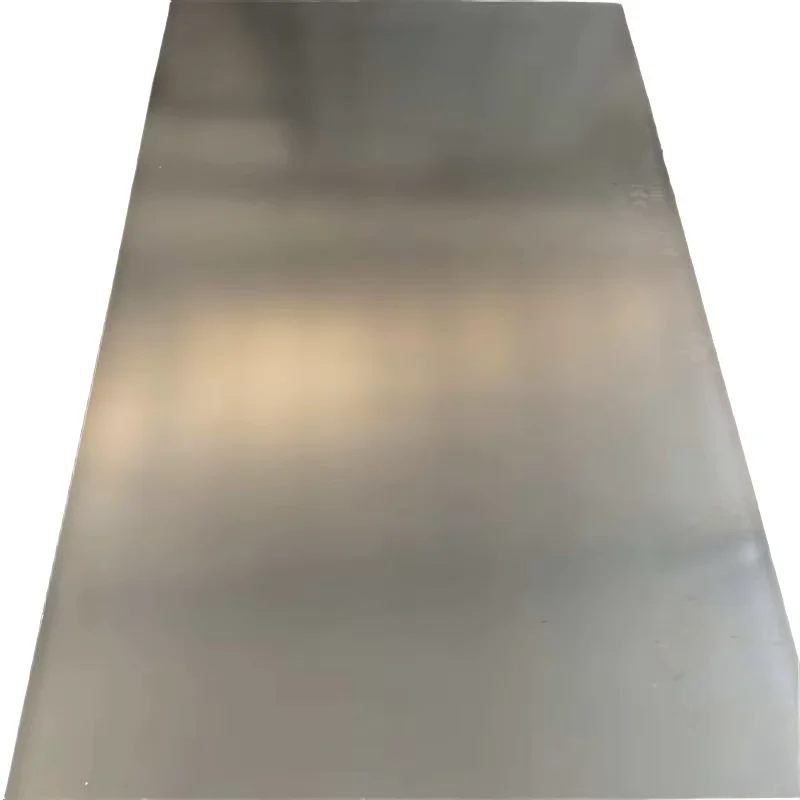
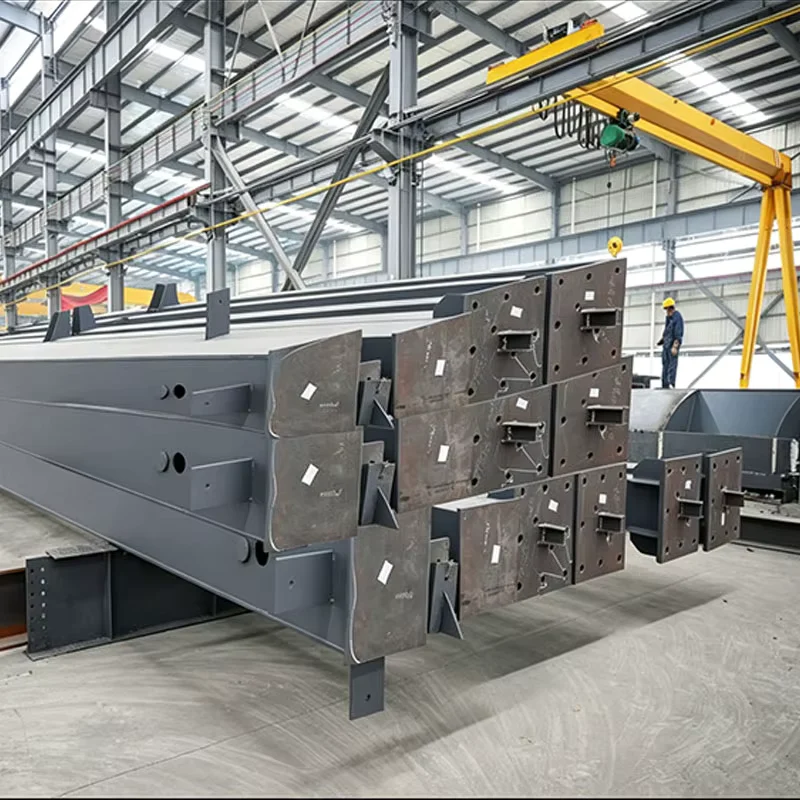
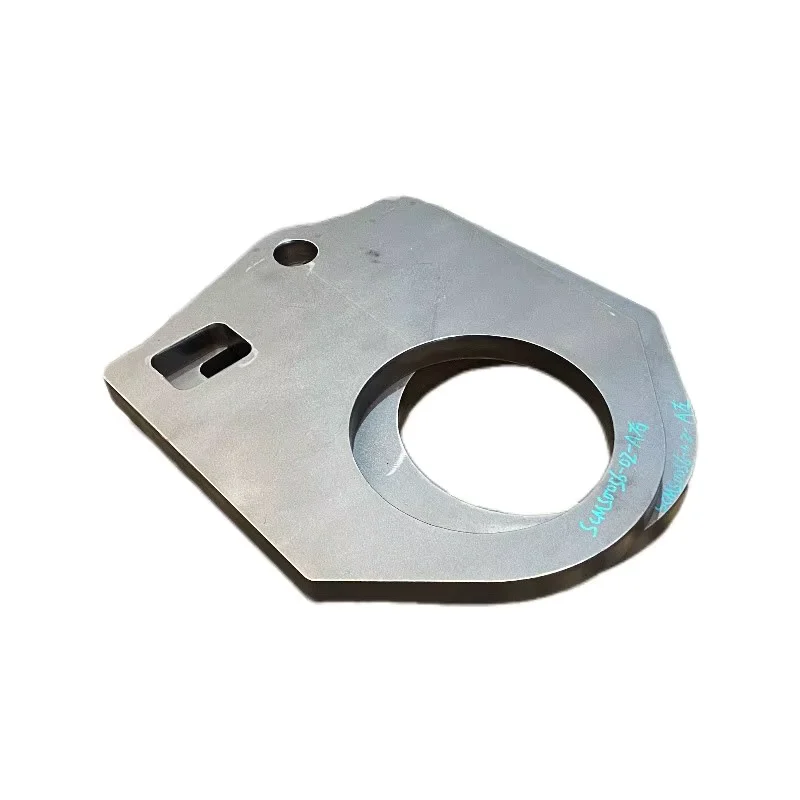
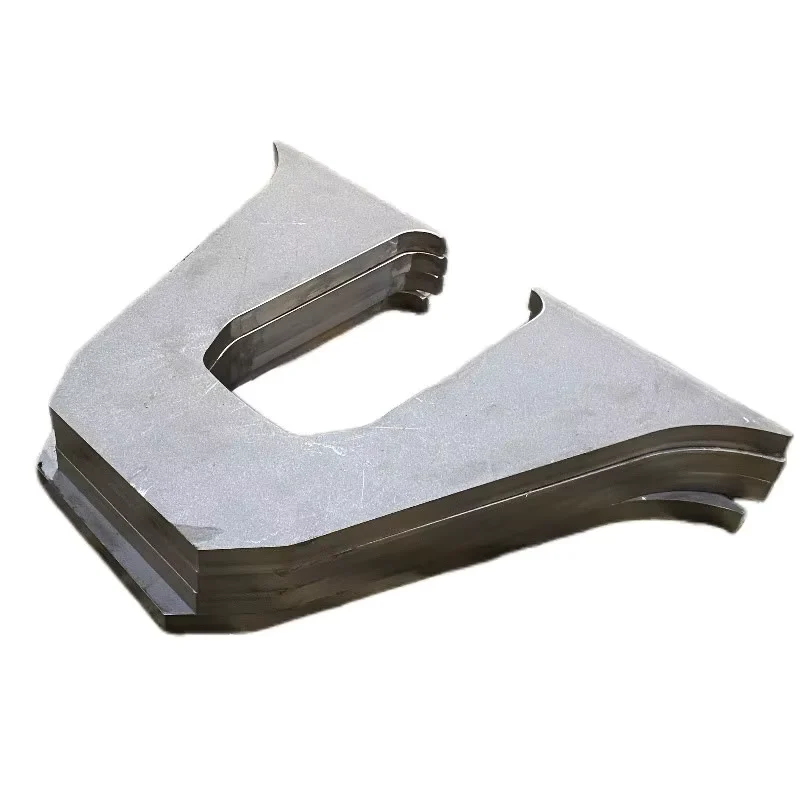
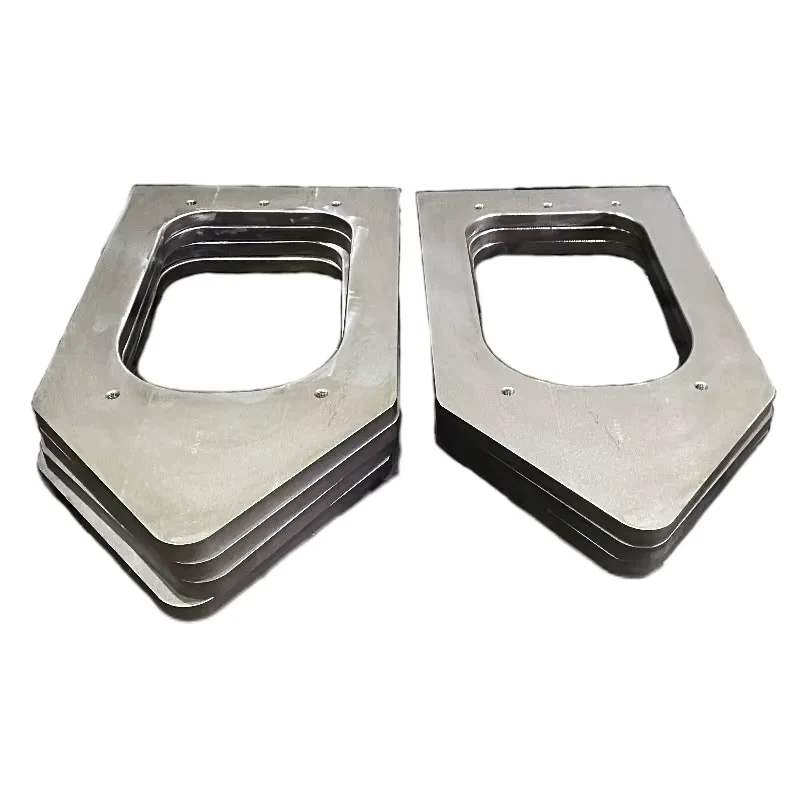
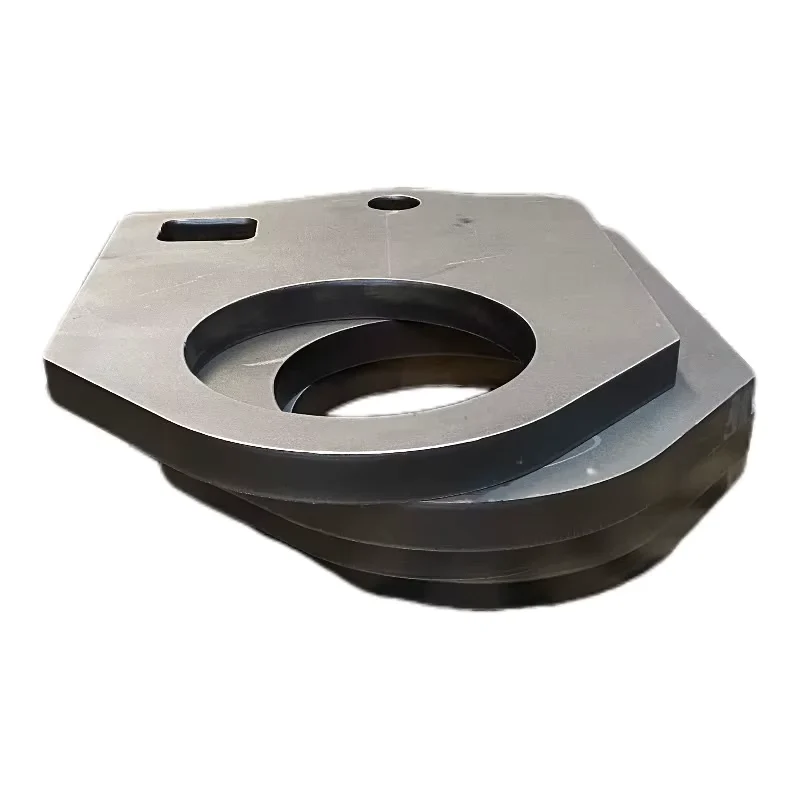
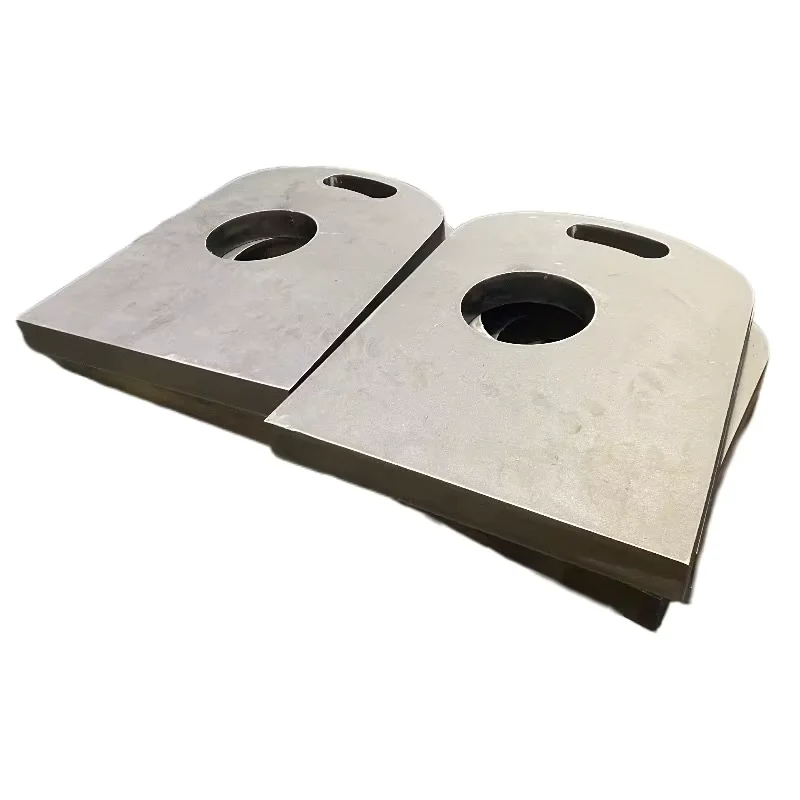
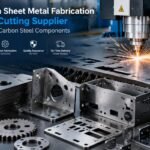
Direct Factory Supply for Laser-Cut Sheet Metal — Vertically integrated from raw steel production to finished fabricated components, eliminating the gap between material supplier and fabricator.
Technical Specifications
| Parameter | Value |
|---|---|
| Designation | Custom Sheet Metal Fabrication (Laser Cutting) |
| Product Type | Fabricated Steel Structure / Machined Steel Product |
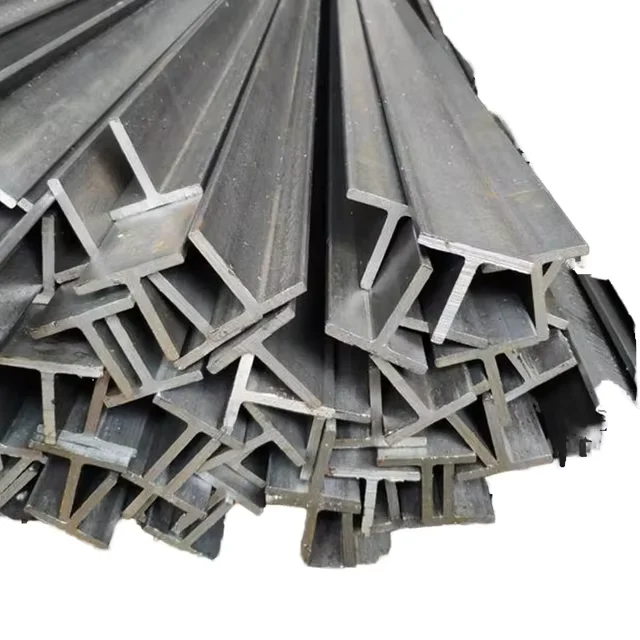
| Steel Grade | Carbon Steel, Stainless Steel, Sheet Metal |
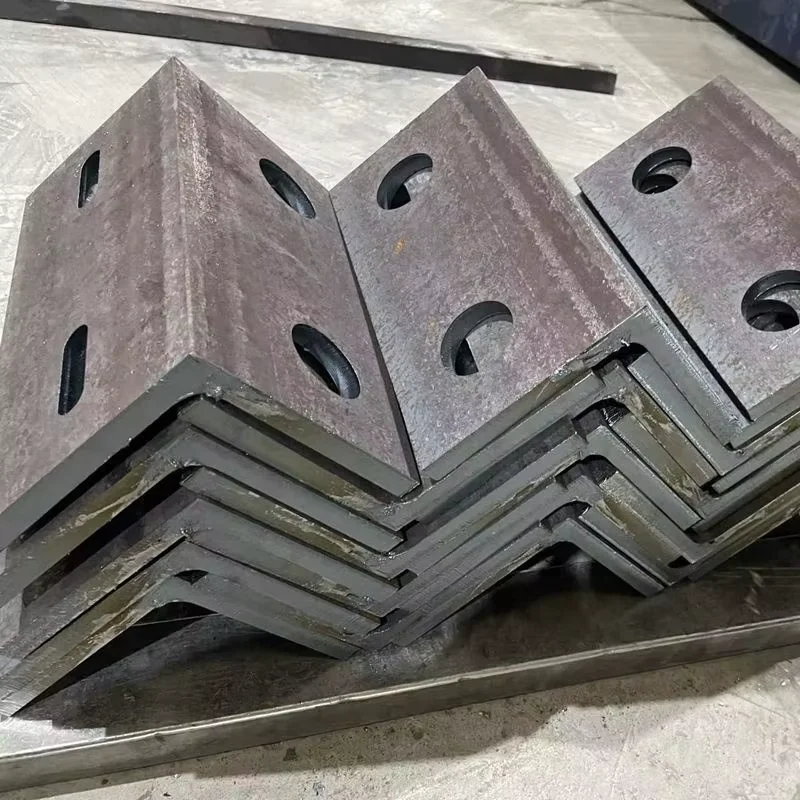
| Technique | Laser Cutting |
| Tolerance | +/- 0.01-0.1mm |
| Size Range | Customized Size |
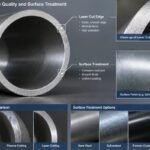
| Surface Treatment | Shot Blasting, Painting |
| Application | Mechanical Parts, Custom Structural Steel Processing, Sheet Metal Fabrication |
| MOQ | 50 pieces |
| Origin | Shandong, China |
Application Suitability
| Industry | Typical Applications |
|---|---|
| Industrial Machinery | Precision mechanical brackets, machine frames, conveyor components |
| Structural Steel | Connection plates, gussets, base plates for steel frame assemblies |
| EPC & Construction | Custom project-specific components fabricated to engineering drawings |
| Infrastructure | Platform grating supports, stairway stringers, embedded steel plates |
What Laser Cutting Tolerance Means for Mechanical Assembly Fit
A +/- 0.01mm deviation on a precision bracket determines whether parts align on the jig or become scrap.
I once ordered precision-bent structural brackets with tight angles and specific radii called out on the drawings. The fabricator swapped in standard dies without telling us. When the batch hit the assembly floor, nothing lined up. Two containers of scrap, weeks of schedule blown. That failure taught me where things break between the drawing and the finished part — and why tolerance control matters more than unit price. [NEED_CITE: laser cutting precision standards for structural steel fabrication]
Overseas buyers outsourcing custom sheet metal fabrication laser cutting supplier services face a recurring problem: the fabricator sources steel from third-party mills, creating gaps in material certification chains. When dimensional accuracy drifts beyond tolerance, rework costs multiply and project schedules collapse. The real risk is not the cutting itself — it is whether the fabricator controls the entire process from raw material to finished component.
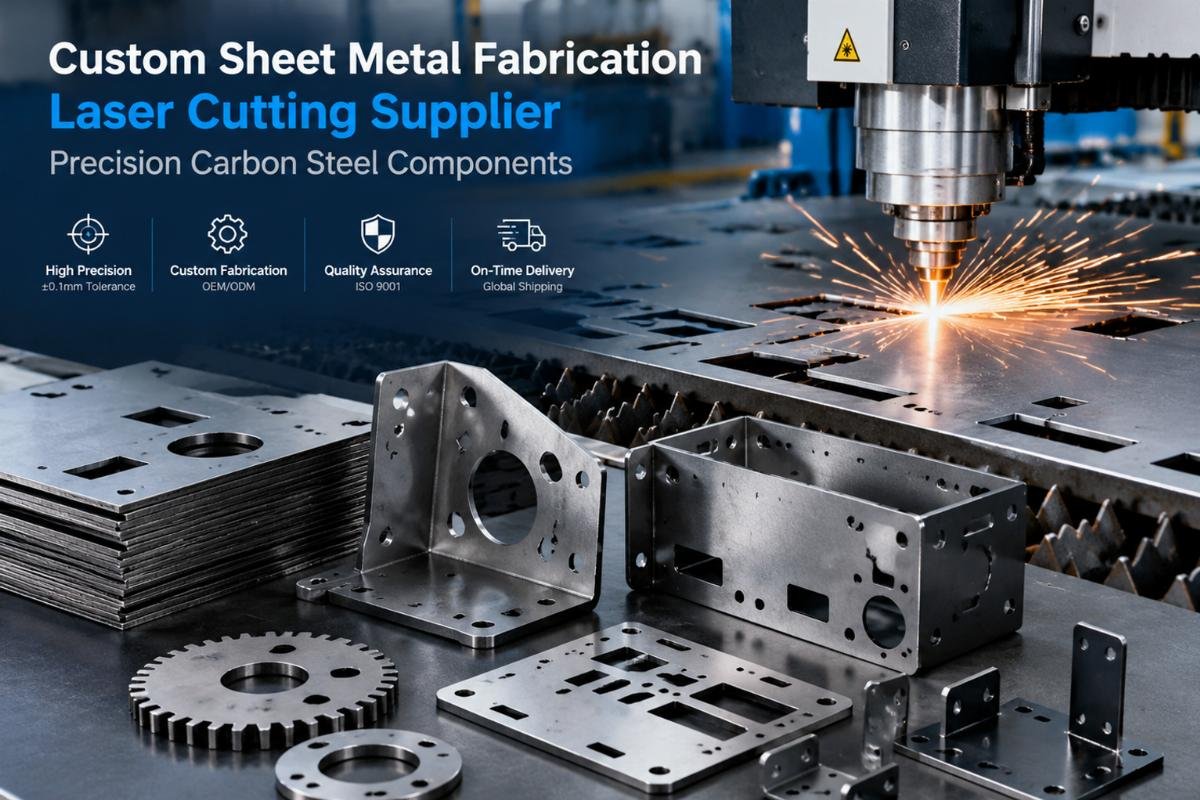
How Laser-Cut Components Match Structural and Mechanical Requirements
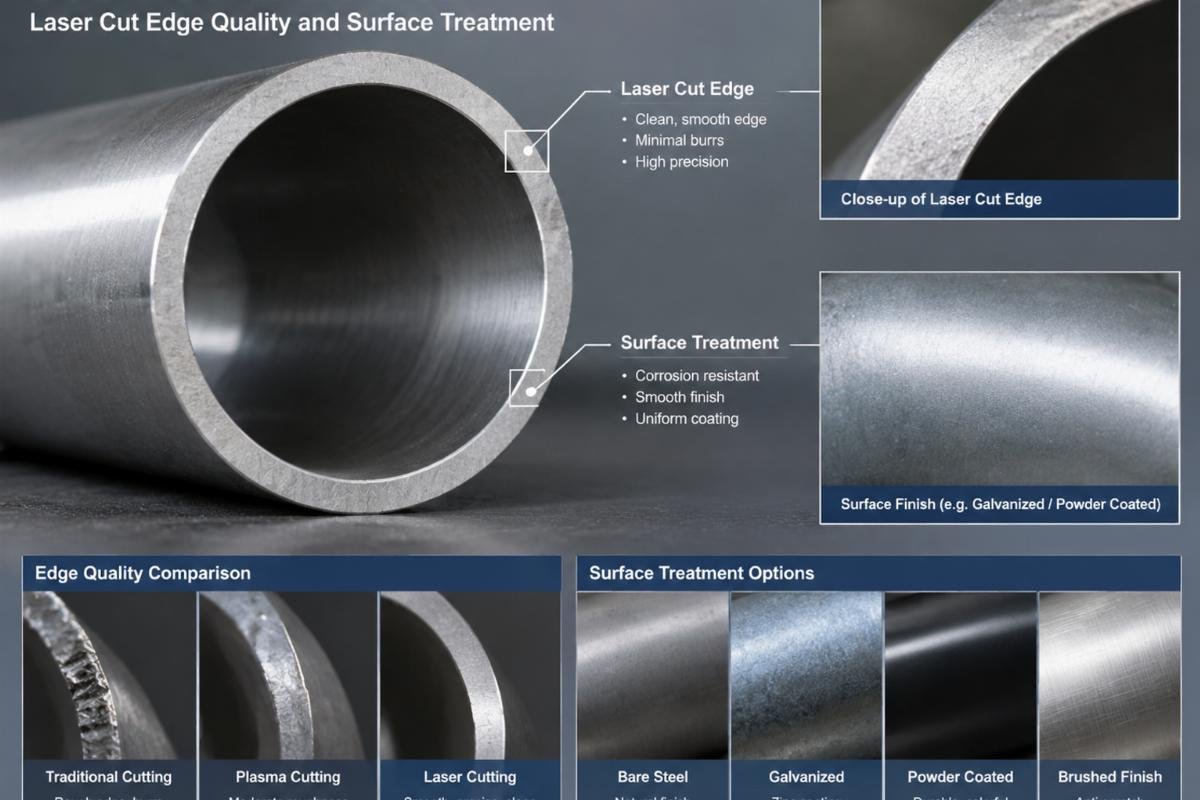
Precision laser cutting at +/- 0.01-0.1mm tolerance ensures that custom sheet metal fabrication laser cutting supplier components fit directly into mechanical assemblies and structural connections without secondary machining. Carbon steel plates cut for base plates and gussets maintain edge quality suitable for direct welding, while stainless steel sheets retain corrosion resistance through clean cut zones. The process handles complex geometries — irregular connection plates, curved brackets, multi-hole mounting panels — that conventional plasma cutting cannot achieve within acceptable tolerances.
Engineering Compliance and Certification for Fabricated Steel Components
Structural steel components fabricated from laser-cut sheets must comply with project-specific engineering standards. For European markets, EN 1090 execution class requirements govern fabrication quality, welding procedures, and dimensional verification. [NEED_CITE: EN 1090 structural steel fabrication compliance requirements] North American projects typically reference AISC 360 and AWS D1.1 for welding qualification. Surface treatment selection — shot blasting to Sa 2.5 followed by primer and topcoat — addresses corrosion protection for outdoor structural applications, while bare or oiled finishes suit indoor mechanical environments. Material traceability from the original steel mill through cutting, welding, and assembly ensures that every component can be verified against its heat number and mill test certificate.
Steel Grade Selection and Laser Cutting Process Fundamentals
Carbon steel grades such as S235, S275, and S355 offer increasing yield strength for structural load-bearing applications. Higher strength grades require more controlled cutting parameters to prevent edge hardening and micro-cracking. Stainless steel sheets, typically 304 or 316 grades, demand oxygen-free nitrogen-assisted laser cutting to preserve the passive oxide layer and maintain corrosion resistance at cut edges. [NEED_CITE: laser cutting parameters for different steel grades] Sheet metal thickness directly influences laser power requirements and cutting speed — thinner gauges achieve tighter tolerances at higher speeds, while thicker plates require multi-pass strategies that affect edge squareness. The integration of CNC laser cutting with downstream processes — drilling, bending, welding (MIG/MAG/SAW), shot blasting, and painting — within a single facility eliminates handling damage and scheduling delays between subcontractors.
Hidden Costs of Sourcing from Disconnected Supply Chains
When fabricators purchase steel from third-party suppliers, material traceability breaks at the point of delivery. Mill test certificates may not match the actual heat numbers on delivered plates. [NEED_CITE: material traceability requirements in structural steel fabrication] Certification gaps surface during customs clearance or third-party inspection, causing shipment holds and project delays. Dimensional non-conformance discovered at the assembly site triggers返工 that no amount of price discount can offset. The true cost of cheap fabrication is not the invoice — it is the schedule delay, the re-engineering, and the failed inspection that follows.
Why Sourcing from an Integrated Manufacturer Matters
Our own steel production facility operates three production lines with over 2,800 raw material specifications in stock, meaning every sheet metal component begins with verified material chemistry and mechanical properties. There is no gap between material supplier and fabricator — one source, one quality system, one point of accountability. Certified welding procedures (WPS/PQR) and AWS/EN-qualified welders ensure that every welded assembly meets international standards. Complete quality documentation packages — including weld maps, dimensional inspection reports, and coating thickness measurements — ship with every order. Engineering support covers shop drawing review, material optimization, and fabrication sequencing before production begins, reducing RFI cycles and preventing costly rework.
Documentation & Compliance
- Mill test certificate documenting carbon steel and stainless steel chemical composition and mechanical properties per applicable standards
- CE certificate for EN 1090 execution class compliance on structural steel components exported to European markets
- ISO 9001 quality management system certificate covering the full fabrication process from material receipt to final inspection
- SGS or BV third-party inspection reports available for pre-shipment verification of dimensions, welding quality, and coating thickness
- Material traceability by heat number linking every cut component back to the original steel production batch
- Complete customs documentation including packing list, bill of lading, and certificate of origin for smooth port clearance
Packaging, Loading & Delivery
- Laser-cut carbon steel plates bundled with steel strips and edge protectors to prevent surface scratching during transit
- Stainless steel components wrapped in moisture-proof paper and plastic film to preserve surface finish and corrosion resistance
- Custom-sized fabricated components loaded with specialized dunnage and lashing to prevent shifting of oversized or irregular shapes inside containers
- Shot-blasted and painted assemblies separated by protective interleaving to prevent coating damage during ocean freight
- Heat number and steel grade markings stenciled on each bundle for on-site identification and traceability verification
- FOB, CIF, and DDP shipping terms available with professional export packing and complete tracking until site delivery
Start Your Fabrication Inquiry with Drawings and Specifications
Share your project drawings in PDF or DWG format along with material specifications, steel grades, required standards, and target quantity. Our engineering team responds within 24 hours with a preliminary assessment, detailed quotation covering material, fabrication, coating, and logistics, plus a shop drawing timeline and production schedule. Confirm certification requirements and destination port to ensure complete documentation for customs clearance.
Request a Quote for Custom Sheet Metal Fabrication
Submit your drawings and specifications to receive a detailed quotation with mill test certificates and production timeline.
Shandong Xin Jiyuan Special Steel Tube Co., Ltd
Website: www.xjystructure.com
Tel: +86 531 8573 6315
Mobile/WhatsApp/WeChat: +86 188 5315 7756
Email: admin@xjystructure.com
Address: No.11889, Jingshi West Road, Lulian Group, Jinan City, Shandong Province, China