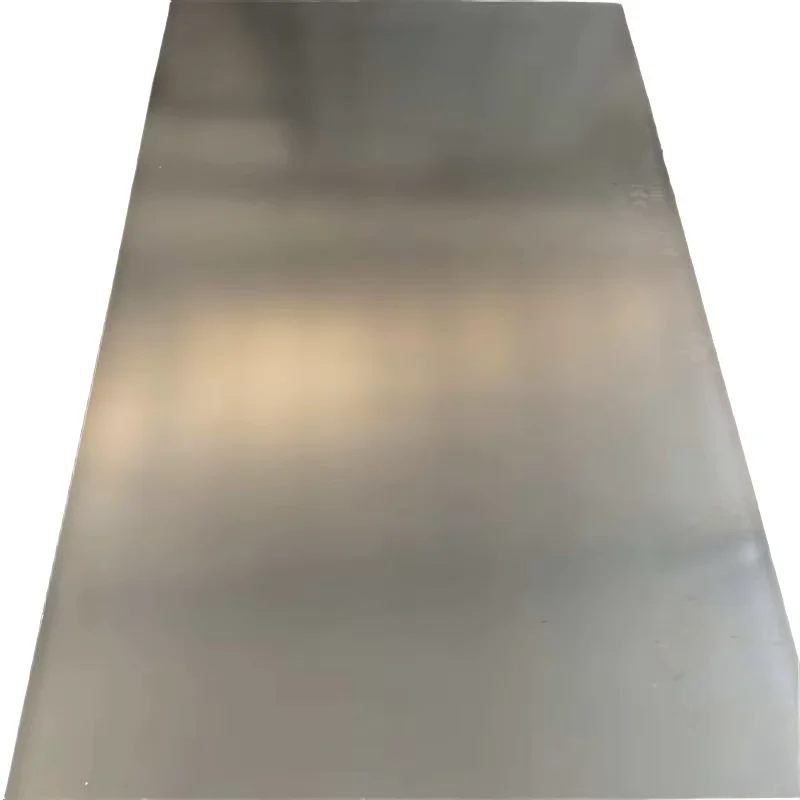
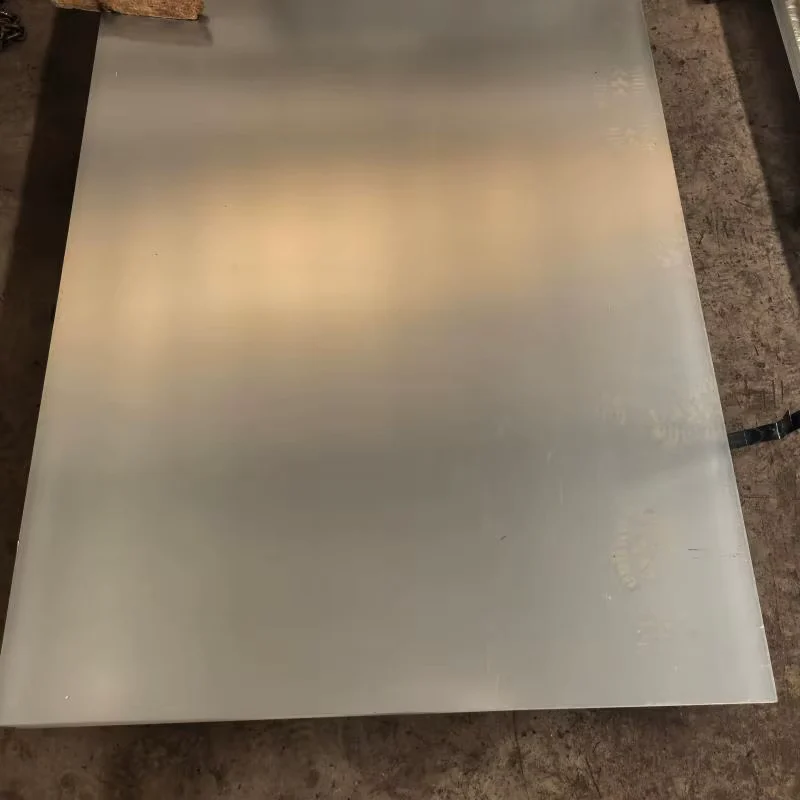
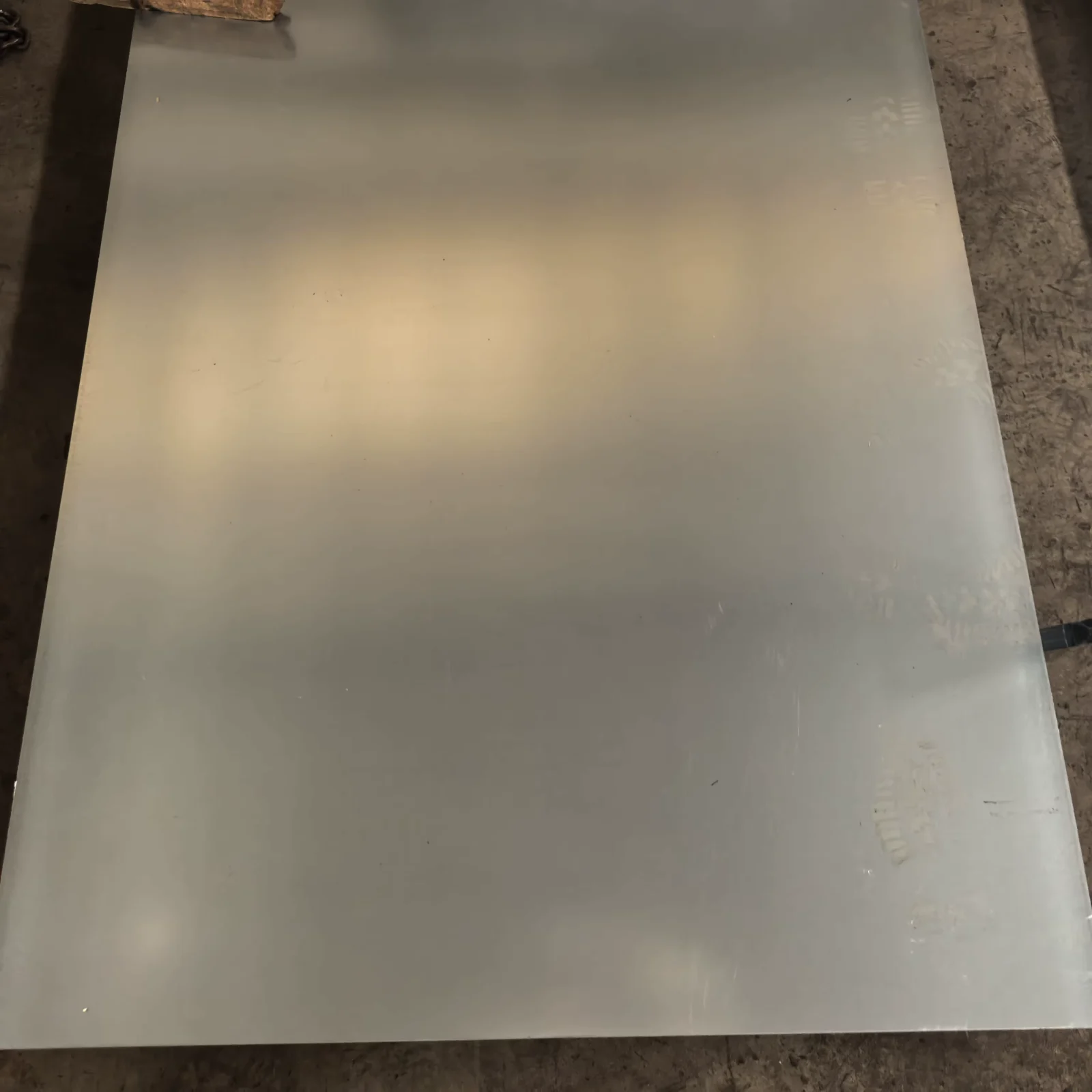
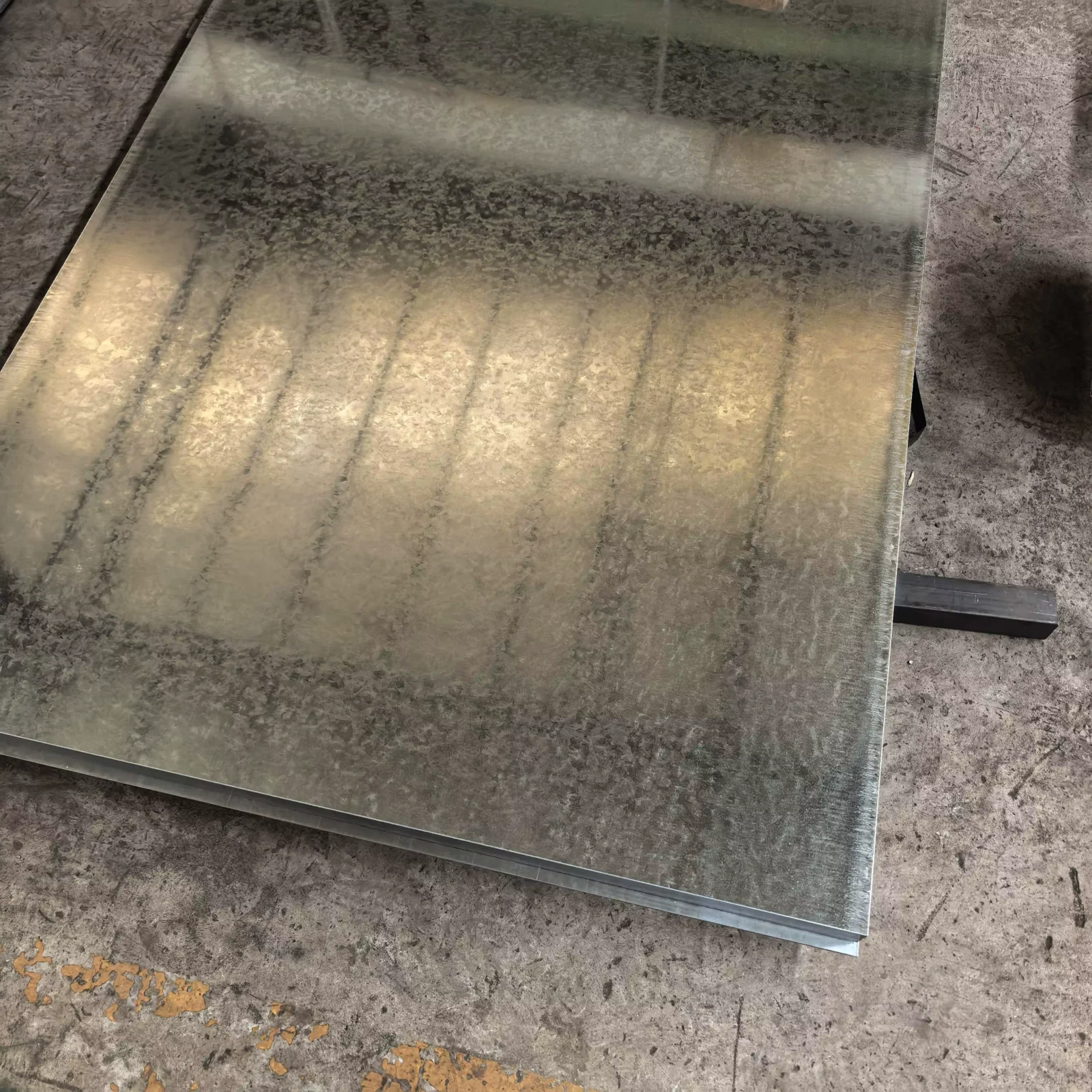

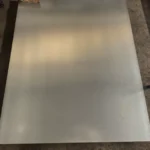
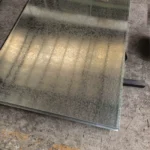
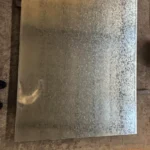
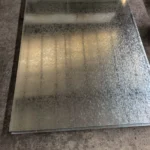
Description
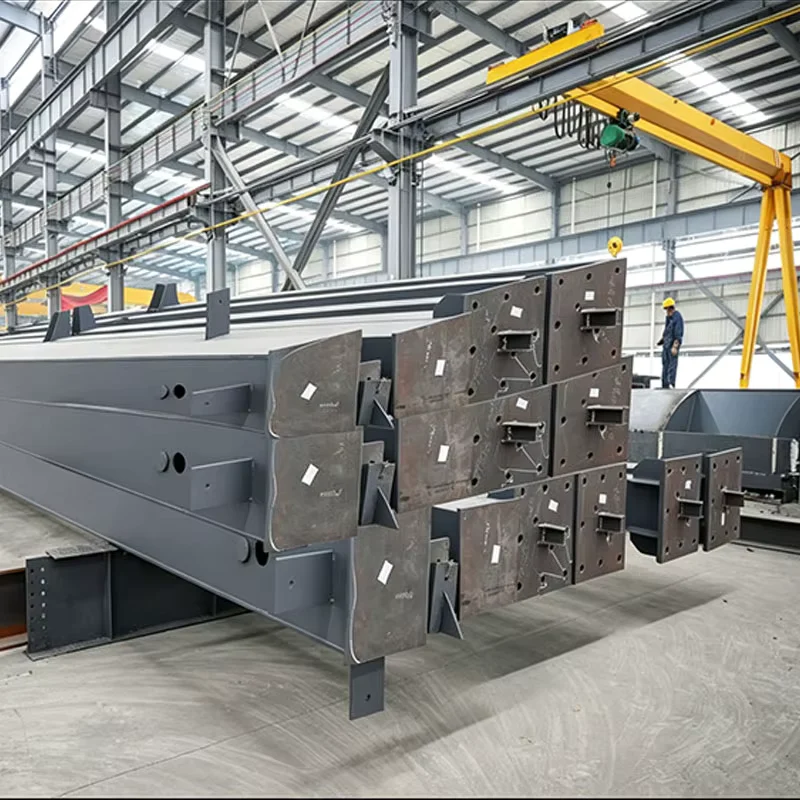
Factory Direct Pricing — Vertically integrated steel mill and fabrication workshop eliminate middlemen, delivering custom structural steel fabrication supplier services with full material traceability from raw plate to finished component.
Technical Specifications
| Parameter | Value |
|---|---|
| Designation | Custom Fabricated Structural Steel Parts |
| Product Type | Fabricated Steel Structure |
| Steel Grade | Stainless Steel, Carbon Steel, Aluminum, Copper, Alloy Steel |
| Thickness | 3 mm–10 mm / customized |
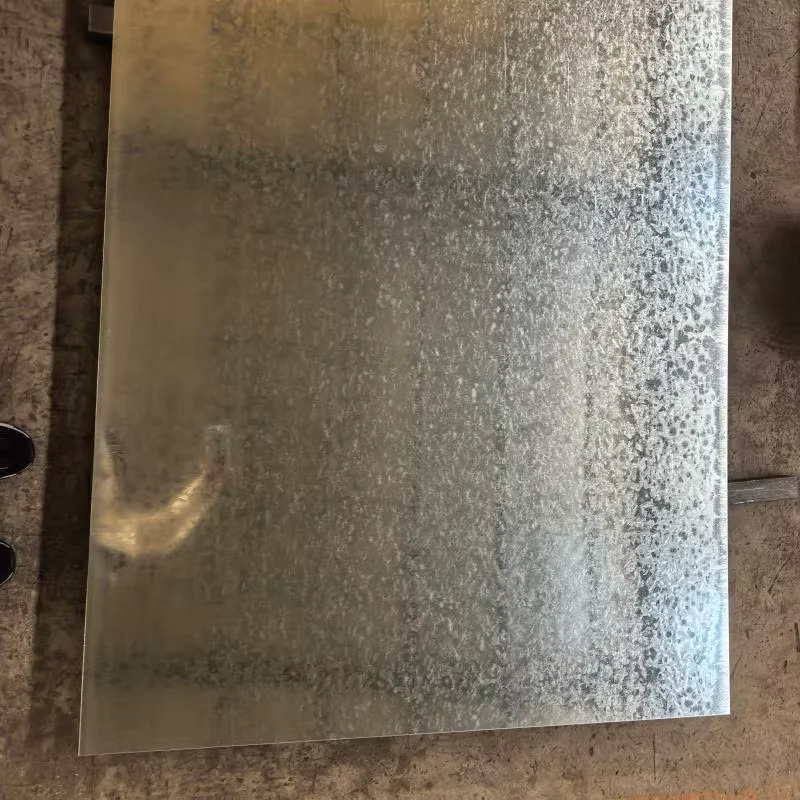
| Surface Treatment | Powder coating, Oxidization, Electrophoresis, Galvanization |
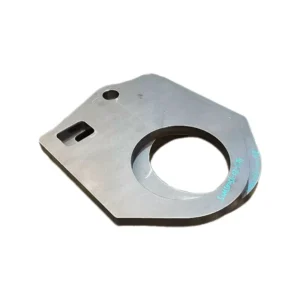
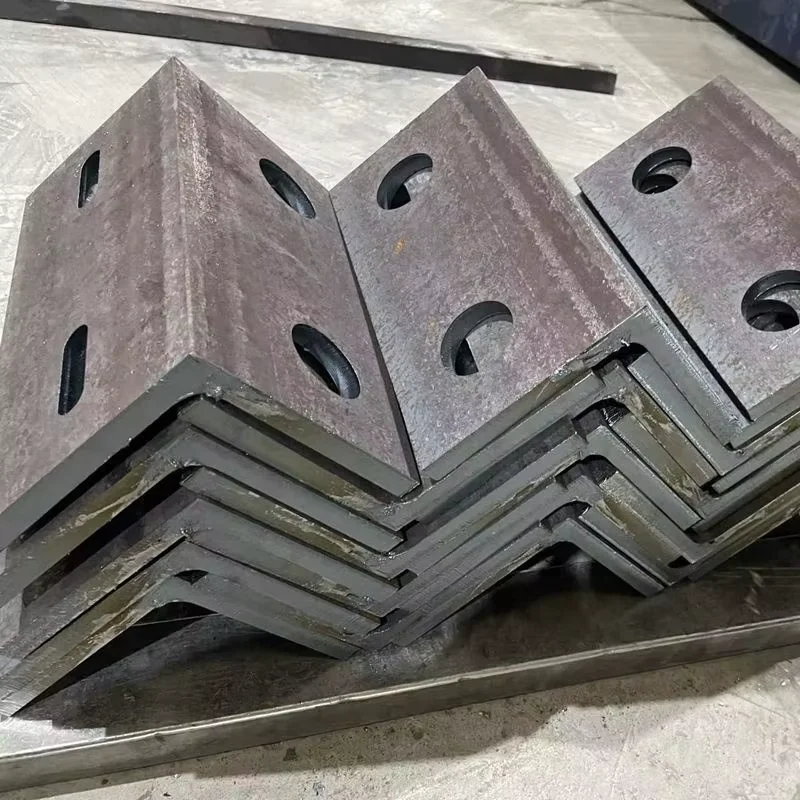
| Process | Laser cutting, CNC punching & bending, Stamping, Welding |
| Tolerance | ±0.2 mm |
| Size | Customized |
| Application | ATM machine, Mail box, Metal accessories, Custom structural parts |
Application Suitability
| Industry | Typical Applications |
|---|---|
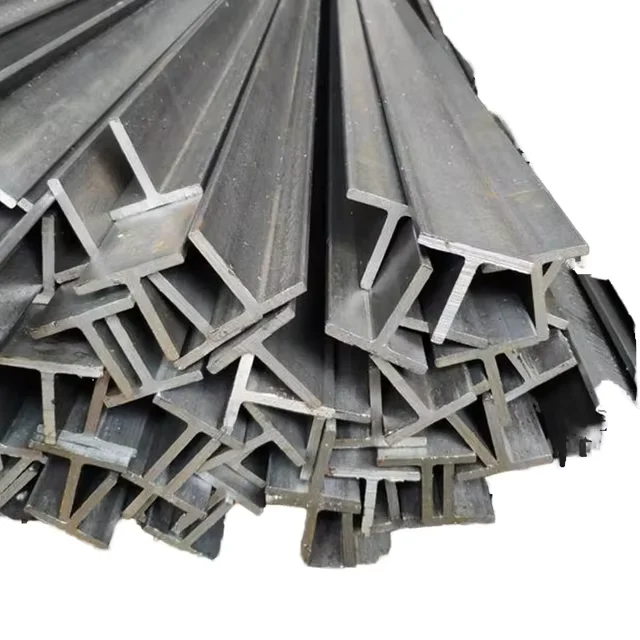
| Industrial Construction | Factory frames, warehouse portal structures, equipment support platforms |
| EPC Projects | Pipe rack structures, conveyor support frames, modular plant assemblies |
| General Contracting | Building column-beam assemblies, stairway stringers, mezzanine platforms |
| Infrastructure | Bridge accessory brackets, signage gantries, utility enclosures |
Where Material Traceability Breaks Down on Overseas Fabrication Orders
Single-source accountability from raw steel to finished part eliminates certification gaps that trigger customs holds and site rejections.
When buyers outsource structural steel fabrication to China, fragmented procurement creates blind spots. The fabricator sources plate from one mill, subcontractors handle cutting and welding elsewhere, and coating gets farmed out to a third party. By the time components arrive on site, heat numbers don’t match mill test certificates, zinc coating thickness falls short of specification, and weld procedures lack proper qualification documentation. I’ve seen entire shipments rejected at Middle Eastern ports because the fabricator couldn’t produce traceable WPS records for critical connections. [NEED_CITE: EN 1090 execution class requirements for structural steel components]
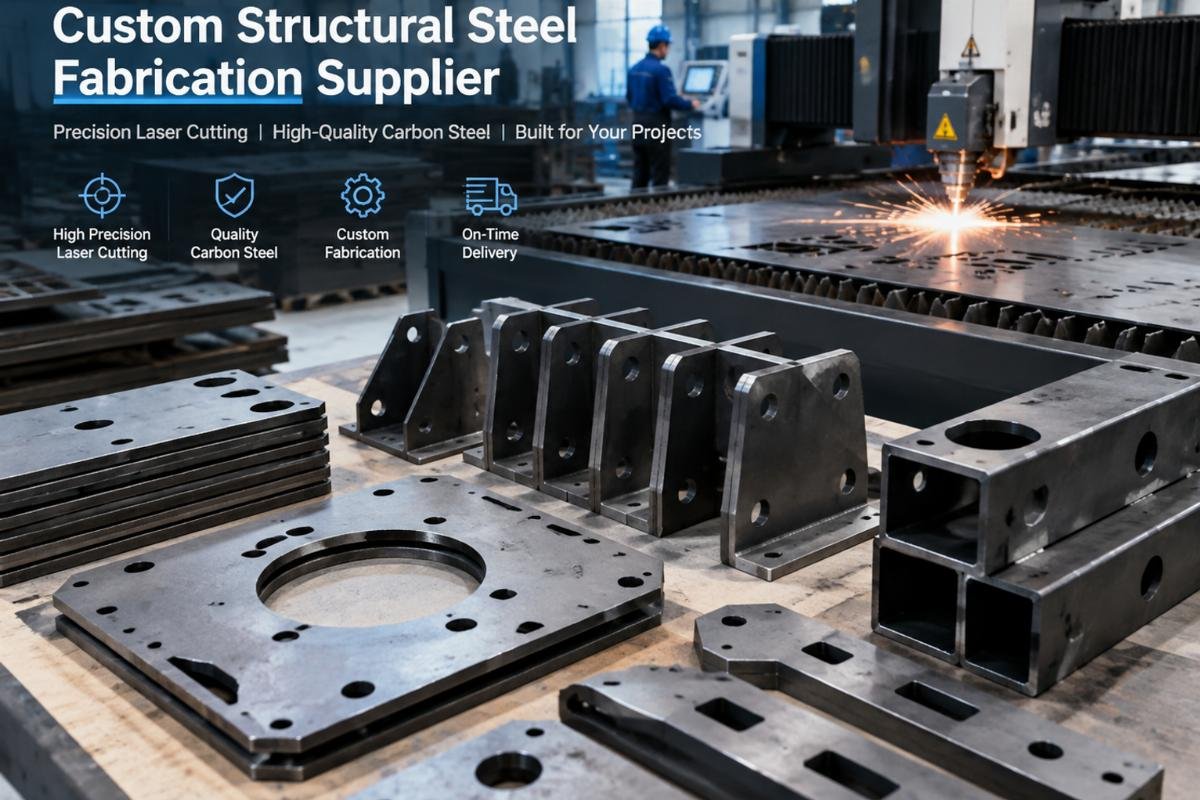
Precision Multi-Material Processing for Complex Structural Assemblies
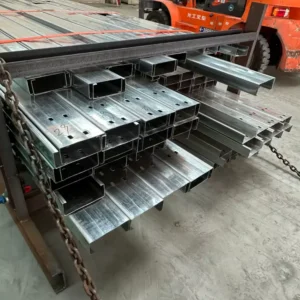
This custom structural steel fabrication supplier handles carbon steel, stainless steel, aluminum, copper, and alloy steel within a single production facility, maintaining ±0.2 mm tolerance across laser cutting and CNC punching operations. Whether fabricating ATM machine housings requiring tight dimensional accuracy or structural brackets needing corrosion-resistant stainless finishes, the vertically integrated workflow ensures material certificates follow each component from stock to shipment.
Engineering Compliance Across International Standards
Structural fabrication for global projects demands adherence to multiple certification frameworks. EN 1090 compliance governs European construction projects, requiring factory production control documentation and welder qualification records. AWS D1.1 standards apply to North American structural work, mandating specific joint preparations and inspection protocols. The fabrication process includes shot blasting to Sa 2.5 before coating application, with galvanization or powder coating selected based on service environment—hot-dip galvanizing for coastal infrastructure, powder coating for architectural applications requiring color consistency. [NEED_CITE: AWS D1.1 structural welding code requirements]
Understanding Steel Grade Selection and Surface Treatment Trade-offs
Carbon steel grades like S235, S275, and S355 offer increasing yield strength for load-bearing applications, with S355 preferred for heavy structural frames where weight optimization matters. Stainless steel variants provide corrosion resistance without coating, though at higher material cost. Aluminum alloys serve applications requiring weight reduction or non-magnetic properties. Surface treatment selection depends on environment: electrophoretic coating delivers uniform coverage in complex geometries, oxidization creates durable protective layers for aluminum components, while hot-dip galvanization provides sacrificial zinc protection extending service life in aggressive atmospheres. [NEED_CITE: corrosion protection methods for structural steel]
The Hidden Costs of Unverified Fabrication Sources
Material substitution without documentation creates liability exposure when structural components fail inspection. Undersized zinc coatings accelerate corrosion in coastal environments, leading to premature maintenance costs. Welding performed without qualified procedures risks brittle fracture in cold climates or fatigue failure under dynamic loads. Missing dimensional accuracy forces field modifications, delaying project schedules and generating rework costs that exceed initial fabrication savings. [NEED_CITE: consequences of non-compliant structural steel fabrication]
Integrated Production Capability and Quality Assurance
Our fabrication operation combines raw steel production with component manufacturing under one roof, maintaining 2,800+ material specifications in inventory. This vertical integration eliminates supply chain gaps—every heat number traces back to our mill test records, every weld procedure qualifies under AWS and EN standards, every coating thickness gets documented before shipment. The facility serves general contractors, steel structure companies, and EPC firms across the EU, Middle East, Southeast Asia, and Africa, delivering complete quality documentation packages including WPS, PQR, weld maps, dimensional inspection reports, and coating certificates.
Documentation & Compliance
- Mill test certificates documenting carbon steel chemical composition and mechanical properties per EN 10219 or ASTM A500 standards
- CE certification for EN 1090 structural component compliance with factory production control records
- ISO 9001 quality management system certificate covering fabrication processes and inspection protocols
- Third-party inspection reports from SGS or BV verifying dimensional accuracy and coating thickness
- Material traceability documentation linking each component to specific heat numbers and mill test certificates
- Complete customs documentation including packing lists, bills of lading, and certificates of origin
Packaging, Loading & Delivery
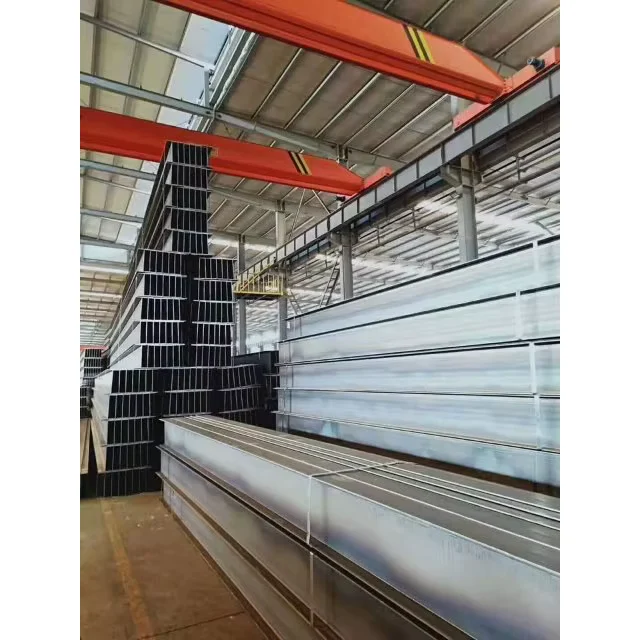
- Custom structural steel components bundled with steel straps and edge protectors to prevent coating damage during ocean transit
- Galvanized parts wrapped in waterproof paper with desiccant packets to prevent white rust formation during storage and shipping
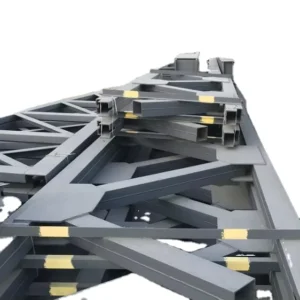
- Oversized fabricated assemblies loaded using specialized rigging equipment with weight distribution calculations for container optimization
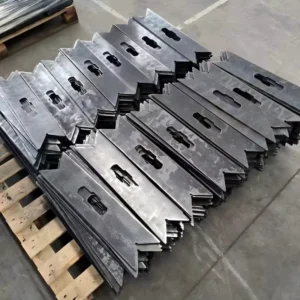
- Precision-cut components nested and separated with protective interleaving to maintain ±0.2 mm tolerance during transport
- Heat number identification marks stenciled on each piece for site verification and traceability
- FOB, CIF, or DDP shipping arrangements with professional export packing suitable for multi-modal transport
Initiating Your Fabrication Inquiry
Submit project drawings in PDF or DWG format along with material specifications, steel grade requirements, surface treatment preferences, and applicable standards. The engineering team responds within 24 hours with preliminary assessment, detailed quotation covering material, fabrication, coating, packing, and logistics costs, plus shop drawing timeline and production schedule.
Frequently Asked Questions
Q: What quality documentation accompanies fabricated steel components?
A: Each shipment includes mill test certificates, weld procedure specifications, welder qualification records, dimensional inspection reports, coating thickness measurements, and material traceability documentation linking components to specific heat numbers.
Q: How does vertical integration benefit material traceability?
A: Owning both steel production and fabrication facilities eliminates third-party sourcing gaps. Every component traces directly to our mill test records, ensuring chemical composition and mechanical properties match certification documents throughout the supply chain.
Q: What international standards compliance is available?
A: Fabrication follows EN 1090 for European projects, AWS D1.1 for North American structural work, and AISC standards for heavy industrial applications, with certified welding procedures and qualified welders for each framework.
Q: What is the typical fabrication lead time?
A: Production schedules depend on component complexity, material availability, and surface treatment requirements. Shop drawing approval initiates material procurement, with typical lead times communicated during quotation phase.
Q: How are oversized components packed for international shipping?
A: Professional packing includes steel strap bundling, edge protection for coated surfaces, waterproof wrapping for corrosion prevention, and specialized loading plans for heavy or irregularly shaped assemblies.
Request Detailed Fabrication Quotation
Share your project specifications, steel grades, and quantity requirements to receive comprehensive pricing with material certifications and production timelines.
Shandong Xin Jiyuan Special Steel Tube Co., Ltd
Website: www.xjystructure.com
Tel: +86 531 8573 6315
Mobile/WhatsApp/WeChat: +86 188 5315 7756
Email: admin@xjystructure.com
Address: No.11889, Jingshi West Road, Lulian Group, Jinan City, Shandong Province, China