

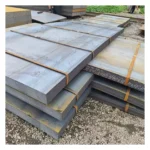
Description
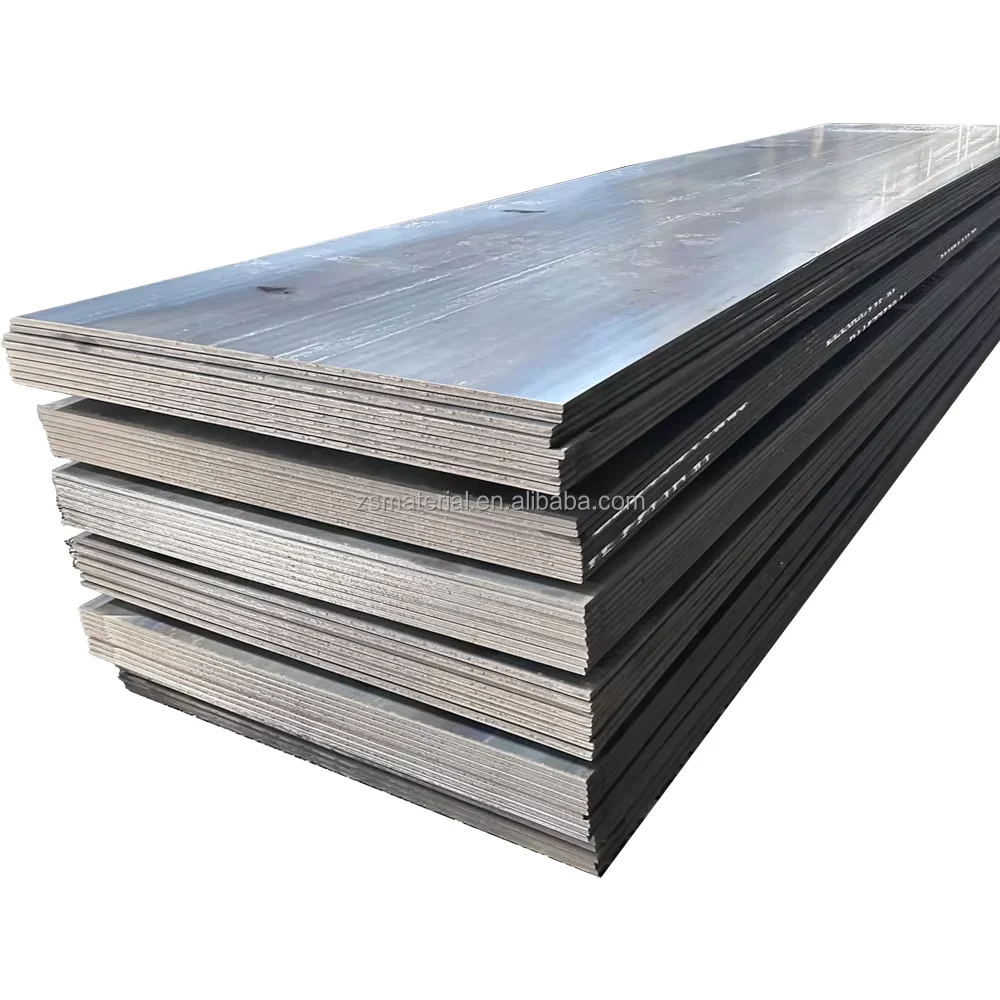
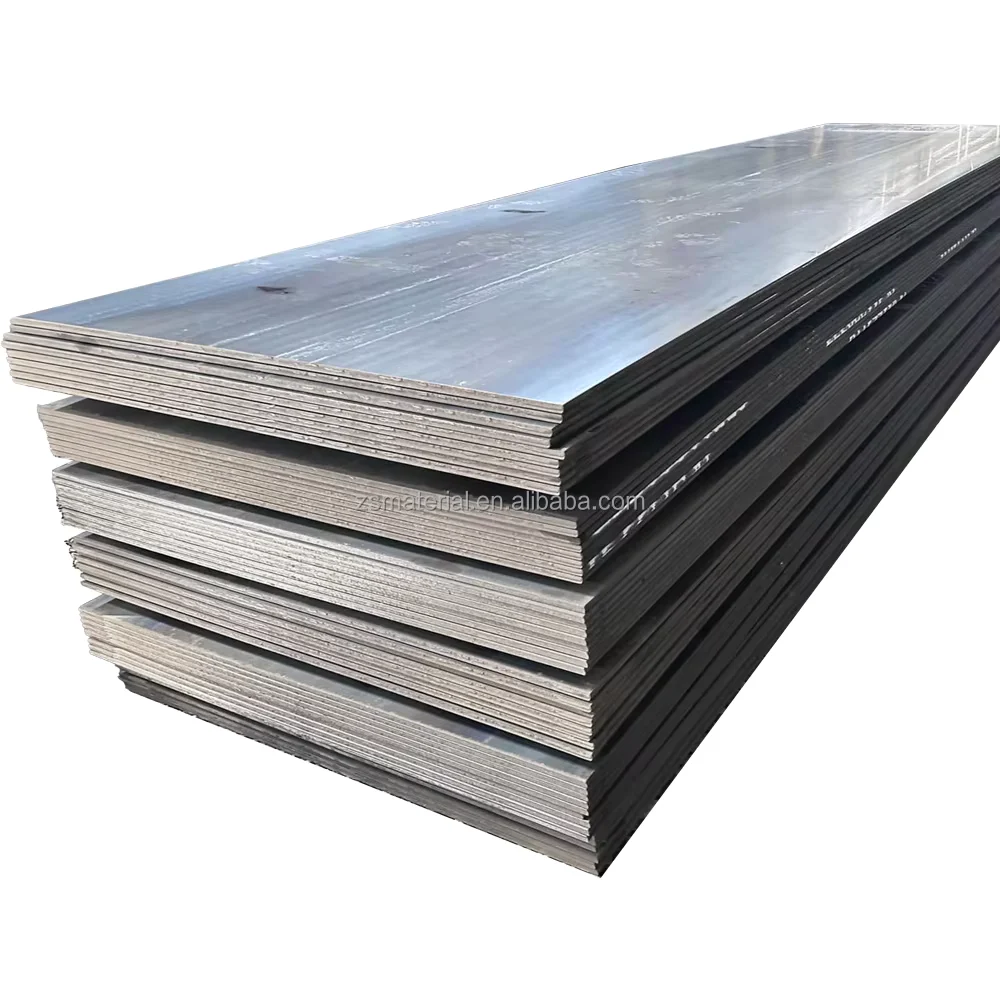
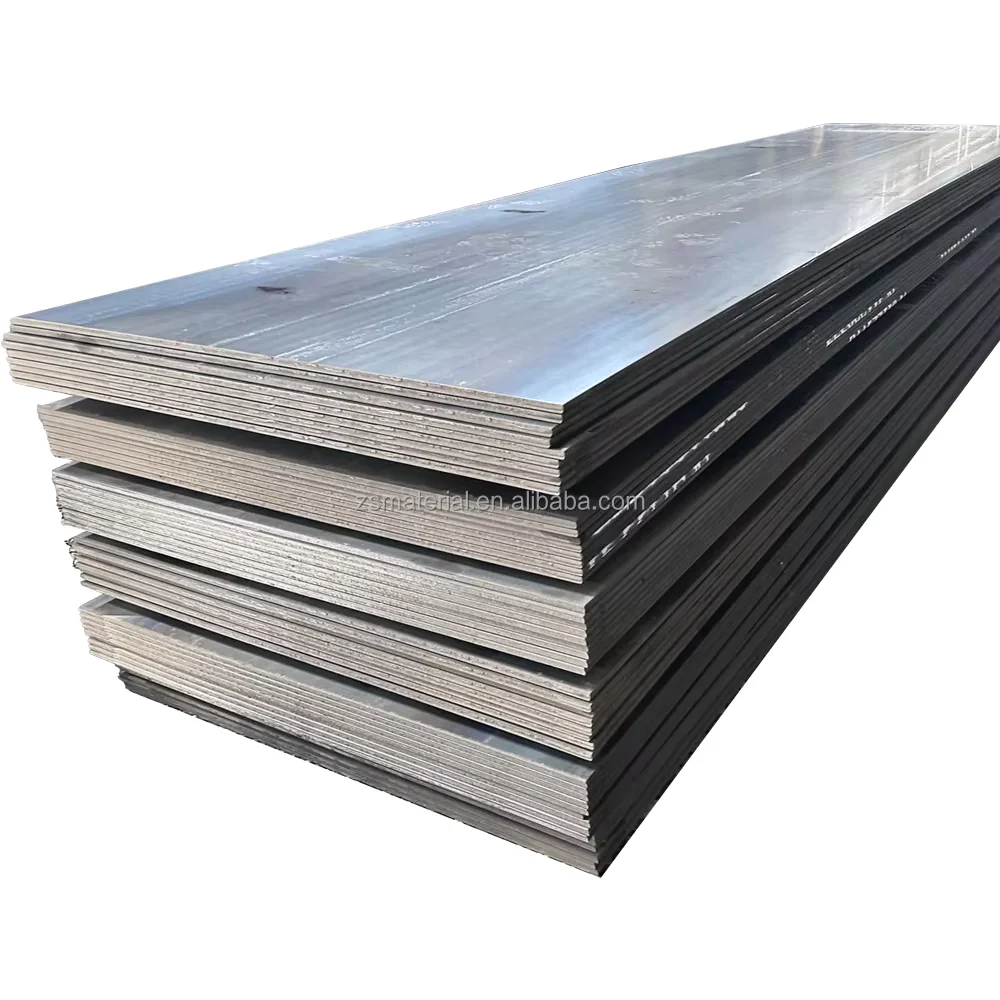
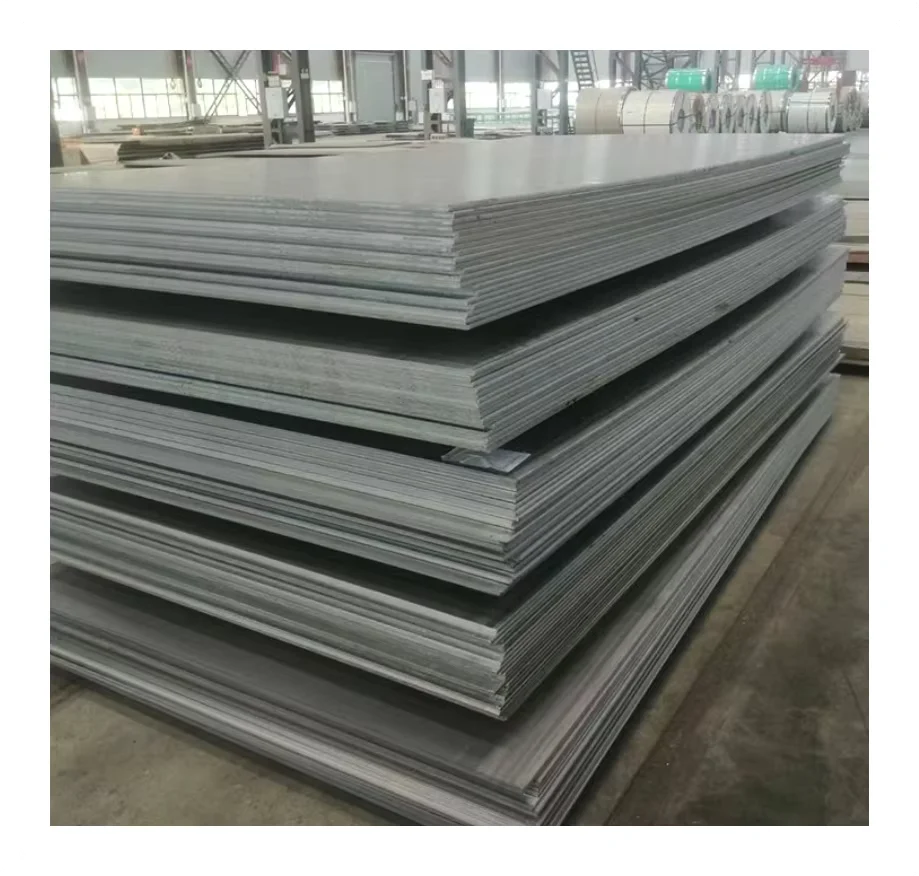
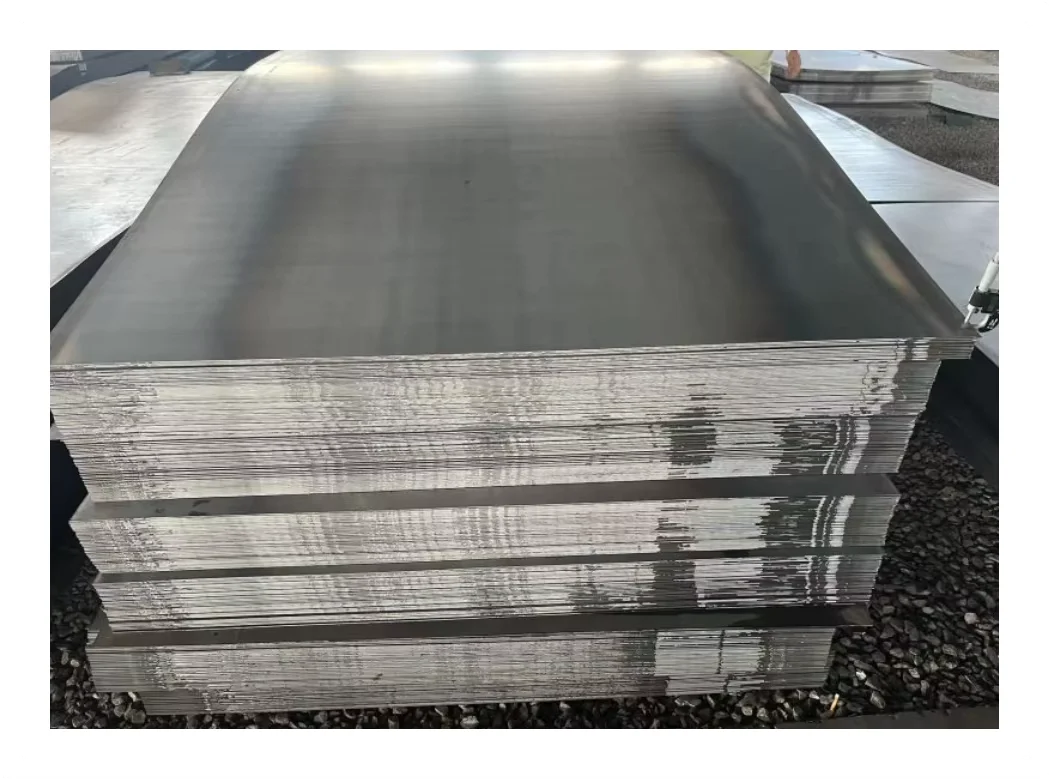
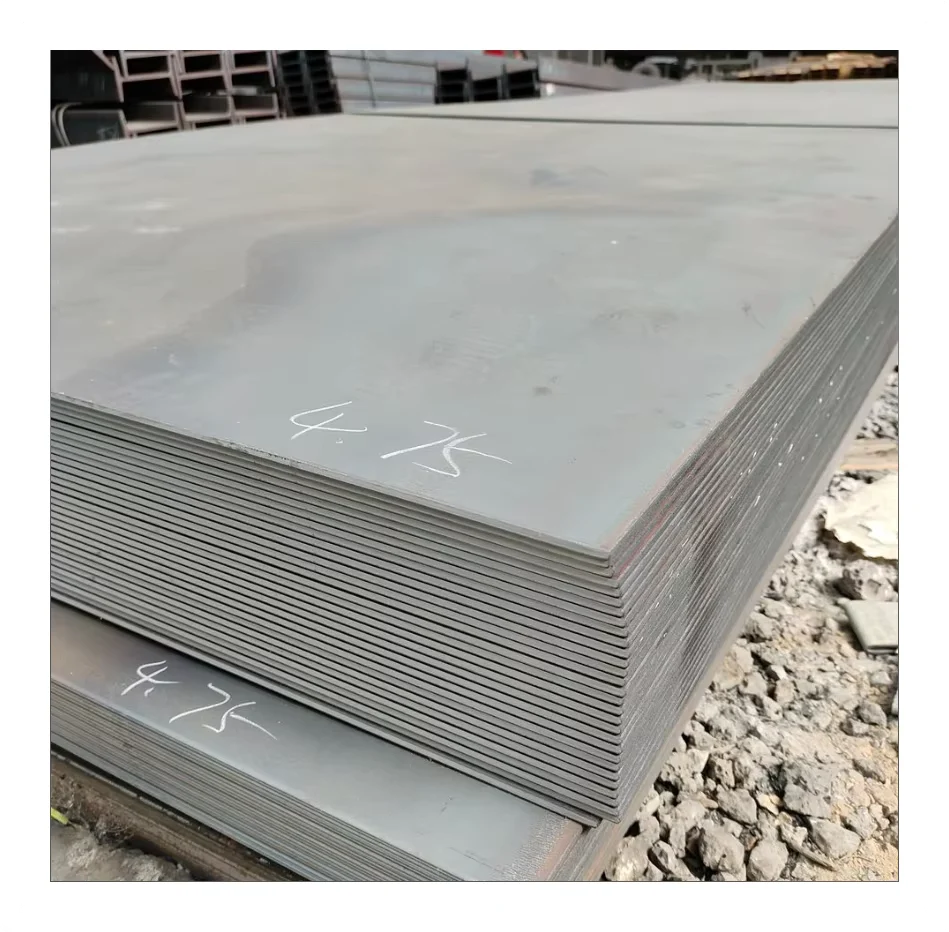
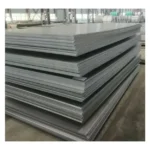
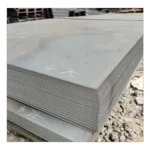
Factory-direct hot rolled plate — Own steel mill producing Q235, Q255, and ASTM A36 plate from slab to finished bundle, eliminating third-party sourcing gaps.
Technical Specifications
| Parameter | Value |
|---|---|
| Designation | Q235 / Q255 / ASTM A36 Hot Rolled Carbon Steel Plate |
| Product Type | Steel Plate |
| Steel Grade | Q235, Q255, ASTM A36 |
| Standard | GB/T 709, ASTM A36/A36M, ISO 9001 |
| Section Shape | Flat plate |
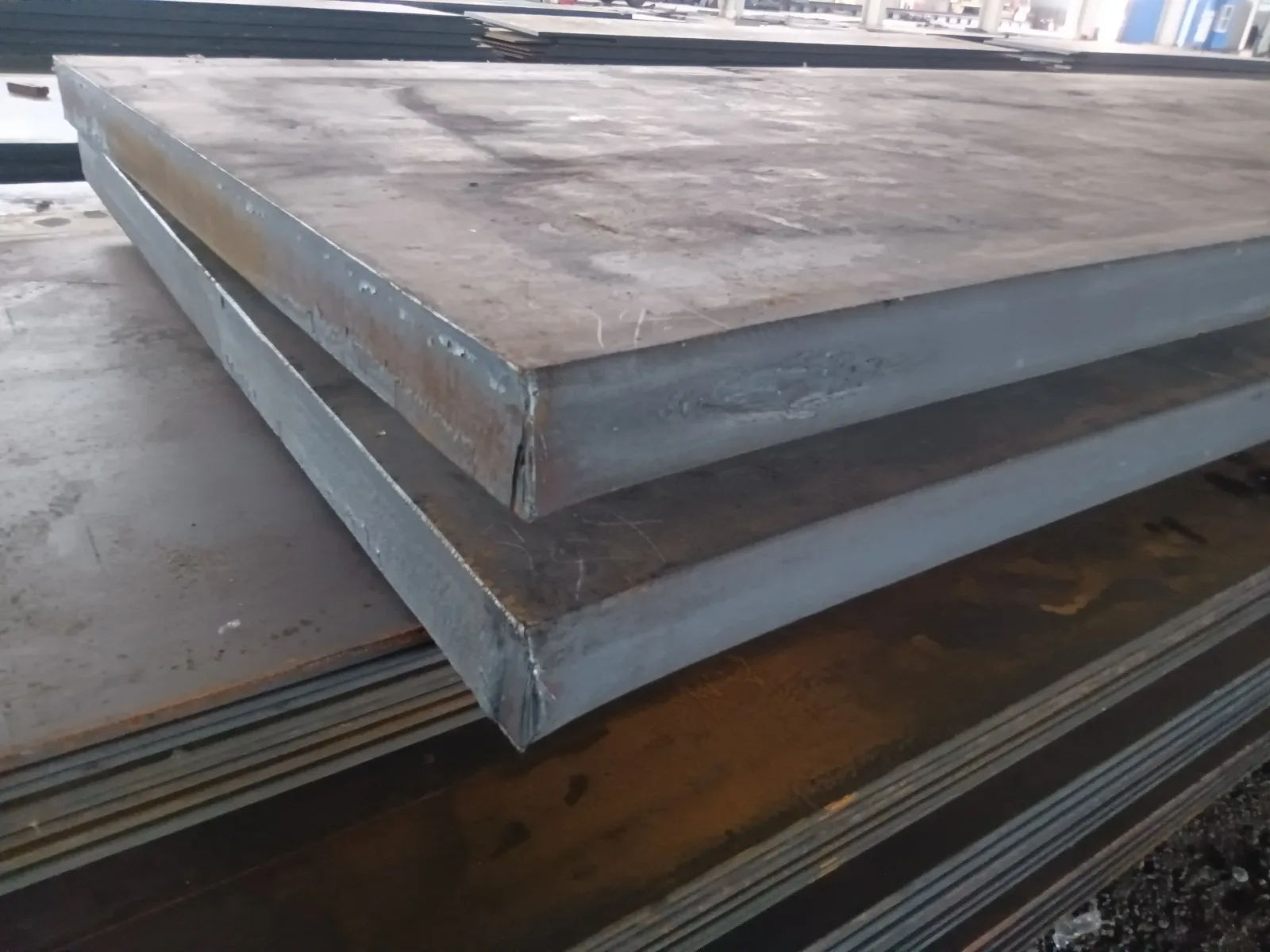
| Thickness | 0.5–200 mm |
| Width & Length | Customizable |
| Technique | Hot Rolled |
| Surface Treatment | Hot Rolled (as-supplied) |
| Application | Structural steel fabrication / Construction / Industrial equipment / Welding assemblies / Pressure vessels / Shipbuilding |
| Origin | Shandong, China |
Application Suitability
| Industry | Typical Applications |
|---|---|
| EPC & Structural Fabrication | Base plates, gussets, column splices, connection assemblies for steel frame structures |
| Industrial Construction | Equipment support platforms, walkway grating substrates, mezzanine decks |
| Infrastructure & Building | Embedded plates, beam end connections, anchor assemblies |
| Pressure & Marine | Non-pressure vessel shells, shipbuilding deck plates, bulkhead stiffeners |
What Negative Tolerance Costs on a 200-Ton Frame Order
A 0.8 mm shortfall on a 10 mm plate means 8% less load-bearing steel than the engineer calculated.
Overseas buyers sourcing Q235 Q255 ASTM A36 hot rolled carbon steel plate from trading companies often discover — at the port of discharge — that the measured thickness falls below the contractual minimum. The trader sourced from a rolling mill running aggressive negative tolerance, and no one measured before loading. The result is either rejection at destination or a negotiated discount that erodes the savings from buying in China. On a structural frame, thinner plates mean recalculation by the structural engineer, potential redesign of connections, and weeks of delay. [NEED_CITE: EN 10204 inspection certificate types and their role in material acceptance]
Matching Plate Thickness to Structural Connection Design
When a steel frame calls for 20 mm base plates under H-section columns, the fabricator needs plates that hold dimensional accuracy through CNC drilling and welding. Hot rolled Q235 Q255 ASTM A36 hot rolled carbon steel plate in the 6–40 mm range delivers consistent flatness and predictable weld penetration — critical when moment connections must transfer full beam forces into column bases. Thinner gauges below 6 mm serve better as gusset stiffeners or bracing tabs where weight matters more than bearing capacity.
Engineering Compliance Across Specification Systems
Projects spanning multiple regions often mix GB, ASTM, and EN designations on the same drawing set. Q235 broadly corresponds to S235JR under EN 10025, while ASTM A36 sits in a similar yield class but follows a different chemistry and testing protocol. [NEED_CITE: steel grade equivalence mapping between GB Q-series and ASTM A-series] Specifying the correct grade on the purchase order — and confirming it on the mill test certificate — prevents customs holds in the EU or failed material acceptance in North America. Surface condition as-rolled suits indoor fabrication; outdoor or marine exposure demands shot blasting plus primer or hot-dip galvanizing downstream.
Hot Rolling Process and Grade Selection Logic
Hot rolling above the recrystallization temperature produces a plate with uniform grain structure and isotropic mechanical behavior — essential when the plate will be flame-cut, welded, and loaded in multiple directions. Q235 offers adequate strength for general construction frames and non-critical bracing. Q255 steps up slightly for heavier industrial platforms. ASTM A36 is the default for North American-spec projects and carries explicit chemistry requirements for carbon, manganese, and sulfur that affect weldability. [NEED_CITE: hot rolling vs cold rolling effects on plate flatness and residual stress] Thickness tolerance under GB/T 709 allows Class A, B, or C — buyers specifying Class C accept wider deviation at lower cost, while Class A holds tighter control for precision fabrication.
Hidden Costs of Unverified Plate Procurement
Plates arriving without proper heat-number traceability cannot be matched to the mill test certificate, triggering rejection by third-party inspectors. Material that fails chemistry or tensile requirements after installation demands costly cut-out and replacement — sometimes requiring partial demolition of welded assemblies. Certification gaps also block customs clearance in markets requiring CE marking or ASTM compliance documentation. [NEED_CITE: structural steel procurement quality assurance requirements for international projects]
Why Fabricators Source Q235 Q255 ASTM A36 Hot Rolled Carbon Steel Plate Through XJY Structure
XJY Structure operates its own steel mill with three production lines, producing the plate and then fabricating it into finished components under one quality system. This vertical integration means the mill test certificate follows the plate from slab reheating through final welding — no break in the traceability chain. The fabrication workshop holds certified welding procedures per AWS and EN standards, with qualified welders performing all structural joins. Engineering support covers shop drawing review, material optimization, and fabrication sequencing before a single cut is made. Every order ships with a complete documentation package: WPS, PQR, weld maps, dimensional inspection reports, and coating certificates. International project delivery spans the EU, Middle East, Southeast Asia, and Africa.
Documentation & Compliance
- Mill test certificate per EN 10204 3.1 documenting Q235, Q255, or ASTM A36 chemical composition and mechanical properties, traceable by heat number
- Third-party inspection report from SGS, BV, or TUV confirming thickness, surface quality, and dimensional accuracy before shipment
- ISO 9001 quality management certificate covering the integrated steel production and fabrication process
- Welding procedure records (WPS/PQR) and welder qualification certificates per AWS D1.1 or EN ISO 9606 for downstream fabrication
- Export documentation including packing list, bill of lading, and certificate of origin formatted for destination-country customs requirements
Packaging, Loading & Delivery
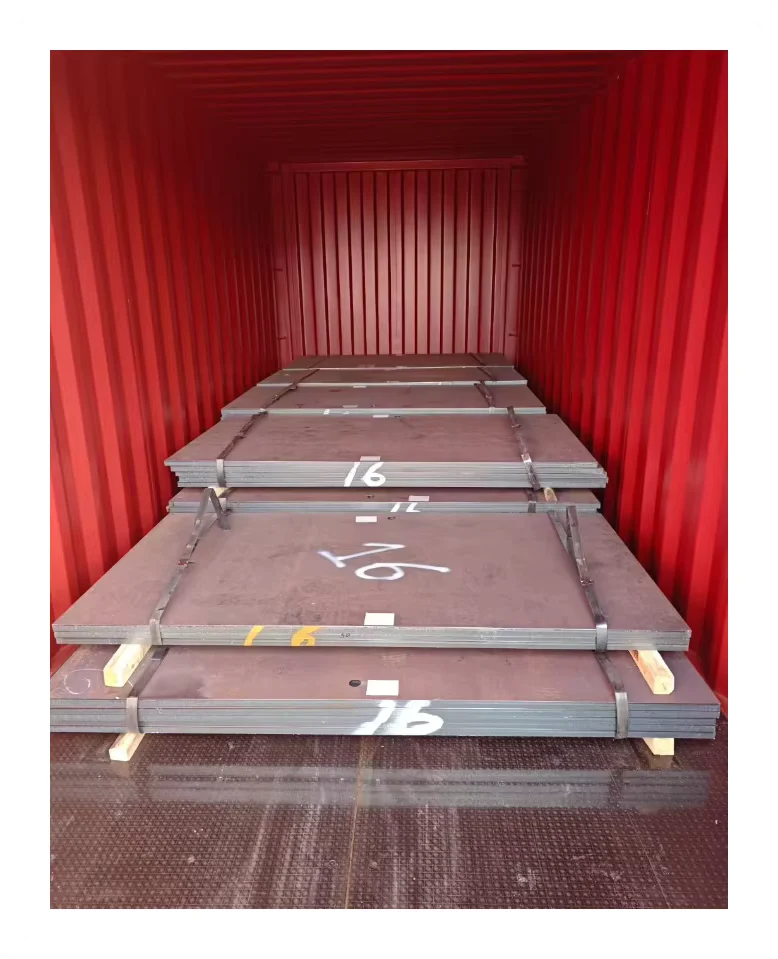
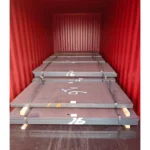
- Hot rolled Q235 Q255 ASTM A36 hot rolled carbon steel plate bundled with high-tensile steel straps, separated by timber dunnage to prevent surface scoring during ocean transit
- As-rolled surface protected by anti-rust coating on edges; shot-blasted and primed plates wrapped in waterproof film to preserve the coating system
- Custom-width plates nested for container optimization, reducing wasted space in 20ft and 40ft open-top units for heavy gauge orders above 20 mm
- Heat number and grade stenciled on each plate end for on-site identification and traceability verification upon arrival
- FOB, CIF, and DDP terms available with professional lashing plans for oversized plate bundles exceeding standard container dimensions
Start Your Fabrication Inquiry With Complete Specifications
Submit your project drawings in PDF or DWG format along with steel grade requirements, plate thickness, quantities, and destination port. XJY Structure responds within 24 hours with a preliminary assessment covering material cost, fabrication scope, shop drawing timeline, and production schedule — including mill test certificate and third-party inspection confirmation.
Request Mill Test Certificates and Fabrication Quotes Today
Share your structural steel plate specifications and receive a detailed quotation with full material traceability documentation within one business day.
Company: Shandong Xin Jiyuan Special Steel Tube Co., Ltd
Website: www.xjystructure.com
Tel: +86 531 8573 6315
Mobile/WhatsApp/WeChat: +86 188 5315 7756
Email: admin@xjystructure.com
Address: No.11889, Jingshi West Road, Lulian Group, Jinan City, Shandong Province, China
Frequently Asked Questions
Q: How does Q235 compare to ASTM A36 for structural fabrication projects?
A: Q235 and ASTM A36 occupy similar yield strength classes and are both widely used in structural steel fabrication. The key differences lie in chemistry limits and testing protocols — ASTM A36 specifies tighter controls on carbon and manganese for weldability in North American practice. XJY Structure supplies both grades from the same mill and provides full mill test certificates matching the specified standard.
Q: Can you provide third-party inspection before shipment for plate orders?
A: Yes. SGS, BV, and TUV inspections are available for every Q235 Q255 ASTM A36 hot rolled carbon steel plate order. The inspection covers thickness measurement, surface quality, dimensional accuracy, and verification against the mill test certificate. Reports are issued before loading and included in the shipping documentation package.
Q: Do you offer custom cutting and edge preparation for fabricated components?
A: The fabrication workshop provides CNC cutting, plasma and flame cutting, drilling, and bevel edge preparation based on approved shop drawings. Plates are delivered ready for welding and assembly, reducing on-site labor and cutting waste at the construction location.
Q: What surface treatment options are available for hot rolled plate?
A: Plates can be supplied as-rolled directly from the mill, shot blasted and primed for immediate painting, or hot-dip galvanized for corrosion protection in outdoor and marine environments. The surface treatment choice depends on the project environment and the coating specification in the engineering drawings.
Q: How do you handle loading and shipping for heavy plate bundles?
A: Plate bundles are secured with high-tensile steel straps and loaded using professional lashing plans designed for the specific weight and dimensions. Open-top containers and flat-rack options are available for plates exceeding standard container height. Complete export documentation and tracking are provided from factory to destination port.