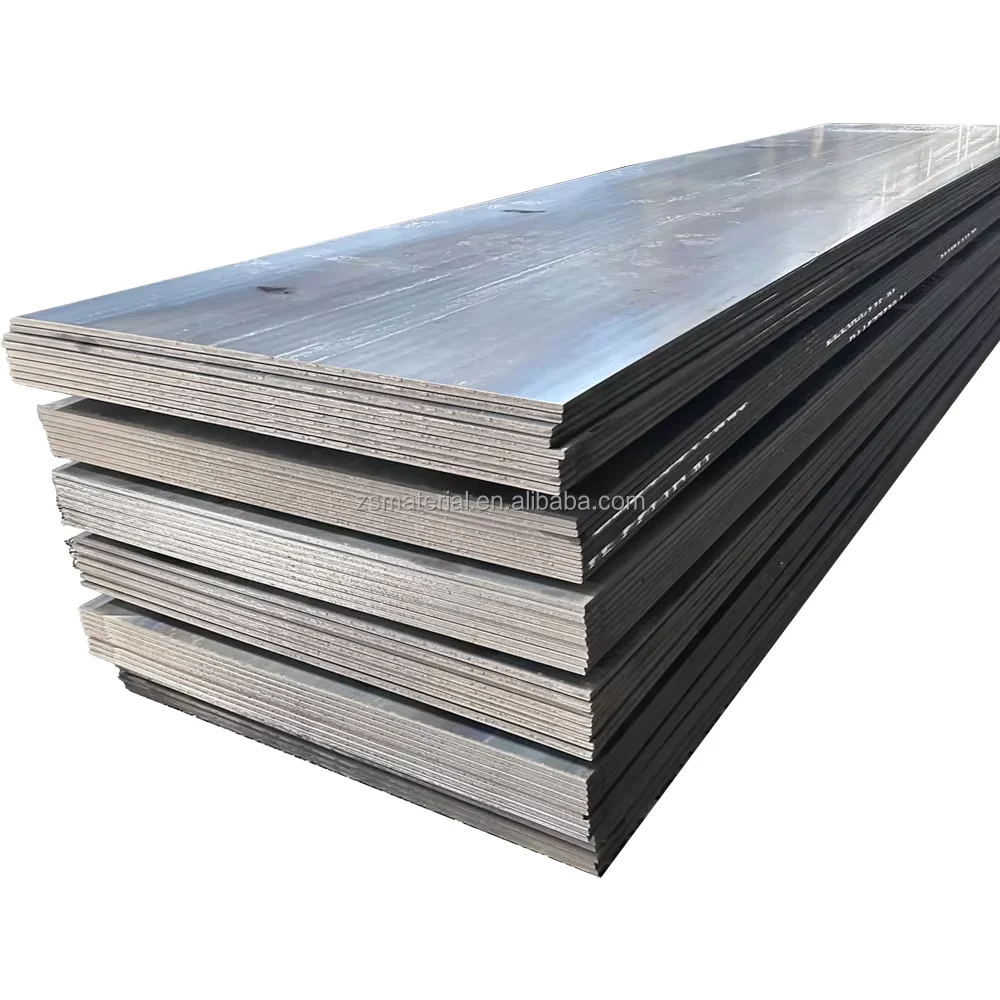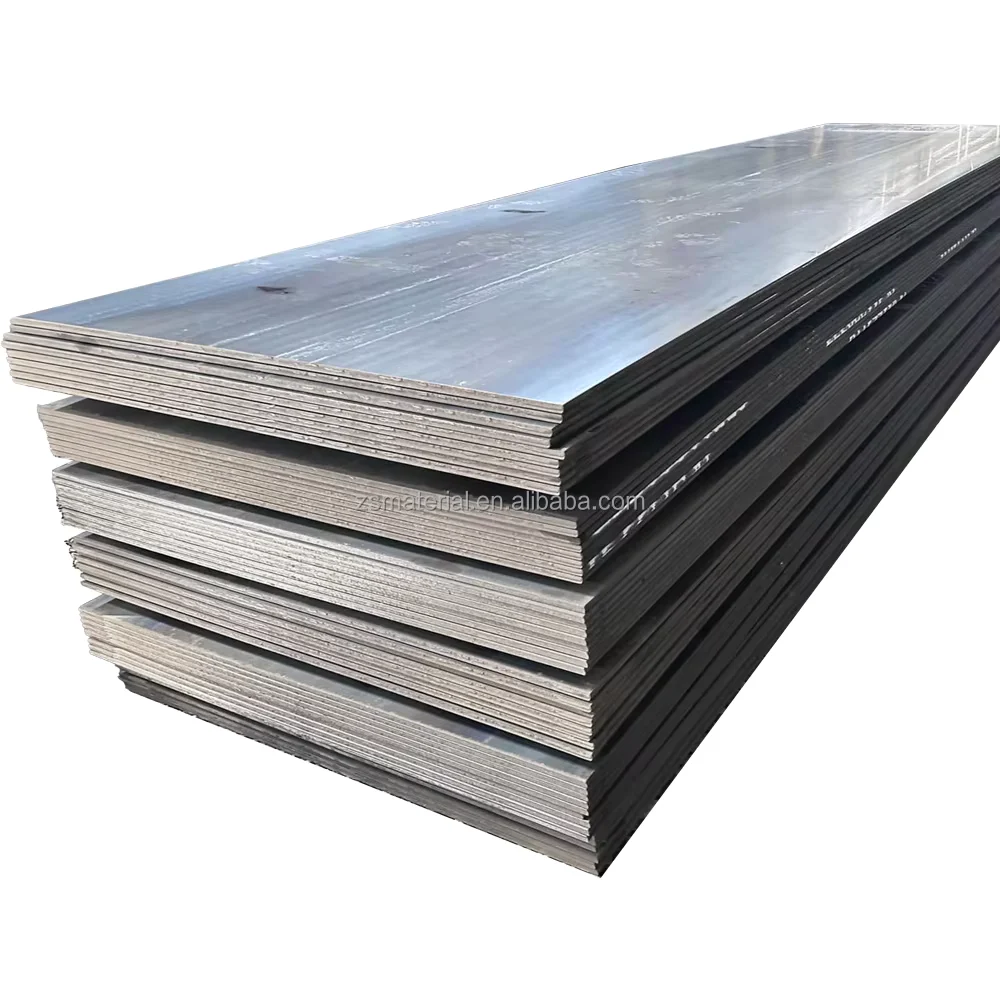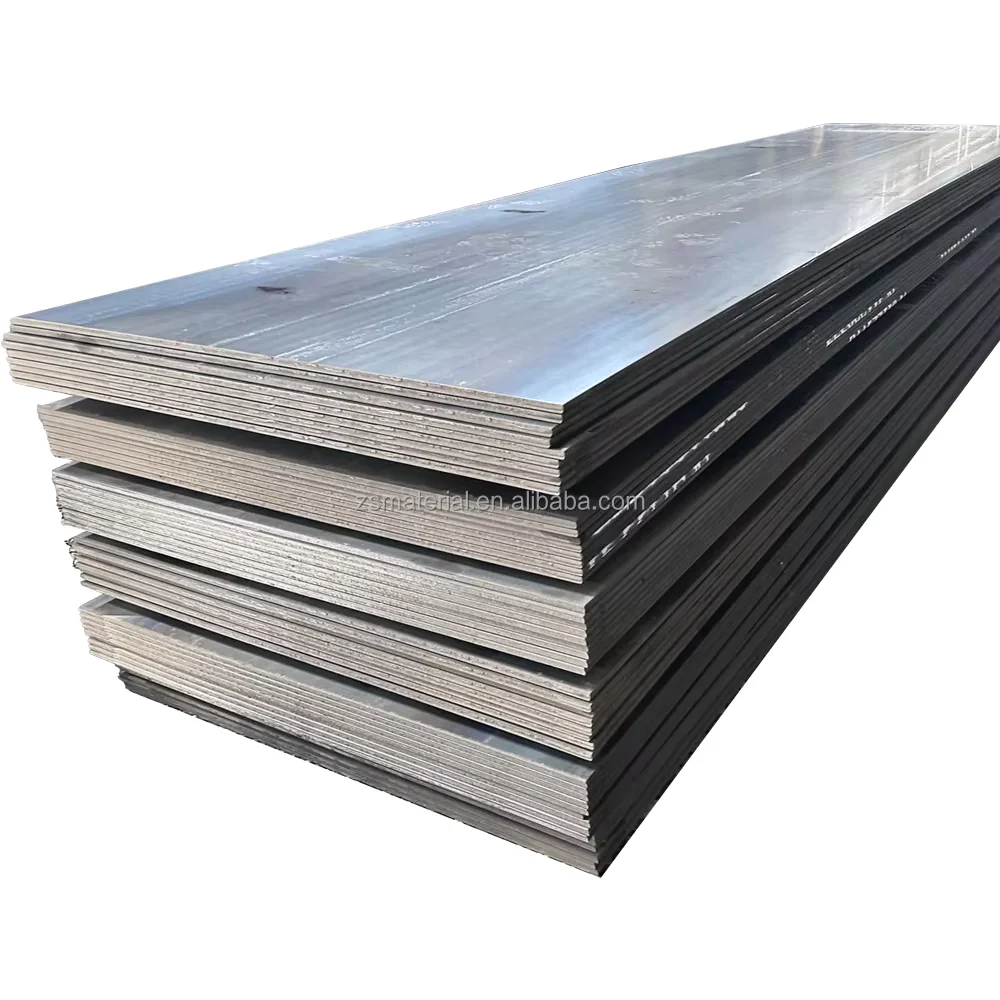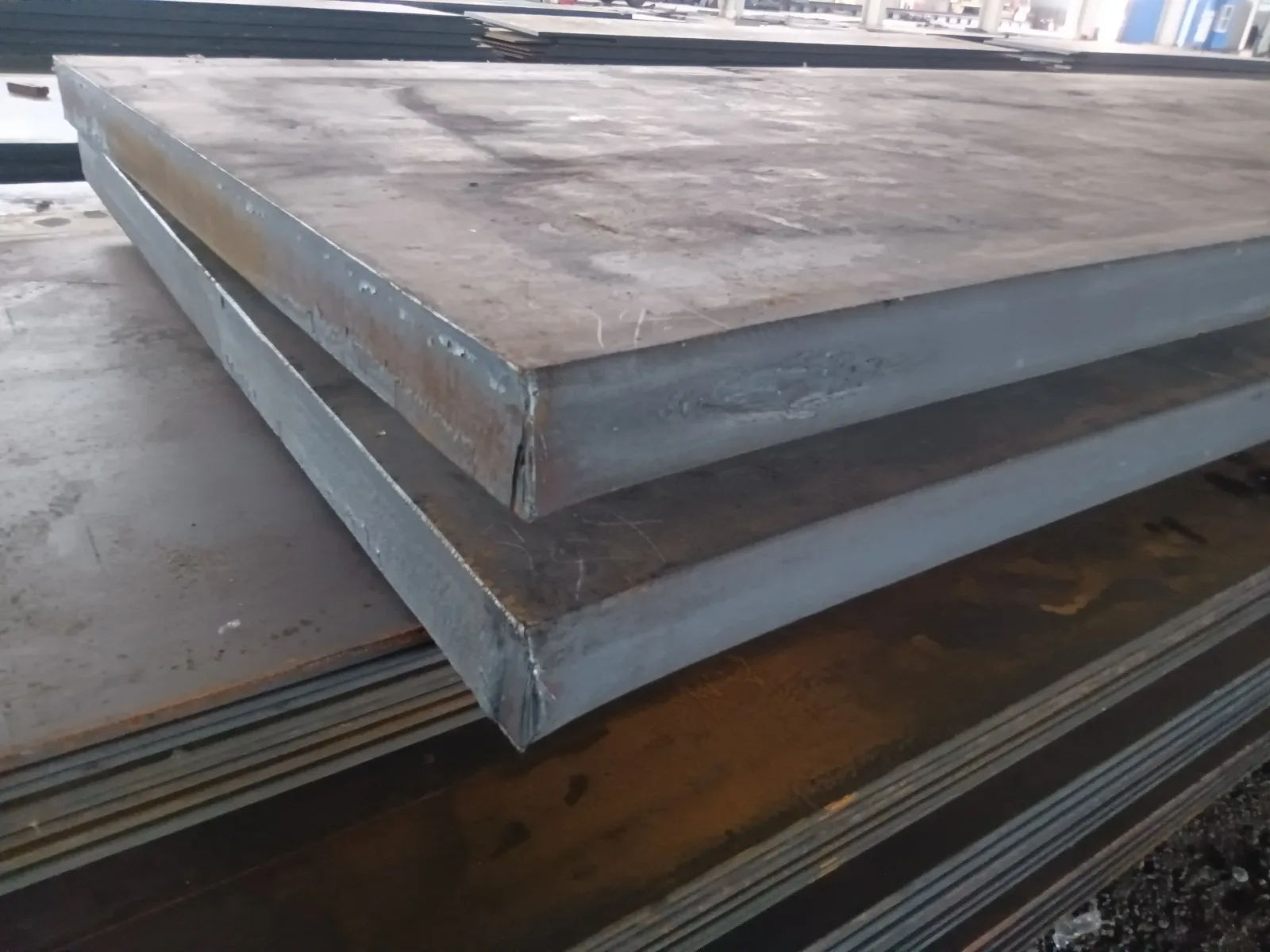
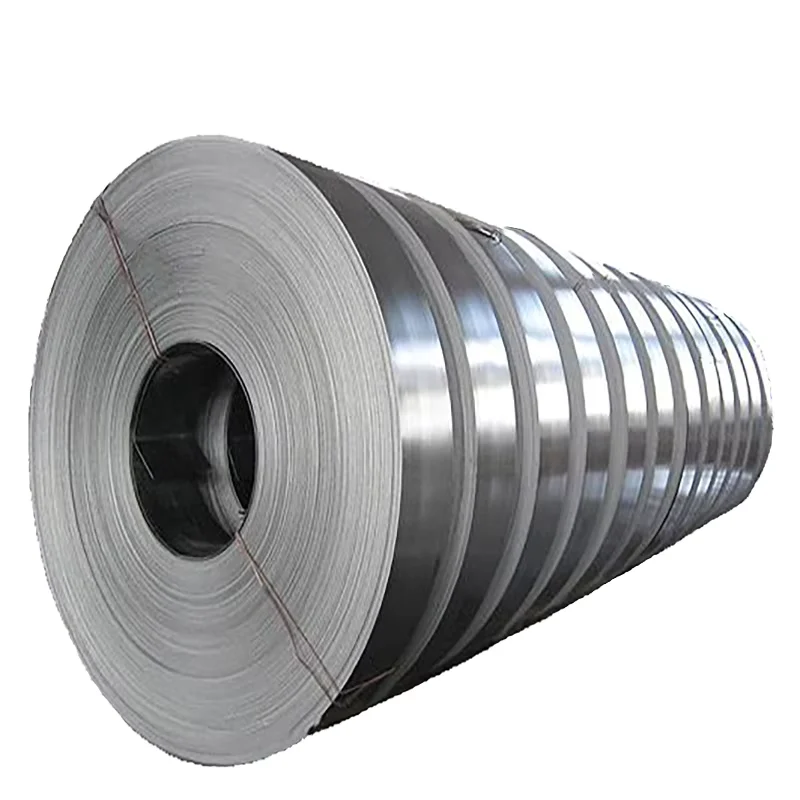
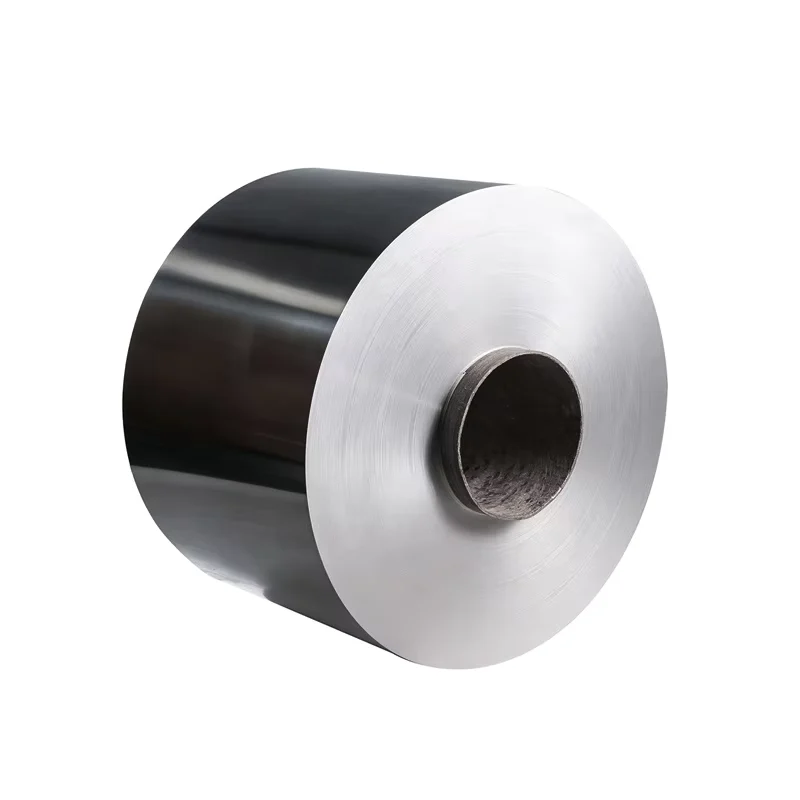
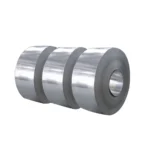
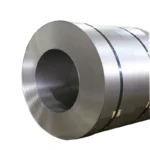
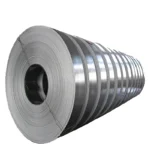
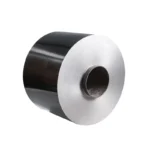
Description
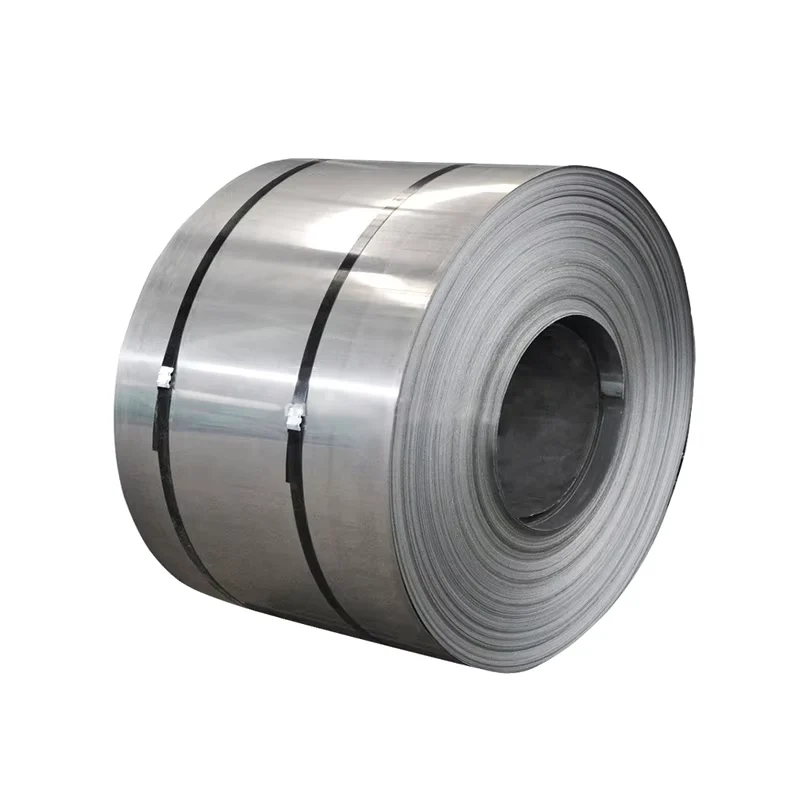
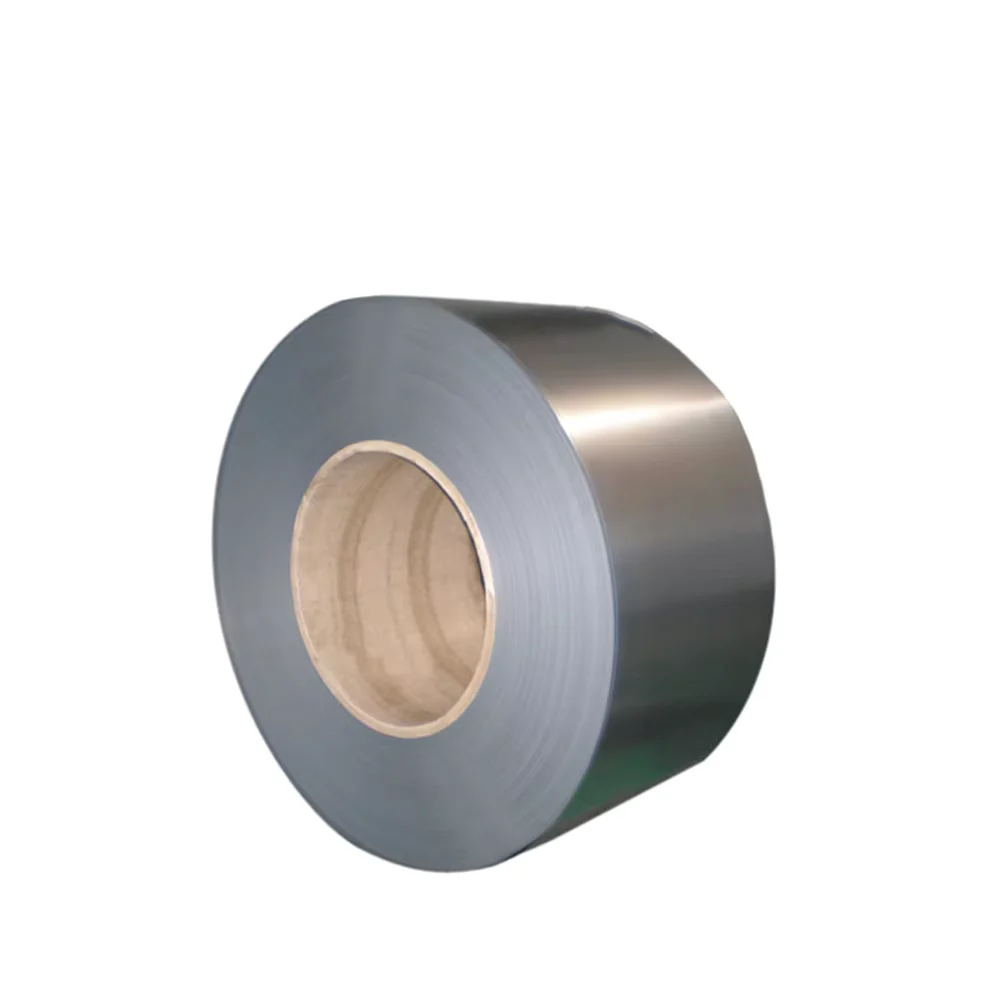
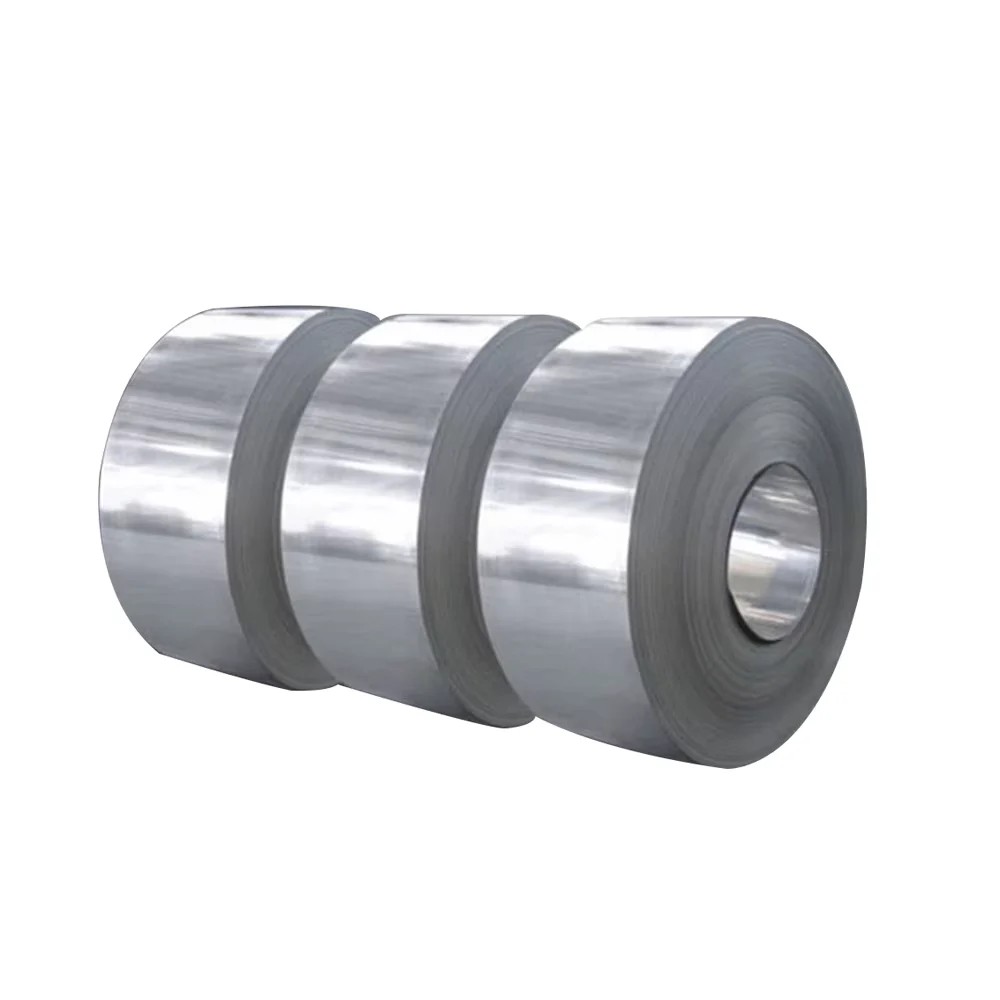
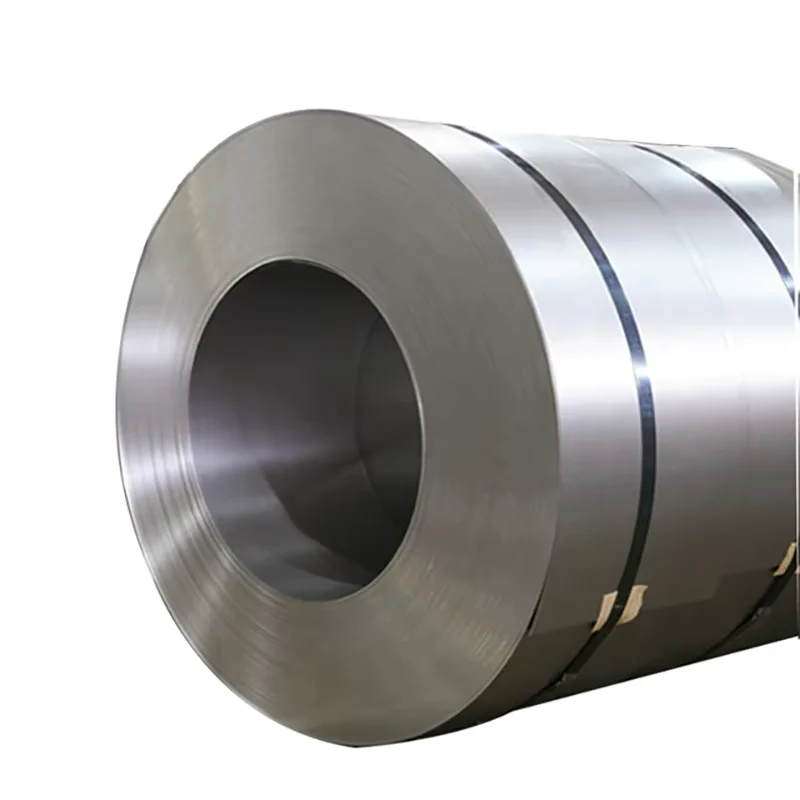
Factory Direct Pricing, No Middlemen — Vertically integrated mill-to-coil production for 201, 304, 316L stainless steel coil eliminates third-party sourcing risks and markup layers.
Technical Specifications
| Parameter | Value |
|---|---|
| Designation | Stainless Steel Coil |
| Product Type | Steel Coil |
| Steel Grade | 201, 304, 304L, 316, 316L, 410, 430 |
| Standard | ASTM A240 / A666, EN 10088-2, JIS G4304 / G4305, GB/T 3280 |
| Technique | Hot Rolled / Cold Rolled |
| Surface Treatment | No.1, 2B, BA, HL, 8K Mirror |
| Width | 1000mm, 1219mm, and other widths |
| Thickness | 1mm, 2mm, 3mm, 4mm |
| Application | Chemical industry / Food processing equipment / Construction and architectural cladding / Industrial fabrication |
| Origin | Shandong, China |
Application Suitability
| Industry | Typical Applications |
|---|---|
| Chemical & Petrochemical | Pressure vessels, heat exchangers, pipeline fittings using 316L grade for chloride resistance |
| Food & Beverage | Processing tanks, conveyor systems, sanitary fittings fabricated from 304/304L |
| Construction & Architecture | Roofing panels, wall cladding, decorative trim using 201/430 finishes |
| Industrial Fabrication | Machine guards, structural frames, welding assemblies across multiple grades |
Why Material Traceability Decides Whether Your Shipment Clears Customs
Without full heat-number documentation from slab to coil, customs authorities in the EU and Middle East will hold your cargo — regardless of visual quality.
I learned this the hard way. A Dubai client received 410 stainless steel coil with surface rust spots after ocean transit. The steel itself was fine — the problem was moisture trapped inside inadequate packaging. But before we identified the real cause, his customs broker flagged the shipment for missing material traceability papers. Two weeks of delays, extra inspection fees, and nearly lost contract — all because fragmented sourcing left gaps in the certification chain.
When you source 304 316L stainless steel coil from traders who buy slabs from one mill, cold roll at another facility, and anneal somewhere else, each handoff creates a documentation break. EN 10204 3.1 certificates require unbroken traceability from raw material heat number to finished product. [NEED_CITE: EN 10204 inspection document types for metallic products]
How Grade Selection Matches Corrosion Environments in Process Equipment
Chemical plants handling chloride-containing media need 316L stainless steel coil because molybdenum addition resists pitting corrosion that destroys 304 within months. Food processing facilities specify 304L for low-carbon content that prevents sensitization during welding — critical for sanitary tanks that undergo repeated steam cleaning. Our vertically integrated production means every coil carries complete chemistry records from our own steelmaking facility, so your QA team gets one certification package covering slab melting through final cold rolling.
Engineering Compliance and Surface Finish Requirements
Architectural projects in the Gulf region require HL or 8K Mirror finishes that meet aesthetic specifications while maintaining corrosion resistance. Industrial fabricators ordering hot rolled No.1 finish for structural components need consistent thickness tolerance across the full coil width — otherwise CNC plasma cutting produces dimensionally inaccurate parts. Cold rolled 2B finish serves as the baseline for most fabrication work, offering formability and weldability without premium pricing. [NEED_CITE: ASTM A240 standard specification for chromium and chromium-nickel stainless steel plate]
Understanding Grade Differences Beyond the Catalog Number
201 stainless steel coil uses manganese and nitrogen to partially replace nickel, reducing cost but limiting corrosion resistance compared to 304. This makes 201 suitable for indoor architectural trim and dry environment applications, but inappropriate for coastal construction or chemical exposure. 410 martensitic grade offers higher hardness and moderate corrosion resistance for mechanical components requiring heat treatment. 430 ferritic stainless provides good oxidation resistance at elevated temperatures for automotive exhaust and furnace components. Each grade serves distinct engineering requirements — selecting based on price alone invites field failures.
The Hidden Cost of Buying Stainless Without Verified Certification
Material substitution — receiving 201 when you ordered 304 — passes visual inspection but fails within weeks in corrosive service. The replacement cost exceeds the original purchase price by multiples: dismantling installed components, fabricating replacements, project delay penalties, and reputational damage with your client. Third-party inspection by SGS or BV before shipment catches chemistry mismatches, but only if you order inspection against specific grade requirements rather than generic “stainless steel” description. [NEED_CITE: stainless steel grade identification methods and testing standards]
Why Vertically Integrated Production Eliminates Sourcing Risk
Our own steel mill produces slabs that go directly to our hot rolling and cold rolling mills — no intermediate traders, no mixed-heat blending from unknown sources. This means every 304 316L stainless steel coil we ship carries mill test certificates traceable to specific heat numbers, with chemistry and mechanical properties verified at each production stage. When your project requires 50 tons of 316L for a chemical plant, you receive material from consistent heats with uniform properties — not coils blended from six different suppliers. Our 2,800+ specification inventory covers standard widths and thicknesses for immediate shipment, while custom widths and non-standard gauges roll to order with the same documentation integrity.
Documentation & Compliance
- Mill test certificate documenting 316L chemical composition including molybdenum content and nickel percentage per ASTM A240
- EN 10204 3.1 inspection certificate with heat number traceability from slab to finished coil
- ISO 9001 quality management certification covering full production process from melting to packaging
- SGS or BV third-party inspection reports verifying grade chemistry and surface finish quality
- Material traceability records linking each coil to specific heat numbers and rolling schedules
- Complete export documentation including packing list, bill of lading, and certificate of origin for customs clearance
Packaging, Loading & Delivery
- Cold rolled 2B finish coils wrapped in moisture-proof kraft paper with plastic film outer layer to prevent surface contamination during ocean transit
- Hot rolled No.1 coils bundled with steel strips and edge protectors to maintain coil integrity under container stacking loads
- Custom width coils (1000mm, 1219mm) loaded with wooden cradles to prevent edge damage and telescoping during handling
- Heat number and grade identification marked on each coil ID tag and outer packaging for site receiving verification
- Container loading optimized for 20ft and 40ft units with weight distribution calculated per coil diameter and width
- FOB, CIF, and DDP shipping terms available with door-to-door logistics coordination for project sites
Getting Your Quote with Complete Technical Documentation
Send your project specifications including grade requirements, surface finish, dimensions, and quantity to receive pricing with mill test certificate samples. We confirm production lead times and third-party inspection availability before contract signing, so your procurement timeline stays on track.
Frequently Asked Questions
Q: What is the difference between 304 and 316L for chemical processing applications?
A: 316L contains molybdenum addition that provides superior resistance to pitting corrosion in chloride-containing environments. For chemical plants handling salt water, acids, or halogenated compounds, 316L prevents premature failure that 304 cannot withstand.
Q: Can you provide third-party inspection before shipment?
A: Yes, we arrange SGS, BV, or TÜV inspection at our facility before loading. The inspection covers visual quality, dimensional verification, and chemistry analysis against your specified grade requirements.
Q: What surface finishes are available for architectural applications?
A: We offer No.1 hot rolled, 2B cold rolled, BA bright annealed, HL hairline, and 8K mirror finishes. Each finish serves different aesthetic and functional requirements for building cladding and decorative applications.
Q: Do you maintain stock or produce to order?
A: Standard grades and sizes maintain ready stock for immediate shipment. Custom widths, non-standard thicknesses, and large project quantities produce to order with confirmed lead times before contract.
Q: What documentation accompanies each shipment?
A: Every coil ships with mill test certificate showing chemical composition and mechanical properties, heat number traceability, packing list, bill of lading, and certificate of origin for customs clearance.
Get Your Stainless Steel Coil Quote with Full Certification
Submit your grade specifications, dimensions, and quantity to receive pricing with mill test certificate samples within 24 hours.
Company: Shandong Xin Jiyuan Special Steel Tube Co., Ltd
Website: www.xjystructure.com
Tel: +86 531 8573 6315
Mobile/WhatsApp/WeChat: +86 188 5315 7756
Email: admin@xjystructure.com
Address: No.11889, Jingshi West Road, Lulian Group, Jinan City, Shandong Province, China