Description
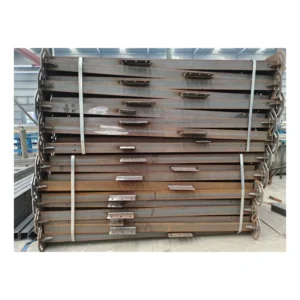
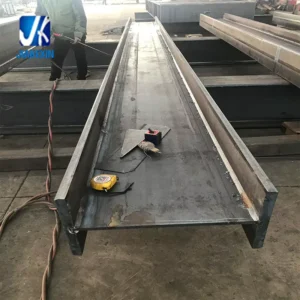
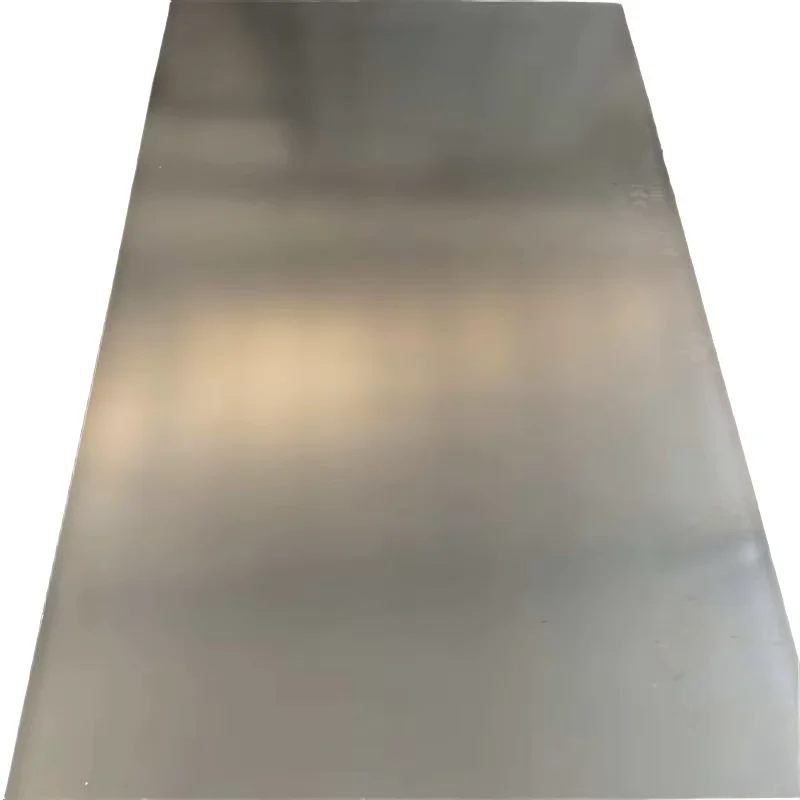
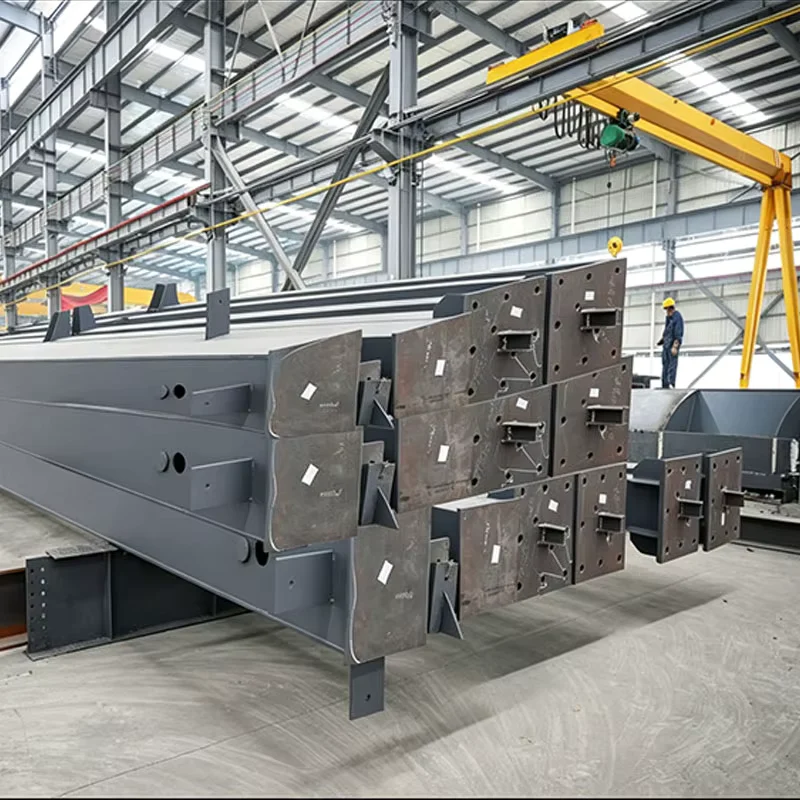
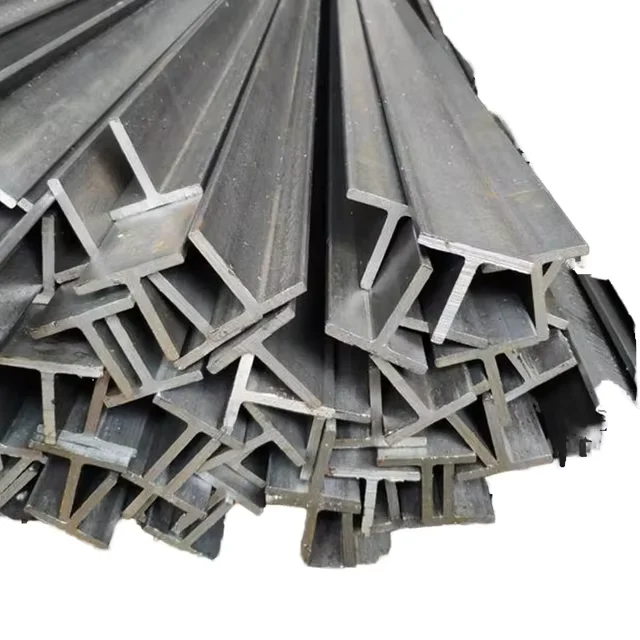
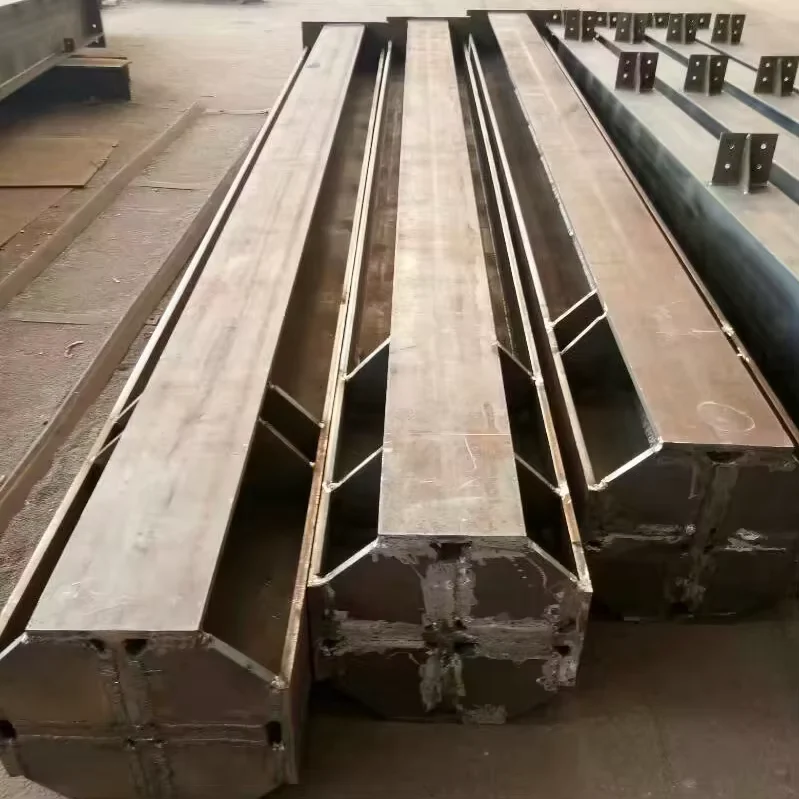
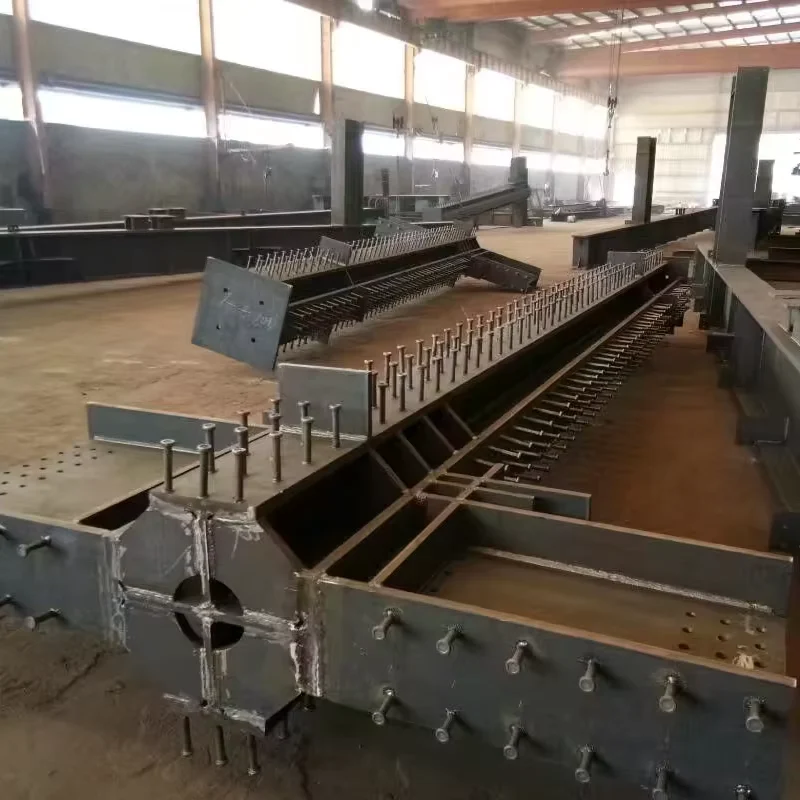
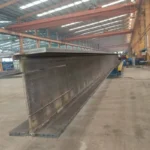
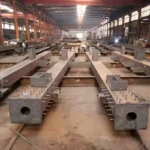
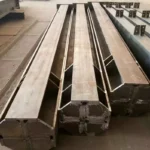
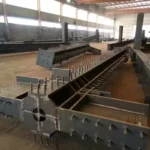
Factory-direct fabrication from raw steel to finished components — S355JR, Q355B, and ASTM A572 Gr.50 H-beams produced on our own mill lines and welded in-house, eliminating third-party material gaps.
Technical Specifications
| Parameter | Value |
|---|---|
| Designation | S355JR Fabricated H-Beam Steel Structure |
| Product Type | Fabricated Steel Structure |
| Steel Grade | Q355B, S355JR, ASTM A572 Gr.50, SM490A, G350 |
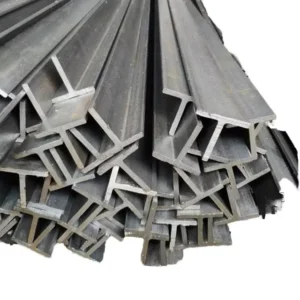
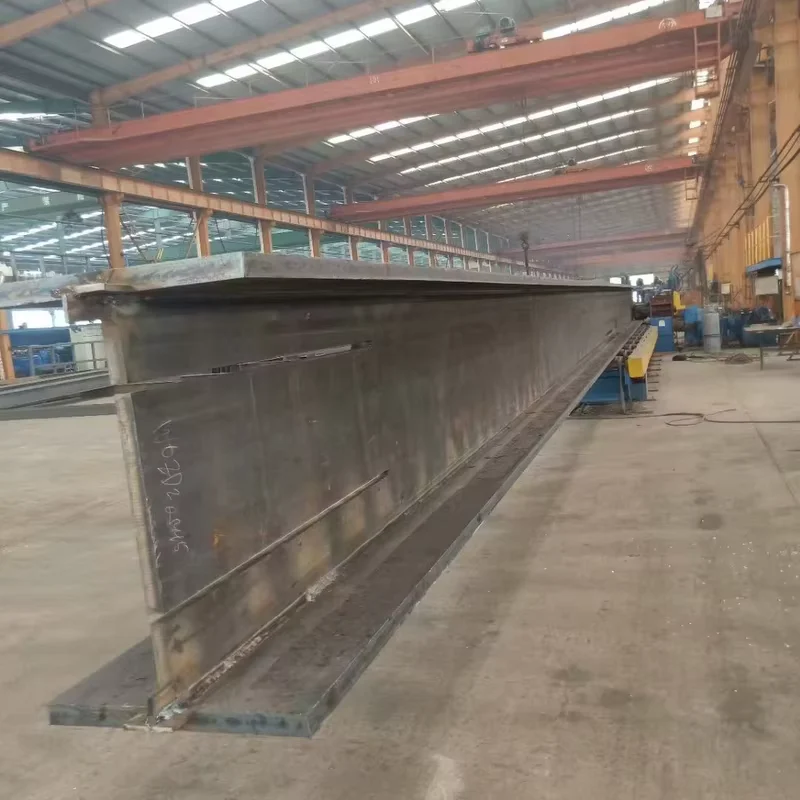
| Section Shape | H-section |
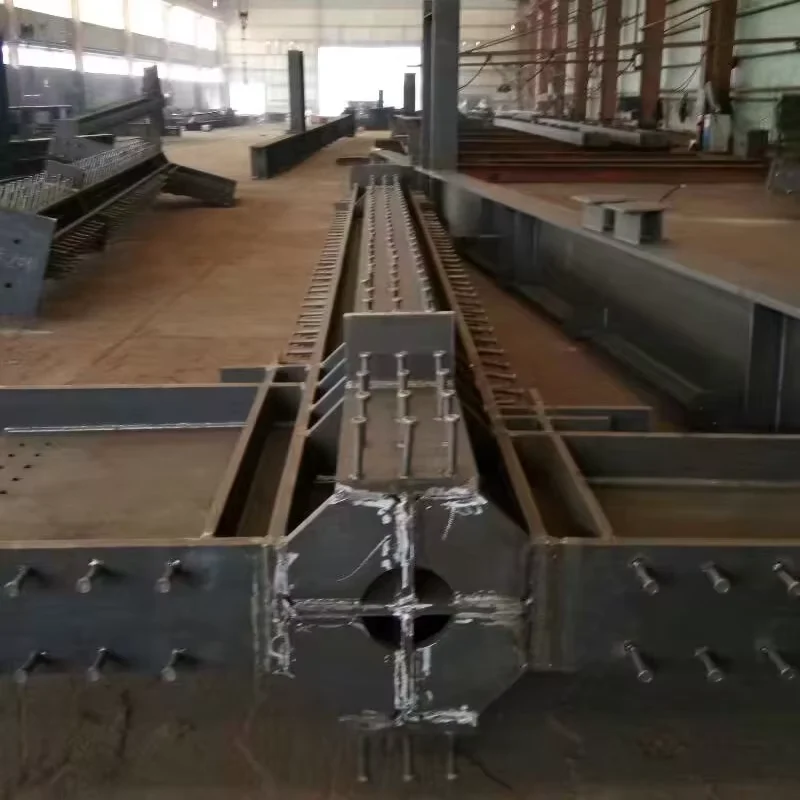
| Technique | Submerged Arc Welding |
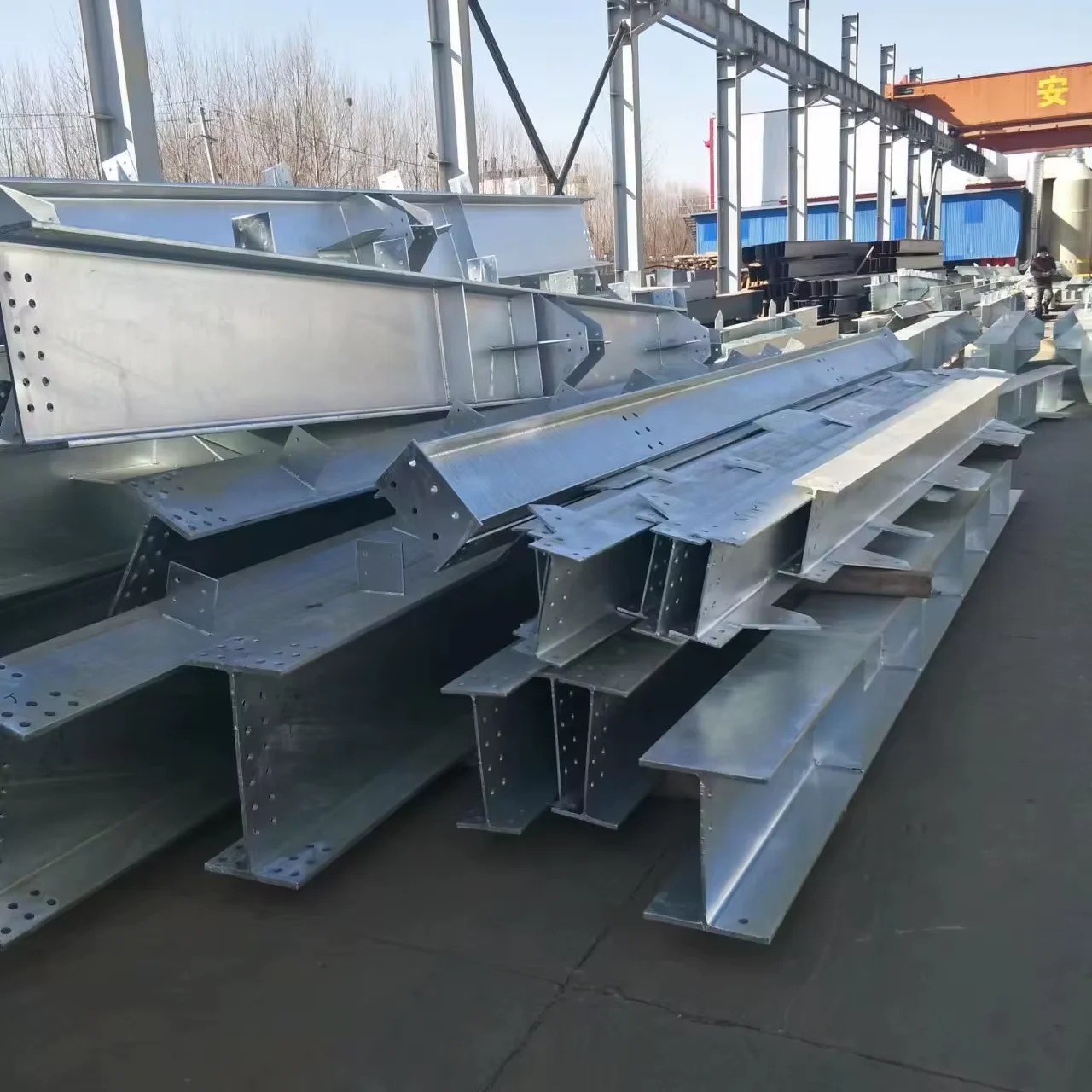
| Surface Treatment | Painting and Hot Dip Galvanized |
| Application | Steel Workshop, Garage Shed, Storage Closet, Prefab Workshop, Steel Warehouse |
| Standard | ISO 9001, BV, Intertek |
| Origin | Shandong, China |
Application Suitability
| Industry | Typical Applications |
|---|---|
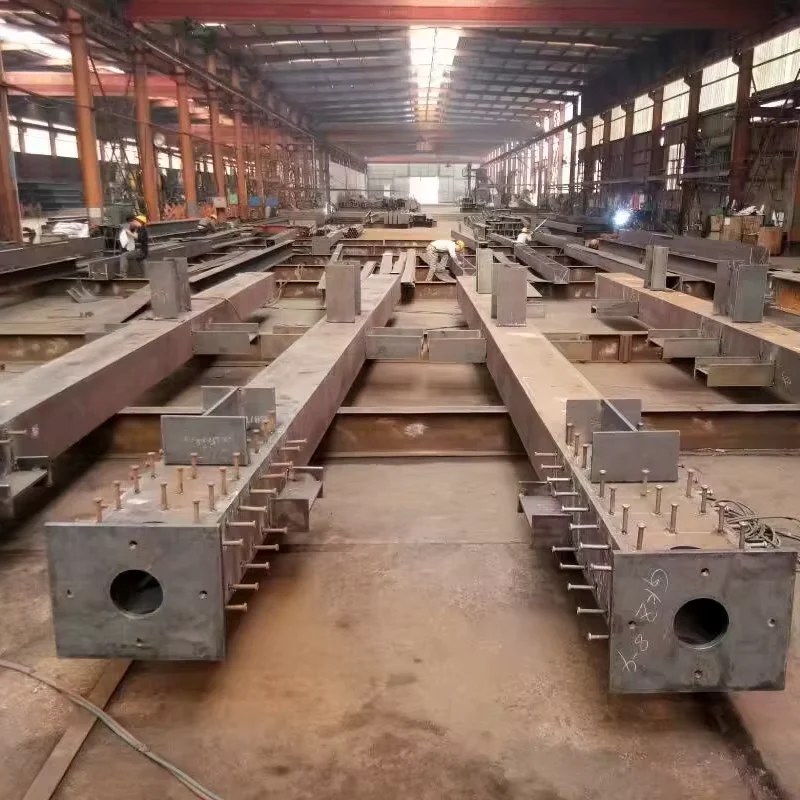
| Industrial Manufacturing | Steel workshop frames, prefab workshop columns and rafters, heavy equipment platforms |
| Logistics & Warehousing | Steel warehouse portal frames, mezzanine beams, loading dock structures |
| Commercial Construction | Garage shed portals, storage closet framing, light industrial enclosures |
| Infrastructure & EPC | Bridge support brackets, conveyor gallery structures, pipe rack foundations |
Material Traceability Gaps Cost More Than Rework on H-Beam Orders
When your fabricator sources steel from third-party mills, you inherit certification blind spots that no amount of shop drawing review can fix.
On a warehouse project in the Middle East, a batch of H-beams arrived with mill test certificates referencing heat numbers the end client could not trace back to any recognized producer. The structural engineer halted erection. The entire lot sat in the laydown yard for six weeks while replacement material was procured from a verified source. That kind of delay does not show up in the fabrication quote — it shows up in crane idle time, extended supervision costs, and liquidated damages. When you source a S355JR fabricated H-beam steel structure supplier who controls the raw material through their own production lines, every heat number on the MTC links directly to the steel that went into your beams. [NEED_CITE: material traceability requirements in EN 1090 structural fabrication]
How H-Section Geometry Meets Portal Frame Demands
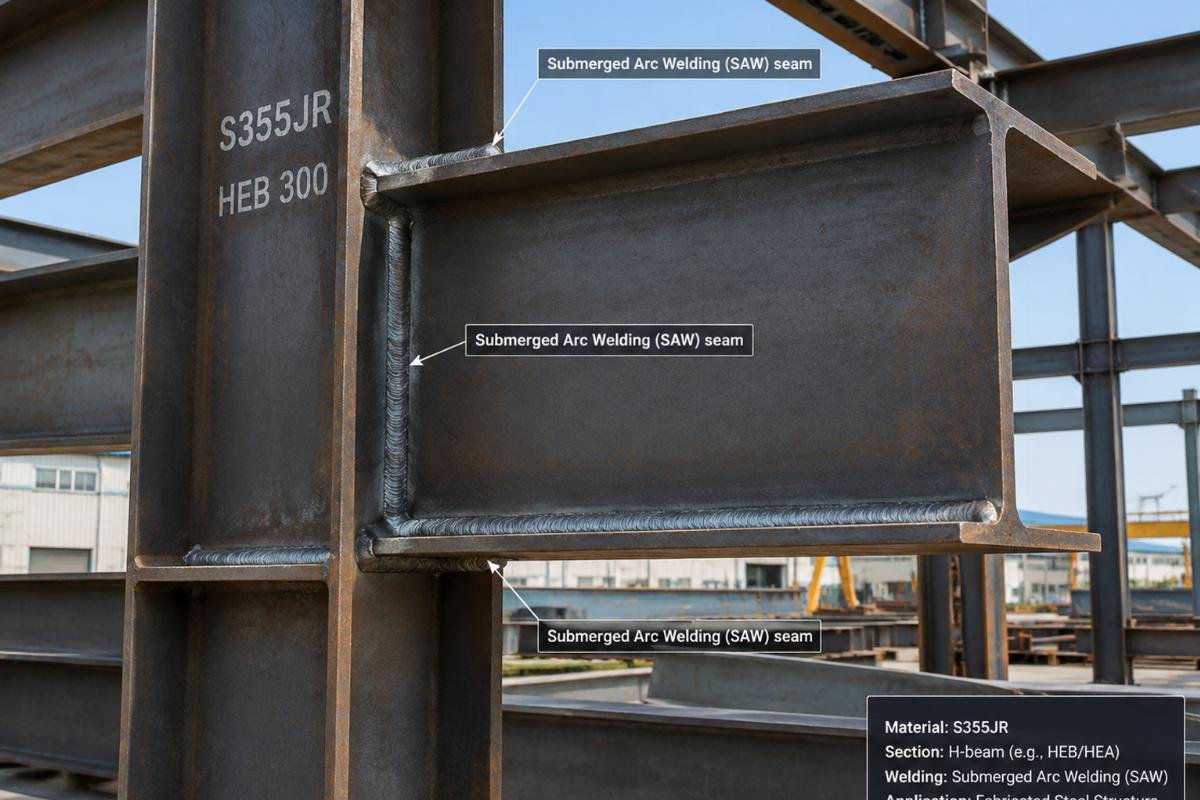
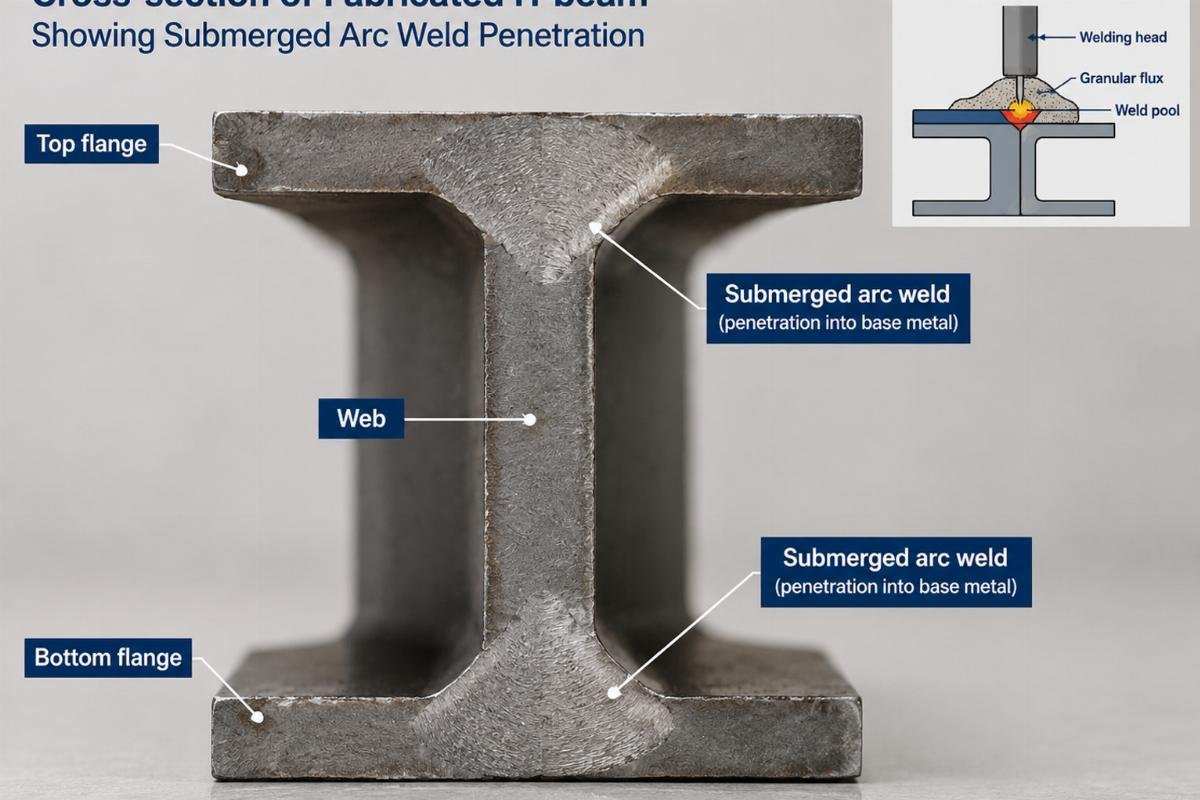
The H-section profile distributes bending resistance efficiently across flanges and web, making it the default choice for portal frame construction in steel workshops and warehouses. Submerged arc welding produces full-penetration welds along the flange-to-web joints, delivering consistent fatigue performance under cyclic crane loads. Whether the structure requires hot dip galvanized finish for coastal humidity or painted coating for indoor environments, the S355JR fabricated H-beam steel structure supplier delivers both surface treatment options from the same fabrication line, maintaining dimensional accuracy through the coating process.
Structural Compliance Across International Standards
Portal frame design to EN 1993 or AISC 360 requires verified material properties and documented welding procedures. S355JR conforms to EN 10025-2 for European projects, while Q355B serves GB/T 1591 applications and ASTM A572 Gr.50 covers North American specifications. The S355JR fabricated H-beam steel structure supplier maintains certified welding procedure specifications (WPS) and procedure qualification records (PQR) for submerged arc welding across all offered grades, ensuring weld maps and NDT reports satisfy third-party inspector requirements. [NEED_CITE: EN 1090 execution class requirements for structural steel fabrication] Hot dip galvanizing to ISO 1461 provides corrosion protection for exterior warehouse frames, while epoxy-painted systems offer cost-effective alternatives for controlled indoor environments.
Steel Grade Selection and Welding Process Fundamentals
S355JR delivers minimum 355 MPa yield strength at thicknesses up to 16mm, providing higher load-bearing capacity than S235 grades while maintaining good weldability without preheating requirements. Q355B follows the Chinese GB/T 1591 standard with equivalent mechanical properties, while ASTM A572 Gr.50 serves projects specifying American materials. Submerged arc welding (SAW) uses a granular flux covering the arc, producing deep penetration and high deposition rates ideal for thick flange plates in H-beam fabrication. This process eliminates spatter and produces smooth weld profiles that require minimal grinding before coating application. Hot dip galvanizing immerses fabricated components in molten zinc at approximately 450°C, creating metallurgical zinc-iron alloy layers that provide cathodic protection against corrosion for decades in industrial atmospheres.
Hidden Costs When Welding Quality Falls Short
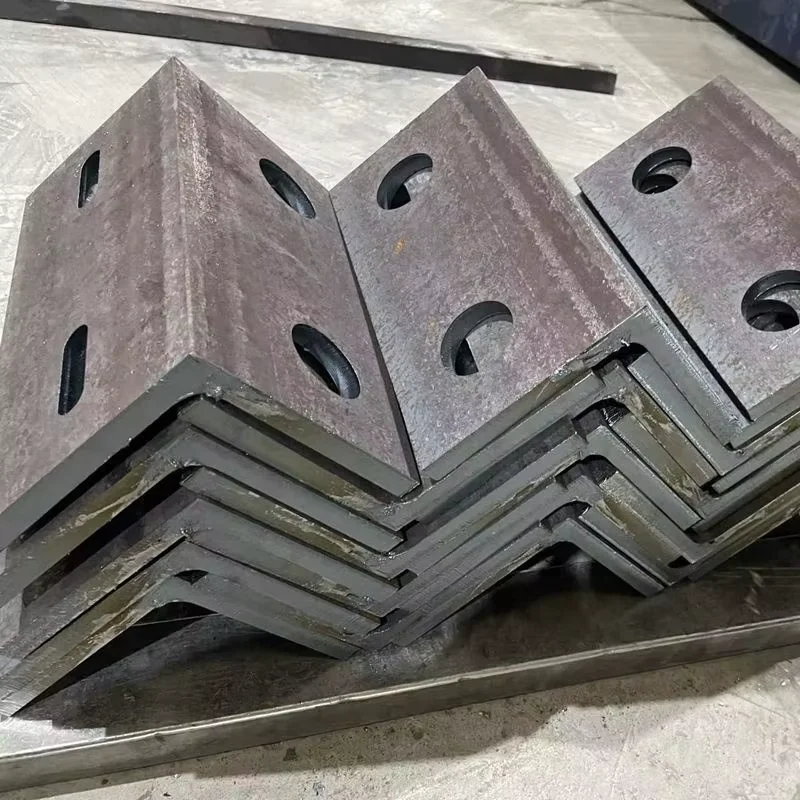
Dimensional deviation of even a few millimeters in H-beam flange width or web height creates fit-up problems during erection. Bolt holes drilled off-pattern force field reaming or complete component replacement. Weld defects discovered during ultrasonic testing after delivery mean either costly repair welding at the project site or rejection of entire shipments. When certification documents do not match the actual material delivered, customs authorities hold containers pending verification, generating demurrage charges that exceed the original fabrication savings. [NEED_CITE: dimensional tolerance standards for fabricated structural steel per EN 1090-2]
Why Project Teams Specify Our Fabrication Facility
Our own steel production facility operates three production lines covering over 2,800 raw material specifications, meaning the plates and strips welded into your H-beams originate from our mill, not a broker’s inventory. This vertical integration provides single-source accountability from material procurement through final coating. Every fabricated component undergoes dimensional verification against approved shop drawings before leaving the workshop — a practice established after early career experience with connection plates that failed fit-up due to undetected drilling errors. Certified welders hold AWS and EN qualifications, with all welding performed per approved WPS under continuous supervision. Third-party inspection through BV and Intertek provides independent verification of material properties and fabrication quality for projects requiring it.
Documentation & Compliance
- Mill test certificate documenting S355JR chemical composition and mechanical properties per EN 10025-2, traceable to specific heat numbers
- ISO 9001 quality management system certificate covering the complete fabrication process from material receipt through final inspection
- BV and Intertek third-party inspection reports verifying dimensional accuracy and coating thickness for exported H-beam structures
- Welding procedure specifications (WPS) and procedure qualification records (PQR) for submerged arc welding across all offered steel grades
- Complete export documentation including packing list, bill of lading, and certificate of origin for customs clearance
Packaging, Loading & Delivery
- H-beam components bundled with steel straps and edge protectors to prevent coating damage during handling and ocean transit
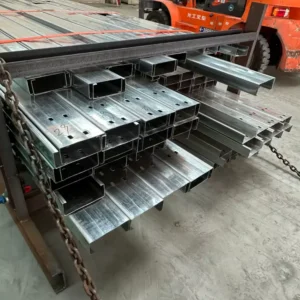
- Hot dip galvanized surfaces wrapped with protective film at contact points to preserve zinc coating integrity during transportation
- Custom loading plans for oversized H-beam sections exceeding standard container dimensions, utilizing open-top or flat-rack containers when required
- Components marked with heat numbers, steel grade identification, and piece marks matching approved shop drawings for site identification
- Professional lashing and securing for heavy fabricated structures to prevent shifting during vessel movement and truck transport to project site
Starting Your Fabrication Inquiry
Submit project drawings in PDF or DWG format along with material specifications, steel grade requirements, surface treatment preferences, and quantity. The engineering team responds within 24 hours with preliminary assessment, shop drawing timeline, and detailed quotation covering material, fabrication, coating, and logistics. Confirm welding standards, inspection requirements, and delivery schedule before contract execution.
Frequently Asked Questions
Q: Can you provide mill test certificates for S355JR material used in fabricated H-beams?
A: Yes, every H-beam produced includes mill test certificates documenting chemical composition and mechanical properties per EN 10025-2, with heat numbers traceable to our own steel production facility.
Q: What is the difference between hot dip galvanized and painted surface treatment for warehouse structures?
A: Hot dip galvanizing provides long-term corrosion protection through metallurgical zinc coating suitable for exterior exposure and humid environments, while painted systems offer cost-effective protection for indoor applications or structures requiring specific color matching.
Q: Do you handle shop drawing preparation or do we need to provide fully detailed fabrication drawings?
A: Our engineering team prepares shop drawings from your design drawings for review and approval, including material optimization, connection detailing, and fabrication sequencing to ensure efficient production and accurate site assembly.
Q: What quality documentation do you provide with exported steel structures?
A: Each shipment includes mill test certificates, welding procedure specifications, dimensional inspection reports, coating thickness measurements, and complete export documentation for customs clearance at destination port.
Ready to Discuss Your Steel Structure Requirements?
Share your project specifications and drawings to receive detailed quotation with material certification and fabrication timeline.
Contact: Shandong Xin Jiyuan Special Steel Tube Co., Ltd
Tel: +86 531 8573 6315
Mobile/WhatsApp/WeChat: +86 188 5315 7756
Email: admin@xjystructure.com